The best rivers for spotting alligators and exotic wildlife combine accessible boating, healthy wetland ecosystems, and predictable animal behavior, making them ideal destinations for travelers who want more than a scenic cruise. In boating for adventure and wildlife watching, the goal is not speed or watersports; it is quiet movement through habitats where reptiles, birds, mammals, and fish still follow natural patterns. I have planned river itineraries for paddlers, skiff operators, and houseboat travelers across the Southeast, Gulf Coast, and tropical waterways, and the same rule applies everywhere: the best wildlife river is the one that lets you observe without disturbing what you came to see.
For most travelers, alligator watching is the gateway interest. American alligators live primarily in the southeastern United States, especially in Florida, Louisiana, Georgia, Alabama, Mississippi, South Carolina, and parts of Texas and North Carolina. They prefer slow-moving freshwater rivers, marshes, swamps, and brackish backwaters. Exotic wildlife, in this context, includes species that feel unusual or regionally distinctive to visitors: manatees, roseate spoonbills, limpkins, iguanas, capybara in limited escaped populations, invasive Burmese pythons near connected wetland systems, river otters, black bears, and tropical wading birds. A strong wildlife destination usually supports native species first, then surprises visitors with range-edge or nonnative animals in specific corridors.
This topic matters because the right river choice affects safety, sightings, seasonal success, and conservation impact. A boater who launches on a broad estuary at the wrong tide may see very little. A traveler who chooses a cypress-lined river with protected shorelines, dawn launch access, and low wake traffic can see dozens of alligators, nesting herons, turtles on snags, and fish rolling at the surface in a single morning. River selection also determines your required boat type. Some of the best wildlife corridors reward kayaks, canoes, and shallow-draft jon boats; others are better explored by airboat tours, poling skiffs, or small center consoles with experienced local captains.
As a hub for boating for adventure and wildlife watching, this guide covers where to go, what makes a river productive, when to visit, how to boat responsibly, and which supporting trip-planning topics matter next. If you are building a broader travel plan, related content should naturally include state launch guides, seasonal boating calendars, birdwatching routes, paddling safety checklists, houseboat itineraries, and gear recommendations for photography, optics, sun protection, and navigation. Start with the rivers below, because they consistently deliver the highest odds of seeing alligators and a wider cast of wild species from the water.
What Makes a River Good for Alligator and Wildlife Watching
The best alligator rivers share six traits: warm climate, slow flow, abundant prey, basking structure, protected shoreline vegetation, and manageable boat traffic. Alligators conserve energy, so they favor rivers and side channels where they can float with minimal effort, haul out on mud banks, and ambush fish, turtles, birds, and small mammals. Cypress knees, fallen logs, grassy edges, and reed lines create the kind of edge habitat where sightings multiply. If a river is straightened, heavily bulkheaded, or crowded with high-speed traffic, wildlife becomes less visible even when animals are present.
Birdlife follows the same logic. Wading birds need shallows, floodplains, and backwater ponds. Ospreys and bald eagles need tall perches and healthy fish populations. Otters need clean water and cover. Manatees need warm winter refuges and vegetation-rich slow water. In practical boating terms, productive wildlife rivers often have idle-speed zones, protected refuges, and nearby public lands such as national wildlife refuges, state parks, water management areas, or conservation easements. These protections reduce shoreline clearing and preserve the marsh, swamp, and forest transitions that support food webs.
When I scout a route, I look first at maps showing oxbows, creeks, spring runs, and undeveloped bends rather than marinas or waterfront housing. Satellite imagery reveals sandbars for basking, dark backwaters for nesting cover, and aquatic vegetation beds where birds feed. Tide charts matter in coastal rivers. River gauges matter inland. So does light angle. The first two hours after sunrise and the last two before sunset are usually strongest for sightings because temperatures, glare, and boat pressure all work in your favor. Midday can still be productive in cooler months when alligators bask longer.
Best Rivers for Spotting Alligators and Exotic Wildlife
Several rivers stand out year after year for reliable sightings. Florida’s Myakka River is one of the most dependable alligator rivers in the country. Within Myakka River State Park, boaters and paddlers move through broad wetlands, slow channels, and lake sections where alligators are so common that first-time visitors often lose count. The park also produces limpkins, anhingas, wood storks, snail kites in the wider region, and frequent turtle sightings. The key advantage is protected habitat continuity. Because large sections remain undeveloped, wildlife behaves naturally and remains visible from the water.
The St. Johns River in Florida is another top choice, especially in central sections near Blue Spring, Lake George, and connected marshes. It is one of the few major U.S. rivers that flows north, and its slow gradient creates expansive habitat for alligators, manatees in winter, osprey, bald eagles, otters, and migratory waterfowl. Blue Spring runs are especially famous for manatees during cold weather, though boating restrictions apply in designated areas. On adjacent river stretches, boaters often see alligators on banks by midmorning, especially in cooler seasons when basking is prolonged.
Louisiana’s Atchafalaya Basin offers a different experience: a vast swamp-and-river complex rather than a single neatly defined channel. It is arguably the most atmospheric wildlife boating destination in the South, with cypress-tupelo swamps, bayous, backwater lakes, and extraordinary bird density. Alligators are common, but so are prothonotary warblers, barred owls, herons, egrets, and large fish species. The basin rewards local knowledge because water levels, navigation hazards, and route complexity change constantly. Guided trips are often the smartest option for visitors unfamiliar with the maze of channels.
For travelers wanting a tropical feel, the Homosassa and Crystal River systems in Florida deliver warm spring-fed water, winter manatees, dolphins near estuarine reaches, alligators in connected freshwater zones, and prolific birdlife. These are not pure alligator rivers in the classic swamp sense, but they are outstanding for mixed-species wildlife boating. South Florida’s Loxahatchee River is another standout, especially for paddlers. Its federally designated Wild and Scenic reach includes cypress swamp habitat rare that far south, and visitors can see alligators, turtles, ibis, osprey, and occasionally invasive iguanas along more developed connected corridors.
| River | Best For | Signature Wildlife | Ideal Craft | Best Season |
|---|---|---|---|---|
| Myakka River, Florida | Reliable alligator density | Alligators, limpkins, wood storks, turtles | Kayak, canoe, tour boat | Fall through spring |
| St. Johns River, Florida | Mixed wildlife and easy access | Alligators, manatees, eagles, otters | Pontoon, skiff, kayak | Winter and spring |
| Atchafalaya Basin, Louisiana | Big swamp adventure | Alligators, herons, owls, cypress swamp species | Flatboat, guided swamp boat, kayak | Spring and early fall |
| Loxahatchee River, Florida | Scenic paddling wildlife route | Alligators, wading birds, turtles, iguanas | Kayak, canoe | Cool dry season |
| Waccamaw River, South Carolina | Blackwater scenery and birding | Alligators, swallow-tailed kites, otters | Jon boat, kayak | Late spring through fall |
The Waccamaw River in South Carolina deserves more attention than it gets. This blackwater system, with cypress groves and quiet backwaters, supports alligators, otters, egrets, herons, and dramatic seasonal bird movement. Farther west, the lower Sabine and Neches wetlands near the Texas-Louisiana border produce alligators alongside marsh birds and excellent fishing. In Georgia, sections of the Altamaha and Okefenokee-connected waterways offer a more remote experience, where alligator sightings combine with exceptional reptile, amphibian, and bird diversity. The best river for you depends on whether you prioritize certainty of seeing alligators, variety of species, or the feeling of true backcountry exploration.
How to Plan a Successful Wildlife Boating Trip
Trip planning starts with matching the waterway to your boat and your skill level. A kayak can reach shallow creeks where wildlife is close, but it limits range and exposure tolerance in wind. A small jon boat or skiff expands distance and lets you carry optics, dry storage, and safety gear, but draft still matters in stump-filled rivers. Pontoons work well on broader rivers such as parts of the St. Johns, where comfort and stability matter more than extreme access. In swampy maze systems like the Atchafalaya, I recommend local guides unless you already know seasonal channels and understand floating debris, submerged timber, and shifting water levels.
Timing is usually the difference between a mediocre trip and an excellent one. In the Southeast, cooler months often improve alligator viewing because reptiles spend more time basking openly. Summer brings more active reptiles and lush scenery, but heat haze, insects, thunderstorms, and heavy recreational traffic can reduce observation quality. For birdwatching, spring nesting and migration are major draws. For manatee viewing on spring-fed rivers, winter is unmatched. Always check state wildlife agency guidance, park service notices, and local ramp conditions before launching. Water levels can make a familiar route inaccessible or unsafe within days.
Equipment should support quiet observation. A polarized pair of sunglasses is essential for cutting surface glare. A 8×42 or 10×42 binocular is more useful on the water than oversized optics because it balances brightness, field of view, and hand stability. If you photograph wildlife, a weather-sealed camera with a 100-400mm equivalent zoom gives flexibility without requiring constant lens changes. Use navigation apps such as Navionics alongside official charts or park maps, but never rely on one screen in swamp country. Bring redundant hydration, a whistle, first-aid supplies, sun gloves, insect repellent, and a fully charged phone in a dry case.
Safety, Etiquette, and Conservation on Alligator Rivers
Alligator safety is straightforward but nonnegotiable. Stay well back, never feed wildlife, and do not approach nests or juveniles because protective females may be nearby. State agencies across the Southeast repeat the same advice for good reason: feeding alligators teaches association with people and leads to dangerous behavior, relocation, or destruction of the animal. On the water, keep hands inside small craft near shorelines where visibility is limited. At ramps and campsites, avoid cleaning fish at the edge, and never let pets swim in known alligator habitat. Dogs are frequent victims because their size and movement resemble natural prey.
Boating etiquette matters just as much as personal safety. Reduce wake around marsh edges, rookeries, anglers, paddlers, and manatee zones. Noise discipline improves wildlife sightings and reduces stress on animals. If you stop to watch a basking alligator, hold position at a respectful distance rather than drifting directly toward it for a closer photo. Birds flushing repeatedly from nests waste energy and expose eggs and chicks to heat and predators. In spring rookeries, a long lens and patience are better than proximity. Many of the best wildlife rivers are productive because they remain protected; careless visitation can degrade the very behaviors that make them special.
Responsible travelers also support local conservation through permit fees, park admissions, licensed guides, and businesses that follow habitat rules. Choose marinas and tour operators that respect no-wake zones, pack out trash, and educate guests accurately. If you trailer boats between watersheds, clean hulls and gear to reduce the spread of invasive plants and hitchhiking organisms. On tropical and subtropical rivers, invasive species are now part of the wildlife conversation. Iguanas, armored catfish, and pythons in connected systems illustrate how quickly disrupted ecosystems change. Observing unusual species can be memorable, but preserving native habitat remains the priority that keeps wildlife boating meaningful.
Building a Broader Adventure and Wildlife-Watching Itinerary
A strong boating destination plan rarely stops with one launch. The smartest itineraries combine a flagship river with nearby refuges, boardwalks, springs, estuary runs, and local museums or nature centers that explain what you are seeing. A Florida wildlife trip might pair the St. Johns River with Blue Spring, Merritt Island birding, and a separate paddling day on the Loxahatchee. A Louisiana trip might combine the Atchafalaya with Lake Martin rookery viewing and Cajun cultural stops. This hub topic naturally branches into river-specific launch guides, best seasons by state, wildlife photography from boats, paddling versus motorboating comparisons, and family-friendly wildlife cruises.
The main takeaway is simple: choose protected, slow-moving rivers with healthy shorelines, go at the right season and time of day, and use a boat that fits the habitat. Myakka, the St. Johns, the Atchafalaya, the Loxahatchee, and the Waccamaw consistently stand out because they offer high alligator visibility plus broader wildlife diversity. Plan carefully, respect distance, and treat the river as habitat first and attraction second. If you are building your next boating trip around adventure and wildlife watching, use this guide as your starting hub, then map out the specific river, season, launch, and gear list that match your travel goals.
Frequently Asked Questions
What makes a river especially good for spotting alligators and other exotic wildlife?
The best rivers for wildlife viewing usually share a few important characteristics: slow to moderate current, broad marsh edges, backwater creeks, fallen timber, and healthy vegetation along the banks. These features create feeding, nesting, and basking zones for alligators while also supporting fish, turtles, wading birds, otters, and migratory species. A productive river is not just one with water; it is one connected to swamps, wetlands, oxbows, floodplains, and shallow shoreline habitat where animals can live without constant disturbance.
Accessibility also matters. A river may have excellent wildlife habitat, but if it is too exposed, too crowded, or dominated by heavy boat traffic, sightings can become less predictable. Quiet stretches with limited wake, protected coves, and natural shorelines tend to offer far better viewing than busy recreational corridors. For travelers interested in boating for adventure and wildlife watching, the ideal setting is one where you can move slowly, observe from a respectful distance, and cover enough water to encounter several habitat types in a single outing. That combination is what turns an ordinary cruise into a dependable wildlife experience.
When is the best time of day and year to see alligators on rivers?
Early morning and late afternoon are generally the most productive times for spotting alligators because those periods often align with their basking and feeding activity. On cooler mornings, alligators may be seen resting on mud banks, partially submerged near reeds, or stretched out along sunny edges warming themselves. In the evening, they often become easier to notice in calm water, especially near marsh channels, shaded bends, and quiet shallows where prey is active. Midday can still be worthwhile, but in hotter conditions many animals retreat to deeper water or shaded cover, making sightings less frequent.
Seasonally, spring through early fall is usually the strongest window in warm southern river systems because water temperatures support more visible reptile activity and birdlife is often abundant as well. Spring can be especially rewarding because breeding behaviors, nesting activity, and increased movement make wildlife easier to observe. Summer offers high alligator visibility, though boat traffic and heat can affect behavior. In early fall, many rivers remain active while recreational pressure drops, which can create excellent viewing conditions. Winter can still provide sightings in southern climates, but animal movement is often slower and more weather-dependent. If your goal is consistency, target warm months, stable weather, and low-wind conditions.
What kind of boat is best for exploring rivers known for alligators and wildlife watching?
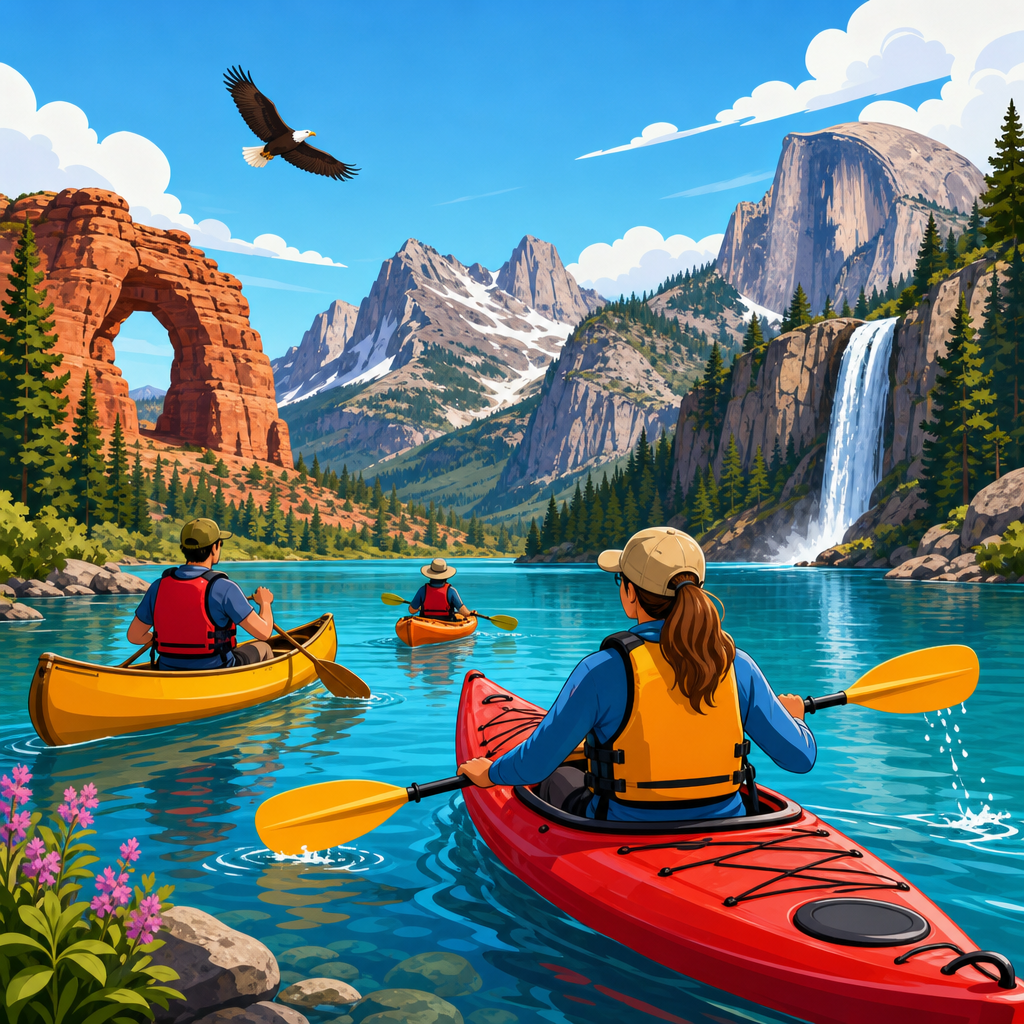
The best boat depends on the river’s depth, width, launch access, and how close you want to get to backwater habitat without causing disturbance. Kayaks and canoes are excellent for quiet observation because they move silently, draw very little water, and allow access to creeks, marsh edges, and narrow channels where wildlife is often concentrated. They are ideal for paddlers who value stealth and close-to-the-water visibility. Small skiffs and shallow-draft jon boats are also strong options, especially for covering longer distances while still reaching protected side channels and low-depth shoreline areas.
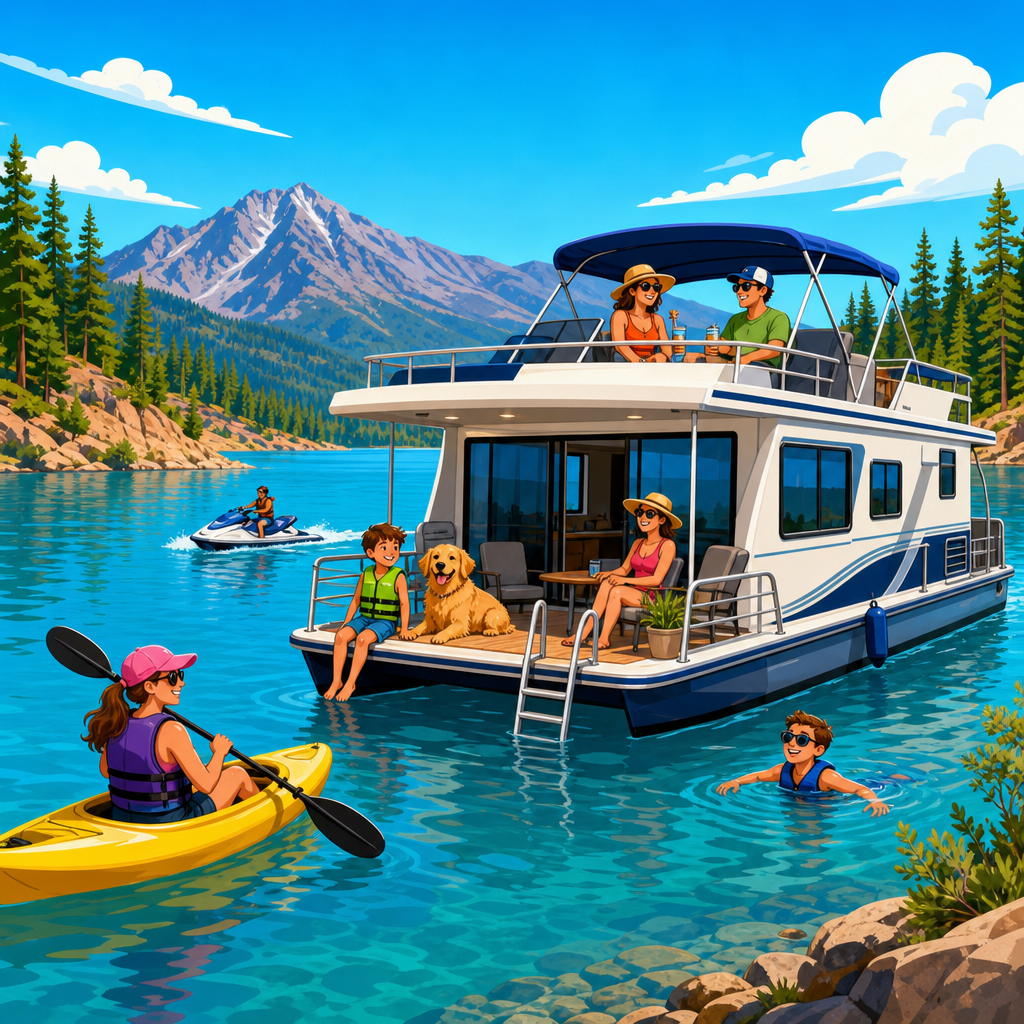
For travelers planning a more comfortable or extended outing, a modest houseboat or small cruising vessel can work well on larger river systems with enough depth and stable navigation, but the key is still restraint. Wildlife-focused boating is most successful when operators reduce speed, avoid excessive wake, and spend time drifting or idling near productive habitat rather than racing between landmarks. Electric trolling motors can be especially useful for bird rookeries, marsh pockets, and calm banks where noise reduction dramatically improves your chances of seeing natural animal behavior. In short, the best boat is not the fastest one; it is the one that lets you move safely, quietly, and with minimal impact on the ecosystem.
How can travelers watch alligators safely and responsibly from a boat?
The most important rule is to treat alligators as wild animals, not attractions that should be approached for a closer photo. Maintain a respectful distance, avoid blocking their path to water, and never provoke movement by steering directly toward them. If an alligator slips off a bank as you approach, that is a sign you are too close. Slow down, drift, and allow animals space to resume natural behavior. Feeding alligators is never acceptable; it is dangerous, illegal in many areas, and harmful because it teaches them to associate boats and people with food.
Boat handling also plays a major role in safety. Keep hands, feet, and pets inside the vessel, especially near low banks, vegetation mats, or launch areas where animals may be concealed. Avoid swimming in habitats known for alligators, and use extra caution at dawn, dusk, and during nesting season. If you are photographing wildlife, use zoom rather than proximity. Good wildlife watching is based on patience, not pressure. The more calmly and predictably you move, the more likely you are to witness natural interactions among reptiles, birds, and mammals without creating stress for the animals or risk for yourself.
Which other animals are commonly seen on rivers famous for alligators?
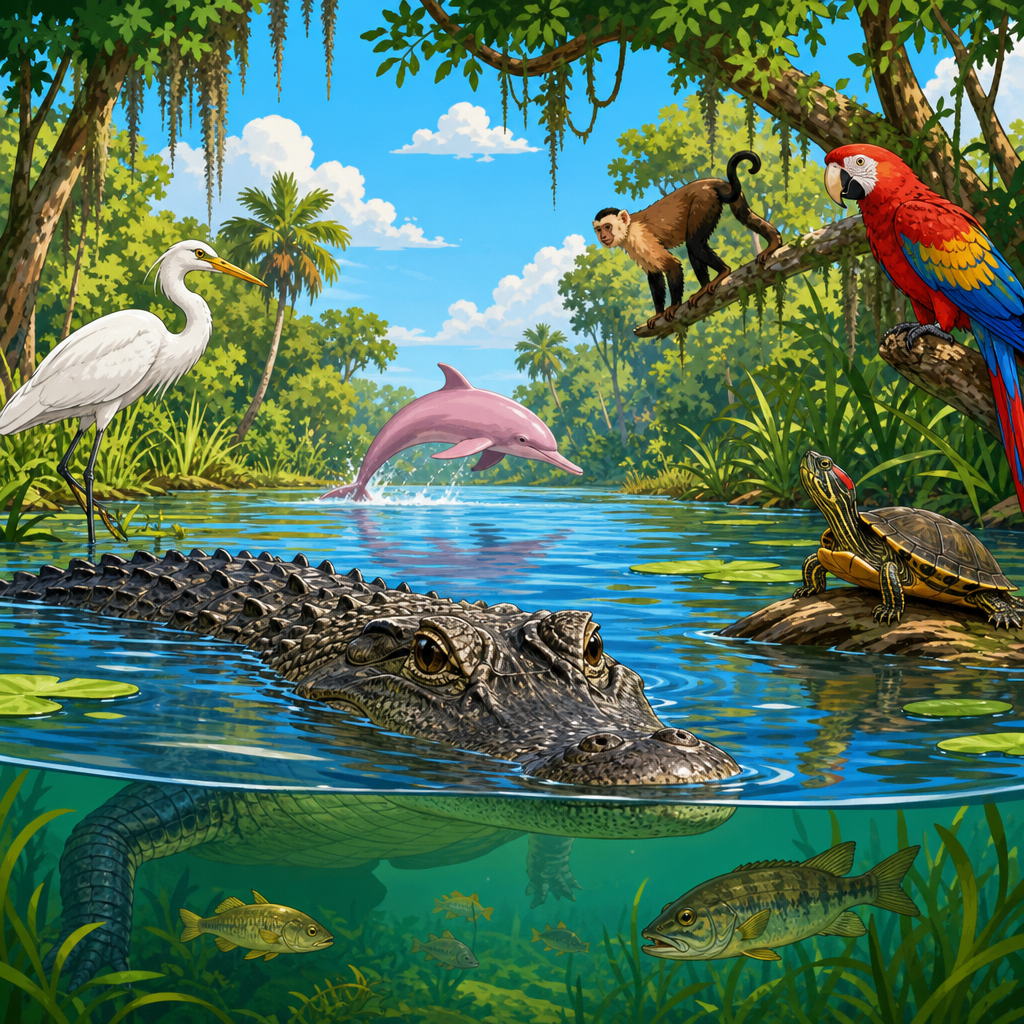
Rivers that support healthy alligator populations often host a much broader range of wildlife, which is part of what makes them such compelling destinations. Wading birds are usually among the most visible, including herons, egrets, ibises, storks, and anhingas. Ospreys, hawks, owls, and eagles may patrol the same waterways, especially where fish populations are strong. Turtles bask on logs, schools of fish flash through shallows, and snakes may appear in reeds, overhanging branches, or shoreline brush. In some river systems, travelers may also encounter otters, manatees, wild pigs, deer, raccoons, and even introduced or regionally unusual species depending on the watershed.
The term “exotic wildlife” can mean different things depending on location. In some areas it refers to nonnative reptiles, tropical-looking birds, or unusual fish species that thrive in warm wetland environments. In others, it simply reflects the remarkable diversity of animals packed into one navigable river corridor. What matters most is habitat quality. A river with intact marsh, cypress stands, floodplain forest, and low disturbance is far more likely to produce memorable sightings than one with hardened shorelines and constant traffic. That is why the best rivers for spotting alligators are often also the best rivers for seeing an entire food web in action, from insects and baitfish to apex reptiles and soaring raptors.