Boating in national parks combines two distinctly American pleasures: exploring public lands and traveling by water through landscapes that often reveal their best views from a cockpit, casting deck, or houseboat stern. In practical terms, boating in national parks includes paddling kayaks and canoes, running small motorboats, sailing where conditions allow, and reserving larger craft on major reservoirs and lakes. I have planned trips across western reservoirs, glacial lakes, and protected seashores, and the biggest lesson is simple: the park name alone does not tell you what kind of boating experience you will get. Some parks are built around vast open water and marinas, others only allow hand-launched craft, and several require careful attention to invasive species inspections, weather windows, wake rules, and permit systems. That difference matters for trip planning, cost, safety, and expectations.
The top national parks in the U.S. where you can boat stand out because they pair memorable scenery with workable access. A great boating park needs more than beautiful water. It needs launch ramps or hand launches, navigationally sensible shorelines, clear regulations, seasonal services, and enough route variety to reward both first-time visitors and experienced boaters. National Park Service units also vary widely: a “national park” may offer wilderness paddling, while a nearby national recreation area delivers the marinas and fuel docks most motorboaters need. For travelers researching boating destinations and travel ideas, this hub explains where boating is best, what makes each destination different, and how to match a park with your boat, skill level, and goals. If you want to fish, cruise, camp on beaches, tow water toys outside restricted zones, or simply photograph cliffs and wildlife from the water, choosing the right park is the most important decision you will make.
What makes a national park great for boating
The best boating national parks share five traits: reliable access, scenic payoff, manageable conditions, service infrastructure, and a rule set that protects resources without making the trip impractical. Access means concrete ramps, marina slips, rentals, or at minimum a safe shoreline for launching a kayak. Scenic payoff is what separates a pleasant day on the water from a destination trip: red-rock canyons at Lake Powell, granite walls at Yellowstone Lake, sea caves at Apostle Islands, or alligator habitat in the Everglades backcountry. Conditions matter just as much. A large lake can be spectacular and still be a poor family boating choice if afternoon winds routinely build dangerous chop. Infrastructure includes fuel, pump-out stations, slips, shuttle services, weather information, and nearby lodging. Finally, regulations shape the experience. The parks that work best for boating publish clear guidance on life jackets, quiet zones, invasive mussel inspections, bear-safe food storage, sanitation, and camping areas.
Boaters also need to distinguish between paddling and powerboating environments. Paddling destinations reward shoreline detail, protected coves, and short carries. Motorboating destinations need deeper water, marked channels, and enough shoreline or water acreage to justify the logistics of trailering. One reason many travelers struggle with boating in national parks is that they assume every water body welcomes every vessel type. That is rarely true. Some park lakes prohibit private motors entirely. Others allow horsepower but limit wakes, speed, or access to sensitive areas. In my experience, the strongest trips start by asking three direct questions: What craft is allowed here, what hazards define this water, and what is the best season for my style of boating? Answer those correctly and the destination usually reveals itself.
Top national parks in the U.S. where you can boat
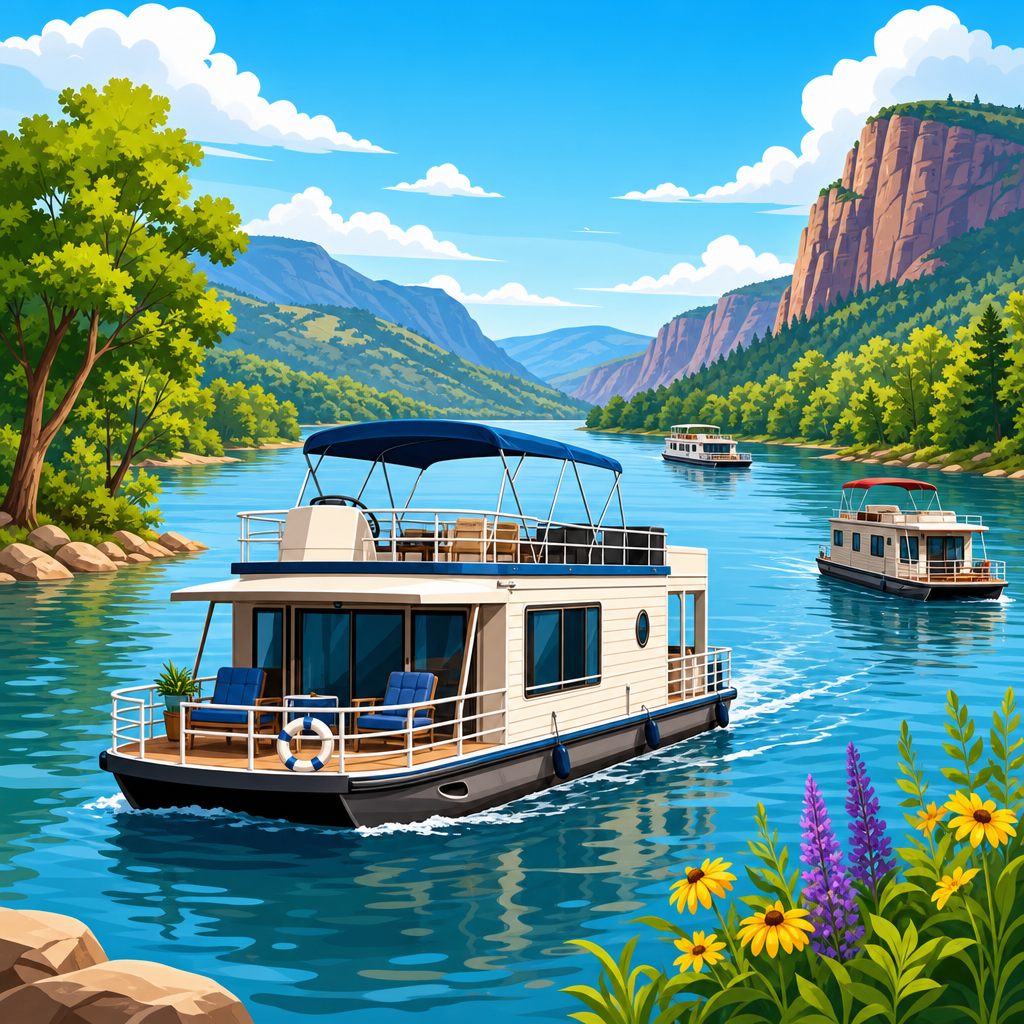
Several parks consistently rank at the top for boating because they offer both exceptional scenery and practical access. Lake Mead National Recreation Area is often the easiest recommendation for powerboaters: enormous water, multiple marinas, desert scenery, and access from Las Vegas and Arizona. Glen Canyon National Recreation Area, centered on Lake Powell, is the iconic houseboating destination, with labyrinthine red-rock side canyons, sandy coves, and enough shoreline complexity to support weeklong itineraries. Voyageurs National Park is a freshwater maze of interconnected lakes where boating is not just recreational but fundamental to reaching campsites and much of the park itself. Everglades National Park is one of the country’s most distinctive boating landscapes, best known for flats skiffs, shallow-draft fishing boats, canoes, and kayaks threading mangrove estuaries and broad bays.
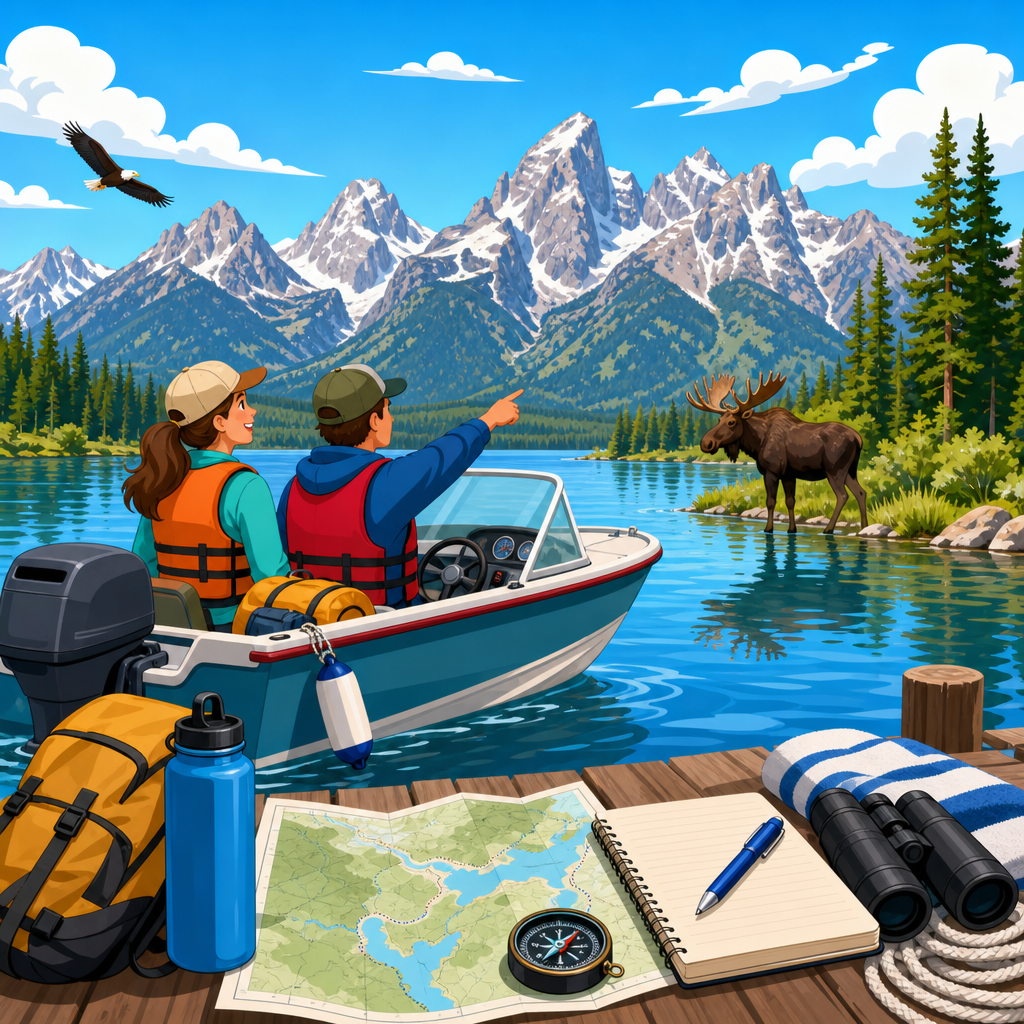
Yellowstone National Park deserves inclusion for Yellowstone Lake, the largest high-elevation lake in North America of its size, where cold water, sudden storms, and geothermal scenery create a boating experience unlike any reservoir. Grand Teton National Park offers calmer scenic cruising and paddling on Jackson Lake, with the Teton Range rising directly above the shoreline. Channel Islands National Park is elite for experienced kayakers and small-boat operators who want sea caves, kelp forests, and wildlife, but it demands serious weather judgment because wind and swell can change quickly. Biscayne National Park is another standout because most of the park is water, and boating is the primary way to reach reefs, keys, and shallow flats. Apostle Islands National Lakeshore, while technically not a national park, belongs in this hub because many travelers searching boating in national parks are really seeking National Park Service boating units. Its sea caves, lighthouses, and island camping make it one of the best Great Lakes boating destinations in the country.
| Park or NPS Unit | Best For | Boat Types | Main Consideration |
|---|---|---|---|
| Lake Mead | Powerboating, marinas, easy access | Runabouts, pontoons, fishing boats | Heat, low water levels, wind |
| Glen Canyon/Lake Powell | Houseboating, canyon exploration | Houseboats, cruisers, kayaks | Navigation complexity, fuel planning |
| Voyageurs | Boat-access camping, freshwater touring | Fishing boats, pontoons, canoes | Border waters, route planning |
| Everglades | Backcountry fishing and paddling | Skiffs, canoes, kayaks | Shallow water, tides, bugs |
| Yellowstone | Scenic cold-water boating | Motorboats, kayaks, canoes | Sudden storms, frigid water |
| Biscayne | Reefs, flats, island access | Center consoles, skiffs, kayaks | Shallow hazards, weather exposure |
Choosing the right park for your boating style
If your goal is relaxed family cruising, prioritize parks with marina infrastructure and broad service support. Lake Mead and Lake Powell lead this category because they offer rentals, fuel, slips, and routes flexible enough for half-day outings or multiday trips. If you want boat camping with a wilderness feel, Voyageurs is hard to beat. Many campsites are boat-in only, the water routes feel purposeful rather than incidental, and the scenery changes from island clusters to narrow channels and open lake basins. For anglers, Everglades and Biscayne offer very different fisheries. Everglades rewards shallow-water skills and local knowledge of tides, while Biscayne combines flats fishing with access to reef edges and clearer tropical water.
For paddlers, the right choice depends on whether you want inland stability or coastal drama. Jackson Lake in Grand Teton and many routes in Voyageurs suit canoeists and recreational kayakers because there are sheltered stretches and obvious landing points. Channel Islands and Apostle Islands attract sea kayakers seeking caves, swell, and expedition planning, but these are not casual rental-boat environments once you leave protected areas. I advise travelers to classify themselves honestly. A person with a 20-foot bowrider, limited towing experience, and two small children should not choose a destination solely because photos look epic. Conversely, an experienced kayaker seeking technical coastal routes may find a giant reservoir less satisfying than a shorter but more dynamic island crossing. Match the boat and skill to the park first, then let scenery break the tie.
Rules, permits, and safety realities boaters need to know
National parks protect sensitive ecosystems, so boating regulations are often stricter than at state lakes. The most common requirements include current boat registration, wearable life jackets for every passenger, age-specific PFD rules for children, and compliance with state boating laws enforced within park boundaries. Many western parks now require aquatic invasive species inspections because zebra and quagga mussels can devastate water systems and marina infrastructure. At Lake Mead, Glen Canyon, Yellowstone, and several mountain parks, inspection and decontamination procedures may affect launch timing. Ignore this and you can lose half a day before the trip even begins.
Weather is the safety factor visitors underestimate most. Yellowstone Lake can develop steep, dangerous waves in minutes because cold fronts sweep across a large open basin. On the Great Lakes, conditions near Apostle Islands can deteriorate far faster than novice paddlers expect. In south Florida, summer thunderstorms build rapidly, and shallow bays can leave boaters stranded by poor route selection as tides fall. The National Park Service, NOAA marine forecasts, local marina staff, and ranger stations are all useful sources, but they do not replace judgment. Float plans, paper charts or downloaded offline maps, VHF radios where appropriate, and a conservative turnaround time are not optional on serious park waters. If a park is famous for scenery but infamous among rangers for rescues caused by wind, cold shock, or grounding, believe the warnings.
Seasonality, costs, and trip-planning logistics
The best time for boating in national parks depends less on latitude than on the interaction of water level, storms, temperature, and crowding. Spring at Lake Powell can mean comfortable temperatures and lower crowds, while midsummer brings warm water and full services but intense heat and busy launch ramps. In Yellowstone and Grand Teton, the season is shorter because ice-out and cold water dominate much of the year. Everglades boating is generally most pleasant in the dry season, when humidity and insects are less oppressive, though winter also attracts the most visitors. Biscayne is appealing year-round, but wind direction and passing weather systems can strongly shape small-boat comfort and reef access.
Costs vary more than many travelers expect. A paddling trip with your own kayak may only require park entry, parking, and camping fees. A houseboat week on Lake Powell can involve rental charges, fuel, generator use, food provisioning, slip fees, and damage deposits that push the budget into major-vacation territory. Trailering your own boat reduces rental cost but adds fuel, maintenance, tow-vehicle wear, and possible launch fees. I tell readers to budget by category: access, boat operation, overnight costs, and contingency funds. Contingency matters because weather delays, unexpected decontamination, damaged props from shallow strikes, and extra marina nights are common enough to deserve line items. Good planning is not about eliminating uncertainty; it is about making uncertainty affordable and manageable.
How to build a better boating itinerary in national parks
The smartest itineraries are shaped around range, exposure, and backup options. Start by identifying one primary route and one sheltered alternative for wind or storms. On Lake Mead, that may mean choosing a shorter cove-based day rather than crossing a broader basin in the afternoon. In Voyageurs, it may mean moving campsite goals closer together so weather does not force an exhausting run. In Everglades, it can mean selecting a route that respects tidal depth and navigation markers instead of assuming every mangrove opening goes through. Always build around the slowest member of the group, not the most confident. This is especially true when mixing kids, anglers, photographers, and paddlers with different priorities.
A strong hub strategy for boating destinations and travel also means pairing this overview with focused subtopics: best national parks for houseboating, best paddling routes in national parks, invasive species inspection rules by park, family-friendly park marinas, and boating safety checklists for reservoir, coastal, and backcountry water. That deeper planning mindset improves the trip itself. The top national parks in the U.S. where you can boat are memorable because water reveals landscapes roads cannot, but the reward goes to travelers who prepare for the specific character of each place. Choose the park that matches your craft, study the rules and weather, reserve services early, and leave room for conditions to dictate the day. Do that, and boating in national parks becomes more than transportation or recreation. It becomes the clearest way to experience some of America’s most extraordinary protected waters.
Frequently Asked Questions
Which U.S. national parks are best known for boating opportunities?
Several U.S. national parks stand out for exceptional boating, but the best choice depends on the kind of experience you want on the water. Lake Mead National Recreation Area is one of the most famous destinations for motorboating, houseboating, and fishing thanks to its massive reservoir system and well-developed marinas, although it is technically a national recreation area managed by the National Park Service rather than a national park. Within the national park system more broadly, Glacier National Park offers spectacular boating on glacial lakes such as Lake McDonald, where visitors can paddle calm waters framed by dramatic mountain scenery. Voyageurs National Park in Minnesota is uniquely built around boating, with interconnected lakes serving as the primary travel corridors through the park. Channel Islands National Park is ideal for sea kayaking and small-boat exploration, especially for visitors interested in marine wildlife, sea caves, and rugged coastal scenery. Everglades National Park provides a very different boating experience, with mangrove tunnels, coastal bays, and wilderness waterways that are best explored by canoe, kayak, or shallow-draft motorboat. Grand Teton National Park is also highly regarded for boating on Jackson Lake, where boaters enjoy remarkable views of the Teton Range. If your article focuses on top boating parks, these destinations consistently rank high because they combine navigable water, memorable scenery, and a range of access options for different skill levels.
What kinds of boats can you use in national parks?
The answer varies by park, but boating in national parks can include everything from kayaks, canoes, and stand-up paddleboards to fishing boats, sailboats, pontoon boats, and even houseboats in certain large reservoir areas. Parks with inland lakes and protected waters often support non-motorized paddling and, where permitted, small motorized craft. Larger bodies of water such as Lake Powell or Lake Mead can accommodate houseboats, ski boats, and cruising vessels through concessionaires and marina services. In marine environments like Channel Islands National Park, visitors typically arrive by concession boat and then explore selected areas by kayak, though private boat access is also possible for experienced mariners. Some parks restrict horsepower, wake activity, or vessel size, while others limit boating to designated launch areas or specific waterways. There are also parks where boating is possible but highly specialized because of remote conditions, cold water, strong winds, tides, or shifting weather. That is why it is essential to check each park’s boating regulations before your trip. The National Park Service and authorized concessionaires usually provide current guidance on launch permits, aquatic invasive species inspections, safety requirements, rental availability, and seasonal operating conditions.
Do you need a permit or reservation to go boating in a national park?
In many cases, yes. Some national parks require permits, inspections, launch reservations, or backcountry authorizations depending on the waterway, vessel type, and length of stay. For day use on a simple paddle trip, you may only need to pay the park entrance fee and comply with standard boating regulations. However, if you plan to use a motorized vessel, launch from a formal ramp, camp on a boat, stay overnight in the backcountry, or enter waters with invasive species controls, additional steps are often required. Parks with high demand or limited infrastructure may require advance reservations for marina slips, rental boats, guided trips, or overnight permits. In places such as Glacier, Grand Teton, or Voyageurs, visitors should also review local rules covering inspection requirements, personal flotation devices, and seasonal access. If you are planning a houseboat trip on a large reservoir area administered by the National Park Service, reservations should be made as early as possible because prime dates can fill quickly. The safest approach is to visit the official park website well before departure and verify fees, launch procedures, weather advisories, and any temporary closures. Conditions can change rapidly, and park-specific rules matter far more than general assumptions about boating in public waters.
What should you pack for a boating trip in a national park?
A well-planned packing list can make the difference between a smooth day on the water and a stressful one. Start with the essentials required for safety and legality: properly fitted life jackets for every passenger, navigation lights if needed, signaling devices, required registration documents, and any permits or reservation confirmations. Beyond that, pack for exposure. Many national parks are known for strong sun, reflective water glare, cold mornings, and sudden weather shifts, so bring sunscreen, sunglasses, layers, rain gear, and a hat. Drinking water is especially important because dehydration happens quickly on boats, particularly at high-elevation parks and desert reservoirs. Dry bags are useful for protecting phones, maps, cameras, and extra clothing. If you are paddling or venturing into less developed areas, carry a map, compass or GPS, first-aid kit, snacks, and an emergency communication device if cell coverage is unreliable. Anglers should check fishing regulations and license requirements before packing tackle. Families may also want towels, water shoes, and motion-sickness remedies. In parks with cold water, such as glacier-fed lakes or alpine reservoirs, thermal protection and conservative trip planning matter just as much as standard boating gear. Always pack according to both the park environment and your specific style of boating, whether that means a short paddle near shore or a multi-day reservoir trip.
When is the best time of year to go boating in U.S. national parks?
The best season depends heavily on geography, elevation, and the type of boating you want to do. In northern and mountain parks, summer is usually the prime window because lakes thaw, launch facilities open, and temperatures become more comfortable. Glacier National Park, Grand Teton National Park, and Voyageurs National Park are generally most accessible for boating from late spring through early fall, with midsummer offering the warmest conditions but also the largest crowds. In desert reservoir destinations such as Lake Mead or Lake Powell, spring and fall are often ideal because temperatures are milder than in peak summer, when heat can be intense and potentially dangerous. For Everglades National Park, the dry season, typically from late fall through early spring, is often the most pleasant for boating thanks to lower humidity, fewer storms, and better wildlife viewing. Coastal parks like Channel Islands can be rewarding year-round, but sea state, wind, and swell conditions play a major role in trip quality and safety. The important thing to understand is that “best time” is not just about comfort; it is also about water levels, storm patterns, marina operations, wildfire smoke, and seasonal closures. Checking current park conditions right before your trip is always smart, because a park that looks perfect on paper can have very different real-world conditions from one week to the next.