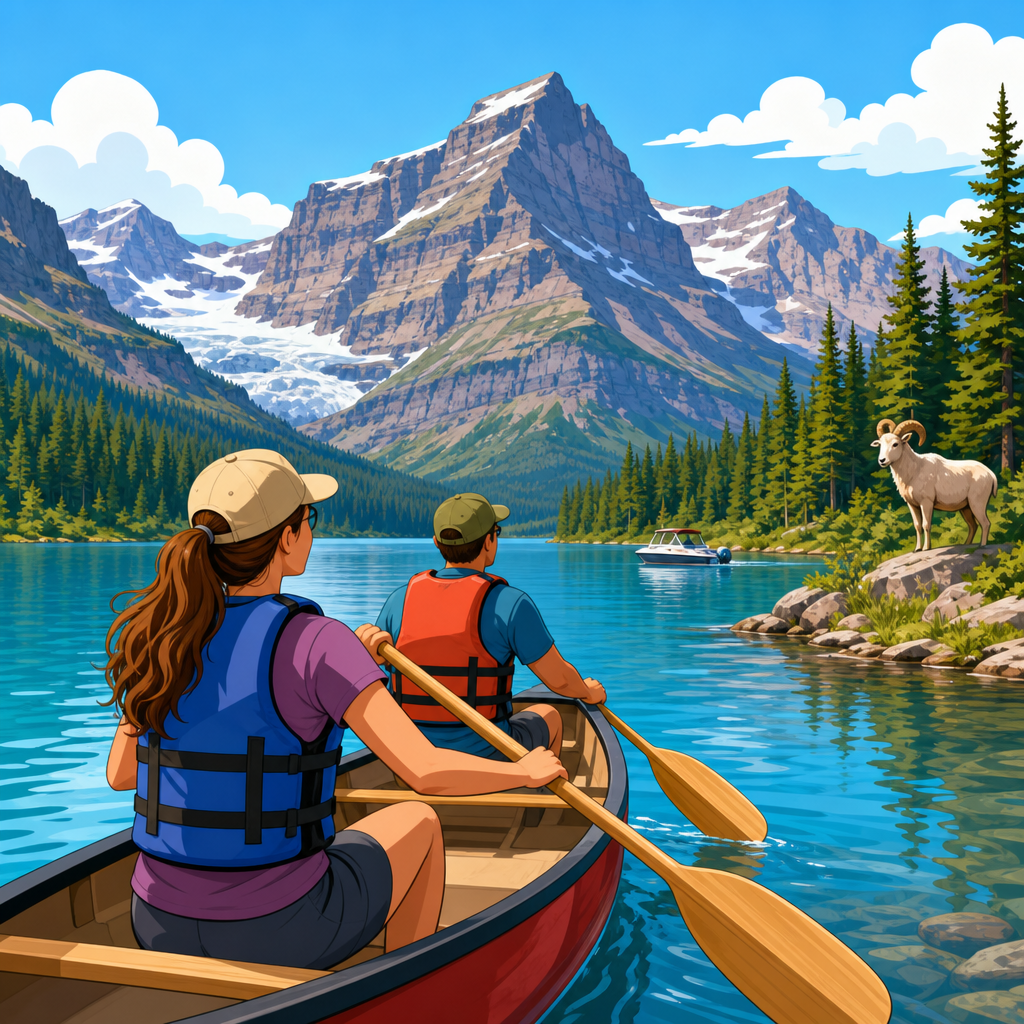
Boating in Glacier National Park rewards careful planning, because the park’s lakes and rivers are breathtaking, cold, highly regulated, and shaped by fast-changing mountain weather. For travelers exploring boating in national parks, Glacier is one of the best places to understand what makes these waters special: strict aquatic invasive species rules, limited launch access, nonmotorized advantages, and scenery that feels genuinely wild. In practical terms, boating here means using kayaks, canoes, rowboats, paddleboards, and a small number of permitted motorboats on designated lakes, while respecting inspection requirements, seasonal closures, and safety limits created by snowmelt and wind. I have planned park boating trips where a calm morning became a whitecapped afternoon in less than an hour, and Glacier consistently demands that kind of respect. This guide explains where you can boat, what permits and inspections you may need, how to choose between east- and west-side waters, what gear matters most, and how Glacier fits into the broader topic of boating in national parks. If you want one hub page to understand the rules, logistics, and best on-the-water experiences before diving into lake-specific trip plans, start here.
What boating in Glacier National Park includes
Glacier National Park in Montana protects more than 700 miles of trails, alpine terrain, and a network of iconic lakes including Lake McDonald, St. Mary Lake, Bowman Lake, Two Medicine Lake, and Swiftcurrent Lake. When visitors ask whether you can boat in Glacier National Park, the direct answer is yes, but only under park-specific conditions. The National Park Service regulates where boats may launch, what type of craft may operate, and how all watercraft are inspected to prevent the spread of invasive mussels and other organisms. Those rules matter because Glacier’s lakes are relatively pristine, and once invasive species arrive, they are almost impossible to remove.
In plain terms, there are three common ways to boat here. First, visitors bring human-powered craft such as kayaks, canoes, rafts, and stand-up paddleboards. Second, some visitors rent boats or join guided trips near developed areas. Third, historic concession boat tours operate on select lakes and offer a way to experience park waters without handling your own vessel. Motorized boating is far more limited than at many state recreation areas. Horsepower restrictions, launch limitations, and inspection protocols mean Glacier favors quiet recreation over speed. That is a big reason the experience stands out among boating destinations and travel options in the national park system.
Glacier also serves as a useful hub for the larger subject of boating in national parks because it concentrates many issues boaters face elsewhere: reservation pressure, seasonal access, wildlife protection, cold-water survival, and the tradeoff between recreation and conservation. Visitors comparing Glacier with Yellowstone, Voyageurs, Isle Royale, Grand Teton, or Everglades quickly see the spectrum of park boating conditions. Some parks are motorboat-oriented, some are paddle-focused, and some require backcountry-level self-sufficiency. Glacier sits in the middle. It is accessible enough for first-time paddlers on a calm summer morning, yet serious enough that poor preparation can end a trip early or create real danger.
Where to boat and how each area differs
Choosing the right lake is the most important decision after confirming inspections and access. On the west side, Lake McDonald is the best-known option. It is long, scenic, and comparatively accessible from Apgar and West Glacier. Because of its size, however, wind can build quickly and create rough conditions, especially in the afternoon. The lake works well for sunrise or early-morning paddles when the surface is calmer and reflections are strongest. Apgar’s developed visitor area also makes logistics easier for families who need parking, restrooms, rentals, or nearby food.
Bowman Lake, in the North Fork area, feels more remote. The drive is slower, often rougher, and services are minimal, but the reward is a quieter setting with fewer crowds and an impressive mountain backdrop. Bowman is a strong choice for paddlers seeking a less developed Glacier boating experience. Two Medicine on the southeast side offers another excellent paddle destination, with dramatic peaks rising close to shore and a lake shape that can be explored in manageable sections. Swiftcurrent and Lake Josephine in Many Glacier are famous for scenery, but visitors should verify current boating rules and access conditions because operational details can change with infrastructure work and seasonal management.
St. Mary Lake combines unforgettable views with exposure. It is one of the most photogenic lakes in the park, but it is not the place to underestimate wind, distance, or cold water. If your skill level is moderate, hug shorelines, launch early, and set a strict turnaround time. The same principle applies across the park: Glacier lakes are usually safest and most enjoyable in the morning. By early afternoon, thermal winds often build, and even strong recreational paddlers can find themselves fighting chop, spray, and long crossings.
| Lake or Area | Best For | Main Advantage | Primary Caution |
|---|---|---|---|
| Lake McDonald | First-time Glacier visitors | Easy access, rentals nearby, classic scenery | Afternoon wind and boat traffic |
| Bowman Lake | Quiet paddling and remoteness | Less crowded, wilderness feel | Long rough access road, fewer services |
| St. Mary Lake | Experienced paddlers and photographers | Iconic east-side views | Strong wind, cold water, exposure |
| Two Medicine | Scenic day trips | Manageable routes with dramatic peaks | Rapid weather changes |
Rules, inspections, permits, and launch logistics
The first rule of boating in Glacier National Park is to verify current watercraft regulations directly with the National Park Service before arrival. The park has used mandatory watercraft inspection and quarantine measures to protect against aquatic invasive species, especially zebra and quagga mussels. These programs can affect every privately launched craft, including nonmotorized boats, inflatable kayaks, paddleboards, and fishing boats. In some seasons, visitors must complete inspection steps at designated stations, present proof of decontamination history, or comply with waiting periods if a craft has recently been used on waters outside the Crown of the Continent ecosystem. Policies can change, so last year’s advice is never enough.
That inspection system may feel inconvenient, but it is standard best practice in high-value freshwater ecosystems. Western states and federal land agencies increasingly rely on Clean, Drain, Dry protocols, hot-water decontamination, and launch controls because invasive mussels clog infrastructure, alter food webs, and permanently affect recreation. I always tell visitors to build inspection time into the first day’s itinerary rather than assuming they can drive in and launch immediately. If you arrive during a busy summer weekend without checking station hours, you can lose most of the day.
Access logistics also matter. Glacier now uses timed entry and reservation-related systems in several park areas during peak season, and road construction or parking limits can reshape launch plans. A boater might be fully compliant on inspections yet still struggle if they have not secured the right access window for Going-to-the-Sun Road or a high-demand district. For that reason, boating trip planning should include three separate checks: park entry requirements, watercraft inspection requirements, and site-specific launch access. Rentals or guided operators can simplify this because they handle local compliance, but independent boaters need to manage all three pieces themselves.
Safety, weather, and the reality of cold water
The biggest boating mistake in Glacier is treating mountain lakes like warm, forgiving vacation water. Even in midsummer, surface temperatures can remain cold enough to trigger gasping, loss of coordination, and rapid fatigue after immersion. Cold shock is a real risk. A life jacket is not optional here; it is the baseline safety item that gives you time to recover breathing and self-rescue. Every person should wear a properly fitted U.S. Coast Guard-approved personal flotation device, not just keep one strapped under a seat.
Wind is the second major hazard. Glacier’s valleys funnel air, and broad lakes can change from calm to dangerous quickly. The best strategy is simple and proven: launch early, stay close to shore when practical, avoid committing to long open-water crossings unless conditions are stable, and set a turnaround time that you honor even if the destination is close. Smartphone forecasts help, but local observation matters more. Watch tree movement, whitecaps, cloud build-up, and temperature shifts. If locals are getting off the water, follow their lead.
Essential gear includes layered synthetic or wool clothing, dry bags, spare insulation, sun protection, water, food, a whistle, and a communication plan. On larger lakes, I also recommend a bilge pump or bailing device, a paddle leash, and a simple map downloaded for offline use. Fishing-focused visitors should add pliers, line management tools, and extra attention to weight distribution. For families, the safest plan is usually a short shoreline paddle with multiple easy landing points rather than a point-to-point route that depends on ideal weather.
Motorboats, paddling, rentals, tours, and fishing
Most visitors experience Glacier by paddle craft, and that is usually the best fit. Kayaks and canoes are quiet, low-impact, and easier to manage within the park’s conservation framework. Stand-up paddleboards are popular on calm mornings, though they are less forgiving when wind rises or water temperatures are low. Inflatable craft can work if they meet inspection rules and are sturdy enough for cold, exposed conditions, but cheap inflatables designed for backyard use do not belong on Glacier lakes.
Motorboats exist within a narrower lane. Certain lakes have allowed motorized use under horsepower and operational restrictions, while other waters remain nonmotorized or functionally impractical for private motor launches. Because rules evolve, boaters should never rely on old forum posts or generic travel blogs. Consult the National Park Service boating page and concessioner information for the exact lake you plan to visit. That same caution applies to electric motors, which some visitors assume are automatically allowed everywhere. They are not.
Rentals and scenic boat tours are excellent options for travelers who want the water experience without transport, storage, or inspection complexity. Historic sightseeing tours on park lakes also add interpretation, local history, and an easier fit for multigenerational groups. Anglers should review Montana Fish, Wildlife and Parks regulations alongside park rules, because licensing, species limits, and tackle rules may differ by water body and season. On-the-water fishing can be outstanding, but responsible anglers clean gear carefully and avoid moving water, bait, or organisms between drainages.
How Glacier fits into boating in national parks
As a hub for boating in national parks, Glacier teaches lessons that transfer almost everywhere. First, every park has its own boating identity. Voyageurs emphasizes interconnected water travel and houseboats. Everglades is defined by tides, flats, mangrove routes, and navigation complexity. Grand Teton mixes iconic mountain views with cold, windy lakes similar to Glacier. Isle Royale demands expedition skills and weather patience. The universal rule is that “boating in a national park” is never one standard activity; it is a set of local systems shaped by ecology, regulation, and access.
Second, Glacier shows why conservation rules are part of the experience, not an obstacle separate from it. Inspection stations, launch limits, wake controls, and seasonal closures protect the exact qualities visitors come to see: clear water, intact shorelines, healthy fisheries, and quiet wildlife habitat. In my experience, travelers enjoy the park more once they stop asking how to get around the rules and start asking how to plan within them efficiently.
Third, Glacier is an ideal starting point for a broader national park boating strategy. Learn to read park compendiums, confirm concession operations, match boat type to water conditions, and build itineraries around morning weather windows. Those habits make every future trip smoother, whether you are paddling Yellowstone Lake, boating on Lake Powell within Glen Canyon, or exploring Florida Bay in Everglades National Park.
Boating in Glacier National Park is unforgettable when you approach it with the right expectations: protected water, strict safeguards, changing weather, and scenery that justifies every bit of preparation. The essentials are straightforward. Choose a lake that matches your skill level, verify current inspection and access rules, launch early, wear your life jacket, and treat cold water and wind as serious hazards. For most visitors, a morning paddle on Lake McDonald, Two Medicine, or Bowman Lake delivers the best balance of safety, beauty, and simplicity. For travelers researching boating in national parks more broadly, Glacier is the hub example because it combines practical logistics with conservation-driven management better than almost anywhere else. Use this page as your planning foundation, then build outward into lake-specific guides, gear checklists, seasonal trip ideas, and other boating destinations and travel resources. Start with the park’s current boating regulations, map your launch options, and plan one well-timed morning on the water.
Frequently Asked Questions
What kinds of boats are allowed in Glacier National Park?
Glacier National Park allows a range of watercraft, but the most practical and commonly used options are nonmotorized boats such as kayaks, canoes, paddleboards, and rowboats. These are especially popular because they are easier to transport, can often be launched in more limited access areas, and fit well with the park’s quiet, scenic character. Some motorized boating is allowed on certain waters, but visitors should never assume that all lakes or rivers are open to every type of vessel. Access, launch rules, and seasonal restrictions can vary by location, and conditions can change quickly depending on weather, water levels, and management needs.
For many visitors, nonmotorized craft offer the best overall experience in Glacier because they provide flexibility while reducing the logistical challenges that come with larger or motorized boats. Paddling also suits the park’s cold, clear lakes, where shoreline exploration and short recreational outings are often safer and more realistic than long crossings. Before bringing any boat, it is important to verify current park regulations, approved water bodies, and any inspection or permit requirements. In Glacier, the right boat is not just the one you own; it is the one that matches the park’s rules, the day’s conditions, and your actual skill level on cold mountain water.
Do I need a boat inspection or permit before launching in Glacier National Park?
Yes, planning for inspection and compliance is one of the most important parts of boating in Glacier National Park. The park is serious about preventing the spread of aquatic invasive species, and that means visitors should expect strict rules about where a boat has been used previously, whether it is clean and dry, and whether it must go through an inspection before launching. These protections are essential because invasive species can permanently damage fragile mountain lake ecosystems, and even a small amount of standing water, mud, or plant material can create a risk.
In practical terms, boaters should build extra time into their trip and check the latest park guidance before arrival. Inspection procedures, launch approvals, and any required forms or restrictions may change seasonally or in response to resource concerns. This is especially important for travelers bringing boats from other lakes, rivers, or states, since prior use outside the park can affect whether and when a vessel may be launched. Even inflatable boats, paddleboards, and fishing craft may be subject to rules designed to protect Glacier’s waters. The safest approach is to arrive with a completely cleaned, drained, and dried vessel and to confirm all current inspection and permit requirements directly with the park before your boating day begins.
Is boating in Glacier National Park safe for beginners?
Boating in Glacier can be enjoyable for beginners, but it should never be treated casually. The park’s waters are stunning, yet they are also very cold, often windy, and heavily influenced by mountain weather that can shift from calm to hazardous in a short period of time. A lake that looks inviting in the morning can develop strong afternoon winds, rough chop, and difficult return conditions. Cold-water exposure is a major risk even on warm days, and a capsize can become serious much faster here than on a typical low-elevation lake.
Beginners are usually best served by choosing sheltered water, staying close to shore, launching early in the day when conditions are often calmer, and using stable nonmotorized boats rather than attempting long open-water crossings. Wearing a properly fitted life jacket is essential, not optional. It is also wise to avoid boating alone, monitor forecasts closely, and have a conservative turnaround plan. Glacier rewards caution. Visitors with limited experience can absolutely enjoy the park by keeping trips short, simple, and conditions-based rather than trying to cover big distances. In this environment, good judgment matters as much as paddling skill.
Where can I launch a kayak or canoe in Glacier National Park?
Launch opportunities in Glacier National Park are more limited and more regulated than many first-time visitors expect. Not every shoreline is suitable or approved for launching, and some areas are managed to protect habitat, reduce congestion, or control invasive-species risk. That means boaters should not plan on simply pulling over and carrying a boat into the water wherever it looks convenient. Instead, you should research designated access points ahead of time and confirm that your intended lake or river segment is currently open to the type of boating you want to do.
For kayaks and canoes, the best strategy is to focus on approved launch areas for nonmotorized craft and to understand the difference between scenic possibilities and practical access. Some waters may look ideal on a map but be difficult to reach, restricted, or unwise in certain weather conditions. Parking, carry distance, crowds, and inspection logistics can all influence whether a launch is realistic. Because Glacier’s terrain and management needs are unique, visitors benefit from checking current park maps, ranger updates, and boating guidance rather than relying on general travel blogs or assumptions from other national parks. A well-chosen launch point can make the difference between a peaceful paddle and a frustrating start to the day.
What should I bring for a boating trip in Glacier National Park?
A successful boating trip in Glacier starts with safety and cold-water preparedness, not just recreation gear. Every boater should bring a properly fitted life jacket, extra layers suitable for sudden temperature drops, and waterproof storage for essentials. Since mountain weather can change quickly, it is smart to pack rain protection, sun protection, drinking water, snacks, and a way to communicate or signal for help if conditions deteriorate. Even on a short outing, you should assume that wind, spray, or an unexpected delay could leave you colder and more exposed than expected.
Beyond personal gear, visitors should also think carefully about equipment that supports compliance and trip efficiency. Bring a boat that is fully cleaned, drained, and dried, along with any documentation or preparation needed for inspections or launch approval. A whistle, map, dry bag, spare paddle if practical, and footwear that works on rocky or slippery shorelines can all make the day safer and easier. If you are using a kayak or canoe, secure loose items so they do not shift or fall overboard in waves. Most importantly, bring a realistic plan: know your route, your turnaround time, and your limits. In Glacier National Park, the most prepared boaters usually have the best experience because they are equipped not only for beauty, but for the demands of truly wild water.