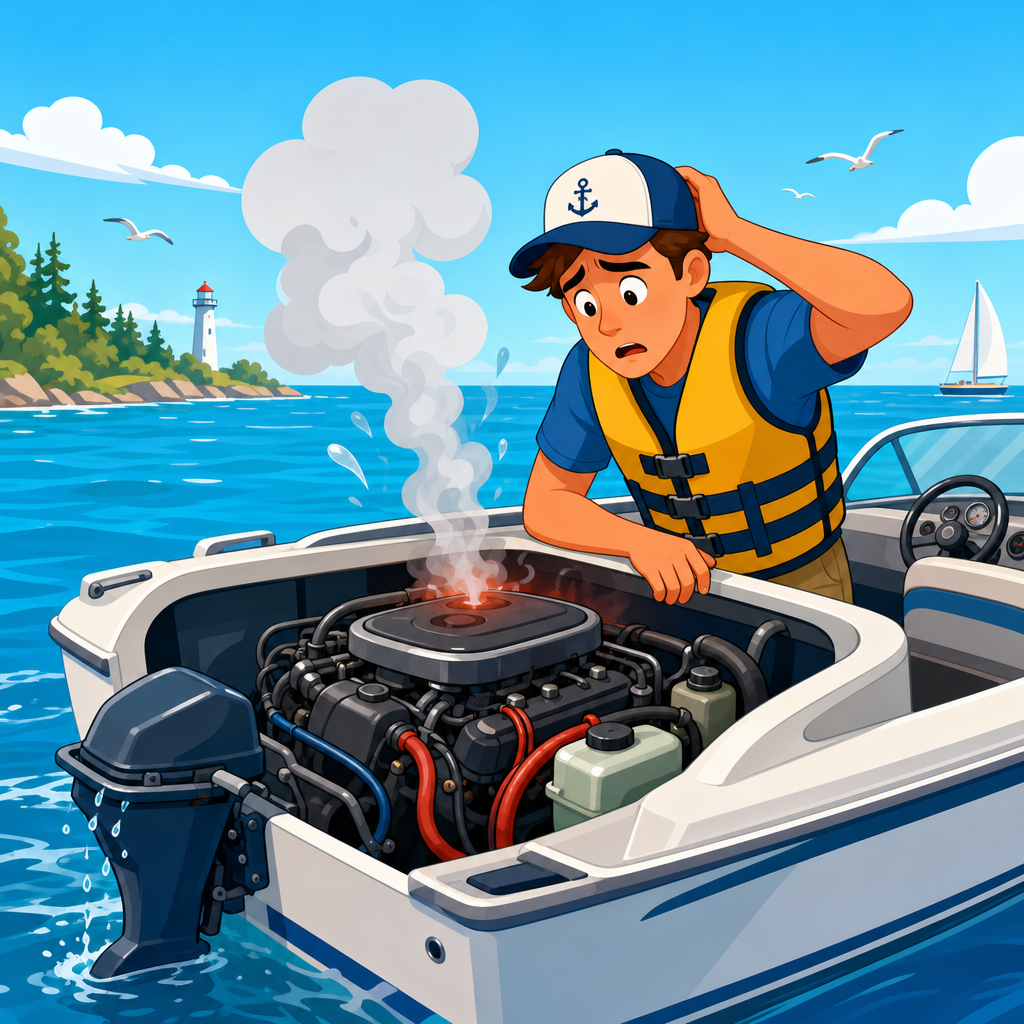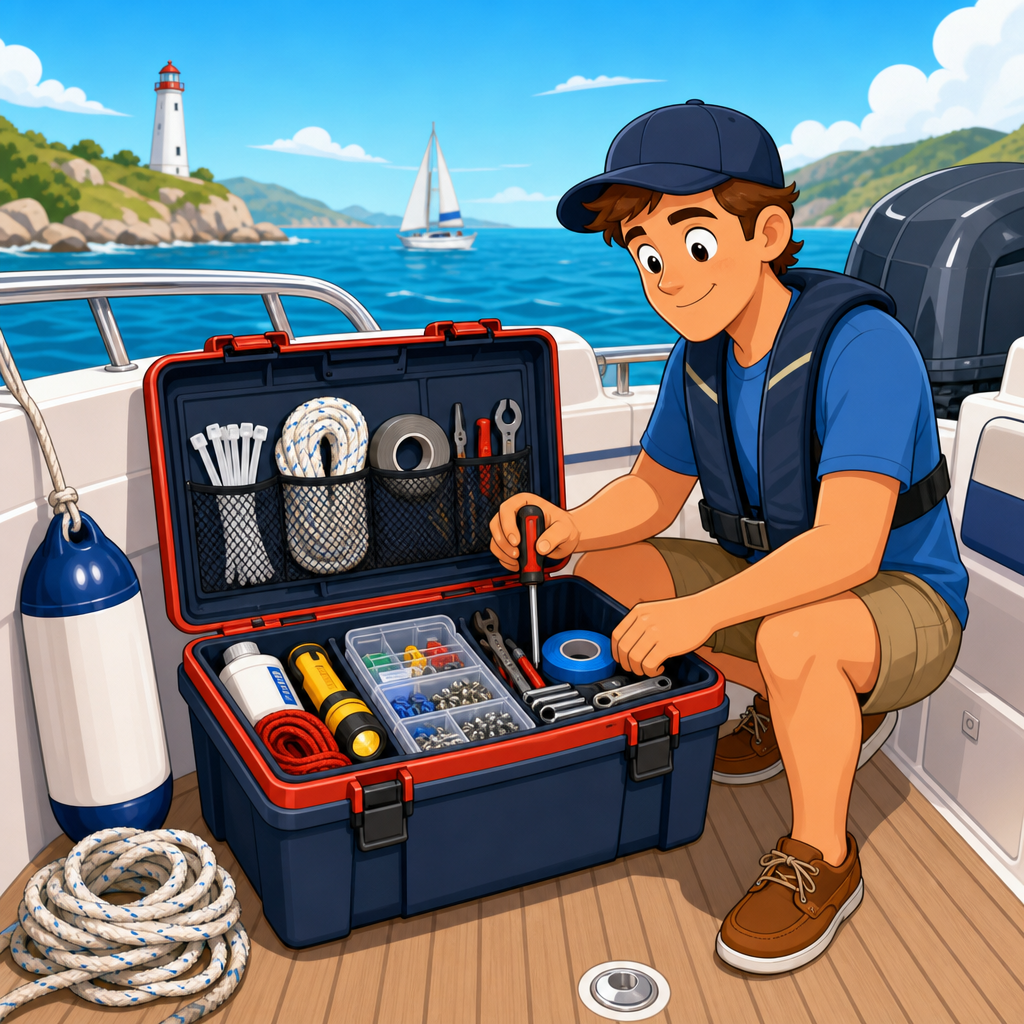
How to Keep Emergency Repair Kits on Your Boat for Quick Fixes starts with a simple truth: when something fails on the water, time, tools, and preparation matter more than luck. An emergency repair kit is a compact, organized set of materials and tools kept aboard to control damage, restore essential function, and help you return safely to shore. In practical boating terms, that means being able to stop a leak, patch a hose, secure loose wiring, replace a failed clamp, seal a cracked fitting, or improvise a temporary steering or fuel-system repair before a small problem becomes a rescue call.
I learned this the hard way after a raw-water hose clamp loosened offshore during a routine coastal run. The leak was minor at first, but the real issue was access and speed. Because I had spare clamps, self-fusing silicone tape, a headlamp, and a labeled pouch of hand tools within reach, the fix took minutes instead of becoming an escalating engine-overheat event. That is why emergency boat repairs and quick fixes deserve their own maintenance plan. Boats operate in vibration, salt, heat, and constant motion. Components chafe, fittings corrode, adhesives age, and even well-maintained systems can fail unexpectedly.
For most owners, the goal is not carrying a floating workshop. The goal is carrying the right repair kit for your hull type, propulsion system, cruising range, and crew skill level. A bass boat on a reservoir needs a different setup than a center console running offshore, a sailboat on a multiday passage, or a pontoon on inland lakes. This hub article explains how to build, store, inspect, and use emergency repair kits for quick fixes across the systems that fail most often. It also maps the broader topic of emergency boat repairs so you can create a practical, boat-specific response plan.
What an emergency boat repair kit should include
An effective kit covers the failures that are both common and consequential. In my experience, that means organizing supplies into five categories: leak control, mechanical spares, electrical essentials, fastening and rigging, and personal access tools. Leak control includes wooden plugs sized for every through-hull, underwater epoxy, marine sealant, absorbent pads, a soft patch, and reinforced tape. Mechanical spares include assorted stainless hose clamps, spare fuel line, a primer bulb if your outboard uses one, belts for inboard engines, spare drain plugs, fuses, bulbs, and common fasteners matched to your boat.
Electrical items should never be an afterthought because many on-water failures come down to corroded terminals, blown fuses, or broken connections. Pack marine-grade crimp connectors, heat-shrink tubing, a compact ratcheting crimper, spare wire, dielectric grease, a multimeter, and a few pre-labeled blade fuses in the exact amperage your panel uses. For fastening and rigging, include cable ties in multiple lengths, stainless seizing wire, shackles, line, webbing straps, and a folding knife. Personal access tools matter too: nitrile gloves, eye protection, a headlamp, inspection mirror, kneeling pad, and magnet pickup tool save crucial time in cramped bilges and engine compartments.
The smartest kits are built from the boat backward. Walk through your vessel with a notebook and list every hose diameter, clamp size, fuse type, bulb style, belt number, and through-hull dimension. Then stock your kit to those exact specifications rather than buying generic assortments that almost fit. The American Boat and Yacht Council standards are useful here because they frame safe marine electrical and systems practices, while your engine manual identifies model-specific spare parts. A quick fix only works if the part actually matches the equipment you are trying to save.
How to organize kits so repairs happen fast
Storage determines whether a repair kit helps or hinders. I recommend splitting supplies into three levels: grab-now, primary repair, and deep spare inventory. Grab-now items live where you can reach them from the cockpit or companionway in seconds: flashlight or headlamp, tape, multitool, emergency plugs, absorbent pads, and a few clamps. Primary repair gear belongs in a waterproof box or soft case near the engine compartment or service locker. Deep spares can go in a labeled bin under a berth or console because they are important but not immediately life-saving. This layered system reduces searching when the boat is moving and stress is high.
Use clear pouches, printed labels, and color coding. Red can mark leak control, yellow electrical, blue plumbing, and black tools. Every crew member should know where each category lives. On larger boats, post a small repair-kit map inside a locker door. Moisture control matters as much as organization, so add desiccant packs, corrosion-inhibiting paper, and zip bags for items that rust easily. Hard cases protect meters and adhesives, but soft pouches fit better into odd storage spaces. The best choice is whatever lets you pull one kit without unpacking half the boat.
Keep a laminated inventory sheet inside each case with item names, quantities, and replacement dates. This seems excessive until you use one fuse, one clamp, and half a tube of epoxy during a choppy afternoon and forget to restock. I also write the intended use on less obvious items, such as “soft patch for cracked livewell hose” or “rescue tape for temporary wet exhaust wrap.” Those notes help guests or family members assist effectively. Emergency boat repairs are rarely limited by bravery; they are limited by confusion, poor labeling, and gear buried under unrelated equipment.
Matching quick-fix supplies to the failures boats actually have
The most common emergency boat repairs involve water intrusion, fuel and cooling hoses, batteries, wiring, steering, and hardware working loose. A leaking hose can often be stabilized with a new clamp, a short replacement section, or self-fusing tape if pressure and temperature are low enough. A cracked plastic fitting may accept underwater epoxy or a threaded replacement if you carry one. Battery failures may be solved by cleaning terminals, replacing a fuse, tightening a ground, or isolating a bad accessory circuit. Steering issues vary widely, but spare hydraulic fluid, a bleeder kit, or basic cable hardware can turn a dangerous drift into a controlled return.
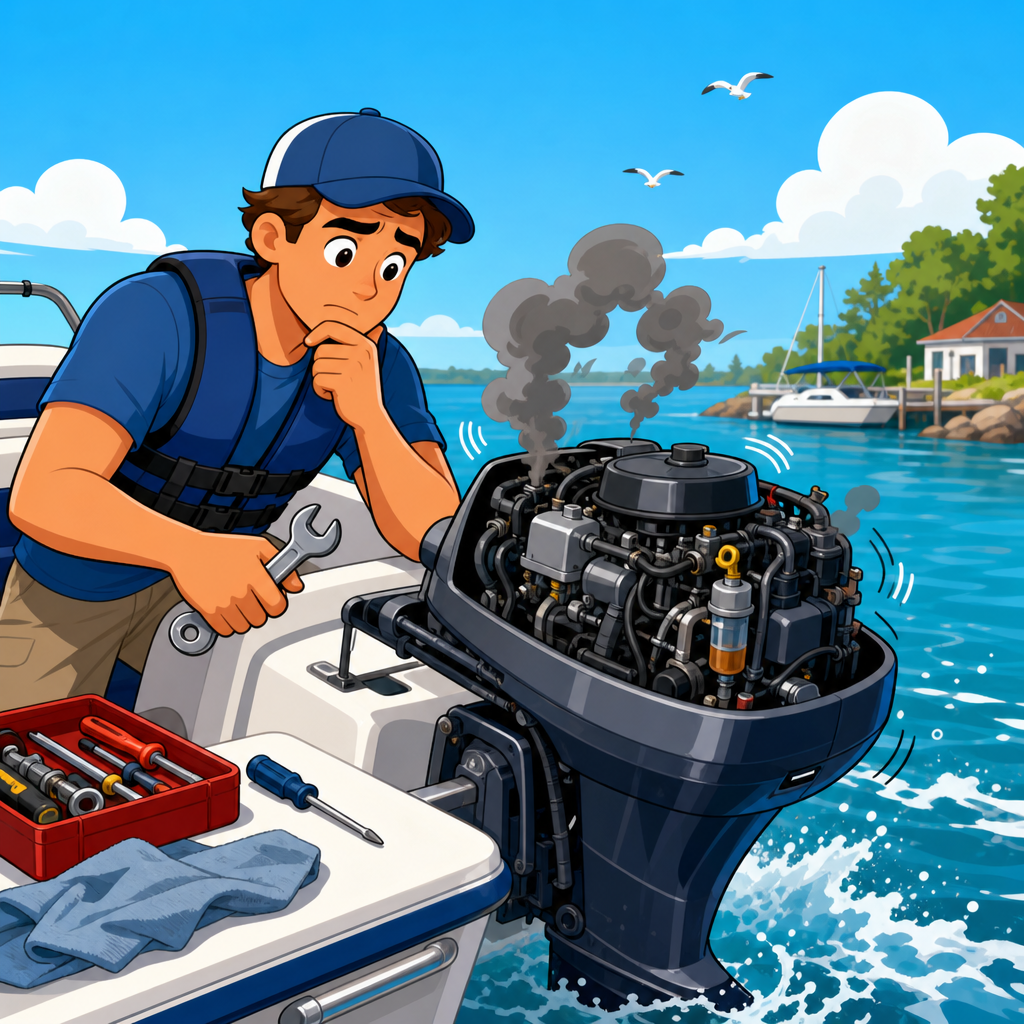
Not every quick fix is appropriate underway. Fuel leaks near ignition sources, serious hull breaches, and electrical faults causing heat or smoke demand containment first and often a distress call rather than an improvised repair. That balance matters. Good preparation gives you options, but seamanship means recognizing when temporary work is no longer safe. The U.S. Coast Guard repeatedly identifies flooding, fire, and machinery failure among leading causes of boating casualties and assistance calls. Your repair kit supports the first response, but it does not replace bilge pumps, fire extinguishers, radios, flares, or sound judgment.
| Failure | Best quick-fix items | Temporary repair goal |
|---|---|---|
| Leaking through-hull or hose | Wooden plug, hose clamps, soft patch, tape, epoxy | Slow water ingress and reach safe harbor |
| Blown fuse or dead accessory circuit | Exact spare fuses, multimeter, crimp connectors, wire | Restore essential power without overfusing |
| Loose battery or corroded terminal | Wrenches, brush, dielectric grease, spare lugs | Recover starting and charging reliability |
| Cooling or fuel hose damage | Correct hose, clamps, cutter, tape | Stop leakage and prevent engine shutdown |
| Loose deck hardware or bracket | Fasteners, backing washers, threadlocker, tools | Secure component until full repair ashore |
System-by-system planning for engines, hull, plumbing, and electrical
Engine kits should reflect whether you run an outboard, sterndrive, or inboard. Outboards benefit from spare prop hardware, cotter pins, spark plugs where applicable, gear lube, fuel-water separator elements, and emergency tiller provisions if your setup allows. Inboards and sterndrives usually need belts, impellers, coolant or raw-water spares, and more extensive tool access. Hull and plumbing kits should focus on flooding control: tapered plugs tied directly to each through-hull, collision mat material, spare bilge pump switch, manual pump handle, and reinforced hose. If your boat has livewells, washdowns, or air-conditioning, those auxiliary circuits add fittings and pumps that can fail independently.
Electrical planning should separate critical from noncritical loads. Critical loads include bilge pumps, navigation lights, VHF radio, GPS, and engine starting. Noncritical loads include stereos, accent lighting, and convenience outlets. In an emergency, your repair strategy is to preserve the critical side, even if that means disconnecting accessories entirely. I keep a simple wiring diagram in a waterproof sleeve because tracing circuits from memory under pressure is unreliable. For modern boats with NMEA 2000 backbones, carry spare power tees, terminators, and a drop cable if your electronics suite is central to navigation and engine data.
Hull type changes priorities. Aluminum boats may need rivet or seam sealing materials and corrosion-aware hardware choices. Fiberglass boats benefit from epoxy sticks, fiberglass repair tape, and gelcoat-independent patch materials intended for temporary use. Inflatable tenders require valve tools, patch kits, and the correct adhesive for hypalon or PVC, which are not interchangeable. Sailboats should add rigging tape, spare shackles, dyneema lashings, and emergency chafe gear. Pontoon owners often overlook steering and fencing hardware, while offshore anglers should emphasize raw-water washdown fittings, baitwell plumbing, and redundant bilge capability.
Inspection, rotation, and crew training that make kits reliable
A repair kit is only valuable if adhesives cure, batteries hold charge, metal parts resist corrosion, and everyone aboard knows the basics. I inspect mine at the start of the season, monthly during heavy use, and before any longer trip. Check expiration dates on sealants and epoxies, test flashlights, verify spare batteries, inspect wire insulation for brittleness, and replace any rusted fasteners or clamps. Rotate consumables into regular maintenance use before they age out. For example, use older hose clamps during planned service and restock the kit with fresh 316 stainless replacements from a reputable marine supplier.
Training does not need to be complicated. Run a thirty-minute dockside drill: locate through-hull plugs, identify battery switches, swap a fuse, wrap a leaking hose with self-fusing tape, and practice passing tools in a moving cockpit. If your crew understands those actions, your response time improves dramatically. I also recommend keeping repair instructions specific to your boat, not generic internet printouts. A note that says “main bilge fuse is behind helm breaker panel” is more useful than a five-page tutorial. This hub article should connect to your deeper guides on bilge pump failures, electrical troubleshooting, fuel-system leaks, and temporary hull patch methods.
Finally, treat emergency boat repairs and quick fixes as part of routine boat maintenance and repairs, not as an optional add-on. The boats that handle breakdowns best are usually not the newest; they are the best prepared. Build kits around real failure points, store them where hands can find them instantly, inspect them on a schedule, and train your crew to use them calmly. That preparation protects your boat, reduces risk to passengers, and buys time when conditions are working against you. Review your systems this week, assemble the missing items, and turn your repair kit into gear you can trust when the water stops being forgiving.
Frequently Asked Questions
What should be included in an emergency repair kit for a boat?
A well-built boat emergency repair kit should focus on the kinds of failures that are most likely to happen on the water and the supplies needed to control them quickly. At minimum, most boaters should carry marine-grade duct tape or self-fusing silicone tape, assorted stainless-steel hose clamps, spare hose sections, zip ties, electrical tape, crimp connectors, spare fuses, wire, a multibit screwdriver, adjustable wrench, pliers, utility knife, flashlight or headlamp, absorbent rags, and a waterproof sealant or epoxy designed for marine use. It is also smart to include replacement fasteners, spare bulbs if your vessel uses them, a small socket set, a hand pump, wooden plugs for through-hull emergencies, and gloves for safe handling during repairs.
The best kits are customized to your specific boat. A center console with simple systems may need a different selection than a sailboat, pontoon, or cabin cruiser with plumbing, bilge pumps, and more complex electrical components. Review the critical systems aboard your vessel, including fuel lines, cooling hoses, battery connections, steering hardware, bilge pump wiring, and fittings below the waterline. Then build your repair kit around those real-world weak points. The goal is not to carry a full workshop, but to have enough onboard to stop damage, stabilize the situation, and restore essential function long enough to reach shore safely.
Where is the best place to store an emergency repair kit on a boat?
The best storage location is one that is dry, easy to access quickly, and protected from vibration, spray, and direct sun. In a real emergency, you do not want to dig through buried compartments or move coolers and gear to find a hose clamp or fuse. A repair kit should be stored in a dedicated waterproof box or heavy-duty marine bag in a known location that everyone aboard can identify. Good options often include a helm compartment, an under-seat locker near the cockpit, or another central storage area that can be reached fast even if the boat is rocking or partially taking on water.
It also helps to divide supplies by purpose. Many experienced boaters use one main repair box and then keep a few critical items in secondary grab locations. For example, wooden plugs near through-hulls, a flashlight at the helm, and spare fuses near the electrical panel can save valuable seconds. Label the main kit clearly, and use smaller internal pouches or containers for electrical items, sealing materials, tools, and replacement hardware. This organization matters because speed matters. When a leak starts, a clamp fails, or a wire comes loose, you want immediate access to the right item rather than a pile of mixed supplies.
How often should a boat emergency repair kit be checked and updated?
Your emergency repair kit should be inspected before each boating season and given a quick review before major trips, offshore runs, or long days away from the dock. Boats operate in a harsh environment, and heat, moisture, salt, and vibration can ruin supplies over time. Adhesives dry out, sealants harden, batteries corrode, flashlight bulbs fail, tools rust, and spare parts can disappear after previous use. A kit that looked complete last year may not be reliable when you actually need it. Seasonal inspection is the minimum, but monthly checks during active boating months are even better.
When you inspect the kit, look for missing items, expired materials, corrosion on tools, damaged packaging, and anything that no longer matches the systems on your boat. If you upgraded a bilge pump, replaced hose sizes, or changed electrical components, update your spares accordingly. Replenish used zip ties, fuses, clamps, and connectors immediately after any repair so the kit stays ready. It is also wise to test flashlights and confirm that everyone who operates the boat knows where the kit is stored and what it contains. A repair kit should be treated like other essential safety equipment: maintained, organized, and always ready for use.
Can an emergency repair kit really help with serious problems on the water?
Yes, an emergency repair kit can make a major difference, especially in the first critical minutes after a failure. While it is not a substitute for professional repair or proper maintenance, it is often enough to control a problem before it becomes dangerous. A leaking hose can be cut and resecured. A loose battery cable can be tightened. A cracked fitting may be temporarily sealed. A failed clamp can be replaced. Chafed wiring can be insulated and secured long enough to restore power to an important system. Even small onboard fixes can prevent larger failures, reduce risk, and buy the time needed to return safely to shore or call for assistance from a more stable situation.
The key is understanding what an emergency repair kit is meant to do: temporary stabilization, not permanent correction. On the water, your first priority is keeping the boat afloat, preserving steering or propulsion if possible, and protecting everyone aboard. That means stopping water intrusion, preventing electrical shorts, securing loose components, and restoring only the systems needed for safe operation. When used with good judgment, basic troubleshooting skills, and proper communication equipment, a well-stocked repair kit can turn a potentially dangerous breakdown into a controlled situation. It is one of the most practical forms of preparedness a boater can carry.
How do I organize a boat repair kit so I can use it quickly during an emergency?
The most effective repair kits are organized by speed and function. Start with a waterproof, impact-resistant container that opens easily and stays shut in rough conditions. Inside, separate contents into clearly labeled sections such as leak control, hose and plumbing repair, electrical repair, fastening and hardware, and basic hand tools. Use resealable bags, small tackle trays, or modular pouches so parts stay sorted instead of shifting into one messy pile. Place the most commonly needed emergency items on top or in outside-access compartments, including tape, clamps, zip ties, flashlight, gloves, pliers, and screwdrivers.
It is also smart to think through the order in which you would actually use items during a problem. If water is entering the boat, you may need plugs, sealant, rags, clamps, and a light immediately. If an engine issue is caused by a loose hose or wiring fault, you may want tools, connectors, spare wire, and tape grouped together. Keep an inventory list inside the lid so you can see what belongs in the kit and quickly spot missing supplies. If more than one person operates the boat, make sure they all know the layout. In emergencies, organization is not just about neatness. It directly affects response time, confidence, and your ability to make a fast, effective repair under pressure.