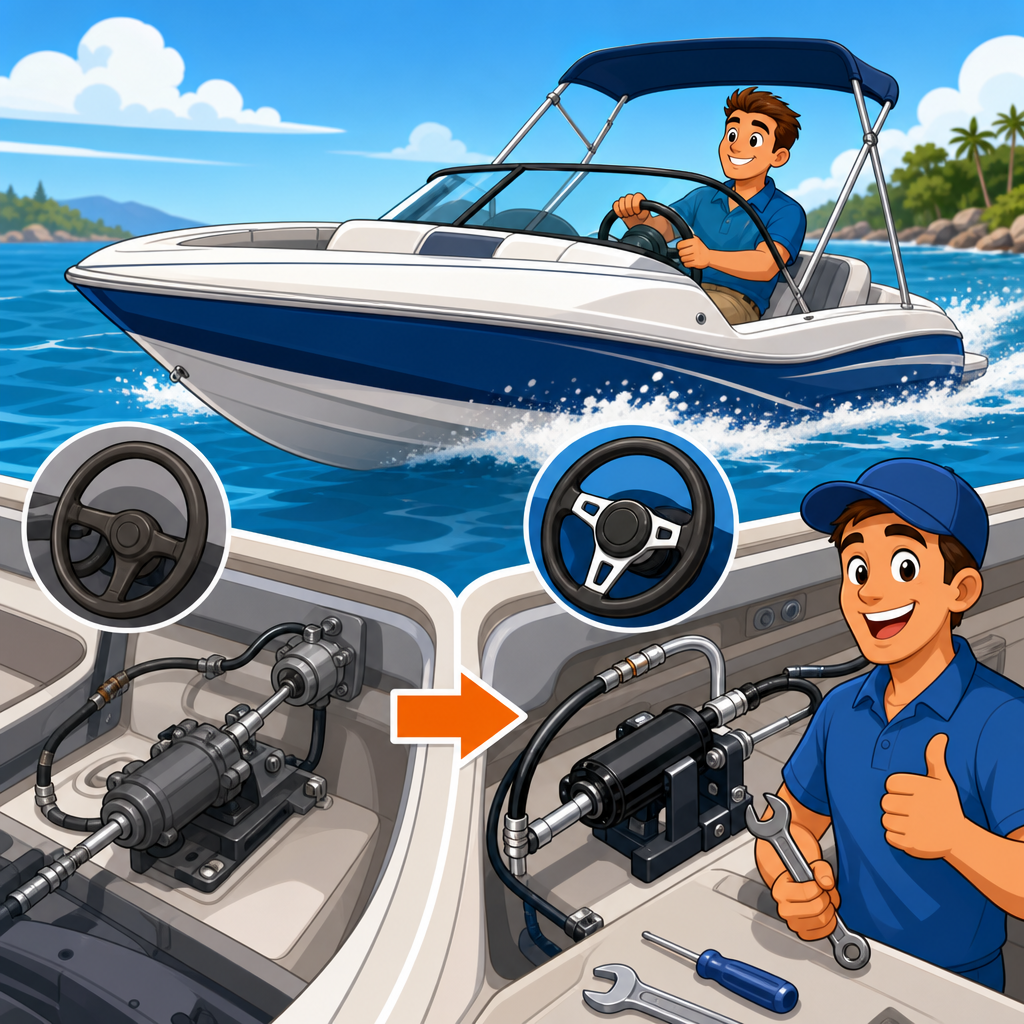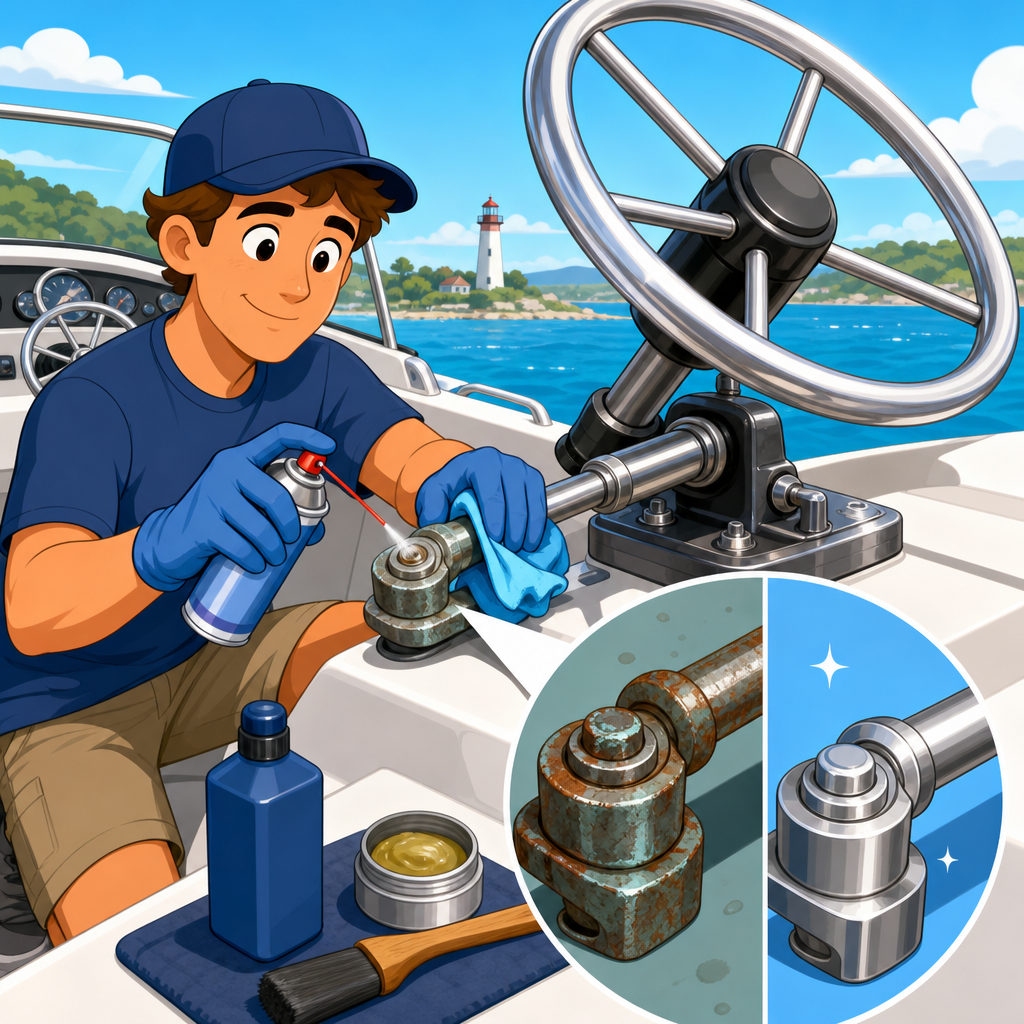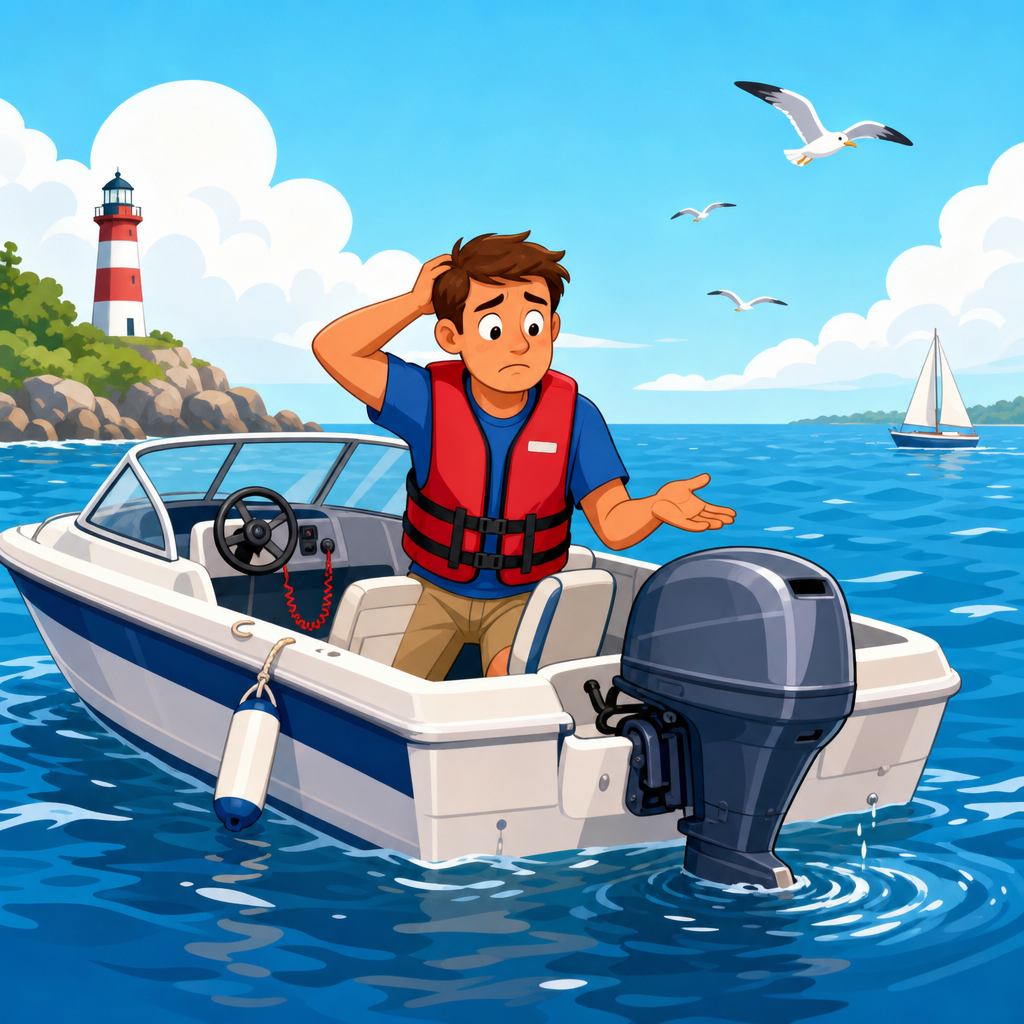
A dead engine on open water is more than an inconvenience; it is a safety problem that can escalate quickly with wind, current, traffic, weather, or fading daylight. When people search what to do if your boat engine dies on the water, they usually need immediate steps, not theory, and after years of troubleshooting outboards, sterndrives, and small inboard systems, I can say the right order of actions matters as much as the repair itself. Emergency boat repairs and quick fixes start with stabilizing the boat, protecting passengers, and diagnosing the most likely faults before a minor fuel, battery, or cooling issue turns into a tow, grounding, or collision.
In practical terms, a boat engine failure means the propulsion system stops producing usable power when you need it. That can happen because the engine will not crank, cranks but will not start, starts and dies, overheats into protection mode, loses fuel delivery, drops spark, sucks air into the fuel line, or shuts down from a safety interlock such as a kill switch lanyard. The immediate goal is not a perfect dockside repair. It is restoring enough control to move safely, anchor securely, call for help clearly, or make a temporary correction without damaging the engine further.
This subject matters because many failures on the water are preventable, diagnosable, and sometimes fixable with simple checks. The U.S. Coast Guard consistently reports mechanical failure as a significant factor in boater distress cases, and on crowded waterways a disabled vessel can drift into rocks, shoals, bridge abutments, or commercial traffic in minutes. A calm response, a repeatable troubleshooting process, and a stocked onboard repair kit can reduce risk dramatically. This hub covers the core emergency procedures, the most common causes, the tools and spare parts worth carrying, temporary fixes that can get you home, and the limits where stopping and requesting assistance is the safest choice.
First actions when your boat engine dies
If your boat engine dies on the water, your first priority is control, not diagnosis. Put everyone in life jackets if they are not already wearing them, account for all passengers, and assign one person to watch traffic and hazards. If you are in a narrow channel, near a lee shore, around surf, or in strong current, deploy the anchor immediately if depth and bottom conditions allow. A properly set anchor stops drift and buys time. If anchoring is unsafe because of depth, traffic, or bottom type, prepare fenders, boat hook, and lines while you work on the problem.
Next, assess the scene in under a minute. Are you taking on water, smelling fuel, seeing smoke, or hearing alarms? If yes, those override routine troubleshooting. Shut off the engine key, battery switch if needed, and fuel supply if there is a leak or fire risk. Use the blower on gasoline inboards before any restart attempt. Then note your position from chartplotter coordinates or a smartphone mapping app, because if you need a tow or emergency response, exact location saves time. Make a radio call on VHF channel 16 for urgent safety issues, or contact a towing service early if conditions are worsening.
Only after the boat is stable should you start a quick diagnostic sequence. Keep it simple: electrical, fuel, air, cooling, and controls. Many owners jump straight to changing parts, but on the water that wastes battery power and attention. I start by asking four questions: Did the engine stop suddenly or sputter first? Does it crank? Are gauges normal or was there an overheat or low-voltage warning? Was any recent maintenance done? Those clues usually narrow the fault to a dead battery, loose connection, fuel starvation, kill switch issue, clogged filter, fouled propeller, or overheating event.
Fast diagnosis: identify the failure pattern
Failure pattern tells you where to look first. If the engine died instantly as though someone turned off the key, suspect a kill switch lanyard, ignition switch problem, main fuse, battery disconnect, loose ground, or engine protection shutdown. If it lost power gradually, surged, or sputtered before stopping, fuel contamination or restricted flow is more likely. If it cranks strongly but never fires, look at spark or fuel delivery. If it will not crank at all, begin with battery voltage, neutral safety switch position, terminals, and starter circuit connections.
Gauge readings are equally valuable. An engine that died after climbing temperature likely shut down to protect itself from cooling loss caused by a blocked intake, failed water pump impeller, collapsed hose, or thermostat issue. Low voltage on the display often points to a charging or battery problem. Modern outboards from Yamaha, Mercury, Honda, and Suzuki may reduce RPM before shutdown, and many store fault codes that can be read later with manufacturer software. On the water, however, the useful question is whether continuing to crank could cause damage. If overheating or no oil pressure is indicated, stop and investigate before another restart.
One overlooked clue is what happened just before the failure. Did you switch fuel tanks, trim the engine in shallow water, run through weeds, pound through chop, or top off with dock fuel from an unfamiliar marina? Those details matter. Weed ingestion can choke cooling water flow. A tank switch can introduce air into the line. Sediment stirred by rough water can clog a separator. Recent maintenance creates its own list: a loose battery terminal after electronics installation, a filter gasket left doubled over, or a fuel primer bulb installed backward. Good troubleshooting is structured observation, not guesswork.
Electrical problems and no-start checks
Electrical faults are among the fastest to verify and the easiest to miss. Start with the obvious: confirm the emergency stop lanyard is clipped in correctly and the control is fully in neutral. Many no-start calls end there. Then inspect the battery switch position and look for corrosion, loose wing nuts, or a cable that can be turned by hand. Marine batteries should use proper lock nuts and clean, tight terminals; hand-tightened connections often pass enough current for electronics but not enough for a starter. If lights dim sharply when you crank, suspect low battery charge or poor cable connection.
Use a multimeter if you carry one. A rested 12-volt battery near 12.6 volts is healthy; around 12.2 volts is roughly half charged; near 12.0 volts is weak for starting under load. Check voltage at the battery and, if possible, at the engine side of the main cables to spot voltage drop. Inspect fuses and reset breakers near the battery, helm, and engine. On outboards, also check the engine harness plug; I have seen vibration back one out enough to kill ignition intermittently. If a spare battery or combiner switch is available, parallel the banks briefly to test whether low voltage is the entire problem.
If the starter clicks but does not turn, do not keep hammering the key until the battery is flat. Try cleaning and reseating the main cable connections, then test the trim motor or horn. If they are weak too, voltage is the issue. If other loads are strong but the starter still will not engage, the problem may be a solenoid, starter, seized engine, or neutral safety switch. At that point, a temporary fix is limited. Preserve battery capacity for radio, navigation lights, bilge pump, and chartplotter while you move to anchoring or assistance planning.
Fuel delivery failures and contaminated gasoline
Fuel problems account for a huge share of engine failures on the water, especially on boats that sit between trips. Ethanol-blended gasoline can absorb moisture, loosen tank debris, and accelerate degradation in old hoses and seals. The quick checks are straightforward: verify there is actually fuel in the selected tank, open any closed shutoff valve, inspect the primer bulb direction, squeeze the bulb until firm, and look through clear sections or filters for air bubbles or water. A soft bulb that never firms up usually means an air leak, blocked pickup, bad bulb check valve, or empty tank.
A clogged fuel-water separator is common after rough conditions stir sediment or after a bad fuel load. If you carry a spare 10-micron spin-on filter, changing it on the water can restore the engine immediately. Keep absorbent pads under the filter, prefill only if the engine manufacturer allows it, lubricate the gasket, and tighten by hand. On portable-tank outboards, inspect the tank vent. A closed vent creates vacuum and starves fuel; opening it can solve the issue in seconds. Also check the quick-connect fittings, which can look seated while still leaking air at the O-ring.
Water in gasoline is harder to fix underway, but you can sometimes isolate the problem. Drain a small sample from the separator or bowl into a clear container; water settles distinctly under gasoline. If contamination is obvious and you have a second clean tank or auxiliary portable tank, switch to that supply and re-prime. Avoid pouring fuel additives blindly into a severely contaminated tank expecting a miracle. They are not a substitute for draining bad fuel. Diesel boats have different emergency concerns, including air in the system and priming procedures, so operators should know their engine-specific bleed sequence before departure.
Overheating, cooling loss, and safe temporary fixes
An overheating engine can fail suddenly, but it often gives warning through alarms, reduced power, steam, or weak telltale flow on an outboard. The safest response is immediate throttle reduction and shutdown if temperature continues rising. Do not remove a pressurized cap on a hot engine. First inspect for simple external causes: a plastic bag over the intake, weeds around the lower unit, mud from shallow running, or a kinked washdown hose interfering with a seacock area. Clearing debris from an outboard intake with the engine off and tilted may be enough to restore cooling.
For sterndrives and inboards, confirm the raw-water seacock is open and the strainer is not packed with grass or shells. A clogged basket is one of the few overheating issues that is often fixable on the water without tools beyond pliers and a flashlight. If the strainer is clear but the engine still overheats, suspect a failed impeller. Running further can damage exhaust components, manifolds, or the powerhead, so this is where discipline matters. A short restart at idle to verify water flow is reasonable; a long run home on an alarm is not. Save the engine before you try to save the day.
| Symptom | Likely cause | Quick check | Safe next step |
|---|---|---|---|
| No crank | Low battery, loose terminals, neutral switch | Check lanyard, neutral position, battery voltage | Tighten connections, parallel batteries, preserve power |
| Cranks but won’t start | Fuel starvation, no spark, flooded engine | Prime bulb, inspect filter, verify fuel tank vent | Change separator, switch tanks, follow restart procedure |
| Dies after sputtering | Clogged filter, water in fuel, air leak | Sample fuel, inspect bulb and fittings | Replace filter, use clean backup fuel source |
| Alarm and high temp | Blocked intake, clogged strainer, bad impeller | Inspect intake, telltale, strainer basket | Clear blockage, idle test briefly, stop if alarm returns |
Propeller, drive, and control problems that mimic engine failure
Not every apparent engine failure is internal. A fouled propeller, slipped hub, damaged shear pin, spun prop, or shift linkage issue can leave you dead in the water even when the engine runs. If the engine starts and revs but the boat barely moves, shift into gear gently and watch for abnormal vibration, cavitation, or no thrust. On small outboards, fishing line around the prop shaft can destroy the prop seal and create drag quickly. On older propeller-driven systems, a sheared pin can let the engine spin with no propulsion at all.
Before putting hands near the prop, shut off the engine completely and remove the safety lanyard. Then inspect for rope, weed mats, anchor line, crab pot warp, or heavy monofilament. A serrated safety knife in the cockpit is worth its weight here. If the prop is clear but thrust is still absent, the prop hub may be spun, especially after striking bottom. Mark the prop and hub alignment with a marker, then test briefly in gear; if the marks separate, the hub has slipped and on-water repair is unlikely unless you carry a spare prop. This is a strong argument for keeping one aboard.
Control cable failures can also resemble major engine trouble. A stiff or disconnected shift cable may leave the transmission between ranges, while a broken throttle cable can prevent proper restart or docking control. Sometimes the helm control feels normal but the engine-end linkage has popped loose at a retaining clip. If you can see the linkage move while someone shifts at the helm, you may spot the problem quickly. Temporary manual control at the engine is possible on some setups, but it requires caution, clear communication, and enough experience to avoid injury or gear damage.
What to keep onboard for emergency boat repairs
The best emergency boat repairs and quick fixes happen because the right parts and tools were already on board. My standard kit for coastal day boats includes a digital multimeter, spare fuses, electrical tape, heat-shrink butt connectors, crimpers, cable ties, hose clamps, a headlamp, nitrile gloves, absorbent pads, basic sockets and screwdrivers, spare spark plugs, a fuel-water separator, a primer bulb or fuel fitting set, spare engine oil, gear lube, a sharp knife, and a compact jump pack rated for marine starting loads. Add the exact tools needed to remove your engine cowl, strainer lid, battery terminals, and propeller hardware.
Spare parts should match your engine and be stored dry in labeled bags. For outboards, carry a propeller cotter pin or locking hardware, a hub kit if applicable, and the correct spark plug socket. For inboards and sterndrives, carry belts sized for your engine and the gasket or O-ring for your raw-water strainer. A laminated checklist with your battery layout, fuel valve positions, filter part numbers, tow service number, and radio call procedures is surprisingly useful under stress. So is a printed engine manual page covering alarm meanings and emergency restart steps when the internet is unavailable.
Just as important is practice. Run through a drill at the dock: locate the kill switch, switch tanks, change a separator, set the anchor, and make a radio call. The time to learn where your spare fuse lives is not while drifting toward a jetty. This hub connects naturally to deeper maintenance topics such as battery care, fuel system cleaning, impeller replacement, propeller troubleshooting, and marine electrical diagnostics. If you treat those tasks as routine upkeep rather than advanced repair, many on-water failures never happen in the first place.
When to stop troubleshooting and call for help
Good seamanship includes knowing when not to continue. Stop troubleshooting and request assistance if you are drifting into danger, storms are building, visibility is dropping, fuel fumes are present, the bilge level is rising, or the engine shows signs of severe mechanical damage such as knocking, metal in oil, repeated overheat alarms, or locked rotation. Likewise, if repeated cranking is flattening the battery bank that powers your radio and navigation lights, you are trading a repair attempt for a larger emergency. Protect communications and situational awareness first.
Use the right communication method. A VHF radio call is preferred over a phone because nearby vessels and the Coast Guard can hear it, and Digital Selective Calling adds position data if configured with MMSI and GPS. For immediate danger, issue a Mayday. For urgent but not life-threatening situations, use Pan-Pan. If you have commercial towing coverage from a provider such as Sea Tow or TowBoatUS, call early before conditions worsen. Give vessel description, people aboard, precise coordinates, nature of the problem, and whether you are anchored or adrift.
The main lesson is simple: a dead boat engine on the water is manageable when you follow a sequence. Secure people, stabilize the boat, assess hazards, then troubleshoot the most probable causes in order: safety interlocks, battery power, fuel delivery, cooling flow, and propulsion hardware. Many failures have quick remedies such as reconnecting a lanyard, opening a tank vent, tightening terminals, clearing a clogged strainer, or changing a fuel-water separator. Others, especially overheating, severe fuel contamination, or drive damage, demand restraint more than ingenuity.
Build your response before you need it. Stock a real emergency repair kit, know your engine’s shutdown alarms, carry anchor and radio gear you trust, and practice a few core drills with your crew. If you maintain the boat well and respond methodically, you improve the odds of a safe restart and reduce the chance that a minor fault becomes a rescue. For the rest of your Boat Maintenance & Repairs plan, use this hub as your starting point and review the linked checks, service routines, and quick-fix procedures before your next trip.
Frequently Asked Questions
What should I do first if my boat engine dies on the water?
The first priority is not the engine—it is safety and control of the boat. As soon as the engine quits, take a quick breath, stay calm, and assess your surroundings. Look at wind direction, current, nearby rocks, shoals, bridge pilings, other boat traffic, and how close you are to shore. If you are drifting toward danger, deploy your anchor immediately if depth and bottom conditions allow. In many situations, anchoring early prevents a manageable breakdown from turning into a grounding or collision. If you have passengers onboard, tell everyone to stay seated, put on life jackets if they are not already wearing them, and keep weight balanced.
Next, make your boat visible. Turn on navigation lights if visibility is reduced or daylight is fading, and raise a distress flag or use a sound signal if needed in a busy channel. If your boat is equipped with a VHF radio, switch to the appropriate hailing or emergency channel and be ready to call for assistance if you are in immediate danger. If there is no immediate hazard, begin a quick troubleshooting sequence in the right order: confirm the kill switch is connected, check that the engine is in neutral, verify there is fuel in the tank, inspect the primer bulb on an outboard, and look for obvious issues like a disconnected fuel line, dead battery switch position, or a tripped breaker. That order matters because many “serious” no-start situations turn out to be simple problems that can be corrected in a minute or two if you do not panic.
How can I troubleshoot a boat engine that suddenly will not restart?
The fastest way to troubleshoot a dead boat engine is to think in basic systems: safety shutoff, fuel, air, spark, and electrical power. Start with the easiest and most common causes. Make sure the emergency kill switch lanyard is clipped in properly and that the throttle or shift control is truly in neutral. Many engines will crank poorly or not crank at all if the neutral safety switch is not engaged. Then check your battery switch position, battery terminal tightness, and whether electronics still have power. If the starter does not click or turn, you may be dealing with a battery, cable, fuse, breaker, or starter circuit issue rather than a fuel problem.
If the engine cranks but will not start, move to fuel delivery. Verify the tank actually has fuel, not just what the gauge says. Gauges can be wrong. Open the tank vent if applicable, inspect the fuel line for kinks, and squeeze the primer bulb on an outboard until it gets firm. Check that the fuel line connector is fully seated at both ends. If you have a water-separating fuel filter with a clear bowl or signs of contamination, look for water or debris. A clogged filter, collapsed fuel line, or bad tank vent can starve the engine quickly. If the engine starts and dies repeatedly, fuel restriction is high on the list.
Also look for overheating or alarm conditions. If the engine shut down after running hot, do not keep cranking without checking cooling water flow, especially on outboards and sterndrives. A blocked intake, failed impeller, or debris in the lower unit water pickup can trigger shutdown or serious damage. If you smell fuel strongly, stop and ventilate before trying again. If you suspect an electrical fault, check fuses and breakers before assuming major engine failure. The key is to make only safe, simple checks on the water. If the problem is not obvious after a short, organized inspection, it is usually smarter to secure the boat and call for help than to create a bigger repair or a fire risk.
Should I drop anchor right away, or keep trying to restart the engine?
In most real-world breakdowns, you should secure the boat first and troubleshoot second if there is any chance of drifting into danger. That means dropping anchor right away when you are near shore, structure, shallow water, surf, heavy traffic, or a strong current. A lot of boaters lose valuable time trying restart after restart while the boat silently drifts into a worse situation. If you are in a safe, open area with plenty of room and no immediate hazards, you may have time for a quick restart attempt before anchoring. But if there is any doubt, anchor first. It buys you time, reduces stress, and turns an emergency into a controlled mechanical problem.
Use enough rode for the depth and conditions, and make sure the anchor is actually set. Simply tossing it overboard is not enough. Once you are holding position, reassess whether you can fix the issue safely. If the water is too deep for your anchor, or the bottom is poor for holding, prepare a backup plan: use a sea anchor or drift sock if you have one, call for assistance early, and keep a close eye on your drift. In busy waterways, signal other vessels that you are disabled. The right mindset is simple: your goal is not to prove you can restart the engine instantly; your goal is to keep the boat, passengers, and yourself out of trouble while you work the problem.
When should I call for help, and who should I contact if my boat is disabled?
Call for help as soon as your situation moves beyond a simple inconvenience. If you are drifting toward rocks, breakers, docks, bridge supports, commercial traffic lanes, or any hazard that could cause collision or grounding, do not wait. If weather is worsening, visibility is dropping, darkness is approaching, someone onboard is injured, or you have lost confidence in your ability to control the situation, it is time to contact assistance. A dead engine is not automatically a distress situation, but it can become one very quickly depending on where you are and what the water is doing.
If there is immediate danger to life or the vessel, make a distress call on VHF radio using Channel 16 and contact the Coast Guard or local marine emergency authority. If it is not life-threatening but you still need assistance, use your VHF radio, mobile phone if service is available, or your towing service membership line if you have one. Give your exact location, boat description, number of people onboard, nature of the problem, and whether you are anchored or drifting. GPS coordinates are ideal. Do not assume “someone will see me.” Clear communication speeds up help and reduces confusion.
It is also smart to call sooner rather than later if your troubleshooting points to something you should not repair on the water, such as a fuel leak, repeated overheating, electrical burning smell, smoke, or signs of engine damage. Those are not problems to experiment with offshore. One of the best habits experienced boaters learn is that requesting assistance early is not overreacting—it is good seamanship. The longer you wait, the fewer options you usually have.
What emergency boat repairs or quick fixes are actually safe to try on the water?
Safe on-the-water fixes are the ones that are simple, low-risk, and limited to basic checks and minor resets. Good examples include reconnecting a loose fuel line, opening a closed tank vent, firming up a primer bulb, replacing an accessible fuse with the correct spare, resetting a tripped breaker, cleaning and tightening a loose battery terminal if you can do it safely, reconnecting the kill switch lanyard, and confirming the boat is fully in neutral. On some boats, switching to a known-good fuel tank or battery bank can also solve the problem quickly. If you carry basic tools and spare parts, these small corrections can get you running again without creating new hazards.
What you should avoid is just as important. Do not bypass safety systems, pour fuel carelessly into a hot engine compartment, keep cranking an overheating engine, or start disassembling components if you are drifting, rolling, or dealing with rough conditions. Avoid any repair that introduces a fire risk, puts your hands near moving parts unexpectedly, or requires complex diagnosis while your boat is unstable. If you smell gasoline, see fuel in the bilge, or notice smoke or scorching, stop all restart attempts, ventilate, and call for help. On inboards and sterndrives especially, fuel vapor hazards are serious and should never be treated casually.
The best “emergency repair” mindset is practical: fix only what is obvious, safe, and reversible. If the issue is not clear after a few organized checks, shift your focus back to seamanship—anchoring, visibility, communication, and assistance. That approach protects both the engine and the people onboard. In many cases, the smartest move is not a heroic repair; it is preventing the breakdown from turning into a rescue.