Corrosion on a boat’s steering components starts quietly, then turns into stiff helm feel, sloppy response, leaking seals, and in severe cases a dangerous loss of control. In practical terms, corrosion is the electrochemical breakdown of metal caused by exposure to water, oxygen, and contaminants such as salt, stray current, or dissimilar metals. On steering systems, that damage usually appears on the helm pump, steering cable, drag link, tiller arm, pivot tube, hydraulic cylinder rod, fasteners, and the small fittings that many owners overlook until movement becomes restricted. Preventing corrosion matters because steering loads rise quickly when parts pit, seize, or wear unevenly, and a steering fault offshore is far more than an inconvenience.
Boat steering maintenance sits at the center of propeller and steering maintenance because steering components live in the same harsh environment as the lower unit, transom hardware, trim system, and propeller shaft area. I have seen boats with flawless gelcoat and fresh electronics become nearly unsteerable because the owner skipped lubrication of a stainless steering cable inside a corroded steel tilt tube. I have also seen hydraulic systems fail early because a polished cylinder rod developed rust freckles after repeated salt exposure and poor cleaning practices. The pattern is consistent: corrosion prevention is cheaper, faster, and safer than correction.
A modern hub article on preventing corrosion should answer the questions boat owners actually ask. Which steering parts corrode first? What maintenance schedule works in saltwater versus freshwater? Which grease, protectant, and replacement materials make a measurable difference? How do propeller condition, engine trim, and transom rigging influence steering load? This guide covers those answers directly, while also framing the wider subtopic of propeller and steering maintenance. If you maintain steering correctly, inspect propeller hardware at the same time, and understand how galvanic and mechanical wear interact, you reduce failures, preserve handling, and extend the service life of expensive components.
Know the Steering Components Most Vulnerable to Corrosion
The first step in preventing corrosion on a boat’s steering components is identifying the parts that fail most often. On cable-steered outboards, the critical corrosion point is usually the engine tilt tube, also called the steering tube. The cable ram passes through this tube, and salt deposits mixed with old grease can harden into an abrasive paste. As corrosion builds inside the tube, steering effort increases, the wheel no longer self-centers cleanly, and the cable can eventually seize. The drag link, steering arm, support brackets, and exposed threaded hardware are also frequent trouble spots, especially when stainless fasteners are installed into aluminum without proper anti-seize or isolation.
Hydraulic steering systems avoid cable seizure, but they are not corrosion-proof. The most exposed and vulnerable part is the hydraulic cylinder rod. If that rod develops pitting, even tiny pits can damage seals during each stroke and lead to fluid leakage. Bleed fittings, hose ends, support brackets, and cylinder mounting bolts also corrode when rinsing is inconsistent or protective coatings are damaged. Helm pumps usually live in a drier environment, but neglected helm fittings and contaminated fluid can still cause internal wear. On sterndrive and inboard boats, steering pivots, rudder posts, cable ends, and autopilot linkages deserve equal attention.
Corrosion also affects steering indirectly through nearby propeller and drive components. A bent propeller, damaged hub, fishing line on the prop shaft, or worn engine mounts can increase vibration and side loading, which stresses steering hardware and destroys coatings. For that reason, propeller and steering maintenance should be treated as one system, not separate chores.
Understand the Three Main Corrosion Mechanisms
Most steering damage traces to one of three mechanisms: ordinary surface oxidation, galvanic corrosion, and stray-current corrosion. Surface oxidation is the familiar rusting or white aluminum oxidation caused by moisture and oxygen. It progresses faster where salt crystals remain after spray dries, because chlorides hold moisture and attack protective films. This is why steering brackets can look acceptable after a day on the water but deteriorate quickly during storage if they are never rinsed thoroughly.
Galvanic corrosion happens when dissimilar metals are electrically connected in an electrolyte such as seawater. Stainless steel fasteners threaded into aluminum steering brackets are a common example. The less noble metal, often aluminum, corrodes first. Correct material pairing, insulating washers where appropriate, and marine anti-seize compounds reduce this risk. Sacrificial anodes on outboards and sterndrives also help protect surrounding metal, but only when the bonding path is intact and the anodes are not painted over.
Stray-current corrosion is more aggressive and can destroy metal rapidly. It comes from unintended electrical current leaking into the water from faulty wiring, pumps, chargers, or marina shore power systems. Steering cylinders, engine brackets, and trim components can all become victims. If corrosion appears unusually fast, if one side of the transom hardware is affected more than the other, or if anodes disappear in weeks rather than months, investigate electrical faults with a multimeter and, when needed, a qualified marine electrician. ABYC electrical standards exist for good reason here: proper bonding, overcurrent protection, and wiring practices directly affect corrosion rates.
Build a Cleaning and Inspection Routine That Matches Your Water Type
In my experience, the owners who avoid steering corrosion are not the ones using exotic products; they are the ones following a disciplined routine. After every saltwater trip, rinse the entire steering area with low-pressure fresh water. Focus on the tilt tube ends, cylinder rod, drag link, hose fittings, steering arm, and transom brackets. High pressure is a mistake because it can force salt and grit deeper into seals and joints. After rinsing, dry exposed metal where possible and cycle the steering from lock to lock so trapped water does not sit in one position.
Weekly or every few outings, inspect for stiff movement, orange or brown streaking, white powdery oxidation, cracked coating, and weeping hydraulic fluid. Touch the cylinder rod and steering ram with a clean rag; any roughness is an early warning. Monthly, inspect the propeller at the same time. Remove fishing line from the prop shaft, check for dings, and look for excessive play. A propeller issue often reveals itself first as steering vibration or torque change at the helm. Freshwater boats can stretch the schedule slightly, but corrosion still occurs, especially where road salt, mixed metals, or wet storage are factors.
| Task | Saltwater Interval | Freshwater Interval | Why It Matters |
|---|---|---|---|
| Fresh-water rinse of steering and transom hardware | After every trip | After dirty or polluted outings | Removes chlorides and deposits before they attract moisture |
| Cycle steering lock to lock | After every trip | After every trip | Disperses water and confirms free movement |
| Inspect cylinder rod, tilt tube, drag link, fittings | Weekly | Monthly | Catches pitting, leaks, and coating failure early |
| Grease service points and steering tube | Monthly or per manufacturer | Every 2 to 3 months | Prevents moisture intrusion and seizure |
| Check anodes and bonding condition | Monthly | Seasonally | Controls galvanic loss on nearby metal parts |
| Propeller removal and shaft inspection | Every 3 months | Seasonally | Prevents line damage, vibration, and hidden corrosion |
Use the Right Lubricants, Protectants, and Materials
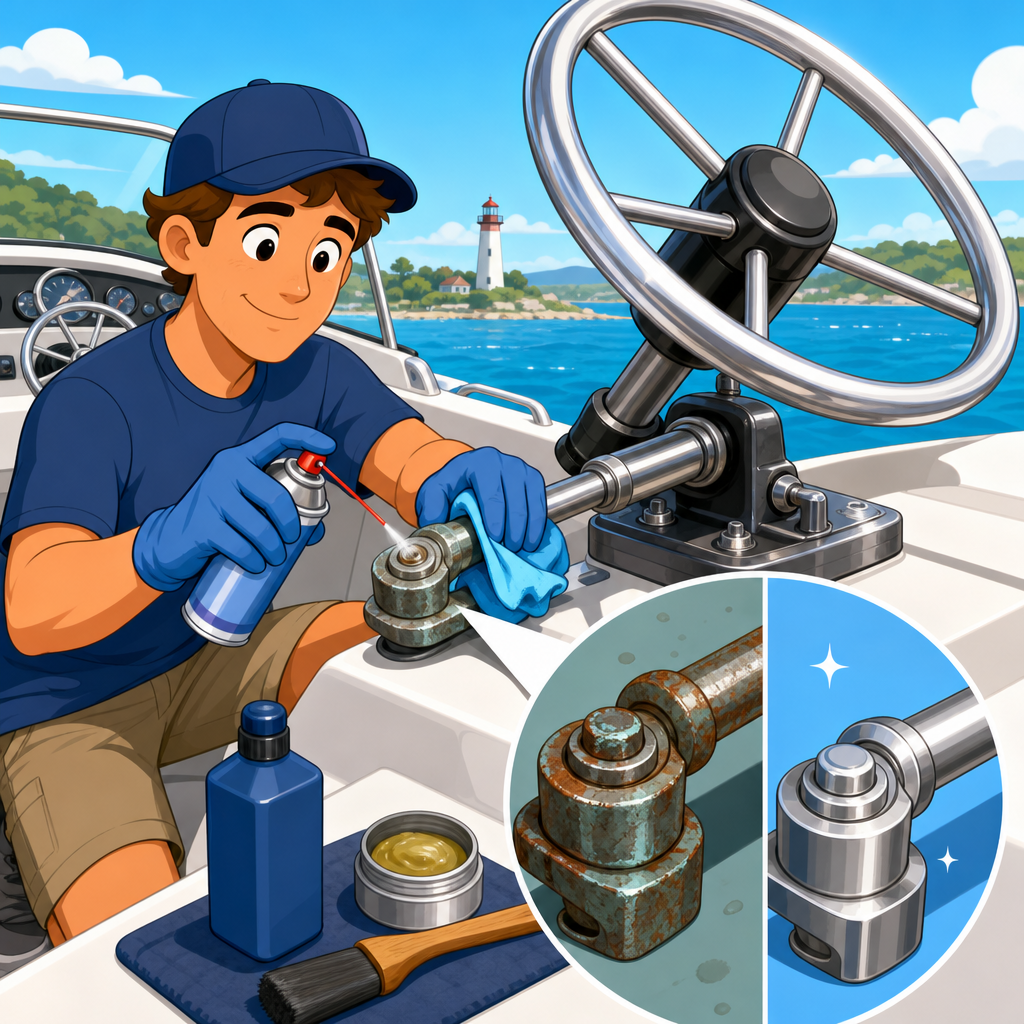
Not every grease belongs on steering components. For tilt tubes, pivot points, and zerk fittings, use a quality marine grease with strong water resistance and corrosion inhibitors. Calcium sulfonate complex greases have earned a good reputation in harsh marine service because they resist washout and provide excellent corrosion protection. Lithium complex marine greases are also common and effective when matched to manufacturer guidance. What matters most is consistency: clean out contaminated grease before reapplying, and do not mix incompatible products blindly.
For stainless cylinder rods and exposed metal surfaces, a thin protective film can help during storage, but avoid heavy coatings that trap grit on moving rods or contact seals. On threaded fasteners joining stainless to aluminum, use a marine-grade anti-seize or corrosion-blocking compound approved for the application. Tef-Gel, Lanocote, and similar products are widely used to reduce galling and galvanic interaction. Replace plain steel hardware with marine-grade stainless or coated fasteners where the manufacturer allows it, but remember that a “better” metal can still create galvanic problems if isolation is ignored.
Hoses, seals, and boots matter as much as metal. A cracked steering cable boot or damaged cylinder wiper seal gives saltwater a direct path inside. During replacement, choose OEM or reputable aftermarket parts from brands such as SeaStar Solutions, Uflex, or the engine manufacturer, because steering tolerances and seal quality are not the place to save a few dollars. Good materials slow corrosion, but they never eliminate the need for inspection.
Prevent Corrosion by Reducing Steering Load and Vibration
Many owners treat corrosion and steering feel as separate issues, but they are linked. High steering loads scrape away lubricants, flex mounts, and expose fresh metal to moisture. One common cause is propeller imbalance or blade damage. Even a small nick can create vibration at planing speed, and that vibration works every fastener and bracket in the steering system. If the boat suddenly pulls harder to one side, do not just adjust the trim tab and move on. Check for prop damage, engine height issues, and uneven trim first.
Torque steer on single-outboard boats is another clue. If the anti-ventilation plate trim tab is badly misadjusted, the helm may fight the driver more than necessary, increasing wear on cable or hydraulic components. Excessive engine trim-out can do the same. A clean, correctly pitched propeller, proper trim-tab adjustment, sound engine mounts, and aligned steering linkage all reduce the forces that accelerate coating wear and corrosion. In other words, propeller maintenance is corrosion prevention by another route.
Storage position matters too. Leaving the engine trimmed all the way up for long periods can expose polished rams and steering rods to weather, UV, and salt residue. When storage conditions and trailer clearance permit, keep components in the position recommended by the manufacturer so exposed rods are minimized and water drains correctly.
Spot Early Warning Signs and Decide When to Repair or Replace
Corrosion rarely appears without warning. Early signs include a slight notchiness at center, increased wheel effort after the boat sits for a week, rusty water at the tilt tube ends, green or white deposits around fittings, and hydraulic fluid sheen near a cylinder seal. These symptoms justify immediate inspection. On cable systems, disconnect the steering link arm and verify whether the engine pivots freely by hand and whether the cable itself moves smoothly. This simple isolation test tells you whether the problem is in the engine pivot tube or the cable assembly.
For hydraulic steering, inspect the rod under bright light. Light staining can sometimes be cleaned carefully with manufacturer-approved methods, but pitting is a replacement issue, not a polishing project. Once a rod is pitted, seals will continue to deteriorate. Likewise, deeply corroded tilt tubes, frozen cables, elongated bolt holes, or cracked support brackets should be replaced, not nursed along. Steering is safety-critical equipment. Temporary fixes have a habit of becoming permanent until they fail at speed.
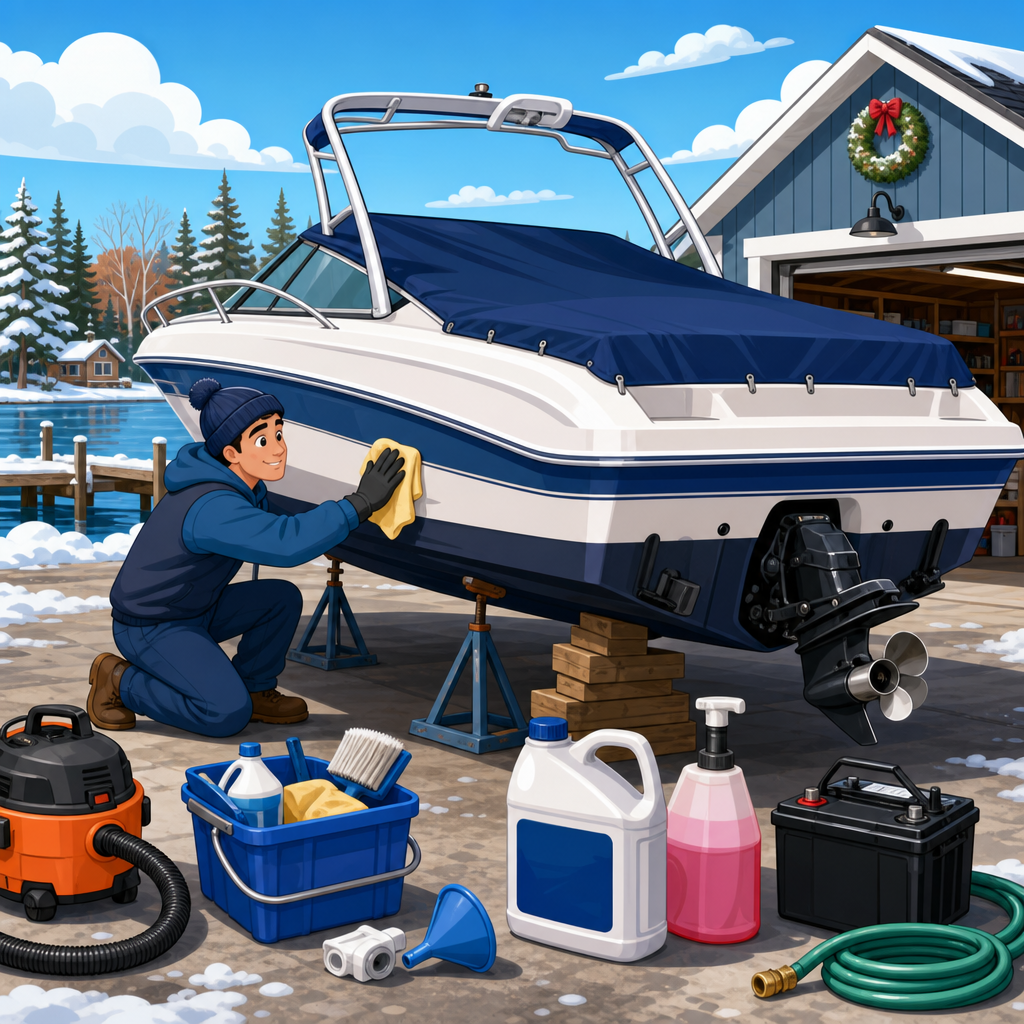
If your boat is hauled or winterized, this is the ideal time for deeper service: remove the propeller, inspect the shaft, grease the splines if specified, inspect anodes, service steering fittings, and evaluate any recurring helm stiffness. Bundling these tasks saves labor and gives you a complete view of the transom-end systems that wear together.
Preventing corrosion on a boat’s steering components comes down to disciplined inspection, correct materials, and understanding how steering, propeller condition, and transom hardware work as one system. Rinse after use, lubricate on schedule, protect dissimilar-metal joints, monitor anodes, and investigate any change in steering effort immediately. Those habits stop most corrosion before it becomes visible, and they also improve handling, reduce repair cost, and extend the life of cables, cylinders, brackets, and seals.
As the central guide within propeller and steering maintenance, this article points to the maintenance priorities that matter most: clean exposure points, inspect moving surfaces, reduce vibration, and replace compromised parts before they compromise control. Whether you run an outboard skiff in brackish creeks or a larger offshore boat in constant salt spray, the formula is the same. Make steering checks part of every washdown and every propeller inspection. Start with your next trip: rinse thoroughly, turn the wheel lock to lock, inspect the rod or cable path, and schedule any overdue service now.
Frequently Asked Questions
What causes corrosion on a boat’s steering components in the first place?
Corrosion on steering components usually begins with a simple combination: metal, moisture, oxygen, and time. In a marine environment, that process speeds up dramatically because salt, humidity, and contaminated bilge water act as electrolytes that make electrochemical breakdown more aggressive. Steering systems are especially vulnerable because many of their parts sit in exposed, hard-to-see areas where water can collect and maintenance is often delayed. Common trouble spots include the helm pump, steering cable ends, drag link, tiller arm, pivot tube, hydraulic cylinder rod, mounting hardware, and fasteners.
Saltwater exposure is one of the biggest contributors, but it is not the only one. Corrosion can also be accelerated by stray electrical current, poor bonding, damaged coatings, trapped moisture inside a steering cable or pivot tube, and galvanic reactions between dissimilar metals. For example, when stainless steel hardware is mounted against aluminum without proper isolation, the less noble metal can corrode faster. Even freshwater boats are not immune, especially if steering parts are exposed to fertilizer runoff, pollutants, or long periods of damp storage. The reason corrosion is so dangerous in steering systems is that it often starts quietly, then progresses into stiff steering, uneven helm feel, leaking seals, seized parts, and eventually a loss of steering precision or control.
What are the best ways to prevent corrosion on a boat’s steering system?
The best prevention strategy is a combination of regular cleaning, protective lubrication, inspection, and prompt repair. Start by rinsing the steering components with fresh water after every outing, especially if the boat is used in saltwater or brackish water. Focus on external parts such as the hydraulic cylinder, cylinder rod, tiller arm, drag link, engine steering tube area, and exposed fasteners. A gentle rinse removes salt crystals and contaminants before they can hold moisture against the metal. After rinsing, let the area dry and apply the correct marine-grade corrosion inhibitor or lubricant recommended by the steering system manufacturer.
It is also important to keep moving parts properly greased and protected. Steering cable systems often need periodic greasing at designated points, while hydraulic systems benefit from clean fittings, intact seals, and a polished, damage-free cylinder rod. Any cracked boots, missing caps, worn protective coatings, or rust stains should be addressed immediately. Use marine-grade hardware when replacing components, and where possible, isolate dissimilar metals with the right washers, sleeves, or anti-corrosion compounds. Electrical health matters too. Stray current can destroy steering components quickly, so maintain battery grounds, inspect wiring, and correct any bonding or charging system problems. In short, corrosion prevention is not one product or one annual service; it is a routine. Clean it, inspect it, lubricate it, protect it, and fix small issues before they become steering failures.
How can I tell if corrosion is already affecting my boat’s steering components?
Early corrosion is often detected through changes in feel before obvious damage appears. If the helm becomes harder to turn, feels notchy, responds inconsistently, or develops excessive play, corrosion may already be interfering with the steering mechanism. On cable systems, internal rust or buildup can make the cable drag or seize. On hydraulic systems, corrosion on the cylinder rod or fittings may damage seals, leading to leaks, contamination, and reduced performance. Sloppy steering response can also point to corrosion around the drag link, tiller arm, pivot points, or attachment hardware.
A visual inspection can reveal a lot. Look for white powdery oxidation on aluminum parts, reddish-brown rust on steel, blistered paint, pitting, swelling around fittings, greenish deposits around metal connections, and wetness that suggests fluid leakage. Pay close attention to the engine tilt tube or pivot tube area, because it is a common place for corrosion to build up and restrict movement. Check hydraulic cylinder rods for scoring, pits, or discoloration, since even small surface damage can tear seals. Also inspect fasteners and brackets for seized threads or thinning metal. If you notice any of these symptoms, do not treat them as cosmetic. Steering corrosion is a safety issue, and early intervention is far less expensive than waiting for a major component to fail.
Should I repair corroded steering parts, or replace them entirely?
That depends on the severity and location of the corrosion, but when steering safety is involved, the conservative approach is usually the right one. Light surface corrosion on non-critical external hardware may sometimes be cleaned, treated, and protected if the metal underneath is still sound. However, pitting, flaking, binding, seized joints, damaged chrome on a hydraulic rod, leaking seals caused by corrosion, or structural thinning of components are strong signs that replacement is the safer option. Steering systems are not a place to gamble with weakened parts, because a component that looks acceptable externally may already have hidden internal damage.
As a practical rule, replace any part that affects load-bearing strength, steering accuracy, or sealing integrity if corrosion is more than superficial. That includes badly rusted drag links, frozen steering cables, deeply pitted cylinder rods, heavily corroded tiller arms, compromised helm components, and fasteners that cannot be removed or torqued properly. If the system uses hydraulic steering, inspect the fluid as well. Milky, dirty, or contaminated fluid can indicate internal issues that go beyond what is visible. When in doubt, have a qualified marine technician inspect the system and follow the steering manufacturer’s service guidance. Repair may be acceptable in limited cases, but reliable steering performance depends on parts that are structurally sound, smooth in operation, and fully sealed against the marine environment.
How often should boat steering components be inspected and maintained to prevent corrosion?
Steering components should get a quick visual check before every outing and a more thorough inspection at regular intervals throughout the season. Before heading out, look for obvious leaks, rust, stiffness, loose fasteners, damaged hoses, cracked boots, and anything unusual around the helm, cylinder, cable ends, and steering linkage. Turn the wheel from lock to lock and pay attention to resistance, noise, hesitation, or uneven movement. These simple checks take only a few minutes and can catch problems before they become dangerous on the water.
For routine maintenance, most boat owners should clean and inspect steering components after each saltwater trip, lubricate them according to the manufacturer’s schedule, and perform a detailed inspection at least every few months during active use. At minimum, the entire steering system should be serviced seasonally and again before long-term storage. Boats kept in saltwater, stored outdoors, or used heavily may need more frequent attention. Annual professional inspection is a smart standard, especially for hydraulic systems and high-horsepower outboards where steering loads are significant. The key is consistency. Corrosion prevention works best when it is built into normal boat care rather than postponed until the steering starts feeling wrong.