A boating maintenance schedule is a planned, repeatable system for inspecting, cleaning, servicing, and documenting every major component on a boat so problems are prevented before they become breakdowns. For owners who use their boats year-round, that schedule is not a nice extra; it is the difference between dependable days on the water and expensive downtime at the dock. I have worked with trailer boats, center consoles, pontoons, and small cruisers long enough to see the same pattern repeatedly: engines fail early, wiring corrodes, bilges smell, and gelcoat oxidizes when maintenance is done only at winterization or only when something stops working. A better approach is to divide care into daily, monthly, seasonal, and annual tasks, then tie each task to operating hours, climate, and storage conditions.
Preventative maintenance means servicing equipment before obvious failure. Longevity tips are the habits and adjustments that reduce wear, corrosion, ultraviolet damage, fuel degradation, and moisture intrusion over time. On a modern boat, that includes the outboard or sterndrive, fuel system, batteries, charging circuit, hull, trailer, steering, safety gear, plumbing, and electronics. The goal is not perfection. The goal is consistency. When owners follow a written schedule, they catch a cracked bellows before water enters the driveline, replace a worn impeller before overheating starts, and correct low battery voltage before electronics suffer. That kind of routine protects resale value, lowers total ownership cost, and makes every launch more predictable.
This hub article explains the best boating maintenance schedule for year-round care and shows how to organize tasks in practical intervals. It also serves as a central guide for broader boat maintenance and repairs planning by connecting everyday checks with bigger service events such as bottom care, engine tune-ups, trailer overhaul, and off-season storage. If you want a boat that starts reliably, handles safely, and ages slowly, the answer is not one big annual checklist. It is a maintenance calendar built around how boats actually wear out in real conditions.
Build a Maintenance Schedule Around Time, Engine Hours, and Environment
The most effective boating maintenance schedule uses three triggers at once: calendar time, engine hours, and exposure. Manufacturers publish hour-based intervals for oil, gear lube, water pumps, spark plugs, and valve inspections, but real boats also age while sitting still. Salt air attacks connectors. Sunlight hardens vinyl. Ethanol-blended fuel absorbs moisture. That is why year-round care cannot rely on engine hours alone. A boat that logs only forty hours in a humid marina may need more corrosion control than a trailered boat that runs twice that much on freshwater lakes.
Start with the owner’s manual for the engine, trailer, and installed systems. Use the strictest interval among the manufacturer, warranty requirement, and your operating conditions. For example, Yamaha, Mercury, Suzuki, Honda Marine, and Volvo Penta all specify periodic inspections of fuel filters, anodes, cooling systems, and lubricants, yet every technician knows severe-duty use shortens those intervals. Severe duty includes saltwater operation, long idle periods, frequent short runs, towing loads, sandy or silty water, and extended mooring. In practice, I advise owners to assign every task to one of four buckets: before each trip, monthly, every season change, and annually or every 100 hours, whichever comes first.
Documentation matters as much as wrench time. Keep a simple log with date, engine hours, parts used, torque values if applicable, and any observations such as fuel odor, slow cranking, rust streaking, or water in the bilge. A notebook works, but digital tools such as Garmin ActiveCaptain notes, manufacturer service apps, or even a shared spreadsheet are easier to search. Good records do three things: they reveal patterns, support warranty claims, and increase buyer confidence at resale. Boats with documented service histories almost always command stronger prices because uncertainty is reduced.
Before Every Trip and After Every Return
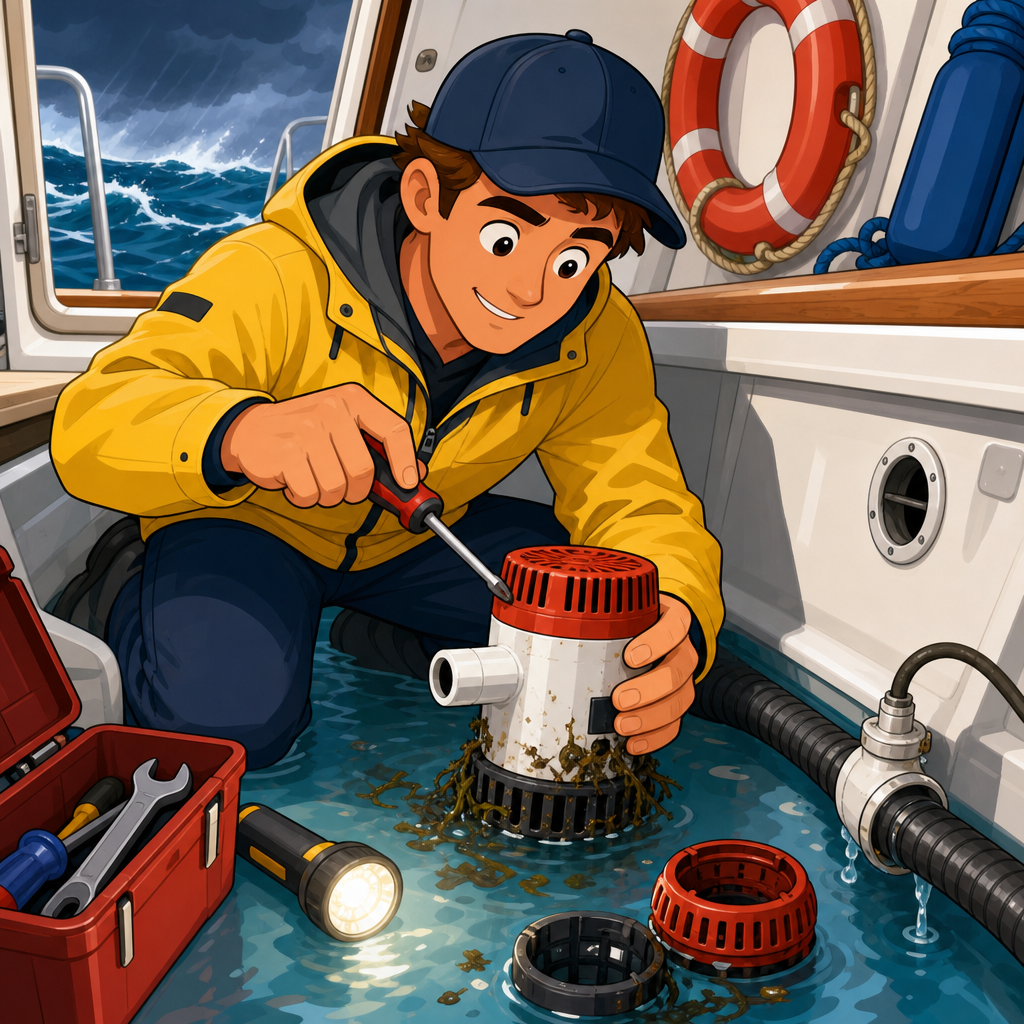
The highest-value maintenance happens at the launch ramp, dock, or driveway. Before each outing, inspect the battery switch position, battery charge level, and terminal tightness. Verify blower operation on gasoline inboards and sterndrives, test navigation lights, and confirm the bilge pump cycles correctly with both the float switch and manual switch. Check engine oil level where applicable, look at the fuel-water separator bowl if your setup has one, and inspect the propeller for fishing line. Wrapped line can cut seals and lead to gearcase leaks surprisingly fast.
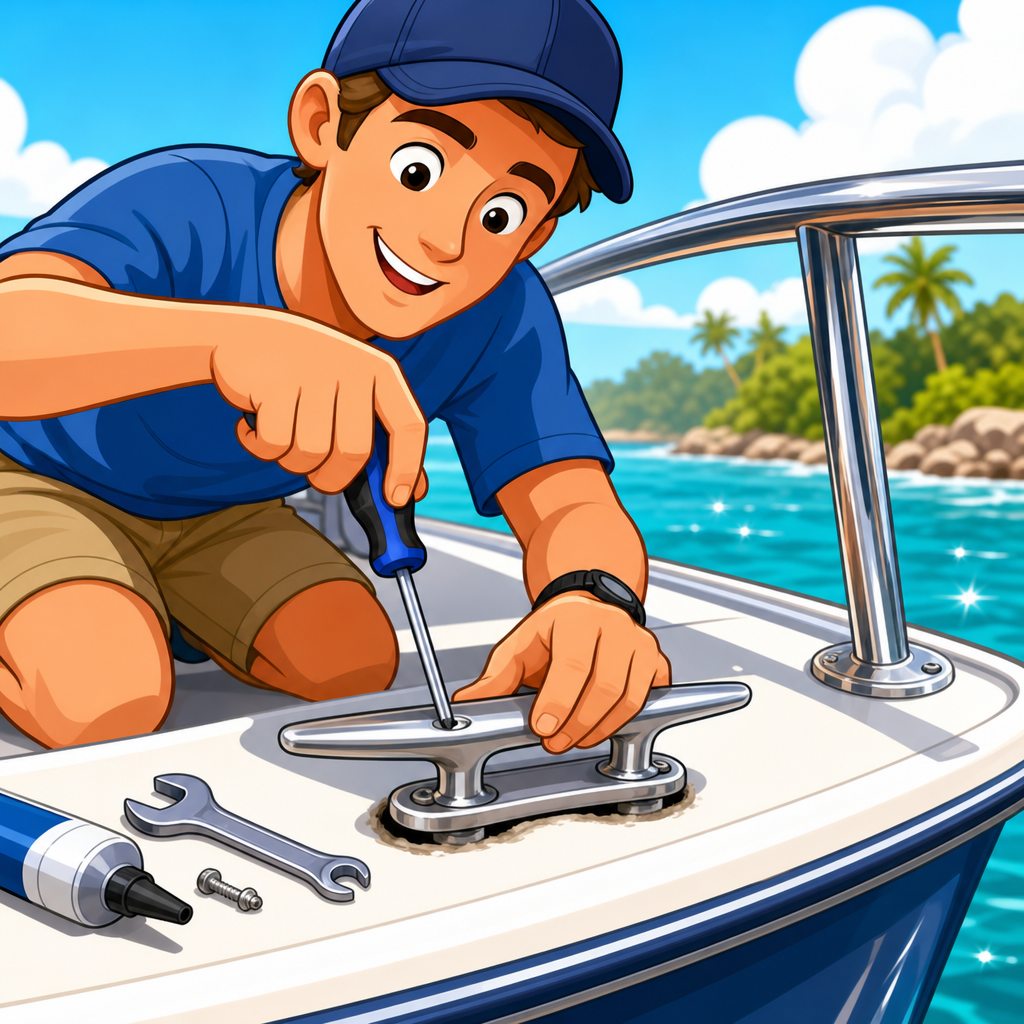
Walk the deck and hull methodically. Look for loose cleats, cracked caulk around hardware, soft spots near hatches, and any new impact marks. Open lockers and inspect for mildew, standing water, or the sour smell that signals poor ventilation. On trailers, confirm tire pressure, lug nut torque, light function, and winch strap condition. Safety gear should be physically handled, not assumed. Count life jackets, verify the fire extinguisher gauge is in the green, and make sure flares, horn, throw cushion, and registration documents are present. These are basic steps, but neglected basics cause a remarkable share of canceled trips.
After every return, rinse thoroughly if you operated in saltwater. Flush outboards and many sterndrives according to manufacturer procedure, allowing the thermostat to open when required. Wash canvas, stainless, and glass with fresh water, then dry metal surfaces to limit water spotting and chloride deposits. Empty coolers and fish boxes immediately. Pump and wipe the bilge if any oily residue appears. Leaving salt, organic debris, and moisture onboard for even a week accelerates corrosion, stains upholstery, and attracts mold. Ten minutes at the end of the day prevents hours of restoration later.
Monthly Systems Checks That Prevent Midseason Failures
Monthly maintenance bridges the gap between quick daily checks and major seasonal service. Focus on systems that degrade quietly. Start with the electrical system. Inspect battery voltage after rest, not immediately after charging. A healthy fully charged 12-volt lead-acid battery should read about 12.6 to 12.8 volts at rest, while lithium systems follow their own curve and battery management settings. Clean terminals with a proper battery brush, coat them lightly with dielectric or corrosion inhibitor as appropriate, and ensure cables are strain-relieved. Corroded grounds create mysterious gauge errors and intermittent electronics failures.
Next, inspect steering and control systems. Hydraulic steering should show no fluid leaks at the helm, fittings, or cylinder rod seals. Mechanical cable steering should move smoothly without stiffness or binding. Shift and throttle cables should not drag. If the engine trims slowly, test battery condition before assuming the trim motor is failing. On the fuel side, look for soft primer bulbs, dated hoses, loose clamps, or fuel odors inside compartments. U.S. Coast Guard fire test standards and SAE-rated marine hose matter here; automotive hose is not an acceptable substitute in enclosed gasoline compartments.
Hull and interior care also belong on a monthly schedule. Check scuppers and drains for blockage, inspect rub rail fasteners, and clean vinyl with a marine-specific cleaner that does not strip plasticizers. Apply a UV protectant to seats, bolsters, and rubber seals, but avoid slick products on walking surfaces. If your boat lives in the water, monitor bottom growth and zinc or aluminum anode consumption monthly. Heavy fouling can reduce speed, increase fuel burn, and stress the engine by forcing it to work harder. Anodes should waste away instead of your lower unit, trim tabs, shaft, or thru-hulls; if they are intact after months in saltwater, bonding or electrical issues may be present.
| Interval | Primary Tasks | Why It Matters |
|---|---|---|
| Before each trip | Check bilge, battery, lights, oil, prop, safety gear, trailer tires | Prevents no-starts, unsafe launches, and obvious mechanical failures |
| After each trip | Rinse, flush engine, dry metal, empty storage, inspect for damage | Limits corrosion, mold, staining, and hidden wear |
| Monthly | Test batteries, inspect steering, hoses, clamps, anodes, drains, upholstery | Catches gradual deterioration before peak-season breakdowns |
| Seasonally | Change fluids as needed, wax, deep-clean, service trailer, review safety kit | Aligns care with weather shifts and usage patterns |
| Annually/100 hours | Engine service, impeller, filters, plugs, gear lube, full inspection | Protects major components and preserves long-term reliability |
Seasonal Boat Maintenance for Spring, Summer, Fall, and Winter
Seasonal maintenance is where a year-round care plan becomes realistic. In spring, recommission the boat carefully even if it was used through winter. Inspect belts, hoses, battery output, sacrificial anodes, trailer brakes, and tire date codes. Replace fuel filters if they were not changed during layup, and inspect for rodent damage to wiring or insulation. Test all pumps, washdown systems, and livewells. Spring is also the right time to apply wax or polymer sealant to gelcoat above the waterline and a protectant to clear enclosures. A protected surface sheds grime and oxidizes more slowly through summer heat.
Summer maintenance centers on heat, ultraviolet exposure, and heavy use. Engines run harder in high temperatures, so watch water pressure, idle quality, and thermostat behavior closely. Keep intake grates clear and monitor coolant levels on closed-cooled engines. Upholstery seams, hatch gaskets, and sealants expand and contract in heat, which can expose leaks around hardware. Midseason is an ideal time to inspect caulking around rails, windshields, transducers, and deck fittings. Rebed leaking hardware before core materials absorb water. Wet coring repairs are far more expensive than a tube of proper marine sealant and a careful afternoon.
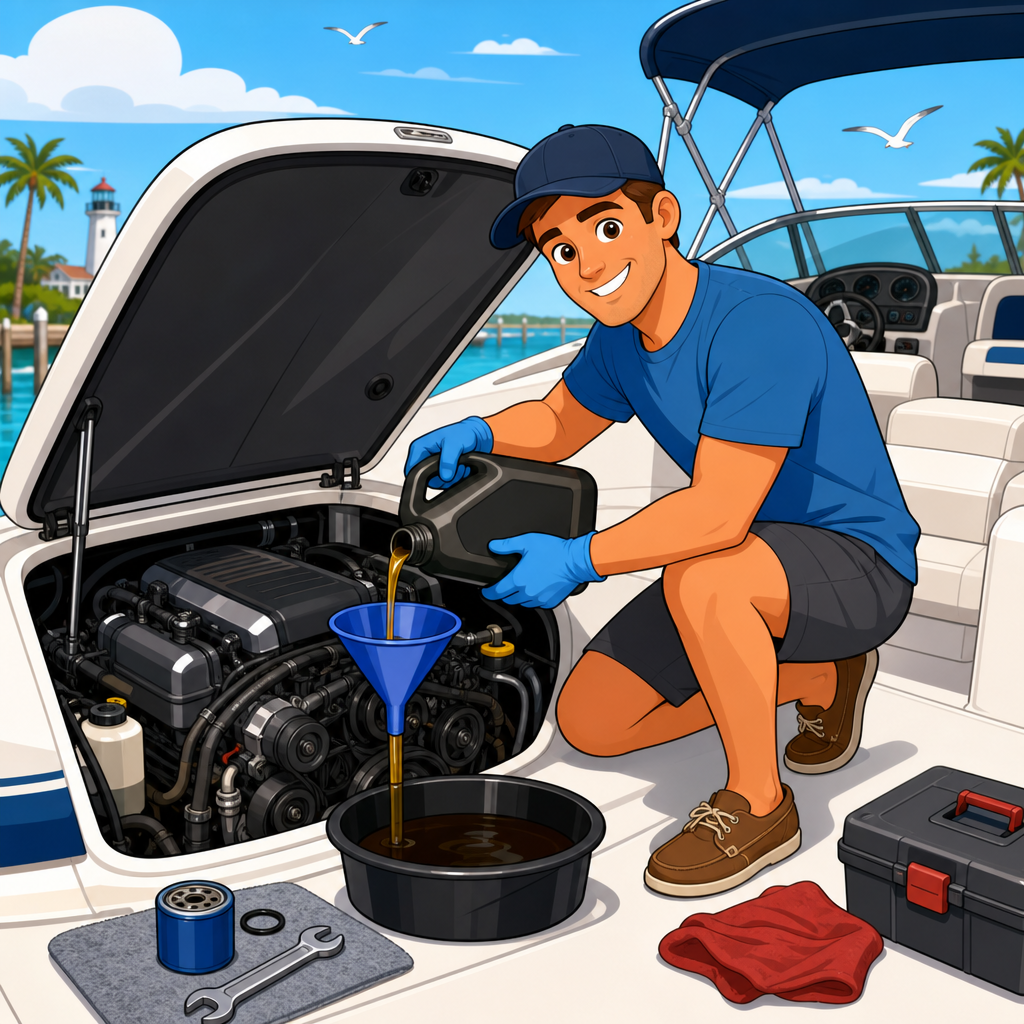
Fall is the time to correct deferred issues before cold weather amplifies them. Change engine oil and filters before storage so acids and contaminants are not left sitting in the crankcase. Replace lower-unit or gearcase lubricant and inspect for milky fluid, which indicates water intrusion. Fogging requirements vary by engine design, so follow current manufacturer guidance rather than old dock advice. Drain and protect raw-water systems, sanitize freshwater systems if equipped, and service the trailer bearings and brakes before winter road corrosion begins. If the boat stays active in cold months, shift from occasional cleaning to stricter moisture control inside cabins, compartments, and canvas enclosures.
Winter maintenance depends on whether the boat is laid up or used continuously. In freezing climates, winterization is mandatory for engines, generators, air-conditioning loops, livewells, and plumbing systems vulnerable to expansion damage. In mild climates, “winter use” still requires attention to condensation, battery charging, and storm preparation. Keep cockpit drains clear of leaves, maintain bilge pump redundancy, and inspect cover fit after every wind event. Boats often suffer more from neglected storage than from operation. A tightly fitted, ventilated cover and regular dehumidification can preserve interiors better than any cleaner or odor treatment.
Annual Service Priorities for Engine, Hull, Trailer, and Safety Gear
At least once a year, or every 100 hours for many recreational boats, schedule a full service baseline. For outboards, that usually includes engine oil and filter on four-strokes, gearcase lube, spark plugs, fuel filters, thermostat inspection, grease points, and water-pump impeller service according to interval. On sterndrives, annual service often expands to gimbal bearing inspection, bellows inspection, U-joint evaluation, alignment checks, and drive lube replacement. Inboards may require impellers, shaft seal inspection, stuffing box adjustment where applicable, and exhaust component review. Cooling system neglect is one of the fastest ways to turn a healthy engine into an overheated one.
The hull deserves equal attention. Inspect through-hulls, seacocks, transducers, tabs, trim rams, chines, keel guards, and the transom around penetrations. If the boat stays in the water, review antifouling paint condition and choose paint based on use pattern and hull speed. Ablative coatings suit many recreational boats because fresh biocide is exposed as the boat moves; hard paints can be better where frequent cleaning or specific performance requirements apply. Gelcoat oxidation should be corrected with the least aggressive compound that restores gloss, then protected with wax or ceramic marine coating. Aggressive compounding every year removes material unnecessarily.
Trailer service is often ignored because it is out of sight at the marina, yet trailer failures are among the most disruptive boating problems. Annually inspect wheel bearings, bearing protectors, brake calipers, brake lines, actuator operation, bunks, rollers, leaf springs, torsion axles, winch gears, and the coupler latch. Replace weather-cracked tires regardless of tread depth if age warrants it. Many trailer tires age out before they wear out. Finally, renew safety equipment. Expired flares, weak extinguisher charge, brittle dock lines, sun-damaged life jackets, and outdated first-aid supplies should be replaced on schedule, not after an emergency exposes the gap.
Longevity Tips That Reduce Wear and Protect Resale Value
The longest-lasting boats are not always the newest or most expensive; they are the ones operated and stored thoughtfully. Warm engines properly, but do not idle excessively. Use fresh fuel from busy stations, stabilize fuel when storage is expected, and keep tanks at the manufacturer-recommended level for your climate to reduce condensation without creating stale inventory. Charge batteries with marine-rated smart chargers matched to battery chemistry. Keep the bilge clean and dry because moisture plus residue creates corrosion and odor. Address tiny leaks immediately. Water intrusion is cumulative, and small deck leaks often become large structural bills years later.
Use the right products. Marine grease, tinned wire, heat-shrink connectors, ignition-protected components, and ABYC-aligned installation practices are not marketing details; they are durability and safety requirements. Avoid household cleaners containing ammonia on clear vinyl and avoid pressure washing seals, decals, and electrical panels. Train everyone who runs the boat to trim correctly, avoid grounding, and dock without repeated hard impacts. Good operation is maintenance. For owners serious about year-round care, create your checklist today, schedule the next annual service before the busy season, and treat every trip as an inspection opportunity.
Frequently Asked Questions
What is the best boating maintenance schedule for year-round care?
The best boating maintenance schedule for year-round care is one that breaks your upkeep into repeatable intervals instead of waiting for something to fail. In practice, that means dividing maintenance into four layers: before every outing, monthly, seasonally, and annually. Before each trip, inspect the battery charge, fluid levels, bilge pump operation, lights, steering response, propeller condition, lines, life jackets, and fuel system for any visible leaks or odors. After each trip, rinse the hull, flush the engine if you run in salt or dirty water, wipe down metal surfaces, drain water where needed, and note anything that seemed unusual on the water.
On a monthly basis, focus on systems that wear gradually, including battery terminals, trailer tires and bearings, filters, hoses, belts, corrosion points, and safety gear expiration dates. Seasonal tasks should include changing engine oil and gear lube as recommended, inspecting the water pump and impeller schedule, cleaning and protecting upholstery, checking bottom condition, verifying electronics updates, and inspecting seals, pumps, and plumbing. Annual service should be more comprehensive: engine tune-up items, full trailer inspection, steering and control cable evaluation, fuel-water separator replacement, hull and prop inspection, and a review of all maintenance records. The key is consistency. A written checklist and maintenance log will always outperform memory, especially for owners who boat in every season and put steady hours on the engine.
How often should I service the engine and other major boat systems?
Engine service frequency depends on the manufacturer, engine type, and how hard the boat is used, but a smart rule is to follow both hour-based and calendar-based intervals, using whichever comes first. For example, many outboards and sterndrives need oil changes, filter replacement, and lower unit service at set hour marks or at least once a year. If you use your boat year-round, hour intervals matter a lot more because wear accumulates steadily. Cooling systems, fuel filters, spark plugs, belts, and impellers should also be checked on schedule rather than only when symptoms appear. Minor neglect in these areas often turns into overheating, poor fuel economy, hard starting, or complete loss of power when you least want it.
Beyond the engine, other systems deserve equal attention. Batteries should be tested regularly and kept clean, charged, and securely mounted. Steering and throttle controls should be checked for stiffness, slack, or corrosion. Bilge pumps and float switches should be tested often because they are easy to ignore until an emergency. Fuel lines, primer bulbs, clamps, and tank vents need regular inspection for cracks, softness, leaks, or ethanol-related deterioration. Electrical connections, navigation lights, and electronics should be checked monthly if the boat is used frequently. Trailered boats also need ongoing trailer care, including tire pressure, lug torque, brake function, lights, bunks, rollers, and wheel bearings. In short, the engine may be the heart of the boat, but dependable year-round operation comes from servicing every connected system on a disciplined schedule.
What maintenance tasks should be done before and after every boating trip?
Before every trip, focus on safety, reliability, and launch readiness. Start with the battery switch, battery charge level, and a quick visual inspection of cables and terminals. Check engine oil if applicable, coolant on relevant systems, and fuel level. Open the bilge and look for fuel, oil, water, or loose gear. Test the bilge pump and lights. Inspect the propeller for damage and make sure the kill switch, horn, fire extinguisher, dock lines, fenders, and required life jackets are onboard and accessible. Confirm the drain plug is installed. If the boat is on a trailer, inspect tire pressure, straps, wheel bearings, coupler engagement, safety chains, and trailer lights before leaving for the ramp. These simple checks take only a few minutes and catch many of the most common trip-ending problems.
After every trip, your goal is to remove contamination and catch early signs of wear. Rinse the boat thoroughly, especially if you operated in saltwater or brackish water. Flush the engine according to manufacturer recommendations. Wash down the deck, seating, rails, and hardware to remove salt, dirt, and fish residue. Empty coolers, wipe down compartments, and allow moisture to dry out so mold and corrosion do not get a foothold. Inspect for line chafe, prop dings, fluid leaks, and any new vibration or steering issues you noticed during the run. Top off the battery charge if needed and record engine hours plus any service reminders in your log. Owners who build these before-and-after habits into every trip usually spend less on repairs because they find problems while they are still small, inexpensive, and easy to fix.
How do I adjust a boating maintenance schedule for saltwater, freshwater, and off-season conditions?
Saltwater use requires the most aggressive maintenance schedule because salt speeds up corrosion on metal parts, electrical connections, trailers, fasteners, and cooling passages. If you operate in saltwater regularly, flushing the engine after every trip should be standard, not optional. Metal surfaces should be rinsed and dried, corrosion inhibitor should be applied where appropriate, and sacrificial anodes should be inspected often and replaced before they are fully consumed. Trailer components also need extra attention because brakes, hubs, springs, and lights can deteriorate quickly in a salt environment. Even boats stored near the coast can experience accelerated corrosion from salty air, so your schedule should include more frequent inspections of wiring, terminals, switches, and exposed fittings.
Freshwater boats typically face less corrosion stress, but they are not maintenance-free. Algae, mineral buildup, hull staining, moisture retention, and seasonal temperature swings can still damage systems over time. If your area has a defined off-season, that period should trigger a winterization or layup checklist that includes fuel stabilization, water system draining, engine-specific cold-weather procedures, battery storage care, interior moisture control, and protective covers that allow ventilation. For owners who use their boats year-round in mild climates, there may not be a traditional layup period, but there should still be a seasonal inspection phase tied to temperature changes, storm exposure, and usage peaks. The right approach is to tailor the schedule to where the boat lives, how often it is used, and what environmental stress it sees most often.
Why is keeping a boat maintenance log so important?
A boat maintenance log turns maintenance from guesswork into a system. Without records, owners often forget when the oil was last changed, how many hours are on the current water pump impeller, whether the fuel-water separator was replaced this year, or when the trailer bearings were last serviced. That uncertainty leads to one of two bad outcomes: over-servicing parts that still have life left, or under-servicing critical components until they fail. A good log removes that uncertainty. It should track dates, engine hours, completed services, parts used, torque or fluid notes if relevant, inspection findings, and upcoming tasks. It is also helpful to record symptoms such as vibration, hard starting, unusual alarms, or reduced top-end performance, because patterns become easier to identify over time.
There is also a financial and practical benefit. Detailed records make troubleshooting faster because you can tell whether a problem started before or after a recent repair and which components have already been ruled out. If you hire a marine technician, your log gives them a head start and can reduce labor time. If you sell the boat later, a well-documented maintenance history adds credibility and often improves resale value because buyers can see the boat was cared for methodically. For year-round boat owners, a log is not busywork. It is one of the most useful tools you can have for preventing breakdowns, planning service around actual usage, and protecting the long-term value of your boat.