How to extend the life of your boat with proper maintenance starts with a simple truth: boats do not usually fail all at once. They age through dozens of preventable problems such as moisture intrusion, neglected engines, weak batteries, UV-damaged gelcoat, corroded wiring, and contaminated fuel. Preventative maintenance means inspecting, servicing, cleaning, protecting, and documenting critical systems before visible breakdown occurs. Longevity, in practical marine terms, is not just how many years a boat floats, but how long its structure, propulsion, systems, finish, and resale value remain sound. I have worked through spring commissioning lists, midseason service calls, and winter layups long enough to see the same pattern repeatedly: owners who follow routine maintenance schedules spend less on major repairs and keep their boats reliable for far longer.
This matters because marine environments are unusually harsh. Salt accelerates corrosion, sun degrades vinyl and gelcoat, vibration loosens fittings, and trapped water attacks wood cores, metals, bearings, pumps, and electrical connections. Even freshwater boats face algae, freeze damage, fuel instability, and humidity. According to guidance from the American Boat and Yacht Council, National Marine Manufacturers Association standards, and major engine manufacturers including Yamaha, Mercury, Volvo Penta, and Suzuki, lifespan depends less on age alone than on disciplined care. A well-maintained fiberglass hull can last decades, while an ignored one can develop blisters, soft decks, failed hoses, and expensive engine issues much sooner. For owners researching boat maintenance and repairs, this hub covers the preventative maintenance and longevity practices that deliver the biggest return over time.
Build a maintenance routine around inspection, scheduling, and records
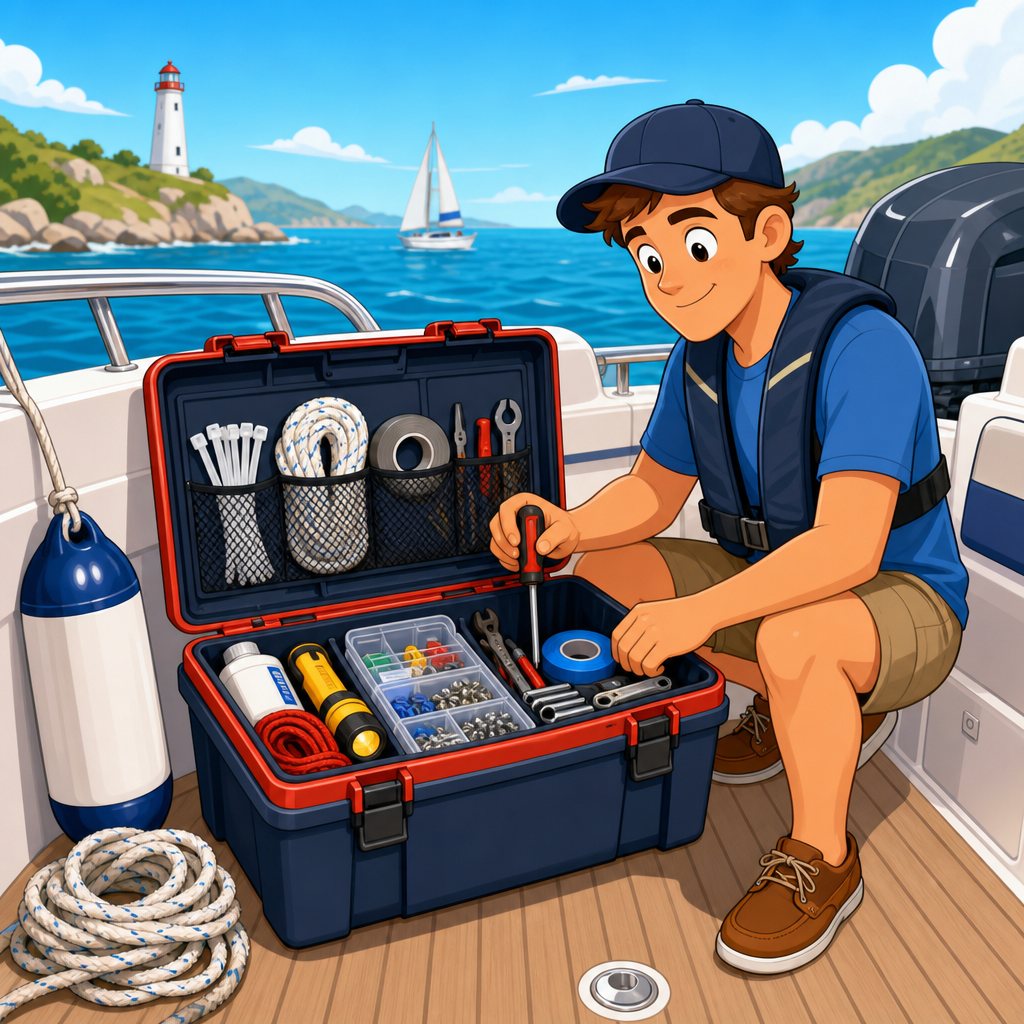
The most effective way to extend boat life is to replace reactive repairs with a documented maintenance system. Every boat should have a recurring checklist divided into before-launch, monthly, every 50 to 100 engine hours, seasonal, and annual tasks. At minimum, inspect fluid levels, belts, hoses, clamps, steering movement, battery voltage, bilge operation, lights, seacocks, propeller condition, and signs of leaks. Then record what you found. Service logs matter because they reveal trends: a battery losing resting voltage, an engine consuming more oil, or a bilge pump cycling more often than normal. Those trends help you catch failures early.
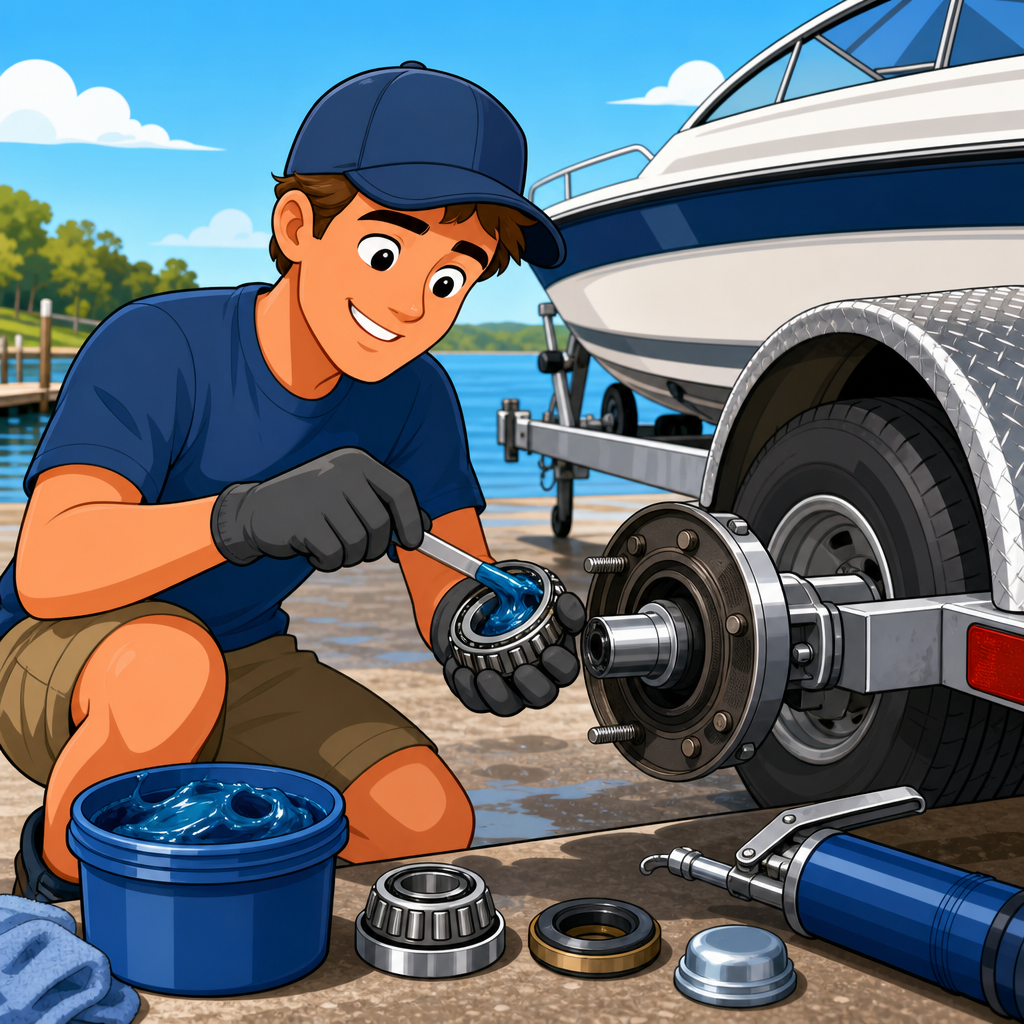
In practice, the best owners I have worked with use a simple spreadsheet, maintenance app, or binder with receipts, engine hours, launch dates, winterization notes, and part numbers. They know when the impeller was changed, which fuel-water separator fits the boat, and when the trailer bearings were last repacked. That level of recordkeeping makes maintenance faster and more accurate, especially when different technicians touch the boat over several seasons. It also strengthens resale value, because a documented boat is easier for buyers and surveyors to trust.
Inspection should be systematic, not casual. Start at the bow and move aft, then top to bottom. Open compartments, smell for fuel, look for rust trails under hardware, press around deck fittings for softness, and examine hose runs where chafe hides. Use a flashlight and mirror to inspect hard-to-see areas. If anything changes from the boat’s normal condition, investigate it. Small irregularities are often the first warning signs of larger structural or mechanical problems.
Protect the hull, deck, and exterior finishes from water and UV damage
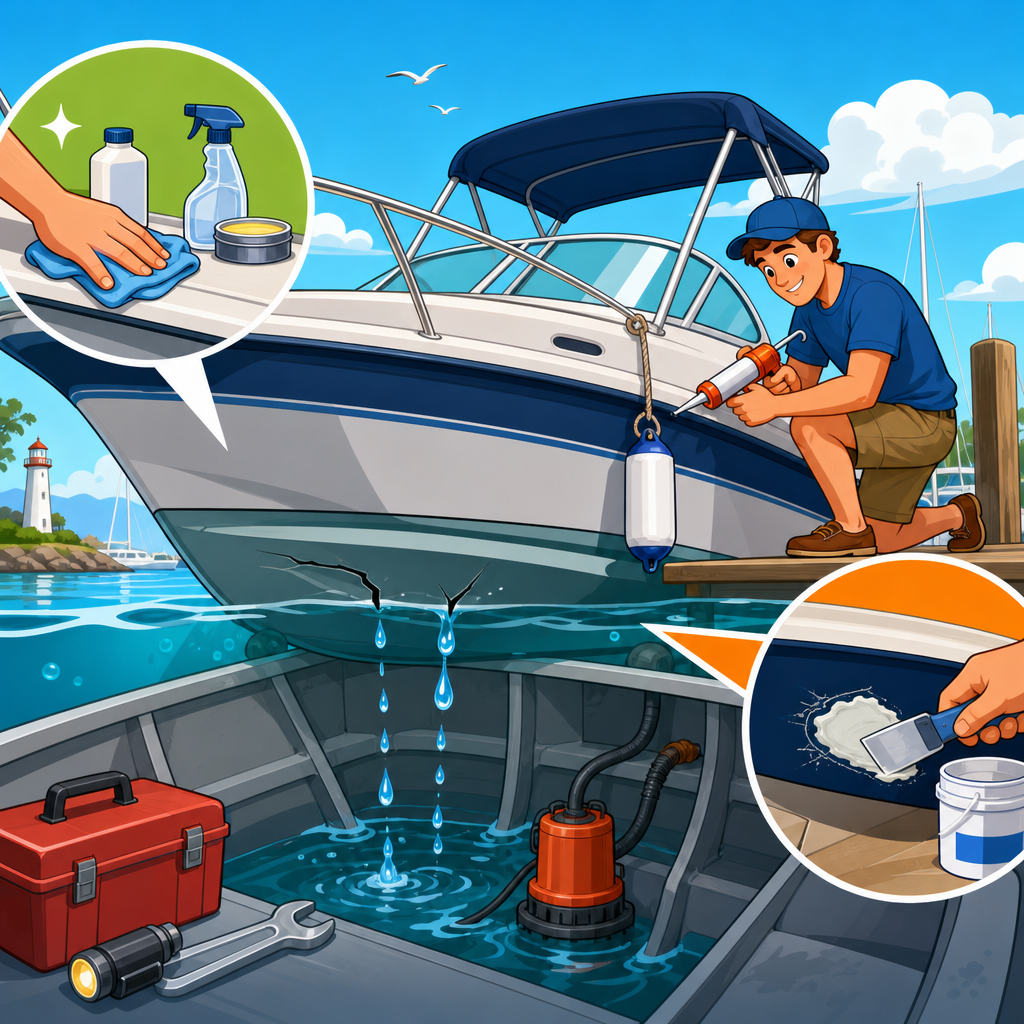
Hull and deck care directly affects service life because water intrusion and sunlight attack both appearance and structure. Fiberglass boats need regular washing to remove salt, grime, bird droppings, and organic residue that hold moisture against surfaces. Use a pH-appropriate boat soap rather than household detergents, which can strip protective waxes. After cleaning, apply a marine wax or polymer sealant to gelcoat on the schedule recommended by the product and adjusted for exposure. In strong sun, twice yearly protection is common. Oxidized gelcoat should be compounded carefully, then sealed, because bare oxidation returns quickly.
Hardware bedding is another major longevity issue. Cleats, rails, rod holders, windlasses, hatches, and deck fittings can leak through failed sealant. Once water reaches coring materials such as balsa or plywood, repairs become invasive and expensive. Rebed suspect hardware with the correct marine sealant before stains, soft spots, or delamination spread. On aluminum boats, inspect for coating failures, galvanic corrosion, and dissimilar metal contact. On wood components, keep coatings intact and address checking or varnish breakdown early.
Covers matter more than many owners realize. A properly fitted mooring cover, console cover, or full storage cover reduces UV degradation, keeps water out of upholstery seams, and slows fading of plastics and electronics. Poorly vented covers, however, can trap moisture and encourage mildew, so ventilation is essential. If the boat lives on a trailer, support the cover to prevent water pooling. If it stays in the water, clean the waterline frequently and maintain bottom paint where appropriate to control fouling, drag, and moisture-related surface problems.
Keep engines, fuel systems, and drivetrains on a strict service schedule
Engine longevity comes from following manufacturer intervals exactly, using the specified oils, filters, gear lubes, spark plugs, and cooling-system parts. Whether you run an outboard, sterndrive, inboard, or diesel, do not stretch service intervals because the boat “seems fine.” Marine engines often operate at sustained load, and contaminated oil, worn impellers, and neglected filters shorten life quickly. A basic annual service usually includes engine oil and filter changes, lower-unit or gearcase lubricant replacement where applicable, fuel filter inspection or replacement, spark plug assessment, belt checks, thermostat review, and cooling system inspection. On raw-water-cooled systems, impellers are a known wear item and should be replaced on schedule or sooner if overheating signs appear.
Fuel quality is a major factor in reliability. Ethanol-blended gasoline can absorb water and degrade during storage, especially in partially filled tanks. Use fresh fuel from busy marinas or stations, install a quality fuel-water separator, and keep tanks managed to reduce condensation when storing the boat. If the engine maker approves stabilizer use, add it before storage and run the engine long enough to circulate treated fuel. Diesel owners need to watch for microbial contamination and water in tanks, which can clog filters and damage injection components. Bad fuel is one of the most common causes of hard starting, rough running, and injector or carburetor problems.
| System | Preventative task | Typical interval | Why it extends boat life |
|---|---|---|---|
| Engine oil | Change oil and filter | Annually or by engine hours | Reduces wear, removes contaminants, protects internal surfaces |
| Cooling system | Inspect hoses and replace impeller | Annually to every two years | Prevents overheating and heat-related engine damage |
| Fuel system | Replace fuel-water separator | At least annually | Limits water ingestion and protects injectors or carburetors |
| Battery bank | Test voltage, clean terminals, verify charging | Monthly and seasonally | Prevents low-voltage strain on starters and electronics |
| Hull and deck | Wash, inspect sealant, apply wax or protectant | Monthly to semiannually | Blocks UV damage and catches leaks before core rot develops |
| Trailer | Service bearings, brakes, tires, and lights | Annually and before long trips | Prevents transport damage and launch-related failures |
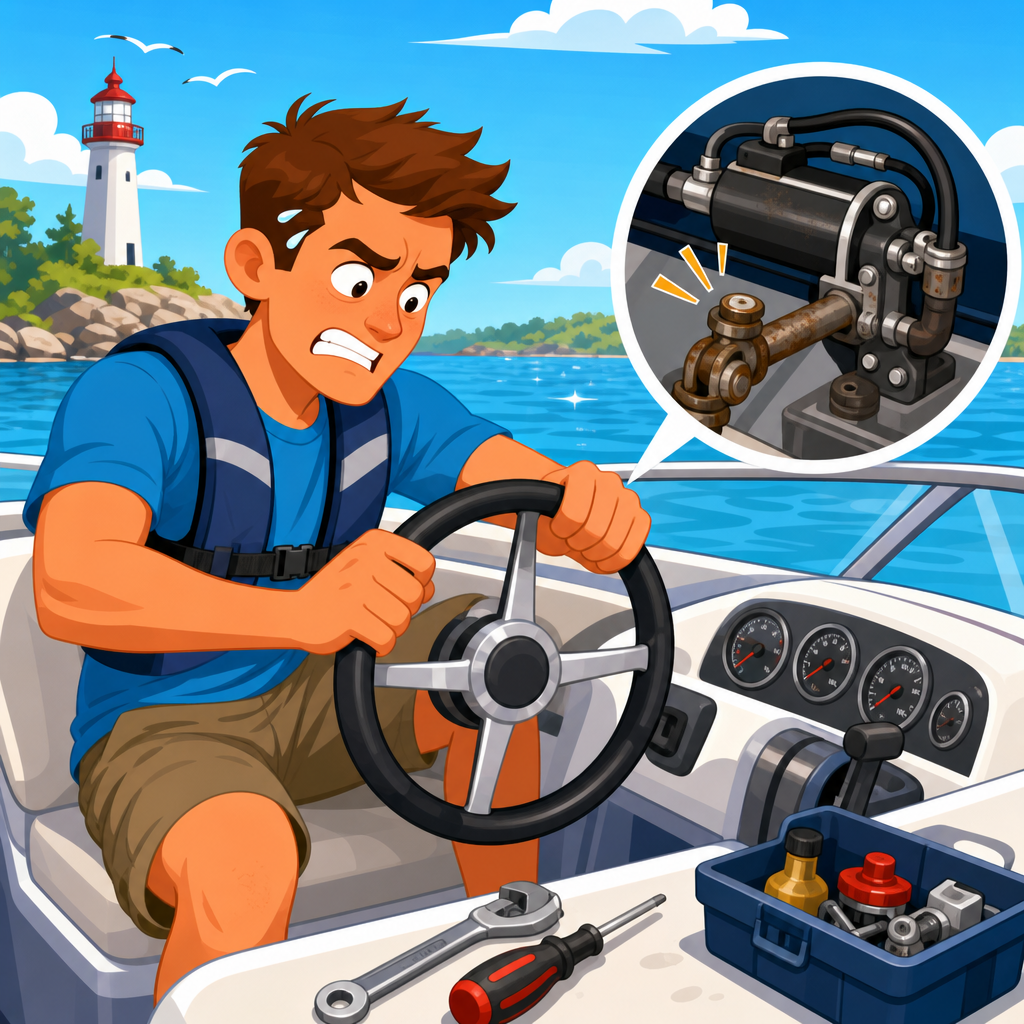
Propulsion components below the engine deserve the same discipline. Inspect props for bent blades, dings, fishing line behind the prop hub, and shaft seal issues. A damaged prop increases vibration, hurts fuel economy, and can stress bearings, gearcases, and couplers. On sterndrives and inboards, alignments, bellows, gimbal bearings, cutless bearings, and shaft seals are not cosmetic items; they are lifespan items. If steering becomes stiff or vibration increases, diagnose it immediately rather than boating through it.
Preserve electrical systems, batteries, plumbing, and onboard equipment
Marine electrical failures often begin with corrosion and low voltage. Keep batteries charged, secured, and load tested, especially before the season starts. Clean terminals with the proper products, protect connections with marine-grade corrosion inhibitors, and replace swollen, aging, or weak batteries before they damage charging systems or leave pumps inoperative. Wiring should be tinned marine wire with proper crimped, heat-shrunk terminals wherever repairs are made. Household wire nuts, untinned wire, and improvised splices are common sources of failure and fire risk. Check bilge pumps, float switches, navigation lights, horn, blower, and electronics regularly because these systems often reveal voltage or corrosion issues before the engine does.
Plumbing and sanitation systems affect longevity too. Leaking freshwater lines, washdown fittings, livewell hoses, or sanitation hoses can keep compartments damp and accelerate mold, wood rot, and corrosion. Inspect hose clamps for rust, replace brittle hoses, and exercise seacocks so they do not seize. Bilges should be clean and dry enough that new leaks stand out. A dirty bilge hides oil drips, fuel seepage, and failing pumps. Air-conditioning units, water heaters, and generators also need periodic descaling, strainer cleaning, and coolant or impeller service according to their manuals.
Electronics last longer when mounted securely, shielded from direct weather when possible, and updated sensibly. Water intrusion into connectors ruins displays and sensors long before the screens themselves fail. Use dielectric protection where appropriate, maintain drip loops, and inspect antenna and transducer cable runs. If your boat has shore power, galvanic protection, polarity checks, and proper battery charger settings are essential. Poor shore power practices can corrode underwater metals and shorten the life of chargers, batteries, and connected equipment.
Use smart storage, cleaning, and seasonal layup practices
Storage conditions have an outsized effect on long-term boat condition. A boat kept clean, dry, covered, and ventilated will generally outlast an identical boat left exposed with standing water in compartments. After every trip, rinse saltwater boats thoroughly, flush the engine if the manufacturer specifies it, empty coolers and fish boxes, dry cushions, and remove gear that traps moisture. Mildew is not just cosmetic; once it colonizes fabrics, lockers, and hidden surfaces, it becomes difficult to eliminate and signals chronic humidity problems.
Seasonal layup is where many owners either preserve the boat or quietly damage it. In freezing climates, winterization must include draining or protecting engines, manifolds, air-conditioning systems, pumps, water tanks, heads, and plumbing with the correct non-toxic marine antifreeze where required. Fuel should be stabilized if recommended, batteries maintained properly, and rodents prevented from nesting in upholstery or wiring. For outboards, store in the approved position so water drains fully. For trailers, support tires correctly, protect them from sun, and avoid letting brake components sit neglected after salt exposure.
Spring commissioning should be just as deliberate. Reinstall drain plugs, test batteries, inspect safety gear expiration dates, verify fire extinguishers, run blowers, and confirm that pumps, steering, and controls work before launch. Recommissioning is also the right time to review all deferred items from the previous season. If a hose, pump, or switch was “good enough for now” last fall, replace it before it becomes a tow bill in July.
Know when to call a professional and how this hub supports the rest of your maintenance plan
Good preventative maintenance includes knowing your limits. Owners can handle washing, visual inspections, battery care, basic lubrication, filter changes on accessible systems, cover management, and many routine checks. Professional help is warranted for compression concerns, fuel leaks, wet transom suspicion, advanced electrical diagnosis, steering hydraulic issues, structural cracks, lower-unit pressure testing, and anything involving safety-critical systems you cannot evaluate confidently. A qualified marine technician or accredited surveyor can identify hidden issues that casual inspections miss, especially on aging boats or recently purchased used boats.
As a hub within boat maintenance and repairs, this page anchors the broader preventative maintenance and longevity conversation. The next useful deep dives typically include engine service schedules, boat winterization, hull cleaning and waxing, marine battery care, trailer maintenance, diagnosing electrical corrosion, preventing mold and mildew, and inspecting deck hardware for leaks. Treat this article as your operating framework: inspect methodically, service on time, store smartly, document everything, and act on small warnings early. That approach protects reliability, safety, and resale value while reducing surprise repair costs. Start with one written checklist this week, then build your annual maintenance calendar around it.
Frequently Asked Questions
What does proper boat maintenance really include if I want my boat to last as long as possible?
Proper boat maintenance is a full-system approach, not just washing the hull or changing the oil once in a while. If your goal is to extend the life of your boat, you need to think in terms of prevention. Boats rarely reach the end of their useful life because of one dramatic failure. More often, they decline through many small issues that were ignored too long, such as trapped moisture, corroded electrical connections, contaminated fuel, sun-damaged finishes, weak batteries, and overdue engine service. Good maintenance means inspecting major systems on a regular schedule, correcting minor defects early, and protecting surfaces and components from the marine environment before wear turns into expensive damage.
In practical terms, that includes routine engine and drive service, battery testing and charging, fuel system inspection, bilge and pump checks, hull and topside cleaning, gelcoat and paint protection, trailer maintenance if applicable, and frequent inspection of hoses, clamps, belts, fittings, and wiring. It also includes seasonal tasks such as winterization, de-winterization, and storage preparation. One of the most overlooked parts of maintenance is documentation. Keeping a maintenance log with dates, engine hours, repairs, fluid changes, and inspection notes helps you stay ahead of recurring problems and protects resale value. A well-maintained boat is not necessarily a perfect boat, but it is one where the owner consistently catches issues before they become structural, mechanical, or safety-related failures.
How often should I inspect and service my boat to prevent long-term damage?
The best maintenance schedule is based on use, environment, and manufacturer recommendations, but a strong rule is to inspect the boat lightly after every outing, perform a more detailed monthly review during the season, and complete major seasonal service at least once or twice a year. After each trip, you should rinse the boat if used in saltwater, check the bilge, look for fluid leaks, confirm battery condition, inspect dock lines and fittings, and notice any changes in engine sound, steering feel, or vibration. These quick observations are often what prevent larger failures later. A small fuel smell, a little water in the bilge, or a minor crack around a fitting may seem unimportant, but those are exactly the kinds of clues that reveal developing problems.
Monthly or every 25 to 50 engine hours, inspect belts, hoses, wiring, fluid levels, fuel filters, through-hulls, pumps, and corrosion points. Clean battery terminals, test safety equipment, and look closely for signs of moisture intrusion around hardware, deck seams, hatches, and upholstery bases. On an annual basis, engine oil and filter changes, lower-unit or gear lube service, cooling system inspections, impeller replacement intervals, bottom inspections, propeller checks, and fuel system service should be addressed according to the engine and boat manufacturer. If the boat is stored for part of the year, off-season care is critical. Improper storage can do as much damage as heavy use. A consistent inspection and service rhythm is what preserves reliability and keeps small wear items from accelerating into major deterioration.
Why is moisture intrusion such a serious threat to a boat’s lifespan?
Moisture intrusion is one of the most damaging and expensive problems a boat can face because water gets into places where it is difficult to see and even harder to dry out. Once moisture enters deck cores, transoms, stringers, compartments, or electrical systems, it can slowly weaken structure, promote mold, corrode metal, and destroy materials from the inside out. The danger is that the boat may still appear fine externally while internal damage is progressing. This is why routine inspection of sealants, fittings, hatches, windows, rail bases, screws, and through-hull penetrations matters so much. Any hardware opening in the deck or hull can eventually become a pathway for water if bedding compounds fail or fasteners loosen over time.
Moisture also increases the likelihood of electrical issues, frozen fittings in cold climates, upholstery breakdown, and persistent odors that are difficult to eliminate. In fiberglass boats with cored construction, trapped water can contribute to delamination or rot in wood-backed sections. In aluminum and mixed-metal setups, standing moisture can accelerate corrosion. To reduce the risk, keep the boat clean and dry, maintain proper drainage, repair sealant failures promptly, ventilate covered areas, and never ignore soft spots, staining, mildew, or unexplained dampness. A boat that stays dry internally will generally age far better than one that is repeatedly exposed to hidden water intrusion. In terms of long-term preservation, controlling moisture is one of the highest-value maintenance habits an owner can develop.
What are the most commonly neglected maintenance areas that shorten a boat’s life?
Some of the most commonly neglected areas are batteries, fuel quality, electrical connections, UV protection, bilge care, and simple visual inspections. Owners often focus on obvious mechanical tasks while overlooking the systems that quietly deteriorate in the background. Batteries are a perfect example. A battery that is allowed to discharge deeply, sit uncharged, or corrode at the terminals can create unreliable starting, charging-system strain, and unnecessary electrical stress. Fuel is another major issue. Modern fuel can degrade, absorb moisture, or leave varnish and deposits if it sits too long, especially when tanks are left partially filled or filters are not changed on schedule. These problems can lead to poor performance, injector or carburetor trouble, hard starting, and internal engine damage over time.
Electrical systems are especially vulnerable in the marine environment, where corrosion can build slowly at terminals, switches, fuse blocks, grounds, and connectors. A little corrosion can increase resistance, generate heat, and create intermittent failures that are difficult to diagnose. UV exposure is another long-term destroyer. Constant sunlight degrades gelcoat, vinyl, rubber, caulking, and plastic components, making them brittle, faded, and more prone to cracking or leaking. Bilges are also frequently ignored until there is odor, standing water, or pump failure. A dirty bilge hides leaks and accelerates corrosion. Finally, many costly repairs begin with something the owner simply did not notice early enough: a loose clamp, a worn bellows, a weeping fitting, a soft deck section, or a rough engine idle. The owners who get the most life from their boats are usually the ones who inspect carefully and respond early, not just the ones who perform major service after something breaks.
Does keeping maintenance records really help extend the life and value of a boat?
Yes, maintenance records are extremely valuable, both for the life of the boat and for its eventual resale. A maintenance log turns boat care from guesswork into a repeatable system. Instead of relying on memory, you can track engine hours, oil changes, filter replacements, impeller service, battery age, bottom cleaning, trailer work, sealant repairs, and any recurring issues. That makes it much easier to service the boat on time, catch patterns early, and avoid missed intervals that lead to preventable wear. If a pump keeps failing, a battery keeps weakening, or water is reappearing in the bilge, your records can reveal whether the problem is isolated or part of a larger ongoing issue. Documentation also helps any mechanic who works on the boat make better decisions faster.
From a value standpoint, records demonstrate ownership quality. Buyers are far more confident in a used boat when they can see evidence of organized care rather than vague assurances that everything was “just done recently.” Detailed service history suggests the boat has been protected, not merely operated. That can increase buyer trust, reduce negotiation pressure, and support a stronger resale price. Records do not need to be complicated. A notebook, spreadsheet, or app can all work well if you are consistent. Include date, engine hours, services performed, parts used, observations, and receipts when possible. Over time, this becomes one of the most useful tools you have for extending the practical, reliable life of your boat. It helps ensure that maintenance happens before failure, which is the entire point of preventative care.