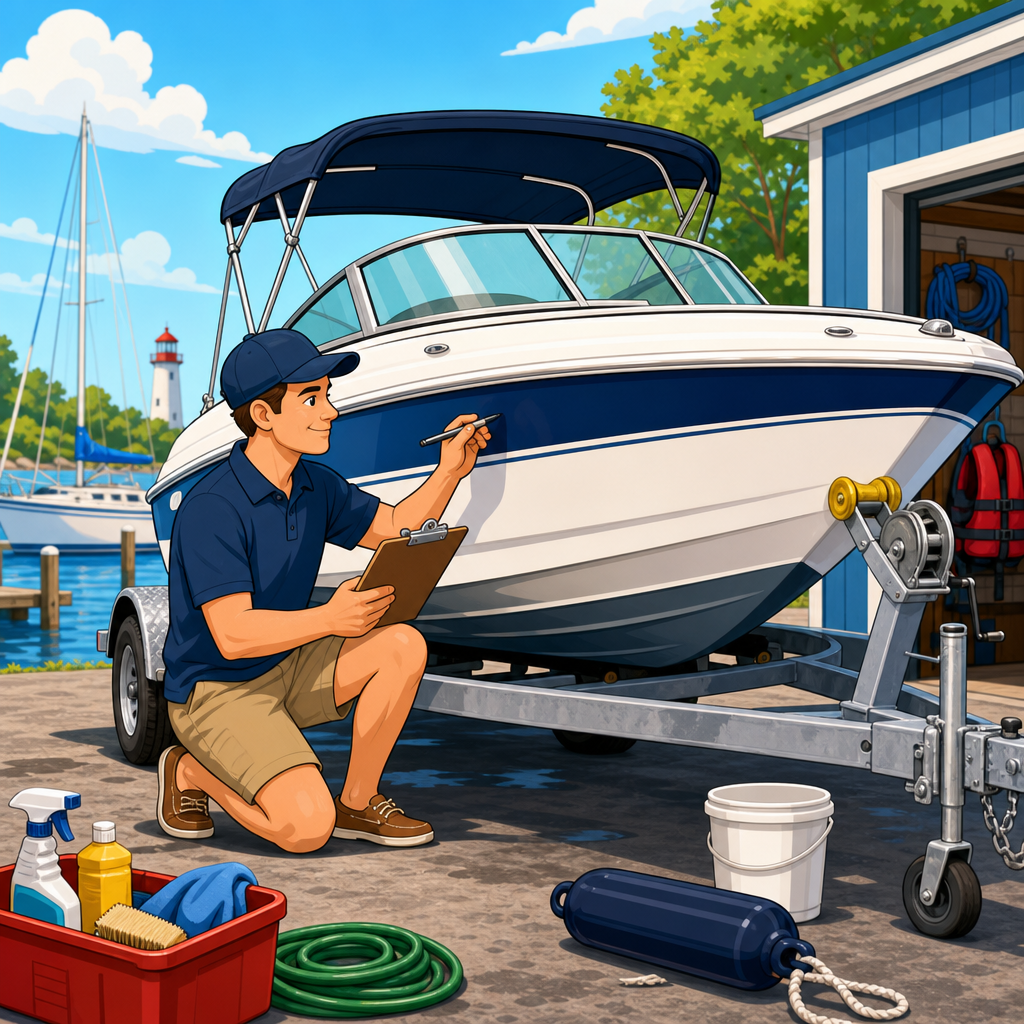

Boat hull stains are more than a cosmetic nuisance; they are a maintenance signal that reveals how water chemistry, oxidation, marine growth, fuel residue, and neglected protection layers are affecting your boat. In practical terms, hull cleaning and protection means removing discoloration safely, preventing new staining through routine washing and surface protection, and understanding which products, tools, and intervals fit fiberglass, gelcoat, painted hulls, and aluminum. I have worked on everything from trailer-kept center consoles to saltwater cruisers that sit in slips year-round, and the pattern is always the same: boats that get a defined wash, inspect, and protect routine stay cleaner, hold gloss longer, and cost less to restore. This matters because stains that begin as a brown waterline ring or black exhaust mark often point to deeper issues such as porous, unprotected gelcoat, tannin-heavy berth conditions, metal contamination, or biofilm buildup. Left alone, some stains become harder to remove, encourage more fouling, and force owners into aggressive compounding that shortens the life of the finish. A smart hull care plan protects appearance, preserves resale value, reduces drag, and makes every future cleaning faster. As the hub for hull cleaning and protection, this guide explains what causes common stains, how to remove each type without damaging the surface, and how to prevent them with proven maintenance steps.
Identify Hull Stains Before You Clean
The fastest way to damage a hull is to treat every stain as if it needs the strongest acid or the roughest pad. Correct identification comes first. Brown or yellow waterline stains usually come from tannins, minerals, and organic matter in the water. Black streaks commonly form below fittings, rub rails, scuppers, and exhaust outlets where runoff carries grime. Orange or rust-colored marks often come from metal contamination, anchor chain dust, rail hardware, or water with high iron content. Green slime, light brown film, and fuzzy growth indicate algae or early fouling. Chalky fading, by contrast, is usually oxidation rather than staining, and it requires restoration before protection.
A simple inspection routine helps. Wash the hull with boat soap and fresh water first, because soap removes loose grime and reveals what remains bonded to the surface. Then check whether the stain sits only at the waterline, trails down from hardware, or covers wide sections below the surface. Rub a small area with a white microfiber cloth. If color transfers immediately, you are likely dealing with surface contamination. If the finish feels rough, embedded mineral scale or oxidation may be involved. If the hull looks dull even after washing, the top layer of gelcoat has oxidized, and stain removers alone will not restore gloss.
Surface type changes the method. Gelcoat on fiberglass boats can usually tolerate dedicated hull stain removers, light polishing, and marine wax or polymer sealants. Painted hulls need product compatibility checked carefully, because strong acids or abrasives can dull or etch the coating. Aluminum hulls require special caution around acidic cleaners that may brighten one area while attacking another or staining adjacent hardware. In every case, test the least aggressive effective method in a small spot before cleaning the full side.
Use the Right Removal Method for the Stain
For ordinary waterline stains on fiberglass, a dedicated hull stain remover based on oxalic acid is often the most efficient first choice. Oxalic acid is widely used because it breaks down rust, mineral deposits, and tannin staining without the extreme aggressiveness of stronger acids such as hydrochloric or phosphoric blends used in some heavy-duty cleaners. Apply it to a cool hull out of direct sun, let it dwell according to the label, and rinse thoroughly from top to bottom. On most well-maintained gelcoat, this removes the brown ring in minutes with minimal scrubbing. Star brite Instant Hull Cleaner, Davis FSR, and MaryKate On & Off are common examples, though product strength and compatibility differ.
Black streaks usually respond better to a degreasing cleaner than an acid. These marks often come from runoff carrying soot, wax residue, traffic film, and rubber transfer. A purpose-made black streak remover or an all-purpose marine cleaner diluted correctly is usually enough. On non-skid or textured surfaces, use a soft-to-medium deck brush. On glossy topsides, use a microfiber applicator or soft sponge to avoid marring. Magic eraser-style melamine foam can work in stubborn spots, but it acts like a very fine abrasive, so I reserve it for isolated marks and avoid repeated use on glossy finishes.
Rust spots near hardware require precision. Start with an oxalic acid gel or liquid on just the stain, rinse fully, and then inspect the source. If a bow roller pin, rail base, or fastener is weeping corrosion, stain removal without hardware correction is temporary. Green or brown biological film below the waterline often needs a separate bottom cleaner, especially if the boat sits in the water. Slime can usually be removed with boat soap and a soft brush soon after haul-out, but calcified marine growth may require a stronger cleaner and, on antifouling-painted bottoms, methods that preserve the coating rather than strip it.
| Stain type | Typical cause | Best first treatment | Main caution |
|---|---|---|---|
| Brown or yellow waterline | Tannins, minerals, organic buildup | Oxalic-acid hull stain remover | Do not let product dry on surface |
| Black streaks | Runoff, soot, grime, rubber transfer | Marine degreaser or black streak remover | Avoid harsh scrubbing on gloss areas |
| Rust spots | Metal contamination or corroding hardware | Targeted rust remover with oxalic acid | Fix the hardware source |
| Green slime or light fouling | Algae and biofilm | Boat soap, soft brush, bottom-safe cleaner | Protect antifouling paint |
| Chalky dull finish | Oxidation | Compound or polish, then protect | Cleaner alone will not restore gloss |
Clean Without Damaging Gelcoat, Paint, or Metal
Safe technique matters as much as chemical choice. Work from the waterline up in manageable sections when applying stain removers so runoff does not create clean streaks through dirty areas and force you to reapply. Rinse generously. Acids left in seams, under rub rails, or around decals can continue reacting longer than intended. Use dedicated brushes and mitts for hull sides only; tools that have touched bottoms, trailers, or bilges often carry grit that scratches glossy surfaces. For washing, pH-neutral boat soap remains the best routine option because household detergents strip wax and accelerate future staining.
When oxidation and staining appear together, the sequence is important. Remove the stain first, wash and dry the hull, then assess whether compounding or polishing is needed. If the gelcoat still looks dull, use a marine compound matched to the severity of oxidation, ideally with a dual-action polisher rather than a rotary unless you are experienced. Rotary polishers cut faster but can leave holograms, burn edges, and overheat thin areas around chines and corners. I typically start with the least aggressive pad and polish combination that produces a measurable gloss improvement, because every unnecessary pass removes service life from the finish.
Painted hulls deserve extra restraint. Many modern painted finishes have excellent gloss but lower tolerance for abrasive correction than gelcoat. Check the boat builder or paint system guidance before using stain removers, compounds, or ceramic coatings. Aluminum requires another layer of care: never assume a cleaner safe on fiberglass is safe on bare or coated aluminum. Corrosion at contact points, mixed-metal fittings, and neglected rinse cycles create stains that look similar but demand different solutions. In marinas, I have seen owners brighten aluminum with the wrong acid only to trigger uneven etching that then required expensive refinishing.
Build a Prevention Routine That Actually Works
The most effective prevention routine is simple enough to repeat. Rinse after every outing, especially in saltwater or tannin-rich rivers. Salt crystals hold moisture on the surface and attract grime, while organic water leaves the brown film that becomes the familiar waterline ring. A full wash with pH-neutral soap every two to four weeks during active use prevents buildup from hardening into bonded stains. Boats kept in the water need more frequent attention at the waterline and around scuppers, exhaust outlets, and transom corners where runoff concentrates.
Protection is what makes future cleaning easy. After the hull is clean and, if necessary, polished, apply a quality marine wax or polymer sealant to create a slick barrier that reduces staining and oxidation. Traditional carnauba-based marine wax can look excellent but usually requires more frequent reapplication. Polymer sealants often last longer and resist detergents better. On highly exposed boats, modern ceramic coatings formulated for gelcoat or marine paint can extend cleaning intervals, improve water behavior, and reduce black streak adhesion, but preparation must be meticulous and cost is higher. Coatings are not a substitute for washing; they are a force multiplier for good maintenance.
Storage conditions shape the schedule. A trailered boat under cover may need only seasonal polishing and regular washing. A dark-hulled cruiser in a sunny slip may need quarterly inspection for oxidation, monthly attention to waterline stains, and sacrificial protection renewed more often. Fenders and dock lines matter too. Dirty fenders transfer scuffs and black marks, and waterlogged lines leave streaks where they rub. I advise owners to clean fenders with mild soap, rotate contact points, and use fitted covers when appearance matters. Prevention is not one product; it is a system of washing, protection, hardware checks, and controlled contact surfaces.
Choose Products and Tools Based on Conditions
Good results come from matching the product to the condition instead of buying the strongest cleaner on the shelf. For routine washing, use marine soap from brands with proven compatibility such as Meguiar’s, Star brite, or 3M. For stain removal, keep an oxalic-acid cleaner for waterline and rust stains, and a separate black streak remover or degreaser for runoff marks. For oxidation, use a graded system: compound for severe chalking, polish for refining, then wax, sealant, or coating for protection. This sequence aligns with how professional detailing shops restore hulls efficiently and consistently.
Tools deserve equal attention. Microfiber wash mitts, soft bristle brushes, non-scratch pads, and separate buckets for clean water and rinse water reduce swirl marks and grit transfer. A dual-action polisher from brands such as Rupes, Flex, or Porter-Cable gives most owners safer correction than a rotary. Foam pads are generally better for polishing and finishing, while wool or microfiber cutting pads can speed heavy oxidation removal on gelcoat when used properly. Keep dedicated applicators for acids, polishing compounds, and protection products so chemicals do not cross-contaminate.
Environmental and safety controls are not optional. Wear gloves and eye protection when using stain removers, especially acids. Capture runoff where required by marina rules, and never assume a cleaning product is acceptable for overwater use without checking local regulations and label directions. Biodegradable does not mean harmless in concentrated form. I have had the best long-term results from owners who set up a small, repeatable kit on board or in the garage: soap, a soft brush, microfiber towels, one stain remover, one degreaser, and one protection product. When supplies are easy to reach, maintenance happens on time.
Troubleshoot Recurring Stains and Know When to Escalate
If stains return quickly, the boat is telling you something specific. A waterline ring that reappears within days often means the protective layer is gone or the boat sits in water with heavy tannins, iron, or pollution. Black streaks that keep forming below fittings usually indicate runoff paths carrying dirt from neglected caulk seams, rails, scuppers, or canvas snaps. Rust blooms around one section of hull almost always trace back to a corroding fastener, backing plate, chain, or trailer component. Remove the stain, then remove the source, or the cycle continues.
There are also times to escalate beyond DIY cleaning. Severe oxidation, etched waterline staining, heavy mineral scale, and failed coatings may require machine correction or wet sanding by a skilled marine detailer. Bottoms with aggressive marine growth or layered antifouling issues may need a yard familiar with paint compatibility and environmental controls. Professional help is also worthwhile on painted yachts where the cost of a mistake is far higher than the cost of expert service. In my experience, owners save money when they handle routine washing and prevention themselves but call in a specialist before resorting to random strong chemicals or abrasive pads that create permanent damage.
As a hub for hull cleaning and protection, the key lesson is straightforward: identify the stain correctly, use the least aggressive effective removal method, restore gloss only when needed, and lock in the result with regular washing and a durable protective layer. That approach keeps hulls brighter, reduces labor over time, and preserves the finish you already paid for. Build a simple schedule, inspect problem areas after every outing, and treat stains while they are fresh. If your current routine is reactive, make this season the one where hull cleaning becomes preventive maintenance instead of restoration.
Frequently Asked Questions
What causes boat hull stains, and how can I tell what type of stain I am dealing with?
Boat hull stains usually come from a handful of predictable sources, and identifying the cause is the first step to removing them without damaging the surface. Brown or yellow waterline stains are commonly caused by tannins, minerals, and organic material in the water, especially in rivers, lakes, and brackish environments. Black streaks often come from runoff under rails, scuppers, fittings, or exhaust outlets. Rust-colored stains may indicate metal contamination from hardware, dock water, or fasteners. Green, brown, or slimy discoloration usually points to algae, marine growth, or long-term water exposure. Chalky fading and dullness are more often oxidation than true staining, which is important because oxidation needs polishing or compounding rather than just chemical cleaning.
A good way to diagnose the stain is to look at its location, color, and texture. If the stain is concentrated at the waterline, it is often mineral or organic buildup. If it wipes off partially but leaves a shadow, you may be dealing with layered staining over oxidation. If the hull feels rough, marine deposits may be involved. If the surface looks faded, dry, or cloudy, oxidation is likely contributing to the problem. On fiberglass and gelcoat, stains often sit on or slightly in the surface pores. On painted hulls, the finish can be less forgiving, so product choice matters more. Aluminum hulls add another layer of caution because aggressive acids and harsh abrasives can etch or discolor the metal. In practice, the safest approach is to start with the mildest cleaner, test a small hidden area, and match the product to the stain rather than using the strongest option right away.
What is the safest way to remove boat hull stains without damaging gelcoat, paint, or aluminum?
The safest method is always a step-by-step process that starts gentle and becomes more aggressive only if needed. Begin by rinsing the hull thoroughly to remove loose grit, salt, and debris. Then wash the surface with a marine boat soap and a soft brush or microfiber mitt. Many light stains, especially fresh waterline marks and environmental film, will lighten or disappear with a proper wash alone. If staining remains, move to a stain-specific hull cleaner rather than a general household chemical. For fiberglass and gelcoat, non-abrasive hull cleaners, oxalic-acid-based cleaners for rust or tannin stains, and waterline stain removers are often effective when used as directed. For painted hulls, use products labeled as safe for painted marine finishes and avoid heavy compounds or harsh acids unless the manufacturer allows them. For aluminum, choose aluminum-safe cleaners only, because many acid-based hull products designed for fiberglass can permanently damage bare or anodized aluminum surfaces.
Use soft applicators, controlled dwell times, and plenty of water for rinsing. Do not let cleaners dry on the surface, especially in direct sun. Avoid stiff brushes, abrasive pads, and unnecessary sanding unless you are intentionally restoring oxidation and know the finish thickness can support it. If oxidation is part of the problem, cleaning alone will not fully restore the hull. In that case, follow stain removal with oxidation removal using an appropriate polish or compound, then seal the surface with wax or a polymer protectant. This final protection step is what many owners skip, and it is one of the main reasons stains return quickly. Done properly, stain removal should leave the surface clean, smooth, and protected rather than stripped and vulnerable.
How often should I clean my boat hull to prevent stains from building up?
The right cleaning interval depends on where the boat lives, how often it is used, and what the hull material is. A trailer-kept boat used occasionally in clean freshwater may only need a full hull wash after each outing and a deeper stain inspection every few weeks. A boat kept in the water full-time, especially in warm, nutrient-rich, or tannin-heavy water, may need waterline attention weekly and more thorough cleaning much more often. Saltwater exposure adds its own demands because salt residue, exhaust film, and marine growth can combine quickly if the hull is not rinsed and washed regularly. As a general rule, routine rinsing after use, a full wash every couple of weeks during the season, and immediate attention to new stains will save a lot of labor later.
The biggest mistake is waiting until staining becomes heavy, embedded, or layered with oxidation. Fresh stains are dramatically easier to remove than old ones. If you notice a yellow or brown line forming at the waterline, treat it early. If black streaks are developing below fittings or drains, clean them before they bake in. Seasonal maintenance also matters. At haul-out or before storage, clean the hull completely, correct any oxidation, and apply a protective coating suited to the finish. During peak boating months, inspect the hull regularly in good light so you can catch discoloration before it becomes a restoration project. In my experience, consistency matters more than intensity. A simple maintenance routine done on schedule is safer for the hull and more effective than occasional aggressive cleaning.
What products and tools work best for preventing new hull stains from coming back?
Prevention comes down to keeping the surface clean, sealed, and easier to rinse. The most effective combination is a quality marine wash, soft cleaning tools, and a protective finish appropriate for the hull material. For fiberglass and gelcoat, a marine wax, synthetic sealant, or ceramic-style marine protectant can reduce the surface porosity that allows stains to cling. On painted hulls, use the manufacturer-recommended protective products because some waxes and cleaners are too abrasive or can affect gloss. For aluminum, choose protectants specifically made for aluminum marine surfaces if protection is recommended for that particular finish. The goal is not just shine. It is creating a sacrificial barrier that slows oxidation and keeps tannins, scum, exhaust residue, and minerals from bonding as aggressively to the hull.
Tool selection matters as much as product selection. Use soft bristle brushes, microfiber cloths, non-scratch pads approved for marine finishes, and dedicated applicators so you do not cross-contaminate surfaces with rust or grime. Avoid harsh household cleaners, bleach-heavy mixtures, and generic degreasers unless they are confirmed safe for the exact hull material. These can strip protection, dry out gelcoat, dull painted finishes, and accelerate future staining. It also helps to reduce stain sources where possible. Keep scuppers and drains clean, fix rusty hardware, wipe away fuel drips promptly, and rinse exhaust-prone areas often. If your boat stays in the water, maintaining bottom coatings and monitoring marine growth near the waterline can also reduce discoloration on visible hull surfaces. Protection is not a one-time event. Reapply waxes and sealants on a schedule based on product durability, climate, and use.
Can severe hull stains and oxidation be removed completely, or is professional restoration sometimes necessary?
Many severe hull stains can be removed completely, but the answer depends on how long the staining has been present, whether oxidation is involved, and what type of finish you are trying to restore. If the discoloration is mostly surface-level staining from water minerals, organics, rust, or runoff, there is a good chance it can be cleaned very successfully with the right marine stain remover and technique. However, when staining has been allowed to sit for a long period, it often combines with oxidation, micro-pitting, chalking, or surface breakdown. At that point, the hull may need more than cleaning. It may need compounding, polishing, and resealing to restore clarity and color. In some cases, especially with older gelcoat, what looks like a stain is actually uneven oxidation that has penetrated enough to require machine correction.
Professional restoration is worth considering when the hull has widespread oxidation, heavily embedded stains, delicate painted finishes, or aluminum surfaces that could be damaged by the wrong chemistry. It is also a smart choice when you are unsure whether a product is safe, or when aggressive correction may remove too much material. A professional can measure the condition of the finish, use marine-grade compounds and polish systems properly, and restore gloss without creating swirl marks or thin spots. If the hull still stains quickly after cleaning, that is often a sign the protective layer is gone and the surface needs correction and sealing, not just repeated washing. The good news is that even badly neglected hulls can often be improved dramatically. The key is to treat staining as a maintenance signal, not just a cosmetic issue, and to follow cleaning with protection so the results last.