Outboard motor maintenance is the difference between an engine that starts reliably for a decade or more and one that turns every trip into a troubleshooting session at the dock. An outboard motor is a self-contained marine propulsion unit that combines engine, gearbox, and propeller in one assembly mounted on the transom, and maintaining it means following a routine that protects fuel delivery, cooling, lubrication, ignition, and corrosion-prone components. I have worked through enough no-start calls, overheat alarms, and seized bolts to know that most major failures begin as small, preventable issues: stale fuel, blocked water intakes, neglected gear oil, weak batteries, and corrosion left to spread. This matters because marine engines live in a harsher environment than most land engines. They face salt, humidity, vibration, intermittent use, and long storage periods, all of which accelerate wear. Good care extends service life, preserves fuel efficiency, reduces breakdown risk, and protects resale value. It also creates a practical foundation for every other topic in Boat Maintenance & Repairs, because engine reliability affects trip planning, electrical checks, winterization, and on-water safety. If you want maximum lifespan from an outboard motor, focus on disciplined inspections, scheduled service, correct operation, and fast diagnosis of early warning signs.
Build a maintenance schedule around hours, seasons, and conditions
The best outboard motor maintenance plan follows three clocks at once: engine hours, calendar intervals, and operating conditions. Manufacturers such as Yamaha, Mercury, Suzuki, Honda, and Evinrude publish service intervals in the owner’s manual and service manual, typically calling for inspection after break-in, regular checks every 100 hours or annually, and deeper service at longer intervals. In practice, annual service is the minimum, not the goal. If the boat runs in salt water, sits for long periods, trolls extensively at low speed, or operates in silty shallows, shorten the schedule. I advise owners to keep a log that records date, engine hours, parts replaced, compression readings if taken, and observations such as hard starting, smoke color, or alarm history. That log becomes the hub for engine care and troubleshooting because it reveals trends before they become failures. For example, rising fuel consumption plus rough idle often points toward spark plug fouling, injector deposits, or a restricted fuel filter. A complete schedule should include pre-trip checks, post-trip flushing and rinsing, monthly battery and fuel inspections, seasonal fluid changes, annual impeller attention according to maker guidance, and storage prep before long inactivity.
Prioritize fuel system care because fuel problems cause most running complaints
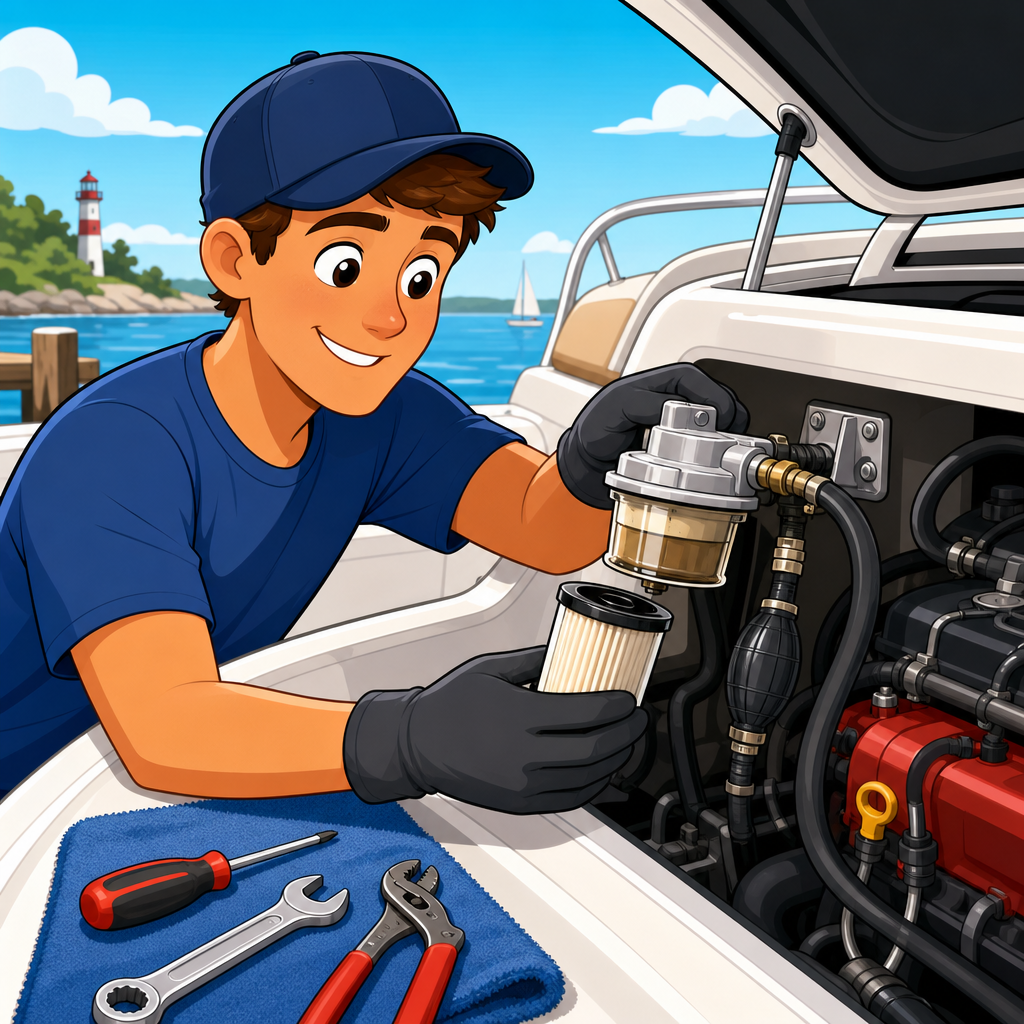
If an outboard motor cranks but will not start, surges under load, hesitates on acceleration, or loses top-end power, the fuel system is the first place I inspect. Modern gasoline degrades quickly, especially ethanol-blended fuel, which absorbs moisture and can phase separate in humid environments. Use fresh fuel whenever possible, add a marine-grade stabilizer for storage, and avoid keeping fuel beyond the practical window recommended by the stabilizer manufacturer. Inspect the tank vent, primer bulb, hose connections, anti-siphon valve if fitted, water-separating fuel filter, and engine-mounted filters. Replace fuel lines that feel sticky, brittle, or swollen; older hoses not rated for ethanol are notorious troublemakers. On carbureted outboards, varnish buildup in jets and bowls causes hard starting and poor idle, so draining bowls before long storage helps. On fuel-injected models, contaminated fuel can foul injectors and trigger lean running. Water in fuel is especially destructive because it causes corrosion and misfire. A clear bowl water-separating filter makes inspection easier. Fuel system care is one of the highest-value maintenance habits because it prevents issues that many owners wrongly blame on ignition or compression.
Protect cooling, lubrication, and lower-unit components before heat and friction do damage
An outboard depends on a steady flow of cooling water and clean lubricants, so this is the area where small neglect becomes expensive quickly. Always confirm the tell-tale stream shortly after startup, but remember that a visible stream alone does not prove the full cooling circuit is healthy. Sand, salt crystals, and impeller wear can still reduce flow. Flush the motor after use, especially in salt, brackish, or silty water, using the method specified by the manufacturer. Replace the water pump impeller at the interval recommended in the service schedule or sooner if the engine has overheated, sat unused for long periods, or ingested debris. I have pulled impellers that looked acceptable at a glance yet had taken a set and lost enough elasticity to reduce cooling at idle. Change engine oil and filter on four-stroke outboards at the stated interval and monitor oil color and level between services. For two-strokes, use the correct TC-W3 oil and verify the oiling system is functioning properly. In the lower unit, change gearcase lubricant at least annually and inspect for metal particles, milky oil, or water intrusion, all of which can signal seal failure. Grease fittings, inspect prop shaft seals, and remove the prop periodically to check for fishing line wrapped behind the hub. That simple inspection often prevents seal damage that would otherwise allow water into the gearbox.
| Maintenance task | Typical interval | What it prevents |
|---|---|---|
| Flush cooling passages | After every use in salt, brackish, or dirty water | Salt buildup, overheating, blocked passages |
| Change engine oil and filter | Every 100 hours or annually on four-strokes | Bearing wear, sludge, poor lubrication |
| Replace gearcase oil | Annually, or more often with heavy use | Gear wear, corrosion, undetected water intrusion |
| Inspect or replace water pump impeller | Per manufacturer schedule, commonly 2 to 3 years | Overheating, weak cooling flow |
| Replace fuel filters | Annually or when contamination is found | Lean running, stalling, injector or carb issues |
| Inspect spark plugs | Every 100 hours or annually | Misfire, hard starting, poor fuel economy |
Maintain ignition, charging, and battery health to avoid no-start situations
Many owners describe any starting issue as an engine problem, but a large share of outboard troubleshooting starts with the battery, cables, and ignition components. Marine batteries should be load-tested, terminals cleaned, connections tightened, and charging voltage verified with a multimeter. A healthy charging system on many 12-volt setups will usually show voltage above resting battery voltage when the engine is running, though exact values depend on system design. Corroded ground connections create intermittent faults that mimic sensor or fuel problems, so inspect both ends of every main cable. Spark plugs deserve more attention than they often get. Read the plug condition: black and sooty suggests rich operation or prolonged idling, white blistering can indicate overheating or lean conditions, and wet fuel fouling points to ignition weakness or repeated failed starts. Use the correct heat range and torque specification. On electronically managed engines, weak voltage can also interfere with engine control modules, sensors, and electric fuel pumps. Keep emergency starting procedures in mind, but do not treat them as substitutes for proper diagnosis. Reliable ignition and charging maintenance eliminates many dockside surprises and supports accurate troubleshooting when other systems need attention.
Prevent corrosion, wear, and storage damage with disciplined external care
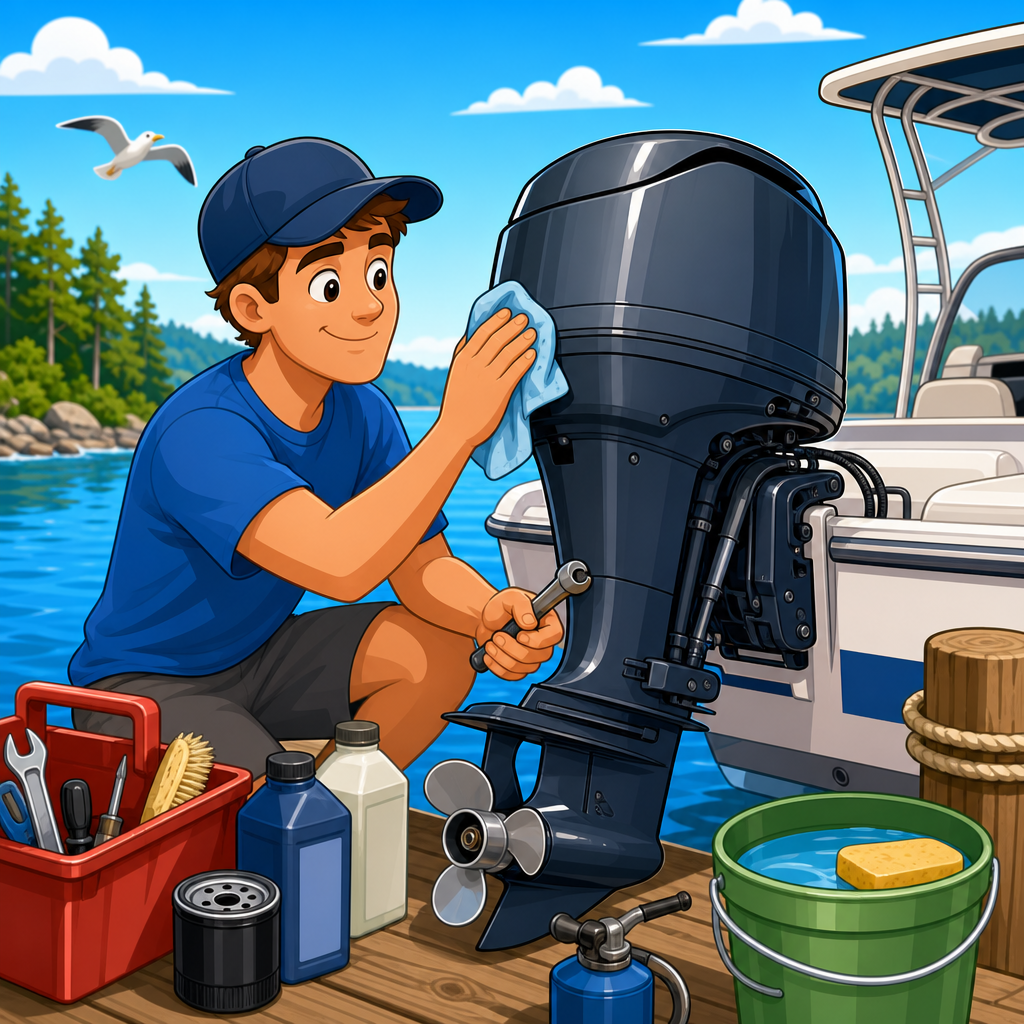
Corrosion control is where long engine life is often won or lost. Salt residue pulls moisture from the air, turning every neglected bracket, fastener, and connector into a future repair. Rinse the outboard exterior with fresh water, wash with a marine-safe soap, and dry accessible areas before applying an appropriate corrosion inhibitor to external metal surfaces, avoiding belts, electrical contact faces, and areas the manufacturer says to keep clean and dry. Inspect sacrificial anodes and replace them when significantly depleted; they protect underwater metal by corroding first, and painting them defeats the purpose. Check transom mounting bolts, steering pivots, trim and tilt rams, and cowling seals. Lubricate moving points with marine grease where specified. Storage matters just as much. Store the engine in the correct vertical position so water drains properly from the lower unit and exhaust areas. For long layups, stabilize fuel, fog where appropriate for the engine design, charge and maintain the battery, and protect the motor from prolonged sun exposure. Rodents also damage wiring under cowlings during off-season storage more often than many owners expect. A clean, dry, and protected outboard ages more slowly than one left salty, tilted incorrectly, and ignored between seasons.
Troubleshoot symptoms early and know when professional service is the smart move
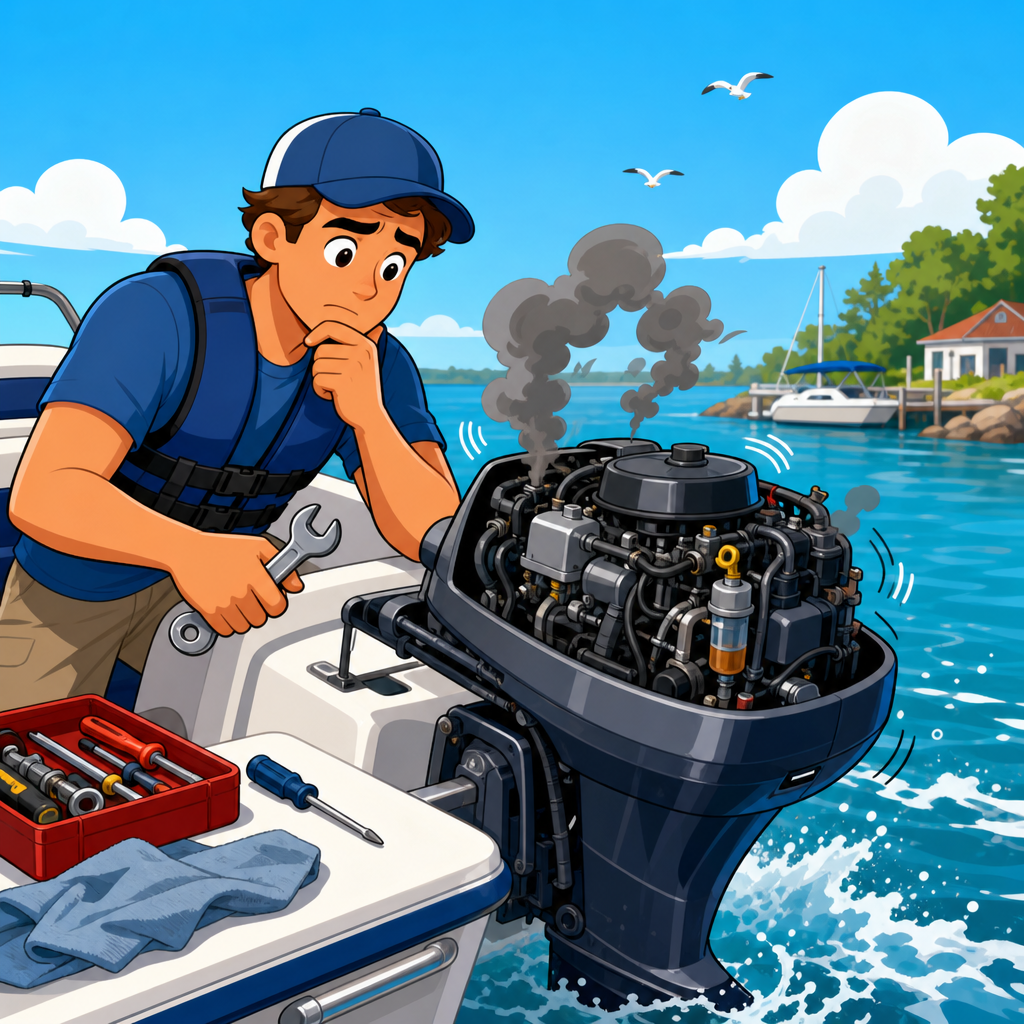
Good engine care includes recognizing symptoms before they become failures. Hard starting after storage often points to old fuel, weak battery voltage, or fouled plugs. An overheat alarm can result from a blocked intake, failing impeller, stuck thermostat, or internal restriction from salt deposits. Vibration may come from a damaged propeller, spun hub, bent shaft, or engine mount issue. Excess smoke, unusual knocking, or sudden loss of power should never be ignored. Start diagnosis with the basics: fuel quality, battery state, fluid levels, visible leaks, and fault codes if your engine provides them through a gauge, app, or diagnostic port. Compression testing, spark verification, and fuel pressure testing are powerful next steps, but they must be done correctly and with the right tools. In my experience, owners save money when they handle routine service carefully and hand off advanced diagnostics before parts are replaced by guesswork. That is especially true with direct injection, variable valve timing, and networked digital controls. As the Boat Maintenance & Repairs hub for Engine Care & Troubleshooting, this page should guide your next steps: build a schedule, document symptoms, and connect routine maintenance with system-specific diagnosis. Maintain the outboard consistently, respond early to warning signs, and use qualified service when the evidence points beyond basic upkeep. That approach delivers the real benefit every boat owner wants: more dependable days on the water, fewer expensive failures, and a longer engine lifespan. Review your manual, start a maintenance log today, and make the next service interval a firm date, not a vague plan.
Frequently Asked Questions
How often should I service an outboard motor to get the longest possible lifespan?
The best maintenance schedule is a combination of time-based service and use-based service. For most outboards, a good rule is to follow the manufacturer’s interval for annual maintenance or every 100 hours, whichever comes first. That annual service should include changing engine oil and the oil filter on four-stroke models, replacing lower unit gear lube, inspecting or replacing spark plugs, checking the fuel filter, inspecting belts if equipped, greasing moving points, and looking over the propeller and prop shaft. If the motor operates in saltwater, muddy water, or sees long idle periods between trips, it usually needs more attention, not less.
Just as important is the maintenance you do after every outing. Flushing the cooling passages with fresh water, rinsing off salt residue, checking for fishing line around the prop shaft, and making sure the fuel system is not sitting with stale ethanol-blended fuel can prevent the kind of cumulative damage that shortens engine life. Many outboard failures that feel sudden are actually the result of small problems building over time, such as corrosion in connectors, varnish in the carburetor or injectors, restricted water flow, or neglected gear lube contamination.
If you want maximum lifespan, think in layers. Do a quick visual inspection before and after each trip, complete your regular 100-hour or annual service on schedule, and add seasonal tasks like fuel stabilization before storage and battery maintenance during downtime. Engines that last a decade or more usually are not lucky; they are maintained consistently. The owners catch little issues early, keep clean fuel in the system, protect the cooling and lubrication systems, and avoid the temptation to skip service just because the motor still starts.
What are the most important maintenance tasks I should never skip on an outboard motor?
If you strip out all the extras and focus on the maintenance items that protect the engine most directly, the non-negotiables are fuel care, cooling system care, lubrication, and corrosion prevention. Start with the fuel system. Use clean, fresh fuel, avoid letting gasoline sit too long, add a stabilizer when appropriate, and replace fuel filters on schedule. Ethanol-related fuel problems are one of the most common reasons an outboard becomes hard to start, runs rough, or fails to deliver full power. Water contamination, degraded hoses, clogged filters, and varnish buildup in carburetors or injectors can all turn a healthy engine into an unreliable one.
The cooling system is just as critical. Always flush the motor after use, especially after saltwater operation, and pay attention to the telltale stream. A weak stream, overheating alarm, or steam can point to a worn water pump impeller, blocked intake, thermostat issue, or internal salt buildup. Replacing the water pump impeller at recommended intervals is one of the smartest preventive steps you can take because overheating damage gets expensive very quickly. Even a moment of restricted cooling can affect head gaskets, cylinder health, and overall engine longevity.
Lubrication comes next. On a four-stroke, that means regular engine oil and filter changes with the correct marine-grade oil. On any outboard, it means changing lower unit gear oil and checking for signs of water intrusion, such as milky fluid or metal on the drain plug magnet. It also means greasing pivot points, steering tubes, and other fittings where neglect can lead to seized components and expensive disassembly later. Finally, never underestimate corrosion control. Wash the motor down, touch up damaged paint, inspect sacrificial anodes, and use corrosion inhibitors where appropriate. Corrosion is often slow, but it can quietly destroy electrical connections, fasteners, cooling passages, and structural components if ignored.
How do I properly winterize or store an outboard motor for long periods?
Proper storage is about preventing three big problems: stale fuel, internal corrosion, and freezing or moisture-related damage. Start with the fuel system. If the motor will sit for an extended period, treat the fuel with a quality stabilizer and run the engine long enough for stabilized fuel to circulate through the system. On carbureted motors, many technicians also recommend draining the carburetors if the engine will sit for a long time, because old fuel evaporates and leaves deposits that clog small passages. On fuel-injected models, keeping stabilized fuel in the system is especially important for pump and injector health.
For four-stroke outboards, change the engine oil and filter before storage rather than after. Used oil contains contaminants and acids that you do not want sitting in the engine for months. Change the lower unit gear oil as well, partly for routine service and partly because it can reveal leaks. If the gear oil comes out milky, water has entered the lower unit and that should be addressed before storage turns a seal issue into bearing or gear damage. Fogging may be recommended depending on the engine design and manufacturer guidance, particularly for some two-stroke and older models, because it helps protect internal surfaces from rust.
Store the outboard in the proper vertical position whenever possible so water drains correctly from the exhaust housing and lower sections. Leaving an outboard tilted for long periods can trap water in places you do not want it, especially in freezing climates. Disconnect and maintain the battery, inspect wiring for corrosion, and cover the engine with a breathable cover if it is stored outdoors. Before storage, rinse the exterior, flush the motor thoroughly, and inspect the propeller area. In the spring, do not just hook it up and go. Check hoses, primer bulb condition, battery state, fluid levels, and the water pump output on startup. Thoughtful storage is one of the easiest ways to extend the life of an outboard because it prevents deterioration while the engine is not being used.
What are the warning signs that an outboard motor needs maintenance before it leaves me stranded?
Outboards usually give you warning signs before a breakdown, but they are easy to dismiss if the engine still runs. Hard starting is a major one. If the engine suddenly takes longer to start, needs more throttle input than usual, or only starts inconsistently, that often points to fuel delivery issues, weak ignition components, battery and charging problems, or compression-related wear. Rough idle, stalling at low speed, hesitation on acceleration, or reduced top-end power also deserve immediate attention. Those symptoms can come from fouled spark plugs, dirty injectors or carburetors, restricted fuel flow, water in fuel, or timing and sensor issues on modern engines.
Pay attention to heat and water flow. A weak or intermittent telltale stream, overheat alarms, steam, or an unusually hot engine cowling can indicate a failing impeller, blockage, thermostat issue, or internal cooling passage buildup. Do not keep running an overheated outboard and hope it clears itself. Overheating can cause severe engine damage very quickly. Also watch for unusual smoke, excessive vibration, knocking, grinding, or rattling noises. A vibration issue may be as simple as a damaged propeller or fishing line wrapped around the prop shaft, but it can also point to a bent prop shaft or mounting issue if left unchecked.
Fluid condition is another early warning system. Milky lower unit oil suggests water intrusion. Burnt or dirty engine oil, recurring metal debris, or visible fuel leaks around hoses and fittings should never be ignored. Corrosion around wiring and terminals can lead to intermittent electrical gremlins that show up at the worst time. If gauges read differently than normal, the charging system seems weak, or alarms appear even briefly, inspect the problem before the next trip. The difference between preventive maintenance and dockside troubleshooting usually comes down to whether you take these small changes seriously when they first appear.
Can I do outboard motor maintenance myself, or should I always use a marine mechanic?
A lot of routine outboard maintenance can absolutely be done by a careful owner, and doing some of it yourself often means problems get noticed earlier. Basic tasks like flushing the engine, washing and drying the exterior, changing engine oil on a four-stroke, replacing spark plugs, changing fuel filters, greasing fittings, inspecting the propeller, checking the battery, and replacing lower unit gear lube are within reach for many boat owners who have the right tools and follow the service manual. Owner involvement is often a major advantage because no one sees the engine more often than the person who uses it regularly.
That said, there is a difference between routine maintenance and deeper diagnostics or repair. Water pump service, carburetor rebuilding, injector service, compression testing, electrical troubleshooting, timing-related work, and internal engine repairs require more experience and sometimes specialized tools. If the engine has active alarms, recurring no-start issues, evidence of overheating, lower unit water intrusion, charging system problems, or unexplained loss of power, it is usually smart to involve a qualified marine technician. Modern outboards in particular can rely on sensors, control modules, and manufacturer-specific diagnostic software that go beyond what most owners can reasonably evaluate at home.
The best approach is often a hybrid one. Handle the simple preventive work yourself so the engine stays cleaner, better monitored, and less likely to develop neglected issues. Use a professional for scheduled major service intervals or any problem that affects reliability, safety, or internal engine health. Whether you do the work yourself or hire it out, the key to maximum lifespan is documentation and consistency. Keep a maintenance log,