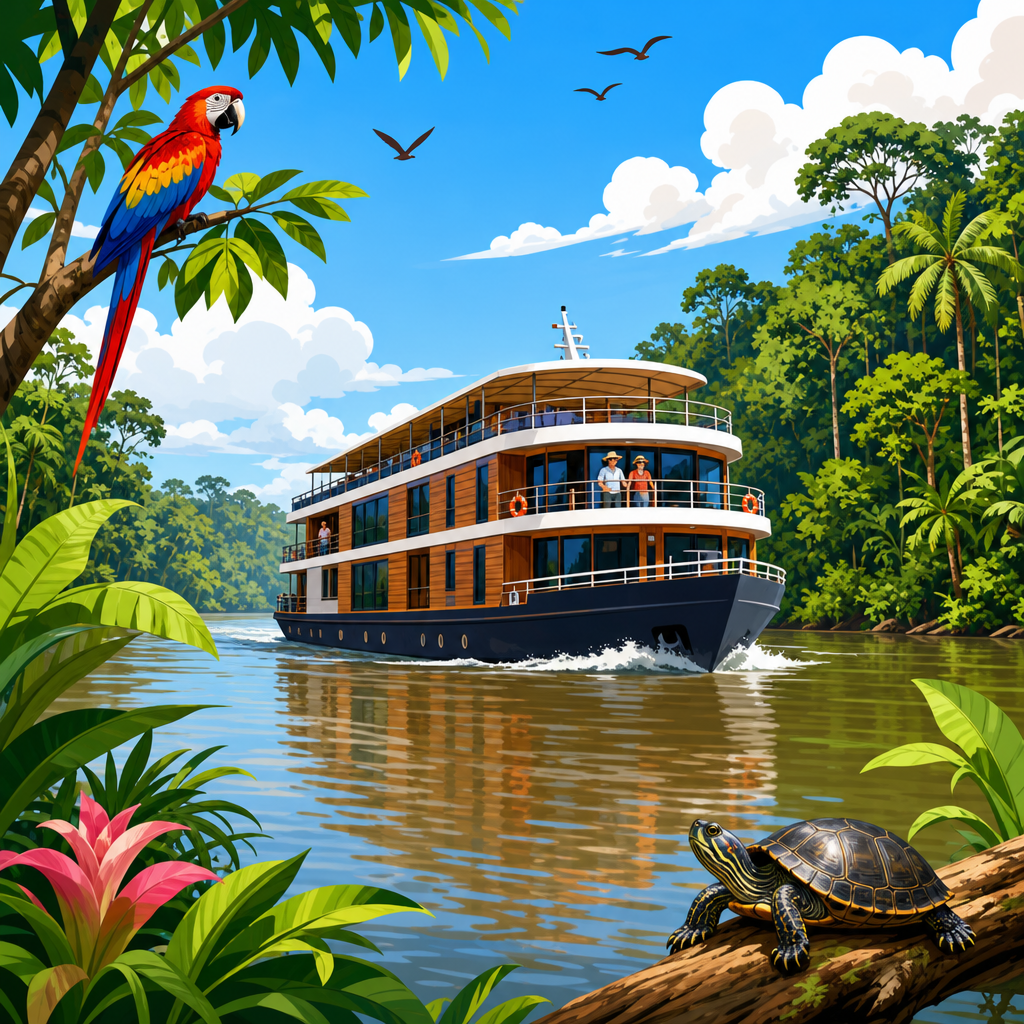
Cruising the Amazon River is unlike any other boating trip because it combines long-distance navigation, rainforest ecology, cultural encounters, and serious logistical planning in one of the world’s most complex waterways. For travelers exploring top international boating destinations, the Amazon deserves hub-level attention: it is not simply a river cruise route, but a vast network stretching across Brazil, Peru, Colombia, and several other countries, with conditions that change by season, vessel type, and region. In practical terms, an Amazon cruise can mean a luxury expedition ship near Manaus, a small naturalist boat in the Peruvian Amazon, or a multiday passage on a regional river vessel shared with local residents. I have planned river itineraries and evaluated operators across South America, and the same lesson always applies here: success depends on understanding geography, water levels, wildlife expectations, health precautions, and port realities before you book. If you are researching international boating destinations, this guide explains what the Amazon is, where most cruises operate, how to choose a route, what it costs, what to pack, and what tradeoffs matter most so you can match the trip to your budget, comfort level, and travel goals.
What the Amazon River cruise experience actually includes
An Amazon River cruise usually refers to travel on navigable sections of the Amazon basin, not necessarily the entire main stem of the river. The basin is the largest drainage system on Earth, and cruise itineraries focus on accessible regions with strong wildlife viewing, reliable embarkation points, and manageable navigation. The best-known embarkation cities are Manaus in Brazil, Iquitos in Peru, and, less commonly, Leticia in Colombia. Each gateway creates a different travel style. Manaus-based cruises often emphasize the Rio Negro, the Meeting of Waters, pink river dolphins, and broader ship amenities. Peruvian itineraries from Iquitos generally prioritize skiff excursions into tributaries such as the Marañón and Ucayali, with close-up birding, monkey sightings, and guided walks in flooded forest. Colombian departures are more limited but can combine Amazon travel with cultural visits in the tri-border region.
Many travelers ask whether an Amazon cruise is relaxing or active. The answer is both, depending on the operator. A classic expedition day may include an early-morning skiff ride for bird activity, a return to the main vessel for breakfast, a village visit or canopy observation later in the morning, an afternoon nature walk or kayak outing, and a night excursion to spot caiman or nocturnal insects. Larger vessels add lectures, air-conditioned cabins, and more stable dining service, while smaller boats trade some comfort for access to narrower channels and quieter wildlife zones. This variety is why the Amazon belongs in any serious discussion of top international boating destinations: it offers a spectrum from expedition travel to soft adventure to cultural river passage.
The main reason this matters is expectation management. People sometimes arrive imagining an ocean-style cruise with polished ports, constant sun decks, and easy independent shore time. The Amazon is different. Riverbanks can be muddy, docks may be floating platforms, excursions often require stepping into skiffs, and weather can shift quickly from intense heat to heavy rain. When travelers understand those fundamentals, satisfaction rises sharply because the river delivers what it does best: biodiversity, scale, and immersion.
Choosing the best Amazon region for your trip
The best Amazon River cruise depends on what you want to see and how much infrastructure you need. In Brazil, Manaus is the major gateway. It has the strongest air connections, a significant port heritage, and access to the dark, acidic waters of the Rio Negro, where fewer mosquitoes are often reported than in some sediment-rich areas. Brazil itineraries are strong for first-time visitors who want easier access, iconic scenery, and a wider range of vessel styles. The Meeting of Waters, where the Rio Negro and Solimões run side by side without immediately mixing, is one of the basin’s signature sights and a common inclusion.
Peru is often the better choice for travelers focused on naturalist guiding. Iquitos, the world’s largest city inaccessible by road, is itself part of the appeal. From there, high-end expedition boats and lodge-connected vessels enter protected areas such as the Pacaya-Samiria National Reserve, widely regarded as one of the richest wildlife regions accessible by cruise in the western Amazon. If your priority is macaws, sloths, squirrel monkeys, medicinal plant interpretation, and repeated skiff excursions with bilingual guides, Peru usually leads the shortlist.
Colombia appeals to travelers who want a smaller-scale frontier feel. Leticia is compact, multilingual, and connected closely to neighboring Tabatinga in Brazil and Santa Rosa in Peru. This region works well for custom or specialist itineraries, though vessel choice is narrower. It is better suited to experienced independent travelers than to passengers seeking a polished mainstream cruise product.
| Gateway | Best for | Typical strengths | Key tradeoff |
|---|---|---|---|
| Manaus, Brazil | First-time Amazon cruisers | Better flight access, varied vessels, iconic Rio Negro scenery | Some itineraries feel broader and less wildlife-intensive |
| Iquitos, Peru | Wildlife-focused travelers | Naturalist guides, reserve access, intimate skiff exploration | More remote logistics and smaller-vessel living |
| Leticia, Colombia | Experienced adventure travelers | Tri-border culture, niche routes, flexible custom trips | Fewer operators and less standardized comfort |
Season also changes the equation. During high-water months, usually roughly December through May in many western Amazon areas, boats can penetrate flooded forest and reach places inaccessible later in the year. Wildlife may be more dispersed, but skiff access can be exceptional. During lower water, often June through November depending on the region, beaches and trails emerge and some species are easier to concentrate near remaining channels. There is no single perfect month, only a best fit for your objectives.
Vessels, cabin standards, and how to book intelligently
One of the biggest mistakes I see is choosing an Amazon cruise by headline price alone. Vessel type determines far more than comfort. A 6- to 20-passenger expedition boat can enter narrower tributaries, load quickly into skiffs, and support high guide-to-guest interaction. That usually means stronger wildlife interpretation and less waiting around, but cabins are smaller and motion from passing traffic or weather is more noticeable. Mid-size boats strike a balance, often offering private bathrooms, screened windows, and indoor lounges without becoming too detached from the environment. Larger river ships provide more familiar cruising comforts, yet they may rely on tender operations for the most intimate excursions.
When comparing operators, focus on six specifics: route map, naturalist credentials, skiff capacity, air-conditioning hours, emergency protocols, and what “all inclusive” truly covers. A good route map should name tributaries and reserve areas, not just broad regional labels. Guide quality matters enormously on the Amazon because many memorable sightings come from trained eyes detecting movement, calls, tracks, and habitat changes that untrained passengers would miss. Ask whether excursions run in one group or multiple smaller groups. Also ask whether drinking water, airport transfers, park fees, and rubber boots are included; these details affect total cost and trip ease.
For booking timing, serious travelers should reserve high-quality Amazon departures at least six to nine months ahead, and often earlier for peak holiday periods. The best cabin categories on small boats sell first because inventory is limited. Using a specialist operator or destination-focused advisor can help, especially if you need to align international flights, pre-cruise hotel nights, domestic baggage limits, and medical considerations. That said, verify every recommendation against the operator’s actual inclusions and cancellation terms. On a river where weather, air schedules, and water levels influence operations, flexible planning is more valuable than a nominal bargain.
Wildlife, excursions, and realistic expectations
The Amazon is one of the world’s richest ecosystems, but it is not a safari park where animals line up on cue. The best operators set realistic expectations: you will almost certainly see abundant birdlife, insects, riverine vegetation, and evidence of ecological complexity, while sightings of charismatic mammals depend on region, season, noise, and luck. Pink river dolphins are commonly seen in some areas, especially near confluences and human activity zones where they are accustomed to boats. Monkeys, hoatzins, kingfishers, herons, caiman, and many species of frog are frequent targets. Jaguars are possible in parts of the wider basin but should never be promised on a standard cruise.
Excursions are usually where value is created. Dawn outings matter because temperatures are lower and bird activity peaks early. Night rides can be outstanding for caiman eyeshine, bats, tarantulas, and the soundscape of the forest after dark. Guided walks add context on floodplain forests, tree buttresses, leaf-cutter ants, medicinal plants, and Indigenous or local uses of the landscape. In Peru especially, the combination of a knowledgeable guide and repeated skiff entries into oxbow lakes or blackwater channels can transform what seems like dense green wilderness into a readable living system.
Photography requires planning. Humidity affects lenses, batteries drain fast in heat, and rain protection is nonnegotiable. A dry bag, microfiber cloths, extra memory cards, and a mid-range zoom are more useful than carrying excessive kit you cannot deploy quickly in a skiff. Binoculars often improve the experience more than an upgraded camera body because so much wildlife is heard first and seen at a distance.
Health, safety, costs, and cultural etiquette
Amazon River cruising is safe when managed professionally, but it is not casual travel. Before departure, check current entry rules, vaccination guidance, and malaria advice with official public health and government travel sources. Yellow fever vaccination is commonly recommended for parts of the Amazon basin, and some countries or onward destinations may require proof depending on your routing. Mosquito protection still matters even in areas where biting pressure feels light. Use EPA-registered or equivalent insect repellent, wear lightweight long sleeves, and treat clothing if appropriate. Heat illness is the more common immediate problem for many visitors, so hydration, electrolytes, sun protection, and pacing are essential.
Costs vary widely. Budget regional boats can be inexpensive but are transport-focused and not comparable to expedition cruising. Purpose-built Amazon expedition cruises commonly range from moderate to premium pricing once domestic flights and tips are added. Travelers should budget for international airfare, gateway hotel nights, possible excess baggage fees, travel insurance with medical evacuation coverage, and gratuities for guides and crew. Comprehensive insurance is not optional in my view. Medical facilities outside main cities are limited, and evacuation from remote areas can be expensive and slow.
Cultural etiquette is straightforward but important. Ask before photographing people, especially in Indigenous or riverside communities. Do not treat village visits as staged exhibits; these are homes, schools, and working landscapes. Buying locally made crafts can support households directly, but quality and authenticity vary, so purchase thoughtfully. Learn a few phrases in Portuguese or Spanish depending on your route, listen to your guides on community protocols, and avoid bringing sweets or random gifts for children, which can create dependency and awkward dynamics. Respect on the Amazon is practical, not performative, and it improves every interaction.
Cruising the Amazon River rewards travelers who prepare carefully and choose the right style of trip for their priorities. The essential points are clear: pick your gateway based on wildlife goals and comfort needs, match the vessel to the level of activity you want, understand how season affects navigation and sightings, and budget beyond the fare for flights, insurance, and health precautions. Unlike many international boating destinations, the Amazon is not defined by marinas, nightlife, or beach stops; its value lies in access to one of the planet’s most important freshwater ecosystems and the communities that live along it. That is exactly why this hub matters within top international boating destinations. It helps travelers compare the Amazon with other global boating choices while recognizing what makes this river singular: scale, biodiversity, and immersion.
If you are narrowing your options, start by deciding whether Brazil, Peru, or Colombia best fits your travel style, then compare operators line by line rather than by brochure language. A well-chosen Amazon cruise can be comfortable, educational, and genuinely memorable, but only when expectations align with the realities of rainforest travel. Use this guide as your planning base, then move on to route-specific research, seasonal comparisons, and operator reviews before you book.
Frequently Asked Questions
What makes cruising the Amazon River different from other international boating destinations?
Cruising the Amazon River is fundamentally different from most boating trips because the Amazon is not a single, straightforward cruise corridor. It is an enormous, interconnected river system that spans multiple countries, countless tributaries, and a range of ecological zones, from broad main channels to narrow blackwater creeks and flooded forest. Unlike coastal cruising or lake-based itineraries, Amazon travel involves navigating changing water levels, seasonal currents, remote distances between services, and infrastructure that can be limited or highly localized depending on where you are.
Another major difference is that the experience combines several types of travel at once. You are not just boating; you are also entering one of the most biodiverse environments on Earth, often with opportunities to observe wildlife, learn about rainforest ecosystems, and visit river communities with distinct cultural traditions. In practical terms, that means a successful Amazon cruise depends as much on environmental awareness and logistics as it does on route planning. Travelers need to think about weather patterns, health precautions, border rules if crossing between countries, fuel and provisioning access, communications, and the expertise of local guides or crew. For many boaters, that blend of expedition travel, ecological immersion, and operational complexity is exactly what makes the Amazon so compelling.
When is the best time to cruise the Amazon River?
The best time to cruise the Amazon depends on what kind of experience you want, because water levels change dramatically through the year and those changes shape navigation, wildlife viewing, shore access, and even the look and feel of the landscape. In general, there are high-water and low-water periods rather than a simple “good season” and “bad season.” During high water, boats can often access flooded forests, side channels, and areas that are unreachable in drier months. This can create a more immersive jungle experience, with silent canoe excursions through treetops reflected in still water and excellent access to remote habitats.
Low-water periods, on the other hand, can be better for seeing beaches, exposed riverbanks, and concentrations of wildlife near shrinking water sources. Fishing and certain types of wildlife spotting may improve in some areas, but navigation can become more technical because channels may narrow, sandbars can appear, and some routes become inaccessible. Conditions also vary by country and sub-region, so the Peruvian Amazon, Brazilian Amazon, and Colombian stretches may not peak at exactly the same time. The smartest approach is to choose your destination first, then match your travel dates to that region’s river calendar and your priorities, whether those are photography, birdwatching, comfort, fishing, cultural visits, or deeper exploration by small craft.
Do you need special planning or permits to cruise the Amazon River?
Yes, Amazon cruising usually requires much more planning than a standard river or coastal trip. Because the river network crosses national borders and includes remote protected areas, travelers may need to consider visas, entry documentation, customs procedures, local navigation rules, and permits for certain parks, reserves, or indigenous territories. Requirements vary significantly depending on whether you are joining a guided expedition cruise, chartering a vessel, or operating a private boat. In many cases, organized cruises handle the paperwork and compliance side for passengers, but independent travelers should never assume that regulations are simple or uniform.
Beyond formal permits, the real planning challenge is logistics. Fuel availability may be limited or inconsistent in remote stretches. Mechanical support, marine supplies, and medical services may be far away. Communications can be weak outside larger settlements, and weather or river conditions can alter schedules quickly. Route planning should include conservative time buffers, trusted local contacts, and a clear understanding of where resupply is possible. It is also wise to work with local operators, experienced captains, or river guides who understand channel conditions, seasonal hazards, port procedures, and community protocols. On the Amazon, expertise is not a luxury; it is a key part of safety and responsible travel.
What should travelers expect in terms of safety, health, and onboard comfort?
Travelers should approach the Amazon as an expedition environment, even when cruising on a comfortable or luxury vessel. Safety begins with choosing a reputable operator or crew with strong regional experience, reliable boats, proper navigation equipment, emergency communications, and clear procedures for medical issues, weather disruptions, and transfers. The river itself presents practical risks such as submerged debris, floating vegetation, sudden storms, strong currents in some sections, and long distances between developed ports. That does not mean Amazon cruising is inherently unsafe, but it does mean preparation and professional local knowledge matter more here than on many mainstream cruise routes.
Health preparation is equally important. Travelers should consult a travel medicine specialist before departure to discuss vaccinations, mosquito protection, safe hydration, food precautions, and any destination-specific health concerns. Heat, humidity, insects, and intense sun are part of the environment, so lightweight protective clothing, high-quality repellent, sunscreen, and appropriate footwear are essential. As for comfort, standards vary widely. Some vessels offer air-conditioned cabins, private bathrooms, refined dining, and guided excursions with excellent support, while others are simpler and more functional. Even on upscale cruises, however, conditions can feel remote: internet may be intermittent, schedules may shift due to water levels or weather, and shore excursions often involve skiffs, muddy landings, or early starts. The most satisfied travelers are usually the ones who expect comfort where possible but remain flexible and expedition-minded.
What kinds of wildlife, landscapes, and cultural experiences can you have on an Amazon River cruise?
An Amazon River cruise can offer an extraordinary range of experiences because the river is both a transportation corridor and a living ecological system. Depending on the route and season, travelers may see pink river dolphins, monkeys, sloths, caimans, macaws, toucans, herons, hoatzins, and a remarkable variety of fish and insects. Wildlife viewing is often best with expert naturalist guides who know how to read the forest, identify calls, and time excursions for dawn, dusk, or nighttime activity. The landscapes also shift more than many first-time visitors expect. You may pass through vast sediment-rich stretches of the main river, dark reflective blackwater tributaries, flooded forests, floating vegetation zones, island channels, and settlements that feel entirely shaped by the rhythm of the water.
Cultural encounters are another defining part of the journey. River communities across the Amazon have distinct histories, livelihoods, and traditions tied to fishing, forest use, farming, and transport. In some itineraries, travelers visit local villages, markets, or community conservation projects and gain insight into how people live with seasonal flooding, distance, and the opportunities and pressures of tourism. These visits can be deeply rewarding when approached respectfully and arranged through responsible operators who prioritize consent, fairness, and local benefit. In other words, the best Amazon cruises do not treat the region as scenery alone. They help travelers understand that the Amazon is a human and ecological world of immense complexity, and that is what makes the experience so memorable.