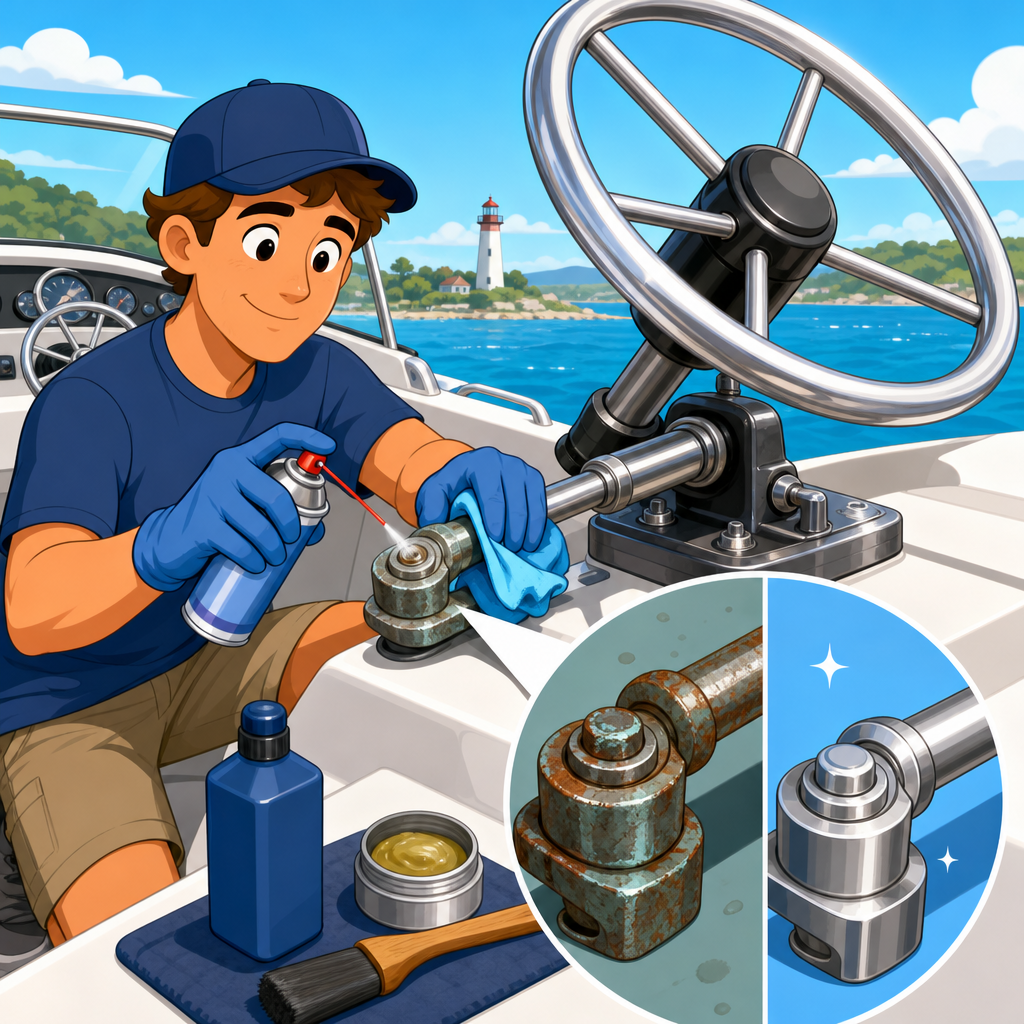
Stiff boat steering is one of the most common warning signs in propeller and steering maintenance, and it should never be dismissed as a minor annoyance. When a wheel suddenly takes more effort to turn, the problem usually points to friction, corrosion, cable wear, hydraulic restriction, or engine-side binding somewhere between the helm and the outboard, sterndrive, or rudder. In practical terms, stiff steering means the system is no longer transferring input smoothly, and that directly affects boat control, docking precision, fuel efficiency, and safety in rough water. I have diagnosed this issue on small aluminum fishing boats, center consoles, pontoons, and trailer boats, and the pattern is consistent: steering gets harder gradually, owners compensate for months, and then a simple maintenance job becomes a cable replacement or a seized pivot repair.
Understanding the steering system is the first step to fixing it correctly. Most recreational boats use one of three setups: mechanical rotary steering, mechanical rack-and-pinion steering, or hydraulic steering. Mechanical systems rely on a helm unit connected to a cable that pushes or pulls the engine or rudder linkage. Hydraulic systems use a helm pump, hydraulic lines, and a steering cylinder. Steering effort can also be influenced by propeller condition, engine trim, torque tab alignment, and lubrication at the tilt tube or pivot points. That is why propeller and steering maintenance belong together. A damaged prop or poorly adjusted engine can make a sound steering system feel heavy, while a neglected steering cable can hide behind what seems like prop torque. If you want reliable handling and lower repair costs, this subtopic deserves routine attention, not just emergency troubleshooting.
Why Boat Steering Gets Stiff
The direct cause of stiff boat steering is increased resistance somewhere in the control path. On mechanical systems, the most frequent culprit is corrosion inside the engine tilt tube or along the steering cable ram. Salt, old grease, and moisture build up over time until the cable can no longer slide freely. I have pulled cables from tilt tubes that looked serviceable outside but were packed with rust flakes and hardened grease inside. A second common cause is cable deterioration. Steering cables contain an inner core that can corrode, kink, or swell as the protective jacket ages. Once that inner cable starts binding, lubrication may offer short-term relief, but replacement is usually the lasting fix.
Hydraulic steering gets stiff for different reasons. Air in the system usually creates spongy response rather than heavy steering, but contamination, internal helm wear, or a sticking cylinder can absolutely increase wheel effort. Low fluid, damaged hoses, and misaligned cylinder mounts also matter. On older systems, I often find a combination of issues: slightly bent hardware, oxidized fluid, and a dry pivot point at the engine. Steering is a chain, and any tight point in that chain can be felt at the wheel.
Propeller-related factors are also real. If the engine’s torque tab is out of adjustment, or the propeller is producing strong steering torque due to blade design, trim angle, or damage, the wheel can feel unusually heavy in one direction. This does not usually create a seized feeling at the dock with the engine off, but it can make underway steering much more tiring. Bent blades, improper pitch selection, cavitation damage, and fishing line around the prop shaft can all contribute to abnormal handling loads. For hub-level maintenance planning, that means steering complaints should always trigger a quick review of the propeller, trim, and lower-unit setup, not just the helm hardware.
How to Diagnose Stiff Steering Step by Step
The fastest way to diagnose stiff steering is to isolate sections of the system. Start safely at the dock or on the trailer with the engine off. Turn the wheel lock to lock and note whether resistance is equal in both directions. Then disconnect the steering link arm from the engine or tiller arm. If the wheel turns freely once disconnected, the helm and cable are likely acceptable and the problem is at the engine pivot, steering tube, or external linkage. If the wheel is still hard to turn, focus on the helm, cable, or hydraulic circuit. This simple split test saves time and prevents unnecessary parts replacement.
Next, move the engine by hand from side to side with the steering disconnected. If the outboard or sterndrive is difficult to swing, inspect the tilt tube, swivel bracket, pivot bushings, grease fittings, and corrosion points. If it moves easily by hand but the wheel remains stiff when reconnected, the cable or helm is suspect. On hydraulic systems, crack open the manufacturer’s service procedure, verify fluid level, inspect for leaks at the cylinder seals and fittings, and bleed the system according to specification. SeaStar, for example, publishes model-specific bleeding procedures because trapped air and fluid path restrictions behave differently across systems.
Underway testing adds another layer. If steering is easy at idle but heavy on plane, suspect prop torque, trim, engine height, or torque tab alignment. If steering is hard both at rest and underway, mechanical binding is more likely. Also pay attention to noise. Grinding, popping, or creaking often points to corroded pivots or dry components. A wheel that snaps back violently or drifts may indicate a different issue than stiffness alone. Accurate diagnosis depends on separating dockside friction from on-water steering load.
| Symptom | Most Likely Cause | Best First Check |
|---|---|---|
| Hard wheel at the dock | Corroded cable, seized tilt tube, dry pivot | Disconnect link arm and retest wheel |
| Heavy steering only on plane | Prop torque, trim angle, torque tab misadjustment | Inspect trim setting and tab alignment |
| Spongy then stiff hydraulic feel | Air, contaminated fluid, cylinder restriction | Check fluid level and bleed system |
| Wheel binds near one end of travel | Kinked cable, bent linkage, cylinder misalignment | Inspect full travel with engine disconnected |
Mechanical Steering Problems and Fixes
Mechanical steering systems are durable, affordable, and common on smaller boats, but they demand routine service. The tilt tube is the first place I inspect because it is exposed to spray, road grime on trailer boats, and neglected grease intervals. Remove the steering cable from the tube, clean the bore with a tube brush or suitable hone, remove corrosion, and apply a marine-grade waterproof grease recommended by the engine manufacturer. If the cable ram is pitted, do not just polish and reinstall it. Pitting chews up seals, traps corrosion, and quickly brings the problem back. In many cases, replacing the cable is the correct repair.
Helm units can also wear internally. Rotary helms may develop rough spots or excessive backlash, while rack systems can bind from worn teeth, moisture intrusion, or cable routing errors. I have seen newly installed cables feel stiff simply because they were bent tighter than the manufacturer’s minimum radius behind the console. Teleflex and similar steering manufacturers specify bend radius for a reason: too-tight routing adds friction immediately and shortens service life. Secure the cable in sweeping curves, avoid unsupported spans that flex under load, and keep it clear of battery trays, fuel lines, and sharp bulkhead edges.
Lubrication has limits. Some owners try to force penetrating oil into sealed cable jackets, but that often washes out internal lubricants without correcting corrosion. If a mechanical cable is binding inside its jacket, replacement is the professional repair. As a rule, if the cable cannot be moved smoothly by hand once removed, or if steering effort returns quickly after cleaning the tilt tube, replace the cable and inspect the helm at the same time. On older boats, replacing both cable and helm together is often more economical than chasing intermittent stiffness across multiple seasons.
Hydraulic Steering Problems and Fixes
Hydraulic steering is usually smoother and better suited to higher horsepower, but it is not maintenance-free. The most common service issues are low fluid, air intrusion, seal leakage, contaminated fluid, and cylinder wear. A proper inspection starts with the helm reservoir and continues through every hose connection to the cylinder. Any oily residue around fittings deserves attention because even a small leak can introduce air and degrade steering consistency. Use only the fluid type approved by the steering manufacturer. Mixing fluids can damage seals or alter viscosity enough to affect feel in cold conditions.
Bleeding matters more than many owners realize. A rushed bleed can leave microbubbles in the lines, which may not show up until the boat is run and the fluid warms. The wheel may feel inconsistent, hesitate, or require extra effort at certain points of travel. Follow the exact sequence for your system, keep the cylinder centered when required, and avoid overfilling. If stiffness persists after a correct bleed, isolate the cylinder from the engine linkage just as you would on a mechanical setup. A sticky engine pivot can make a healthy hydraulic system seem defective.
Cylinder rod condition is another critical check. Corrosion, scoring, or bent rods damage seals and create drag. Mounting brackets must also remain square. I have corrected “bad hydraulic steering” complaints that were actually caused by impact damage at the engine bracket after a trailering incident. If the system has chronic leaks or uneven effort side to side, rebuild kits may help on some models, but many modern owners are better served by replacing worn cylinders with OEM or approved equivalent parts. Reliability matters more than squeezing one more season out of compromised steering hardware.
How Propeller Condition Affects Steering Feel
Propeller and steering maintenance intersect every time the boat gets on plane. A propeller produces thrust, lift characteristics, and steering torque that the helmsman feels through the system. On single-outboard boats, especially with mechanical steering, prop torque often pulls the wheel to one side. The anti-ventilation plate torque tab helps offset this. If the tab is damaged or misadjusted, steering effort rises noticeably. The basic rule is simple: if the boat pulls right, adjust the trailing edge of the tab slightly right; if it pulls left, adjust left, then retest. Small changes matter.
Propeller damage also changes steering loads. A bent blade disrupts water flow, increases vibration, and can create uneven side force. Even when the steering hardware is fine, the boat may feel heavier, less precise, or unstable in turns. I recommend inspecting the prop whenever steering complaints appear after a grounding, rope strike, or unexplained vibration. Look for nicks, cupping loss, blade symmetry problems, and fishing line behind the prop that can damage prop-shaft seals. A damaged prop should be repaired by a reputable prop shop or replaced, not hammered back into shape casually at home.
Prop selection influences steering, too. Aggressive stainless-steel props often improve performance but can increase steering torque compared with more forgiving aluminum designs. Engine mounting height and trim angle amplify that effect. If a boat has recently changed props and the steering became heavier only at speed, compare the old and new diameter, pitch, rake, and blade area. This is why a complete maintenance hub must treat steering and propeller setup as linked systems. Many handling complaints begin with a steering symptom but end with a propeller correction.
Preventive Maintenance for Steering and Propeller Systems
The best fix for stiff boat steering is preventing it in the first place. Mechanical steering systems should be inspected at least every season, and in saltwater service I prefer midseason checks as well. Clean and grease the tilt tube, inspect exposed cable ends, verify smooth full travel, and check engine pivot lubrication points using the schedule in the service manual. Yamaha, Mercury, Suzuki, Honda, and Evinrude all publish lubrication intervals for swivel brackets and steering components, and following those intervals is far cheaper than replacing seized parts. During winterization or annual service, turn the wheel lock to lock and note any change from the previous season.
Hydraulic systems need fluid-level checks, leak inspections, and periodic bleeding when service work has opened the system or when feel changes. Hoses should be supported, protected from chafe, and replaced if cracked, blistered, or oil-soaked. For the propeller, remove it periodically, clean the shaft, inspect thrust washers and splines, and apply the correct marine grease to prevent seizure. This is also the time to remove fishing line, which can silently damage seals and lead to lower-unit oil loss. Check the torque tab, verify prop nut torque, and inspect blades for impact marks after any grounding.
Storage and trailering habits matter. Boats parked outside with engines trimmed in awkward positions often trap water around the steering tube and accelerate corrosion. Rinse the engine thoroughly after saltwater use, especially around the swivel bracket and steering hardware. If the boat sits for long periods, move the steering periodically rather than leaving it fixed in one position all winter. Small habits like these prevent expensive spring surprises.
When to Repair It Yourself and When to Call a Marine Technician
Some stiff steering fixes are realistic for a careful owner. Cleaning a tilt tube, greasing approved points, adjusting a torque tab, inspecting a propeller, or replacing an accessible mechanical cable can be straightforward with the right manual and tools. The key is to work methodically, use manufacturer procedures, and never force parts that may be seized to the point of structural damage. If the engine steering arm, swivel bracket, or cable hardware is heavily corroded, a do-it-yourself repair can quickly escalate.
Professional help is the better choice when hydraulic systems leak internally, steering effort is inconsistent after bleeding, helm replacement requires console disassembly, or engine pivot components appear seized. A marine technician can pressure-test hydraulic systems, verify alignment, inspect hidden corrosion, and confirm whether the problem is steering hardware, prop torque, or mounting geometry. That level of diagnosis saves money when symptoms overlap.
Stiff boat steering is fixable, but it should be treated as a system issue, not a single part problem. Inspect the helm, cable or hydraulics, engine pivots, torque tab, trim, and propeller together. In this Boat Maintenance & Repairs hub, propeller and steering maintenance is the foundation for safe handling, predictable docking, and lower ownership costs. Start with a clean inspection, correct the root cause, and build a seasonal maintenance routine before the next trip. If the wheel no longer turns as smoothly as it should, use this guide as your checklist and address the problem now.
Frequently Asked Questions
What causes boat steering to become stiff all of a sudden?
Stiff boat steering usually happens when resistance builds up somewhere between the helm and the engine or rudder. The most common causes include corrosion on the steering cable or tilt tube, lack of lubrication, internal cable wear, salt and debris buildup, a binding pivot point on the outboard or sterndrive, or restrictions inside a hydraulic steering system. In cable-operated systems, the steering cable often begins to seize gradually from moisture intrusion and rust, but many owners only notice it once the wheel suddenly requires much more force. On hydraulic setups, stiff steering may point to low fluid, contaminated fluid, trapped air, a failing helm pump, or sticky seals in the cylinder.
It is also important to remember that the issue may not start at the wheel itself. Sometimes the helm turns freely when disconnected, but the engine steering arm, support tube, or swivel bracket is binding badly. That is why a proper diagnosis should isolate each section of the system rather than assume the steering cable alone is at fault. Because steering resistance directly affects boat control, especially at speed or in close-quarters maneuvering, sudden stiffness should be treated as a safety issue and inspected before the boat is used again.
How can I tell whether the problem is in the steering cable, helm, or engine side of the system?
The best way to identify the source of stiff steering is to separate the system into sections and test them individually. Start by checking whether the steering wheel itself feels rough, tight, or uneven through the full range of motion. Then disconnect the steering link arm or cable end from the outboard, sterndrive, or rudder connection so you can test the helm and cable independently from the engine-side hardware. If the wheel becomes easy to turn once disconnected, the binding is likely at the engine pivot, tilt tube, steering arm, or other external steering components. If the wheel remains stiff even when disconnected, the issue is more likely in the cable, helm, or hydraulic circuit.
For cable steering, a seized cable often feels consistently heavy or may bind worse in one direction than the other. You may also notice jerky movement instead of smooth travel. For hydraulic steering, symptoms can include uneven resistance, delayed response, or stiffness accompanied by fluid leaks. On the engine side, corrosion inside the tilt tube is a very common culprit, especially in saltwater environments. A technician will often remove the cable from the tube and inspect for rust, hardened grease, and pitting. Breaking the system down this way prevents guesswork and helps ensure the actual problem is repaired instead of simply replacing parts at random.
Is it safe to keep using a boat if the steering feels stiff but still works?
No, stiff steering should not be ignored just because the wheel still turns. Increased steering effort is often an early warning that a component is corroding, binding, or close to failure. What begins as moderate resistance can quickly become a near-seized cable, a stuck engine pivot, or a hydraulic problem that worsens under load. In real operating conditions, especially at higher speeds, in rough water, or while docking, any loss of smooth steering response can reduce control and increase the chance of overcorrection, delayed turning, or collision.
Stiff steering also places extra strain on the helm, steering wheel, cable ends, hydraulic seals, and mounting hardware. That added load can accelerate wear throughout the system. If the wheel effort has changed noticeably from normal, the safest approach is to stop using the boat until the cause is identified. At minimum, perform a dockside inspection and check for visible corrosion, leaks, bent hardware, or restricted movement at the engine. When steering is involved, “still works” is not the same as “safe to operate.” Reliable control is essential, and any abnormal resistance deserves immediate attention.
What are the most effective fixes for stiff boat steering?
The right fix depends on the exact cause, but the most effective repairs usually involve cleaning, lubrication, component replacement, or hydraulic service. In cable steering systems, one of the first areas to inspect is the engine tilt tube. If corrosion and old grease have built up inside, the steering cable end can drag badly or seize. Cleaning the tube thoroughly and applying the correct marine lubricant may restore movement if the cable itself is still in good condition. However, if the cable has internal rust, damaged casing, or persistent binding, replacement is typically the only reliable solution. Steering cables are not parts you want to “nurse along” once they start failing.
On the engine side, stiff pivot points, steering arms, and swivel brackets should be cleaned, lubricated, and checked for wear or corrosion. Hydraulic steering systems may need fluid topped off, air bled from the system, leaking seals repaired, or a faulty helm or cylinder rebuilt or replaced. If the wheel effort remains uneven after basic service, a deeper inspection is warranted. The key is to fix the source of resistance rather than just masking symptoms. A temporary improvement from added grease does not mean the underlying problem is gone. A complete repair should restore smooth, predictable steering throughout the full range of motion.
How can I prevent boat steering from getting stiff again?
Preventive maintenance is the best defense against stiff steering, especially on boats used in saltwater or stored for long periods. Regularly inspect the steering system for corrosion, cracked cable jackets, leaking hydraulic fluid, loose fasteners, and signs of restricted movement at the helm or engine. The engine tilt tube and steering linkage should be cleaned and lubricated on a routine schedule using products recommended by the manufacturer. Hydraulic systems should be checked for proper fluid level and kept free of contamination and air intrusion. If the boat sits unused for weeks or months, turning the wheel lock-to-lock periodically can help keep components from sticking.
It also helps to rinse exposed steering components with fresh water after saltwater use, while being careful not to force water into vulnerable cable areas. During annual service, have the entire steering path inspected from the wheel to the outboard, sterndrive, or rudder so that early signs of wear are caught before they become a control problem. Replacing aging cables, worn seals, or corroded hardware before failure is far less expensive and far safer than waiting for steering to bind on the water. Smooth steering is not just a comfort issue; it is a key part of safe, responsive boat handling.