Fuel costs shape every hour on the water, and learning how to reduce fuel consumption on your boat is one of the most practical skills any owner can build. In the maintenance yards and marinas where I have worked, the boats that burn the least fuel are rarely the newest or most powerful; they are the ones maintained systematically, loaded sensibly, and run with discipline. Fuel consumption on a boat means the amount of gasoline or diesel the engine uses over a given distance or operating hour, usually tracked as gallons per hour, liters per hour, or nautical miles per gallon. Preventative maintenance means servicing systems before failure, so the engine, hull, propeller, steering, electrical components, and fuel system keep operating at peak efficiency. Longevity tips go a step further by reducing wear, corrosion, overheating, contamination, and overload, which cuts fuel burn today while protecting the boat’s resale value and service life.
This matters because marine engines work in a harsher environment than car engines. Boats push through dense water, carry variable loads, and suffer drag from marine growth, damaged running gear, poor trim, and old fuel. A small loss in efficiency multiplies quickly. A fouled bottom can raise fuel consumption dramatically. An underinflated trailer tire wastes fuel on the tow vehicle, but a nicked propeller or restricted fuel filter wastes fuel every minute the boat is underway. For owners building a complete boat maintenance and repairs plan, fuel economy is not a side issue. It is a clear signal of mechanical health. When fuel burn rises unexpectedly, it often points to a maintenance problem long before a breakdown occurs. That makes this guide the hub for preventative maintenance and longevity tips: it connects engine care, hull upkeep, loading, operation, and seasonal service into one practical system that saves money and extends the life of your boat.
Start with the hull, propeller, and running gear
The fastest route to lower fuel consumption is reducing drag. In real service work, I have seen owners chase sensors, injectors, and spark plugs when the biggest problem was a dirty hull. Slime, barnacles, and rough paint force the engine to work harder to hold the same speed. The U.S. Department of Energy and multiple marine coating manufacturers note that hull fouling can increase drag enough to create major fuel penalties, especially on planing boats and vessels left in warm water for long periods. Regular washing, correct antifouling paint, and scheduled haul-outs are not cosmetic tasks; they are fuel-saving maintenance. If your boat lives in the water, inspect the bottom often, especially during summer growth periods. If it sits on a trailer, keep the hull clean and waxed where appropriate to reduce surface resistance.
The propeller deserves equal attention. Even minor damage changes blade geometry and creates slip, vibration, and poor thrust. A bent edge, pitting, line wrapped around the shaft, or an incorrect pitch can all increase fuel burn. If the engine cannot reach its recommended wide-open-throttle range, the prop may be overpitched, fouled, or damaged. If it overrevs easily, the prop may be underpitched. Both conditions waste fuel and shorten engine life. Check the manufacturer’s specified rpm band and verify performance with the normal load on board. Also inspect cutless bearings, shaft alignment, and sterndrive condition. Excess friction in the drivetrain steals efficiency. Many boat owners notice the improvement immediately after a prop reconditioning service because acceleration becomes cleaner and cruise speed requires less throttle.
| Maintenance area | What to inspect | Fuel-saving effect | Longevity benefit |
|---|---|---|---|
| Hull bottom | Slime, barnacles, rough paint, waterline staining | Reduces drag and lowers throttle demand | Protects gelcoat and underwater coatings |
| Propeller | Nicks, bends, pitch accuracy, balance | Improves thrust and correct rpm range | Reduces gearbox and engine strain |
| Running gear | Shaft alignment, bearings, line on shaft, drive condition | Cuts rotational resistance | Prevents vibration-related wear |
| Trim devices | Tabs, trim sender, hydraulic leaks, operation | Helps hull run at efficient attitude | Less pounding and structural stress |
Keep the engine and fuel system in peak condition
Engine maintenance has a direct, measurable relationship with fuel economy. For outboards, sterndrives, and inboards alike, combustion efficiency depends on clean air, clean fuel, correct ignition, proper lubrication, and stable operating temperature. Replace fuel filters and water-separating filters on schedule, and do not wait for visible hesitation. Water contamination, ethanol-related phase issues, microbial growth in diesel tanks, and sediment all reduce efficiency before they stop the engine outright. I advise owners to monitor old tanks closely after rough weather or the first fill-up of the season, because stirred-up debris often clogs filters and restricts flow. Restricted fuel flow makes engines run poorly under load and can lead to lean conditions in gasoline engines or power loss in diesels.
Spark plugs, injectors, carburetor adjustment on older engines, timing, compression, and thermostat performance all matter. A thermostat stuck open can keep an engine too cool, hurting combustion efficiency; one stuck closed can cause overheating and severe damage. Follow the engine maker’s service intervals for oil and gear lube, and use the specified viscosity and certification level. For modern four-stroke outboards, marine FC-W rated oil is standard because it addresses rust and shear conditions seen in marine use. On diesels, injector health and turbocharger condition strongly affect fuel burn. A healthy engine should idle smoothly, accelerate cleanly, and reach rated rpm under proper load. If it does not, the answer is diagnostics, not just more throttle. Use scan tools where available, review fault codes, and compare live data such as coolant temperature, fuel pressure, and sensor readings to factory specifications.
Run at the right speed, trim, and load
Even a perfectly maintained boat will waste fuel if it is operated inefficiently. The most common mistake is cruising faster than the hull and engine combination can sustain economically. Every boat has a sweet spot where speed, hull attitude, and engine load align. On planing boats, this is usually the minimum throttle setting that keeps the boat cleanly on plane without plowing. On displacement hulls, it is often below theoretical hull speed, where added throttle produces sharply diminishing returns. The practical way to find this zone is to test rpm versus fuel burn using engine data, a fuel-flow meter, or multifunction display. Record speed over ground, engine rpm, trim position, and gallons per hour in calm conditions. The best cruise setting is rarely a guess; it is a repeatable number.
Trim is the overlooked partner to speed control. Trimming an outboard or sterndrive too far in forces the bow down and adds wetted surface. Too far out and the prop may ventilate while the hull pounds. Trim tabs can level side-to-side imbalance and help the hull reach an efficient running angle, but excessive tab creates drag. I tell owners to bring the boat onto plane smoothly, then trim out in small increments until speed increases or steering lightens without causing ventilation. Loading matters just as much. Extra anchors, waterlogged gear, full coolers, unused spare parts, and unnecessary fuel weight all cost money. Gasoline weighs roughly 6 pounds per gallon and diesel around 7 pounds per gallon, so carrying far more fuel than needed adds real mass. Distribute passengers and gear to keep the hull level and avoid stern-heavy trim, which often raises fuel burn significantly.
Use data, not assumptions, to track efficiency
One of the best preventative maintenance habits is building a fuel log. Owners who track fuel economy catch problems early because trends become visible before symptoms become obvious. At minimum, record date, engine hours, fuel added, average rpm, route conditions, load, and any maintenance completed. If your boat has NMEA 2000-capable electronics, integrate engine data with a multifunction display from Garmin, Simrad, Raymarine, or Lowrance and watch real-time fuel flow. These systems can display miles per gallon, range, and fuel used, turning efficiency into a number you can improve. If your setup is simpler, manual calculations still work: divide distance traveled by gallons used, then compare trips made in similar conditions. A noticeable drop after a period of stable performance usually signals fouling, prop damage, ignition issues, filter restriction, or excess weight.
Data also helps you separate maintenance issues from environmental effects. Head seas, current, wind, and salinity all influence fuel use. Without records, owners often blame the engine when the true cause is rough water or a heavily loaded weekend trip. Over time, a log reveals your normal baseline for idle trolling, no-wake zones, best cruise, and wide-open-throttle verification. It also creates a service history that supports resale and improves troubleshooting. When a technician knows the boat previously cruised at 4200 rpm burning 10 gallons per hour and now burns 13 at the same speed, diagnosis becomes faster and more accurate. This hub approach matters for boat maintenance and repairs because fuel logging links every preventative task together, from changing filters to cleaning the bottom. What gets measured gets maintained, and what gets maintained usually lasts longer.
Protect long-term efficiency with seasonal and storage practices
Fuel economy is not only about what happens during a trip. Off-season storage and seasonal commissioning have a major effect on how efficiently the boat runs all year. Stale fuel oxidizes, loses volatility, and leaves deposits that affect injectors, carburetor passages, and combustion quality. Use fresh fuel whenever possible, add an appropriate stabilizer before storage, and run the engine long enough to circulate treated fuel through the system. For diesel boats, keep tanks managed to reduce condensation risk and monitor for microbial contamination, especially in humid climates. Battery condition matters too. Weak voltage can affect electronic fuel injection performance, starting quality, and charging-system load. Clean terminals, test batteries under load, and inspect grounds and bonding connections. Corrosion in electrical systems often creates mysterious drivability issues that owners do not initially connect to fuel use.
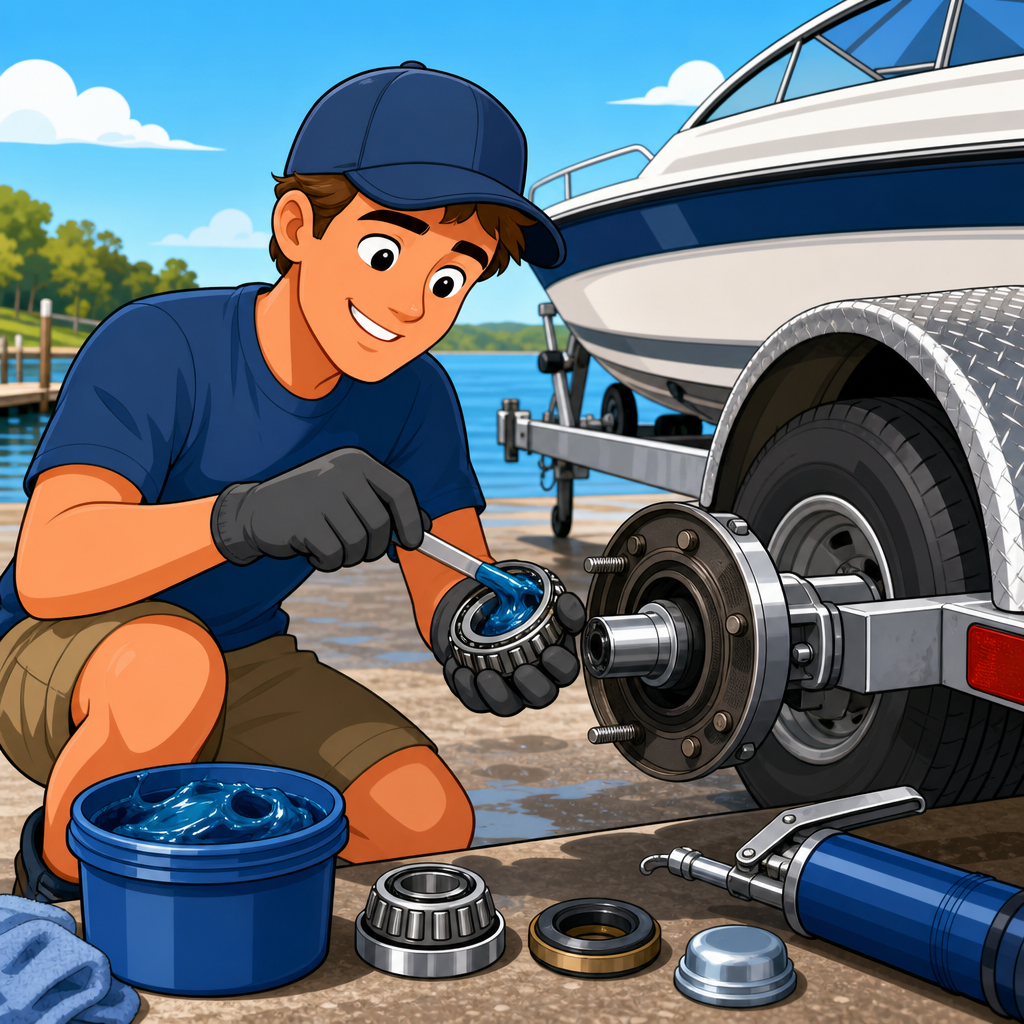
Seasonal service should include cooling-system inspection, impeller replacement at the interval specified by the manufacturer, belt condition checks, hose inspection, and exhaust review. An engine running hot or struggling with water flow can lose efficiency quickly and fail expensively. For trailer boats, wheel bearing drag and brake drag matter on land, but they also indicate the overall standard of care. Boats maintained consistently tend to have lower fuel burn because the owner is not letting small resistances and restrictions accumulate. Before each season, inspect safety gear and remove what is expired, broken, or duplicated. Consolidate tools, dry out lockers, and eliminate trapped water in compartments that adds hidden weight. The goal is simple: begin each season with a clean hull, healthy engine, balanced load, verified propeller setup, and known fuel baseline. That combination delivers the best savings and the longest service life.
Reducing fuel consumption on your boat comes down to disciplined preventative maintenance and smarter operation, not gimmicks. Keep the hull clean, maintain the propeller and running gear, service the engine and fuel system on schedule, and use trim, speed, and load distribution deliberately. Track fuel burn so you can spot changes early, then use seasonal storage and commissioning practices to protect efficiency year after year. These steps lower operating costs immediately, but the bigger payoff is longevity: less strain on the engine, fewer breakdowns, better range, and stronger resale value. If you want your broader boat maintenance and repairs plan to produce real savings, make fuel efficiency your diagnostic benchmark. Start with a baseline fuel log on your next outing, inspect the hull and prop, and schedule any overdue service. Small corrections made early are the cheapest repairs a boat owner will ever make.
Frequently Asked Questions
What is the most effective way to reduce fuel consumption on your boat?
The most effective way to reduce fuel consumption on your boat is to focus on the combination of engine efficiency, hull condition, propeller setup, and operating habits rather than looking for one single fix. In real-world boating, fuel savings usually come from several small improvements working together. Start with the basics: keep the hull clean, make sure the propeller is undamaged and correctly matched to the boat, and stay current on engine maintenance. A fouled hull creates drag, and even light growth can force the engine to work noticeably harder. Likewise, a bent or poorly sized prop can push fuel use up fast because the engine cannot operate in its ideal RPM range.
After maintenance, the next biggest gain usually comes from how the boat is run. Most boats have a speed range where fuel burn climbs sharply with only a modest increase in speed. Running just below that point often delivers the best balance of performance and economy. Avoid rapid throttle changes, long idle periods, and running at wide-open throttle unless conditions truly require it. Trim also matters more than many owners realize. A properly trimmed boat rides cleaner through the water, gets on plane more efficiently, and reduces unnecessary resistance. If you want a practical rule, think in terms of reducing drag, reducing weight, and keeping the engine in its most efficient working range. That approach consistently lowers fuel use across fishing boats, cruisers, and workboats alike.
How does boat speed affect fuel consumption?
Boat speed has a major effect on fuel consumption because water resistance increases dramatically as speed rises. Many owners assume that going a little faster only uses a little more fuel, but that is rarely how it works on the water. In displacement boats, pushing beyond the natural hull speed usually demands a sharp increase in power for very little gain. In planing boats, there is often a transition zone where the boat is trying to climb onto plane, and fuel burn can spike if the boat is overloaded, trimmed poorly, or underpowered for the conditions. Once on plane, there is usually an efficient cruising band where the boat rides cleanly and the engine is not straining.
The key is to learn your boat’s fuel curve. That means understanding how many gallons or liters per hour the engine uses at specific RPM and speed ranges. Many modern displays provide this data directly, but even without electronics you can track it manually over time. In practice, the cheapest miles are often achieved at a moderate cruise setting, not at idle and not at maximum speed. If you increase throttle for an extra few knots, you may end up burning disproportionately more fuel for only a small reduction in travel time. Smart operators pay attention to RPM, trim, weather, and load, then settle into a steady cruising speed that the boat holds comfortably. Discipline at the helm is one of the most reliable ways to cut fuel costs.
Does boat weight and onboard storage really make a noticeable difference in fuel economy?
Yes, excess weight and poor weight distribution can make a very noticeable difference in boat fuel economy. Every unnecessary item on board increases the amount of energy required to move the hull through the water. Owners often underestimate how much fuel is wasted by carrying extra gear, spare equipment, full coolers, oversized tool kits, old parts, and waterlogged items that never leave the lockers. On smaller boats, the effect can be substantial. On larger boats, the difference may seem less obvious day to day, but over a season it adds up in both fuel cost and engine workload.
Storage location matters almost as much as total weight. Poorly distributed weight changes the boat’s running attitude, which increases drag and can make it harder to get on plane. If too much weight sits aft, the stern may squat and force the engine to work harder during acceleration and cruise. If weight is uneven side to side, the boat may ride with a list, which also creates inefficiency. A good habit is to review what is actually needed for the trip, remove nonessential gear, and place necessary items so the boat sits level and balanced. Fuel tanks and water tanks should also be considered as part of the load plan, especially on longer runs. Efficient boats are not just lighter; they are organized so the hull can run in the position it was designed for.
How important is regular maintenance for lowering boat fuel consumption?
Regular maintenance is one of the most important factors in lowering boat fuel consumption because neglected systems rarely operate efficiently. An engine that is overdue for service may still run, but it will often burn more fuel to produce the same output. Dirty fuel filters, worn spark plugs, injector issues, poor compression, old air filters where applicable, and degraded lubricants can all reduce efficiency. In diesel engines, injector health and clean fuel delivery are especially important. In gasoline outboards and sterndrives, ignition quality and proper tune have a direct effect on fuel burn and throttle response.
Maintenance goes beyond the engine. Hull cleaning and bottom paint condition are critical because marine growth creates drag fast. Propeller condition is equally important; even minor damage can reduce efficiency, increase vibration, and change engine loading. Check that the engine can reach its recommended RPM range at full throttle under normal load. If it cannot, the propeller pitch may be wrong, the hull may be fouled, or the engine may have a performance issue. Also pay attention to steering, trim tabs, bearings, and any mechanical issue that causes resistance or poor running attitude. The broader point is simple: a well-maintained boat uses less fuel because every system is doing its job with less wasted energy. Preventive maintenance is usually far cheaper than paying for excess fuel all season.
Can weather, water conditions, and trip planning help save fuel on a boat?
Absolutely. Weather, tide, current, and route planning can have a significant effect on fuel consumption, and experienced operators use all of them to their advantage. Running into a strong headwind or steep chop forces the hull to push harder and often requires more throttle to maintain the same speed. Similarly, adverse current can increase fuel burn over distance because the boat is working harder for less progress. On the other hand, choosing departure times that align with favorable current or calmer water can reduce engine load and improve overall efficiency. This is one of the easiest fuel-saving strategies available, yet it is often overlooked.
Trip planning also helps prevent waste caused by unnecessary detours, excessive idling, and poor timing. Before leaving the dock, it helps to know your route, expected conditions, alternate stops, and realistic cruising speed. If you can combine tasks into one outing instead of making multiple separate runs, that also saves fuel. In rough conditions, trying to maintain an aggressive cruise speed often burns far more fuel than backing off and running the boat comfortably. Good seamanship and fuel efficiency go hand in hand. Reading forecasts, timing your run around tide and current, and avoiding conditions that force inefficient operation can reduce consumption without any equipment upgrades at all. In many cases, smart planning saves as much fuel as a mechanical improvement.