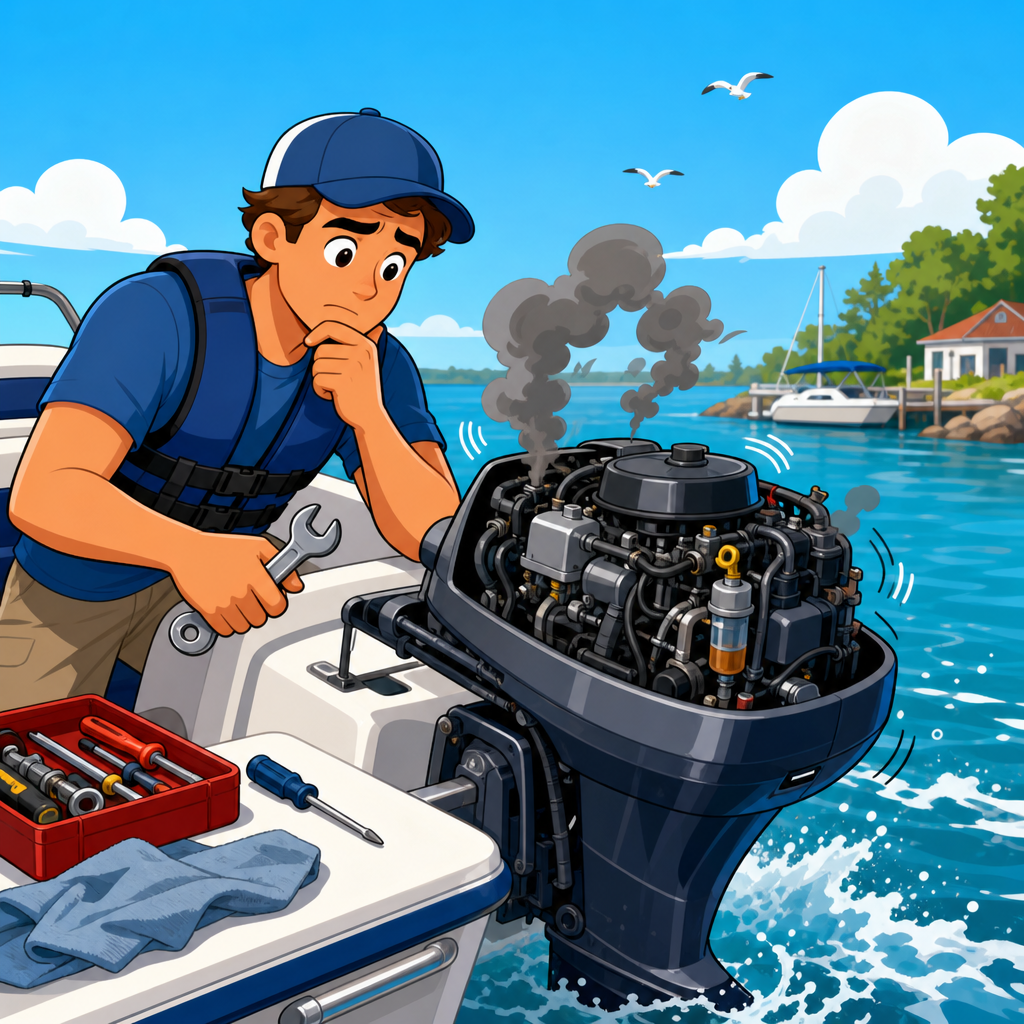
A boat engine that’s running rough usually signals a manageable problem, but ignoring it can turn a simple tune-up into a ruined weekend, expensive tow, or major internal damage. In marine service, “running rough” means the engine shakes, misfires, hesitates under throttle, idles unevenly, loses power, surges, stalls, smokes abnormally, or sounds harsher than normal. Those symptoms can come from fuel delivery faults, ignition problems, restricted airflow, contaminated fuel, cooling issues, sensor failures, or mechanical wear. Because marine engines operate under sustained load, often in damp, corrosive conditions, small defects show up quickly and worsen faster than they do in many automotive applications.
This guide explains how to diagnose and fix a boat engine that’s running rough, with a focus on practical troubleshooting for outboard, sterndrive, and inboard gasoline engines, while noting where diesel engines differ. It also serves as a central resource for engine care and troubleshooting within boat maintenance and repairs. I approach rough-running complaints the same way I do at the dock or in the shop: confirm the symptom, narrow the system involved, inspect the simplest failure points first, test before replacing parts, and verify the repair on the water under load. That method saves time, prevents unnecessary parts swapping, and catches safety issues such as fuel leaks, water intrusion, and overheating before they become emergencies.
The most important idea is that smooth operation depends on four basics arriving at the right time and in the right amount: clean fuel, clean air, strong spark or proper injection timing, and healthy compression. Marine engines also need correct cooling water flow and stable battery voltage, because weak electrical supply can mimic other faults. If your engine starts easily but idles poorly, look first at fuel quality, spark plugs, and idle-air or carburetor circuits. If it runs well at idle but breaks up at speed, suspect fuel starvation, ignition breakdown under load, a failing coil, clogged venting, or propeller-related overload. Good diagnosis follows the symptom pattern.
Start with safety, symptom patterns, and a fast visual inspection
Before touching tools, ventilate the bilge, especially on inboards and sterndrives, and use your nose. A gasoline odor means stop and investigate before cranking. Check the battery switch, lanyard stop, oil level, coolant level where applicable, and all visible hoses and clamps. I also look for loose grounds, green corrosion on terminals, cracked primer bulbs, weeping fuel fittings, swollen fuel lines, and signs of arcing around ignition components. On modern ethanol-exposed boats, degraded fuel hose liner is still a recurring cause of debris in filters and injectors.
Then define when the roughness occurs. Does it happen only at idle, only during acceleration, only at cruising rpm, only after warming up, or only under heavy chop when fuel sloshes? That timing matters. A cold-only stumble can point to enrichment or temperature-sensor issues. A warm-only miss often traces to ignition coils, vapor lock, or heat-sensitive electrical faults. A complaint that appears after launching but not on a hose may indicate restricted cooling flow, exhaust backpressure, or a fuel pickup problem that only shows up under real load. If equipped with gauges or engine data, note rpm, oil pressure, temperature, voltage, and any alarms before shutting down.
Fuel system problems are the most common cause of a rough-running boat engine
When a boat engine runs rough, fuel contamination and fuel restriction are the first systems I check because they are common, measurable, and often easy to fix. Water in fuel, stale gasoline, clogged anti-siphon valves, blocked tank vents, dirty filters, failing lift pumps, sticking injectors, and varnished carburetor passages can all create misfires and hesitation. Ethanol-blended fuel amplifies the problem by absorbing moisture and loosening old deposits inside tanks and lines. A boat that sat for months with half a tank is a prime candidate for stale fuel and phase-separation issues.
Start at the tank and work forward. Open the fuel fill carefully and listen for excess vacuum, which can indicate a blocked vent. Inspect the fuel-water separator; if the bowl shows water or debris, replace the element and drain contamination into a clear container to confirm what you found. Replace old inline filters as well. Squeeze the primer bulb on outboards. If it never firms up, suspect an air leak, a bad check valve, or a supply restriction. If the engine improves temporarily when you pump the bulb while running, the fuel pump or upstream supply is likely weak. On carbureted engines, check for dirty jets and idle circuits. On EFI engines, verify fuel pressure against manufacturer specification with a marine-rated gauge.
| Symptom | Likely fuel-related cause | Practical fix |
|---|---|---|
| Starts then stalls | Blocked vent, weak pump, dirty idle circuit | Open vent path, test pump output, clean carburetor or throttle body |
| Surges at cruise | Water in fuel, clogged separator, anti-siphon restriction | Replace filters, drain contaminated fuel, inspect anti-siphon valve |
| Bogging on acceleration | Lean condition, accelerator pump fault, low fuel pressure | Rebuild carburetor or verify EFI pressure and injector flow |
| Random misfire under load | Injector contamination or supply starvation | Pressure test, clean injectors, inspect lines and pickup tube |
If the fuel is old or visibly contaminated, don’t try to solve a rough-running problem with additives alone. Pump out bad fuel, clean the tank if debris is present, replace filters, and refill with fresh fuel from a high-turnover marina or station. For persistent injector issues, ultrasonic cleaning and flow testing are more reliable than pouring cleaner into the tank. On small carbureted outboards, a careful carburetor rebuild using OEM gaskets and float settings often transforms idle quality. On larger engines, I trust pressure and volume tests more than assumptions. Good fuel delivery is not guessed; it is verified.
Ignition faults often cause shaking, misfire, and loss of power
If fuel checks out, move to ignition. Gasoline marine engines depend on strong, consistent spark at every cylinder, and marine humidity is hard on coils, wires, boots, and connectors. Spark plugs are the fastest clue. Remove and inspect them in order. A wet plug suggests no ignition or an over-fueled cylinder. Dry, white deposits may indicate a lean condition or overheating. Oily fouling points toward mechanical wear or valve-guide leakage. Replace plugs with the exact heat range and gap specified by the engine manufacturer, not an automotive substitute.
Next inspect coils, plug wires, distributor components where used, and engine grounds. On older sterndrive and inboard engines, a cracked distributor cap or carbon-tracked rotor can create intermittent misses that worsen in damp weather. On coil-on-plug or coil-near-plug systems, heat-soaked coils may fail only after ten to twenty minutes of operation. I confirm this by checking for spark quality immediately after the fault appears, or by using a scan tool to identify a specific cylinder misfire if the engine management system supports it. A weak charging system can also reduce ignition performance, so verify running voltage. Most 12-volt systems should show charging output above static battery voltage when running, commonly around 13.5 to 14.5 volts depending on system design.
Timing matters too. Engines with adjustable base timing, mechanical advance, or sensor-based timing inputs can run rough if timing is retarded, unstable, or erratic. A failed crankshaft position sensor, cam sensor, or ignition module may produce rough idle, hard starting, and tachometer dropout. Use a timing light where applicable and compare readings to service-manual specification. In marine work, replacing ignition parts blindly is expensive and often misses the actual issue. Test spark, inspect connectors, check resistance where the manual calls for it, and rule out poor grounds before buying coils, modules, or sensors.
Air intake, exhaust, and sensors can mimic bigger engine trouble
Rough operation is not always a fuel-or-spark problem. Engines need unrestricted airflow and accurate control inputs. A dirty flame arrestor on a gasoline inboard, a sticking idle air control valve, carbon buildup around the throttle plate, or a failed mass airflow or manifold absolute pressure sensor can upset idle and throttle response. On newer outboards, sensor faults may not stop the engine, but they can force protective strategies that reduce power and make the engine feel uneven. If the check-engine light or warning horn is active, pull fault codes with the correct diagnostic software before disassembling anything.
Exhaust restrictions are less common but important. A collapsed exhaust hose, water-damaged muffler component, plugged spark arrestor, or failed catalytic element on applicable systems can choke the engine and create severe bogging. Marine engines are especially sensitive because exhaust and cooling systems are linked; restricted water flow can overheat the exhaust path and damage components. I have seen engines blamed for “bad fuel” when the real issue was a partially blocked exhaust elbow causing power loss and unstable idle. If intake and ignition tests are normal and the engine still cannot breathe or expel exhaust properly, performance will suffer.
Cooling, compression, and mechanical condition determine whether a fix will last
When a boat engine runs rough and also runs hot, stalls after warming up, or shows low power across the whole rpm range, broaden the diagnosis to cooling and mechanical health. Replace a weak raw-water impeller at the service interval or sooner if there is any doubt; missing vanes can reduce flow enough to create heat-related roughness and damage downstream components. Check thermostats, poppet valves where used, strainers, and water passages for blockage. On outboards, verify strong telltale flow, but remember that a telltale alone does not prove full cooling performance.
Compression and leakdown testing reveal whether you are dealing with a tune-up issue or internal wear. A healthy engine should have even cylinder readings; the acceptable range varies by design, but large differences between cylinders matter more than the absolute number. Low compression from a burned valve, stuck ring, scored cylinder, or failing head gasket can produce a persistent miss no ignition part will cure. Four-stroke outboards may also develop valve-clearance issues that affect idle and starting. On diesels, rough running often comes from injector balance problems, air in fuel, glow-system faults during cold starts, or low compression rather than spark-related causes.
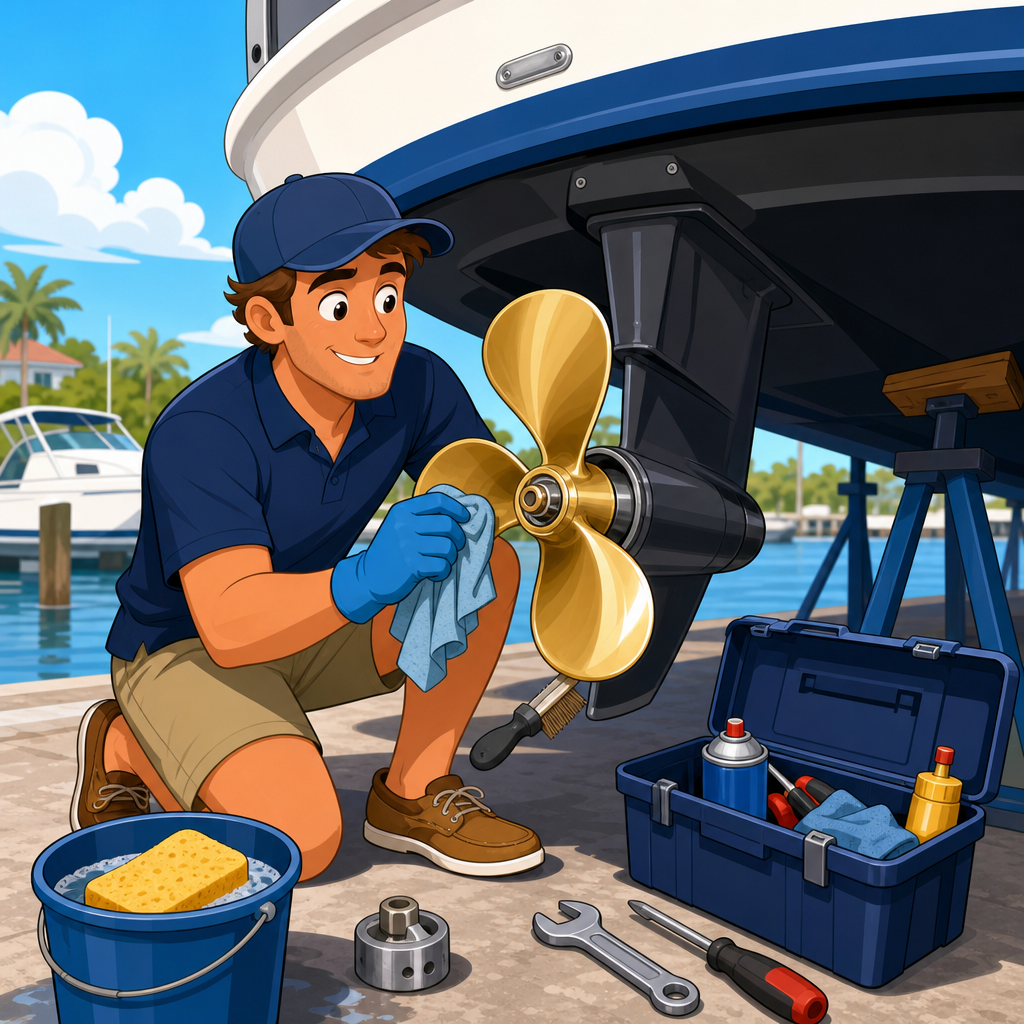
Do not overlook the propeller and drivetrain. An engine can feel rough simply because it is overloaded by a damaged prop, waterlogged hub, fouled bottom, or incorrect pitch that drags rpm below recommended wide-open-throttle range. I always compare actual maximum rpm to the manufacturer’s specified range during sea trial. If the boat cannot reach it with a normal load, the engine may be healthy but overworked, and that strain often appears as vibration, smoke, and poor throttle response.
Prevent rough running with disciplined engine care and troubleshooting habits
The best repair is preventing the problem. Use fresh fuel, stabilize fuel for storage, and keep tanks as full as practical during layup to reduce condensation. Replace fuel-water separator elements at least annually, inspect primer bulbs and hoses for ethanol damage, and use marine-rated fuel line that meets current standards. Follow the engine maker’s schedule for spark plugs, filters, impellers, gear lube, valve adjustments, and belt inspection. If your engine is electronically managed, scan for stored faults during seasonal service even when no alarm is active. Small pending issues often appear in data before they strand the boat.
Keep records. A maintenance log that lists engine hours, parts replaced, fuel source, compression numbers, and observed symptoms turns troubleshooting from guesswork into pattern recognition. In my experience, recurring rough-idle complaints usually trace back to one of three habits: storing fuel too long, skipping filter changes, or chasing symptoms with random parts instead of a test sequence. Use the service manual, not forum folklore, for torque values, timing procedures, and sensor specifications. OEM manuals from Mercury, Yamaha, Honda, Suzuki, Volvo Penta, Indmar, Ilmor, and Yanmar consistently pay for themselves by preventing misdiagnosis.
A boat engine that’s running rough can usually be fixed by following a clear order: inspect for safety issues, identify when the symptom appears, verify fuel quality and pressure, confirm ignition strength and timing, check air and sensor inputs, and test compression and cooling if the basics pass. That sequence covers the majority of real-world failures without wasting money on unnecessary parts. It also creates a reliable troubleshooting framework for the broader engine care and troubleshooting work every boat owner eventually faces.
The biggest benefit of solving rough running correctly is confidence on the water. A smooth, responsive engine starts easier, burns fuel more efficiently, protects internal components, and makes docking, towing, and cruising safer. If your engine is stumbling now, begin with the simple checks in this guide, document what you find, and move step by step. Then use that process as the foundation for the rest of your boat maintenance and repairs plan.
Frequently Asked Questions
What does it mean when a boat engine is “running rough”?
When a boat engine is running rough, it means the engine is no longer operating smoothly or consistently under normal load. In practical terms, you may notice shaking at idle, misfires, hesitation when you advance the throttle, uneven RPM, loss of power, surging, stalling, unusual vibration, or a harsher exhaust note than normal. In some cases, you may also see abnormal smoke, smell unburned fuel, or notice the engine struggling more than usual to get the boat on plane. These are not “normal marine quirks.” They are warning signs that combustion, fuel delivery, ignition timing, airflow, cooling, or engine management is being disrupted.
On the water, rough running can come from several manageable causes. Common examples include stale or contaminated fuel, a clogged fuel filter or water-separating filter, bad spark plugs, weak ignition coils, corroded electrical connections, restricted air intake, vacuum leaks, injector issues, overheating, or faulty sensors on electronically controlled engines. In carbureted setups, varnish buildup or incorrect adjustment can also create rough idle and throttle hesitation. In outboards, inboards, and sterndrives alike, the symptom may feel similar even though the root cause differs.
The key point is that “running rough” is a symptom, not a diagnosis. The engine is telling you something is out of balance. If addressed early, the fix may be as simple as replacing plugs, changing filters, draining bad fuel, or correcting a loose connection. If ignored, however, a rough-running engine can lead to hard starting, fuel waste, catalytic or exhaust damage, internal overheating, fouled cylinders, or a breakdown that leaves you needing a tow. That is why the smartest first step is to stop guessing, pay attention to exactly when the problem happens, and work through the likely causes in a logical order.
What are the most common causes of a boat engine running rough?
The most common causes usually fall into a few major categories: fuel, ignition, air, cooling, and electronic controls. Fuel-related issues are especially common in marine environments because boats often sit for extended periods, and fuel can degrade, absorb moisture, or develop contamination in the tank. Water in the fuel, clogged filters, deteriorated fuel lines, a weak fuel pump, dirty injectors, or carburetor deposits can all cause misfires, hesitation, and poor acceleration. If the problem shows up after storage, after fueling, or under heavier throttle, fuel delivery should be high on your list.
Ignition problems are another frequent cause. Worn or fouled spark plugs, cracked plug wires, failing ignition coils, weak battery voltage, or corroded terminals can prevent one or more cylinders from firing cleanly. In a boat, moisture and salt exposure make ignition components more vulnerable than they are in many automotive applications. A small amount of corrosion in the wrong place can create intermittent roughness that is hard to trace unless you inspect carefully.
Airflow restrictions and vacuum leaks also matter. A dirty flame arrestor, blocked intake, sticking throttle body, or leaking vacuum hose can upset the fuel-air mixture and create rough idle, bogging, or surging. On electronically managed engines, sensors such as throttle position, manifold pressure, oxygen, crankshaft position, or temperature sensors can send incorrect data to the ECU, leading to poor combustion and erratic performance. If the check-engine light or guardian mode is active, sensor and control faults become even more likely.
Cooling problems should not be overlooked. An overheating marine engine may run rough because high temperature changes combustion behavior, forces timing or power reduction, or begins to damage components. A restricted raw-water intake, worn impeller, blocked cooling passage, or thermostat issue can all contribute. Mechanical problems such as low compression, valve issues, exhaust restrictions, or damaged internal parts are less common than filters and plugs, but they become more likely if the engine has been neglected, overheated, or run for too long with obvious symptoms. That is why a rough-running engine should be diagnosed systematically rather than treated with random parts replacement.
How can I troubleshoot a rough-running boat engine step by step?
Start with the basics and resist the temptation to jump straight to the most expensive possibility. First, identify when the roughness occurs: only at idle, only under acceleration, only at wide-open throttle, only when hot, only after fueling, or all the time. That pattern gives valuable clues. A rough idle may point toward plugs, idle circuits, vacuum leaks, or injector balance, while roughness under load often suggests fuel starvation, ignition breakdown, or a developing mechanical problem. Also note whether the issue appeared suddenly or gradually, and whether any recent maintenance, long storage, or fueling event happened before the symptoms started.
Next, do a careful visual inspection. Check the battery terminals, engine ground connections, plug wires, coils, hoses, clamps, fuel lines, primer bulb if equipped, and the engine compartment for loose, cracked, corroded, or leaking components. Look for water in the fuel filter bowl, damaged wiring insulation, obvious fuel seepage, disconnected vacuum lines, or signs of overheating such as scorched paint, melted plastic, or burnt odor. Inspect the flame arrestor or air filter system for restriction. On many boats, a rough-running problem is found during this basic inspection.
Then move to fuel and ignition service items. Replace or inspect the water-separating fuel filter and any inline filters. Check the fuel quality if contamination is suspected; if fuel smells stale, looks cloudy, or contains water, it may need to be drained and replaced. Inspect spark plugs for fouling, oil deposits, heavy carbon, cracked porcelain, or uneven coloration between cylinders. If plugs are old, replace them with the manufacturer’s recommended type and gap. Check ignition coils and wires for corrosion, arcing, and secure fit. If your engine supports diagnostics, scan for trouble codes and live sensor data rather than relying on guesswork.
After that, verify cooling and operating conditions. Make sure the engine is reaching and maintaining correct temperature, water flow is normal, and no overheat alarms are present. If the engine still runs rough after basic service, more advanced testing may be needed, including fuel pressure testing, injector balance checks, compression or leak-down testing, vacuum testing, or sensor circuit diagnosis. At that point, a marine technician may be the best next step. The goal is to move from simple, likely, and inexpensive checks toward more technical causes without overlooking the fundamentals.
Is it safe to keep using a boat if the engine is running rough?
In most cases, no—it is not wise to keep using a boat normally if the engine is running rough, especially if the symptom is severe, worsening, or accompanied by alarms, smoke, overheating, stalling, or major power loss. A lightly uneven idle that developed at the dock may still let you return carefully to shore, but continuing to run hard can turn a minor issue into a major repair. For example, a cylinder that is misfiring can wash fuel past the cylinder walls, damage plugs, overheat exhaust components, and create additional engine stress. A fuel-delivery issue can leave you stranded offshore. An overheating condition can cause head gasket failure or internal damage very quickly.
The marine environment raises the stakes because failure is not just inconvenient. If the engine quits in current, wind, or boat traffic, the safety risk increases immediately. That is why the right approach is to reduce load, avoid high RPM, monitor gauges and alarms closely, and head back if conditions allow. If the engine is shaking violently, losing power unpredictably, stalling repeatedly, producing heavy smoke, or showing abnormal temperature or oil-pressure readings, shut it down and do not continue operating it except as needed for immediate safety. A tow is often far cheaper than replacing a damaged powerhead or major inboard components.
If you are unsure whether the problem is serious, treat it as serious until proven otherwise. Check obvious items such as cooling-water flow, fuel contamination, and loose connections, but do not keep “testing” the engine by repeatedly running it hard. Rough running is your early warning system. Respecting it can be the difference between a quick repair in the driveway and a ruined weekend followed by a very expensive shop visit.
What maintenance helps prevent a boat engine from running rough in the future?
Preventing rough running comes down to consistent marine-specific maintenance, clean fuel practices, and attention to early warning signs. Start with the manufacturer’s service schedule and actually follow it. Replace spark plugs at the recommended interval, change fuel filters and water-separating filters regularly, inspect ignition components, and service the cooling system before it causes trouble. On raw-water-cooled engines, impellers, thermostats, and passages need periodic attention. On fuel-injected engines, keeping injectors clean and ensuring proper fuel pressure can prevent a long list of drivability complaints.
Fuel care is one of the biggest preventive steps. Buy fuel from reputable sources, avoid letting fuel sit too long, use the correct marine-rated hoses and components, and keep the tank as clean and dry as possible. If the boat will sit for an extended period, use the appropriate stabilizer and storage procedure recommended for your engine. Drain or replace contaminated fuel promptly. Water in fuel is a classic source of rough running, especially after seasonal storage