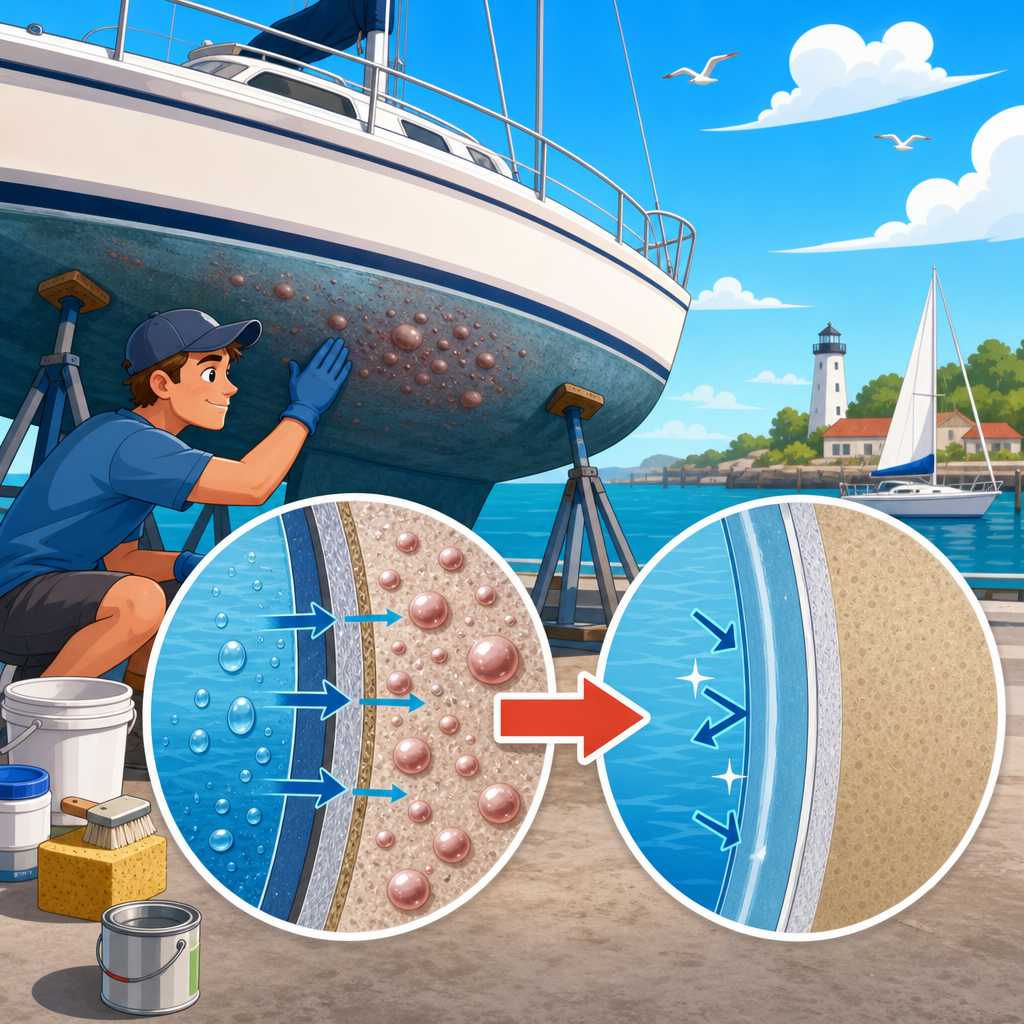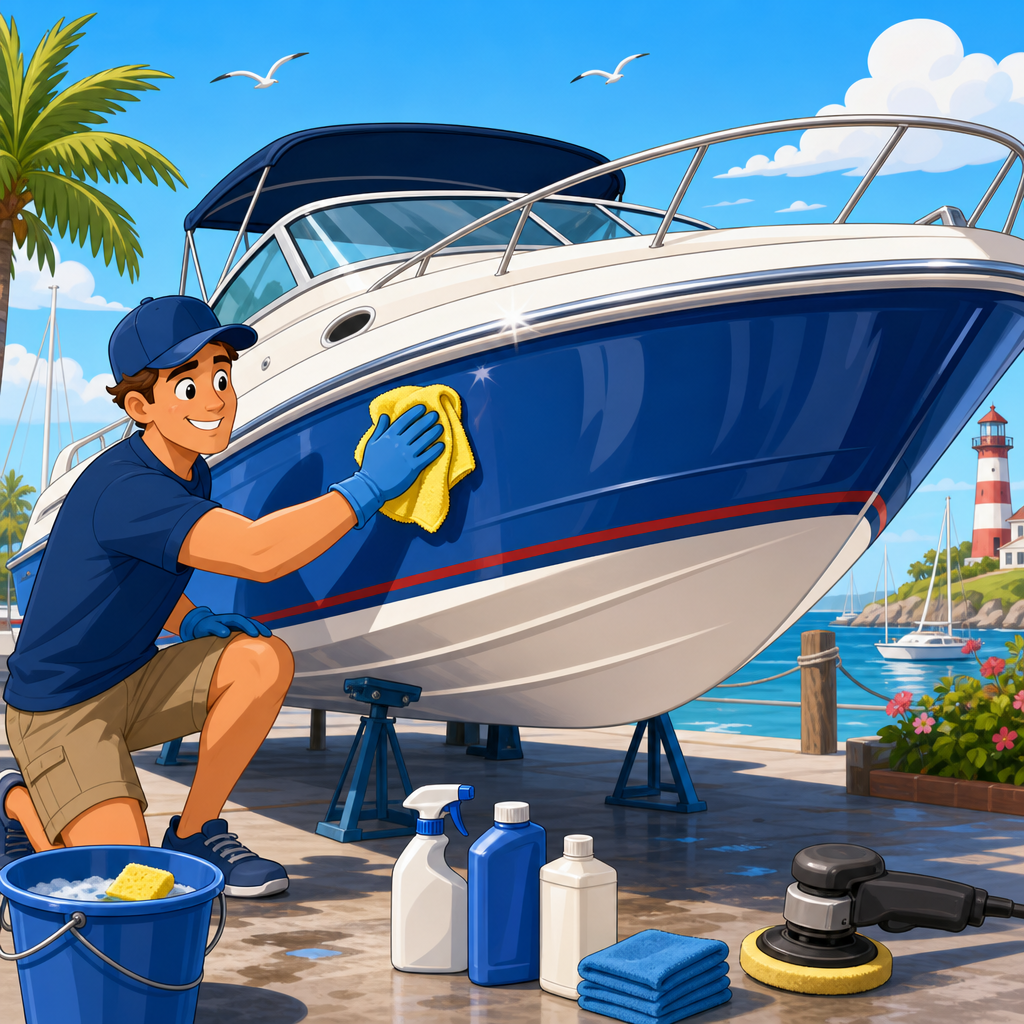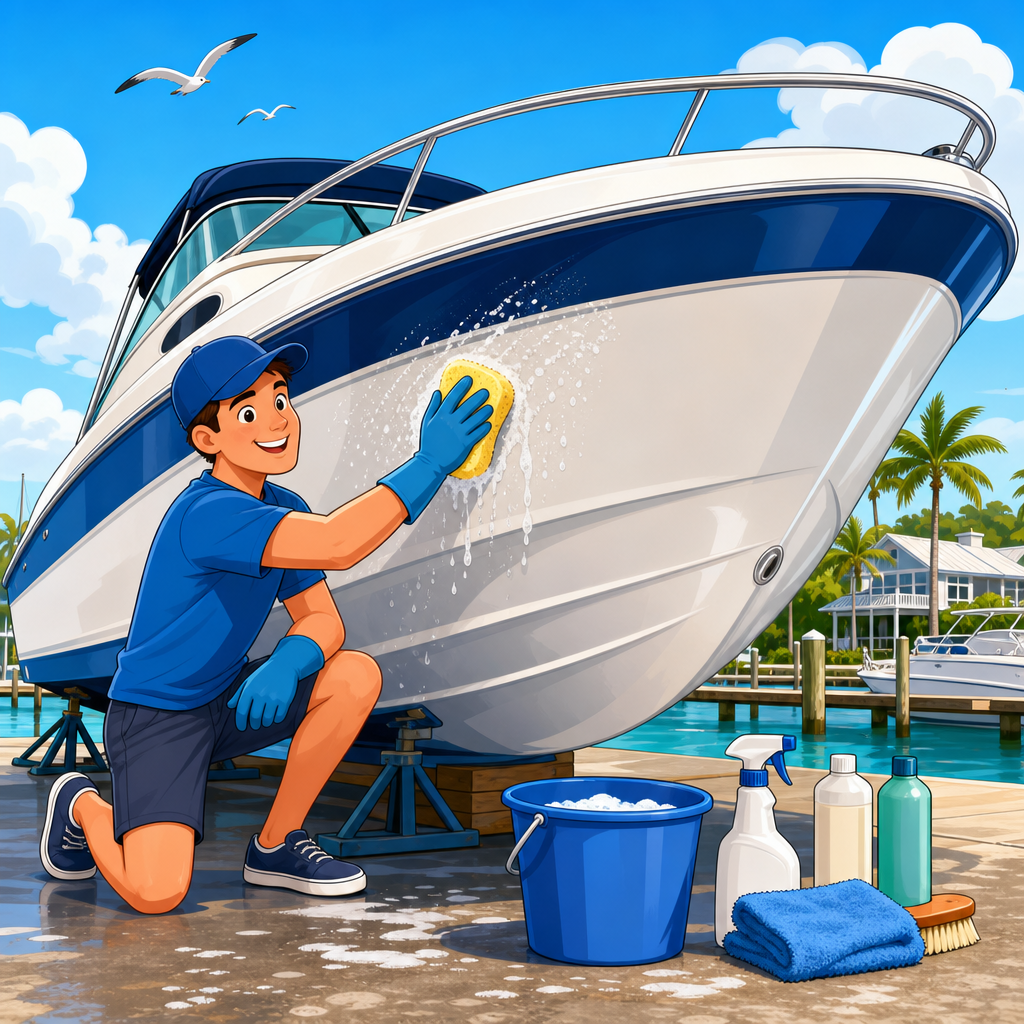
A fiberglass boat hull lasts for decades when owners treat cleaning and protection as routine maintenance rather than occasional cosmetic work. In the yards and marinas where I have maintained cruising boats, center consoles, and trailerable fishing skiffs, the hull condition has always predicted future repair costs. A clean hull moves more efficiently through the water, resists staining, sheds marine growth faster, and holds its gloss longer under sun and salt exposure. Neglect, by contrast, turns light oxidation into chalking, lets scum lines harden, and gives minor surface damage time to become expensive structural work.
Fiberglass hull care starts with understanding what you are cleaning. Most production boats use a fiberglass laminate covered by gelcoat, a pigmented outer layer that provides color, limited water resistance, and the glossy finish people associate with a healthy hull. Gelcoat is durable, but it is not indestructible. Ultraviolet light degrades it, mineral deposits bond to it, abrasive pads scratch it, and strong chemicals can strip wax or dull the surface. Hull cleaning therefore means more than washing away dirt. It includes removing salt, organic staining, waterline marks, oxidation, and marine growth while preserving the gelcoat and any protective coatings already in place.
Hull cleaning and protection matter for three practical reasons. First, performance: even a thin layer of slime increases drag and fuel burn. Second, value: buyers inspect gloss, staining, and repair history immediately because hull appearance often signals overall upkeep. Third, prevention: routine washing exposes cracks, blisters, chips, and failed sealant before they spread. As the hub for hull cleaning and protection within a broader boat maintenance and repairs plan, this guide explains the complete process, from basic washing to polishing, waxing, and seasonal upkeep, so you can build a maintenance routine that protects both finish and performance.
Inspect the Hull Before You Clean
The best fiberglass boat hull cleaning begins with inspection, because the right method depends on the condition of the surface. I start every job with a freshwater rinse and a slow walk around the boat, checking the topsides, boot stripe, waterline, transom, and below-water sections if the boat is hauled. Look for oxidation, which appears as fading, chalkiness, and color transfer onto your hand. Note yellow or brown tannin stains, black exhaust residue near the transom, rust streaks below hardware, and hard calcium deposits at the waterline. Also inspect for gouges, spider cracks, open chips, blistering, or previous repairs that may react differently to cleaners or compounds.
This step prevents common mistakes. Acid hull cleaners can remove mineral staining effectively, but they should not be the default choice on every wash because repeated aggressive use shortens the life of wax and can expose weak repairs. Heavy compounding can revive badly faded gelcoat, yet unnecessary machine polishing removes measurable material. Inspection tells you whether the job requires simple boat soap, a dedicated stain remover, clay treatment, polish, protective wax, or all of the above. It also helps you document changes over time, which is especially useful on older fiberglass boats that spend long periods in strong sun.
Use the Right Washing Method for Routine Cleaning
Routine washing is the foundation of hull maintenance. For most fiberglass hulls, the correct process is simple: rinse thoroughly, wash with a pH-neutral marine soap using a microfiber mitt or soft brush, and dry with clean microfiber towels or a synthetic chamois. Products from Star brite, Meguiar’s, 3M, and boat soaps labeled for gelcoat are designed to remove salt and grime without stripping protective coatings. Household detergents are a poor substitute because many contain degreasers that remove wax. Pressure washers can be useful at controlled pressure and distance, but too much force can damage decals, force water into compromised laminate edges, and erode loose bottom paint.
Always clean from the top down. Start with non-skid and deck runoff, then wash hull sides, and leave the dirtiest lower sections for last. Use separate tools for above-water gelcoat and contaminated areas near the waterline to avoid dragging grit across glossy surfaces. On dark-colored hulls, work in the shade when possible because soap dries quickly in heat and leaves spotting. Frequent rinsing matters more than many owners realize. Salt crystals are abrasive, and when left on the hull they attract moisture and accelerate surface dulling around hardware, rub rails, and fittings.
| Hull condition | Best treatment | Why it works | Important caution |
|---|---|---|---|
| Light dirt and salt film | pH-neutral marine soap and microfiber wash mitt | Cleans without stripping wax or sealant | Avoid household dish soap for routine use |
| Waterline scum and yellow staining | Dedicated hull stain remover or oxalic acid product | Breaks down organic and mineral staining quickly | Wear gloves and rinse thoroughly |
| Chalky oxidation | Compound followed by polish | Removes dead surface layer and restores gloss | Use the least aggressive pad and product first |
| Good gloss after cleaning | Marine wax or polymer sealant | Adds UV protection and makes future washing easier | Apply only to a dry, fully cleaned surface |
Remove Stains, Scum Lines, and Marine Deposits Safely
Waterline staining is the most common hull cleaning problem, and it usually has more than one cause. Organic scum from algae and tannins creates brown or yellow bands. Mineral deposits leave hard, pale crusts. Exhaust soot and harbor pollution add gray or black streaking. Treat each contaminant with the least aggressive product that will remove it. Oxalic acid-based hull cleaners are effective on yellowing and rust stains. Calcium or lime removers designed for marine use work on hard deposits. For isolated rust below stainless hardware, a rust stain remover gel gives better control than spraying acid across a large area.
Application technique matters. Wet the hull first unless the product label instructs otherwise, apply in manageable sections, and do not let strong cleaners dry on the gelcoat. Agitate with a soft brush or microfiber pad rather than an abrasive kitchen scrubber. On vertical surfaces, gel formulas cling better and reduce runoff onto trailer components or painted stripes. After stain removal, neutral rinsing is essential. I also recommend rewashing the section with boat soap to ensure no residue remains under the next protective layer. If stains return unusually fast, investigate causes such as leaking metal fittings, shore-power corrosion issues, poor water chemistry at the berth, or neglected sacrificial anodes.
Restore Oxidized Gelcoat Without Removing More Material Than Necessary
When a fiberglass boat hull looks faded and leaves a chalky residue on your hand, the gelcoat is oxidized. Cleaning alone will not restore shine because the damaged layer must be refined mechanically. Start conservatively. Many moderately dull hulls respond to a one-step cleaner wax or light polish on a dual-action polisher with a foam pad. Heavier oxidation may require a compound such as 3M Marine Rubbing Compound, Presta Gelcoat Compound, or Meguiar’s Marine Compound on a wool or cutting foam pad, followed by a finishing polish to restore clarity. The goal is to remove only the minimum oxidized material needed to expose sound gelcoat.
Machine choice and pad control are critical. Rotary polishers cut faster but can overheat edges and leave swirl marks if mishandled. Dual-action machines are slower but safer for most owners and still effective on typical fiberglass oxidation. Work in sections about two feet square, keep the pad clean, and inspect under good light after each pass. If gloss returns, stop increasing aggressiveness. On older boats with thin gelcoat, repeated heavy compounding year after year is not sustainable. That is why regular protection matters: maintaining gloss with washing, polish, and wax is far easier than repeatedly rescuing a neglected hull.
Protect the Hull With Wax or Sealant
After the hull is clean and oxidation is corrected, protection determines how long the finish will last. Traditional carnauba-based marine wax still works well on fiberglass boats, especially light-colored hulls stored under cover or used seasonally. Polymer sealants generally last longer, resist detergents better, and perform well on dark hull sides that show water spotting and fading more quickly. Both options create a sacrificial layer that slows UV damage, reduces staining, and makes future washing easier because dirt releases before bonding to the gelcoat.
Application should be thin, even, and deliberate. Thick coats do not protect better; they simply waste product and make removal harder. Use a foam applicator by hand or a finishing pad by machine, allow the product to haze according to label instructions, and buff with clean microfiber towels. On boats kept in the water year-round, topsides often need protection every three to six months depending on sun exposure and wash frequency. Trailered boats or those stored indoors may stretch the interval, but annual protection is still a bare minimum. Avoid applying wax to non-skid, through-hull faces, or areas that will soon receive repair materials, because residues interfere with adhesion.
Adjust Your Maintenance Schedule for Storage, Water Type, and Hull Finish
No single maintenance schedule fits every fiberglass hull. Boats in saltwater need more frequent rinsing because salt residue accelerates dulling and corrodes nearby metals. Freshwater boats often suffer heavier mineral spotting, especially in hard-water regions. Dark blue and black hulls show oxidation, swirl marks, and water spots faster than white gelcoat, so they demand more careful washing and more frequent polishing. Boats stored on lifts accumulate less growth than moored hulls, while trailered boats may avoid fouling but pick up road grime, strap marks, and bug residue during transport.
In practice, a reliable schedule looks like this: rinse after every use, wash monthly or more often during active season, remove stains as soon as they appear, inspect the waterline and transom regularly, and renew wax or sealant at least once or twice per season. If the boat stays in the water, coordinate topside cleaning with bottom maintenance because marine growth below the waterline affects performance just as much as grime above it. During winter layup or off-season storage, clean the hull thoroughly before covering the boat. Dirt left under a cover can hold moisture against the gelcoat and make spring restoration harder than it needs to be.
Avoid Common Mistakes That Shorten Hull Life
Most gelcoat damage I see comes from bad habits, not dramatic accidents. The first mistake is using overly harsh chemicals for ordinary dirt. Bleach, strong degreasers, and undiluted acids can discolor finishes, dry out nearby vinyl, and strip protection immediately. The second is scrubbing with abrasive pads or stiff brushes meant for metal or household tile. Those tools leave fine scratches that trap grime and make a glossy hull look tired. The third is skipping protection after compounding or stain removal. Once the surface is opened and clean, it needs a protective layer quickly or oxidation returns fast.
Another common problem is ignoring small defects discovered during cleaning. A chip at the bow, a crack near a cleat, or blistering near the waterline is easier and cheaper to address early. Cleaning sessions are maintenance checkpoints, not just cosmetic chores. Finally, do not assume every product labeled for boats is suitable for every hull surface. Painted topsides, vinyl wraps, matte finishes, ceramic coatings, and antifouling bottom paint all have different care requirements. Read product labels, test in a small area, and match the cleaner to the surface rather than forcing one solution across the entire boat.
Cleaning and maintaining a fiberglass boat hull is ultimately a cycle of inspection, gentle washing, targeted stain removal, careful correction, and consistent protection. When owners follow that sequence, the hull stays smoother, brighter, and easier to maintain, and the boat retains more value over time. The practical payoff is not just appearance. A protected hull sheds grime faster, reveals damage sooner, and reduces the amount of aggressive polishing needed later. That means less labor, lower long-term cost, and better performance on the water.
As the central guide to hull cleaning and protection within your broader boat maintenance and repairs plan, this article should help you decide what the hull needs now and what supporting tasks to learn next, from oxidation removal to seasonal detailing and below-waterline care. Build a written schedule, use marine-safe products, and document what works on your specific boat. If your hull already shows heavy oxidation, persistent staining, or signs of laminate damage, make that inspection the starting point for your next maintenance weekend and restore the finish before minor problems become permanent.
Frequently Asked Questions
How often should you clean a fiberglass boat hull?
The right cleaning schedule depends on how the boat is used, where it is stored, and the conditions it sees every week. As a general rule, rinse the hull with fresh water after every outing, especially if the boat has been in saltwater. Salt crystals, algae film, exhaust residue, and mineral deposits all begin to build faster than most owners realize, and that buildup dulls the finish long before major staining becomes obvious. For boats kept on a trailer or lift, a more thorough wash every two to four weeks is usually enough to stay ahead of surface grime. For boats stored in the water, the hull should be inspected much more frequently for waterline stains, slime, and marine growth, with cleaning intervals based on how fast fouling develops in that marina or region.
Seasonally, plan on a deeper maintenance cycle that includes washing, stain removal, oxidation inspection, and protection with wax or polish if the gelcoat is in good condition. If the hull is exposed to strong sun, warm water, or year-round use, that protective step may need to be repeated more often. The key is consistency. Light, routine cleaning is easier on the gelcoat than waiting until stains are set, oxidation is heavy, and aggressive scrubbing becomes necessary. In practice, owners who treat hull care as ongoing maintenance usually spend less time and money than those who only address the hull when it already looks neglected.
What cleaning products are safe to use on a fiberglass boat hull?
The safest approach is to use marine-specific soaps and fiberglass cleaners designed for gelcoat surfaces. These products are formulated to remove salt, dirt, and light grime without stripping protective wax or drying out the finish. For routine washing, a pH-balanced boat soap, soft wash mitt, non-abrasive sponge, and plenty of fresh water are usually all you need. This is the foundation of good hull maintenance because regular gentle cleaning prevents the need for harsher chemicals later.
When tougher contamination appears, choose products based on the type of stain rather than reaching immediately for the strongest cleaner available. Waterline stains often respond well to dedicated hull stain removers, while mildew may require a mildew-specific marine cleaner. Oxidation may call for a fiberglass restorer, polish, or rubbing compound, depending on severity. The important point is to match the product to the problem and use the least aggressive method that gets the result. Strong household cleaners, abrasive powders, stiff brushes, and undiluted bleach can damage the gelcoat, fade the finish, or strip away wax protection. Even products that seem harmless can create extra work if they leave the hull dry, chalky, or more vulnerable to UV damage.
Before using any cleaner on the entire hull, test it in a small inconspicuous area. Follow label directions closely, avoid letting chemicals dry on the surface, and rinse thoroughly. If the hull has been waxed recently, remember that some stain removers and degreasers will remove that protective layer, meaning you may need to re-wax the treated area. Safe product selection is not just about avoiding damage today; it is about preserving the gelcoat so the hull stays easier to clean over the long term.
What is the best way to remove oxidation and restore shine to a fiberglass hull?
Oxidation is one of the most common issues on fiberglass hulls, especially on boats that spend long periods in sun, salt, and weather. It usually shows up as a dull, chalky, faded surface that no longer reflects light evenly. The best restoration method depends on how advanced the oxidation is. Start with a thorough wash and complete drying so you can accurately judge the condition of the gelcoat. In mild cases, a cleaner wax or finishing polish may be enough to restore gloss. For moderate oxidation, a dedicated oxidation remover or polishing compound is often necessary. Heavy oxidation may require rubbing compound followed by finer polishing steps to bring back depth and shine.
Work in small sections using either hand application or a dual-action polisher if you are comfortable using one. Keep the pad clean, use controlled pressure, and avoid overheating the gelcoat. The goal is to remove only the oxidized surface layer, not to grind aggressively into the finish. Once the shine is restored, protect the hull immediately with a quality marine wax or sealant. This step is critical because polished gelcoat without protection will oxidize again much faster.
If oxidation is severe and the gelcoat has become porous, uneven, or very thin in places, restoration may take more than a single polishing pass. In those cases, a careful multi-step correction process is safer than trying to force results with a heavy compound. Owners often make the mistake of chasing shine without addressing protection afterward, but the real solution is a complete system: wash, correct, polish if needed, then seal. That is what keeps the hull glossy longer and reduces future labor.
How do you clean the waterline and remove stubborn yellow or brown stains?
Waterline stains form from a mix of minerals, tannins, algae, exhaust residue, and trapped organic material, so they often require more than ordinary soap. The best method is to wash the hull first to remove loose dirt, then apply a marine waterline stain remover to the stained band according to the product instructions. Many of these cleaners use acids or other active ingredients to dissolve discoloration quickly, which is why proper handling matters. Wear gloves, work in a ventilated area, and never let the product dry on the hull. Apply it in manageable sections, allow the recommended dwell time, then rinse thoroughly with fresh water.
For lighter stains, you may be able to remove them with a gentler fiberglass cleaner and a non-abrasive pad. For stubborn yellowing or brown streaking, a stronger hull cleaner may be necessary, but repeated use of harsh products should not replace routine maintenance. If the waterline is cleaned regularly, staining usually comes off faster and with less chemical effort. After stain removal, inspect whether the area still has wax protection. In many cases it will not, so reapplying wax or sealant to that section helps prevent the stain from bonding as quickly again.
Prevention matters here as much as removal. Frequent rinsing, quick cleanup after trips, proper bottom paint where appropriate, and periodic wiping of the waterline can dramatically reduce the formation of stubborn stains. In marinas with tannin-rich water or heavy algae, the waterline should be part of your routine inspection, not a once-a-season problem. The easier the stain is when you first notice it, the less aggressive you need to be with the hull finish.
Why is waxing or sealing a fiberglass boat hull so important after cleaning?
Cleaning removes contamination, but waxing or sealing is what preserves the hull afterward. Fiberglass hulls are finished with gelcoat, and while gelcoat is durable, it is still vulnerable to UV exposure, oxidation, salt, and environmental staining. Once the protective surface is left bare, the hull tends to dry out, fade, and collect dirt more easily. That is why two boats cleaned the same day can look very different a month later: the one with proper protection stays smoother, glossier, and easier to wash.
A quality marine wax or synthetic sealant creates a sacrificial barrier over the gelcoat. This barrier helps reduce oxidation, slows down staining at the waterline, improves water shedding, and cuts down on how strongly grime adheres to the hull. It also makes future maintenance easier because dirt and residue release faster from a protected surface than from raw, weathered gelcoat. In practical terms, that means less scrubbing, fewer harsh cleaners, and lower long-term wear on the finish.
The best time to apply protection is after the hull has been thoroughly cleaned and any polishing or stain correction has been completed. If oxidation is present, sealing without first correcting the surface may lock in a dull appearance. Apply wax or sealant in thin, even coats, follow cure and buffing directions, and pay extra attention to high-exposure areas. Reapplication frequency depends on climate, usage, and the product itself, but the principle remains the same: cleaning is maintenance, and protection is preservation. When owners keep both steps in balance, fiberglass hulls retain their appearance longer and typically avoid the expensive cycle of heavy restoration and premature surface degradation.