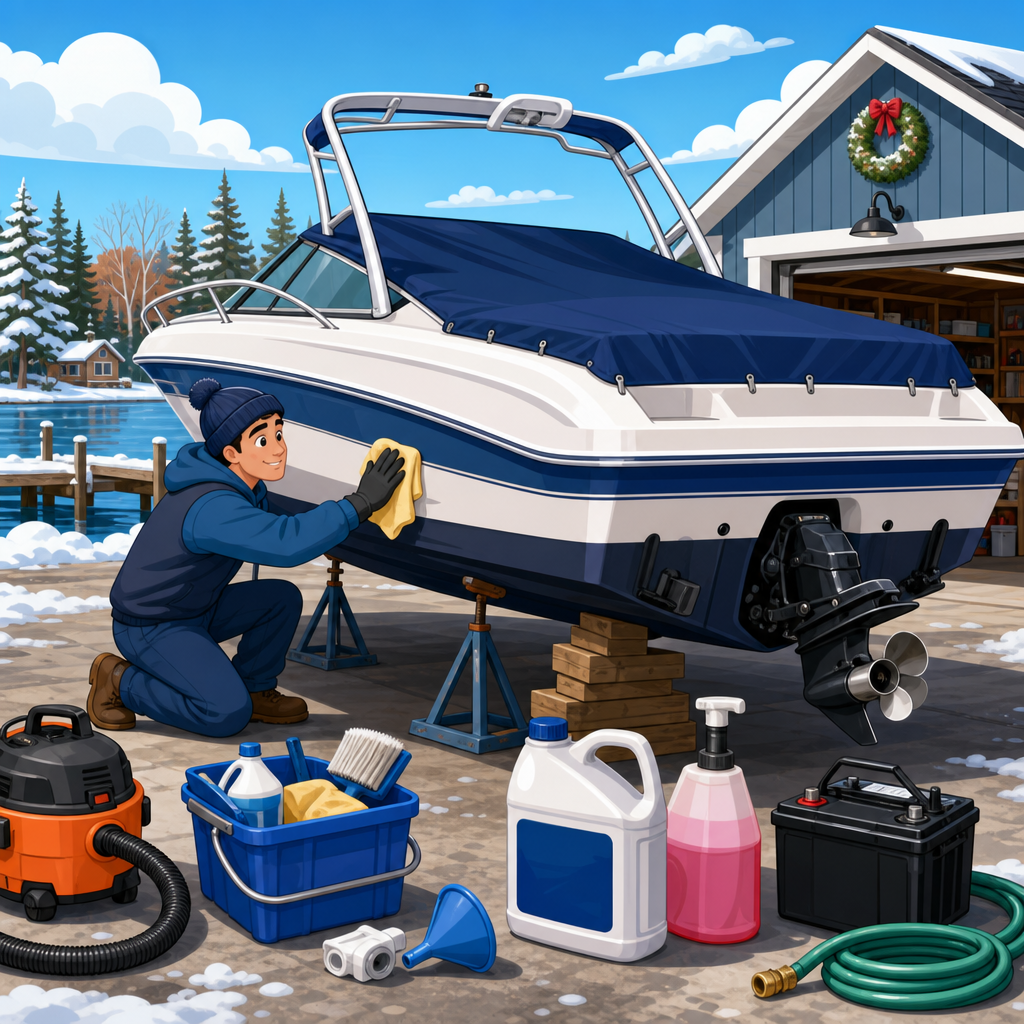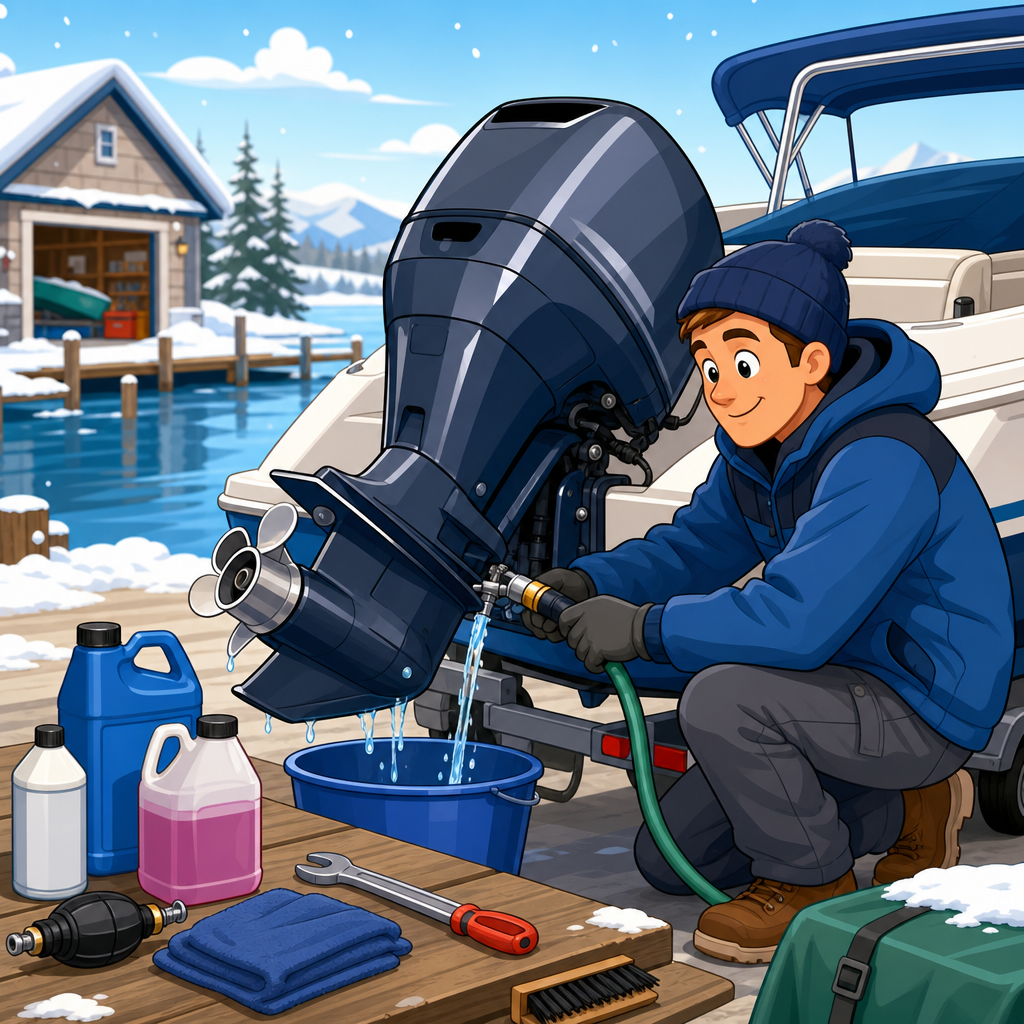
Winterizing your boat engine is the single most important off-season maintenance task for preventing freeze damage, corrosion, fuel breakdown, and expensive spring repairs. In practical terms, winterizing means preparing the engine, fuel system, cooling passages, lubrication circuits, and related components for months of storage in cold or damp conditions. Whether you run an outboard, sterndrive, or inboard, the goal is the same: remove or protect anything that can freeze, stabilize anything that can degrade, and inspect systems that commonly fail after sitting idle. I have winterized engines in dry inland storage yards and in humid coastal marinas, and the pattern is always consistent. Boats that are put away correctly start faster, smoke less, leak less, and avoid the cracked blocks, varnished carburetors, seized impellers, and dead batteries that turn spring launch into a repair appointment.
This matters because marine engines live hard lives. They operate under sustained load, pull moist air into metal internals, and often circulate raw water that leaves behind salt, silt, or mineral scale. Once storage begins, those residues keep working against the engine. Water expands when it freezes, ethanol-blended fuel absorbs moisture, untreated cylinders can flash-rust, and weak batteries sulfate quickly. A proper winterization routine is not just a checklist; it is a controlled shutdown process based on engine design. For owners building a complete Boat Maintenance & Repairs plan, engine care and troubleshooting sit at the center because most high-cost failures begin with overlooked basics: contaminated fuel, restricted cooling, neglected lubrication, or ignored warning signs. This hub explains the winterizing process clearly, shows where procedures differ by engine type, and gives you a framework for diagnosing problems before and after storage.
What winterizing a boat engine includes
Winterizing a boat engine includes fuel stabilization, cooling-system protection, lubrication service, battery care, corrosion prevention, and a final inspection of wear items. The exact sequence depends on whether the engine is raw-water-cooled or closed-cooled, carbureted or fuel-injected, and stored in freezing or merely damp conditions. On most engines, you should treat the fuel first so stabilized gasoline reaches injectors or carburetor passages while the engine is still running normally. Then warm the engine to operating temperature, change the oil if due, fog internal components where recommended, drain or protect the cooling system, service the gearcase or drive lubricant, and shut down with the battery and electrical system secured.
What many owners miss is that winterizing is also a troubleshooting opportunity. When I run engines on flush muffs or a service tank before storage, I listen for uneven idle, watch telltale water flow, confirm charging voltage, and check for fuel sheen, exhaust leaks, or water in the gear lube. Those observations guide winter repairs. Milky lower-unit oil points to leaking seals. Weak stream on an outboard suggests a worn impeller or blockage. Hard starting before storage usually becomes worse after months of sitting. If you document these symptoms now, you can schedule targeted work instead of guessing in spring.
Differences between outboards, sterndrives, and inboards
Outboards are generally the simplest to winterize because many can be fully drained by storing the engine in the vertical position, then treated with stabilized fuel, fogging where the manufacturer specifies it, and fresh gearcase lubricant. Modern four-stroke outboards and direct-injected two-strokes often have model-specific guidance, especially around fogging and fuel rail treatment, so the owner’s manual takes priority. Yamaha, Mercury, Suzuki, Honda, and Evinrude all publish procedures that differ in small but important ways. For example, some EFI engines should not be heavily fogged through the intake because sensors and intake deposits can be affected.
Sterndrives and inboards require more attention because the engine block, manifolds, coolers, hoses, and pumps may trap water. A raw-water-cooled small-block that is not fully drained or filled with the correct marine antifreeze can crack a block, split an exhaust manifold, or damage a power-steering cooler. Closed-cooled systems still need raw-water sides protected. This is where owners get into trouble by assuming antifreeze can simply be poured into a hose without verifying thermostat position, drain points, and actual displacement of water. In service yards, I have seen engines labeled winterized that still held raw water in low pockets. Correct procedure matters more than good intentions.
| Engine type | Main winterizing priorities | Common trouble signs | Typical spring issue if skipped |
|---|---|---|---|
| Outboard | Fuel stabilization, vertical draining, gear lube change, corrosion spray | Weak telltale, milky gear oil, hard cold start | Water-damaged gears, clogged injectors, stuck thermostat |
| Sterndrive | Block and manifold protection, drive lube, bellows inspection, battery care | Rust flakes in drains, water in drive oil, vibration | Cracked block, failed u-joints, freeze-damaged manifolds |
| Inboard | Cooling-system draining, antifreeze circulation, shaft seal and hose inspection | Overheating history, coolant loss, exhaust leaks | Split hoses, manifold failure, seized raw-water pump |
Fuel system protection and combustion care
Fuel degrades faster than many boat owners realize. Gasoline begins losing volatility within weeks, and ethanol blends attract moisture that can separate in severe cases. The fix is straightforward: fill the tank to reduce condensation space, add a marine-grade stabilizer at the correct ratio, and run the engine long enough for treated fuel to reach the entire system. Products such as STA-BIL Marine, Mercury Quickstor, and Star Tron are commonly used, but dosage and storage duration differ, so read the label. For diesel boats, winter care focuses on biocide treatment, water separation, and filter condition rather than volatility. Diesel that sits with microbial contamination can sludge tanks and clog filters on the first rough spring outing.
Combustion chambers also need protection. On older carbureted engines and some conventional two-strokes, fogging oil coats rings, cylinder walls, and intake surfaces to reduce corrosion during storage. On many modern fuel-injected engines, however, excess fogging can foul plugs or upset sensors, so follow the factory method. If your engine uses a water-separating fuel filter, change it before storage if contamination is suspected, or at minimum inspect and drain it. I strongly recommend labeling the date on every filter and writing down the fuel treatment used. That simple record solves countless troubleshooting questions when an engine starts poorly months later.
Cooling system winterization without freeze damage
The cooling system is where the biggest financial mistakes happen. Raw-water-cooled engines must be drained completely at every low point or protected with the correct propylene-glycol marine antifreeze after proper draining. Automotive antifreeze is not the right substitute for raw-water circuits because toxicity and application differ. Closed-cooled engines still require attention on the raw-water side, including heat exchangers, exhaust components, sea strainers, and pumps. If the thermostat stays closed, antifreeze may not reach all areas unless the engine is brought to temperature first or specific bypass procedures are used. This is why simply sucking pink fluid through a hose is not enough unless you know exactly where it goes.
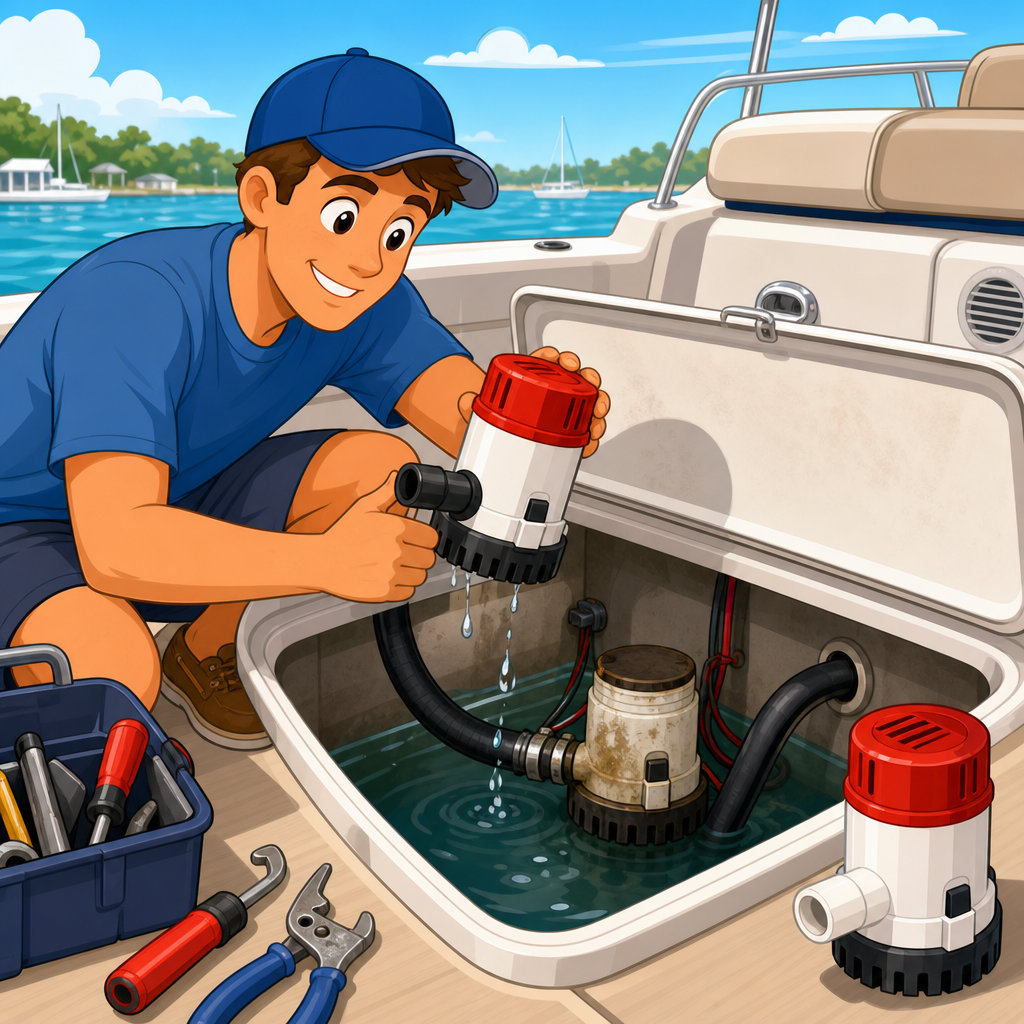
Impellers deserve special mention. A neoprene raw-water impeller can take a set if left compressed for months, especially if already worn or run dry. Some technicians replace impellers during fall service so the boat starts the next season with known-good cooling performance. At minimum, inspect service history and replace on schedule recommended by the manufacturer, often every one to three seasons depending on use. Also inspect thermostats, hose clamps, power-steering coolers, and exhaust elbows for rust or blockage. If an engine had any overheating events during the season, winter layup is the time to pressure test, descale, or inspect restrictions instead of hoping the problem disappears over winter.
Oil, gear lube, and drive-line service
Changing engine oil before storage is good practice because used oil contains acids, fuel dilution, and combustion byproducts that should not sit against bearings and internal surfaces all winter. Warm oil drains more completely, so run the engine first if safe to do so. Replace the oil filter, verify the correct marine-rated viscosity, and check for anything unusual in the drained oil such as metallic particles or milky discoloration. A small amount of darkening is normal; silver sheen is not. On sterndrives and outboards, change the gearcase or drive lubricant before storage as well. If water comes out first or the lube looks like coffee with cream, seals need attention before the unit freezes or corrodes further.
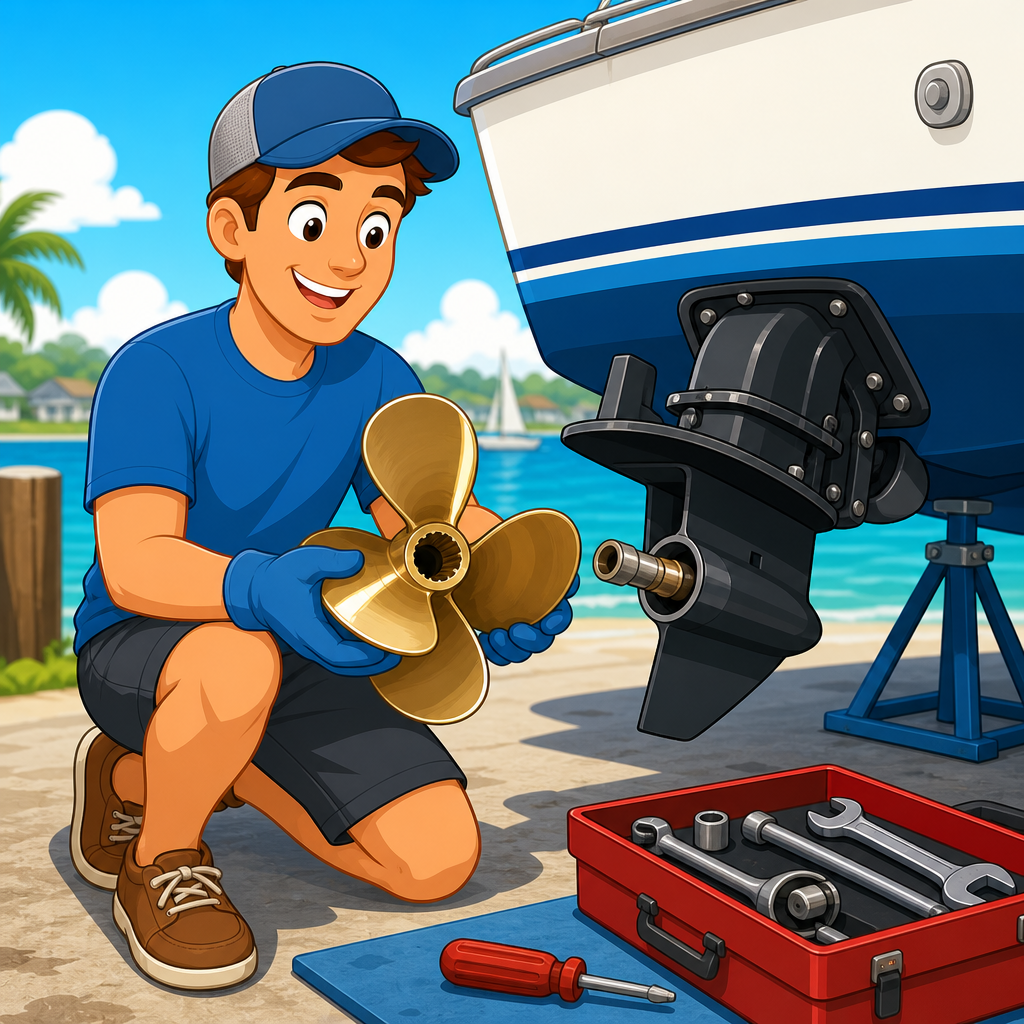
This is also the right time to inspect the propeller shaft for fishing line, which often hides behind the prop hub and cuts seals. In service work, I have found line on drives that looked perfect from the outside but had already started leaking water into the lower unit. Grease fittings that the manufacturer specifies, inspect universal joints and gimbal bearings on sterndrives, and check engine alignment on inboards if vibration was present. Good winterization is not limited to fluids. It includes every component that transfers power from crankshaft to propeller because dormant problems tend to become launch-day failures.
Electrical, battery, and corrosion control
Batteries lose charge during storage and sulfation begins quickly when voltage remains low. Fully charge the battery, test it if cranking has been weak, clean the terminals, and either disconnect it or maintain it with a quality smart charger. A basic trickle charger is not the same thing; modern maintainers regulate voltage and reduce overcharging. AGM, flooded, and lithium batteries each have different storage requirements, and charging profiles must match chemistry. If your boat has parasitic draws from bilge systems, alarms, or electronics memory, measure them with a multimeter rather than assuming the battery will survive winter untouched.
Corrosion prevention is just as important, especially in saltwater environments. Spray external metal surfaces with a marine corrosion inhibitor such as CRC Heavy Duty Corrosion Inhibitor or Boeshield T-9, but avoid belts, friction surfaces, and sensor connections where residue is unwelcome. Inspect bonding wires, anodes, battery cables, and engine grounds. Green powder on copper, swelling under insulation, or heat discoloration at terminals all indicate resistance problems that can cause hard starting or charging faults. I also recommend checking harness plugs for water intrusion and applying dielectric grease where appropriate. Many so-called mystery electrical issues in spring trace back to moisture sitting in neglected connectors all winter.
Common winterization mistakes and troubleshooting checks
The most common winterization mistakes are incomplete draining, using the wrong antifreeze, skipping fuel treatment, ignoring contaminated lubricants, and storing the boat with existing mechanical faults. Another frequent error is assuming every engine should be fogged the same way. It should not. Always use the service manual or manufacturer procedure for your exact model and serial range. If you rely on a yard, ask what process they use and whether they drain, fill, or both. Reputable shops document steps, note fluid condition, and flag defects. Vague invoices usually mean vague work.
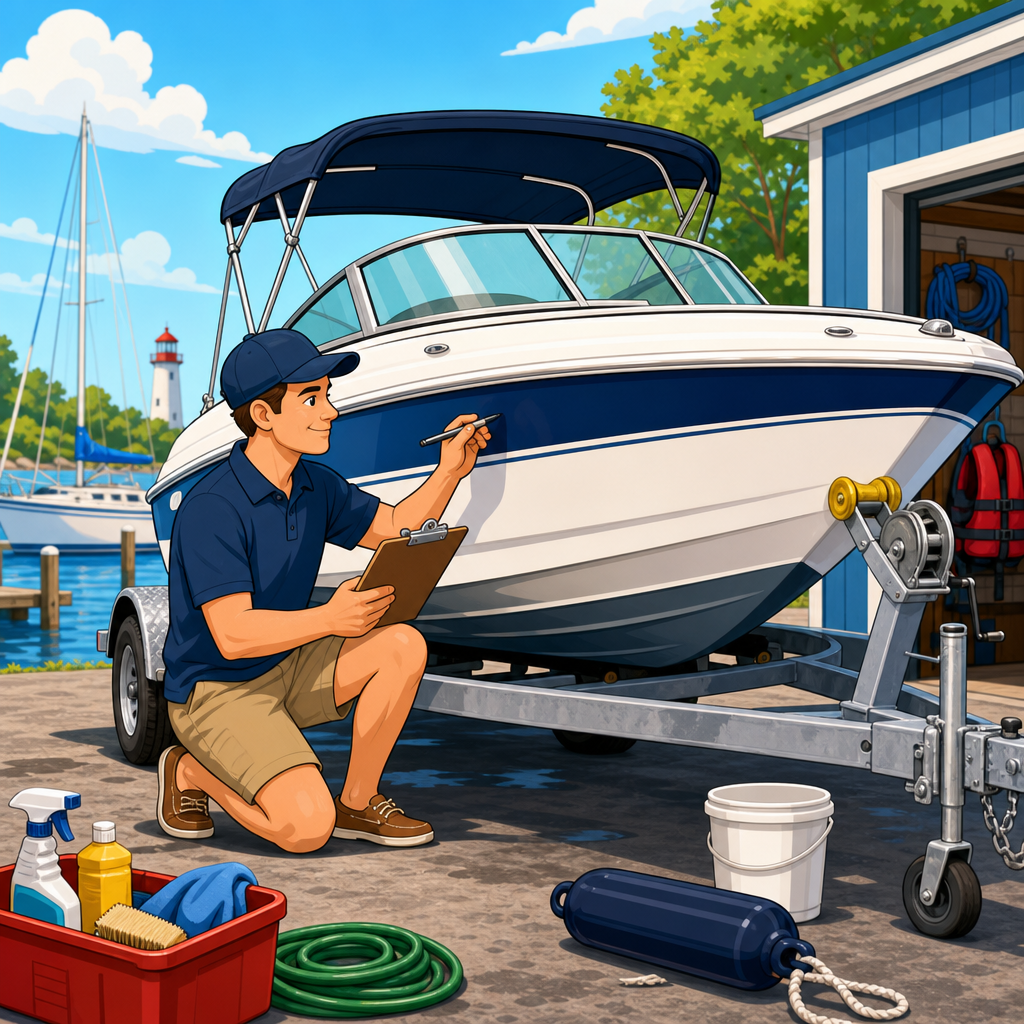
Before covering the boat, perform troubleshooting checks that make spring commissioning easier. Confirm the engine turns freely, note compression concerns if known, inspect belts and hoses for date codes or cracking, and photograph problem areas. Tag shut valves, drain plugs, and disconnected batteries so nothing is forgotten months later. If your engine had symptoms such as surging, no-start, overheating, misfire under load, oil alarms, or water pressure issues, create a repair list now. Engine care & troubleshooting work is far more efficient when observations are fresh and parts can be ordered in the off-season instead of during launch-week shortages.
Done correctly, winterizing your boat engine prevents the failures that cost the most and steal the most time from the next season. Protect the fuel, remove or replace contaminated fluids, secure the cooling system against freezing, maintain the battery, and treat corrosion before storage begins. Match the procedure to your engine type and manufacturer guidance, because outboards, sterndrives, and inboards fail in different ways and need different protections. Use the process as a diagnostic checkpoint too: weak water flow, milky lube, poor starting, overheating history, and electrical corrosion are all warnings worth addressing before the boat sits.
As the hub for Engine Care & Troubleshooting within Boat Maintenance & Repairs, this guide gives you the foundation for every related task you handle next, from impeller service and lower-unit sealing to fuel diagnostics, no-start troubleshooting, oil analysis, and spring commissioning. If you are unsure about any drain point, thermostat path, or model-specific fogging method, consult the factory manual or a qualified marine technician rather than guessing. A careful afternoon of winterization is far cheaper than a cracked block or a ruined first weekend on the water. Make a checklist, document what you serviced, and put your engine away ready to start cleanly when the season returns.
Frequently Asked Questions
Why is winterizing your boat engine so important?
Winterizing your boat engine is essential because even a small amount of trapped water can freeze, expand, and crack expensive engine components such as the block, manifolds, coolers, hoses, and pumps. Freeze damage is one of the most costly and preventable off-season problems boat owners face. Beyond freezing, winter storage also creates ideal conditions for corrosion, stale fuel, internal engine wear, and moisture buildup. Fuel can begin to degrade over time, creating varnish and deposits that clog injectors or carburetor passages. Condensation can form inside the fuel tank and engine, leading to rust and poor performance when spring arrives. Proper winterization protects all of these systems at once by stabilizing fuel, removing or replacing vulnerable fluids, protecting cooling passages, lubricating internal parts, and reducing the chance of seals drying out. In short, winterizing is not just about getting through one cold night; it is about preserving engine reliability, avoiding major repair bills, and making sure the boat is ready to start and run correctly when the next season begins.
What steps are typically involved in winterizing a boat engine?
The exact checklist varies by engine type, but a complete winterization usually follows a clear sequence. First, the fuel system is treated with a marine-grade fuel stabilizer and run long enough for the stabilized fuel to circulate through the entire system. This helps prevent oxidation, phase separation in ethanol-blended fuel, and gum or varnish formation during storage. Next, the engine oil and filter are commonly changed so contaminants, acids, and moisture are not left sitting inside the engine for months. The cooling system is then addressed by draining raw water from all low points or by flushing and introducing the correct type of marine antifreeze where required. This is one of the most critical stages because missed pockets of water can cause severe freeze damage.
Additional steps often include fogging the engine, depending on manufacturer guidance, to protect internal cylinder surfaces from corrosion during storage. Batteries may be disconnected or removed and placed on a maintenance charger. Gearcase or drive lubricant is often changed as well, because contaminated lubricant can hide water intrusion and create damage over the winter. Belts, hoses, clamps, and sacrificial anodes should be inspected, and the engine exterior may be cleaned and protected against corrosion. On outboards and sterndrives, the drive is typically stored in the down position to allow complete drainage and reduce stress on seals and rams. Done properly, winterization is a full-system preservation process rather than a single task, and each step supports the others in protecting the engine during long-term storage.
Do outboard, sterndrive, and inboard engines need to be winterized differently?
Yes, and understanding those differences matters. While all boat engines need protection from freezing temperatures, stale fuel, corrosion, and moisture, the way you winterize them depends on how they are cooled and configured. Outboards are generally simpler because many are designed to drain effectively when stored in the proper vertical position. Even so, they still need stabilized fuel, gearcase lubricant inspection or replacement, battery care, corrosion protection, and in some cases fogging or other manufacturer-recommended storage procedures. The key is not assuming that “self-draining” means maintenance-free. An outboard can still suffer fuel system issues, internal corrosion, or lower-unit problems if it is put away without proper preparation.
Sterndrives and inboards usually require even more attention, especially if they use raw-water cooling or have exhaust manifolds, risers, sea strainers, coolers, and multiple drain points. These engines can trap water in several places, which increases the risk of freeze cracking if draining is incomplete. Some systems are winterized by fully draining the raw-water side, while others are flushed with antifreeze according to manufacturer procedures. Inboards may also have closed-cooling systems, where the engine coolant side is already protected but the raw-water side still needs attention. Sterndrives also introduce drive-specific maintenance concerns such as bellows, gimball components, and gear lube checks. Because of these differences, the safest approach is always to follow the exact service recommendations for your engine model rather than relying on a generic method.
Should you use antifreeze when winterizing a boat engine, and if so, what kind?
In many cases, yes, but only the correct marine antifreeze and only after the engine has been prepared properly. The purpose of antifreeze in winterization is to protect cooling passages and related components from freeze damage and corrosion during storage. However, simply pouring antifreeze into a system that still contains trapped water may dilute it enough to reduce or eliminate its protection. That is why many winterization procedures begin with thorough draining or flushing before antifreeze is introduced. It is also important to understand whether your system is raw-water cooled, closed cooled, or a combination of both, because each setup has different protection needs.
Use only non-toxic marine/RV antifreeze where appropriate, and choose a product rated for the temperatures your boat may experience. Automotive antifreeze is not a substitute for raw-water-side winterization in most situations, and using the wrong product can damage components or create environmental concerns. Also remember that the burst-protection rating on the bottle is not the same as the slush point; marine antifreeze may begin to crystallize before it actually fails to protect plumbing and passages from bursting. For that reason, selecting the proper product strength matters. Most importantly, antifreeze is not a shortcut for skipping the rest of the process. It works best as one part of a complete winterization plan that includes draining, fuel stabilization, oil service, and storage preparation.
Can you winterize your boat engine yourself, or should you hire a professional?
You can winterize many boat engines yourself if you are mechanically comfortable, have the correct tools and supplies, and can follow the engine manufacturer’s service instructions precisely. For experienced owners, DIY winterization can save money and help you become more familiar with your boat’s systems. Common owner-performed tasks include adding fuel stabilizer, changing engine oil, replacing filters, charging or removing batteries, draining accessible water points, lubricating fittings, and applying corrosion protection. That said, winterization is one of those jobs where small mistakes can lead to very large repair bills. Missing a drain plug, failing to circulate stabilized fuel, using the wrong antifreeze, overlooking water in the gearcase, or storing the drive in the wrong position can all create serious problems by spring.
Hiring a professional is often the best choice if you have a complex inboard or sterndrive setup, a closed-cooling system with multiple circuits, limited service experience, or any uncertainty about the correct procedure. A qualified marine technician can also inspect for hidden issues such as water intrusion, cracked hoses, worn bellows, failing impellers, weak batteries, or fuel system concerns before the boat is stored. That preventive inspection can be just as valuable as the winterization itself. A practical middle ground for many owners is to do basic seasonal tasks themselves and have a professional handle the engine-specific winterization steps the first time, using that service as a learning opportunity. Whether you do it yourself or outsource it, the priority is accuracy and completeness, because proper winterization is far less expensive than repairing freeze or corrosion damage later.