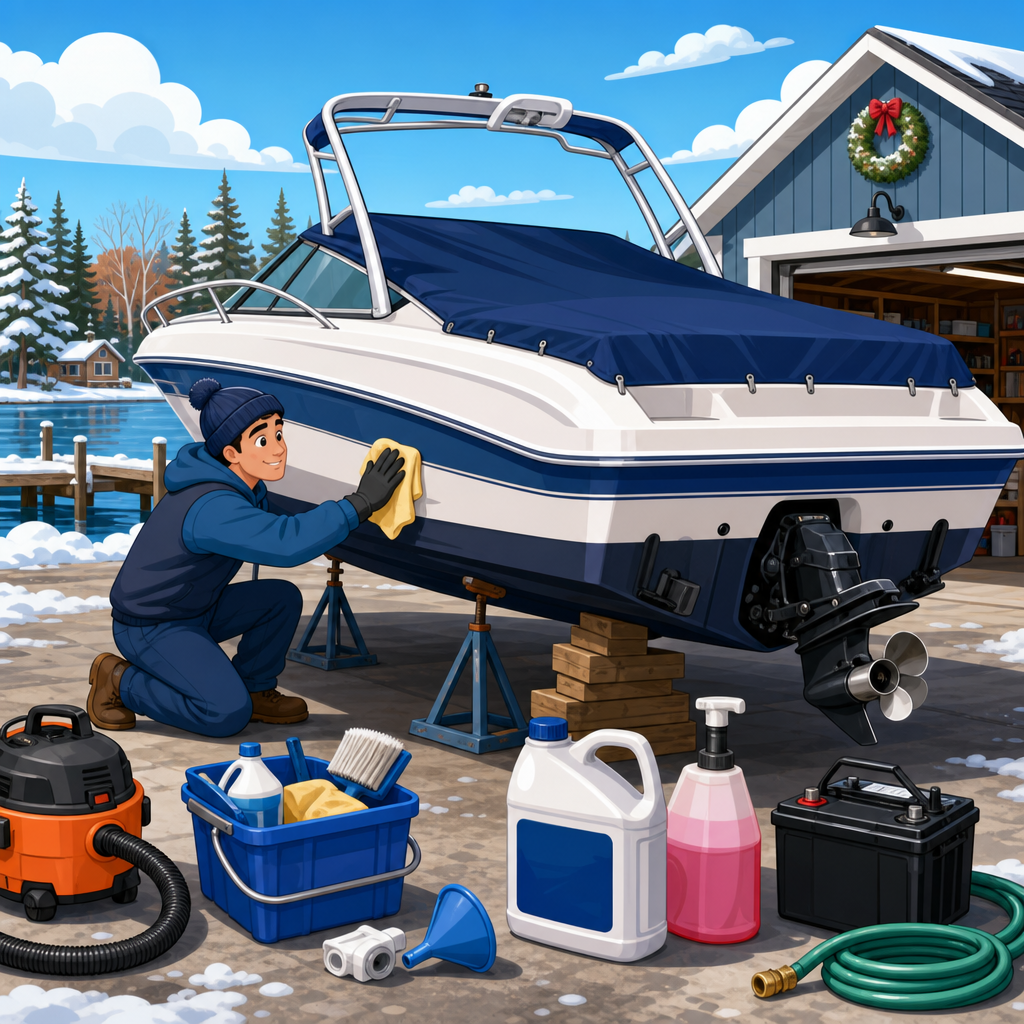
Winterizing your boat is the process of preparing every vulnerable system for freezing temperatures, storage stress, moisture buildup, and months of inactivity so the vessel is ready to launch safely in spring. In practical terms, that means stabilizing fuel, protecting the engine, draining or antifreezing water systems, removing sensitive gear, managing batteries, and setting up proper ventilation and cover support. I have winterized everything from small outboards on trailer boats to inboard cruisers with freshwater heads and closed-cooling engines, and the pattern is always the same: the owners who follow a methodical checklist spend less in spring, avoid cracked components, and get back on the water faster.
For boat owners, winter damage is rarely dramatic at first. A split washdown pump housing, varnished carburetor jets, a corroded battery terminal, or mold behind cockpit cushions may not be obvious until launch day. Yet the costs add up quickly. Water expands by roughly 9 percent when it freezes, which is why neglected plumbing, manifolds, livewells, and lower units fail after a hard winter. Fuel also degrades over time, especially ethanol-blended gasoline that can absorb moisture and separate. Even in mild climates, seasonal prep matters because storage introduces UV exposure, condensation, stale fuel, sulfated batteries, seized cables, and rodent intrusion. Good winterizing is not just about cold weather; it is about controlled storage.
This guide covers winterizing and seasonal prep as a complete hub for the topic within boat maintenance and repairs. You will learn what to do before haul-out, how to treat engines and onboard systems, what supplies to buy, and where owners commonly make expensive mistakes. The exact sequence varies by boat type, climate, and whether your vessel is stored indoors, outdoors, afloat, or on a trailer. Still, the core principle does not change: remove water where possible, replace it with protection where necessary, prevent corrosion and fuel breakdown, reduce load on electrical systems, and keep moisture from lingering in enclosed spaces. If you treat winterizing as a documented annual service instead of a rushed last trip ritual, your boat, budget, and spring commissioning schedule all benefit.
Start With a Winterizing Plan, Inspection, and Supply List
The smartest way to winterize your boat is to begin before the final outing. Make a system-by-system checklist that includes the engine, fuel system, cooling circuit, potable water, sanitation, bilge, electrical, safety gear, interior soft goods, trailer, and cover. I recommend writing down engine model numbers, oil capacities, filter part numbers, drive lubricant specifications, and the quantity of non-toxic propylene glycol marine antifreeze your boat typically uses. This turns winterizing from memory-based guesswork into repeatable maintenance. It also creates a spring commissioning reference, which is especially useful for multi-engine boats or owners who outsource part of the work.
Before storage, inspect for existing issues that winterizing will not fix by itself. Check bellows on sterndrives, fuel hoses for cracking, hose clamps for corrosion, sacrificial anodes for depletion, and seacocks for stiffness or leakage. Note whether your boat has raw-water cooling, closed cooling with a heat exchanger, or a hybrid setup, because the antifreeze path is different for each. Review the owner’s manual and service manual for engine-specific procedures. MerCruiser, Volvo Penta, Yamaha, Honda, Suzuki, Mercury, and Indmar all publish recommendations, and details like fogging requirements, thermostat behavior, or drain point locations can vary materially by model year.
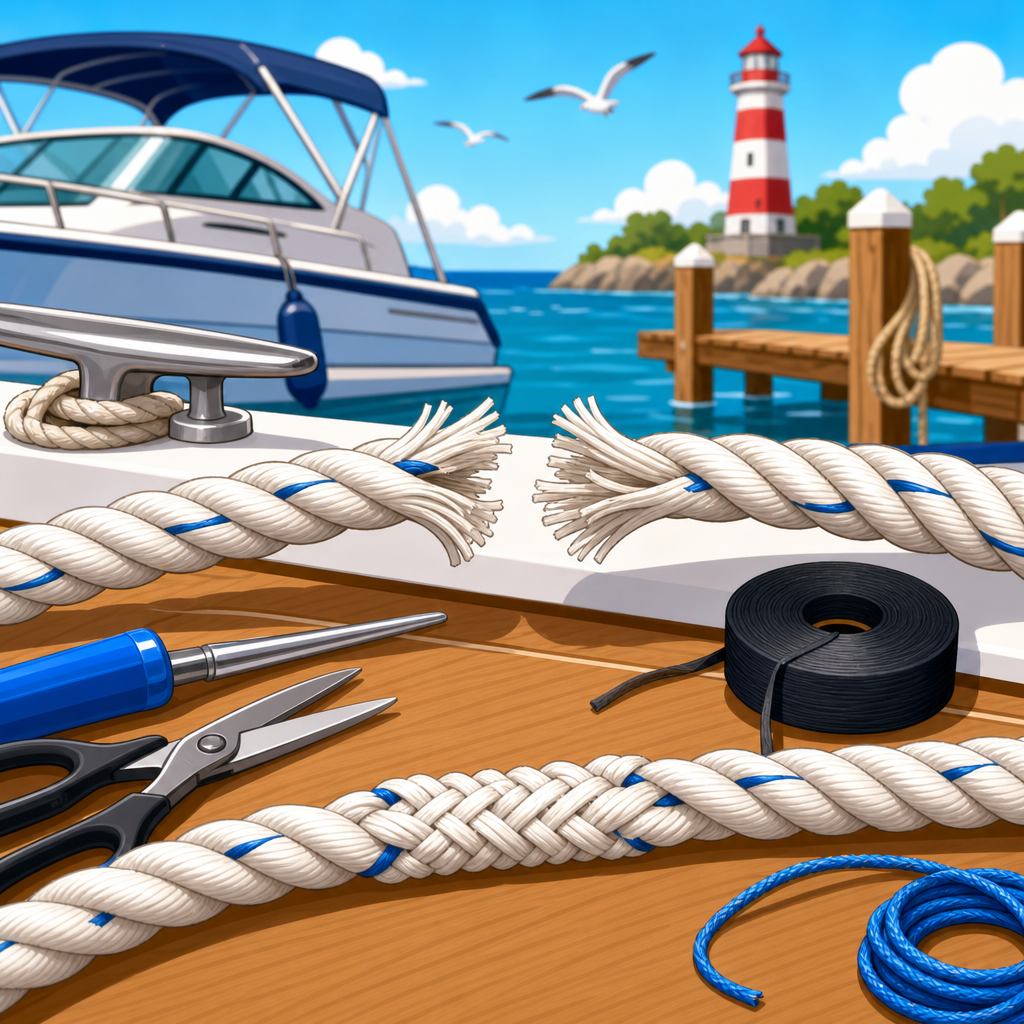
Gather supplies before you start. A typical kit includes fuel stabilizer, marine engine oil, oil filters, lower-unit gear lube, grease, corrosion inhibitor, fogging oil where applicable, muffs or a flushing attachment, absorbent pads, a hand pump, spare drain plugs, desiccant or moisture absorbers, rodent deterrent, and enough pink marine/RV antifreeze for every freshwater and raw-water accessory that needs freeze protection. Use only non-toxic propylene glycol antifreeze in domestic water and sanitation systems, and use products rated for the temperatures your storage location may actually see. The burst protection rating matters more than the misleading “freeze point” shorthand printed on some containers. Planning at this stage prevents skipped systems later.
Fuel, Engine, and Drive Protection
Fuel stabilization should happen while the gasoline or diesel is still fresh and before the last run of the season. Add the stabilizer at the dosage specified on the product label, then run the engine long enough to pull treated fuel through the lines, filters, pumps, vapor separators, injectors, or carburetors. For gasoline boats, keeping the tank mostly full can reduce condensation in many storage situations, but the right fill level depends on manufacturer guidance, expected temperature swings, and whether the tank material is aluminum or plastic. Diesel owners should focus on microbial growth and water management, using a diesel stabilizer and checking separators and primary filters before layup.
Change engine oil and the filter before storage, not after. Used oil contains acids, moisture, and combustion byproducts that should not sit against internal engine surfaces all winter. Warm the engine first so contaminants suspend in the oil and drain more completely. In sterndrive and inboard applications, inspect transmission fluid as well. On outboards and sterndrives, replace lower-unit gear lube and pressure-test the gearcase if you suspect seal leakage. Milky lube indicates water intrusion, which can freeze and damage internal components. This is one of the most common and most expensive oversights I see when owners assume “it ran fine” means the gearcase is safe for storage.
Raw-water sides of cooling systems must be drained fully or displaced with antifreeze. On some inboards, that means opening block drains, manifold drains, coolers, sea strainers, and hoses low in the system. On many outboards, simply storing in the full down position after draining allows water to exit correctly. Closed-cooling engines still have raw-water sections that require attention, including heat exchangers, exhaust manifolds on some setups, raw-water pumps, and oil coolers. If you circulate antifreeze through the intake, make sure the thermostat has opened or that you are following the model-specific bypass procedure; otherwise, pockets of raw water can remain trapped.
Fogging depends on engine design. Older carbureted two-strokes and some four-strokes often benefit from fogging oil introduced through the intake according to manufacturer guidance. Many modern EFI engines have specific procedures and warnings, and some do not require traditional fogging. What never changes is external corrosion protection. Spray suitable corrosion inhibitor on linkages, exposed metal, electrical connections that allow it, and battery terminals after cleaning. Grease steering pivots, prop shafts after propeller removal, and trailer bearings if service is due. If your boat uses a sterndrive, inspect the prop shaft for fishing line behind the prop because hidden seal damage often starts there.
Water, Waste, and Onboard Systems
Freshwater systems, heads, livewells, baitwells, washdowns, air-conditioning circuits, and bilge plumbing each need their own winterizing step. Drain freshwater tanks if recommended by the manufacturer, then run pumps to clear lines and introduce non-toxic antifreeze until it reaches every faucet, transom shower, and spray head. Water heaters require special attention because they hold several gallons that can freeze if overlooked. Many boats have bypass valves that let you protect the lines without filling the entire heater tank with antifreeze. Sanitation systems should be pumped out, rinsed where appropriate, and then protected by moving antifreeze through the toilet, intake, discharge lines, macerator, and holding tank pathways as applicable.
Because seasonal prep can involve many overlapping tasks, it helps to organize systems by risk and action. The table below reflects the order I use in the yard when training new owners and deckhands.
| System | Main Risk in Winter | What to Do | Common Mistake |
|---|---|---|---|
| Fuel | Oxidation, phase separation, microbial growth | Add stabilizer and run engine to circulate treated fuel | Adding stabilizer after the final run |
| Engine cooling | Freeze cracks in blocks, manifolds, pumps, hoses | Drain completely or circulate correct marine antifreeze | Missing low-point drains or bypass loops |
| Freshwater plumbing | Split pumps, fittings, faucets, heater tanks | Drain and pump antifreeze through every outlet | Forgetting transom showers and washdowns |
| Batteries | Sulfation, discharge, terminal corrosion | Clean, charge fully, and maintain with a smart charger | Leaving batteries partially discharged |
| Interior and cover | Mold, mildew, fabric staining, trapped moisture | Clean, dry, ventilate, and support cover properly | Sealing damp cushions inside the cabin |
Do not forget bilge pumps and sump boxes. Even if a bilge pump itself can tolerate residual water, discharge hoses and check valves may not. Pour antifreeze into the bilge or sump in measured amounts and trigger the pump until pink fluid exits the through-hull. The same idea applies to livewells and washdown pumps, which frequently crack because owners think only the engine matters. If your boat has shore-power-connected accessories such as battery chargers, dehumidifiers, or climate control, inspect cords, inlets, galvanic protection, and marina policies before leaving systems energized. Winter storage failures often begin with overlooked auxiliary equipment rather than the main propulsion package.
Batteries, Electronics, Interior Care, and Storage Setup
Batteries should be fully charged, cleaned, and stored according to type and climate. Flooded lead-acid batteries need electrolyte levels checked before charging. AGM and lithium batteries require charger compatibility; a charger suitable for flooded cells may not use the correct profile for lithium iron phosphate packs with a battery management system. In freezing conditions, a discharged lead-acid battery is far more likely to freeze than a fully charged one. If batteries stay aboard, isolate loads and use a quality marine smart charger, not an automotive trickle charger that can overcharge for months. If they come off the boat, label every cable and keep batteries in a cool, dry place on maintenance charge.
Electronics last longer when they are removed or protected. Portable chartplotters, fishfinders, VHF handhelds, EPIRBs, tablets, and expensive sensors should be taken home if practical. Fixed displays can remain aboard if the boat is dry and secure, but connectors should be inspected for corrosion and covered where appropriate. Back up waypoints and software settings before storage. Winter is also the right time to update navigation charts, review service bulletins, and log equipment serial numbers for insurance. I advise owners to remove all handheld flares approaching expiration, check PFDs for mildew, and inventory first-aid kits and throwable devices so spring safety prep is not rushed.
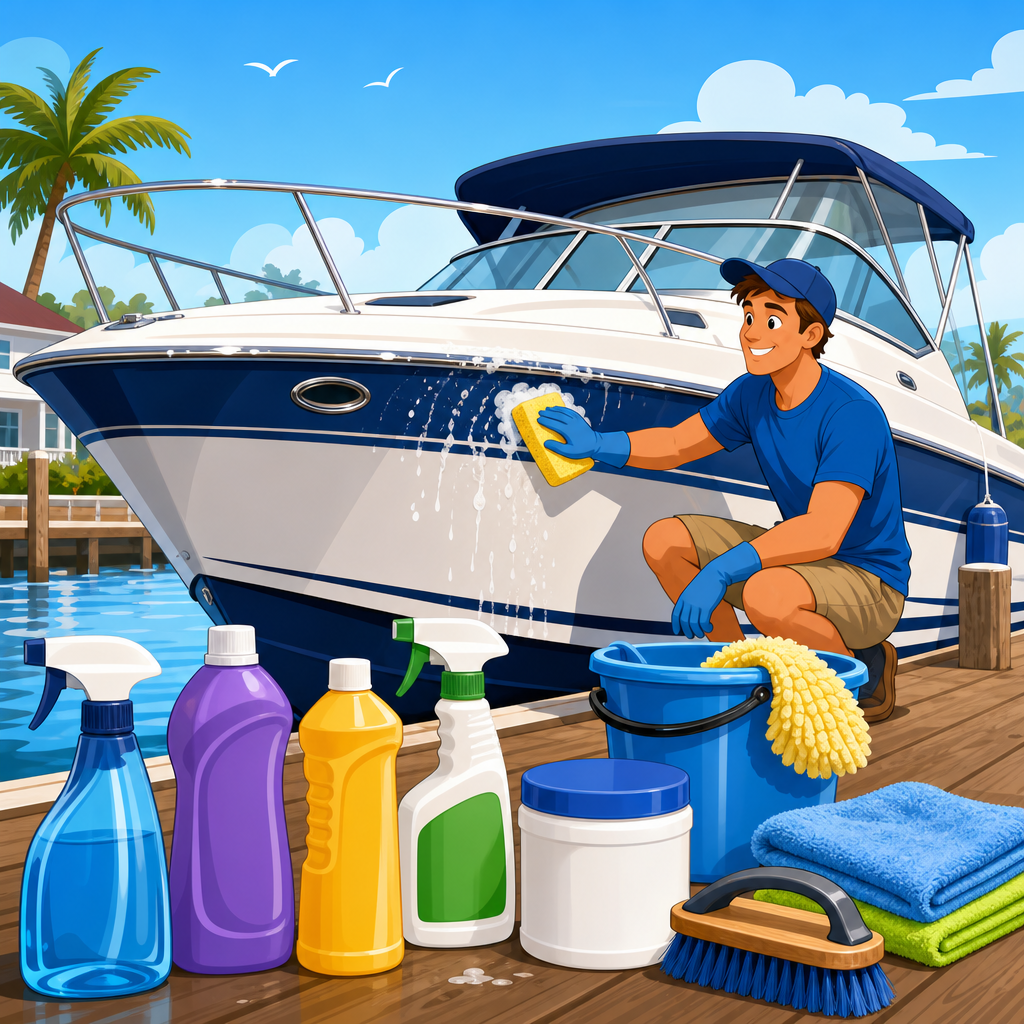
Inside the boat, clean all surfaces thoroughly before storage. Organic residue invites mold and pests. Empty lockers, remove food and liquids, prop open drawers and refrigerators, and stand cushions on edge if they are staying aboard. Ventilation matters more than heavy fragrance products. A supported, well-fitted cover that sheds water and allows airflow prevents more problems than any mildew spray alone. For outdoor storage, create a ridge or frame so snow and rain cannot pool. Shrink wrap can work very well if vents are installed and chafe points are padded. For trailer-stored boats, check tire pressure, block the frame if appropriate, and avoid leaving all weight on one contact patch for months.
Storage location changes the winterizing strategy. Indoor cold storage reduces UV and snow load but does not eliminate freezing risk. Heated storage may lower the urgency of antifreeze in some systems, but relying on building heat alone is risky unless temperatures are monitored and guaranteed. Wet storage introduces another layer: de-icers, bilge reliability, dockline chafe protection, and marina-specific rules. In northern regions, most owners haul out because ice movement can damage hulls and docks even when systems are technically winterized. Whatever the location, photograph the boat after storage prep is complete. Those photos are useful for insurance claims, spring reassembly, and confirming how support poles, straps, and lines were positioned.
Common Winterizing Mistakes and How to Avoid Them
The biggest winterizing mistake is assuming one generic checklist fits every boat. A center console with twin outboards, raw-water washdown, and no cabin has different priorities than a cruiser with an inboard, generator, galley, enclosed head, and air-conditioning pump. Another frequent error is using automotive antifreeze where non-toxic marine antifreeze is required, especially in potable water and sanitation systems. Owners also skip running stabilized fuel through the engine, leave water trapped in low spots, and forget accessories such as ice makers, cockpit sinks, diesel heaters, accumulators, and freshwater foot pumps. In spring, those overlooked items become the reason a “properly winterized” boat still leaks or will not run right.
Timing mistakes are equally costly. Waiting until the first hard freeze can turn a simple layup into emergency damage control. Winterize immediately after the last trip, while systems are still operational and problems can be diagnosed. Keep records of what was drained, what received antifreeze, what oil and filters were used, battery voltage readings, and any defects deferred to off-season repair. That record supports warranty claims, resale value, and safer commissioning. If you are unsure about one procedure, hire a certified marine technician for that system and do the rest yourself. Start your checklist now, source the right supplies, and make this winter the season your boat comes through storage without surprises.
Frequently Asked Questions
What does it actually mean to winterize a boat, and why is it so important?
Winterizing a boat means preparing all of its vulnerable systems to sit safely through freezing weather and long-term storage without suffering damage. It is not just about putting on a cover and parking the boat for a few months. A proper winterization routine protects the engine, fuel system, plumbing, batteries, interior, and onboard equipment from the kinds of problems that develop when a boat is left inactive in cold, damp conditions. Freezing temperatures can crack engine blocks, manifolds, pumps, hoses, and water lines if any water is left behind. Old fuel can degrade and create varnish, sludge, and hard-starting issues in spring. Moisture trapped inside the boat can lead to mildew, corrosion, odors, and damage to upholstery, electronics, and wood finishes.
When done correctly, winterizing reduces the risk of expensive repairs and makes spring commissioning much faster and less stressful. Instead of discovering a split hose, a dead battery, stale fuel, or mold in the cabin, you are starting the new season with systems that were intentionally protected. Whether you have a small outboard fishing boat, a sterndrive runabout, or an inboard cabin cruiser, the principle is the same: remove or protect anything that can freeze, degrade, corrode, or absorb moisture while the boat is stored. Think of winterization as preventive maintenance with a seasonal deadline. It is one of the most cost-effective habits a boat owner can develop.
What systems should be winterized on a boat before storage?
The exact checklist depends on the type of boat and how it is powered, but the major systems are fairly consistent. The engine is always the top priority. On an outboard, that usually means flushing it, changing gearcase lubricant, stabilizing the fuel, fogging if recommended by the manufacturer, and storing the engine in the proper position so water drains out completely. On inboards and sterndrives, winterization is more involved because raw-water cooling passages, manifolds, heat exchangers, strainers, pumps, and associated hoses may all hold water that can freeze. These systems must be drained correctly and, in many cases, protected with the right type of marine antifreeze.
The fuel system should also be addressed. Add a marine fuel stabilizer at the proper ratio, then run the engine long enough for treated fuel to circulate through the lines and components. Batteries need attention too. Depending on your setup, that may mean removing them, cleaning the terminals, charging them fully, and keeping them on a smart maintenance charger in a safe location. Water systems are another major category. Any freshwater tanks, sinks, faucets, showers, washdown pumps, livewells, bait wells, heads, and holding tank components need to be drained and winterized as applicable. Sensitive gear such as portable electronics, safety equipment, textiles, and valuables should be removed, cleaned, and stored in a dry environment. Finally, the boat itself needs storage preparation: clean and dry the interior, support the cover so water and snow do not pool, and allow enough ventilation to reduce condensation and mildew.
Should I drain the water systems, use antifreeze, or do both?
In many cases, the safest answer is both. Draining removes most of the water, which is an important first step because it reduces dilution and helps antifreeze do its job effectively. But drainage alone is not always enough. Low spots in hoses, pumps, fixtures, valves, coolers, sea strainers, and plumbing runs can trap water. Even a small amount left in the wrong place can freeze, expand, and crack a fitting or housing. That is why many experienced boat owners drain systems thoroughly and then pump non-toxic marine antifreeze through them for a final layer of protection.
It is important to use the correct product. For domestic water and sanitation systems, use non-toxic propylene glycol marine/RV antifreeze rated for the temperatures you expect, and never assume windshield washer fluid is an acceptable substitute. For engines, follow the engine manufacturer’s specific winterization procedure because some systems must be drained fully before antifreeze is introduced, and some closed-cooling engines still have raw-water sections that need separate protection. Toilets, macerators, sumps, washdowns, and livewell pumps are common places people forget. The goal is simple: every component that can retain water should either be fully drained, fully protected with the proper antifreeze, or ideally both if the design makes hidden water pockets likely. If you are uncertain, consult the owner’s manual or a qualified marine technician, because using the wrong method on an engine can cause real damage.
How do I winterize the engine and fuel system properly?
Start with the manufacturer’s service recommendations for your specific engine, because procedures differ between outboards, inboards, and sterndrives. In general, begin by stabilizing the fuel while it is still fresh. Add the correct amount of marine fuel stabilizer to the tank, then run the engine long enough for treated fuel to reach the fuel lines, injectors, carburetor, and filters. This matters because untreated fuel left sitting for months can oxidize and leave behind deposits that cause rough running and hard starting. Many owners also top off the tank to reduce condensation, though the best approach can vary depending on the boat and storage conditions, so it is worth following the guidance for your fuel system.
For the engine itself, flush any raw-water-cooled passages as required, then drain or protect them according to the proper procedure. Change engine oil and filter before storage if recommended, since contaminated oil sitting in the engine all winter is not ideal. Change the gearcase or drive lubricant as well; if you find milky oil, that is a sign of water intrusion and should be addressed before storage. Fogging may be recommended for some engines to protect internal components, though many modern fuel-injected engines have model-specific guidance and should not be fogged casually. Inspect belts, hoses, clamps, and fuel lines while you are there. Grease fittings where required. If the boat has a raw-water pump impeller due for replacement, offseason is a smart time to handle it.
The biggest mistake is assuming a quick flush is enough. It is not. Water left in a block, manifold, cooler, pump housing, or hose can freeze and crack expensive components. The other common mistake is stabilizing fuel but not running the engine afterward, which leaves untreated fuel in critical parts of the system. Done right, engine and fuel winterization protects the most expensive machinery on the boat and greatly improves your chances of a trouble-free spring startup.
What are the most common boat winterization mistakes to avoid?
The number one mistake is incomplete water removal. People often drain the obvious parts of the boat but forget the hidden ones: low spots in hoses, washdown pumps, livewells, strainers, transom showers, air-conditioning circuits, heads, and water heater lines. Those overlooked pockets are exactly where freeze damage happens. Another common error is using the wrong antifreeze or not using enough of it. Marine systems should be protected with the correct product for the application, and it should be run through until the proper concentration is clearly present at every outlet or discharge point.
Fuel neglect is another big one. Leaving old fuel untreated over winter can create deposits and moisture issues that turn into poor performance in spring. Battery mistakes are also frequent. A battery left discharged in freezing conditions can be permanently damaged, and dirty or loose terminals can create avoidable problems later. Many owners also underestimate the importance of ventilation and cover support. A tightly covered boat without airflow can trap moisture, while a poorly supported cover can sag, collect water or snow, and cause fabric damage, hardware stress, or interior leaks. Failing to remove food, fabrics, electronics, and valuables from the boat is another recipe for mildew, odors, and unnecessary wear.
Finally, one of the most preventable mistakes is not using a checklist. Winterizing involves many small steps, and it is easy to forget one if you rely on memory. A written checklist tailored to your boat’s systems helps ensure consistency year after year. It also gives you a useful record in spring when you are recommissioning the boat. If there is one takeaway, it is this: winterization rewards thoroughness. Small shortcuts in the fall often become expensive repairs in the spring.