Boat plumbing basics start with understanding that a marine freshwater system is a pressurized network of tanks, hoses, pumps, vents, filters, fixtures, drains, and electrical controls designed to deliver clean water reliably in motion, heat, cold, and corrosion-prone conditions. On any cruising sailboat, trawler, fishing boat, or houseboat, this system supports drinking, cooking, washing, showering, and toilet operation, so small faults quickly become major comfort, safety, and maintenance problems. I have worked through enough leaking lockers, air-locked pumps, contaminated tanks, and burned-out pressure switches to know that freshwater issues rarely begin as dramatic failures; they usually start as neglected clamps, stale water, scale buildup, bad winterizing, or wiring faults that strain the pump. For owners building out a practical boat maintenance and repairs routine, electrical and plumbing systems belong together because water delivery depends on power, switches, fuse protection, and battery condition as much as it depends on hoses and fittings. This hub article explains the core components, routine maintenance, sanitation practices, troubleshooting methods, seasonal procedures, and upgrade decisions that keep a boat freshwater system dependable. It also serves as a central guide to the broader electrical and plumbing systems category, linking the everyday checks you perform at the dock with the deeper repair topics you may tackle next, from pump replacement and tank cleaning to leak detection and circuit testing.
How a boat freshwater system works
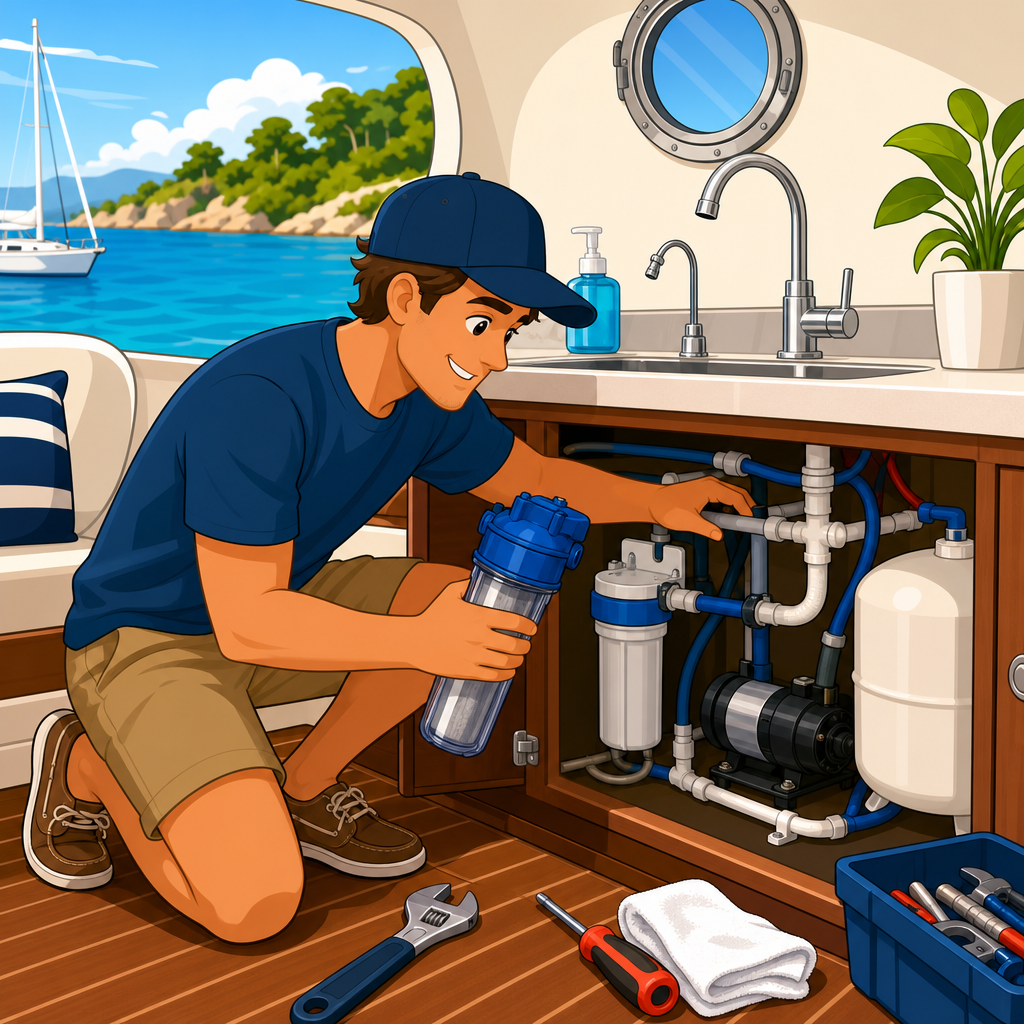
A typical boat freshwater system stores potable water in one or more polyethylene, aluminum, or stainless tanks. Water exits the tank through a pickup tube or bottom outlet, passes through a strainer, then enters a 12-volt DC pressure pump. The pump pressurizes the distribution lines, usually to roughly 30 to 50 psi depending on the model, and a pressure switch turns the pump on when system pressure drops after a faucet opens. An accumulator tank may be installed downstream to smooth pulsation, reduce pump cycling, and protect fittings. From there, water flows to galley sinks, heads, cockpit showers, transom washdowns, and water heaters if the boat has hot water. Vents admit air to the tank as water leaves, preventing vacuum lock. Fill hoses and deck fills allow replenishment, while inspection ports support cleaning and inspection.
On boats, every freshwater component must tolerate vibration, temperature swings, and a damp environment. That is why marine systems use reinforced potable-water hose or PEX tubing, corrosion-resistant clamps, ignition-protected electrical parts where required, and secure mounting. Unlike residential plumbing, marine plumbing is compact, difficult to access, and often routed through bilges, lockers, and bulkheads that can chafe hoses over time. A freshwater leak can soak joinery, damage wiring, trigger bilge pumps, and create mold inside closed compartments. Understanding the system layout is therefore the first maintenance task. Trace every line from tank to tap, identify shutoff points, note hose sizes, pump rating, fuse location, and filter type, and label what each branch serves. That simple map saves hours later.
Essential inspections and preventive maintenance
The best freshwater maintenance routine is boring, repeatable, and scheduled. Monthly during the boating season, inspect tanks for odor, discoloration, and signs of biofilm around inspection ports. Check fill caps and O-rings, confirm vent lines are open, and ensure hose clamps are tight but not cutting into hose material. Look for salt crust, green corrosion on terminals, rust streaks under fasteners, and dampness beneath pumps or manifolds. Open each faucet and listen to the pump. A healthy system pressurizes quickly, shuts off cleanly, and stays off until water is demanded. If the pump cycles every few minutes with all fixtures closed, you likely have a leak, a weeping check valve, or a failing pressure switch.
Sanitation matters just as much as mechanical inspection. Potable water tanks should be disinfected periodically, especially after layup, contamination, or long storage in warm climates. A common practice is using unscented household bleach at a measured dilution, circulating treated water through every fixture, allowing proper contact time, then flushing thoroughly until odor is gone. Always verify the tank manufacturer and sanitizer guidance because concentration and material compatibility matter. Replace carbon taste filters on schedule, but remember that carbon filters are not substitutes for tank disinfection; they improve taste and odor yet can become bacterial growth sites if left unchanged. For boats cruising in questionable water-quality regions, add sediment prefiltration at the fill point or use dedicated drinking-water purification rather than relying on the main system alone.
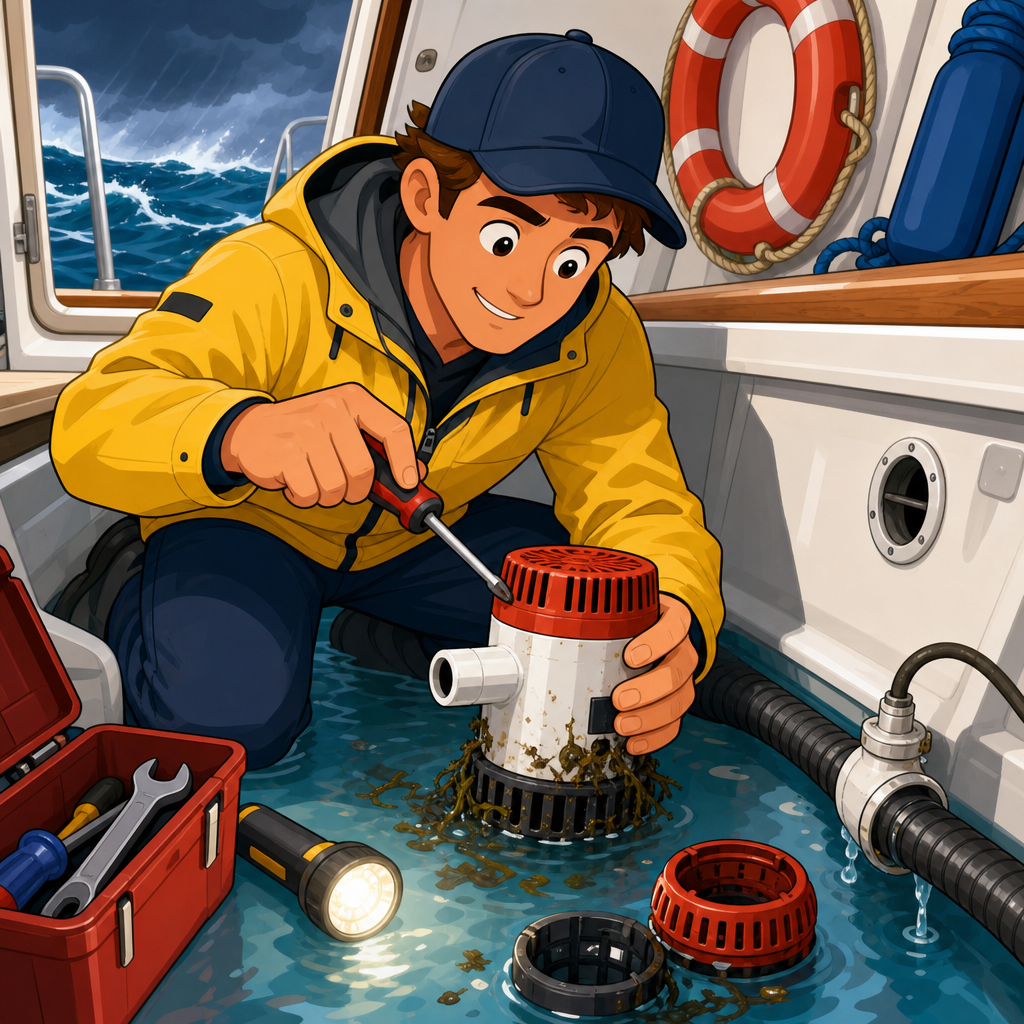
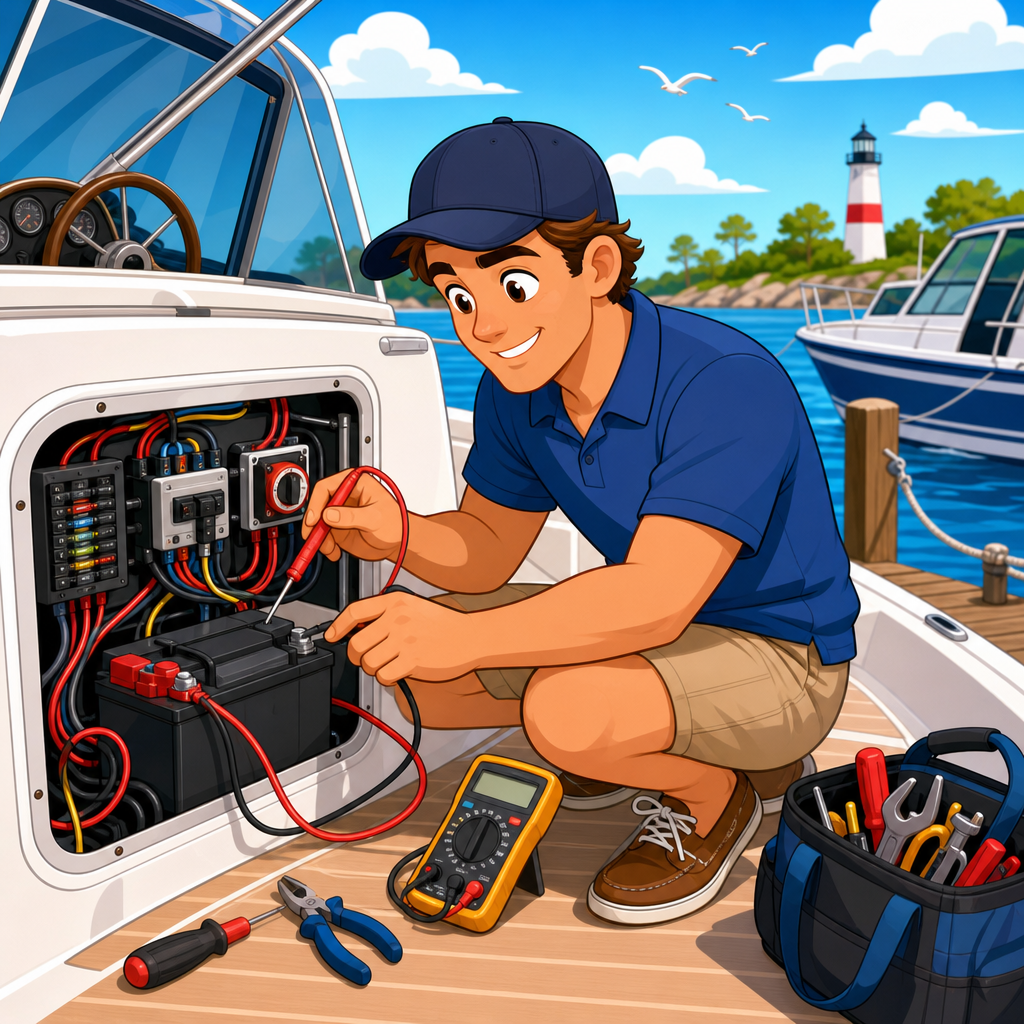
Electrical checks belong in the same maintenance round. Confirm the pump circuit is protected with the correct fuse or breaker specified by the manufacturer, inspect crimp terminals for heat damage, and check voltage at the pump while it is running. In practice, low voltage is one of the most common hidden causes of weak flow and premature pump death. A pump designed for 12 volts that receives 10.8 volts under load may run hot, pull more current, and struggle to build pressure. Clean connections, support wires properly, and keep pump wiring above bilge water. If the pump sounds strained after long runs, do not assume the motor is failing; test for clogged strainers, collapsed hose, restricted vents, or suction-side air leaks first.
Common freshwater problems and how to diagnose them
Most freshwater faults fall into a short list: no water flow, weak pressure, pump cycling, bad taste or odor, leaks, noisy operation, or tank gauge inaccuracies. Diagnose them systematically. If there is no water at any faucet, verify tank level, pump switch position, breaker status, fuse continuity, and voltage at the pump. Check the inlet strainer for debris and confirm the tank vent is clear. If the pump runs but delivers little water, inspect for clogged aerators, kinked hoses, blocked filters, air leaks on the suction side, or worn pump valves and diaphragm. If pressure fluctuates or pulses heavily, confirm accumulator precharge and look for air trapped in the hot-water circuit after refilling the system.
Pump short-cycling deserves special attention because it wastes battery power and reveals developing trouble. If the pump turns on briefly without any faucet open, isolate branches if possible. Shut individual fixture valves, then watch whether cycling stops. Common culprits include a dripping transom shower, a leaking toilet solenoid feed, a water heater relief valve that opens as water expands, or a tiny seep at a push-fit fitting hidden behind cabinetry. Dye tablets in dry bilges, tissue paper wrapped around suspect joints, and pressure monitoring over time all help locate elusive leaks. I have also found many false leak hunts caused by a cracked pump strainer bowl or grit trapped in the pump’s internal check valve, allowing pressure to bleed back toward the tank.
Water quality complaints often point to maintenance gaps rather than hardware failure. Rotten-egg odor can come from bacterial growth in stagnant water or reactions inside a neglected water heater. Plastic taste may follow new hose installation if low-quality non-potable hose was used. Cloudy water can result from aeration after tank refill, but persistent cloudiness suggests contamination. In these cases, clean the tank, sanitize the system, inspect hoses for proper potable-water rating, and service the water heater if installed. If one fixture alone has poor taste, replace that branch hose or faucet aerator. Treat the symptom, but also find the source. Freshwater systems do not improve with partial fixes.
Core components, failure signs, and service priorities
| Component | What it does | Common failure signs | Best maintenance action |
|---|---|---|---|
| Water tank | Stores potable water | Odor, contamination, cracked fittings, inaccurate level readings | Inspect, clean, sanitize, secure, check vents and sender |
| Pressure pump | Pressurizes distribution lines | Noise, weak flow, overheating, cycling, failure to prime | Clean strainer, test voltage, rebuild or replace valves and diaphragm |
| Accumulator tank | Reduces pulsation and cycling | Rapid pump cycling, pressure swings | Set air precharge to specification, replace bladder if failed |
| Hoses and fittings | Carry water through the boat | Leaks, kinks, chafe, taste transfer, cracked tees | Use potable-rated hose or PEX, support runs, replace aged clamps |
| Strainer and filters | Protect pump and improve water quality | Restricted flow, debris, odor, bypass leaks | Clean screens, replace cartridges, lubricate seals lightly |
| Wiring and protection | Powers pump safely | Voltage drop, blown fuse, hot terminals, intermittent operation | Measure voltage under load, replace corroded terminals, verify fuse size |
Seasonal care, winterizing, and recommissioning
Winterizing prevents some of the most expensive freshwater repairs. When water freezes, it expands enough to split pump housings, crack filter bowls, damage faucet cartridges, rupture hoses, and deform water heater tanks. The correct winterizing method depends on climate, storage conditions, and whether the boat remains in the water, but the principle is constant: remove or displace all water vulnerable to freezing. Drain tanks if practical, bypass and drain the water heater, open faucets, run the pump briefly to clear lines, and then introduce marine-rated, non-toxic propylene glycol antifreeze into the system until it flows from every fixture, including showers, washdowns, and rarely used branches. Do not use automotive antifreeze. It is toxic and inappropriate for potable systems.
Before winter layup, also clean and sanitize the system so stagnant contamination does not sit for months. Remove and store filter cartridges if the manufacturer recommends it. Disconnect or isolate power to the pump after winterizing so it cannot run dry unexpectedly. In spring commissioning, reverse the process carefully. Reconnect drained components, inspect every clamp and fitting, flush antifreeze thoroughly, sanitize the system again if needed, and test under pressure before loading the boat for a trip. This is when hidden cracks reveal themselves. Fill the tank partway, pressurize the system, and inspect each branch with bright light and dry paper towels. A ten-minute dockside pressure test can prevent a soaked interior underway.
Owners in warm regions should still think seasonally. Long off-season storage in heat accelerates biofilm growth, dries seals, and hardens hose. Boats left unused for months often develop stale water, stuck pump valves, and seized faucet cartridges even without freeze risk. The fix is regular circulation, sanitation, and occasional operation of every fixture. If a boat has a watermaker, preserve it according to the membrane manufacturer’s instructions and keep its plumbing separate in your maintenance records. Freshwater systems age fastest when they are forgotten.
Upgrades, best practices, and building your maintenance hub
If your system is reliable but outdated, targeted upgrades can improve performance without a full replumb. An accumulator tank is one of the highest-value additions on boats with chattering pumps. PEX tubing with proper marine support and quality fittings can make future service easier than old opaque hose runs. Clear-lid strainers simplify inspections. Water level senders matched to modern monitoring systems improve tank management, and dedicated drinking-water taps with fine filtration reduce demand on bottled water storage. For larger boats, manifold-based distribution makes isolation and troubleshooting dramatically easier. If you are replacing a pump, size by actual flow needs and fixture count, not by the highest gallons-per-minute rating on the shelf. Oversized pumps cycle hard, draw more current, and amplify noise.
Because this article is the hub for electrical and plumbing systems within boat maintenance and repairs, use it as the starting point for a practical knowledge base. The logical next subjects are pump replacement, hose and PEX installation, freshwater tank cleaning, water heater service, leak tracing, toilet and sanitation plumbing, bilge pump wiring, battery voltage-drop testing, and corrosion prevention around wet compartments. Keep records of model numbers, hose diameters, sanitizer procedures, wiring diagrams, and winterizing dates in one place. That documentation turns reactive repairs into controlled maintenance. The main lesson is simple: a boat freshwater system stays dependable when you treat plumbing and electrical support as one integrated system, inspect it routinely, sanitize it correctly, and fix small warning signs before they become failures. Start with a full system map and seasonal checklist, then build your maintenance plan from there.
Frequently Asked Questions
What are the main components of a boat freshwater system, and how do they work together?
A boat freshwater system is essentially a compact, pressurized plumbing network built to deliver clean water reliably in a harsh marine environment. The core components usually include a freshwater tank, fill deck fitting, tank vent, supply hoses, a pressure pump, a strainer or pre-filter, optional inline water filters, faucets and shower fixtures, a water heater on some boats, drains, and the electrical switches or breakers that power the pump. On many boats, the system also connects to the head, especially if the toilet uses freshwater for flushing rather than raw water.
Here is how the system typically works in practice: water is added to the tank through the deck fill, and air escapes through the vent so the tank can fill properly without pressure buildup. From the tank, water travels through hoses to the pump. The pump pressurizes the lines and sends water to sinks, showers, and other fixtures. When you open a faucet, system pressure drops, the pump senses the change, and it switches on automatically to restore pressure and maintain flow. When you close the faucet, pressure rises back to the pump’s cut-off setting, and the pump turns off. If the system includes a water heater, cold water is routed into the heater and then distributed as hot water to the appropriate fixtures.
Each part matters. The vent prevents vacuum lock and tank deformation. The strainer helps protect the pump from debris. The hoses and clamps must resist vibration, moisture, and corrosion. The fixtures and drains must function properly while the boat pitches and rolls. Because everything is interconnected, a problem in one area can affect the entire system. A clogged vent can make filling difficult, a worn pump diaphragm can cause pressure cycling, and a loose hose clamp can lead to leaks that damage cabinetry, promote mold, or deplete your water supply unexpectedly. Understanding how these parts work together makes troubleshooting and preventative maintenance much easier.
How often should I inspect and maintain my boat’s freshwater system?
The best maintenance schedule is a layered one: quick checks before every outing, more deliberate inspections monthly during the season, and a deeper service routine at least once or twice a year. Before a trip, confirm the tank has clean water, the pump primes normally, faucets run smoothly, and there are no obvious drips in lockers, under sinks, or near the pump and tank. It only takes a few minutes, but these checks can prevent bigger onboard problems later.
During the boating season, inspect hose runs, clamps, filters, and the pump every month or so, especially if you use the system heavily. Look for cracked or stiff hoses, green or white corrosion around fittings, moisture near joints, unusual pump noise, and any signs that the pump is cycling when no fixture is open. That kind of intermittent cycling often points to a slow leak, a failed check valve, trapped air, or pressure loss somewhere in the system. Clean the pump strainer as needed, because even minor debris can reduce flow and strain the pump.
At least annually, sanitize the entire freshwater system, inspect the tank interior if accessible, replace worn hose clamps, and evaluate any inline water filters according to the manufacturer’s recommendations. If your boat has a hot water heater, inspect its fittings, pressure relief valve, and mounting hardware. Seasonal boats also need winterization before freezing weather and recommissioning in spring. Boats in warm climates that stay in service year-round still benefit from scheduled sanitation and inspection, because stagnant water, biofilm, and heat can degrade water quality over time. A well-maintained system is not just about convenience; it protects your pump, preserves water quality, reduces leak risk, and extends the life of expensive onboard equipment.
Why does my freshwater pump keep turning on and off when no faucet is open?
If your freshwater pump cycles on and off with all fixtures closed, it usually means the system is losing pressure somewhere. In a healthy pressurized system, the pump should bring the lines up to pressure and then remain off until a faucet, shower, or toilet draws water. When it turns on by itself, even briefly, that is a sign pressure is bleeding off.
The most common cause is a leak. Start by checking visible plumbing connections at the tank, pump, strainer, water heater, faucets, shower mixer, and head supply line. Some leaks are obvious, but others are slow enough to stay hidden in lockers, behind access panels, or in bilge spaces. Also check the pump strainer lid and O-ring, because a poorly seated lid can create suction-side air leaks or pressure-side seepage. If your boat has an accumulator tank, inspect it too, since a failed bladder or improper air charge can contribute to erratic pump behavior.
Not all pressure loss comes from a dripping fitting. A worn pump check valve or internal diaphragm can allow pressure to bleed back toward the tank, causing short cycling even when no water is escaping into the boat. A water heater pressure relief valve may also weep intermittently. On boats with a transom shower or washdown connection, a partially open valve or faulty fixture can be the culprit. To diagnose the issue methodically, turn off branch valves if your system has them and isolate sections one at a time. This helps narrow down whether the problem is in the galley, head, shower, hot water loop, or pump itself. Addressing pump cycling quickly matters, because repeated unnecessary starts shorten pump life, waste battery power, and may signal a leak that can cause structural or interior damage over time.
How do I sanitize and keep the freshwater tank and plumbing safe for drinking water?
Sanitizing the freshwater system is one of the most important maintenance jobs on a boat, particularly if the boat sits unused between trips or if the water has been exposed to heat for long periods. Tanks and hoses can develop biofilm, odors, and bacterial growth even when the water looks clear. A proper sanitation routine helps maintain taste, odor, and safety while protecting everyone onboard who uses the water for drinking, cooking, brushing teeth, and washing.
The standard process begins by draining as much old water as possible from the tank and lines. Then add a freshwater-safe sanitizing solution, commonly based on household bleach in the correct diluted ratio for the tank capacity. Fill the tank with potable water, run each faucet one at a time until you smell the sanitizing solution, and include hot and cold sides so the water heater and all branch lines are treated. Let the solution sit in the system for the recommended contact time, then drain and flush thoroughly with clean water until odor and taste return to normal. If the system has replaceable carbon filters, it is usually best to remove or bypass them before sanitizing and install fresh elements afterward, since carbon media can absorb disinfectant and reduce effectiveness.
Long-term water quality also depends on good habits. Use only potable-water-safe hoses for filling, and keep fill caps, hose ends, and dockside water connections clean. Do not let the fill hose drag on the dock or sit in dirty lockers. Keep the tank vent screened and unobstructed so it can breathe without drawing in contamination. If your boat sits for a long time in hot weather, avoid leaving partially full tanks stagnant for months. Either refresh the water periodically or drain and sanitize before the next cruise. If you notice recurring bad taste, sulfur smell, slime, or discoloration, do not just mask it with filters. Inspect the tank, vent, hoses, and fittings, because old hose material, contamination at the fill point, or microbial growth in low-flow sections may be the underlying issue. Clean water onboard depends on both sanitation and disciplined handling practices.
What are the best ways to prevent leaks, clogs, and cold-weather damage in a marine freshwater system?
Prevention starts with using the right materials and paying attention to small warning signs before they become major repairs. Marine plumbing lives in a demanding environment: constant vibration, temperature swings, salt exposure, movement, and limited access all accelerate wear. To prevent leaks, inspect hose clamps regularly and replace any that show corrosion, stripped screws, or poor fit. Hoses should be supported properly, protected from chafe, and routed to avoid sharp bends or tension at fittings. If you see hose ends becoming brittle, swollen, discolored, or cracked, replace them before they fail. Also make sure the pump is mounted securely and that its vibration is not stressing nearby fittings.
To reduce clogs and flow problems, keep the tank clean, clean the pump strainer routinely, and replace inline filters on schedule. A blocked vent can also create filling and delivery problems, so it should be checked as part of seasonal maintenance. Faucet aerators and shower heads can collect sediment or scale and should be cleaned if flow drops. If the boat is supplied with dock water at times, use a pressure regulator where appropriate, because excessive dockside pressure can damage internal plumbing and create hidden leaks. Good system labeling and shutoff valves for key branches can also save time when diagnosing issues or isolating a problem underway.
For cold-weather protection, proper winterization is essential. Water left in pumps, hoses, mixers, filters, and heaters can freeze, expand, and crack components even if the damage is not visible until spring. Winterizing usually involves draining the tank, bypassing and draining the water heater if installed, removing filter elements where required, and pumping marine-safe, non-toxic antifreeze through all freshwater