Plastic waste is one of the most preventable forms of pollution created by recreational boating, yet it remains common because so many onboard habits rely on disposable packaging, single-use drink containers, synthetic gear, and poorly planned storage. Reducing plastic waste while boating means replacing throwaway items with durable alternatives, choosing eco-friendly boating gear designed for repeated marine use, and building simple routines that stop trash from blowing overboard or breaking down into microplastics. For boat owners, charter guests, anglers, paddlers, and day cruisers, this matters for three reasons: cleaner water, lower long-term gear costs, and better compliance with marina rules and waste-disposal standards. I have seen the difference firsthand on boats that switched from convenience-based packing to system-based packing; cleanup became easier, lockers stayed organized, and crew generated far less rubbish after a full day on the water.
Eco-friendly boating gear is not a niche category reserved for offshore sailors or environmental nonprofits. It includes reusable galley supplies, refillable hydration systems, low-shed textiles, durable dock and deck accessories, non-toxic cleaning tools, repairable storage containers, and purchasing choices that reduce upstream packaging waste before a boat even leaves the dock. The goal is not perfection or a dramatic overnight refit. The practical goal is to remove the highest-volume disposable items first, then redesign onboard routines so reduced waste becomes normal. This article serves as a hub for that process by covering the major gear categories, the buying criteria that matter in a marine environment, and the operating habits that keep plastic out of lakes, rivers, bays, and coastal waters. If you want a cleaner boat and a smaller environmental footprint, start with the gear choices you control every trip.
Why plastic waste from boats is a serious environmental problem
Plastic waste from boating causes harm in both obvious and hidden ways. The obvious problem is litter: bottles, snack wrappers, bait packaging, zip ties, broken bucket lids, and fragments of cheap accessories can blow off decks, slip from swim platforms, or escape during dockside unloading. The hidden problem is fragmentation. Sunlight, abrasion, and salt exposure make plastic brittle, so lost items break into smaller pieces that are harder to recover and easier for fish, birds, and invertebrates to ingest. According to the National Oceanic and Atmospheric Administration, marine debris persists for years and can travel significant distances, which means a single careless day on the water can contribute to a much larger pollution stream.
Boats also create plastic waste indirectly through purchasing patterns. Cases of bottled water, individually wrapped snacks, disposable cutlery, shrink-wrapped maintenance supplies, and low-cost accessories that fail after one season all add to the waste burden. In my experience auditing gear lockers for cruising and fishing boats, the biggest offenders are not dramatic items; they are repeated conveniences. A crew that brings twenty single-serve drinks, disposable bait tubs, and a bag of takeout condiments every weekend creates far more waste over a summer than one that uses stainless bottles, bulk food containers, and refill stations. That is why reduction works best when it is framed as a systems issue, not just a cleanup issue.
Start with a waste audit before buying new eco-friendly boating gear
The most effective first step is a simple waste audit. After your next outing, lay out every piece of trash generated onboard and sort it into categories: drink containers, food packaging, cleaning supplies, fishing-related plastics, broken gear, and miscellaneous dockside packaging. This reveals where change will have the biggest effect. On many family runabouts, beverage containers dominate. On angling boats, soft-plastic lure packaging, monofilament spools, and bait bags are major contributors. On overnight cruisers, galley packaging and toiletry bottles usually lead the list.
A waste audit prevents the common mistake of buying attractive “green” products that do not address the actual problem. If your crew already uses reusable tumblers, replacing them again solves nothing. If torn dry-bag liners and disposable food bags fill the trash bin every trip, those items deserve attention first. Document what you find, estimate monthly volume, and prioritize changes by frequency and failure rate. This approach saves money and makes later decisions about storage systems, refill methods, and cleaning routines far more precise.
Choose reusable galley and hydration systems that work offshore and at the dock
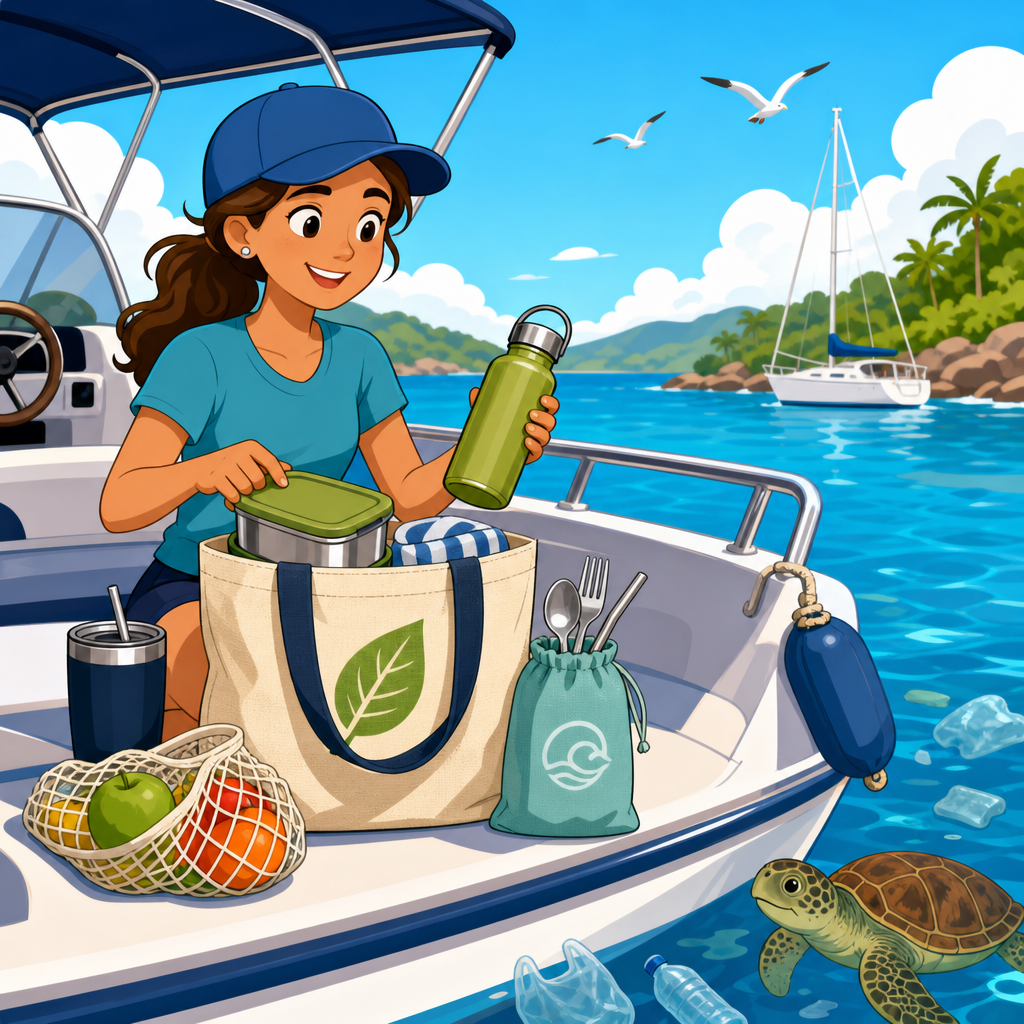
The easiest plastic reductions usually come from food and drink management. Replace single-use water bottles with insulated stainless steel bottles, BPA-free refillable jugs, or integrated freshwater dispensers when the boat has adequate tank capacity. For day boats, a dedicated cooler stocked with refillable bottles works well. For cruisers, marked bottles for each crew member reduce mix-ups and cut the temptation to bring backup disposables. Brands such as YETI, Hydro Flask, Klean Kanteen, and Nalgene all offer durable options, but the best choice is the one that fits cup holders, survives drops, and is easy to clean in a compact sink.
Food storage should move from cling film and throwaway sandwich bags toward leak-resistant reusable containers made from stainless steel, silicone, or heavy-duty polypropylene intended for repeated use. Silicone storage bags are especially useful on boats because they flatten when empty and resist punctures better than thin plastic bags. Pair them with compact nesting containers for fruit, sandwiches, bait-free snacks, and leftovers. Avoid fragile glass on smaller powerboats where motion and deck impact are common. For utensils, select marine-friendly sets of stainless flatware, reusable plates, and insulated mugs stored in a dedicated caddy so they are always easier to grab than disposables.
Replace short-life accessories with durable marine-grade alternatives
A surprising amount of plastic waste comes from accessories that are technically reusable but not durable enough for real marine conditions. Cheap clothespins, brittle storage bins, thin phone pouches, low-grade fenders, and bargain deck organizers often crack under ultraviolet exposure or fail after repeated wet-dry cycles. When that happens, owners replace them frequently, creating a hidden stream of plastic waste that rarely gets counted. Buying marine-grade alternatives reduces both disposal volume and onboard frustration.
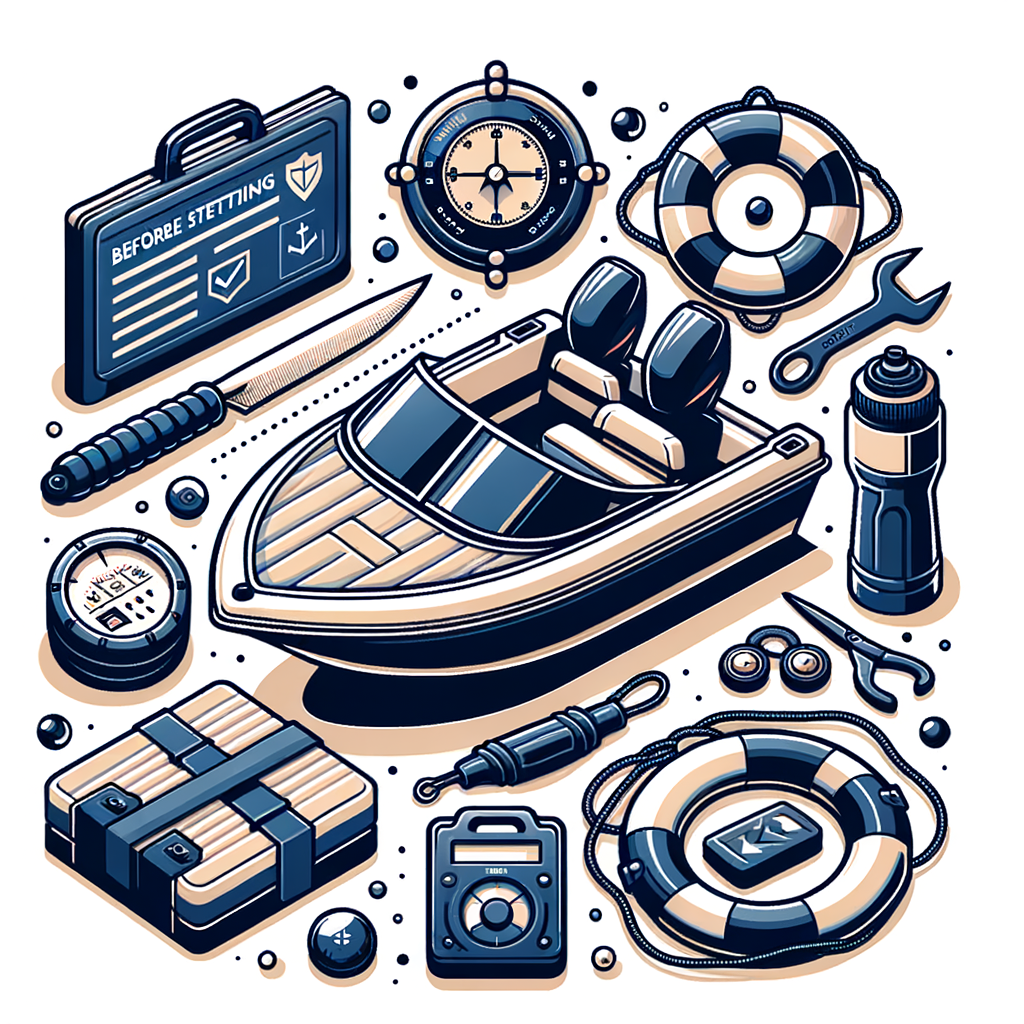
Look for UV-stabilized polymers, corrosion-resistant fasteners, reinforced stitching, and products with replaceable parts. A tackle organizer with a gasketed latch and modular dividers is better than disposable bait tubs and random zip bags. A quality dock line holder or canvas storage pouch outlasts discount bins that become brittle in one season. Even small upgrades matter: reusable cable ties, metal snap hooks, refillable soap dispensers, and repair patches for inflatables can prevent a chain of frequent small purchases. The sustainable option in boating is often the item built to survive vibration, salt, sunlight, and impact for years.
Prioritize low-shed textiles and cleaning tools to reduce microplastics
Not all plastic pollution is visible. Synthetic ropes, fleece garments, scrub pads, towels, and seat-cover fabrics can shed microfibers and fragments during use and washing. On boats, that matters because deck runoff and rinse water often reach the surrounding environment quickly. When choosing eco-friendly boating gear, think beyond obvious trash and consider materials. Natural-fiber towels for certain galley uses, long-life microfiber products from reputable brands, and deck brushes with replaceable heads can reduce total waste compared with repeatedly discarding low-quality cleaning kits.
For clothing and soft goods, prioritize durability, not disposable trends. Technical apparel is often synthetic for legitimate performance reasons, especially for foul-weather protection, but lower churn still means less waste. Wash shore-side when possible, follow care guidance to limit fiber loss, and keep damaged textiles in service for dirty jobs rather than discarding them immediately. For cleaning chemicals, concentrated formulas in refillable containers are usually better than purchasing multiple ready-to-use spray bottles. A single refill system for soap, all-purpose cleaner, and spot treatment can eliminate dozens of small plastic containers over a season.
Use smart purchasing criteria when evaluating eco-friendly boating gear
Marketing claims around sustainability vary widely, so boaters need a simple decision framework. The most useful buying criteria are longevity, repairability, material transparency, packaging reduction, and end-of-life options. Longevity comes first because the greenest product is often the one you do not need to replace. Repairability matters next. Can you replace the lid, gasket, strap, buckle, valve, or brush head instead of discarding the whole item? Material transparency means the brand clearly states what the product is made from and why. Packaging reduction is also important; some “eco” items arrive wrapped in layers of unnecessary plastic, undermining the claim.
| Gear category | Common plastic-waste problem | Better option | What to check before buying |
|---|---|---|---|
| Water and drinks | Single-use bottles and cups | Insulated reusable bottles and bulk dispensers | Leak resistance, cleaning access, fit in holders |
| Food storage | Zip bags, wrap, takeout containers | Silicone bags and durable nesting containers | Seal quality, stackability, dishwasher safety |
| Fishing storage | Bait tubs and lure packaging | Reusable tackle boxes and refill bins | Latch strength, gasket, divider flexibility |
| Cleaning supplies | Disposable wipes and spray bottles | Concentrates and refillable dispensers | Dilution guidance, marine-safe ingredients |
| Deck accessories | Cracked bins and cheap organizers | UV-stable marine-grade storage | Drainage, mounting options, replacement parts |
Certifications can help, but they should support, not replace, common sense. Recycled content is valuable, yet a poorly made recycled item that breaks quickly is still wasteful. Likewise, compostable products sound appealing, but many require industrial composting and perform poorly in wet, windy boat conditions. In practice, the best gear choices combine fewer replacements, less packaging, and easier maintenance. That combination delivers measurable waste reduction without compromising safety or usability.
Build onboard habits that prevent trash loss and improve marina disposal
Even excellent gear fails if onboard routines are careless. Every boat that aims to reduce plastic waste should have three basic systems: secure containment, clear sorting, and end-of-trip accountability. Secure containment means lidded bins, clipped bags, or enclosed lockers for all trash before departure. Open grocery bags on deck are invitations for windblown litter. Clear sorting means separating recyclables, fishing line, and general waste where local facilities support that practice. End-of-trip accountability means one person checks cup holders, storage trays, transom areas, and dock boxes before anyone leaves.
Marina behavior matters too. Use monofilament recycling stations where available, return shrink-wrap and maintenance packaging through local programs, and never assume dockside bins accept mixed recyclables without checking rules. During provisioning, remove excess packaging on shore when possible instead of carrying it onto the boat. For charter groups and guests, post a short waste checklist near the galley or helm. I have done this on heavily used boats, and it consistently cuts loose trash because people follow visible systems more reliably than verbal reminders. Waste reduction becomes easiest when the boat itself guides good behavior.
Create a long-term plastic reduction plan for every type of boat
The best results come from a staged plan rather than random swaps. For small day boats, start with beverages, snacks, and a secure trash container. For fishing boats, focus on tackle organization, line disposal, and reusable bait or lunch storage. For towboats and pontoons carrying larger groups, standardize cups, plates, and refill stations because guest behavior drives most waste. For cruising sailboats and cabin boats, combine bulk provisioning, refillable cleaners, and durable galley systems with regular inventory checks so duplicate disposable items do not creep back aboard.
Review your setup at the start and end of each season. Track which products lasted, which were inconvenient, and which habits slipped under real conditions. Then upgrade only where the audit shows a clear need. That is the central benefit of this eco-friendly boating gear hub: it helps you move from isolated product swaps to a coherent low-waste operating system. Reduce disposable inputs, choose marine-grade reusables, and maintain simple routines that keep every item contained and accounted for. Start with your next trip: audit the trash, replace the top three repeat offenders, and build a cleaner boating kit that protects the waters you enjoy.
Frequently Asked Questions
1. What are the most effective ways to reduce plastic waste while boating?
The most effective approach is to prevent disposable plastic from coming onboard in the first place. Start by replacing common single-use items with durable alternatives: reusable water bottles instead of bottled drinks, refillable food containers instead of plastic bags or wrap, metal or hard-plastic cups instead of throwaway cups, and washable utensils instead of disposable cutlery. Before each trip, repack snacks and supplies at home so you are not opening excessive packaging on the water, where lightweight wrappers can easily blow away. It also helps to create a dedicated onboard waste system with clearly separated bins or bags for trash and recyclables, both with secure lids or closures. In practice, reducing plastic waste while boating is less about one major change and more about improving everyday habits, storage, provisioning, and cleanup so plastic never has a chance to become marine debris.
2. Why is plastic waste such a serious issue in recreational boating?
Plastic waste is especially problematic on boats because even small items can quickly enter the water through wind, wave action, or simple oversight. A bottle cap, food wrapper, zip tie, bait package, or broken gear fragment may seem minor onboard, but once it goes overboard, it can persist in the marine environment for years. Over time, larger plastic items break down into smaller pieces rather than fully disappearing, contributing to microplastic pollution that can affect fish, birds, shellfish, and other marine life. Recreational boating plays a meaningful role here because many common onboard routines still rely on convenience packaging and disposable supplies. That means preventable waste often accumulates trip after trip. By recognizing that even routine boating activities can contribute to long-term water pollution, boaters are better positioned to make practical changes that protect waterways, shorelines, and wildlife.
3. What reusable or eco-friendly boating gear should I switch to first?
The best items to replace first are the ones you use most often and throw away most frequently. Reusable drink bottles, insulated tumblers, refillable beverage jugs, food storage containers, cloth towels, reusable shopping bags, and durable dishware usually make the biggest immediate difference. You can also look for marine-friendly gear made for repeated use, such as long-lasting deck brushes, refillable soap systems, silicone storage bags, and dockside provisioning totes that help keep food and supplies organized without relying on plastic sacks. When choosing eco-friendly boating gear, durability matters as much as material. Products designed for marine conditions should resist moisture, sun exposure, salt, and repeated handling so they do not crack, shed, or need constant replacement. In other words, the most sustainable upgrade is often the one that lasts season after season and reduces both waste and clutter onboard.
4. How can I keep plastic trash from blowing overboard or getting lost during a trip?
The key is to make waste control part of your normal boating routine rather than an afterthought. Keep a dedicated trash container in an easy-to-reach location, and make sure it can be closed, clipped, or secured so contents stay contained in wind and motion. Avoid leaving wrappers, cups, bags, or bait packaging loose on seats, counters, or deck surfaces. As soon as an item becomes trash, put it directly into a secured bin. It is also smart to assign storage zones for food, drinks, and gear so packaging does not spread across the boat. Before getting underway, do a quick deck check, and repeat that check before accelerating, anchoring, docking, or trailering. If you are boating with guests, explain where trash goes as part of your safety and courtesy briefing. These simple habits significantly reduce the chance that lightweight plastic items will escape and become pollution.
5. How can I build a low-waste boating routine that is realistic for family trips or longer outings?
A realistic low-waste routine starts onshore with planning. Make a checklist before each outing that includes refilling water bottles, packing meals in reusable containers, bringing a dedicated trash bag and recycling bag, and loading cleaning cloths instead of paper products. For family trips, portion food ahead of time so you are not opening multiple snack packs on the water. For longer outings, choose larger refillable containers for water, drinks, and pantry staples rather than buying many individually packaged items. Keep a small lidded bin for everyday trash and a backup bag for overflow so waste stays managed even on busy trips. At the end of the day, do a full sweep of compartments, cup holders, deck spaces, and storage areas to collect small plastic pieces before they blow away at the dock or launch. The goal is not perfection but consistency. When low-waste habits are built into provisioning, storage, and cleanup, reducing plastic waste becomes convenient, repeatable, and much easier to maintain over time.