Boating can become one of the best family traditions when adults plan the day around how children actually experience the water. Kids need movement, variety, clear safety rules, and activities matched to their age, attention span, and confidence level. In practical terms, boating for families and kids means choosing routes, gear, games, and routines that make children feel secure while giving them reasons to stay curious. When that balance is right, a boat stops feeling like a place where they must sit still and starts feeling like a floating basecamp for exploration.
I have found that the families who enjoy boating most are not always the ones with the biggest boats or the most expensive equipment. They are the ones who understand that a successful outing for children is measured differently. Adults may care about distance, fuel burn, fishing results, or reaching a destination. Children care about spotting wildlife, steering for a minute, jumping in for a supervised swim, eating snacks on deck, and winning a simple game. If those moments are built into the plan, kids begin associating boating with fun instead of boredom.
This matters because positive early experiences shape lifelong boating habits. The National Safe Boating Council and U.S. Coast Guard repeatedly emphasize life jacket use, supervision, and operator attention, but safety alone does not create enthusiasm. Families need repeatable ideas that keep kids engaged while reinforcing good habits such as listening to instructions, respecting weather changes, and helping with simple onboard tasks. A strong family boating routine also reduces stress for parents, because engaged children are less likely to take unnecessary risks or become frustrated during long idle stretches.
As a hub topic within Boating Basics & Education, boating for families and kids covers more than entertainment. It includes age-appropriate safety, trip planning, simple seamanship, weather awareness, food, breaks, watersports readiness, and ways to help nervous children gain confidence. The best games and activities are not random add-ons. They support learning, attention, and comfort on the water. When families approach boating this way, children not only have more fun, they also become more capable passengers and, eventually, more responsible boaters.
Start with safety routines that feel simple, not scary
The fastest way to make boating fun for kids is to remove uncertainty before the boat leaves the dock. Children relax when they know what happens first, what the rules are, and what they are allowed to do. I recommend a short pre-departure routine every time: put on properly fitted life jackets, point out handholds, identify the no-go areas near propellers and cleats, explain when children must stay seated, and show them where water, sunscreen, and towels are stored. Repetition helps. Kids do better when the rules sound the same on every trip.
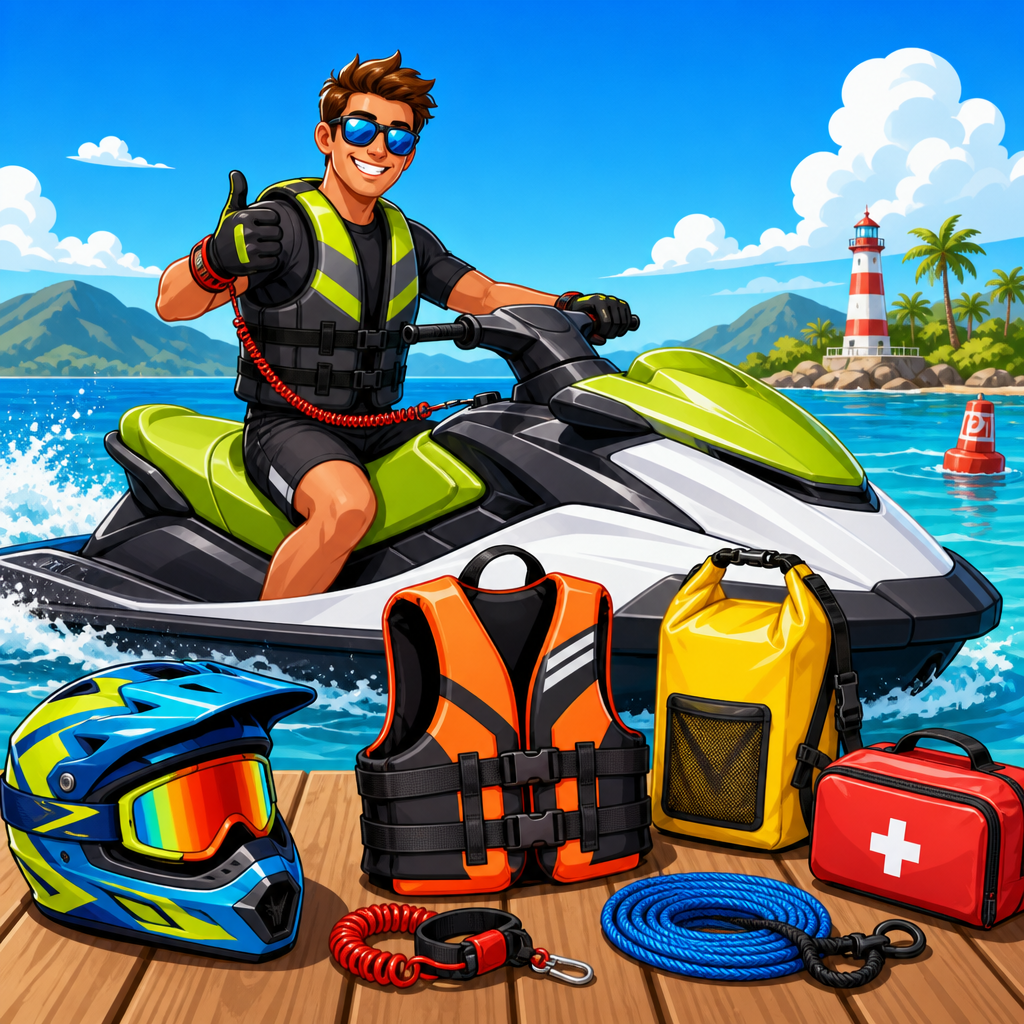
Use Coast Guard approved life jackets sized for the child’s weight and intended activity. Check that the jacket does not ride up over the chin or ears when lifted at the shoulders. For young children, choose models with a crotch strap and grab handle if appropriate. Explain the jacket in plain language: it is not a punishment, it is part of boating, just like seat belts in a car. Parents who treat life jackets as normal gear rather than a negotiable issue usually get less resistance after the first few outings.
Keep the briefing positive. Instead of leading with danger, frame instructions around teamwork. Say, “Here is how we move safely when the boat is underway,” or, “Your job is to keep one hand on the rail when you walk.” Give children one responsibility each, such as counting dock lines, helping spot channel markers, or announcing when fenders are in. A child with a job feels included and pays attention. That improves safety and reduces the restless behavior that often starts when kids feel ignored.
Match activities to age, energy, and boat time
Not every child enjoys boating in the same way, and the most common planning mistake is treating all kids as if they have the same stamina. Toddlers usually enjoy short rides, splashing, snacks, and repetitive games. Elementary-age kids often like scavenger hunts, wildlife spotting, beginner fishing, tubing if conditions allow, and helping with simple boat tasks. Preteens may enjoy navigation, wake sports, photography, and more responsibility. Teenagers often engage more when they are trusted with real participation, such as route checks, anchoring observation, or handling a tow rope under direct supervision.
Trip length matters as much as activity choice. For younger children, two high-quality hours often work better than an all-day plan that runs into fatigue, sun exposure, and hunger. Build the day around short segments: ride, stop, snack, swim, game, quiet time, then ride again. On cruisers or pontoons, rotate between active and calm periods so children do not get overstimulated. On fishing boats, alternate between actual fishing and side activities such as dropping a viewing bucket overboard, checking a chart, or comparing bait and tackle.
Weather, noise, and motion also change what feels fun. A child who loves tubing on a calm morning may become withdrawn in afternoon chop. Another may enjoy a fast run but dislike engine noise at idle. Watch for early signs of discomfort: silence, unusual fussiness, glassy eyes, or lying down. Adjust before the mood collapses. Successful family boating is flexible boating. The plan should fit the children on board, not the adults’ ideal itinerary.
Use games that work naturally on a boat
The best boating games use the setting instead of fighting it. Children do not need a pile of toys if adults know how to turn the ride into a series of small missions. “Color hunt” works well for younger kids: find a red buoy, a white boat, a green marker, a blue kayak, and a yellow life jacket. “Wildlife bingo” is another reliable choice. Create a simple card before the trip with gulls, pelicans, ducks, fish jumps, crab traps, sailboats, bridges, and channel markers. This keeps kids scanning the environment instead of asking constantly how much longer the ride will take.
Navigation games are especially useful because they teach real boating awareness. Ask children to help spot port and starboard markers, count no-wake signs, or identify landmarks on shore that match the chartplotter display. On lakes, have them compare coves, docks, and tree lines. On coastal trips, ask them to notice tide changes at the ramp or around marsh grass. These games feel practical because they are practical. Kids are learning orientation without sitting through a lecture.
Story-based games also work. One family I boated with created “captain challenges” for each outing: find three birds, identify another boat type, help with lines, and remember the name of the bay. Completing the challenge earned first choice of snacks or tow-sport order. The reward was small, but the structure kept the children interested through setup, transit, and cleanup. Boats are ideal environments for simple, repeated games because the scenery changes enough to keep each round fresh.
| Activity | Best Age Range | What Kids Learn | When It Works Best |
|---|---|---|---|
| Color or buoy hunt | 3–8 | Observation, marker awareness | Underway at moderate speed |
| Wildlife bingo | 5–10 | Patience, habitat awareness | Slow cruising or anchoring |
| Junior navigator | 8–14 | Direction, landmarks, chart basics | Transit legs |
| Dock helper tasks | 7–15 | Responsibility, procedure | Departure and arrival |
| Beginner fishing challenge | 6–16 | Technique, persistence | Calm stops or drifts |
Build in hands-on activities that teach boating skills
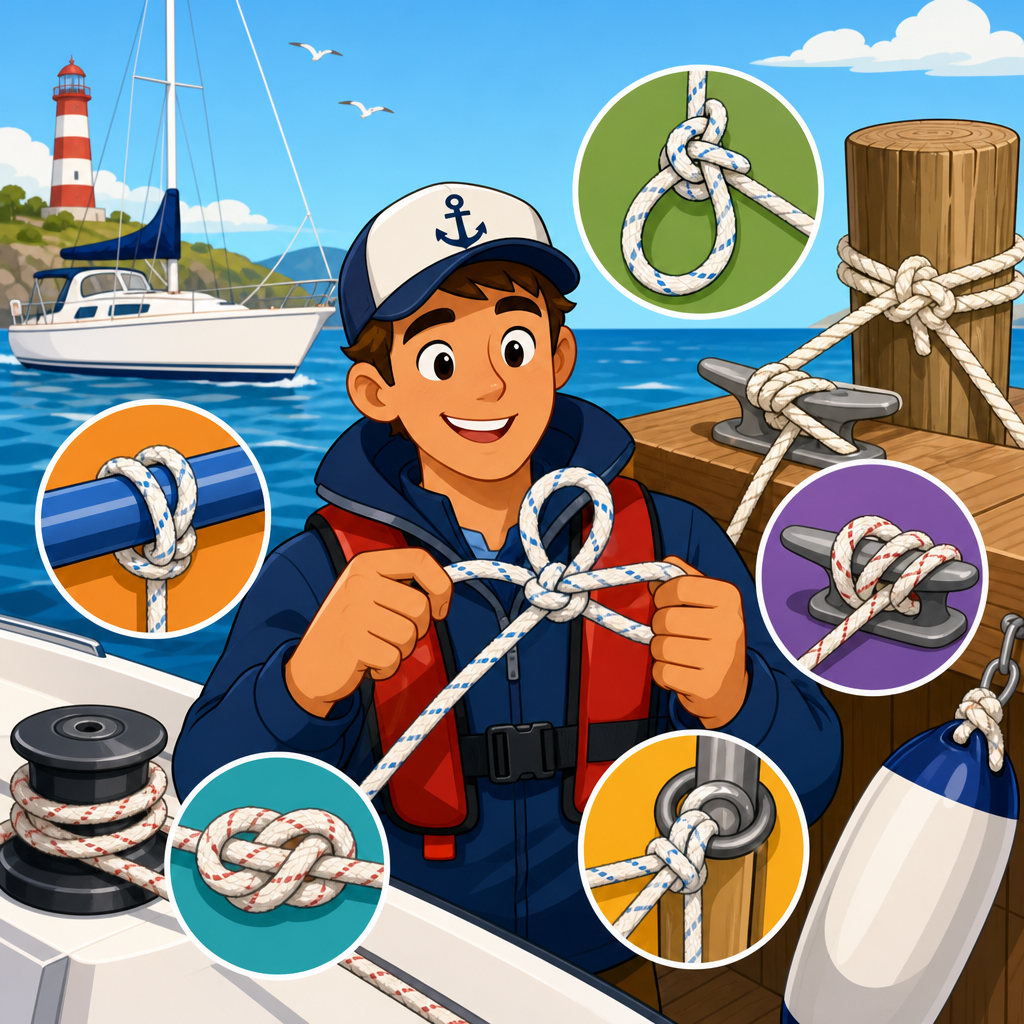
Kids enjoy boating more when they feel capable. That does not mean handing over serious responsibilities too early. It means giving them controlled, visible roles. Let them hold the washdown hose while you rinse the deck. Show them how to coil a line without stepping into loops. Ask them to compare the depth reading in one area to another. Teach them how to look astern before a turn or how to confirm that a ladder is fully down before swimming. These are real boating skills presented in child-sized pieces.
One of the most effective activities is “captain for one minute.” In safe, open water and only when conditions allow, let a child place a hand on the wheel while you maintain full control. Pair that moment with one simple instruction, such as keeping the bow pointed at a landmark. Children remember this because it feels authentic. On future trips, they become more attentive to headings, wakes, and the way wind pushes the boat. Even if they are years from operating independently, they begin understanding how boats respond.
Basic fishing is another strong family activity because it combines waiting, action, and visible results. Keep it simple. Use easy rigs, short rods, barbless hooks where suitable, and target species that bite consistently. Children who catch small fish quickly usually have more fun than children waiting an hour for one large fish. If the fishing is slow, switch to crabbing, shrimping, or dropping a camera bucket to look at the bottom in clear water. The point is not forcing one activity; it is sustaining interest through adaptation.
Plan comfort, food, and downtime as carefully as the route
Many parents assume kids get bored because the boat ride is too slow or the destination is not exciting enough. In reality, discomfort causes more family boating meltdowns than boredom. Heat, glare, dehydration, wet clothing, hunger, and motion sickness can turn a good plan into a miserable one. Shade is not optional for children. Whether you have a bimini, T-top, cabin, or umbrella at anchor, create a defined cool-down area. Pack more water than you think you need, and bring familiar snacks that are easy to eat with wet hands.
Choose boating food that is predictable and low mess. Cut fruit, wraps, crackers, cheese sticks, and resealable drink bottles work better than elaborate meals that require balancing plates. A snack schedule helps more than waiting for children to announce they are hungry. I have seen many rough afternoons improve immediately after a shaded break with water and simple food. If the trip is long, pack a dry bag with backup clothes, towels, and a light layer. Kids who are cold after swimming stop enjoying the day quickly, even in warm climates.
Downtime matters too. Not every minute should be programmed. Some children want ten minutes to sit, watch wake patterns, or look through binoculars. Quiet activities such as drawing what they saw, taking photos, or logging the day’s route in a small notebook can reset energy levels. This is especially helpful on cruising days when the family cannot stop frequently. Planned rest keeps the outing from becoming a string of demands.
Create memorable stops: swimming, beaches, and shore exploration
For many children, the highlight of boating is not the ride itself but what the boat allows them to reach. A sandbar, protected cove, quiet beach, or island picnic stop gives the day a clear purpose. Choose locations with manageable current, known bottom conditions, and enough room away from traffic. Before anyone enters the water, shut down engines, secure the ladder, confirm supervision roles, and establish boundaries the child can understand, such as staying between the stern and a floating mat.
Swimming activities do not need to be elaborate. A floating mat, dive toys in calm shallow water, shell collecting on a beach, or a short shoreline nature walk can be enough. In tidal areas, explain changes children can observe directly: exposed oyster beds, moving grass lines, or stronger current near an inlet. On lakes and reservoirs, point out how shoreline shape affects calm water versus wind chop. These moments make the stop educational without becoming formal instruction.
Shore exploration is also where family boating creates lasting memories. Kids remember finding tracks in the sand, naming a hermit crab, or spotting an osprey nest from shore. Bring a small mesh bag for shells or litter cleanup. Turning part of the stop into stewardship teaches respect for waterways in a concrete way. Children who help leave a place cleaner often feel proud of being “real boaters,” not just passengers.
Keep the day positive with realistic expectations and repeatable traditions
The most fun family boating days are usually the ones adults intentionally simplify. Leave margin for slow loading, bathroom stops, sunscreen reapplication, and sudden changes in mood or weather. If conditions deteriorate, end early without treating the day as a failure. Children remember the overall feeling of the outing more than the mileage covered. A short trip that ends well builds enthusiasm for the next trip; a long stressful one can create resistance that lasts all season.
Traditions help. A favorite cove, a first mate checklist, end-of-day ice cream at the marina, or a photo taken at the helm after every outing gives children something stable to anticipate. Repetition is powerful because it turns boating into a familiar family rhythm instead of a complicated event. Over time, children begin to prepare themselves, ask better questions, and take pride in their growing skills. That progression is what makes boating with kids truly rewarding.
To make boating fun for kids, focus on three things: safety that feels routine, activities matched to age and energy, and comfort planned as carefully as navigation. Add simple games, hands-on jobs, memorable swim or beach stops, and a few repeatable traditions, and most children will stay engaged far longer than parents expect. If you want stronger family boating habits, start small, keep the day flexible, and build one successful outing at a time. The next time you leave the dock, give every child a role, a game, and a destination worth remembering.
Frequently Asked Questions
1. How can I make boating more fun for kids without turning the day into constant entertainment?
The best way to make boating fun for kids is to build the day around a simple rhythm of safety, movement, and short activities rather than trying to entertain them every minute. Children usually enjoy boating most when they know what to expect, feel physically comfortable, and have a few engaging things to do along the way. Start by setting clear expectations before leaving the dock. Explain where they can sit, when they need to hold on, when life jackets stay on, and what parts of the trip will be calm, active, or quiet. That structure helps children relax because they understand the rules and the routine.
Once underway, think in short segments. Younger children often do better with activities that last 10 to 20 minutes, while older kids may stay interested longer if they have a challenge or a role. Simple options work especially well, such as a boat scavenger hunt, spotting buoys and wildlife, cloud-shape contests, “captain says,” waterproof card games, or helping track landmarks on a map. You can also assign age-appropriate jobs like handing out towels, watching for birds, counting markers, or helping prepare snacks. These small responsibilities make kids feel included and useful instead of passive.
It also helps to plan for natural breaks. Swimming stops, beach landings, snack time, tubing, fishing, or just floating in a calm cove can reset attention and energy. For many children, the most enjoyable boating day is not the one packed with nonstop activities, but the one that mixes action with quiet moments and allows them to move, ask questions, and explore. In other words, fun usually comes from thoughtful planning and variety, not from over-scheduling.
2. What are the best boating games and activities for different age groups?
The best boating games for kids depend heavily on age, confidence around water, and how much motion the boat will have. Toddlers and preschoolers usually respond best to simple, sensory, and highly supervised activities. Good choices include pointing out boats by color, counting seagulls, listening for water sounds, tossing soft floating toys during swim breaks, or playing easy “I spy” games using safe, visible objects on deck. At this stage, attention spans are short, so frequent transitions matter more than complex rules.
For elementary-age children, the range of options expands quite a bit. This is often the sweet spot for scavenger hunts, junior navigator activities, wildlife bingo, simple fishing, knot-tying practice, float-and-search games in shallow water, and beginner photography with a waterproof camera. Kids in this age group often love missions and challenges, so turning the outing into an adventure works well. For example, they can help follow the route, record things they spot, or complete a list of boating tasks such as identifying a lighthouse, finding three different birds, or helping prepare a picnic stop.
Older kids and tweens usually enjoy activities that feel more independent and skill-based. They may like wake sports, tubing, more advanced fishing, learning basic navigation terms, helping with anchoring routines, or using a chart to track destinations. They may also enjoy trivia contests, timed scavenger challenges, or photography and video projects about the day. Teenagers often appreciate being treated less like passengers and more like capable crew members, provided the responsibilities are safe and age-appropriate.
Across all age groups, the most successful activities share a few traits: they match the child’s attention span, they are easy to pause when boating conditions change, and they do not interfere with safety. A game that works well on a calm pontoon ride may not be practical on a faster runabout ride, so always match the activity to the boat, the water conditions, and the child’s comfort level.
3. How do I keep kids safe on a boat while still making the experience enjoyable?
Keeping kids safe on a boat starts with consistency, not fear. Children have more fun when the safety rules are clear, predictable, and calmly enforced. The foundation is proper life jacket use. Every child should wear a correctly fitted, Coast Guard-approved life jacket suitable for their size and activity. It should be snug enough that it does not ride up, and children should get used to wearing it before the trip begins. Comfort matters because if a life jacket irritates them, they are more likely to resist wearing it.
Beyond life jackets, establish a few non-negotiable rules in simple language. Examples include staying seated while the boat is moving, keeping hands inside the boat, using designated walking areas, asking before changing seats, and never entering the water without permission. Practice these rules at the dock before departure. For younger children especially, repetition is useful. Many families find success with a “one hand for the boat” rule, which teaches kids to hold onto a rail or secure point whenever they move around.
Physical comfort is another major part of safety. Hungry, cold, sunburned, dehydrated, or overtired kids are much more likely to become upset or stop listening. Bring more water, shade, snacks, dry clothes, towels, and sunscreen than you think you will need. Plan bathroom breaks and rest opportunities. If your child is prone to motion sickness, take that seriously and prepare in advance with pediatrician-approved strategies. A miserable child is not just unhappy; they may also be less responsive to instructions.
Finally, the adult mindset matters. Choose boating conditions that match your child’s age and experience. Shorter trips, calmer water, and gradual exposure are often the safest and most enjoyable approach. Children build confidence when boating feels manageable. When adults prioritize pace, preparation, and supervision, safety becomes part of the fun rather than something that competes with it.
4. What should I pack for a kid-friendly boating trip?
Packing for a kid-friendly boating trip means preparing for comfort, safety, and boredom prevention all at once. Start with the essentials: properly fitted life jackets, extra drinking water, sun protection, towels, dry clothes, hats, sunglasses with straps, and a well-stocked first aid kit. If children will be swimming, include swim diapers if needed, extra swimsuits, and easy-to-slip-on water shoes to protect feet on docks, beaches, and rough surfaces. These basics are what allow the day to stay relaxed when conditions change.
Food is another major factor. Bring simple, non-messy snacks that are easy to grab and eat, such as fruit, crackers, sandwiches, cheese sticks, granola bars, and cut vegetables. Children often get hungry faster outdoors, especially in the sun and wind, and hunger can quickly turn excitement into frustration. Pack more than you expect to need and spread snacks throughout the trip instead of waiting for one big meal. A small cooler with familiar foods can make a huge difference in keeping kids content.
For entertainment, choose compact items that can handle moisture and movement. Waterproof binoculars, laminated scavenger hunt cards, a clipboard with pencils, a waterproof camera, magnetic travel games, fish-identification charts, and a few floating toys can go a long way. Avoid bringing too many items, though. A cluttered boat creates stress and can become a hazard. The goal is to have a handful of versatile activities that can be pulled out at the right time.
It is also smart to pack for transitions. Bring blankets or sweatshirts for cooler morning rides, a shade option if your boat allows it, wet bags for damp clothing, and any medications your child may need. If you expect a longer day, include comfort items such as a favorite small toy or book for downtime. The best packing strategy is practical rather than elaborate: cover safety first, comfort second, and then add a few thoughtful activity supplies that fit your child’s age and interests.
5. How long should a boating trip be for kids, and how do I prevent boredom or meltdowns?
For children, the ideal boating trip is usually shorter than adults first imagine. The right length depends on age, temperament, weather, and how active the outing will be, but as a general rule, younger children tend to do best with shorter trips that include breaks, while older kids can often handle longer outings if there is enough variety. A two-hour trip with a swim stop, snacks, and a simple game may be far more successful than an all-day excursion with long stretches of sitting still.
The key to preventing boredom is to avoid treating boating as one continuous activity. From a child’s perspective, “being on the boat” is not automatically entertaining forever. Break the trip into phases. For example, start with sightseeing and a snack, then move to a game, then a stop for swimming or exploring shore, followed by quiet time or a simple responsibility like helping spot markers. This structure gives children a sense of progress and keeps the day from feeling repetitive.
Watch your child’s energy and behavior for early signs of overload. Complaining, restlessness, rough play, repeated requests for snacks, or refusal to participate are often signs that they need a break before a full meltdown begins. Sometimes the best solution is not another game, but a change in pace: a calm cove, some shade, food, dry clothes, or simply heading back earlier than planned. Flexible adults usually have more successful family boating days than adults who stick rigidly to a schedule.
<p