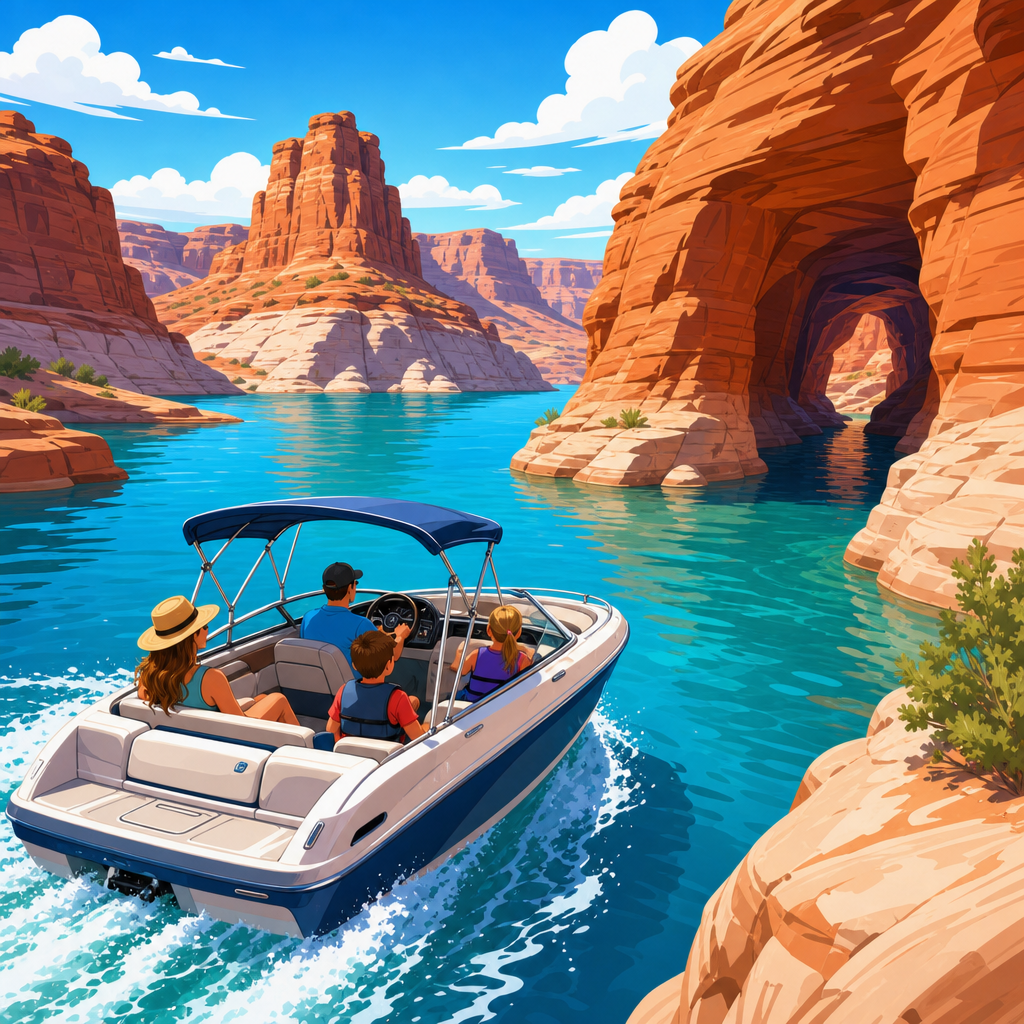
Lake Powell is one of the most remarkable boating destinations in the United States, and it also serves as a perfect gateway to the broader world of America’s best boating lakes and rivers. Spanning the Arizona-Utah border, this vast reservoir on the Colorado River offers nearly 2,000 miles of shoreline, countless sandstone coves, and a boating experience that ranges from easy family cruising to technical navigation through narrow side canyons. When I plan routes for travelers comparing major U.S. boating waters, Lake Powell consistently stands out because it combines scenic scale, protected anchorages, and direct access to iconic Southwest geology in a way few places can match.
A boating guide for Lake Powell should do more than list viewpoints. It should explain what makes the lake unique, where hidden canyons are actually worth the fuel and time, which must-see spots justify a stop, and how this destination fits into a national map of top boating lakes and rivers. In practical terms, boaters searching for the best boating lakes in the U.S. usually want answers to a few direct questions: Is it scenic, navigable, family friendly, worth a multi-day trip, and suitable for my type of boat? Lake Powell earns strong marks in all five categories, but it demands preparation because changing water levels, long distances between marinas, and desert weather can turn a casual outing into a serious trip.
Lake Powell was created by Glen Canyon Dam and managed primarily within Glen Canyon National Recreation Area. Unlike many crowded freshwater boating destinations, it feels immersive and remote. The red-rock walls, natural arches, slot canyons, beaches, and calm morning water create a setting that appeals to houseboaters, anglers, wake boat owners, paddlers, photographers, and cruisers alike. It matters not only as a vacation lake, but as a benchmark destination within any roundup of top U.S. boating waters, alongside places such as Lake Tahoe, the Florida Keys, the Columbia River, Lake of the Ozarks, and the Great Lakes. If you want a single hub article that introduces the best boating lakes and rivers in the U.S. while giving detailed, actionable advice on Lake Powell, this guide is the place to start.
Why Lake Powell Belongs on Every Best Boating Lakes and Rivers List
Lake Powell earns national attention because it offers boating variety at an unusually large scale. A single trip can include marina services, broad open-water cruising, protected beach camping, canyon exploration, cliff-lined anchorages, and access to famous landmarks. Most major U.S. lakes excel at one or two of those experiences. Powell does all of them well. For families, it delivers stable summer conditions and memorable swim stops. For experienced boaters, it presents route-planning, fuel management, and navigation decisions that make the trip feel substantial rather than routine.
From a destination-planning perspective, the lake also functions as a hub within the wider category of boating destinations and travel. Travelers comparing U.S. waters often divide choices into several groups: alpine scenery lakes, warm-water recreation lakes, urban-access cruising waters, and wild scenic rivers. Lake Powell bridges categories. It has the dramatic visuals of an alpine destination without the cold-water limitations of many mountain lakes, and it provides remote exploration that rivals scenic river trips while still supporting marina-based vacations.
That versatility is why Lake Powell is often recommended for boaters building a national bucket list. If your broader interest includes the best boating rivers in the U.S., Powell can be paired conceptually with places such as the Snake River for canyon scenery, the Tennessee River system for multi-stop cruising, and the Mississippi for scale and navigation awareness. If your focus is lakes, compare Powell with Lake Mead for desert boating, Shasta Lake for houseboating, Lake Cumberland for shoreline complexity, and Table Rock Lake for family recreation. Powell remains distinctive because the shoreline is not just long; it is intricately carved into side canyons that feel hidden even on well-traveled routes.
Best Time to Boat, Launch, and Plan a Safe Route
The best time to boat Lake Powell is typically late spring through early fall, with May, June, September, and early October offering the best balance of warm weather, manageable crowds, and comfortable water conditions. July and August are prime vacation months, but they also bring heavier traffic, intense afternoon heat, and the possibility of monsoon thunderstorms. In my experience, early departures matter here more than at many other boating lakes. Morning runs are usually smoother, visibility is better for reading canyon entrances, and you gain margin before afternoon wind builds on open water.
Primary launch and service points include Wahweap Marina near Page, Arizona, Antelope Point Marina, Bullfrog Marina, and Halls Crossing. Wahweap is often the most practical starting point for first-time visitors because it offers rental fleets, supplies, fuel, and relatively straightforward access to famous southern-lake highlights such as Antelope Canyon and Labyrinth Canyon. Bullfrog is excellent for exploring the mid-lake region and reducing transit time to remote northern sections. Water levels can affect ramp usability and marina logistics, so checking current National Park Service updates before departure is essential, not optional.
Route planning on Lake Powell should account for fuel burn, no-wake zones, beaching conditions, weather shifts, and the simple fact that sandstone topography can make every destination look deceptively close. Distances are substantial. A point visible across open water may require a long, winding approach through side channels. Carry paper maps or a detailed chart in addition to electronics, because canyon walls can reduce signal reliability and glare can make screens hard to read.
| Area | Best For | Key Advantage | Main Caution |
|---|---|---|---|
| Wahweap/Southern Lake | First-time visitors | Easy marina access and famous landmarks | More traffic in peak season |
| Antelope Region | Short scenic day trips | Narrow canyon scenery close to services | Tight maneuvering in busy periods |
| Padre Bay | Big-water cruising and beaches | Wide views and multiple stop options | Wind exposure |
| Bullfrog/Mid-Lake | Longer exploration trips | Access to less crowded canyons | Long remote runs between services |
Hidden Canyons Worth Exploring by Boat
The phrase hidden canyons gets overused, but on Lake Powell there are genuinely secluded arms that reward careful navigation. Labyrinth Canyon is one of the best examples. It offers a winding route, reflective water in calm conditions, and sculpted sandstone walls that change color through the day. It is not unknown, but because many visitors prioritize headline attractions, it can still feel quiet if you arrive early. The key is to idle thoughtfully near narrower bends, watch for paddlers and rental traffic, and leave enough daylight for a relaxed exit.
Face Canyon is another standout, especially for boaters who want classic Powell scenery without the constant movement found near the busiest marinas. The approach opens into dramatic rock formations and side pockets that are ideal for photography and swimming stops. Reflection Canyon, made famous by landscape photography, is farther north and not a simple run for casual first-timers, but it illustrates what makes the lake extraordinary: each major canyon system feels like its own separate destination.
Dungeon Canyon, Davis Gulch, and smaller unnamed inlets can provide the sense of discovery many boaters are chasing. Not every canyon is suitable for every vessel at every water level, which is why locals and repeat visitors pay close attention to updated conditions rather than relying on old online descriptions. A hidden canyon trip works best when you treat exploration as the goal, not speed. Slow down, read the rock contours, notice submerged hazards near sloping shorelines, and keep a conservative fuel reserve for detours.
Must-See Spots: Iconic Stops That Deserve the Hype
Some landmarks at Lake Powell are popular because they are genuinely exceptional. Rainbow Bridge National Monument is the most famous and still worth the trip. One of the world’s largest known natural bridges, it rises with astonishing scale above the surrounding canyon and remains one of the signature sights in U.S. boating travel. Depending on water level and access rules, reaching the trail approach may vary, so confirm current conditions before building a day around it.
Antelope Canyon is another must-see spot, particularly for visitors launching from the Page area. Most travelers know Upper and Lower Antelope Canyon as land-based attractions, but approaching the water section by boat offers a different perspective. The contrast between open lake and narrowing sandstone passage is memorable, especially under morning light. Gunsight Bay, Navajo Canyon, and Padre Bay also deserve attention. They may not have the headline recognition of Rainbow Bridge, but they deliver the broad red-rock vistas and beach-stop convenience that many families actually enjoy more over a full day on the water.
For beaching, swimming, and overnight anchoring, Warm Creek Bay and parts of Padre Bay are dependable favorites when conditions align. These locations matter because great boating destinations are not defined only by scenic icons. They are defined by how easily a crew can combine travel, rest, swimming, meals, and safe tie-ups. On that measure, Lake Powell performs exceptionally well.
Boating Conditions, Equipment, and On-Water Etiquette
Successful boating on Lake Powell depends on matching your boat and gear to the lake’s scale. Pontoon boats work well for casual day trips near developed areas. Runabouts and deck boats are ideal for families covering moderate distances with frequent swim stops. Houseboats dominate multi-day vacations because they transform remote coves into floating base camps. Fishing boats and center consoles can cover long distances efficiently, but comfort in midday chop becomes a bigger factor than many first-time visitors expect.
Essential equipment includes a reliable GPS, printed map backup, spare lines, a first-aid kit, high-capacity sunscreen, extra drinking water, and more fuel margin than you think you need. The desert environment increases dehydration risk quickly. Standard life jacket and signaling requirements apply, but on Powell I also recommend a conservative communication plan: tell someone your route, check marina fuel availability, and mark turnaround times. The lake is forgiving in many protected sections, yet surprisingly serious when storms build or when long returns coincide with low light.
Etiquette matters because side canyons amplify noise and wake. Keep speed down near anchored boats, paddlers, and narrow sandstone walls. Avoid crowding beach camps. Use established courtesy at fuel docks and launch ramps, especially in summer when delays grow quickly. The boaters who enjoy Lake Powell most are usually the ones who run it with patience.
How Lake Powell Compares With Other Top U.S. Boating Destinations
As a hub for the best boating lakes and rivers in the U.S., this guide should place Lake Powell in context. If you want clear blue alpine scenery and cooler summer temperatures, Lake Tahoe is a stronger fit, though it offers less protected canyon exploration. If nightlife, dock culture, and short-hop entertainment matter most, Lake of the Ozarks may suit you better. If warm saltwater cruising, island hopping, and fishing diversity top your list, the Florida Keys compete strongly, but they deliver a very different operational environment with tides, flats, and coastal weather.
Among river destinations, the Columbia offers long-distance scenic cruising with a more navigational, system-based feel. The Tennessee River network is excellent for multi-day passage planning between towns and marinas. The Snake River provides dramatic scenery in certain segments, but access and use patterns vary more significantly. Lake Powell remains the standout for boaters who want the convenience of a major recreational reservoir combined with the visual drama and exploratory character usually associated with backcountry waterways.
That is why it works so well as the hub page for this broader subtopic. From here, travelers can branch into specialized articles on houseboating lakes, family-friendly reservoirs, scenic western rivers, fishing-focused boating waters, and luxury marina destinations. Lake Powell sits at the center of that conversation because it showcases what boating travel can be at its best: scenic, immersive, and deeply route driven.
Lake Powell deserves its reputation as one of the best boating destinations in America because it offers more than a simple day on the water. It combines hidden canyons, famous landmarks, practical marina infrastructure, and the kind of scale that makes every trip feel like an expedition. For new visitors, the smartest approach is to launch from a well-serviced marina, choose two or three realistic stops, depart early, and treat fuel, weather, and daylight as core planning factors. For returning boaters, the reward is in branching out to quieter arms of the lake where the sandstone walls close in and the crowds fade away.
As a central guide within boating destinations and travel, this article also points to a larger truth about the best boating lakes and rivers in the U.S.: the right destination depends on the experience you want. Lake Powell is the premier choice for red-rock scenery, beach camping, and canyon exploration by boat. Other waters may beat it in fishing specialization, nightlife, or urban access, but few match its combination of beauty, versatility, and memorable navigation. If you are building a U.S. boating bucket list, put Lake Powell near the top, then use it as your starting point for exploring the country’s other outstanding lakes and rivers. Plan carefully, launch early, and give yourself enough time to discover the canyons beyond the obvious stops.
Frequently Asked Questions
What are the best hidden canyons to explore by boat at Lake Powell?
Some of the most rewarding hidden canyon experiences at Lake Powell are found in side canyons that combine easy boating access with dramatic scenery once you leave the main channel. Reflection Canyon is one of the most famous viewpoints associated with Lake Powell, but many boaters looking for on-the-water exploration focus more on places like Labyrinth Canyon, Face Canyon, Dungeon Canyon, and the quieter reaches of Navajo Canyon. These areas offer the classic Lake Powell experience: towering sandstone walls, calm water in protected inlets, and secluded beaches that feel far removed from the busier sections near major marinas.
Labyrinth Canyon is especially popular with boaters who want a scenic route that lives up to its name, with winding corridors and changing light throughout the day. Face Canyon is known for its striking rock formations and narrower passages, making it a favorite for photography and slow cruising. Dungeon Canyon has a more enclosed, intimate feel and is often appreciated by travelers who want to explore away from the heavier traffic. Navajo Canyon is larger and easier to access for many itineraries, and while not exactly secret, it still offers pockets of quiet beauty if you venture beyond the first stretches.
What makes these hidden canyons special is not just the scenery, but the boating style they encourage. Lake Powell rewards a patient approach. Idle speed, careful observation, and a willingness to stop at coves and beaches often lead to the best discoveries. Water levels can change the character of these canyons significantly, so conditions that allow deeper access one season may be very different the next. Before heading out, it is smart to check current marina updates, maps, and National Park Service guidance so you know which canyons are navigable and where hazards may be exposed.
Which must-see spots should first-time boaters put on their Lake Powell itinerary?
For first-time visitors, a strong Lake Powell itinerary should balance iconic landmarks with a few quieter stops that showcase why this reservoir is unlike anywhere else in the country. Rainbow Bridge is one of the most famous attractions and is often at the top of the list. It is one of the world’s largest known natural bridges, and reaching it by boat adds a memorable sense of scale to the journey. Antelope Canyon and the surrounding Navajo Canyon area are also highly recommended, especially for boaters who want to combine scenic cruising with short hikes, paddle excursions, and outstanding photo opportunities.
Padre Bay is another essential stop because it gives newcomers a feel for Lake Powell’s wide-open water and expansive red-rock backdrop. It is also a practical area for anchoring, swimming, and enjoying a more relaxed pace between longer cruising segments. Gunsight Butte, Hole-in-the-Rock, and Warm Creek Bay are other standout locations depending on your launch point and available time. These spots help first-time visitors see both the geological drama and the varied boating environments that Lake Powell offers, from open bays to narrow canyon mouths.
If you are building a one-day or weekend route, it is usually best to avoid trying to cover too much distance. Lake Powell looks huge on the map because it is huge in reality, and travel times can be longer than expected due to no-wake zones, weather, fuel stops, and time spent exploring side canyons. A better strategy is to choose one major landmark, two or three scenic side areas, and leave room for spontaneous stops. That approach creates a safer, more enjoyable trip and lets you experience the lake rather than just racing across it.
How difficult is boating on Lake Powell, and is it suitable for families and beginners?
Lake Powell can be both beginner-friendly and highly technical, depending on where you boat, the size of your vessel, current lake levels, and weather conditions. In broad open areas near marinas and major bays, boating is often straightforward and very manageable for families, casual renters, and first-time operators who are comfortable following marked channels and basic boating rules. Houseboats, pontoon boats, runabouts, and personal watercraft are all commonly used here, and many visitors enjoy stress-free cruising, swimming, and beach stops without venturing into more challenging water.
The difficulty increases when you move deeper into narrow side canyons or farther from service areas. Tight passages, submerged rock hazards, shifting shorelines caused by changing water levels, and limited room to turn around can make navigation more demanding. Wind is another major factor. Open sections of Lake Powell can build chop quickly, especially in the afternoon, and conditions that seem calm in the morning can become rough enough to alter your plans later in the day. For that reason, conservative route planning matters. Beginners should favor shorter runs, launch early, monitor forecasts closely, and avoid entering unfamiliar narrow canyons at speed.
For families, Lake Powell is an excellent destination when safety and logistics are handled well. The protected coves, sandy beaches, and warm-season recreation options make it one of the most appealing boating lakes in the American West. The best family trips usually include clear communication about life jackets, swim supervision, sun protection, hydration, and designated anchoring procedures. If you are renting a boat, take the orientation seriously and ask specific questions about fuel range, canyon navigation, beaching, and emergency contacts. With preparation and realistic expectations, Lake Powell is absolutely suitable for beginners and families, but it deserves respect as a large and dynamic body of water.
What is the best time of year to go boating on Lake Powell?
The best time to boat on Lake Powell depends on the kind of experience you want. Late spring and early fall are often considered the sweet spots because they offer warm temperatures, relatively comfortable water conditions, and fewer crowds than the peak summer months. In May, early June, September, and October, boaters can usually enjoy excellent sightseeing weather without the most intense heat of midsummer. These shoulder-season periods are especially attractive for longer day cruises, photography, and exploring side canyons on foot or by paddlecraft after anchoring.
Summer is the busiest boating season for a reason. Families are traveling, water temperatures are inviting, and the lake is full of activity. If your priority is swimming, wake sports, houseboating, and a lively vacation atmosphere, midsummer can be fantastic. The tradeoff is heat, heavier marina traffic, and the need for more careful timing around weather and afternoon wind. Boaters traveling in summer should plan early starts, carry more water than they think they need, and be prepared for strong sun exposure reflected off both the water and sandstone walls.
Spring can be beautiful but variable, especially earlier in the season when water temperatures remain cool and weather swings are more common. Winter boating is much quieter and can be surprisingly scenic, but it is better suited to experienced travelers who are comfortable with colder temperatures and limited services. Whenever you visit, checking lake levels is essential. Lake Powell’s appearance and navigability can change dramatically from year to year, affecting ramp access, canyon depth, beaching opportunities, and route options. In practical terms, the best season is the one that matches your comfort level, preferred activities, and willingness to adapt to the lake’s changing conditions.
What should boaters know about safety, fuel, and trip planning before exploring Lake Powell?
Trip planning at Lake Powell should be more deliberate than at many other boating destinations because of the lake’s sheer size, remote character, and changing water levels. One of the biggest mistakes visitors make is underestimating distance. A route that looks manageable on a map can take much longer once you factor in no-wake areas, sightseeing stops, weather delays, and the need to navigate carefully in narrow canyons. Before departure, boaters should identify launch ramps, marinas, fuel docks, turnaround points, sheltered anchorages, and backup options if wind or mechanical issues disrupt the original plan.
Fuel planning is especially important. Lake Powell is not the place to guess your range. Carrying enough fuel for the full route, plus a strong reserve, is essential. If you are renting, ask about realistic fuel consumption for your boat type rather than relying on ideal numbers. Houseboats, larger runabouts, and heavily loaded vessels may burn more fuel than inexperienced operators expect. Also confirm which fuel docks are open and where they are located relative to your route. Because services are spread out, a missed fuel stop can create serious problems later in the day.
From a safety standpoint, every passenger should have a properly fitted life jacket, and children should be closely supervised at all times near the water and on beaches. Communication matters too. Cell coverage can be inconsistent, so many experienced boaters supplement with marine radios, satellite messengers, or at minimum a clearly shared float plan left with someone on shore. Navigation tools should include an updated map or chart, and boaters should pay close attention to markers, depth, and visible rock hazards, especially in areas where receding water may expose new obstacles. Add in plenty of drinking water, sun protection, first-aid supplies, and conservative decision-making around weather, and you will be setting yourself up for the kind of safe, memorable Lake Powell trip that lets the hidden canyons and must-see spots shine for the right reasons.