Storing a boat during the off-season is not just about finding a place to park it; it is a structured maintenance process that protects the engine, hull, electrical systems, interior materials, and resale value while the boat sits unused for weeks or months. In practical terms, off-season boat storage combines cleaning, winterizing, moisture control, battery care, fuel stabilization, and physical protection so the vessel is ready for launch instead of repairs when the next season begins. I have worked through enough spring commissioning jobs to say this plainly: most expensive off-season damage comes from skipped basics, not rare mechanical failures.
For owners under the broader Boat Maintenance & Repairs umbrella, winterizing and seasonal prep form one of the most important subtopics because storage mistakes compound quietly. Water left in a cooling passage can freeze and crack cast components. Untreated fuel can oxidize and form varnish that plugs injectors or carburetor jets. Damp air trapped under a poor cover can create mold, mildew, corrosion, and soft furnishings that smell permanently musty. Even in warmer climates, off-season storage matters because UV exposure, battery discharge, stale fuel, and standing water cause damage whether or not temperatures drop below freezing.
The right storage plan depends on boat type, climate, and storage method. A trailered center console in Minnesota needs hard freeze protection, while a marina-kept cruiser in Florida may need more focus on humidity, hurricane planning, and anti-corrosion measures. Key terms are worth defining at the start. Winterizing means preparing systems such as the engine, plumbing, and sanitation lines for cold weather or inactivity. Seasonal prep is broader and includes inspection, cleaning, documentation, pest prevention, and cover selection. Dry storage means the boat is kept out of the water, either indoors, on a trailer, or in an outdoor yard. Wet storage means it remains in the water, usually at a slip, with additional attention to bilge pumps, shore power, and hull growth.
This hub article covers the complete process of how to store your boat during the off-season, with enough detail to help you decide what to do yourself and what to delegate to a yard or mechanic. It also connects the key decisions that sit underneath winterizing and seasonal prep: where to store the boat, how to protect major systems, what products and methods are reliable, and which shortcuts usually backfire. If your goal is lower repair costs, better reliability, and a faster spring launch, off-season storage is the point where smart maintenance pays for itself.
Choose the right storage method for your boat and climate
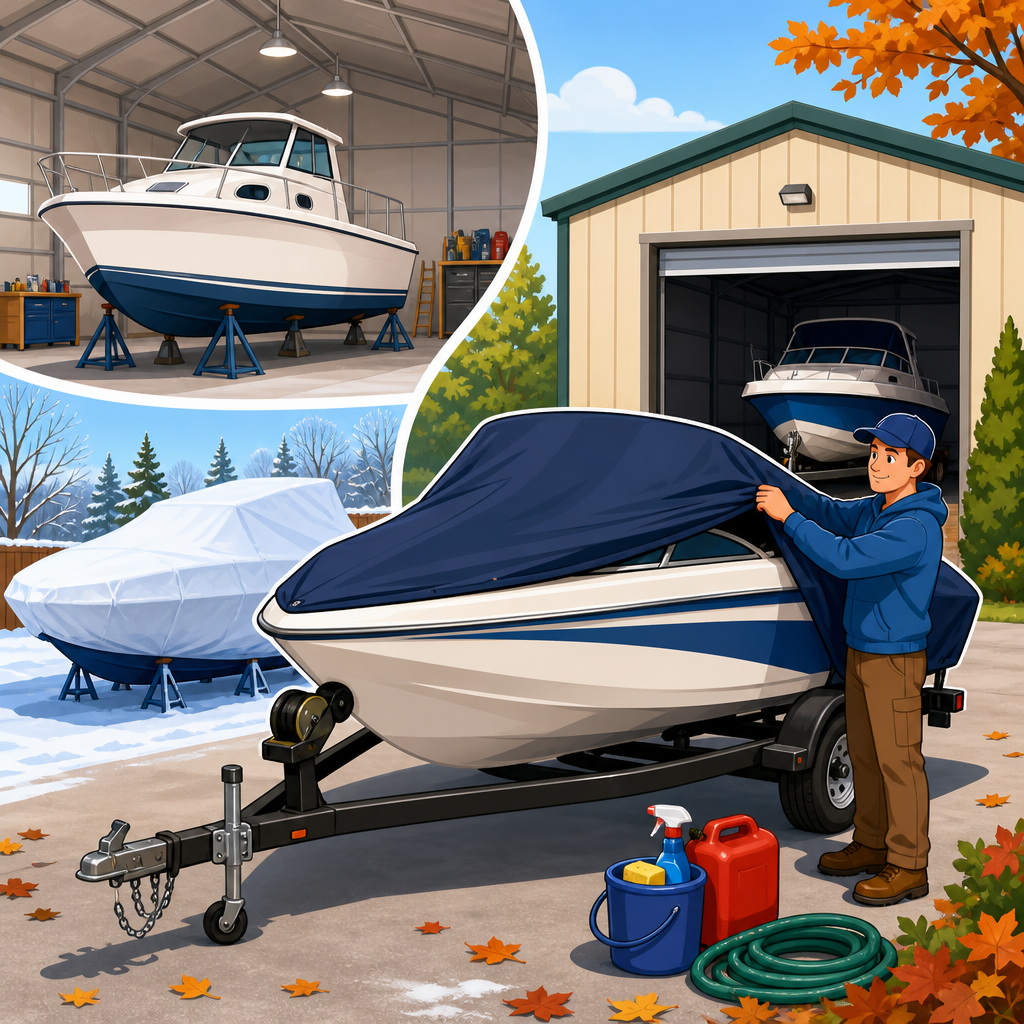
The best off-season boat storage method is the one that matches your local weather, the boat’s construction, and your ability to monitor it. Indoor heated storage offers the highest level of protection because it reduces freeze risk, UV exposure, snow load, and moisture swings. It is usually the most expensive option, but for larger cruisers, wake boats, and vessels with complex systems, the reduction in risk often justifies the cost. Cold indoor storage still protects against precipitation and sun while requiring full winterization. Outdoor dry storage is common for trailerable boats and can work very well if the boat is blocked properly, pitched to drain, and covered with a vented, well-supported system.
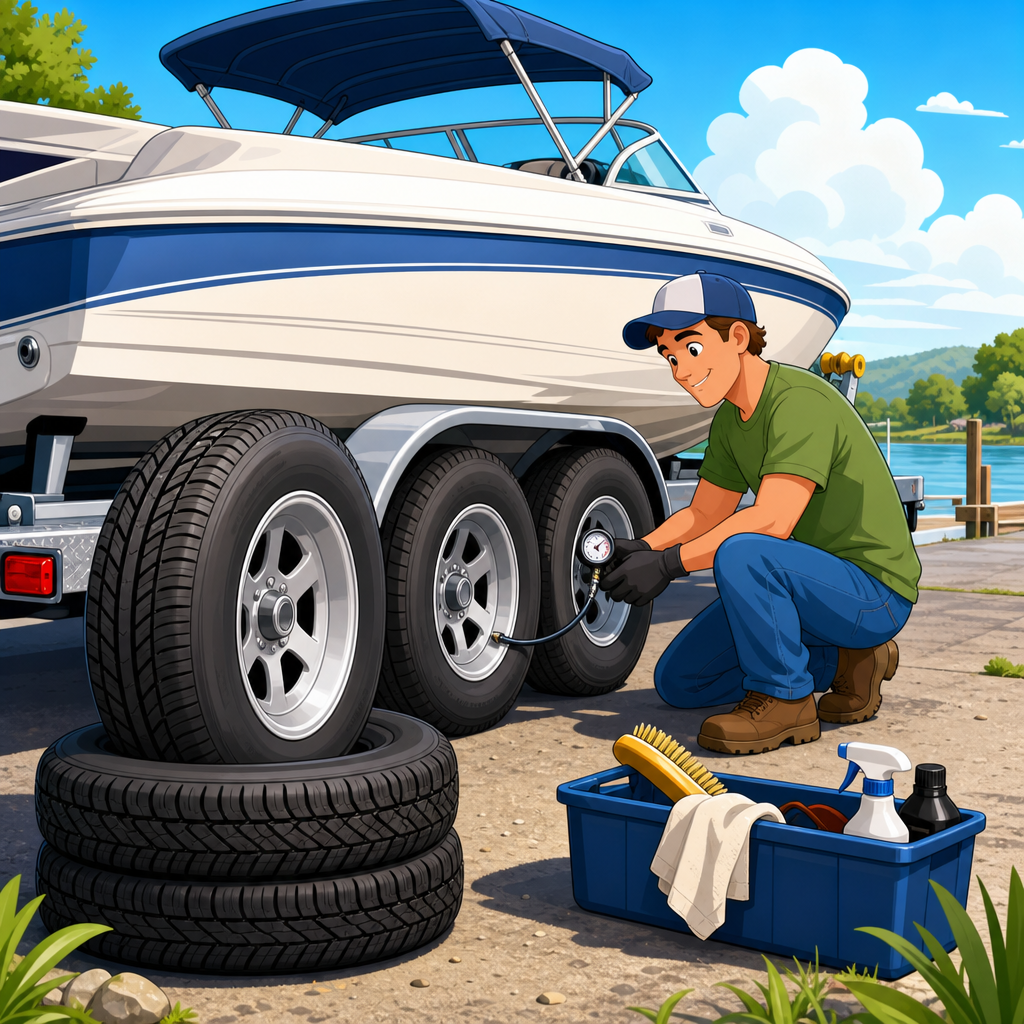
Wet slip storage is usually the most demanding off-season choice. In northern climates, marinas may use bubblers or de-icers, but owners still face risks from ice movement, shore power failure, bilge issues, and water intrusion. In my experience, wet winter storage makes the most sense only when haul-out is impractical or the marina has a proven cold-weather management plan. Trailer storage gives owners control and access, but it also introduces trailer maintenance requirements. Tires should be inflated to specification, wheel bearings inspected, and the frame checked for corrosion, especially on saltwater rigs. If the trailer sits on soft ground all winter, settling can stress bunks and leave the hull unsupported.
Insurance and manufacturer guidance matter here. Some policies have named-storm restrictions, lay-up periods, or specific requirements for where and how the boat must be stored. Owners should confirm whether outdoor storage, in-water storage, or self-storage at home affects coverage. Boat builders and engine manufacturers also publish winterization and lay-up procedures; ignoring them can create warranty issues or, at minimum, lead to preventable failures. Choosing storage first allows every later step, from antifreeze protection to cover design, to fit the actual conditions the boat will face.
Clean, inspect, and document the boat before storage
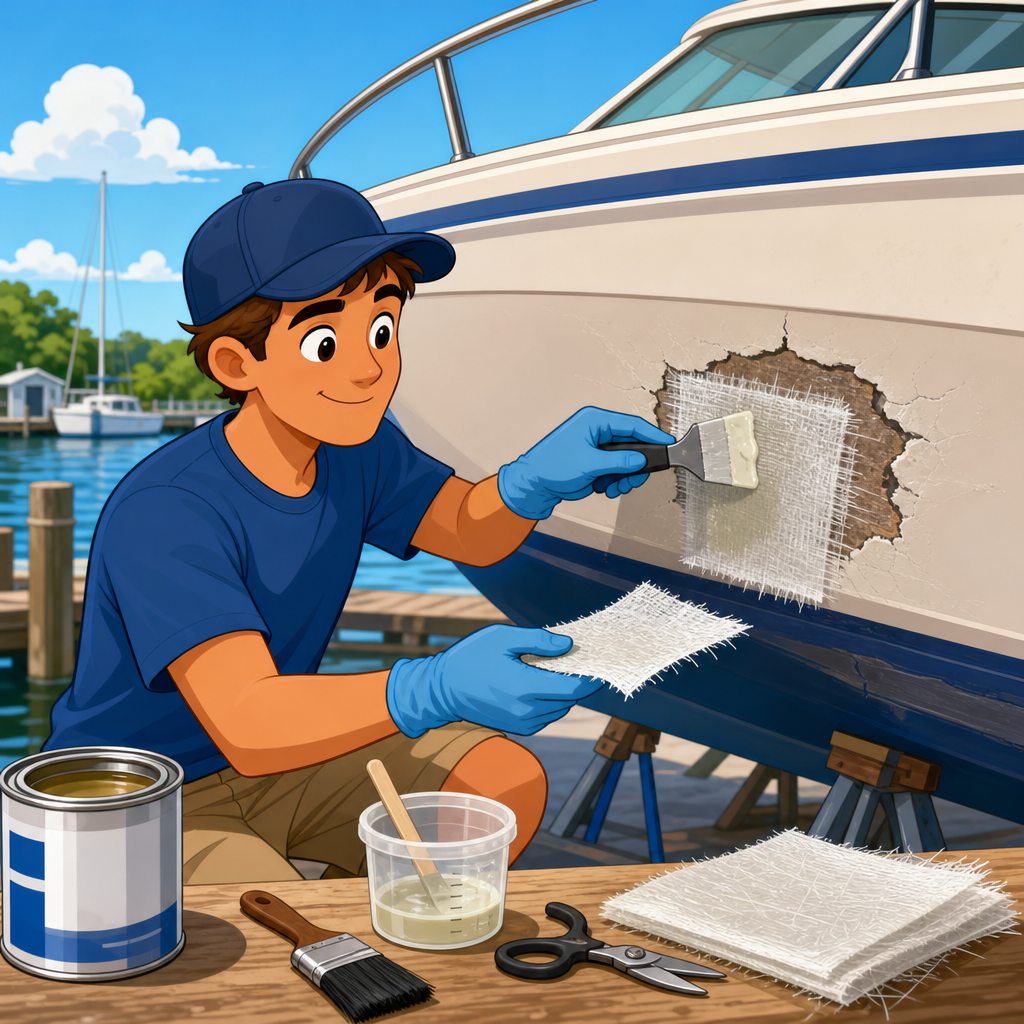
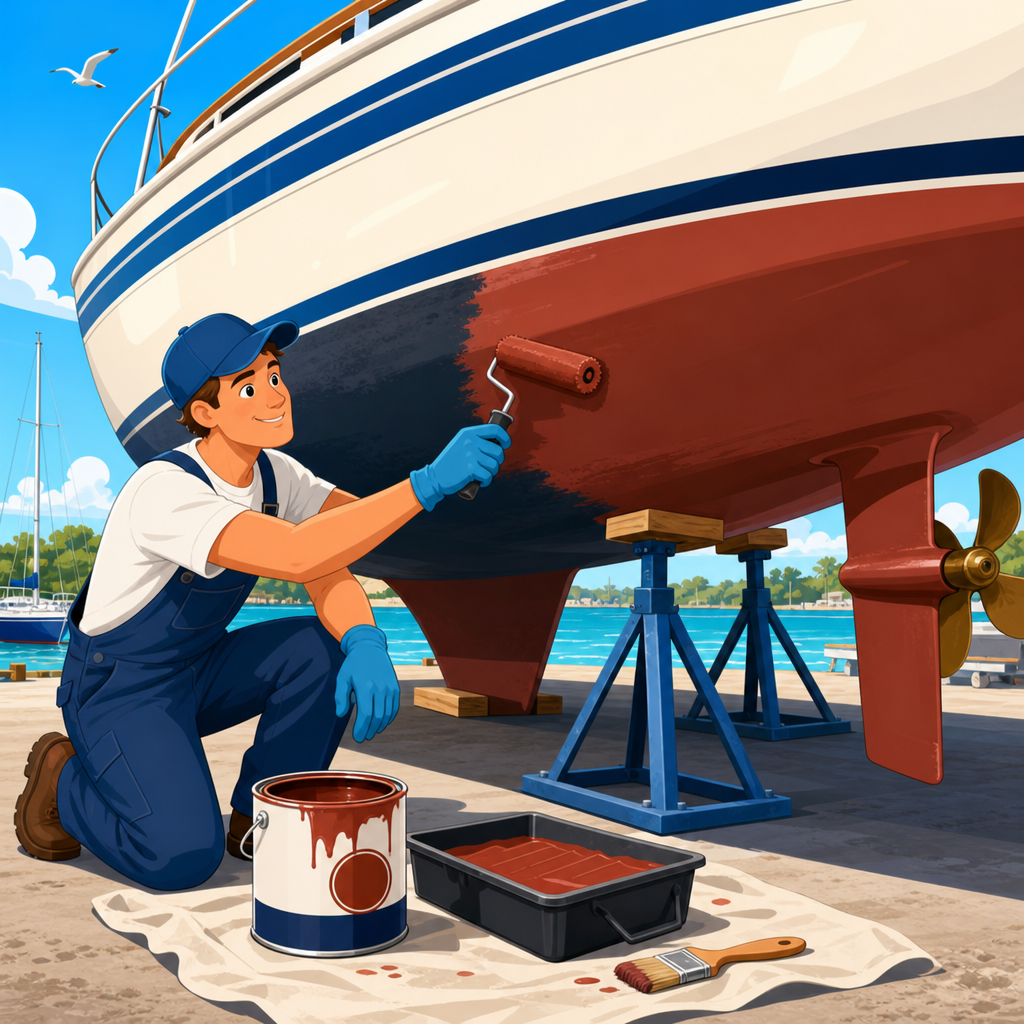
A proper off-season routine starts with a deep cleaning and a systematic inspection because dirt hides problems. Salt, fish residue, sunscreen, spilled drinks, and organic debris all attract moisture and feed mildew. Wash the hull, deck, hardware, trailer, and outboard bracket with boat-safe soap. Remove scum lines and inspect the gelcoat for blisters, chips, and stress cracks. On painted or coated surfaces, note areas where finish failure has started so they can be repaired before exposure worsens them. Interior storage compartments should be emptied, vacuumed, and dried. Cushions, life jackets, dock lines, and electronics are better removed if the boat will sit in an unheated or unsecured space.
Inspection should be deliberate rather than casual. Check hose clamps for rust trails, fuel lines for stiffness or cracking, bellows on sterndrives for age, sacrificial anodes for depletion, and seacocks for free movement. Look at wiring runs for unsupported sections, brittle insulation, or green corrosion at terminals. If the boat has a cabin, inspect around windows, deck fittings, and hatches for signs of leaks. These are the jobs that become expensive in spring because water ingress over several months can damage cores, panels, and electrical equipment. I strongly recommend taking timestamped photos of the hull, engine compartment, upholstery, electronics, and trailer before storage. They create a useful baseline for insurance, maintenance planning, and checking whether any condition changed during lay-up.
Consumables and perishables should be removed. That includes food, aerosol cans, cleaning chemicals that can freeze, and anything rodents may chew. Defrost and dry refrigerators or portable coolers, prop locker lids open for ventilation, and make sure the bilge is clean enough that any new fluid leak will be obvious. A clean boat not only stores better; it is far easier to recommission because you can see what actually needs attention.
Winterize the engine, fuel system, and water systems correctly
The core answer to how to winterize a boat engine is simple: prevent freezing, corrosion, fuel degradation, and internal drying while the engine is idle. The exact procedure depends on whether you have an outboard, inboard, sterndrive, diesel, or personal watercraft-style engine, but several principles are universal. Stabilize the fuel with a marine-grade product, then run the engine long enough to distribute treated fuel through the system. For gasoline engines, many technicians prefer storing tanks nearly full to reduce condensation, provided the fuel is fresh and stabilized. For some portable tanks or specific setups, partial storage may be recommended; always follow the engine manufacturer’s guidance.
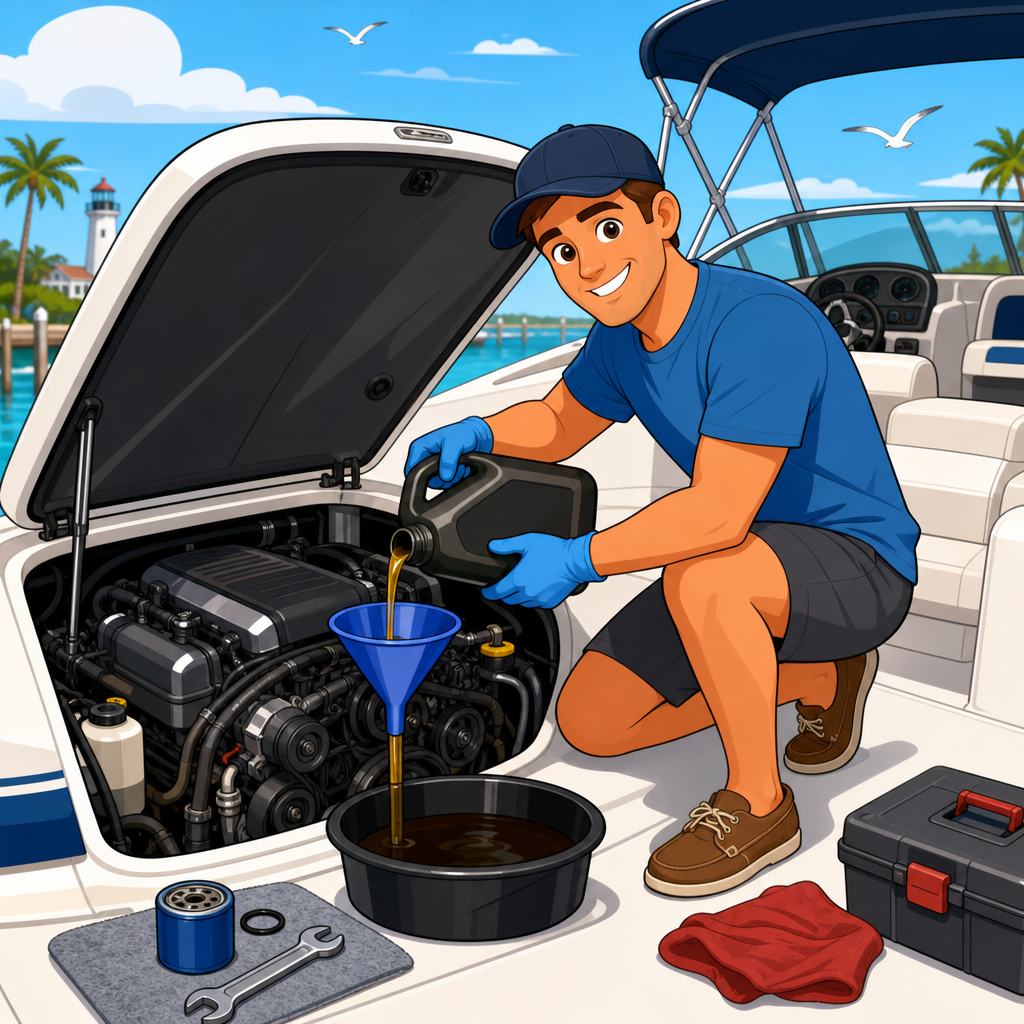
Engine oil and filter changes should be completed before storage, not after, because used oil contains acids and contaminants. Gearcase or lower unit lubricant should also be changed so any water intrusion is identified before freezing conditions can crack housings. Cooling system protection is critical. Raw-water-cooled engines, sterndrives, and many outboards must be drained or flushed and protected according to manufacturer procedure. On some setups, non-toxic propylene glycol marine antifreeze is introduced after draining; on others, complete drainage and engine positioning are essential. Never assume pink antifreeze alone solves poor preparation. If water remains trapped in low points, manifolds, coolers, pumps, or hoses, freeze damage can still occur.
Fogging is another area where owners need model-specific guidance. Traditional carbureted gasoline engines often benefit from fogging oil to protect cylinders from corrosion. Many modern four-stroke outboards and fuel-injected engines have specific instructions that differ from older practices. Follow the service manual, not dock talk. Water systems also need attention. Freshwater tanks, pumps, sinks, livewells, washdowns, heads, and air-conditioning circuits must be drained and winterized where applicable. Sanitation systems are especially easy to overlook. Any trapped water in a toilet pump, discharge line, macerator, or holding tank fitting can freeze and split components. If you outsource any part of this work, ask for a checklist showing each completed step rather than accepting a generic “winterized” note.
Protect batteries, electrical components, and onboard equipment
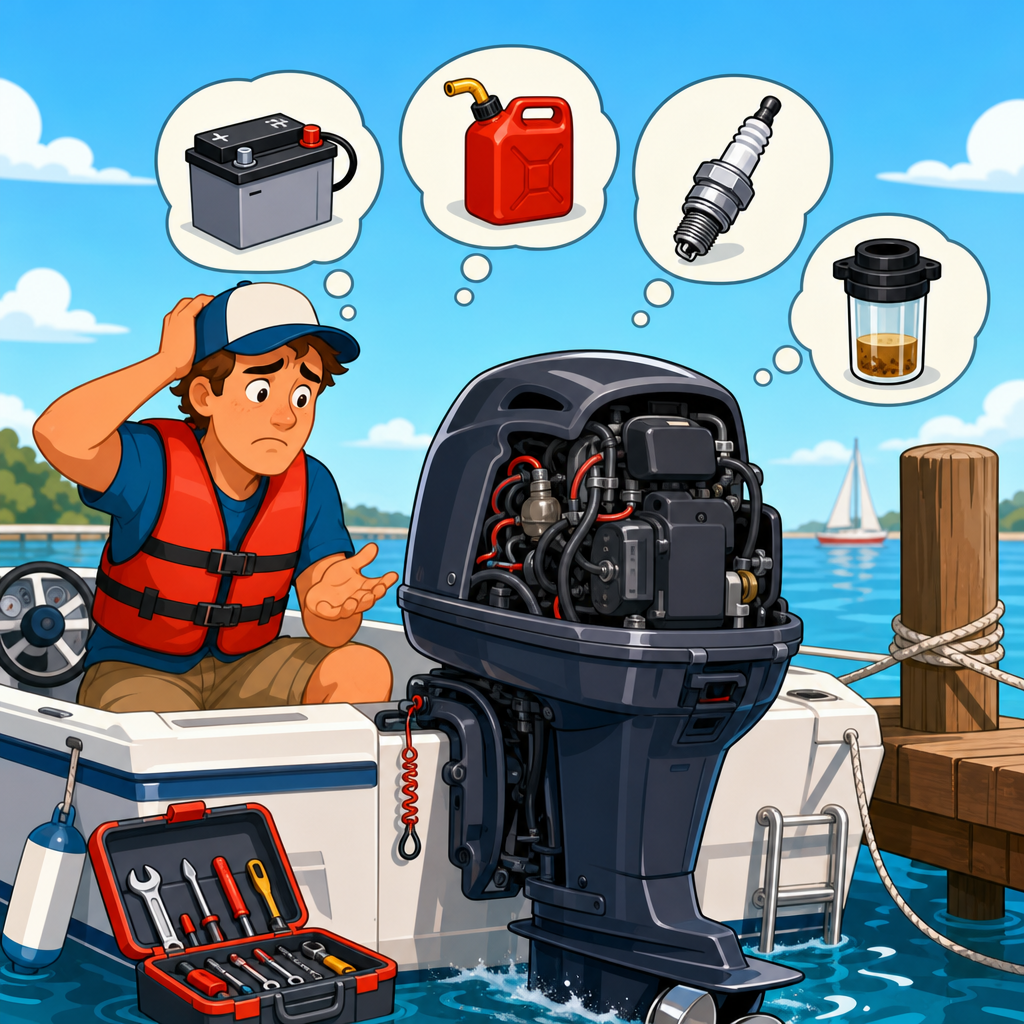
Battery failure is one of the most common spring surprises, and it is usually preventable. Lead-acid batteries self-discharge over time, and a discharged battery is more vulnerable to freezing damage. Fully charge batteries before storage, clean the terminals, and disconnect them if the boat will not be on a properly managed charging system. In a cold climate, many owners remove batteries and store them in a cool, dry place where they can be maintained with a quality smart charger. Absorbed glass mat and lithium batteries have different storage profiles, so follow manufacturer recommendations for state of charge and temperature limits.
Electrical protection goes beyond batteries. Shut down nonessential circuits, inspect shore power cords for heat damage, and confirm that any required bilge pump or alarm system remains powered intentionally rather than accidentally. Corrosion inhibitors such as Boeshield T-9 or CRC Heavy Duty Corrosion Inhibitor can help protect terminals, bus bars, and exposed connectors in marine environments. Electronics such as chartplotters, fish finders, portable VHF radios, and removable gauges last longer when taken home, especially if the boat will be outdoors. Moisture cycling and theft are both real risks during lay-up.
| System | What to do before storage | Why it matters |
|---|---|---|
| Batteries | Fully charge, clean terminals, disconnect or place on smart maintenance charging | Reduces sulfation, freeze risk, and spring no-start issues |
| Electronics | Remove portable units, cover fixed displays, inspect wiring connections | Limits theft, moisture damage, and corrosion-related faults |
| Shore power | Inspect cord ends, confirm breaker condition, avoid overloaded circuits | Prevents overheating and unreliable winter power supply |
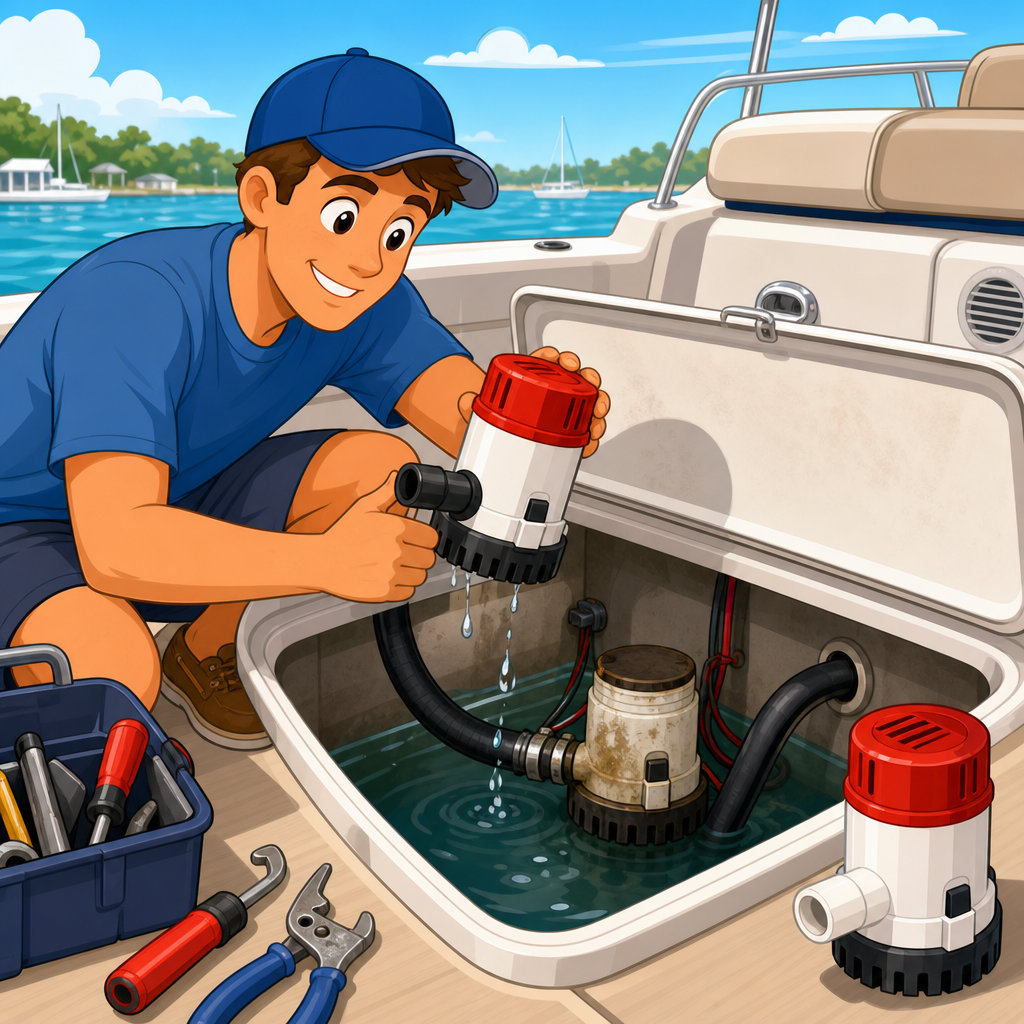
| Bilge systems | Clean bilge, test pump and float switch, verify battery support if left active | Helps prevent sinking from rainwater or leaks during storage |
Small onboard equipment deserves the same discipline. Fire extinguishers should be checked for charge status, flares removed if they are nearing expiration, and safety gear dried before storage. If the boat has a generator, inverter, solar charger, or battery monitor, note the storage settings and parasitic loads. I have seen more than one boat arrive in spring with healthy batteries ruined simply because an owner left a stereo memory circuit, camera system, or aftermarket switch panel energized all winter.
Control moisture, support the hull, and cover the boat properly
The best boat cover for off-season storage is one that sheds water, resists abrasion, allows ventilation, and is supported so snow or rain cannot pool. A loose tarp tied flat across the gunwales usually fails on every count. Water collects, the fabric chafes gelcoat and rails, and trapped humidity creates mold. Shrink wrap remains popular because it seals tightly and sheds weather well, but it must include adequate vents and a proper support frame. Custom canvas covers are reusable and excellent when fitted correctly, though they require periodic inspection and may need extra reinforcement in heavy snow areas. Indoor-stored boats still benefit from breathable covers to keep dust off interiors while avoiding trapped condensation.
Hull support is equally important. Boats stored on trailers should carry weight where the manufacturer intends, with bunks, rollers, jack stands, or blocks positioned to avoid point loading. Outdrives and outboards are typically stored in the down position when recommended so water drains fully and bellows or rams are not left in a stressed orientation. Drain plugs are usually removed during dry storage so incidental water can escape, but only after the boat is pitched correctly. Add moisture absorbers in cabins and enclosed heads, open lockers where practical, and avoid sealing wet canvas, life jackets, or cushions inside the boat. Rodent prevention also belongs in this category. Seal obvious entry points, remove nesting materials, and check storage yards for local pest issues rather than assuming the cover alone will keep animals out.
If the boat remains outdoors, revisit it after major storms. Check tie-downs, support poles, vents, and snow load. Sweep or brush accumulation according to the cover manufacturer’s advice. Good off-season storage is not a one-time event in October or November; it is a setup plus periodic monitoring.
Create a spring-ready storage checklist and know when to hire help
The most effective owners treat off-season boat storage as a documented workflow, not a memory test. Build a checklist that includes haul-out date, engine hours, fuel treatment added, oil and gear lube changes, water-system steps completed, battery status, cover type, and the location of removed electronics or safety gear. Keep receipts for filters, antifreeze, impellers, and service work. In spring, that record turns recommissioning into a controlled process instead of guesswork. It also helps identify recurring issues, such as a battery that consistently drops voltage in storage or a leak that reappears after heavy rain.
There are clear moments when hiring a professional is the smarter choice. Complex diesel systems, inboard cooling circuits, generators, air-conditioning loops, and sanitation plumbing can be expensive to winterize incorrectly. If you are unsure whether your engine requires fogging, special flushing adapters, closed-cooling procedures, or electronic service mode activation, pay for expert service once and ask for the exact checklist used. Many owners can handle cleaning, interior prep, battery removal, and cover management while leaving engine and plumbing protection to certified technicians. That hybrid approach often delivers the best balance of cost and risk reduction.
Off-season boat storage done well protects every major system and shortens the path back to the water. Choose a storage method that fits your climate, clean and inspect thoroughly, winterize mechanical and water systems to manufacturer standards, manage batteries and electronics carefully, and use a cover and support setup that controls moisture rather than trapping it. These steps reduce repair bills, preserve reliability, and protect resale value. If you are building out your winterizing and seasonal prep plan, start with a written checklist for your exact boat, then schedule the tasks you can do now and the service work you should book before the yard fills up.
Frequently Asked Questions
What should I do to prepare my boat before putting it into off-season storage?
The most important step is to treat off-season storage as a full preparation process rather than simply parking the boat and walking away. Start with a thorough cleaning of the entire vessel, including the hull, deck, bilge, live wells, storage compartments, upholstery, and cabin spaces. Dirt, salt, fish residue, algae, and spilled food can all cause staining, corrosion, mold growth, and lingering odors over time. After cleaning, make sure everything is fully dry, because trapped moisture is one of the biggest causes of mildew, wood damage, and interior deterioration during storage.
Next, address the mechanical systems. Change the engine oil and filter if recommended by the manufacturer, because used oil can contain contaminants that sit against internal engine parts for months. Stabilize the fuel and run the engine long enough for the treated fuel to circulate through the system. Depending on your boat and climate, winterizing may also include draining water systems, protecting the engine block, fogging the engine, and flushing cooling passages. Remove valuables, electronics that are not designed to stay onboard, food, safety gear that could absorb moisture, and any items that may freeze or degrade in temperature swings.
Finally, inspect the boat before it is covered or moved into storage. Check hoses, clamps, belts, wiring, seacocks, and the propeller area. Disconnect or maintain batteries properly, lubricate moving parts, and install moisture absorbers or ventilation aids where appropriate. A careful pre-storage routine helps prevent corrosion, dead batteries, fuel problems, upholstery damage, and unpleasant surprises when the boating season returns.
How do I winterize a boat properly for long-term storage?
Proper winterization depends on the type of boat, engine configuration, and the temperatures in your area, but the goal is always the same: protect all systems from freezing, corrosion, fuel breakdown, and inactivity-related wear. For boats stored in cold climates, the engine and water systems need special attention. Any water left in the engine block, manifolds, plumbing lines, pumps, or tanks can freeze, expand, and crack components that are expensive to repair. That is why winterization often includes draining water, circulating antifreeze where required, and confirming that all vulnerable systems are protected according to the manufacturer’s procedures.
Fuel management is another major part of winterizing. Add a quality fuel stabilizer to help prevent fuel oxidation and varnish buildup, then run the engine so the treated fuel reaches the fuel lines and engine components. Many owners also top off the tank to reduce condensation, although best practice can vary depending on the fuel type and manufacturer guidance. Oil changes, lower unit gear lube replacement, grease application, and corrosion protection sprays are also common winterizing tasks because they help protect internal and exposed metal surfaces during months of non-use.
Do not overlook batteries and electrical systems. Batteries can discharge slowly over time, and neglect can shorten their life significantly. Either remove them and store them in a suitable location or keep them onboard with a smart marine charger or maintenance plan. If your boat has freshwater, head, air conditioning, or generator systems, those need to be winterized too. In short, proper winterization is not one task but a coordinated series of protective steps that keeps freezing temperatures, moisture, stale fuel, and inactivity from creating avoidable damage.
Is it better to store a boat indoors, outdoors, or shrink-wrapped during the off-season?
The best storage option depends on your climate, budget, boat size, and how much protection you want. Indoor storage generally offers the highest level of protection because it shelters the boat from snow, ice, UV exposure, falling debris, heavy rain, and repeated freeze-thaw cycles. This type of storage can reduce weather-related wear on the hull, gelcoat, upholstery, electronics, and canvas. It is often the preferred choice for owners who want to preserve condition and minimize cosmetic aging, especially for newer or higher-value boats.
Outdoor storage can still work well if the boat is properly prepared and covered, but it exposes the vessel to a harsher environment. Rain, snow loads, sun exposure, dirt, and wind all increase the importance of a secure cover and good drainage. If water pools on a cover or collects inside the boat, you can end up with mildew, warped materials, staining, and damage to the interior. Outdoor storage is often more affordable, but it requires more attention to support frames, ventilation, cover fit, and regular checks throughout the off-season.
Shrink-wrapping is a popular middle-ground solution because it provides a tight, weather-resistant barrier that helps keep out moisture, debris, and pests. However, it must be installed correctly and include proper ventilation to prevent condensation buildup underneath. Shrink-wrap is not automatically better than all other options, but when combined with good winterization and a solid support structure, it can be an excellent protective layer. The right choice comes down to balancing cost and protection, with indoor storage usually offering the most complete defense and well-managed outdoor or shrink-wrapped storage remaining effective alternatives.
How should I care for the battery, fuel, and electrical systems while the boat is stored?
Battery, fuel, and electrical care are critical during the off-season because these systems often develop problems quietly while the boat sits unused. For batteries, start by cleaning the terminals, checking for corrosion, and making sure connections are secure. Then decide whether to remove the batteries for storage or leave them installed. In either case, they should be maintained with a marine-approved smart charger or checked regularly so they do not discharge deeply. A neglected battery can freeze, sulfate, lose capacity, or fail entirely before spring arrives.
Fuel should be treated before storage, not after. Gasoline and other fuels can degrade over time, and untreated fuel may lead to hard starting, clogged injectors or carburetors, and poor engine performance. Add a stabilizer recommended for marine use, then run the engine so the treated fuel circulates throughout the system. It is also wise to inspect fuel lines, primer bulbs, filters, and fittings for wear or leaks before storage begins. Preventive attention now can save a lot of troubleshooting later.
Electrical systems benefit from a general shutdown and inspection. Turn off unnecessary loads, check wiring for chafing or loose connections, and remove portable electronics if they are not meant to remain onboard through extreme temperatures. Moisture is a major threat to electrical reliability, so dry storage areas thoroughly and use ventilation or moisture control products as needed. If your boat has shore power systems, chargers, pumps, or monitoring devices active during storage, verify that they are safe, functioning correctly, and appropriate for unattended use. Consistent battery and electrical care helps ensure your boat is ready to start, power up, and perform properly when the season resumes.
Why is moisture control so important when storing a boat during the off-season?
Moisture control matters because water does not need to be visibly pooling inside the boat to cause damage. Even small amounts of trapped humidity can lead to mold, mildew, corrosion, wood swelling, musty odors, stained upholstery, and deterioration of carpet, vinyl, and interior finishes. During the off-season, boats often go through repeated temperature changes that create condensation inside compartments, cabins, and under covers. If that moisture cannot escape, it can quietly damage both cosmetic and structural materials over the course of a few months.
Good moisture control starts with drying the boat completely before storage. Bilges should be cleaned and dried, lockers emptied if possible, life jackets and fabrics removed or aired out, and any damp materials addressed before the cover goes on. Ventilation is equally important. A cover that seals out rain but traps humidity can create ideal conditions for mildew. That is why properly vented shrink-wrap, breathable covers, cabin airflow, and moisture absorbers are so valuable. The objective is to reduce trapped humidity while still protecting the boat from outside weather.
Moisture control also protects systems you may not immediately think about, including electrical connections, metal hardware, and hidden compartments. Corrosion can begin on wiring terminals, hinges, latches, and fasteners when humid air lingers in enclosed spaces. Over time, that can affect reliability, appearance, and resale value. In practical terms, controlling moisture is one of the simplest and most cost-effective ways to preserve your boat during the off-season, because it reduces the risk of mold cleanup, interior replacement, electrical issues, and general deterioration before launch day.