How to protect your boat from ice and snow damage starts with understanding what winter actually does to a vessel. Ice expands inside engines, pumps, hoses, seacocks, and plumbing. Snow adds static weight, traps moisture, and accelerates mildew, corrosion, and staining. Freeze-thaw cycles loosen sealants, stress canvas, and open hairline cracks in gelcoat and fittings. In northern yards, I have seen otherwise healthy boats suffer thousands of dollars in avoidable repairs because one drain plug was left in place or one low spot in a cover held slush for weeks. Winterizing and seasonal prep means preparing every onboard system, every exterior surface, and the storage setup itself so the boat can sit safely through months of cold weather and return to service without major recommissioning surprises.
This matters because winter damage is expensive, common, and often hidden until spring launch. A cracked engine block can total an older sterndrive package. Saturated upholstery can mold beyond recovery. A bent stanchion or collapsed frame from snow load may indicate deck core moisture that requires invasive repair. Good winter protection is not one task but a sequence: clean, inspect, drain, stabilize, protect, cover, support, and monitor. Boat owners also need to distinguish between winterizing and storage. Winterizing protects systems from freezing and degradation. Storage preparation addresses security, ventilation, battery care, pest prevention, and load management over time. Together, they form the core of winter boat maintenance and seasonal prep, whether the boat is stored on a trailer, in a yard, under a shrink wrap, inside cold storage, or in the water with de-icers and active monitoring.
Start with a full winterization plan for every system
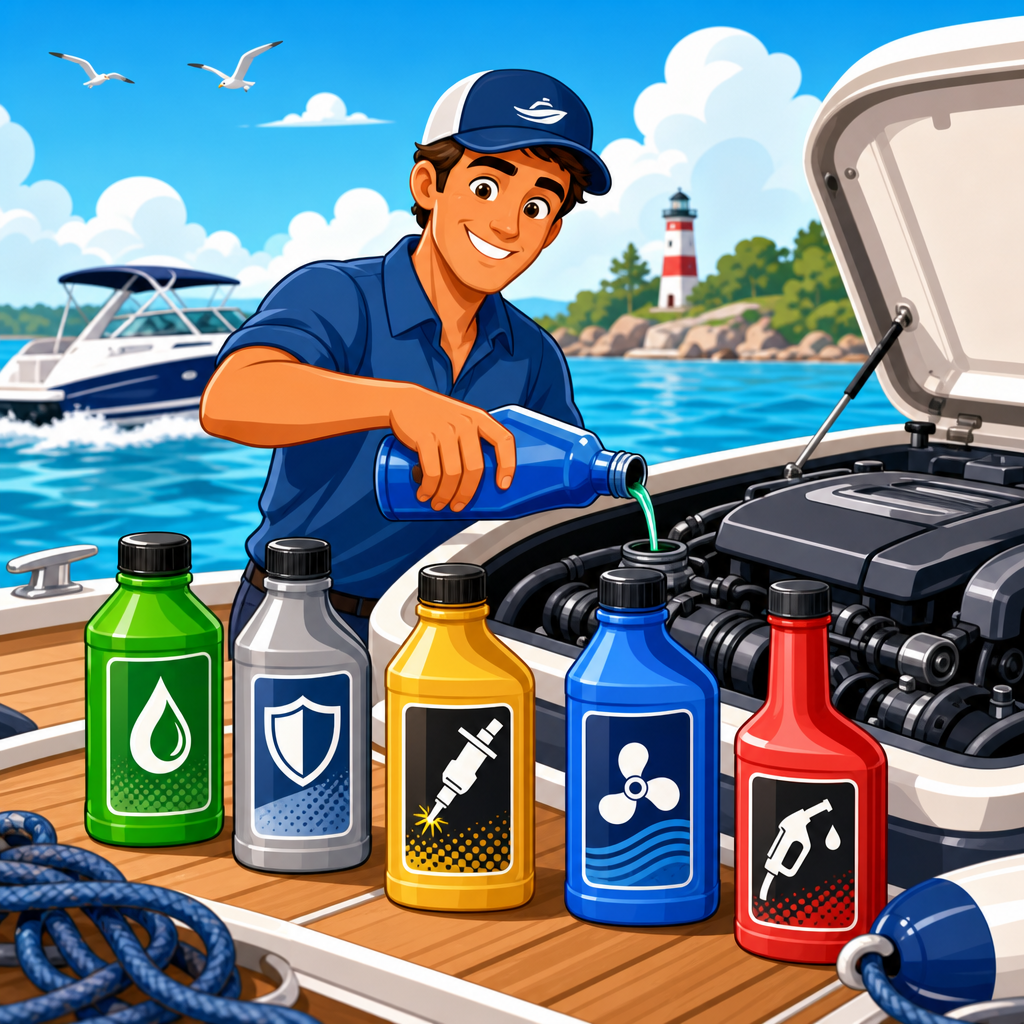
The most effective way to prevent ice and snow damage is to treat the boat as a set of systems rather than a single object. Begin with the engine and raw-water circuit. On outboards, lower the engine fully to drain water from the gearcase and passages, change engine and gear lube per manufacturer guidance, and fog only if specified for that model; many modern four-strokes have precise procedures and some do not call for traditional fogging through the intake. On inboards and sterndrives, drain block and manifolds completely or circulate the correct propylene-glycol marine antifreeze after draining. Do not assume pink fluid alone displaced trapped water. Closed-cooling engines still have raw-water sides, heat exchangers, sea strainers, oil coolers, and exhaust components that can freeze.
Freshwater and sanitation systems deserve equal attention. Drain water heaters, pumps, faucets, showers, washdowns, livewells, transom showers, icemakers, and air-conditioning circuits. Bypass the water heater if required, then run non-toxic marine antifreeze through each branch until the discharge changes color consistently. Pump out the holding tank, rinse if practical, and winterize discharge lines and macerators in accordance with local rules. Bilge pumps should not be disabled, but the discharge hose and check valves must be inspected because trapped water can split fittings. Remove transom drain plugs when the boat is out of the water and verify the hull attitude actually allows drainage. If the bow is too low, water remains in the bilge and freezes where you cannot see it.
Fuel systems also suffer during off-season storage. Fill portable tanks appropriately and stabilize fuel before the final run so treated fuel reaches injectors or carburetors. With built-in tanks, common practice is to reduce air space to limit condensation, but the right fill level depends on the tank material, venting, and manufacturer recommendations. Ethanol-blended gasoline can absorb water and phase separate, so stabilization is not optional for long layups. Replace fuel-water separator elements before spring if they are near service interval. Finally, disconnect batteries or place them on a quality smart charger designed for storage mode, not an old trickle charger that overcharges. Clean terminals, verify electrolyte level on serviceable flooded batteries, and document state of charge. A weak battery can freeze at temperatures where a fully charged battery would be safe.
Control snow load, standing water, and cover failure
Snow damage is usually structural before owners recognize it as a moisture problem. Wet snow is heavy, and repeated accumulation creates point loads at unsupported spans. A good winter cover must shed precipitation, not just hide the boat. The frame should create enough pitch that snow slides or can be brushed off easily. On center-console boats, I prefer a ridgepole and intermediate bows that transfer load to strong points rather than thin rail tubing. On cruisers, support should never rely on canvas snaps alone. Shrink wrap works well when installed with proper perimeter strapping, belly bands, anti-chafe pads, and reinforced vents, but poor wrap jobs split under wind and can collapse into the cockpit.
Ventilation is essential because trapped moisture under a tight cover causes more interior damage than cold alone. Mildew thrives when damp air stagnates around cushions, plywood backers, and carpet liners. Install enough vents for the boat size, open lockers where practical, stand cushions on edge, and remove textiles that can be stored indoors. Dehumidifiers help only in powered indoor storage; in outdoor storage they are usually impractical. Desiccants can assist in small cabins but should not replace ventilation. I have opened wrapped boats in spring that looked protected from the outside yet had dripping condensation inside because the owner sealed every opening and stored wet gear aboard.
The cover must also manage meltwater. Low spots become ponds, and overnight refreezing turns them into damaging weight. Check the boat after storms and clear accumulation with a soft broom or roof rake designed for delicate surfaces. Never chip ice off canvas or gelcoat with hard tools. If the boat sits on a trailer, ensure the trailer is level enough for drainage but still biased slightly bow-up or stern-down according to where drains are located. Tire pressure, jack-stand position, and settling into soft ground can change the boat’s angle over winter. That small change is often why a cockpit that drained in November is full of ice by January.
| Risk Area | Typical Winter Failure | Prevention Method | Why It Works |
|---|---|---|---|
| Engine block and manifolds | Freeze cracking | Drain completely and circulate marine antifreeze correctly | Removes trapped water that expands when frozen |
| Cockpit and cover | Snow-load collapse and pooling | Use a pitched support frame and inspect after storms | Reduces static load and prevents standing water |
| Cabin interior | Mildew, odor, fabric damage | Ventilate, dry thoroughly, remove absorbent items | Lowers humidity and prevents condensation buildup |
| Fuel system | Phase separation, varnish, hard starting | Stabilize fuel and run treated fuel through system | Slows oxidation and protects components during storage |
| Batteries | Freezing, sulfation, short lifespan | Fully charge and maintain with a smart charger | Higher charge state resists freezing and sulfation |
Protect hull, deck, and fittings from freeze-thaw damage
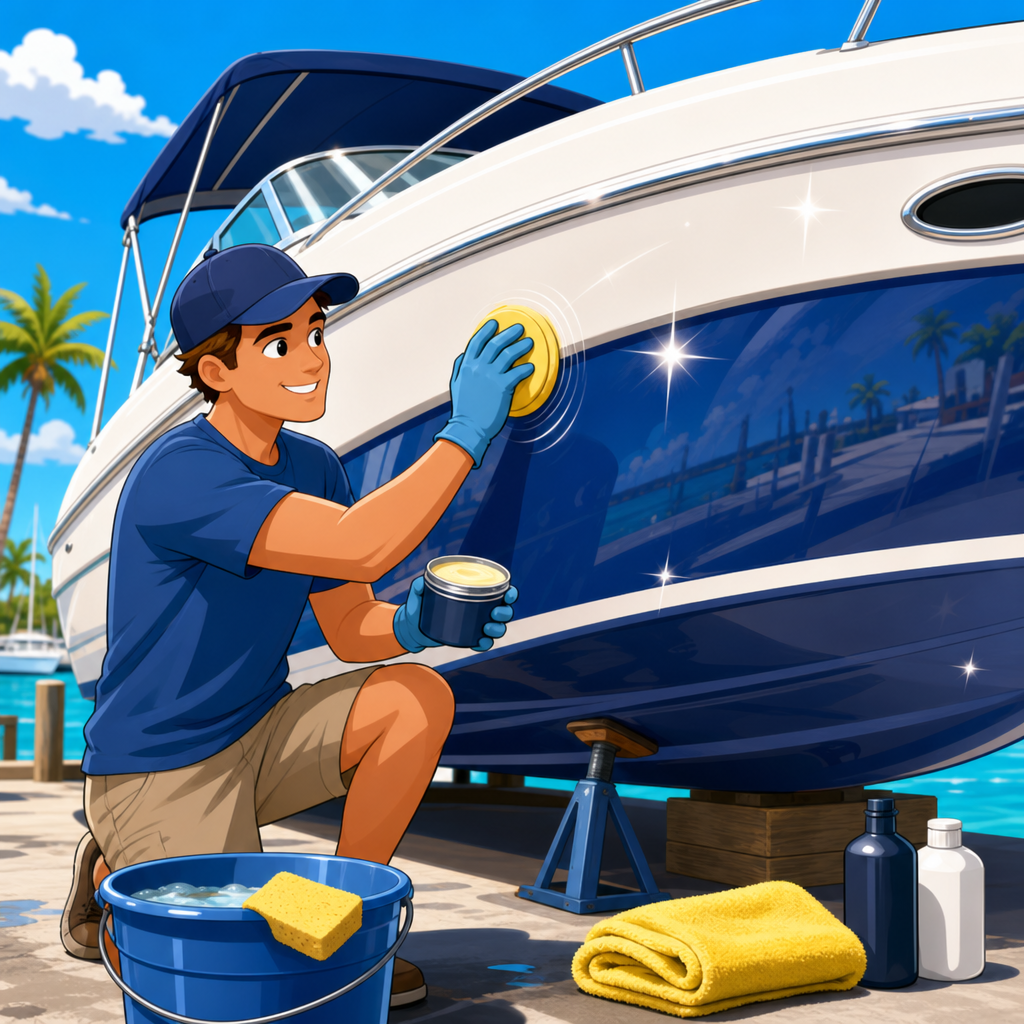
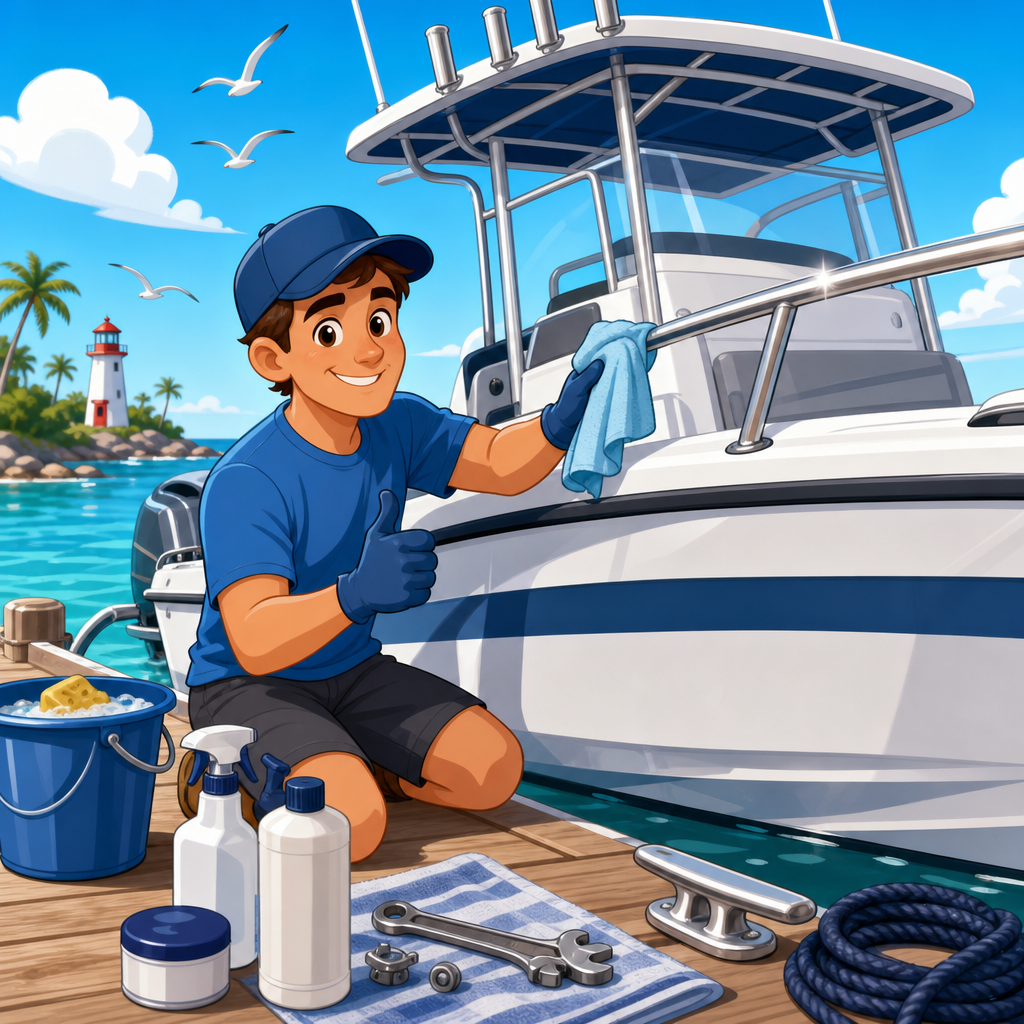
Hull and deck protection begins with cleaning because dirt hides defects and holds moisture against surfaces. Wash thoroughly, remove organic staining, and apply wax or a polymer sealant to gelcoat before storage. A protected surface sheds grime and spring cleanup becomes easier. Inspect through-hulls, trim-tab planes, transducers, drains, rub rails, cleats, and rail bases for failed sealant or movement. Freeze-thaw cycles enlarge tiny leaks by letting water enter around bedding compounds, then expand. That is especially risky on cored decks where repeated wetting can migrate into balsa or foam around hardware penetrations. Rebedding suspect fittings in autumn is far easier than repairing wet core in spring.
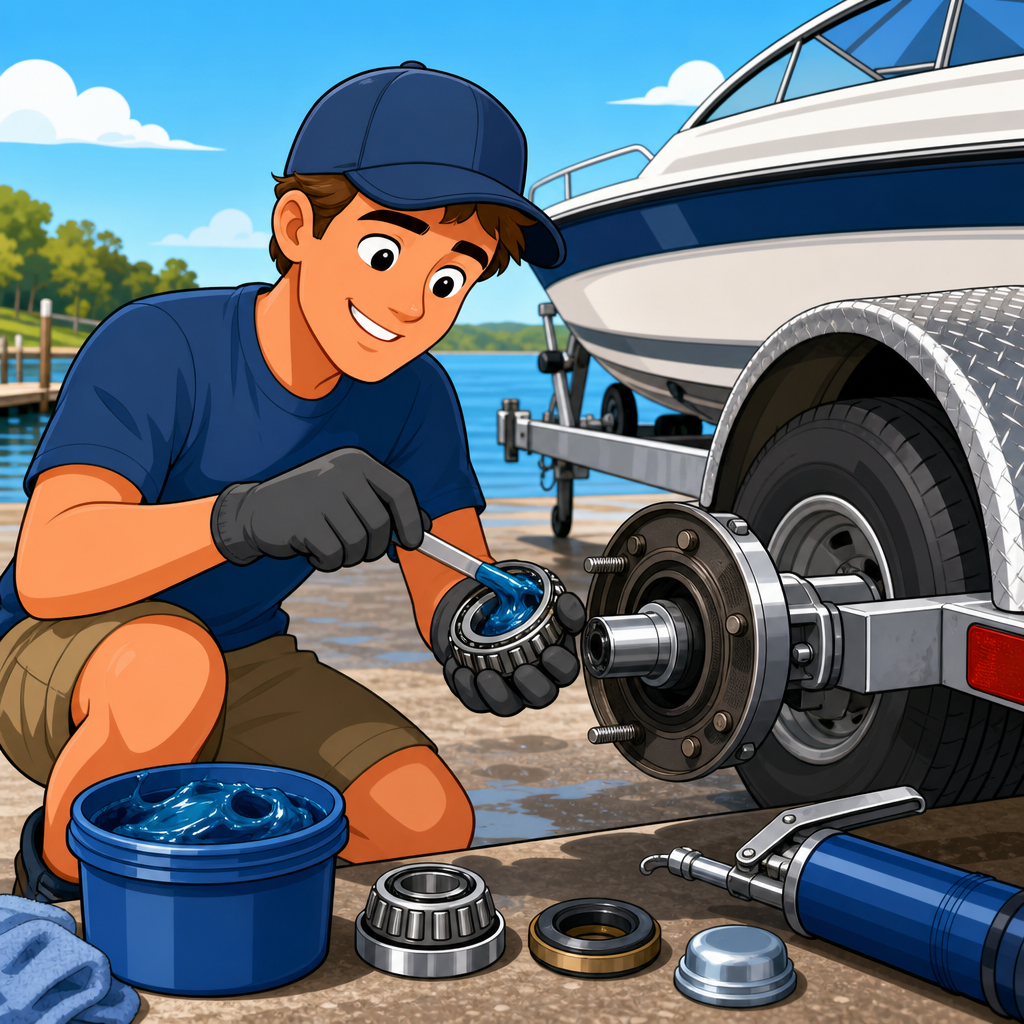
Do not ignore the trailer or cradle, because storage support affects hull integrity. Bunks should contact the hull evenly, rollers must turn freely if fitted, and keel support should carry weight where the manufacturer intends. Jack stands in yards need chains and correct pad placement; stands that sink or shift can create hull distortion. Remove electronics that are easy to steal or vulnerable to cold, including chartplotters and portable trolling motor batteries. Lubricate metal hardware with corrosion inhibitors appropriate for marine use. Aluminum trailers benefit from fresh-water rinsing and inspection at fasteners and brake components, while steel trailers need close attention to rust at welds, springs, and brake lines.
Outdrives and running gear should be inspected before storage, not after launch. Fishing line behind a propeller can cut seals and admit water to gearcases. If gear oil is milky, fix the leak before freezing weather. Grease points according to the service manual, check bellows on sterndrives for age cracks, and inspect anodes. For boats remaining in the water, winter protection adds another layer: maintain shore power safely, use a de-icer sized for slip conditions, monitor dock lines for chafe and changing water levels, and verify bilge pumps and alarms are operational. In-water winter storage can work, but it requires active oversight; a neglected boat in freezing water is one power outage away from disaster.
Build a reliable winter storage checklist and inspection routine
A winter storage checklist prevents missed steps, and missed steps are the real source of most cold-weather damage. Mine includes documenting engine hours, photographing key areas, labeling removed drain plugs, noting battery locations, and recording antifreeze type and quantity used in each system. That record matters in spring when troubleshooting. It also helps if a yard technician or future owner needs to understand what was done. Use manufacturer service manuals wherever possible, because model-specific details matter. For example, some engines have hidden drain points, some generators need separate muffler procedures, and some water systems require check-valve bypasses that generic advice overlooks.
Inspections should continue through winter, especially after the first major storm and after any thaw-refreeze event. Walk around the boat and look for sagging cover supports, chafe at windshield corners, loose straps, blocked vents, ice in the cockpit, waterlines on the tarp that indicate pooling, and rodent activity around exhaust outlets or cabin entries. Mice and squirrels can destroy wiring, insulation, and upholstery during one season. Use deterrents and exclusion methods that are safe for pets and the environment, and avoid relying only on scented sachets. If the boat is in professional storage, ask what monitoring is included, how often snow is removed, and who is authorized to access the boat.
Spring success starts in autumn, so think ahead when laying up the boat. Leave systems accessible. Tag seacocks, battery switches, and removed components. Store canvas dry and clean if not used as the primary winter cover. Keep spare fuses, drain plugs, impellers, and filters organized for recommissioning. If you outsource winterizing, request an itemized work order listing each protected system rather than a vague seasonal package. Comprehensive winter boat maintenance reduces repair costs, shortens spring prep, and protects resale value because dry interiors, sound engines, and undamaged decks are visible signs of ownership quality. The safest approach is simple: prepare methodically, cover intelligently, inspect regularly, and correct small problems before ice and snow turn them into major repairs.
Protecting a boat from ice and snow damage is not complicated, but it is detailed. The essentials are clear: winterize every water-bearing system, stabilize fuel, maintain batteries, clean and seal exposed surfaces, support the hull correctly, and use a ventilated cover that sheds snow and meltwater. Most serious winter failures come from overlooked basics rather than extreme weather. One trapped pocket of water can crack an engine component. One sagging section of cover can load a deck with hundreds of pounds of slush. One damp cabin can turn into a mold remediation project by spring. Careful seasonal prep breaks that chain of failure.
As the hub for winterizing and seasonal prep within boat maintenance and repairs, this topic connects directly to engine winterization, boat cover selection, battery storage, fuel system care, trailer maintenance, dehumidification, and spring recommissioning. If you build a repeatable checklist now, each of those tasks becomes faster and more reliable every year. The payoff is practical: fewer emergency repairs, a smoother launch day, and a boat that keeps its value longer. Before temperatures drop, schedule a full walkthrough of your boat, gather the right supplies, and complete your winter storage plan from bow to stern.
Frequently Asked Questions
What winter damage does ice and snow actually cause to a boat?
Winter damage is much more than a cosmetic issue. Ice is especially destructive because water expands as it freezes, which means any trapped moisture inside an engine block, manifolds, pumps, hoses, seacocks, livewells, freshwater systems, air-conditioning lines, or marine heads can crack components from the inside out. That kind of damage is often expensive and easy to miss until spring launch. Snow creates a different set of problems. Heavy accumulation adds static weight to decks, covers, canvas, and cockpit structures, sometimes stressing supports, bending frames, or allowing water to pool where it should drain away. As snow melts and refreezes, it traps moisture against surfaces, which encourages mildew, corrosion, oxidation, staining, and deterioration of upholstery and wood finishes. Freeze-thaw cycles also work on small weaknesses over time, widening hairline cracks in gelcoat, loosening sealants around fittings and hatches, and stressing older canvas or shrink-wrap. In practical terms, one missed drain, one low spot in a cover, or one neglected plumbing line can turn a routine off-season into thousands of dollars in repairs.
What is the most important step to protect a boat from freezing temperatures?
The single most important step is complete winterization of every system that can hold water. Many owners think first about the engine, and that is critical, but true cold-weather protection means treating the entire boat as a network of places where water can hide. The engine and raw-water cooling system should be drained or properly filled with the correct marine antifreeze according to the manufacturer’s procedure. The same goes for generators, air-conditioning systems, freshwater pumps, water heaters, sinks, showers, bilge lines, washdowns, livewells, heads, holding tank plumbing, and any seacock-fed equipment. Drain plugs should be removed where appropriate, low points should be cleared, and hoses should not be assumed empty just because a tank is drained. This is where many avoidable failures happen. A small pocket of water left in a pump housing or elbow can freeze, expand, and split the part. Use only marine antifreeze intended for boat systems, not automotive coolant as a shortcut. If you are not completely confident in the process for your engine or onboard systems, having a qualified marine technician winterize the boat is often far less expensive than replacing cracked components in spring.
How should I cover and store my boat so snow does not cause damage?
A good winter cover does two jobs at once: it sheds snow and water, and it allows enough ventilation to reduce trapped moisture. Whether you use a custom winter cover, a well-built frame with shrink-wrap, or indoor storage, the goal is to prevent standing water, sagging fabric, and prolonged dampness. The cover should have a strong support structure that creates a steep enough pitch for snow to slide or melt off instead of collecting in low spots. Supports must be stable enough to handle repeated storms, not just the first snowfall. Tie-downs should be secure but not so tight that they chafe gelcoat or fittings during wind. Ventilation matters because a completely sealed environment often creates condensation, which feeds mildew and corrosion even when the outside of the boat looks protected. If the boat is stored outside, check it regularly through the winter. Do not assume that a cover installed in November will still be doing its job in January after wind, ice, and snow loads have shifted it. Remove heavy accumulation when it is safe to do so, especially from canvas tops, enclosures, and unsupported sections. Also make sure cockpit drains and scuppers remain clear, because a blocked drain under snow and ice can lead to water backing up into places it should never be.
Can snow sitting on a boat really lead to mold, corrosion, and leaks?
Yes, absolutely. Snow itself may seem harmless, but on a stored boat it often acts like a long-term moisture blanket. As temperatures move above and below freezing, snow melts during the day, refreezes at night, and repeatedly wets surfaces that should be dry. That constant moisture exposure is what drives mildew growth in cabins, lockers, cushions, and enclosed cockpits. It also accelerates corrosion on metal hardware, electrical connections, trailer components, and engine parts exposed to damp air. On top of that, moisture works its way into tiny flaws. Sealants around rails, cleats, hatches, windshields, and fittings can shrink, harden, or separate over time, and freeze-thaw cycling exploits those weak points. Hairline gelcoat cracks that seemed minor at haul-out can widen enough to allow water intrusion. Once water gets into cored decks or around fittings, the repair can become much more involved than a simple reseal. The best prevention is keeping the boat clean, dry, ventilated, and properly covered before winter weather arrives. Removing organic debris, drying bilges, opening airflow where appropriate, and checking seals before storage all reduce the conditions that let moisture-related damage take hold.
How often should I inspect my boat during winter storage, and what should I look for?
You should inspect an outdoor-stored boat regularly throughout the winter, not just after major storms. A practical rule is to check it after significant snow, ice, or wind events and at routine intervals during the season. Winter problems often start small: a shifted cover, a sagging support pole, a blocked scupper, a loose strap, or a vent that has become obstructed. Left alone, those small issues can quickly turn into water intrusion, structural stress, interior dampness, or frozen plumbing damage. During inspections, look for snow accumulation in low spots, standing water under the cover, tears or abrasion points, bent framework, loose tie-downs, clogged drains, ice buildup around fittings, and signs that the boat is no longer ventilating properly. If the boat is on a trailer, check tire condition, tongue weight balance, jack stability, and whether meltwater is draining away instead of pooling around the hull. Inside the boat, if access is possible, look for damp air, mildew odor, water in the bilge, or evidence of leaks around hatches and hardware. A few careful winter visits can prevent major spring surprises. Boats rarely suffer serious snow and ice damage without giving some warning first; the key is being there to catch those warning signs in time.