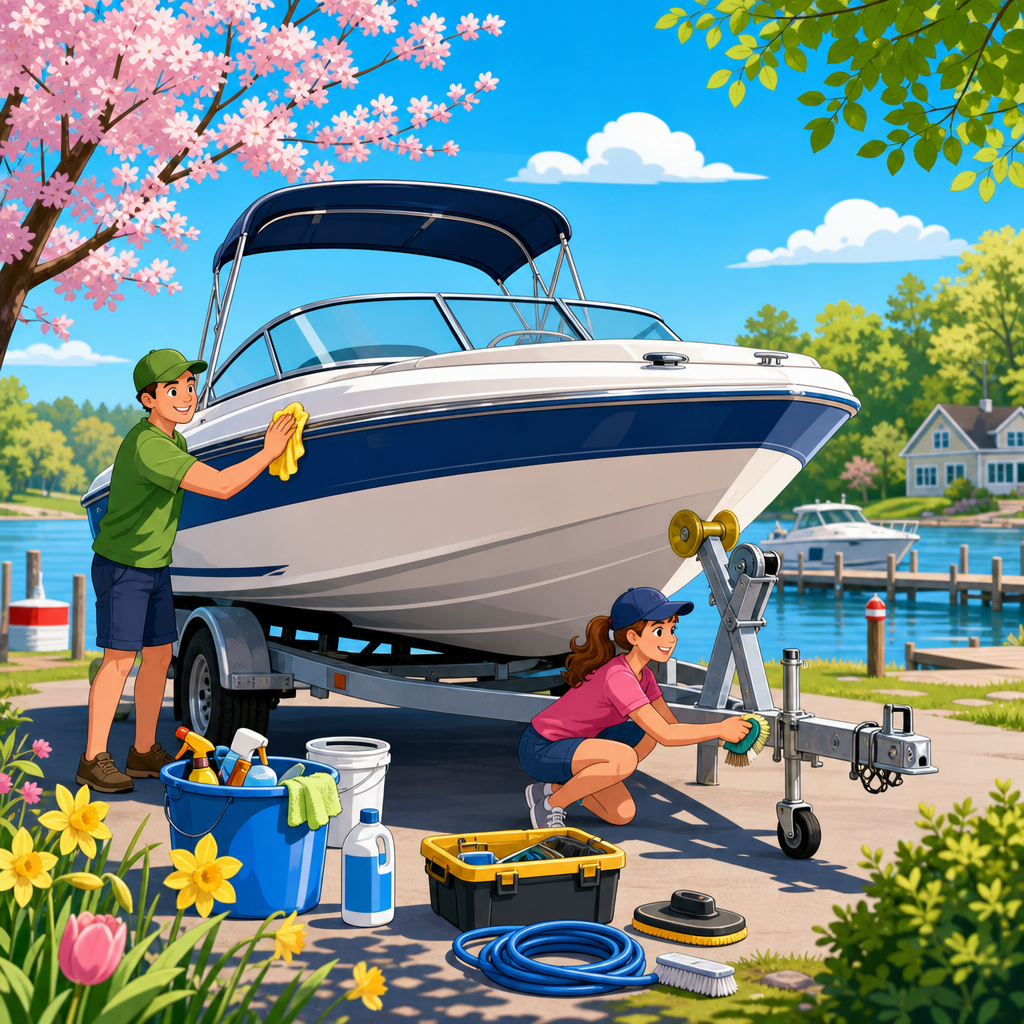
Spring boat prep sets the tone for your entire boating season, because the work you do before launch determines reliability, safety, fuel efficiency, and how much time you spend on the water instead of at the dock. In practical terms, getting your boat ready for the water means reversing winter layup carefully, inspecting every critical system, correcting damage caused by storage, and testing equipment before the first trip. For owners who stored properly in the fall, spring commissioning is usually straightforward. For owners who skipped parts of winterizing, spring prep often reveals fuel issues, dead batteries, cracked hoses, corroded terminals, mold growth, and trailer problems that can ruin opening day.
Winterizing and seasonal prep are closely linked. Winterizing protects engines, plumbing, batteries, upholstery, and finishes during freezing temperatures and inactivity. Seasonal prep brings those systems back into service methodically, with attention to what cold weather, moisture, and time may have changed. I treat spring commissioning as a full systems check, not a quick rinse and launch, because small failures in spring become expensive repairs by midsummer. A weak impeller that survived storage can overheat an engine in minutes. Old fuel can cause hard starts and poor combustion. A neglected trailer wheel bearing can strand a boat on the highway before it even reaches the ramp.
This guide is the hub for spring boat prep within the broader boat maintenance and repairs category. It covers the complete seasonal checklist, explains what to inspect, notes common trouble spots by system, and gives you a realistic order of operations. The goal is simple: make your first launch uneventful for the right reasons. Whether you run an outboard fishing boat, a sterndrive bowrider, a center console, or a cruiser with onboard systems, the same principles apply. Start early, inspect thoroughly, replace wear items before they fail, and sea-trial the boat before planning any long outing.
Start with a full post-storage inspection
The first step in spring boat prep is a careful inspection before anything is powered on. Remove covers, open compartments, and look for obvious signs of winter damage. Check for mildew, rodent nests, standing water, loose wiring, and damaged insulation. Pay close attention to the bilge, battery compartment, engine bay, lockers, and canvas. If the cover leaked or vents were blocked, moisture may have condensed throughout the boat. That matters because trapped moisture accelerates corrosion, encourages mold, and can damage electronics and soft goods.
Inspect the hull and topsides next. On fiberglass boats, look for chips, gelcoat cracks, dock rash, and any blisters that may need repair. On aluminum boats, look for pitting, loose rivets, cracked welds, and corrosion around fittings. Through-hulls, transducers, trim tabs, and drains deserve special attention because freeze expansion and road vibration during storage can loosen fittings. If the boat was shrink-wrapped, examine areas where the wrap rubbed against rails or corners. If it was stored outdoors, inspect seals around hatches and windows for UV damage and leaks.
Inside the boat, test seat bases, pedestal mounts, rails, ladders, and hinges by hand. Spring is the right time to tighten hardware and re-bed suspect fittings before leaks develop. Safety gear also gets checked now, not at the ramp. Verify the condition and expiration status of flares, confirm there are enough life jackets in usable condition, inspect fire extinguishers, and make sure the horn, throw cushion, anchor line, and navigation lights are present and serviceable. Many owners focus on engine readiness and forget that safety deficiencies can stop a boating day just as quickly.
Engine, fuel, and cooling system checks
Engine inspection is the most important part of getting a boat ready for the water. Begin with the manufacturer service schedule for your engine model and hours. For outboards, inspect the cowl seal, fuel lines, primer bulb, clamps, propeller, lower unit, and sacrificial anodes. For sterndrives and inboards, inspect belts, pulleys, raw-water strainers, hoses, clamps, exhaust components, and engine mounts. If anything looks swollen, cracked, rusty, or oil-soaked, replace it now. Rubber and composite parts often degrade during storage even when they looked acceptable in the fall.
Fuel quality is one of the biggest spring startup variables. Gasoline begins to degrade in a matter of months, especially ethanol-blended fuel that absorbs moisture and can contribute to phase separation. If the tank was stabilized during winterizing, fuel may still be usable, but it should be evaluated for smell, clarity, and engine performance. Replace fuel filters and water-separating elements at the start of the season. I also inspect anti-siphon valves, tank vents, and quick-connect fittings because small air leaks often create hard-start complaints that owners misdiagnose as ignition failures.
Cooling system checks depend on engine type. Raw-water cooled outboards need strong telltale flow and an intact water pump impeller. Sterndrives and inboards need inspection of the impeller, thermostat, hoses, clamps, circulation paths, and manifolds or risers where applicable. If the boat was winterized correctly, antifreeze should have protected vulnerable passages, but spring is still when old impellers, brittle hoses, and clogged strainers reveal themselves. Overheating is preventable if the cooling system is serviced before launch instead of after a warning alarm sounds.
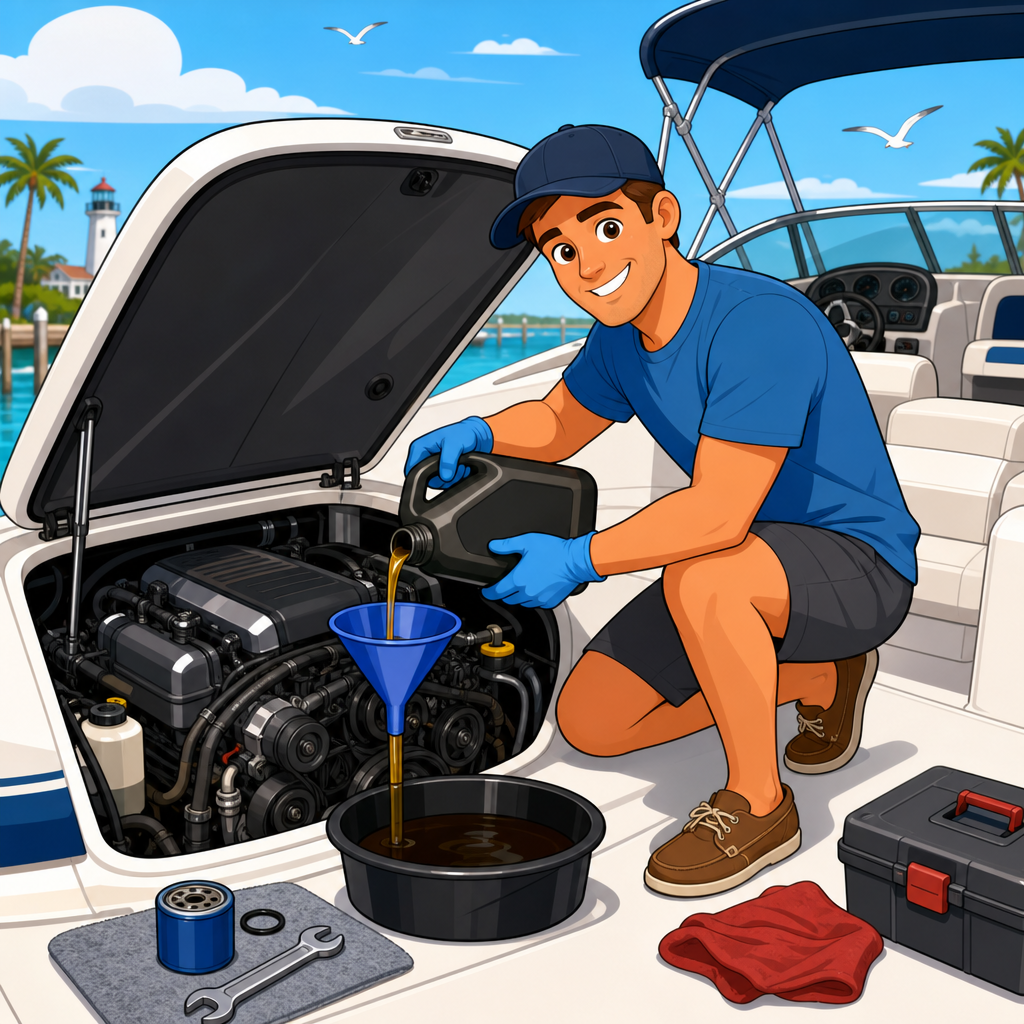
Fluids tell you a lot about engine condition. Check engine oil, gear lube, power steering fluid, trim fluid, and coolant on closed-cooled systems. Milky gear lube suggests water intrusion through seals. Burnt-smelling oil points to overdue service. Low fluid levels may indicate leaks that worsened during storage. Replace fluids according to manufacturer intervals, not guesswork. Mercury, Yamaha, Suzuki, Honda Marine, Volvo Penta, and Indmar all publish service guidance, and following that schedule is far cheaper than repairing avoidable drivetrain damage.
Battery, electrical, and electronics recommissioning
Battery failures are among the most common spring launch problems. Remove batteries from storage if they were kept off the boat, clean the cases, check electrolyte levels on serviceable flooded batteries, and charge fully with a marine smart charger. Then test voltage and, ideally, perform a load test. A battery can show over 12 volts and still fail under cranking load. AGM and lithium batteries require charger compatibility and proper settings, so verify those before reconnecting. Inspect trays, tie-downs, and ventilation at the same time.
Corrosion control matters as much as battery charge. Clean terminals, coat them with a corrosion inhibitor, and inspect the main battery switch, fuse panels, bus bars, and grounding points. In spring I often find green or white corrosion hidden under heat shrink near bilge pump connections or navigation light wiring. Those high-resistance connections create intermittent faults that are difficult to troubleshoot once the season is underway. A simple continuity check and visual inspection at the dock can prevent hours of frustration later.
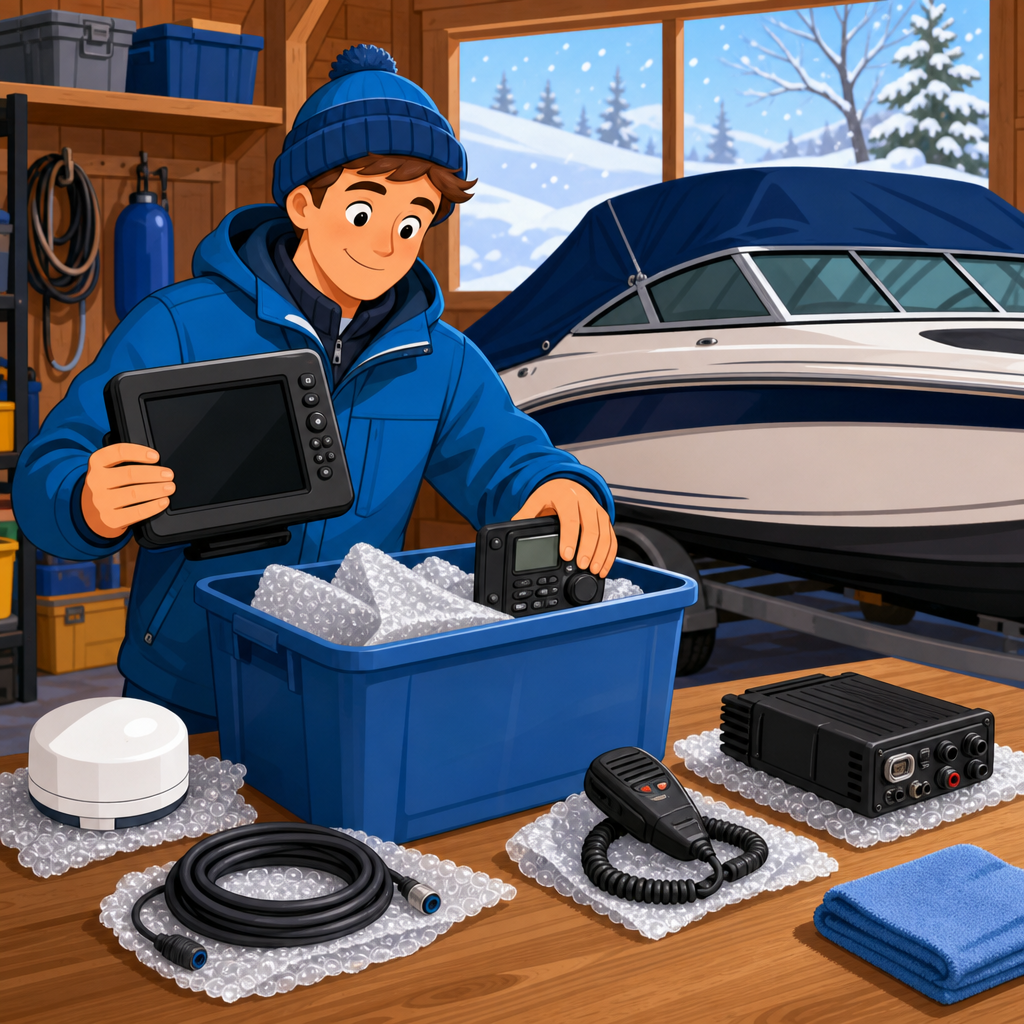
Reconnect and test every electrical circuit methodically. That includes bilge pumps and float switches, livewell pumps, blowers, freshwater pumps, washdowns, trim tabs, horns, wipers, cabin lighting, courtesy lights, USB outlets, and windlasses if installed. Electronics should be powered up one by one: chartplotter, fishfinder, radar, VHF, stereo, AIS, autopilot, and engine instrumentation. Confirm software updates, chart subscriptions, GPS lock, transducer readings, and radio transmission quality. If your multifunction display lost settings over winter, rebuild critical alarms before launch.
| System | What to Check in Spring | Common Problem Found | Best Fix Before Launch |
|---|---|---|---|
| Battery bank | Voltage, load capacity, terminal condition | Battery charges but cannot crank engine | Load test and replace weak battery |
| Fuel system | Filters, hoses, bulb, venting, fuel condition | Hard starts from stale fuel or air leaks | Replace filters and degraded hose sections |
| Cooling system | Impeller, telltale flow, strainers, hose integrity | Overheating at first idle | Install new impeller and clear restrictions |
| Trailer | Tires, bearings, brakes, lights, winch strap | Hub heat or failed trailer lighting | Service bearings and repair grounds |
| Safety gear | Life jackets, extinguisher, flares, horn | Expired or missing required equipment | Replace before ramp day |
Hull, running gear, and exterior seasonal maintenance
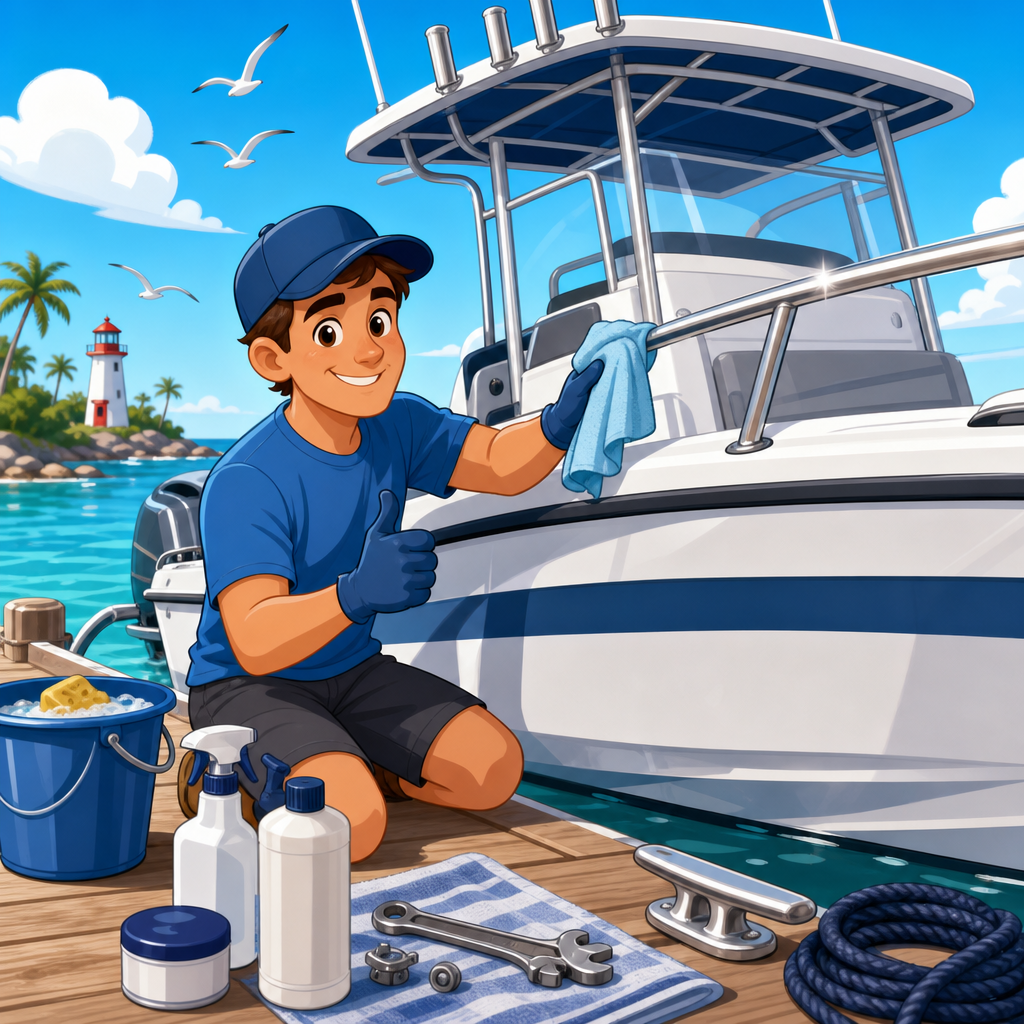
A clean, protected hull performs better and makes inspection easier. Wash thoroughly, then decontaminate oxidation, stains, and scum lines before applying wax or a sealant to topsides. If the boat uses bottom paint, inspect for flaking, excessive wear, and bare spots. Antifouling paint has a service life and should be renewed according to use patterns, water type, and manufacturer guidance. In freshwater, some trailered boats can go without bottom paint, but boats kept in slips often need seasonal coating upkeep to control growth and preserve performance.
Running gear inspections differ by propulsion type. On outboards, remove the propeller and inspect for fishing line around the prop shaft, damaged blades, and grease condition. Fishing line behind the prop can cut seals and lead to gearcase leaks. On sterndrives and inboards, inspect props, shafts, struts, rudders, cutless bearings, and trim systems. A propeller with even minor damage can create vibration, reduce fuel economy, and stress bearings. This is also the time to confirm drain plugs are present and threaded correctly, a basic but surprisingly common launch-day mistake.
Anodes should never be an afterthought. Sacrificial anodes protect underwater metals from galvanic corrosion, and spring is when missing or heavily consumed anodes must be replaced. Use the correct material for the water environment: zinc is traditional in saltwater, aluminum works well in salt and brackish conditions, and magnesium is generally used in freshwater. Mixing metals improperly or ignoring shore power corrosion issues on docked boats can cause expensive damage to outdrives, trim tabs, and propellers.
Interior systems, plumbing, and onboard comfort
Spring commissioning for cabin boats and family boats goes beyond engines. If the boat has freshwater plumbing, sanitize the system before use. Tanks that sat stagnant over winter can develop odor and biofilm. Drain old antifreeze as needed, flush thoroughly, inspect pumps and strainers, and run water through every faucet, shower, transom sprayer, and head supply line. Marine heads also need inspection of seals, joker valves, vented loops, macerators, and holding tank connections. A sanitation leak discovered after launch quickly becomes unpleasant and expensive.
Air conditioning, water heaters, refrigerators, shore power systems, and generators each need separate startup checks where installed. For shore power, inspect inlet fittings, cord ends, and galvanic protection components, and test GFCI or ELCI devices if equipped. ABYC standards are the benchmark here because electrical faults on boats can become shock hazards or fire risks. If you notice heat discoloration on shore power plugs or receptacles, replace components before using them. That discoloration indicates resistance and should not be ignored.
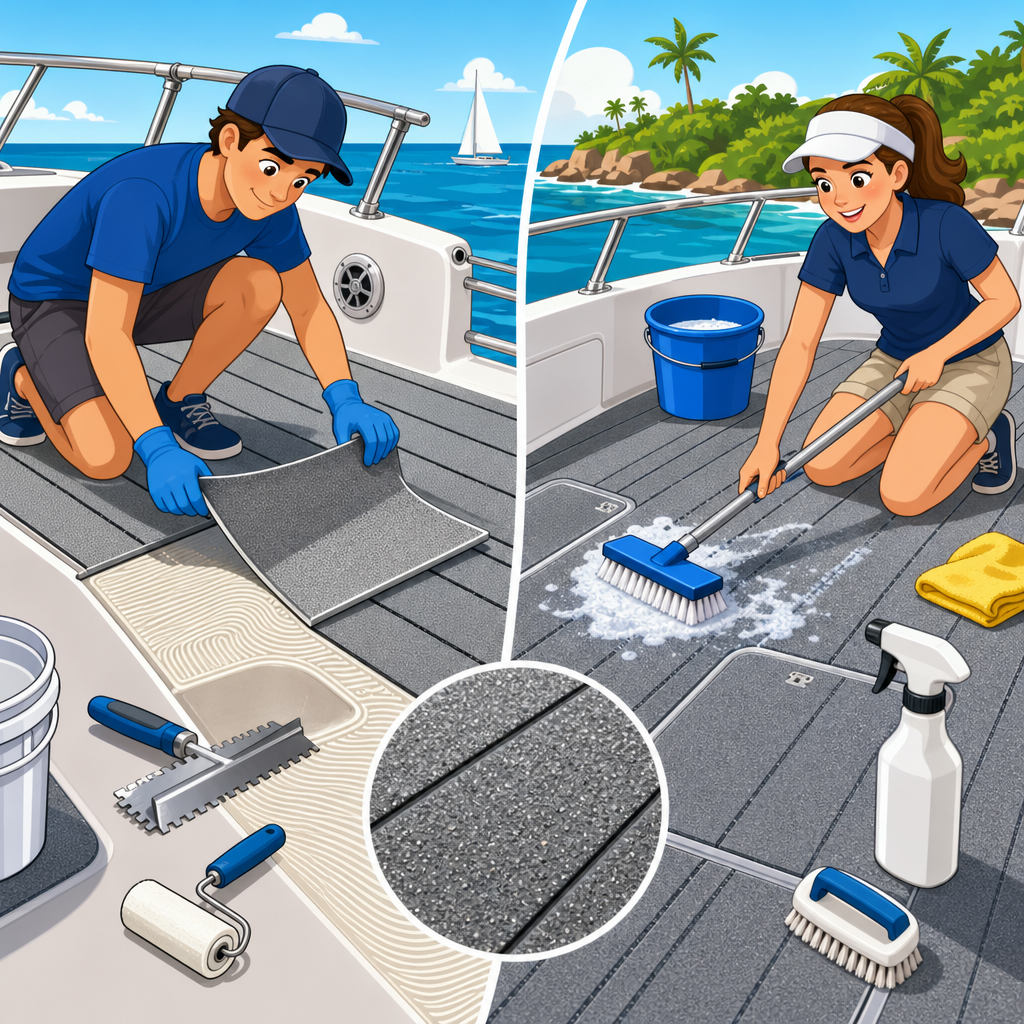
Soft goods and surfaces also deserve deliberate spring care. Clean vinyl with marine-safe products, check stitching on covers and enclosures, and treat isinglass panels correctly to avoid scratching. Mildew on cushions or in compartments signals ventilation issues that should be corrected, not just wiped away. I also check drains in cockpits and anchor lockers because blocked drains create standing water, and standing water leads to odor, staining, and hidden rot on older boats with wood-cored structures.
Trailer prep and ramp-readiness
For trailered boats, spring boat prep is incomplete until the trailer is serviced. Tires should be inspected for tread, sidewall cracking, date code age, and proper inflation. Many trailer tires age out before they wear out. Wheel bearings need inspection and greasing or replacement as appropriate, and bearing protectors should be checked for leaks or looseness. After a short tow, hubs should be warm at most, not hot. Trailer brakes, especially surge or electric-over-hydraulic systems, need testing before highway use, not after a panic stop.
Lighting faults are common because trailers live in water and weather. Test running lights, brake lights, turn signals, side markers, and the ground path. Corrosion at connectors and poor grounds cause most failures. Inspect bunks, rollers, U-bolts, the winch strap, safety chains, jack, and coupler latch. If the strap is frayed or sun-damaged, replace it. Confirm the transom tie-downs are sound and that the boat sits correctly on the trailer. Improper support can stress the hull during transport and storage.
Ramp-readiness includes the small steps that prevent chaos at launch. Install the drain plug at home or use a visible checklist. Pack dock lines and fenders where they are easy to reach. Verify registration, documentation, and required permits are onboard and current. Load safety gear, tool kit, spare hub components if you travel far, and a basic set of engine spares such as fuses and a fuel filter. Good spring prep reduces the chance of problems; good ramp prep reduces the impact if one appears.
Sea trial, service records, and a smart seasonal plan
Before declaring the boat ready, perform a controlled sea trial. Start on the trailer with proper cooling water supply where appropriate, then launch and run at idle first while checking for leaks, charging voltage, steering response, and cooling performance. Bring the engine up through the rpm range gradually and confirm it reaches expected operating temperature and recommended wide-open-throttle range. Test trim, tabs, electronics, bilge pumps, and anchoring gear in real conditions. A short local run is the right time to discover issues, not a holiday weekend trip with guests aboard.
Document what you did. Keep a maintenance log with dates, engine hours, fluid types, filter part numbers, battery test results, and observations from the sea trial. That record simplifies future diagnostics, supports resale value, and helps you build a recurring seasonal routine. Spring boat prep works best when paired with a full annual maintenance plan that includes in-season checks and proper fall winterizing. Use this guide as the hub for your winterizing and seasonal prep workflow, then turn each system into its own checklist. If you start now, inspect carefully, and fix problems before launch, your boat will reward you with a safer, smoother, and more dependable season on the water.
Frequently Asked Questions
What should I check first when getting my boat ready for spring?
The best place to start is with a full visual and mechanical inspection before you launch. Begin by removing covers, supports, and any winter protection materials, then look over the hull, deck, transom, and trailer for obvious damage such as cracks, corrosion, loose fittings, blistering, worn bunks, or dry-rotted tires. After that, move through the boat system by system. Check the battery condition and charge level, inspect wiring for corrosion or rodent damage, test navigation lights, and verify that pumps, blowers, and electronics power on correctly. In the engine compartment, look for fluid leaks, cracked hoses, loose clamps, belt wear, and signs of moisture or rust. If your boat was winterized properly, spring prep is often a process of reconnecting, refilling, inspecting, and testing rather than major repair, but skipping this first inspection can let small problems turn into expensive downtime once the season starts.
How do I safely reverse winterization on my boat?
Reversing winterization should be done methodically so every system is brought back online in the right order. Start with the engine and cooling system by checking whether antifreeze was used, whether water intake lines were drained, and whether any hoses or plugs were removed during layup. Reinstall drain plugs, reconnect hoses, and confirm clamps are secure before adding or topping off fluids. Inspect engine oil, lower unit gear lube, power steering fluid, and coolant where applicable, and replace anything that is dirty, milky, contaminated, or due by service interval. Reconnect the battery, clean terminals, and verify it holds a charge. For freshwater systems, sanitize tanks and lines if needed, then flush them thoroughly. If your boat has a head and holding tank, inspect seals, hoses, and pumps before use. Fuel systems also deserve close attention in spring, especially if fuel sat over the winter. Check for stale fuel, water contamination, degraded fuel lines, or clogged filters. Once everything is reassembled, run the engine on a hose or in the water according to manufacturer guidance and confirm proper cooling water flow, normal idle, and no warning alarms. Taking a careful, step-by-step approach is the safest way to avoid overheating, leaks, and first-launch surprises.
Do I need to service the engine every spring, even if the boat ran fine last season?
Yes, at minimum you should inspect and evaluate the engine every spring, even if it performed well when you put it away. A boat engine can develop issues during storage that were not present at haul-out, including corrosion, condensation contamination, weakened batteries, cracked rubber parts, and fuel degradation. Spring is the right time to confirm the engine is still protected and ready for dependable use. For outboards, sterndrives, and inboards alike, inspect oil condition, fuel filters, spark plugs, belts, hoses, clamps, and the cooling system. Check the propeller for damage and inspect the lower unit for fishing line around the shaft or signs of seal failure. If annual maintenance was not completed in the fall, spring is the time to change engine oil, gear lube, filters, and impellers as recommended. Even when no major service is due, a startup inspection and test run are essential. An engine that “ran fine last year” can still have a dead battery, blocked cooling passage, weak fuel delivery, or deteriorated rubber components. Preventive service is almost always cheaper than losing a weekend to a breakdown or paying for emergency repair during peak season.
What safety equipment should I inspect before the first launch?
Spring commissioning is not complete until you verify that all required and recommended safety gear is present, accessible, and in working condition. Start with life jackets and make sure you have the correct number, correct sizes, and that straps, buckles, and flotation material are in good shape. Check throwable flotation devices for wear, and inspect fire extinguishers to confirm they are properly charged and not expired. Test navigation lights, anchor lights, horn or sound-producing devices, bilge pumps, bilge blowers, and battery switches. Replace old flares if they are out of date, and confirm your visual distress signals meet current legal requirements for your area and type of boating. It is also smart to inspect your anchor, rode, dock lines, and fenders, since these are often used immediately at launch and can fail after sitting through winter storage. Review first-aid supplies, emergency communication devices, registration documents, and any onboard tools or spare parts you keep for routine issues. Safety checks are not just about compliance; they directly affect your ability to respond to fire, flooding, mechanical trouble, or an unexpected delay on the water.
How can spring boat prep improve reliability, performance, and fuel efficiency during the season?
Thorough spring boat prep has a direct effect on how well your boat runs all season long. Reliability improves because you are identifying weak points before they fail, such as aging batteries, corroded electrical connections, soft fuel lines, worn belts, dirty filters, leaking seals, and damaged props. Performance improves when the engine is getting clean fuel, proper airflow, correct lubrication, and unrestricted cooling water, and when the hull and running gear are clean and undamaged. Fuel efficiency is also tied closely to spring preparation. Old fuel, fouled spark plugs, dragging trailer brakes from poor launch prep, rough bottom surfaces, or a nicked propeller can all reduce efficiency and force the engine to work harder. A clean hull, tuned engine, proper tire pressure on the trailer, and verified fluid levels all contribute to smoother operation and lower operating costs. Just as important, early spring maintenance gives you time to schedule repairs before marinas and service shops hit their busiest period. That means fewer delays, more confidence at launch, and more actual boating time instead of troubleshooting problems at the dock.