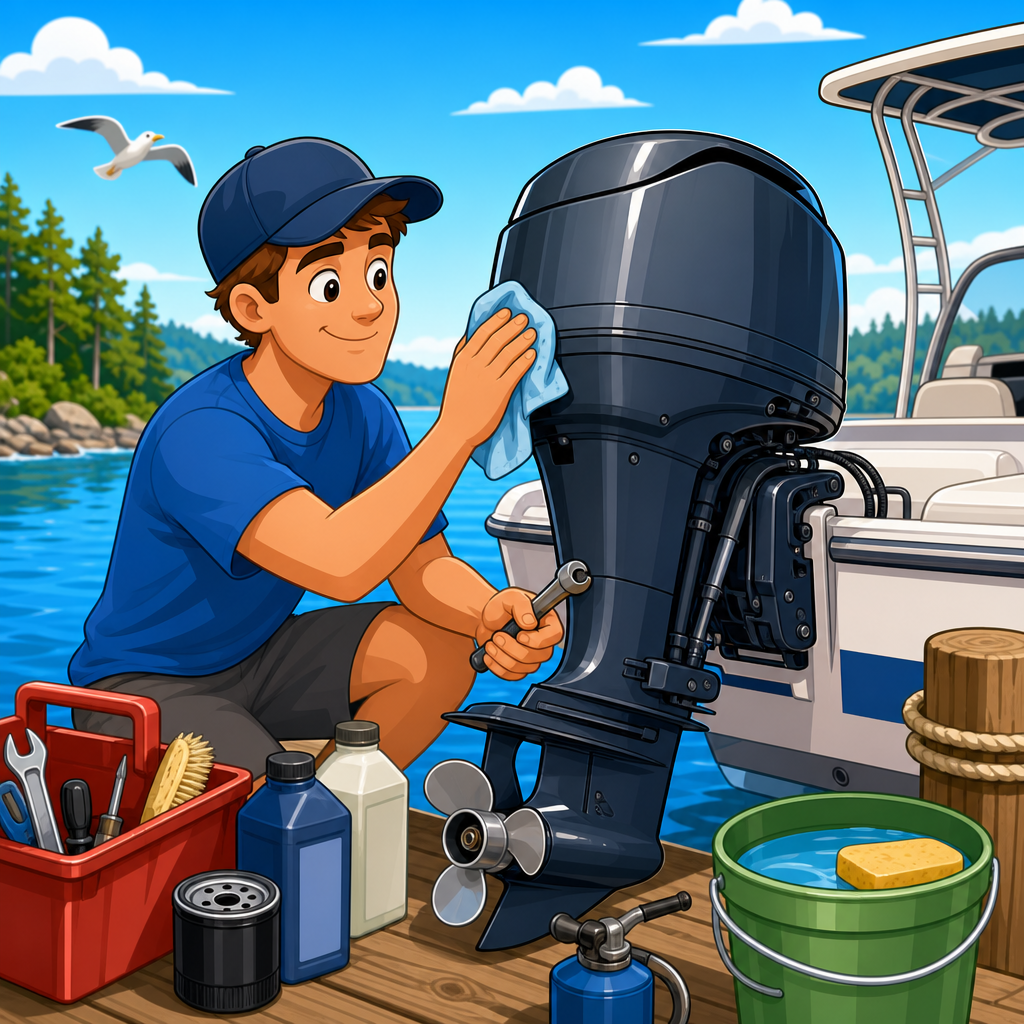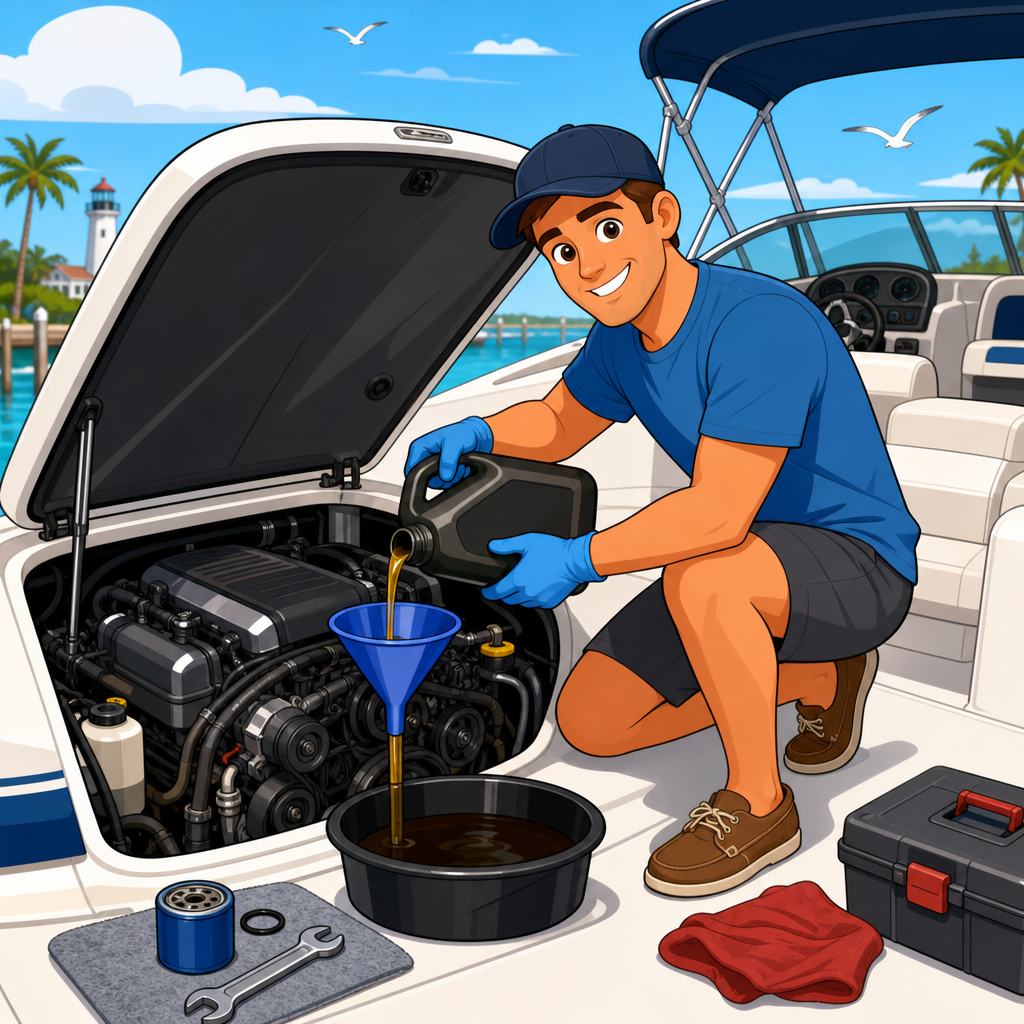
How to Prevent Fuel Problems During Winter Storage starts with understanding what winter storage actually does to gasoline, diesel, tanks, hoses, and engines. When a boat sits for months in cold weather, fuel does not remain unchanged. Gasoline oxidizes, volatile compounds evaporate, ethanol can attract water, diesel can degrade and support microbial growth, and condensation can form inside partially filled tanks as temperatures swing. In practical terms, that means hard starting, rough running, clogged filters, injector deposits, varnish in carburetors, corroded components, and expensive spring commissioning delays. Winterizing fuel systems is the part of seasonal prep many owners rush, yet it is one of the most important jobs because modern marine fuel systems are precise, sensitive, and costly to repair.
In my experience servicing seasonal boats, the worst spring problems rarely begin with a dramatic failure. They begin with small oversights in the fall: stale fuel left untreated, water sitting in a separator, a neglected vent line, or a tank left at the wrong fill level for the local climate. Preventing fuel problems during winter storage means applying a method, not just pouring in an additive and hoping for the best. You need to match the storage plan to the engine type, fuel type, climate, tank material, and storage duration. This hub page covers the full winterizing and seasonal prep process for fuel systems so boat owners can protect reliability, avoid contamination, and make spring startup routine instead of risky.
Key terms matter here. Fuel stabilization means slowing oxidation and chemical breakdown during storage. Condensation is moisture that forms when warm air inside a tank cools and releases water. Phase separation happens when ethanol-blended gasoline absorbs too much water and the alcohol-water mixture drops out of suspension, leaving lower-octane fuel above it. Fuel polishing is the circulation and filtration of stored fuel to remove water and contaminants, most common with diesel. A water-separating fuel filter is designed to trap water before it reaches pumps and injectors. When you understand these terms, the rest of winterizing decisions become much easier and more logical.
This winterizing and seasonal prep hub is designed as the central guide within boat maintenance and repairs. It explains what to do before storage, how to store fuel safely, what changes for gasoline versus diesel, and what to inspect before spring launch. It also points naturally toward deeper work on batteries, cooling systems, fogging, lower units, bilge protection, and recommissioning. If you want a boat that starts cleanly after months on the hard or under cover, fuel protection cannot be an afterthought. It has to be planned as carefully as engine oil changes, antifreeze protection, and moisture control throughout the vessel.
Why fuel systems fail during winter storage
Fuel problems during winter storage usually come from four mechanisms: oxidation, water intrusion, contamination, and neglected maintenance. Gasoline begins to lose freshness surprisingly quickly, especially if it contains ethanol and sits in a vented marine tank. As lighter fractions evaporate and oxidation progresses, gums and varnish form. Those residues stick to carburetor passages, injectors, intake valves, and pump internals. Diesel is generally more stable than gasoline, but it is not immune. Water in diesel tanks creates the environment for microbial contamination, often called diesel bug, which produces sludge that clogs filters and corrodes tanks.
Water is the most common enemy. Marine tanks breathe through vents, and every temperature cycle pulls humid air in and out. In coastal and humid inland areas, that moisture can condense on tank walls and drip into fuel. Ethanol-blended gasoline can absorb some water, but once saturation is exceeded, the fuel separates. When that happens, no additive can reverse it reliably onboard. Diesel does not phase separate the same way, yet free water in diesel settles at the bottom, where pickup tubes, microbes, and corrosion become problems. This is why draining separators and checking tank condition before storage is not optional.
Neglect makes chemical issues worse. A partly blocked tank vent can increase moisture retention. An old fill cap gasket can admit rainwater. Cracked primer bulbs and aging hoses can shed particles internally or permit air leaks. Filters that were already near capacity in autumn may plug immediately in spring when loosened debris moves through the system. I have seen owners blame bad fuel when the actual root cause was a collapsing fuel line or a corroded anti-siphon valve. Winterizing should therefore address the entire fuel path, from deck fill to combustion chamber, rather than only the liquid inside the tank.
Best practices before the boat goes into storage
The correct storage routine starts with fresh fuel. If the fuel in the tank is already months old, adding stabilizer only preserves declining quality. Top off with recently purchased fuel from a busy marina or high-turnover station, then dose the stabilizer according to the label for storage concentration, not maintenance concentration. Run the engine long enough to move treated fuel through lines, pumps, rails, injectors, or carburetors. For most boats, that means at least fifteen minutes at operating temperature, although twin engines, generators, and kicker motors each need separate attention. If fuel remains untreated in any branch of the system, deposits can still form there.
Tank fill strategy depends on fuel type and manufacturer guidance. For gasoline boats, many technicians recommend filling the tank to roughly 95 percent to reduce air space and condensation while leaving room for thermal expansion. For diesel, a full tank is also widely preferred for the same reason, provided the tank and vent system are sound. The exception is when contaminated fuel, known water intrusion, or tank service is pending; in that case, storing a bad full tank only preserves a bigger problem. Owners should inspect deck fills, O-rings, vents, and hose clamps before final fill so the tank is protected for the entire off-season.
Drain or service the water-separating fuel filter before storage if water is present, and replace the element if it is due by hours, season, or condition. On outboards and portable tanks, disconnecting fuel lines and following the engine maker’s storage procedure may include running the engine dry or allowing controlled fuel depletion from certain components, but that is engine-specific. Always follow the manufacturer’s method for EFI versus carbureted systems. At the same time, check visible hoses for USCG-rated markings, softness, cracks, and date codes. Fuel hoses age from the inside as well as the outside, and winter is an ideal moment to replace suspect sections before they become a spring reliability issue.
Gasoline versus diesel winter storage requirements
Gasoline and diesel demand different prevention strategies because they fail in different ways. Gasoline is more volatile and more vulnerable to oxidation, octane loss, and ethanol-related moisture issues. Diesel is less volatile but more susceptible to water accumulation, microbial growth, and sludge mobilization. Owners who switch between gas-powered runabouts and diesel cruisers often assume one product or one process suits both; it does not. Use a stabilizer formulated for the actual fuel. Marine-specific products from brands such as STA-BIL, Star Tron, Pri-G, Biobor, and ValvTect are designed around these differences, but they still work only when paired with proper tank management and filtration.
For gasoline engines, especially ethanol-blended E10 systems, reducing water exposure is central. Whenever practical, buy ethanol-free marine fuel if it is available and approved for your engine. If not, keep the tank nearly full, stabilize promptly, and avoid long storage with unknown fuel age. Carbureted engines need special care because tiny passages gum up fast. I have had far fewer spring complaints from owners who stabilized, ran the engine thoroughly, and serviced filters before layup than from those who simply filled the tank and parked the boat. EFI systems tolerate storage better, but injectors and high-pressure pumps still suffer when varnish and water enter the system.
For diesel, biocide use should be based on risk, not habit. If water contamination, warm shoulder-season temperatures, or prior microbial problems exist, a marine-approved biocide is justified before storage. If the fuel is clean, dry, and sourced from reputable suppliers, biocide may not be needed every year. What is always needed is water control. Drain separators, inspect bowls, and consider fuel polishing for larger yachts or boats with older tanks. Many common-rail diesel engines have extremely tight tolerances, so contamination that an older mechanical diesel might tolerate can damage modern injectors and pumps. Clean fuel is therefore not just a performance issue; it is a major cost-control issue.
| Fuel type | Main winter risk | Best preventive action | Common spring symptom |
|---|---|---|---|
| Gasoline with ethanol | Oxidation and phase separation | Use fresh fuel, add stabilizer, keep tank nearly full | Hard starting, rough idle, clogged carburetor or injectors |
| Ethanol-free gasoline | Oxidation and gum formation | Stabilize and circulate treated fuel through the system | Stale fuel smell, hesitation under load |
| Diesel | Water, microbial growth, sludge | Keep tank full, drain separators, use biocide when risk is present | Filter plugging, power loss, injector issues |
Storage environment, inspection points, and spring recommissioning
Where and how the boat is stored affects fuel protection more than many owners realize. Outdoor storage with repeated freeze-thaw cycles and high humidity increases condensation risk compared with indoor heated storage, but heated buildings create their own temperature swings if doors open often. A well-fitted cover, intact vent screens, and a properly pitched boat that sheds water away from fills and vents all help. Portable fuel tanks should be stored according to fire code and manufacturer instructions, never in living spaces and never where caps or vents can admit moisture. Environmental conditions cannot be controlled perfectly, so the aim is to reduce exposure pathways and remove small faults before they become contamination points.
Inspection during layup should be deliberate. Look at the deck fill cap seal, vent fitting, fuel sender gasket, tank mounts, hose routing, primer bulbs, anti-siphon valves, and filter bowls. Smell matters too. A strong varnish odor around gasoline components suggests aging fuel, while sour or contaminated diesel smells often accompany microbial issues. On aluminum tanks, inspect for external corrosion caused by trapped moisture and poor bedding. On fiberglass tanks in older boats, verify fuel compatibility and monitor for resin-related concerns if ethanol exposure is possible. Good records help here: note what fuel was added, which additive and dose were used, filter service dates, and any observed water or debris.
Spring recommissioning should begin before the first key turn. Inspect for leaks, squeeze primer bulbs if fitted, check separator bowls, and confirm that fuel has not darkened unusually or developed haze. If gasoline smells stale or diesel shows visible contamination, do not simply start and hope it clears. Sample the tank bottom when possible, replace filter elements, and consider professional fuel polishing or removal for compromised fuel. Once started, monitor idle quality, throttle response, and vacuum or restriction indicators on filtration systems. This winterizing and seasonal prep hub connects directly to the broader boat maintenance and repairs routine: battery charging, corrosion checks, cooling system service, lubrication, bilge inspection, and sea-trial verification all support a reliable return to service.
Preventing fuel problems during winter storage comes down to disciplined preparation, not luck. Fresh fuel, the right stabilizer, proper tank fill level, water control, filter service, and engine-specific procedures eliminate most offseason fuel failures before they start. Gasoline systems need protection from oxidation and ethanol-related moisture, while diesel systems need strict water management and, when warranted, biocide treatment. Storage conditions, vent integrity, and hose condition also matter because fuel quality is only as good as the system containing it. When owners treat fuel winterizing as a complete process instead of a single product purchase, spring startup becomes simpler, safer, and far less expensive.
As the hub page for winterizing and seasonal prep, this guide should shape how you organize the rest of your offseason work. Use it as the starting point for related maintenance tasks: engine layup, battery care, moisture prevention, freeze protection, and recommissioning checklists. Build a written procedure for your boat, your climate, and your engine package, then repeat it every year without shortcuts. That consistency is what preserves fuel quality, protects components, and reduces unexpected repairs. If you are preparing for storage now, inspect the fuel system today, service filters, treat fresh fuel correctly, and schedule the remaining seasonal maintenance before the weather turns.
Frequently Asked Questions
Why does fuel go bad during winter storage?
Fuel changes even when a boat is not being used, and winter storage creates the exact conditions that allow those changes to become a problem. Gasoline begins to oxidize over time, which means it reacts with oxygen and starts forming gums and varnish-like deposits. At the same time, the lighter, more volatile parts of the fuel can evaporate, leaving behind gasoline that is less combustible and less effective at starting an engine. If the fuel contains ethanol, the risk increases because ethanol attracts moisture from the air. Over a long storage period, that absorbed water can contribute to phase separation, where water and ethanol drop out of the gasoline and leave a fuel layer that burns poorly or not at all.
Diesel has its own storage challenges. It can oxidize and lose quality over time, but one of the biggest winter issues is water contamination inside the tank. Even a small amount of water can support microbial growth at the fuel-water interface, creating sludge that clogs filters and restricts fuel flow. Cold weather also highlights other weaknesses in the system. Condensation can form inside tanks as temperatures rise and fall, especially if the tank is partially full. Hoses, seals, and older components may also stiffen or become more vulnerable to leaks. In short, winter storage does not “pause” fuel condition. It slowly changes fuel chemistry and can create contamination that leads to hard starting, rough running, poor performance, and expensive spring repairs.
Should I store my boat with a full tank or a partially filled tank?
In most cases, it is better to store a boat with the tank nearly full rather than partially filled. A fuller tank leaves less empty air space above the fuel, which reduces the amount of moisture-laden air that can enter and condense on the inside walls of the tank. That matters during winter because repeated temperature swings can create condensation inside a partially filled tank, and that water eventually ends up in the fuel. Water contamination is one of the most common causes of spring fuel problems, including corrosion, poor combustion, clogged filters, and microbial growth in diesel systems.
That said, “full” does not mean overfilled. Leave appropriate expansion space based on the manufacturer’s recommendations so the fuel has room to expand and contract with temperature changes. Once the tank is properly filled, add the correct stabilizer for gasoline or diesel and run the engine long enough for treated fuel to circulate through the lines, filters, and engine components. This step is critical because untreated fuel left in the system can still degrade even if the tank itself was treated. For most boats, a nearly full, properly stabilized tank offers the best protection against condensation, oxidation, and off-season fuel breakdown.
Do I really need a fuel stabilizer before winter storage?
Yes, in most situations a fuel stabilizer is one of the simplest and most effective ways to reduce winter storage fuel problems. Stabilizers are designed to slow down oxidation and chemical breakdown in stored fuel, helping gasoline remain usable for longer and helping diesel resist degradation during layup. Some products also include corrosion inhibitors, detergents, or moisture-control features depending on the type of fuel and the intended application. Without a stabilizer, fuel can age faster over several months of storage, increasing the likelihood of stale fuel, sticky deposits, clogged injectors or carburetor passages, and difficult spring startups.
The key is to use the right stabilizer for the fuel type and to use it correctly. Add it at the recommended treatment ratio before the boat goes into storage, ideally when fresh fuel is added so it mixes thoroughly. Then run the engine long enough for the treated fuel to move through the entire system. For diesel, if microbial contamination has been a concern before, a diesel biocide may also be appropriate, but it should be selected carefully and used according to label directions. Stabilizer is not a cure for heavily degraded or contaminated fuel, but as a preventive step it is one of the best tools available for preserving fuel quality over the winter months.
How can I prevent water contamination and condensation in the fuel system?
Preventing water contamination starts with reducing the opportunity for moisture to get into the system in the first place. Keeping the tank nearly full during storage minimizes the air space where condensation can form. Inspect the fuel fill cap, seals, vent fittings, and hoses to make sure they are in good condition and not allowing water intrusion from rain, snow, or washdown. This is especially important on boats, where deck hardware and fuel fills are exposed to the weather. If water can get past a worn gasket or cracked hose, the fuel system becomes vulnerable no matter how good the fuel itself was at the start of storage.
Routine maintenance also plays a major role. Replace old or questionable hoses, drain or service any fuel-water separator, and inspect filters before storage so the system is ready for spring. If your boat has a separator bowl, check it periodically and remove accumulated water according to the manufacturer’s instructions. For diesel systems, be especially vigilant because water not only harms combustion, it also creates the conditions microbes need to grow. In the spring, inspect the fuel for cloudiness, separation, unusual odor, or visible contamination before heading out. A dry, sealed, well-maintained system paired with proper tank level and fuel treatment is the most reliable way to keep condensation and water contamination under control.
What are the warning signs of fuel problems when I take the boat out in spring?
Fuel-related issues often show up quickly after winter storage, and the first sign is usually hard starting. The engine may crank longer than normal, struggle to idle, stall after startup, or run rough until it warms up. You might also notice hesitation during acceleration, loss of power under load, increased smoke, misfiring, or poor throttle response. In more severe cases, the engine may not start at all because the fuel has degraded significantly, water has entered the system, or filters have become clogged with varnish, sludge, or microbial residue. These symptoms are your signal to stop and inspect the fuel system rather than trying to run through the problem.
Look for practical clues. Gasoline that smells sour or looks dark may be stale. Fuel that appears cloudy or layered may contain water or phase separation. Diesel with sediment, slime, or repeated filter plugging may indicate microbial contamination. Also inspect primer bulbs, hoses, filter housings, and connection points for leaks or cracking that may have developed during cold weather. If symptoms are mild, replacing filters and addressing contaminated fuel early may prevent a larger repair. If the engine runs poorly despite fresh fuel and basic service, a more complete inspection may be needed to check injectors, carburetors, pumps, and tank condition. Catching these warning signs early can prevent a frustrating launch day from turning into a costly fuel-system overhaul.