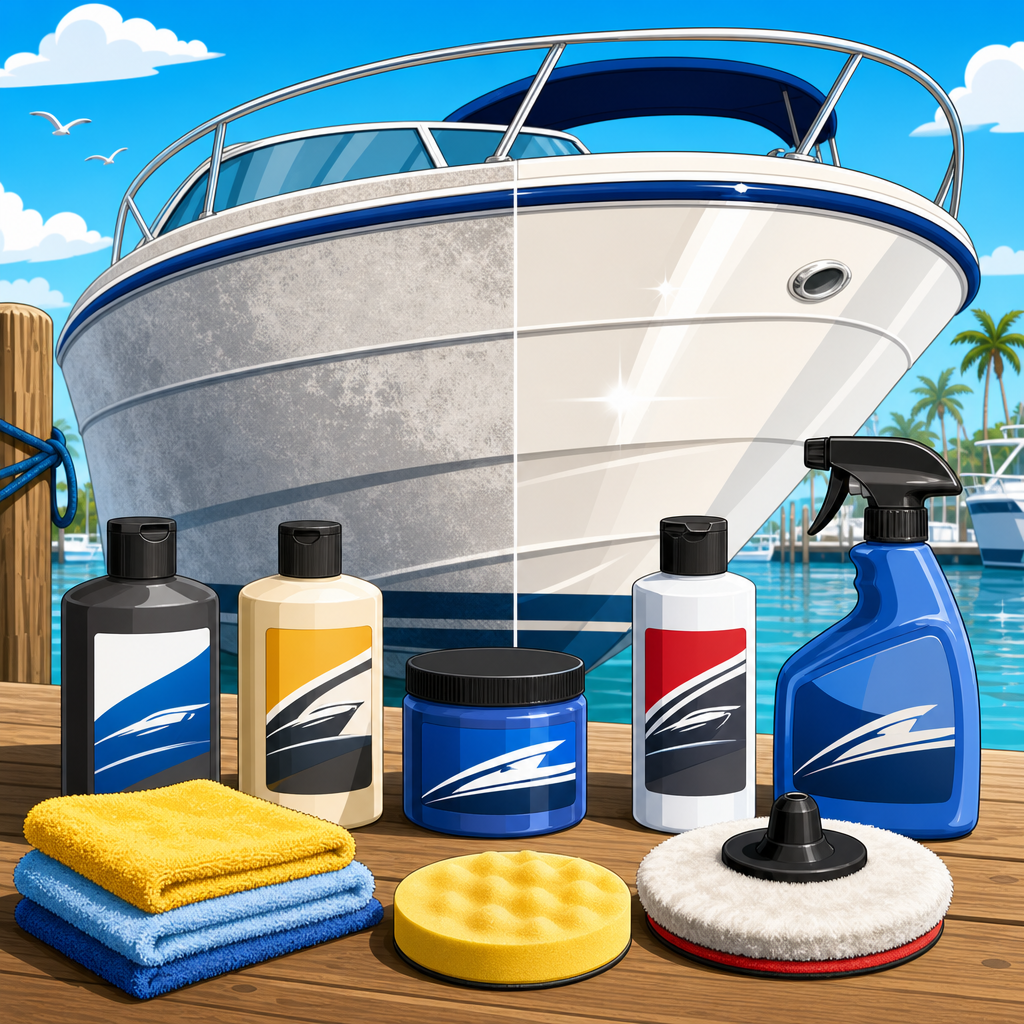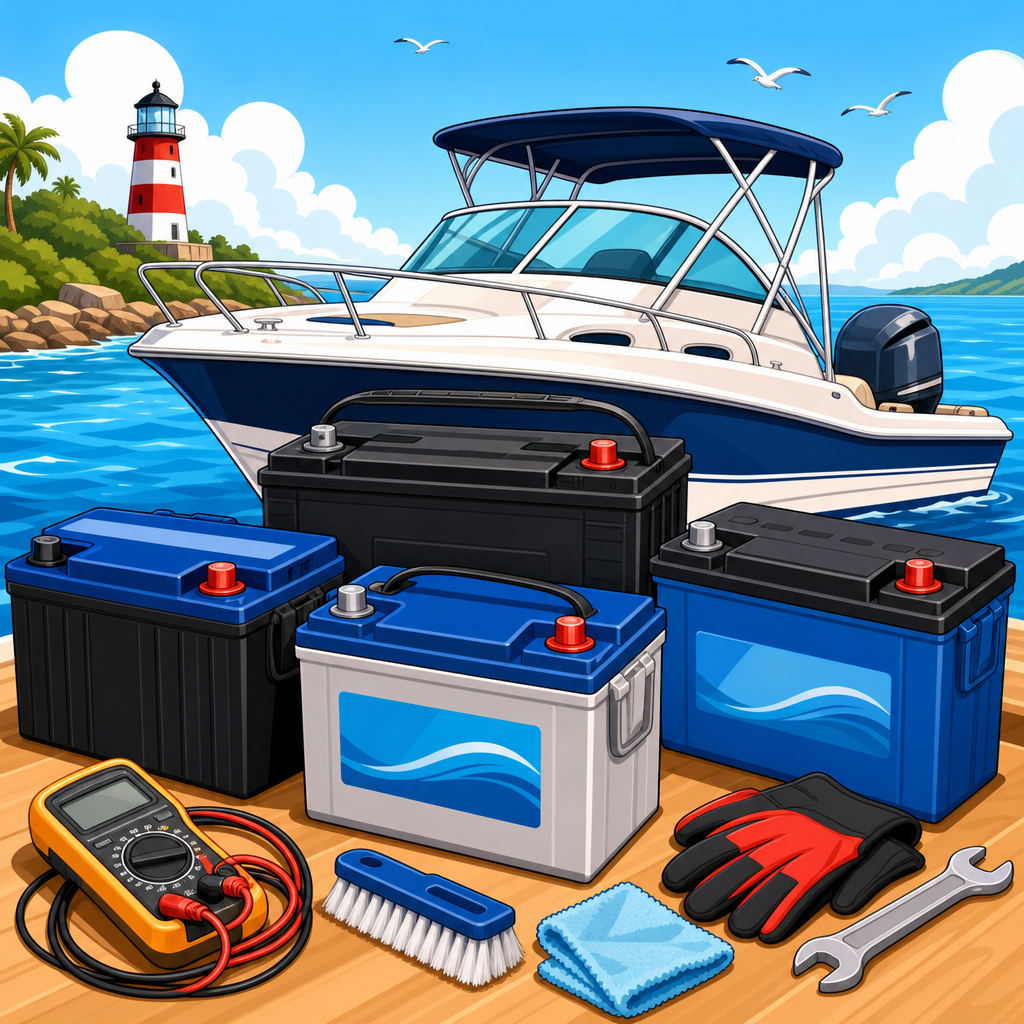
Choosing the best boat trailer hitches for secure transport starts with understanding that the hitch is not just a connector between your tow vehicle and trailer. It is the primary load-bearing link in the entire towing system, and when it is mismatched, worn, or poorly adjusted, every mile becomes less stable and less safe. In years of setting up tow rigs for freshwater fishing boats, bay boats, and heavier offshore center consoles, I have seen most towing problems traced back to hitch selection, tongue weight errors, or neglected trailer hardware rather than the trailer frame itself.
For boat owners, trailer maintenance and towing are inseparable. A good hitch works only when the coupler, safety chains, trailer jack, tires, wheel bearings, brakes, bunks, lights, and wiring harness are all maintained to the same standard. That is why this guide serves as a hub for the full Trailer Maintenance & Towing category within Boat Maintenance & Repairs. If you are researching trailer bearing service, brake inspection, trailer tire replacement, winch strap care, or launching and retrieval setup, those topics all connect directly to hitch performance and transport safety.
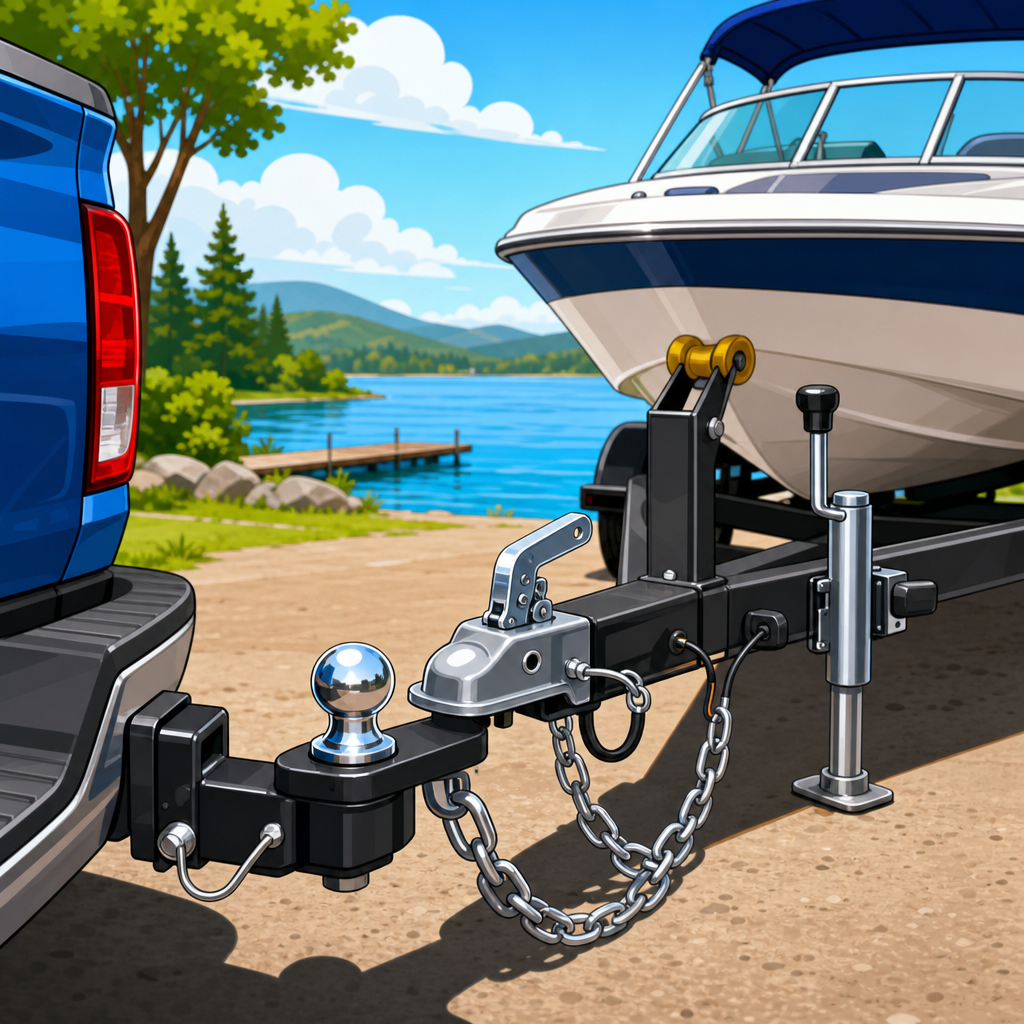
The key terms matter. A trailer hitch receiver is the square tube mounted to the tow vehicle. The ball mount slides into that receiver. The hitch ball bolts to the ball mount and connects to the trailer coupler. Tongue weight is the downward force the trailer applies to the hitch, and gross trailer weight is the loaded trailer weight including the boat, fuel, batteries, gear, and water left in livewells or bilges. Secure transport means keeping these components correctly rated, properly torqued, and balanced so the trailer tracks straight, brakes predictably, and resists sway at highway speed.
This matters because a boat trailer operates in harsher conditions than most utility or cargo trailers. It gets backed into water, exposed to salt spray, loaded with shifting gear, and stored outside for long periods. Corrosion, vibration, and immersion accelerate wear on couplers, latch mechanisms, electrical contacts, and fasteners. A hitch setup that is technically adequate on paper can still perform poorly if the receiver height is wrong, the trailer rides nose-high, or the coupler fit is loose. The best hitch for secure boat transport is the one that matches the real load, preserves level geometry, and is supported by disciplined trailer maintenance.
How to choose the right boat trailer hitch
The best boat trailer hitch is the one whose ratings exceed the fully loaded trailer weight, whose ball size precisely matches the coupler, and whose drop or rise keeps the trailer level when connected. For most boat owners, that means starting with three checks: receiver class, hitch ball size, and actual loaded weight. The common mistake is using dry boat weight from a brochure. In practice, a 21-foot boat can gain hundreds of pounds from fuel, a second battery, anchor gear, coolers, tackle, and gear stored in compartments. The trailer itself also adds substantial weight, especially tandem-axle galvanized or aluminum models with brakes.
Receiver classes provide the first filter. Class III hitches commonly handle up to 8,000 pounds gross trailer weight with weight-carrying setups, while Class IV and Class V hitches are used for heavier boats and larger trucks. Always verify the exact rating from the vehicle manufacturer and hitch label, because the lowest-rated component governs the system. Equally important, match the ball size exactly to the coupler: 1-7/8 inch, 2 inch, and 2-5/16 inch are the standard sizes. Near-matches are unsafe. A worn 2 inch coupler on a 1-7/8 inch ball is a disconnect risk, and a 2-5/16 inch coupler will never lock correctly onto a 2 inch ball.
Trailer attitude is another major factor. When the trailer is level, axle loading, brake behavior, and sway resistance are generally improved. If the tongue is too high, weight shifts rearward and the trailer can become less stable. If the tongue is too low, braking and clearance can suffer. I typically measure coupler height on level ground, then match it with a properly rated adjustable ball mount or fixed drop hitch. On boat trailers that see different tow vehicles, an adjustable hitch is often the practical solution because the same trailer may sit very differently behind a half-ton pickup, SUV, or full-size van.
Security also depends on correct tongue weight. As a rule, many trailers tow best with roughly 7 to 10 percent tongue weight, but boat trailers can vary depending on hull design, engine placement, and trailer geometry. Too little tongue weight contributes to sway; too much can overload the rear axle of the tow vehicle and reduce steering authority. A tongue weight scale, public truck scale, or trailer shop measurement is worth using rather than guessing. That simple measurement often explains why a rig that looks fine in the driveway feels unstable at 60 mph.
Best hitch types for secure boat transport
For most boat trailers, the strongest options are standard receiver hitches with solid ball mounts, adjustable drop hitches, and, for heavier rigs, weight-distribution-compatible systems when approved by the trailer and vehicle manufacturers. A basic fixed ball mount remains a reliable choice for owners with one trailer and one tow vehicle. It has fewer moving parts, lower cost, and excellent durability when kept clean and torqued correctly. If your setup is stable and level year-round, there is no reason to complicate it.
Adjustable hitches are often the best boat trailer hitches for owners who tow multiple trailers or use the same boat trailer behind different vehicles. Quality models from brands such as B&W, CURT, Weigh Safe, and BulletProof Hitches allow ball height changes without replacing the mount. I have used them effectively on mixed fleets because they make it easy to dial in level tow height after suspension changes, larger tires, or seasonal load differences. The tradeoff is weight, cost, and more surfaces that need cleaning after saltwater exposure.
Weight-distribution hitches are less common on boat trailers than on travel trailers, but they can be useful with heavier boats approaching the upper end of a tow vehicle’s capability. These systems use spring bars to transfer some tongue load to the front axle of the tow vehicle and the trailer axles. However, they are not universal. Some boat trailer frames, surge brake systems, and manufacturers do not recommend them. Before installing one, confirm compatibility with the trailer builder, hitch maker, and vehicle manual. Secure transport means respecting those limitations, not forcing a solution from another trailer category.
Another option worth noting is the pintle-style setup, which is common in commercial and military towing but generally not the best choice for recreational boat trailers. It is durable and tolerant of rough terrain, yet noisier and less refined on normal highway towing. For most boat owners, a properly matched ball and coupler system provides better everyday road manners and easier launching. The simpler path is often the safer one when the trailer is maintained correctly.
| Hitch type | Best use | Main advantage | Main caution |
|---|---|---|---|
| Fixed ball mount | One boat, one tow vehicle | Simple, strong, low maintenance | Wrong drop height means poor trailer attitude |
| Adjustable drop hitch | Multiple vehicles or trailers | Easy height tuning for level towing | Heavier, more expensive, needs corrosion control |
| Weight-distribution system | Heavy boats near tow limit | Improves axle balance and steering feel | Must be manufacturer-approved for boat trailer setup |
| Pintle-style hitch | Specialized commercial use | Very rugged connection | Less suitable for typical recreational towing |
Couplers, locks, and connection points that prevent failure
The coupler deserves as much attention as the hitch itself. A premium hitch ball cannot compensate for a corroded, stretched, or poorly adjusted coupler. On boat trailers, pressed-steel couplers and cast couplers are both common, and each must close fully over the ball with no excessive play. If the latch drops but the coupler can still lift off under jack pressure, it is not secure. I always recommend a simple test after coupling: raise the tongue jack slightly with the trailer attached. If the rear of the tow vehicle lifts with it, the ball is captured correctly.
Many couplers have an adjustment nut under the latch mechanism. It should be adjusted carefully, not overtightened. Too loose creates slop, noise, and wear; too tight can prevent proper seating and damage the latch. If the mechanism is sticky, clean it and use an appropriate lubricant for the moving parts, while keeping the ball surface itself suited to the manufacturer’s guidance. In saltwater environments, rinse after every launch and inspect frequently for rust around welds, the latch pivot, and the safety pin hole.
Locks and retention devices matter too. A coupler latch pin or lock prevents accidental opening, and a locking hitch pin secures the ball mount in the receiver. These are theft deterrents, but they are also backup protection against vibration loosening a standard clip. Safety chains should cross under the coupler, leaving enough slack for turns but not enough to drag. If the coupler ever disconnects, crossed chains create a cradle that can help keep the tongue off the road long enough for the driver to stop safely.
Do not ignore the breakaway cable on trailers with electric or electric-over-hydraulic brakes. It must be attached to the tow vehicle separately from the safety chains so it can actuate the trailer brakes if the trailer fully separates. On surge-brake boat trailers, check the actuator, slide mechanism, and emergency lockout function. These parts influence stopping distance and backing behavior, and they are frequent service items on marine trailers because immersion and corrosion attack them constantly.
Trailer maintenance that supports hitch safety
Secure towing depends on the entire trailer being roadworthy. Wheel bearings are the first maintenance item I inspect before any long haul. A failed bearing can destroy a hub, spindle, and tire, and it often happens with little warning if grease seals leak or water enters after repeated launching. Bearing protectors, regular grease service, and temperature checks at fuel stops are practical habits. If one hub is noticeably hotter than the others, investigate before continuing.
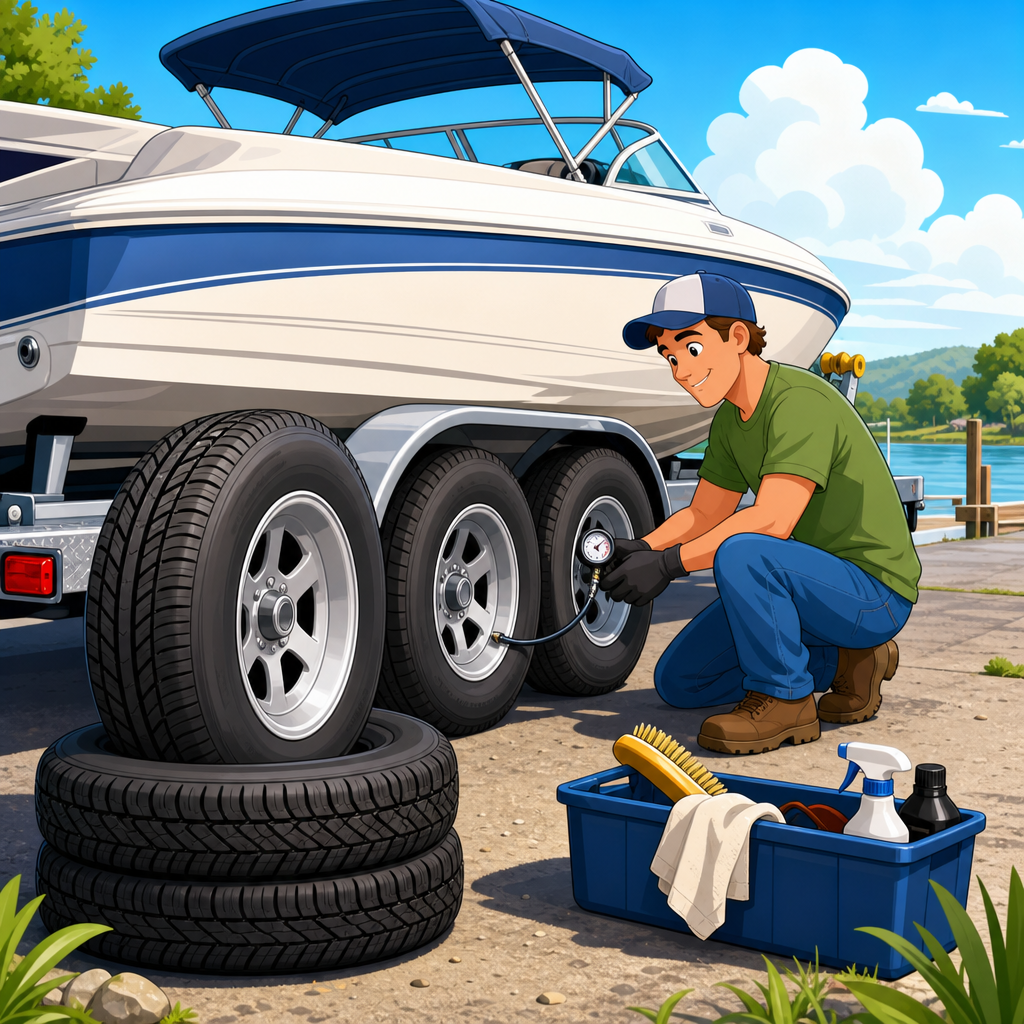
Tires are next. Trailer tires age out before they wear out on many boat trailers because UV exposure, infrequent use, and long storage periods degrade the sidewalls. Check the DOT date code, inflation pressure when cold, tread condition, and load range. Replace cracked or under-rated tires and inspect the spare with equal care. Blowouts can damage fenders, wiring, and hull gelcoat in seconds. They also increase the load shock transmitted through the hitch and receiver.
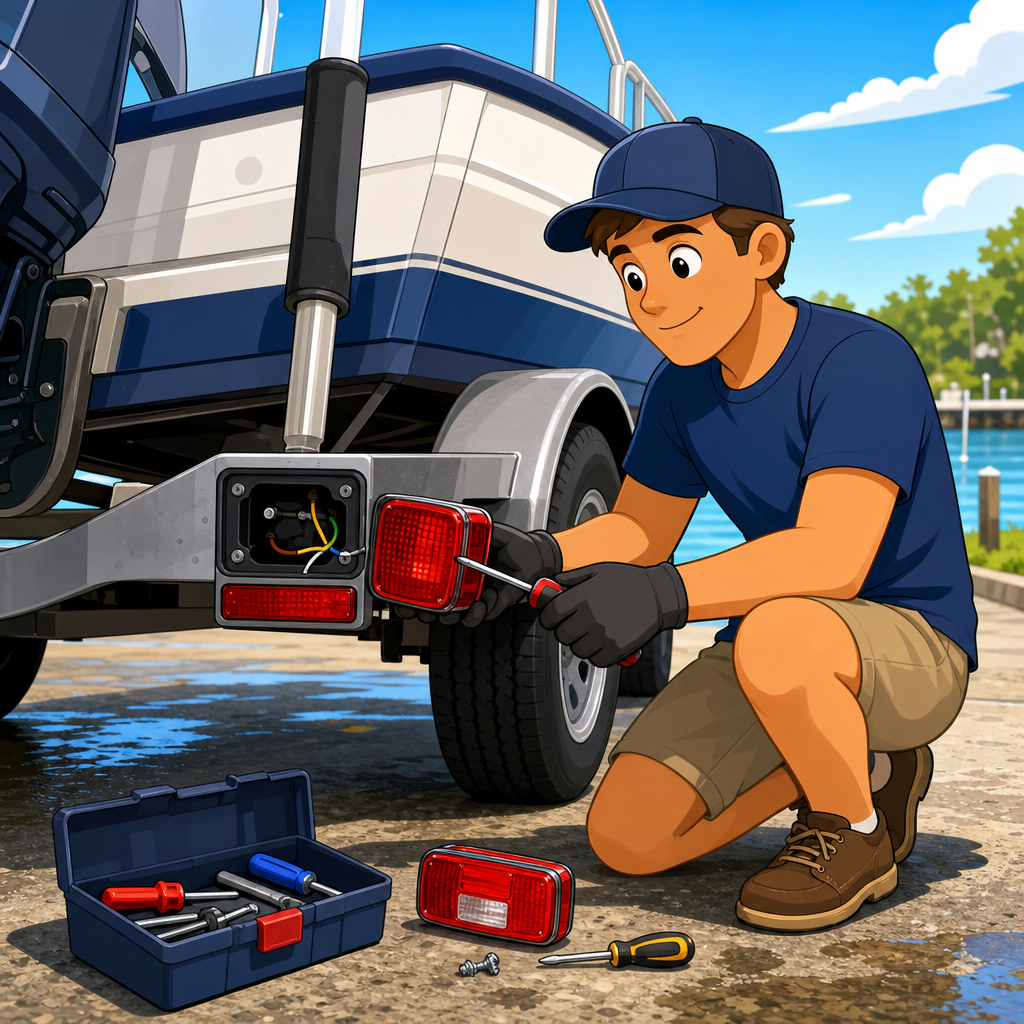
Brakes and lights are nonnegotiable. Disc brakes are common on saltwater trailers because they resist corrosion better than drums, but calipers can still seize and rotors still corrode. Flush brake systems as required, inspect lines, and test braking before highway trips. Lighting faults are often caused by poor grounds, corroded connectors, or submerged incandescent fixtures. Modern sealed LED trailer lights and heat-shrink marine-grade wiring connections are worth the upgrade because they reduce intermittent failures that become safety hazards at night or in rain.
Finally, inspect the structure around the bow stop, winch post, bunks, rollers, U-bolts, springs, equalizers, and frame crossmembers. Loose bunk brackets or shifting winch stands affect weight distribution and can change tongue weight more than owners expect. On longer boats, even a few inches of boat position on the trailer can alter towing behavior. This hub topic connects directly with bearing maintenance, trailer brake service, trailer light troubleshooting, and trailer tire care because all of them influence how effectively the hitch can do its job.
Loading, driving, and common towing mistakes
How you load and drive affects hitch performance as much as hardware selection. Keep heavy gear low and centered, avoid filling the stern with coolers or spare fuel unless the trailer was balanced for it, and drain unnecessary water before departure. Livewells, ballast, and water trapped in bilges add weight in the worst possible places. I have weighed trailers after a day on the water and found surprising extra load from gear accumulation alone. That hidden weight can push a comfortable setup into the margin of instability.
During towing, speed amplifies every setup error. Trailer sway is often blamed on wind, but the underlying causes are usually low tongue weight, underinflated tires, a nose-high trailer, or excessive speed for conditions. If sway starts, do not accelerate sharply or steer aggressively. Ease off the throttle, keep the wheel straight, and allow the rig to settle. Trailer brake controllers on electric-brake setups can help by manually applying trailer braking, but the better solution is preventing sway through correct setup before the trip begins.
Backing and launching also stress the hitch system. Use a spotter when visibility is limited, especially with steep ramps or crowded marinas. Before backing down, confirm the coupler latch, pin, chains, and wiring are still secure after the drive. At the ramp, avoid submerging hot hubs deeper than necessary, because rapid cooling can draw water past seals. After retrieval, recheck the bow eye, winch strap, and transom tie-downs. Many road incidents happen after the launch, when owners rush the reload and skip the final walkaround.
How to inspect your hitch setup before every trip
A reliable pre-trip inspection takes five minutes and prevents most towing failures. Check receiver pin security, ball nut torque, coupler closure, latch pin placement, chain condition, trailer plug connection, light function, tire pressure, lug nut torque, and winch strap condition. Look underneath for fluid leaks from hubs or brake components. Confirm that the jack is fully raised and locked. If your trailer has brakes, test them in the lot before entering traffic. If your ball or coupler shows deep wear, replace it now, not after one more season.
The main benefit of choosing the best boat trailer hitch is confidence: stable highway tracking, predictable braking, less wear on the trailer, and far lower risk of a roadside emergency. The hitch is only one part, but it is the part that ties every towing decision together. Match the ratings, keep the trailer level, verify tongue weight, and maintain the coupler, chains, bearings, tires, brakes, and lights as one system. If you are building out your Boat Maintenance & Repairs plan, use this Trailer Maintenance & Towing hub as your starting point, then review your trailer in the driveway before your next trip to the ramp.
Frequently Asked Questions
What type of boat trailer hitch is best for secure transport?
The best boat trailer hitch for secure transport is the one that correctly matches your trailer’s coupler size, total loaded trailer weight, and your tow vehicle’s towing capacity. For most boat owners, a properly rated receiver hitch paired with the correct ball mount and hitch ball is the standard and most dependable setup. Class III hitches are commonly used for lighter fishing boats and small to mid-size trailers, while Class IV and Class V hitches are better suited for heavier bay boats, larger dual-axle trailers, and offshore center consoles. The key is not choosing the “strongest” hitch available, but choosing a complete hitch setup that is properly rated and balanced for the real-world load you are towing.
Secure transport also depends on more than the receiver itself. You need the right ball diameter, the correct rise or drop so the trailer rides level, a coupler that fully seats and locks onto the ball, and safety chains that are properly sized and crossed under the tongue. A quality hitch should also show no signs of metal fatigue, rust damage, or elongated pin holes. In practical towing situations, stability comes from a properly matched system, not from a single component. When the hitch, coupler, and trailer geometry all work together, the trailer tracks straighter, sway is reduced, braking feels more predictable, and the entire towing experience becomes safer and less stressful.
How do I know if my boat trailer hitch is properly rated for my boat and trailer?
To know whether your boat trailer hitch is properly rated, you need to compare several numbers, not just one. Start with the fully loaded trailer weight, which includes the boat, trailer, motor, fuel, batteries, gear, coolers, anchors, and anything else that travels with the rig. Many owners underestimate this number because they only think about the boat’s published dry weight. In reality, loaded towing weight is often significantly higher. Once you know that actual weight, every towing component must meet or exceed it, including the hitch receiver, ball mount, hitch ball, coupler, safety chains, and the tow vehicle itself.
You should also pay attention to tongue weight, which is the downward force the trailer applies to the hitch. A trailer with too little tongue weight can become unstable and sway, while too much tongue weight can overload the rear suspension of the tow vehicle and reduce steering control. A properly set up boat trailer typically carries enough tongue weight to stay stable without overloading the hitch. Check the rating labels on the hitch and related hardware, and compare them to your owner’s manuals and trailer information plate. The safe rule is simple: your towing system is only as strong as its lowest-rated part. Even if your truck is capable, an underrated ball mount or hitch ball can still become the failure point. If there is any uncertainty, weighing the loaded trailer and confirming all component ratings is the best way to eliminate guesswork.
Why does trailer level matter so much when towing a boat?
Trailer level matters because it directly affects weight distribution, braking behavior, axle loading, tire wear, and overall towing stability. When a boat trailer sits level, the load is distributed more evenly across the axles, and the tongue weight is more likely to stay within a safe and predictable range. That means the trailer tracks better behind the tow vehicle, the tires wear more evenly, and the rig responds more consistently when you brake, accelerate, or make lane changes. A level trailer also helps reduce the tendency for the boat and trailer to bounce excessively over rough roads, which lowers stress on the hitch and frame.
If the trailer rides nose-up or nose-down, problems can develop quickly. A nose-high trailer can reduce effective tongue weight and increase the chances of sway, especially at highway speeds or in crosswinds. A nose-low trailer may place too much load on the front axle of the trailer or too much downward force on the hitch, affecting vehicle handling and braking. This is why selecting the correct ball mount with the proper rise or drop is so important. Even a high-quality hitch can perform poorly if the trailer angle is wrong. Taking the time to measure hitch height and coupler height, then adjusting the setup so the trailer sits close to level when loaded, is one of the most important steps in secure boat transport.
What are the most common hitch mistakes that make boat towing unsafe?
The most common hitch mistakes include using the wrong ball size, towing with underrated components, failing to lock the coupler fully onto the hitch ball, ignoring worn or corroded parts, and setting up the trailer with the wrong height. These issues are extremely common and are responsible for many towing problems that people mistakenly blame on the trailer or tow vehicle. For example, a coupler that is meant for a 2-inch ball can appear to sit on a 1-7/8-inch ball, but it will not secure properly under load. That kind of mismatch can lead to dangerous separation. Similarly, a rusted ball mount, a damaged hitch pin, or a coupler latch that does not close tightly can compromise the entire towing connection.
Another major mistake is assuming that if the trailer moves, the setup must be fine. Boat trailers can seem acceptable at low speed and still become unstable once speed increases, road surfaces change, or wind loads build. Skipping safety chain checks, forgetting to secure the coupler pin, neglecting trailer light wiring around the hitch area, and failing to inspect hardware before long trips are all preventable errors. Boat owners also sometimes overlook how launch ramp use accelerates corrosion, especially in saltwater environments. A hitch that looks usable from a distance may have hidden wear, seized parts, or weakened metal. The safest approach is to treat the hitch as a critical safety component that should be inspected routinely, cleaned regularly, and replaced when wear, looseness, or corrosion starts to compromise fit and strength.
How often should I inspect or replace a boat trailer hitch and related towing components?
You should inspect your boat trailer hitch and related towing components before every trip, with more thorough inspections at regular intervals throughout the boating season. A quick pre-tow check should include confirming that the coupler is fully seated and locked, the hitch pin and clip are installed correctly, the safety chains are attached and crossed, the trailer plug is secure, and there is no visible looseness, cracking, or abnormal wear. You should also look for rust buildup, flaking metal, bent hardware, and ball wear, especially if the trailer is used frequently or stored outdoors. This is particularly important for boat trailers because repeated exposure to water, road spray, and in many cases salt accelerates corrosion more than many other types of towing setups.
Replacement timing depends on condition, not just age. A well-maintained hitch can last for years, but any component showing structural damage, severe corrosion, distorted mounting points, excessive play, or unreliable locking action should be replaced immediately. Hitch balls can wear down over time, couplers can loosen internally, and receiver components can develop hidden fatigue if they have been overloaded or repeatedly shocked by rough roads and steep ramps. If you notice unusual trailer movement, clunking during starts and stops, or inconsistent coupler fit, those are warning signs that something in the hitch system needs attention. The best practice is to think of hitch maintenance as preventive safety work. Replacing a questionable towing component early is far less costly than dealing with trailer instability, roadside failure, or damage to your boat and tow vehicle.