Boat damage rarely starts with a dramatic collision; in my experience, it usually begins with small, preventable failures that owners miss until repair costs become painful. Preventative maintenance means inspecting, servicing, cleaning, and storing a boat in ways that stop damage before it starts. Longevity tips are the practical habits that extend the life of the hull, engine, electrical system, upholstery, trailer, and onboard hardware. For any owner focused on boat maintenance and repairs, this topic matters because marine environments are relentlessly harsh. Sunlight breaks down gelcoat and vinyl, moisture corrodes metals and wiring, vibration loosens fasteners, and neglected systems fail when they are needed most. The top causes of boat damage are not mysterious: impact, water intrusion, corrosion, engine neglect, electrical faults, weather exposure, improper storage, and trailer-related wear account for most expensive problems I see during inspections and repair planning. Understanding these causes helps owners prioritize maintenance instead of reacting to breakdowns. It also supports safer operation, better resale value, lower lifetime ownership cost, and more reliable days on the water. A well-maintained boat does not just look better; it runs more efficiently, suffers fewer failures, and holds structural integrity longer. This hub article explains the major causes of boat damage and how to prevent them with clear, specific guidance. It is designed as a practical foundation for anyone building a complete preventative maintenance routine.
Impact Damage, Grounding, and Docking Mistakes
Impact damage is one of the most visible and costly forms of boat damage, and it often happens at low speed. Owners usually think of storms or major collisions, but scratched gelcoat, cracked fiberglass, bent props, damaged skegs, and compromised transoms are more commonly caused by poor docking technique, shallow-water strikes, and contact with pilings or trailers. Fiberglass boats may show spider cracking around stressed areas after repeated bumps. Aluminum boats can dent or crease, which may alter hull performance. On outboard and sterndrive boats, a prop strike can transmit force into the lower unit, damaging gears, seals, and shafts. Even if the propeller only looks nicked, vibration can follow.
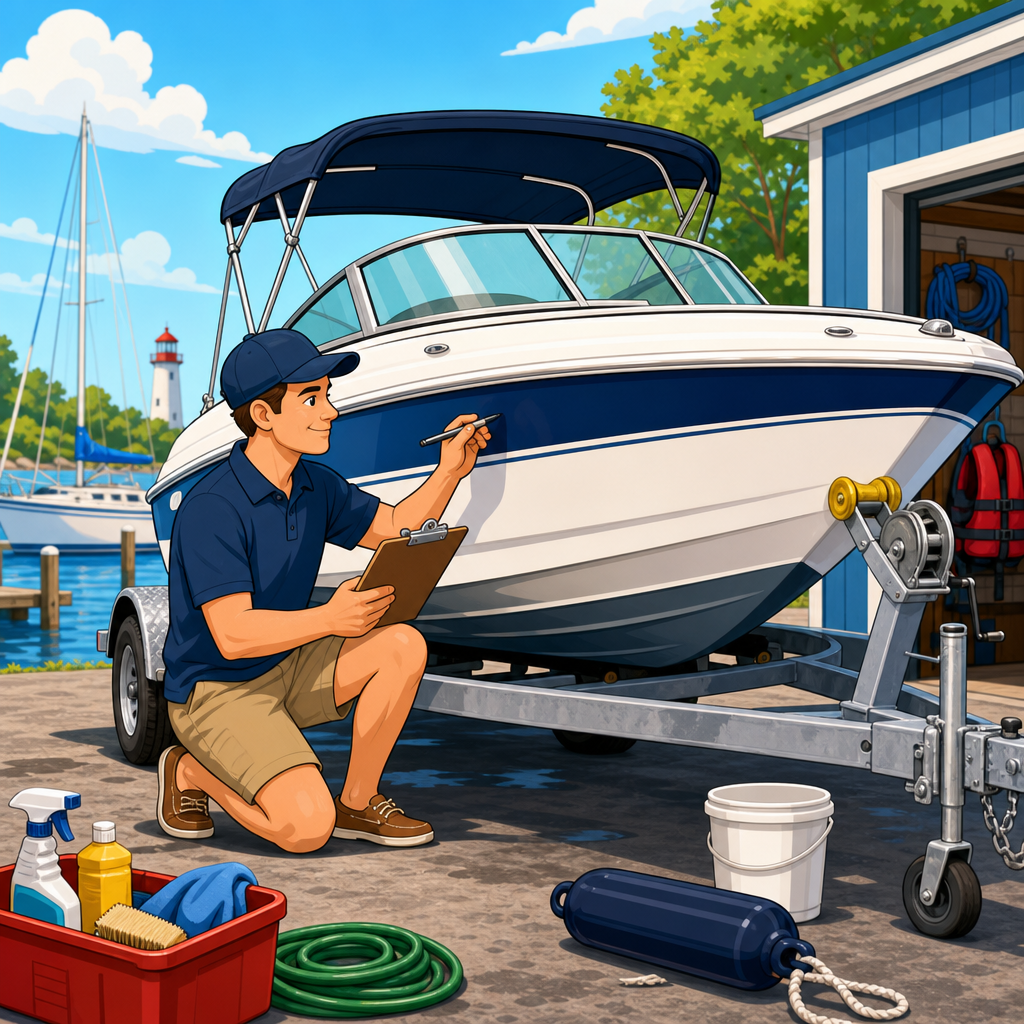
Prevention starts with seamanship and routine awareness. Approach docks slowly, account for wind and current, and rig fenders before entering tight spaces. Use updated charts, depth sounders, and local knowledge to avoid grounding. I advise owners to inspect the keel, chines, and propeller after any suspected strike, even a minor one. Hairline cracks, missing bottom paint, water seepage, or new vibration underway should trigger immediate follow-up. A damaged prop should be repaired or replaced quickly because imbalance accelerates wear on bearings and seals. Good prevention also includes trailer discipline: align bunks and rollers properly, avoid power-loading unless the ramp is designed for it, and confirm the boat is centered before transport.
Water Intrusion, Leaks, and Hidden Rot
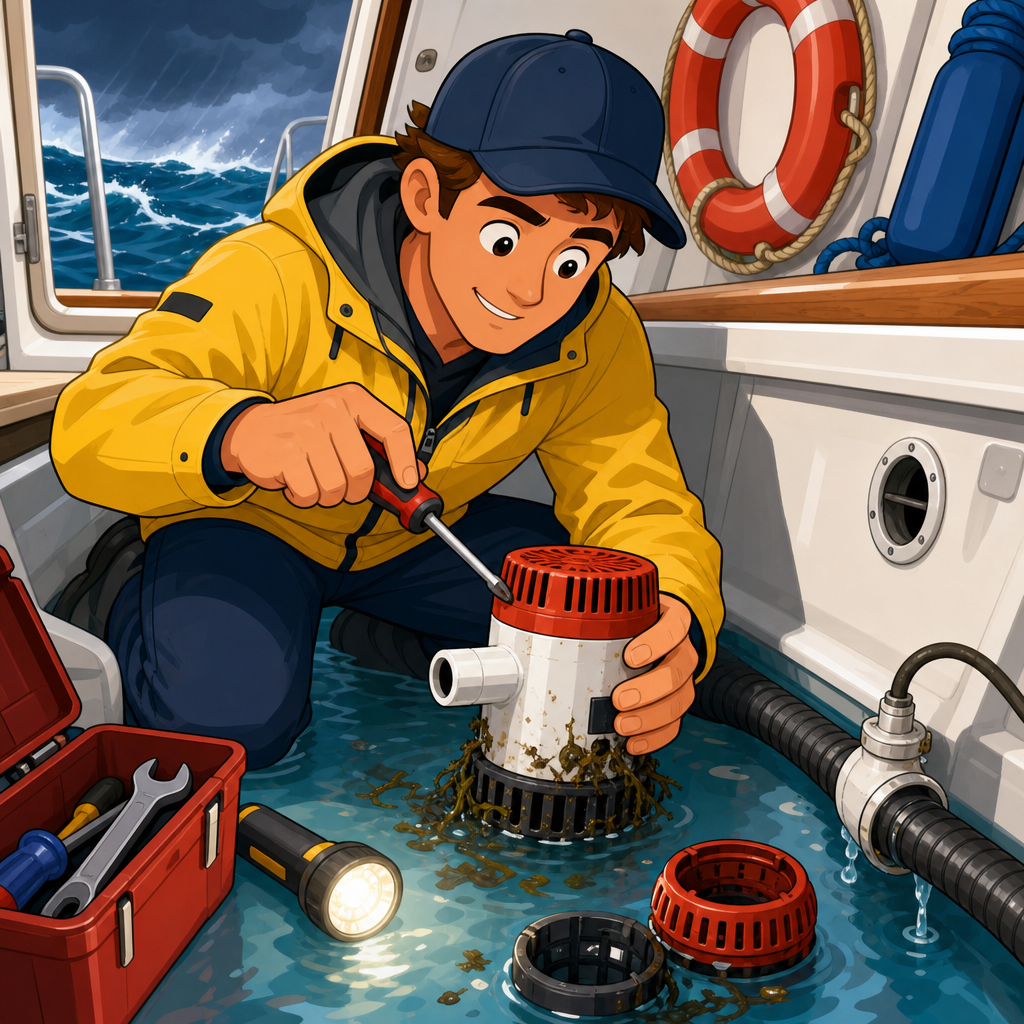
Water intrusion is the most underestimated cause of long-term boat damage because it often develops out of sight. Water enters through failed sealant around deck fittings, cracked hoses, loose clamps, degraded hatch gaskets, unsealed screw penetrations, and neglected through-hull fittings. Once inside, it can saturate coring materials, rot wood backing, delaminate fiberglass laminates, stain interiors, and promote mold. In older boats, transoms and decks are especially vulnerable if hardware was installed without proper bedding. A small leak around a cleat or stanchion base can become a structural repair if ignored for seasons.
The best prevention strategy is systematic leak detection and resealing. Inspect through-hulls, seacocks, livewell plumbing, bilge pumps, hose runs, deck hardware, windows, and portlights at least annually. Bedding compounds are not permanent; polyurethane and polysulfide sealants eventually fail, especially under UV exposure and movement. Rebed suspect fittings before staining or soft spots appear. Keep the bilge dry enough to reveal new leaks quickly. A high-water alarm adds an extra layer of protection, particularly for boats kept in slips. Moisture meters can help identify wet core in fiberglass structures, but simple physical checks still matter: press around fittings for softness, look for brown streaks, and investigate any musty odor. Fast action is critical because drying a localized leak is far cheaper than replacing a rotten transom or deck section.
Corrosion and Electrolysis in Marine Environments
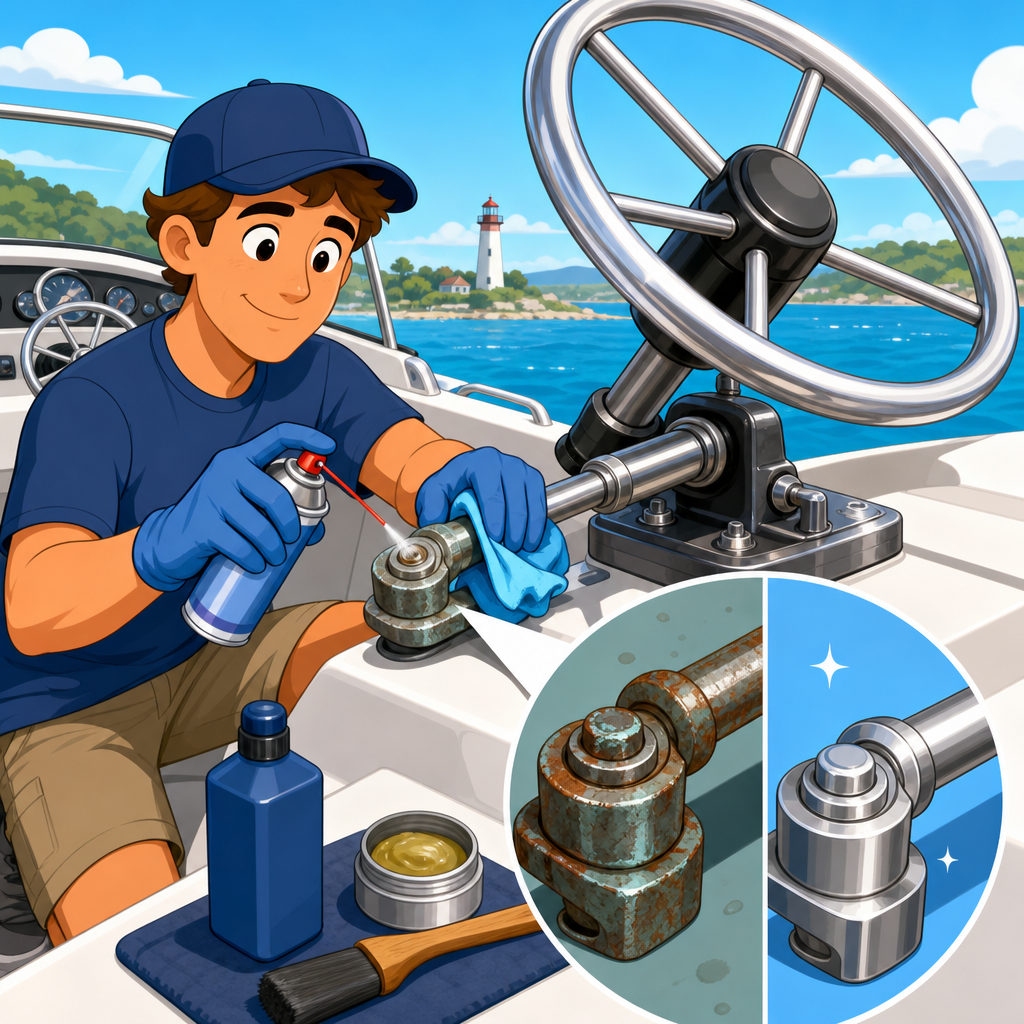
Corrosion is relentless in saltwater and still significant in freshwater. It attacks aluminum, stainless hardware, fuel components, steering systems, battery terminals, and electrical connections. Many owners use the term electrolysis loosely, but the damaging mechanisms include galvanic corrosion between dissimilar metals and stray current corrosion from electrical faults. Both can destroy underwater metals fast. I have seen neglected sacrificial anodes disappear in months, followed by pitted lower units, eroded trim tabs, and compromised propellers. Corrosion also shows up above deck as seized fasteners, frozen steering cables, and failing trailer components.
Prevention requires matching materials, isolating dissimilar metals where possible, and maintaining the boat’s bonding and electrical systems. Inspect zinc, aluminum, or magnesium anodes on the schedule recommended for the water type and replace them before they are mostly consumed. Flush engines after saltwater use, rinse hardware, and apply marine corrosion inhibitors to approved areas. Use tinned marine wire instead of automotive wire, and protect connections with adhesive-lined heat shrink and dielectric grease where appropriate. If a boat is stored in a marina, unexplained rapid anode loss or metal pitting should prompt a professional stray-current evaluation. Corrosion never fixes itself; once metal loss starts, the only smart path is identifying the source and stopping it early.
Engine Neglect and Fuel System Problems
Engine neglect causes some of the most expensive and trip-ending damage in boating. Whether the boat uses an outboard, inboard, or sterndrive, the underlying pattern is the same: skipped service leads to overheating, lubrication failure, contaminated fuel, internal corrosion, and premature wear. Common issues include clogged raw-water passages, failed impellers, old engine oil, degraded gear lube, cracked belts, fouled spark plugs, and stale fuel. Ethanol-blended gasoline can absorb moisture and contribute to phase separation in certain conditions, while diesel systems suffer from microbial growth and water contamination in tanks.
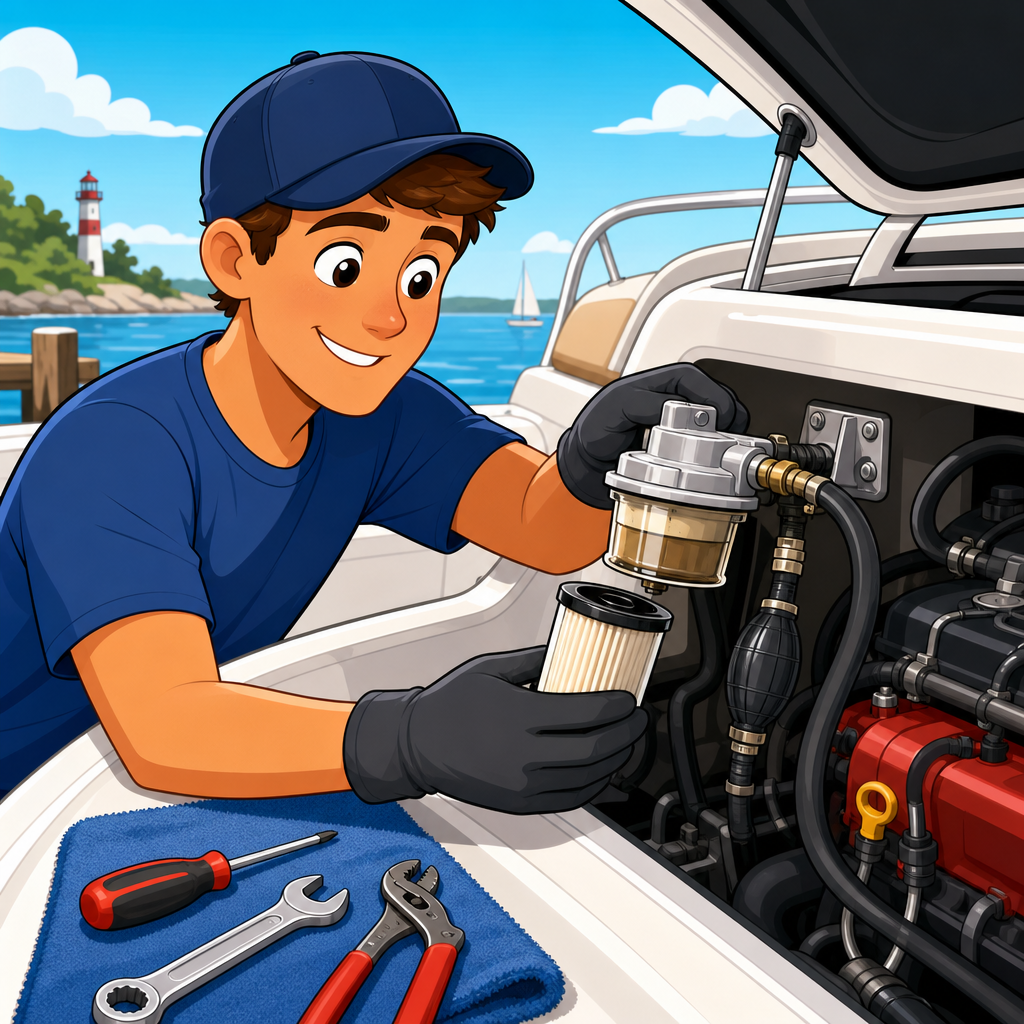
Prevention is straightforward but must be consistent. Follow the engine maker’s maintenance interval for oil, filters, gearcase lubricant, spark plugs, thermostat inspection, valve adjustments when applicable, and water pump impeller replacement. Use a fuel-water separator and drain or replace it on schedule. Stabilize fuel during storage, keep tanks as recommended for your setup, and avoid letting fuel sit for months untreated. Watch engine instruments closely: rising temperature, low oil pressure, hard starting, smoke changes, or unusual vibration should never be dismissed. Compression testing, computer diagnostics on modern engines, and annual service records provide a clear picture of engine health. Owners who maintain cooling and fuel systems proactively almost always spend less than those who wait for a no-start or overheat event.
Electrical Failures, Battery Damage, and Fire Risk
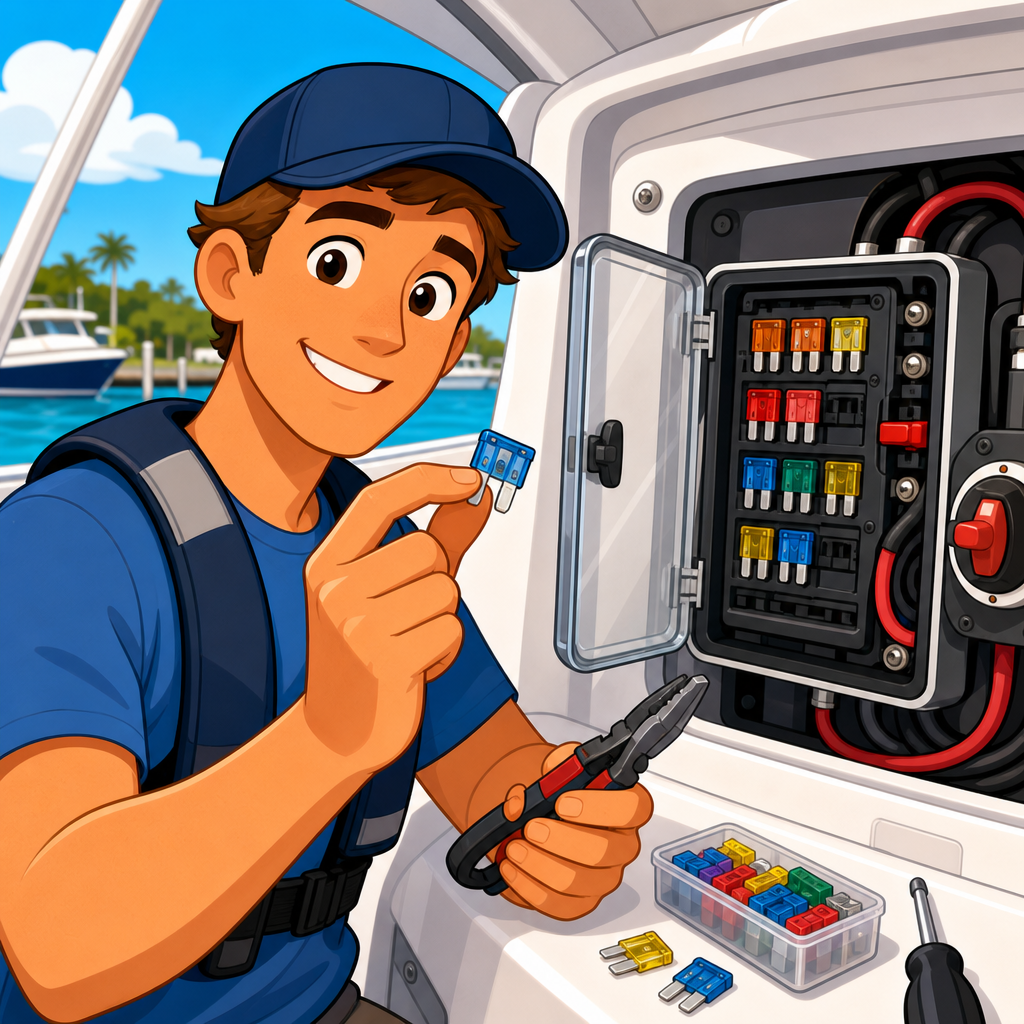
Marine electrical systems fail for predictable reasons: moisture, undersized wiring, poor terminations, overloaded circuits, neglected batteries, and unprotected additions like aftermarket electronics or pumps. The consequences range from dead batteries and intermittent lights to pump failure, equipment damage, and fire. Boats vibrate constantly, so weak crimps and unsupported wiring eventually loosen. In damp compartments, corrosion creeps under insulation and increases resistance, generating heat. Battery issues are equally common. Loose terminals, undercharging, sulfation, and old batteries strain charging systems and leave owners stranded.
A disciplined electrical inspection routine prevents most of this damage. Use only marine-grade wire, ignition-protected components where required, proper overcurrent protection, and secure cable support. Follow ABYC-aligned practices for circuit protection and battery installation. Label circuits, keep wiring out of bilge water, and inspect every terminal for corrosion, discoloration, or looseness. Test battery voltage at rest and under load, and verify charging output from the alternator or charger. Smart chargers with the correct battery profile help extend AGM, flooded, and lithium battery life, but only if the system is configured correctly. If electronics reboot during engine cranking or breakers trip repeatedly, treat it as a system fault, not an inconvenience. Electrical neglect can damage equipment quietly for months before it becomes obvious.
Sun, Weather, and Seasonal Exposure
Environmental exposure ruins more boats than many owners realize. Ultraviolet radiation oxidizes gelcoat, fades paint, weakens stitching, and hardens vinyl. Freeze-thaw cycles crack fittings and plumbing. Heavy rain fills uncovered cockpits, overwhelms drains, and soaks interiors. Wind damages covers and chafes lines. Hail can fracture acrylic and mar finished surfaces. Even boats stored on lifts or trailers are vulnerable when covers fit poorly or water pools in low spots. Seasonal transitions are especially risky because many problems begin during layup and are only discovered at launch.
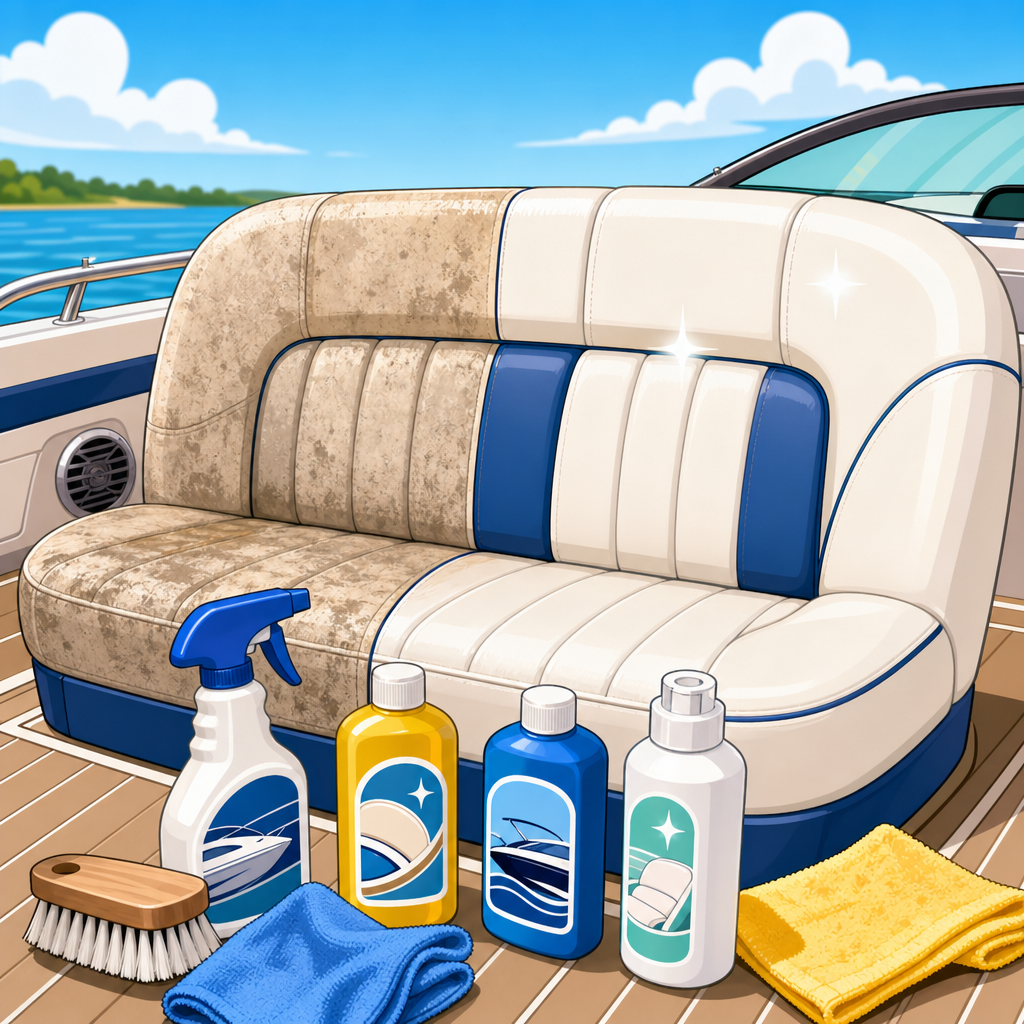
Protection starts with high-quality covers, proper ventilation, and timely cleaning. Wash salt and grime off before storage because contaminants accelerate staining and corrosion. Apply marine wax or sealant to protect gelcoat, and use UV protectants on vinyl and rubber according to manufacturer guidance. Winterization is nonnegotiable in freezing climates: drain or protect raw-water systems, winterize engines and generators correctly, remove water from livewells and washdown systems, and protect potable water plumbing with suitable products. The table below summarizes the most common weather-related damage patterns and the best prevention measures.
| Exposure | Typical Damage | Best Prevention |
|---|---|---|
| UV sunlight | Oxidized gelcoat, faded upholstery, brittle plastics | Use fitted covers, wax gelcoat, apply marine UV protectant |
| Freezing temperatures | Cracked blocks, split hoses, damaged pumps | Complete winterization, drain systems, use proper antifreeze |
| Heavy rain | Flooded bilges, mildew, soaked foam and interiors | Maintain drains, tighten covers, inspect bilge pumps |
| Wind and storms | Chafe, torn canvas, dock rash, loose hardware | Double lines, add chafe gear, remove loose gear before storms |
Improper Storage, Trailering, and Neglected Running Gear
How a boat is stored often determines how long it lasts. Improper blocking can distort a hull, poor trailer setup can create stress points, and ignored wheel bearings can end a trip on the highway. Bunks that do not support the hull correctly may contribute to hook, pressure cracks, or gelcoat wear. Trailer tires age out before they wear out, especially when exposed to sun and sitting under load. Brake systems corrode internally, lights fail from poor grounding, and winch straps fray. On the boat itself, neglected running gear such as bearings, rudders, shaft seals, cutless bearings, and trim mechanisms gradually become expensive repair projects.
Preventative storage and trailer maintenance should follow a checklist. Confirm that the trailer matches the hull design, total weight, and balance. Inspect bunks, rollers, tire date codes, brake operation, lug torque, hubs, and bearings before long trips. Bearing protectors help, but they do not replace regular inspection and repacking or replacement. Store the boat bow-up enough to drain water, open compartments where appropriate for airflow, and remove gear that traps moisture. If the boat stays in the water, inspect bottom paint condition, shaft seals, and growth accumulation regularly because marine fouling reduces speed, increases fuel burn, and can damage underwater components. A clean, well-supported boat ages much more slowly than one left sitting wet, dirty, and badly loaded.
Building a Preventative Maintenance Routine That Extends Boat Life
The most effective way to prevent boat damage is to stop relying on memory and use a repeatable maintenance system. I recommend dividing tasks into pre-launch, monthly, seasonal, and annual checks. Pre-launch, confirm battery state, bilge pump function, fluid levels, safety gear, drain plug, lights, and visible hoses or leaks. Monthly, inspect corrosion points, trailer condition, propeller, steering response, and cover fit. Seasonally, service the engine, deep-clean drains and bilges, reapply protective products, and inspect sealant around hardware. Annually, review through-hulls, bonding, bottom condition, compression or diagnostic data, and any signs of structural moisture or fastener movement.
Documentation matters as much as wrench time. Keep service dates, part numbers, fluid specifications, and observations in a logbook or maintenance app. That record helps spot patterns, supports warranty and insurance claims, and improves resale confidence. The biggest benefit of preventative maintenance is not simply avoiding repair bills. It is preserving reliability, safety, and confidence every time you leave the dock. Start with the highest-risk systems—hull integrity, water intrusion, engine cooling, fuel delivery, batteries, and trailer safety—then build a schedule you can sustain. Small inspections done consistently prevent the major failures that shorten a boat’s life. Use this hub as your starting point for a stronger boat maintenance and repairs plan, and put the next inspection date on your calendar today.
Frequently Asked Questions
What are the most common causes of boat damage?
The most common causes of boat damage are usually not major accidents but a series of small issues that build up over time. Water intrusion is one of the biggest problems, especially when seals, fittings, hatches, or thru-hulls are not inspected regularly. Even a minor leak can lead to rot, mold, corrosion, and hidden structural deterioration. UV exposure is another major source of damage, as constant sunlight dries out vinyl, fades gelcoat, weakens canvas, and shortens the life of rubber and plastic components. Corrosion also ranks high on the list, particularly in saltwater environments where metal hardware, electrical connections, and trailer parts can deteriorate quickly if they are not rinsed, protected, and serviced.
Mechanical neglect is equally costly. Engines often suffer damage because of skipped oil changes, contaminated fuel, clogged cooling passages, dead batteries, or neglected impellers. Electrical issues can start with something as simple as a loose connection or unsealed wiring and turn into failures that affect pumps, lights, electronics, or starting systems. Hull damage also commonly comes from impacts with docks, trailers, submerged objects, or improper loading and storage. In practice, most expensive boat repairs trace back to overlooked maintenance rather than a single catastrophic event. That is why consistent inspections, cleaning, servicing, and proper storage habits are so important for preventing damage before it becomes serious.
How can I prevent water damage and hull problems?
Preventing water damage starts with routine inspection. Check all areas where water can enter or collect, including deck fittings, cleats, windows, hatches, livewells, bilges, and transom openings. Look for cracked sealant, soft spots, standing water, discoloration, mildew, or unusual odors, since these are often early warning signs of hidden moisture problems. The bilge should be kept clean and dry as much as possible, and the bilge pump, float switch, and discharge hose should be tested regularly. If your boat has a fiberglass hull, inspect for chips, blisters, and stress cracks. If it is aluminum, watch for pitting, corrosion, and damaged welds. Small defects in either material should be addressed quickly before they expand into structural repairs.
Storage and handling matter just as much as inspection. Make sure the boat is supported correctly on the trailer or lift so the hull is not stressed in the wrong places. Use a well-fitted cover that keeps rainwater out while still allowing ventilation, because trapped moisture can be just as damaging as direct leaks. Keep drains and scuppers clear so water can exit freely. When docking, use bumpers and proper line placement to reduce rubbing and impact damage. If the boat stays in the water, inspect bottom paint condition and watch for marine growth, which can affect performance and trap moisture against surfaces. Hull longevity comes from catching small cosmetic damage early, keeping water out of core materials, and storing the boat in a way that minimizes both pressure and exposure.
What maintenance habits help prevent engine and electrical system damage?
The best way to protect a boat’s engine is to follow a consistent service schedule instead of waiting for performance problems. That means changing engine oil and filters at recommended intervals, replacing fuel filters, checking belts and hoses, inspecting the cooling system, and servicing the water pump impeller before it fails. Fuel quality is a major factor in engine longevity, especially for boats that sit between uses. Use fresh fuel, stabilize it when necessary, and avoid leaving ethanol-blended fuel in the system for long periods without treatment. Contaminated or stale fuel can lead to hard starting, rough running, injector issues, and internal corrosion. It is also important to flush the engine after saltwater use when applicable, because salt left in the cooling system can shorten component life significantly.
For the electrical system, prevention comes down to dryness, secure connections, and battery care. Inspect terminals for corrosion, make sure wires are supported and protected from chafing, and replace cracked heat shrink, worn insulation, or exposed splices. Marine electrical systems live in a harsh environment, so even a slightly loose or damp connection can create voltage drops, erratic behavior, or complete component failure. Batteries should be tested, charged properly, and stored according to manufacturer recommendations. Also verify that pumps, navigation lights, electronics, and switches operate correctly before each outing rather than after a failure on the water. A simple routine of checking fluid levels, listening for unusual sounds, watching gauges, and testing critical systems can prevent many of the most expensive engine and electrical repairs boat owners face.
How do sunlight, weather, and improper storage damage a boat?
Sunlight and weather cause slow, steady damage that many owners underestimate. UV rays break down gelcoat, fade paint, dry out upholstery, crack vinyl, weaken stitching, and make plastic parts brittle. Rain and humidity create ideal conditions for mold, mildew, corrosion, and wood rot, especially when water gets trapped under covers, in compartments, or inside foam-backed materials. Freeze damage is another major seasonal threat in colder climates. If water is left in engines, plumbing lines, pumps, or livewell systems, it can expand during freezing temperatures and crack expensive components. Wind can also cause preventable wear by loosening covers, straining mooring lines, and allowing repeated contact against docks or lifts.
Proper storage reduces nearly all of these risks. Use a high-quality, correctly fitted cover that sheds water and allows airflow. Avoid cheap tarps that trap condensation and rub against surfaces. Store the boat with a slight bow-up attitude so water drains properly, and remove gear, cushions, and life jackets that can hold moisture if long-term storage is planned. In off-season conditions, winterize the engine and onboard systems fully rather than partially. Trailered boats should be parked on stable ground, with tires protected and wheel bearings maintained. If possible, indoor or covered storage offers the best protection, but even outdoor storage can be effective when the boat is clean, dry, ventilated, and supported correctly. The key idea is that storage is not just where the boat sits; it is one of the most important parts of preventing long-term damage.
What are the best long-term boat maintenance practices to extend the life of the boat?
The best long-term maintenance practices are the ones that become routine. Start with a written checklist for before-use, after-use, monthly, and seasonal tasks. After every outing, rinse the boat thoroughly if it has been used in saltwater, wipe down surfaces, remove trash and moisture, and inspect for anything new such as cracks, loose hardware, fluid leaks, or propeller damage. Cleanliness matters more than many owners realize because dirt, salt, fish residue, and standing water accelerate wear and hide developing problems. Waxing exterior surfaces, conditioning vinyl, lubricating moving parts, and protecting exposed metal with appropriate marine products all help preserve both appearance and function over time.
It is also smart to think about maintenance by system rather than by convenience. The hull, trailer, engine, batteries, steering, wiring, pumps, upholstery, and safety equipment all need attention on a regular schedule. Keep records of service dates, parts replaced, and any recurring issues, because patterns often reveal developing problems early. Address minor repairs immediately instead of waiting for the off-season or the next major service. A loose fitting, torn seam, weak battery, or chipped gelcoat may seem small, but those are exactly the kinds of problems that become expensive when ignored. Owners who get the most life out of their boats usually follow the same approach: inspect often, clean thoroughly, store carefully, and fix little things before they become large failures. That consistent preventive mindset is what truly reduces repair costs and extends the working life of the entire boat.