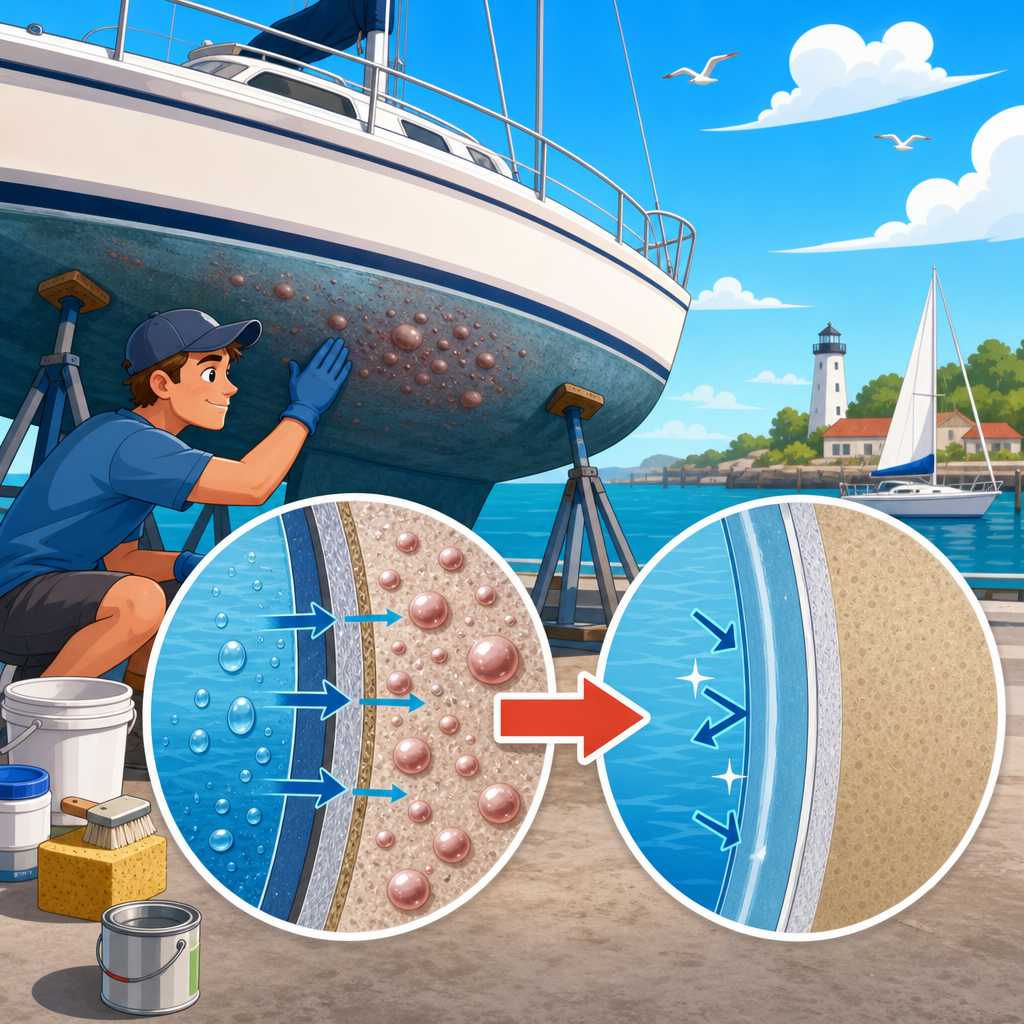
Osmosis in boats is the slow movement of water through a fiberglass hull into pockets where it reacts with soluble chemicals, creating acidic fluid that forms pressure, bubbles, and eventually hull blisters. For owners of GRP and fiberglass boats, it is one of the most misunderstood maintenance issues because the first signs often look cosmetic while the underlying process is chemical, structural, and expensive to correct once advanced. In practical boat maintenance, hull blistering sits at the intersection of hull cleaning, moisture control, coatings, storage habits, and repair planning, which is why every serious approach to hull cleaning and protection should start here.
I have inspected boats with a few isolated dime-sized blisters and others with thousands spread across the underwater body, and the difference almost always came down to coating history, moisture management, and how quickly early symptoms were addressed. A blistered hull does not automatically mean a boat is unsafe, but it does mean the laminate and coating system deserve a disciplined evaluation. Owners searching for answers usually want to know four things: what osmosis is, what hull blisters look like, whether they can be prevented, and which maintenance routines actually reduce risk. The short answer is yes, prevention is possible, but it requires consistent cleaning, barrier protection, and attention to damage before water gets behind the gelcoat.
Hull cleaning and protection covers more than washing the bottom. It includes antifouling strategy, inspection schedules, moisture readings, gelcoat care, haul-out routines, sacrificial coatings, and repair decisions based on evidence rather than guesswork. This hub article explains the full picture in plain language so you can use it as the starting point for a smarter maintenance plan and connect it to related work such as antifouling selection, anode checks, gelcoat repairs, pressure washing, and seasonal storage procedures. If you own a fiberglass sailboat, powerboat, or trailer boat kept in the water for long periods, understanding osmosis is one of the most valuable steps you can take to protect resale value and avoid major yard bills.
What osmosis means in a fiberglass hull
In marine use, osmosis is shorthand for a moisture-driven degradation process in fiberglass reinforced plastic, usually beneath the gelcoat. Water molecules migrate through the gelcoat and into the laminate or into voids left from manufacturing. If they encounter unreacted binders, soluble residues, or hydrolysis-prone materials, they create a concentrated solution. Because that solution has a higher solute concentration than the surrounding water, more water is drawn in through the semi-permeable gelcoat. Pressure builds, and a blister forms.
That explanation matters because it clarifies a common myth: blisters are not simply trapped air. They are usually fluid-filled defects driven by chemistry. On older production boats, especially some built during periods of rapid manufacturing growth in the 1970s through 1990s, hand layup variability, resin ratios, contamination, and insufficient post-curing increased the likelihood of problems. Modern resin systems, vacuum infusion, and better quality control have improved blister resistance, but no fiberglass hull is entirely immune if coatings fail and water exposure is continuous.
Another point owners often miss is the distinction between cosmetic gelcoat blisters and deeper laminate blistering. Small blisters confined to gelcoat may be less serious than widespread deeper defects, but neither should be ignored. Surveyors often use capacitance or impedance moisture meters such as Tramex Skipper or Sovereign instruments to identify wet areas, then compare readings across zones of the hull. These readings are useful trend indicators, not final diagnoses. Temperature, laminate thickness, metal backing plates, and recent haul-out conditions can all affect results.
How hull blistering starts and why some boats are more vulnerable
Hull blistering usually begins with a pathway for water ingress and a laminate chemistry that gives water something to react with. Gelcoat is water-resistant, not waterproof. Over time, especially below the waterline, moisture diffuses through it. If the laminate contains water-soluble components, poorly wetted glass, tiny voids, or resin-rich pockets, those become sites where osmotic fluid can accumulate. Heat accelerates diffusion and chemical activity, so boats in warm water often show problems faster than similar boats in colder climates.
Use pattern matters. A trailer-kept runabout that dries between outings has a lower risk profile than a cruising yacht berthed year-round. Freshwater boats are not exempt; osmosis occurs in both fresh and saltwater. However, warm marinas with year-round immersion, heavy fouling, neglected bottom coatings, and repeated minor impacts tend to create the most unfavorable conditions. Damage from grounding, bunks, rollers, or aggressive scraping can compromise gelcoat and invite localized moisture entry.
Construction details also matter. Solid laminate bottoms and cored topsides behave differently, but both can suffer water intrusion if coatings are breached. Polyester resin hulls historically show more osmotic vulnerability than vinylester-rich laminates because vinylester offers better water resistance and elongation properties. Many builders now specify vinylester skin coats beneath the gelcoat specifically to improve blister resistance. If you are buying used, ask about original laminate schedule, prior peeling work, barrier coat records, and whether the boat has spent long periods continuously afloat.
| Risk factor | Why it increases blister risk | Typical example |
|---|---|---|
| Long-term immersion | Allows constant moisture diffusion through gelcoat | Boat kept in a marina year-round |
| Warm water | Speeds hydrolysis and moisture movement | Subtropical coastal mooring |
| Damaged gelcoat | Creates direct moisture entry points | Keel scuffs, trailer rash, grounding marks |
| Poor coating maintenance | Leaves barrier layers thin or exposed | Old antifouling flaking over unsealed hull |
| Older polyester layup | Often has greater permeability and variable cure | Production boats from earlier decades |
How to spot early symptoms during hull cleaning and inspection
The best time to identify osmosis is immediately after haul-out and pressure washing, when marine growth, slime, and chalked antifouling are removed. Early blisters may look like pinhead bumps, raised circles, or clusters with diameters from a few millimeters to several centimeters. They are usually easier to see when the hull is still damp and viewed along the surface in raking light. I run a gloved hand across the bottom after washing because fingertips often detect subtle blistering before eyes do.
If you open a suspect blister, the fluid may smell acidic or like vinegar. That odor is a classic field clue, though not every blister produces it. The exposed cavity can show laminate fibers, soft resin, or simply a pocket within the gelcoat. Mapping location matters. Random isolated blisters near impact points often indicate mechanical damage and water ingress. Dense widespread blistering across broad underwater areas suggests a systemic moisture problem. Record the pattern with photos, count density in sample squares, and compare both sides of the hull.
Inspection should also include related protection issues. Check antifouling thickness, adhesion failure, bare patches, previous filler spots, through-hull bedding, transducer fairings, keel-hull joints, and any repair feather edges. Many owners focus only on the blisters they can see and miss the maintenance causes around them. A neglected bottom with heavy fouling, eroded paint, and scarred gelcoat is telling you the hull protection system as a whole needs attention. That is why hull cleaning and protection should be managed as a program, not as isolated chores.
Prevention: the maintenance practices that actually work
Preventing hull blistering starts with keeping the bottom clean without damaging the protective layers. Regular haul-outs or diver cleaning reduce fouling load, which matters because hard growth removal by scraping can gouge coatings and expose gelcoat. Use the least aggressive cleaning method that will do the job: soft pads for slime, plastic scrapers for barnacles, and controlled pressure washing rather than concentrated blasting that strips sound paint. Every cleaning session should end with an inspection for chips, scratches, and coating loss below the waterline.
Barrier coating is the most effective preventive treatment for susceptible fiberglass hulls. A true epoxy barrier coat system, applied over properly prepared laminate or sound gelcoat, dramatically reduces water vapor transmission. Products such as InterProtect 2000E or International Gelshield 200 are widely specified because they create a dense, crosslinked film with measurable dry film thickness when applied in multiple coats. The key is not the brand alone but the preparation and thickness. If the surface is contaminated, under-sanded, or under-built, performance drops sharply.
Antifouling paint and barrier coat serve different purposes. Antifouling controls marine growth; barrier coat slows moisture ingress. Owners often assume a fresh bottom paint job is enough protection, but antifouling by itself is not a substitute for a moisture barrier. The proper stack on many fiberglass boats is prepared substrate, epoxy barrier system, then compatible antifouling. Follow manufacturer overcoating windows precisely. Missing the chemical bonding window can force additional sanding and compromise adhesion.
Storage and usage habits also matter. If practical, periodic dry time reduces continuous saturation. Trailer boats should be supported correctly so bunks do not create abrasive hot spots. Boats on lifts should be rinsed to remove salt and inspected where slings or pads contact the hull. During winter lay-up, clean the bottom, repair chips before freezing conditions, and avoid wrapping the hull so tightly that trapped moisture cannot dissipate. Prevention is less about one miracle product and more about disciplined protection at every stage of the season.
What to do if your boat already has osmosis blisters
If blisters are present, the right response depends on scale, depth, and intended use. A few superficial gelcoat blisters on an older cruiser may justify monitoring and localized repair during routine haul-out. Extensive blistering across large areas, especially if accompanied by elevated moisture readings and laminate breakdown, usually warrants a full remediation plan. A qualified marine surveyor or yard experienced in osmotic treatment should assess severity before you commit to work. Guessing wrong can waste thousands.
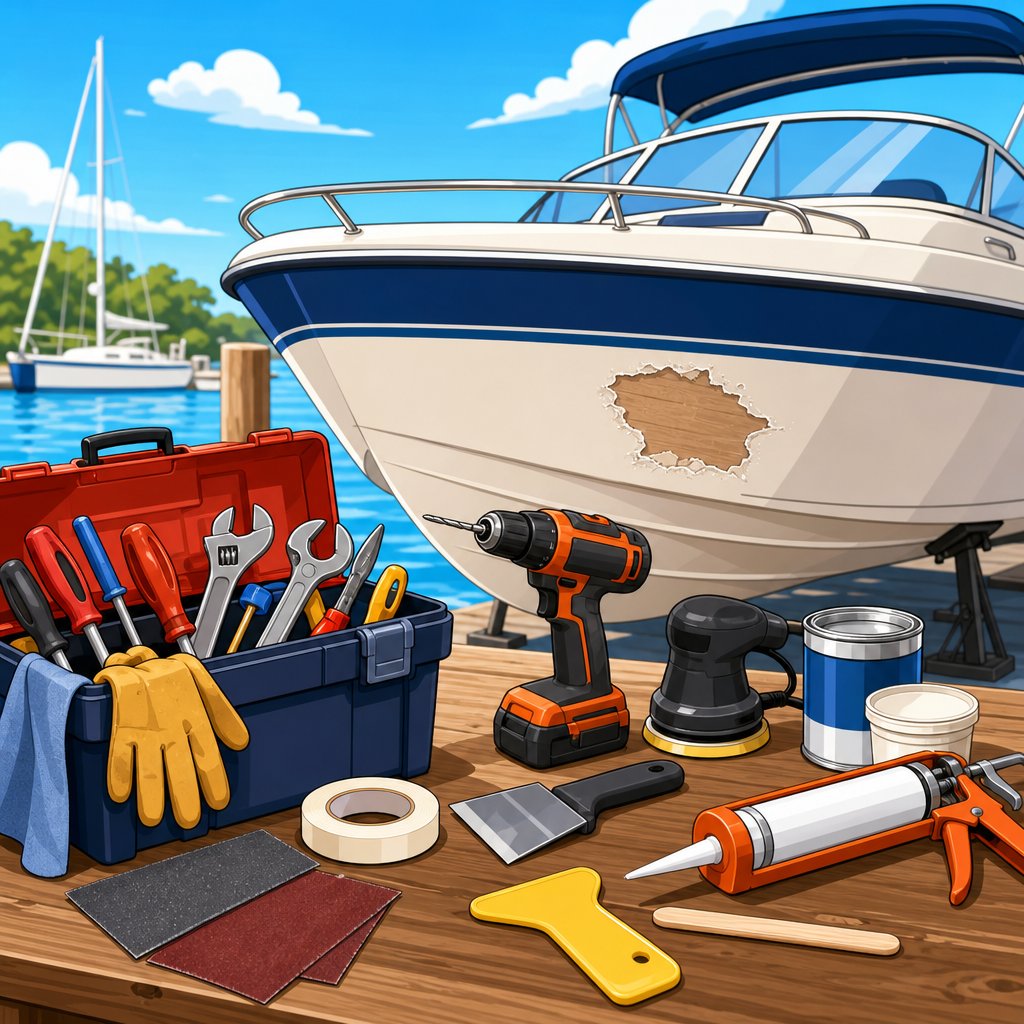
Localized repair typically involves opening each blister, washing out acidic residue, grinding back to sound material, allowing the area to dry thoroughly, filling with an epoxy fairing compound, sealing with epoxy, and restoring antifouling. Serious osmotic repair is more involved. Yards may peel or plane off gelcoat, blast the surface, wash repeatedly to remove contaminants, measure moisture over weeks or months, then rebuild with epoxy laminates, fairing, barrier coats, and bottom paint. Drying time is often the longest and most important phase.
Costs vary widely by hull size and region, but full peel-and-epoxy treatment on a mid-sized cruising boat can reach five figures. The benefit is not just aesthetics. Proper remediation can stabilize the laminate, improve marketability, and prevent recurring repair cycles. Still, there are tradeoffs. On some older boats with low market value, full osmotic treatment may not be economically rational unless the owner plans long-term retention. In those cases, targeted repairs, documentation, and a realistic maintenance strategy may be the better decision.
Building a complete hull cleaning and protection plan
A strong hull cleaning and protection plan is scheduled, documented, and adapted to where the boat lives. Start with a haul-out calendar tied to fouling intensity, not guesswork. In high-growth marinas, monthly in-water cleaning or more frequent haul-outs may be justified; in colder waters, intervals can be longer. At each haul-out, pressure wash promptly, inspect for blisters and coating failure, photograph the bottom, and log any repairs. Those records help you spot trends and support resale disclosures later.
Next, match coatings to use case. Racing boats may favor smoother hard antifouling systems and stricter cleaning intervals. Cruisers often prioritize season-long protection and broad compatibility with barrier coats. Confirm paint compatibility before overcoating mixed generations of products, and monitor total film buildup because excessive layers eventually crack or flake. Include adjacent maintenance tasks in the same routine: replace worn transducer fairing sealant, inspect through-hulls, test bonding, check anodes, and repair gelcoat chips immediately.
The most successful owners treat the underwater hull like a managed asset. They budget for preventive barrier work before blistering becomes severe, use moisture readings as one diagnostic input rather than a verdict, and avoid shortcuts that hide problems under paint. If you want your boat to stay faster, drier, and easier to sell, make hull cleaning and protection a standing part of your boat maintenance and repairs program. Start with a careful inspection this season, document what you find, and act early while prevention is still cheaper than cure.
Frequently Asked Questions
What is osmosis in a fiberglass boat, and how does it cause hull blistering?
Osmosis in a fiberglass boat is the gradual movement of water through the gelcoat and into the laminate or small voids within the hull structure. Once water gets inside, it can react with soluble chemicals left from the original manufacturing process, including unreacted resins and other water-soluble compounds. That reaction produces a concentrated acidic fluid. Because the fluid inside these pockets has a higher concentration than the water outside the hull, more moisture is drawn in over time through the semi-permeable gelcoat. This creates pressure beneath the surface, and that pressure eventually forms raised bubbles or blisters on the hull.
What makes osmosis so widely misunderstood is that the first symptoms often look minor or cosmetic. A few small bumps in the bottom paint can seem harmless, but the underlying issue is chemical and cumulative. Early blistering may be limited to the gelcoat, while more advanced cases can affect deeper layers of laminate. Left untreated, widespread blistering can increase repair costs, reduce resale value, and in severe cases point to more significant moisture-related deterioration. In other words, osmosis is not simply “paint bubbling” on a boat bottom; it is a moisture-driven breakdown process that needs to be properly diagnosed and managed.
What are the early signs of hull blisters, and how can I tell whether my boat has an osmosis problem?
The earliest signs of hull blistering are usually small raised bumps below the waterline, often noticed during haul-out, washing, sanding, or repainting. These bumps may be no larger than a pinhead or coin, and at first they may appear isolated. As the condition progresses, you may see larger blisters, clusters of blisters, or uneven areas in the gelcoat. If a blister is opened during inspection, it may release a sharp-smelling liquid, sometimes described as vinegary or acidic. That fluid is a classic warning sign that water intrusion and chemical reaction are taking place beneath the surface.
To assess whether the issue is likely osmosis, look at the location, number, and pattern of the blisters. Blisters below the waterline are more concerning than isolated cosmetic defects above it. A professional surveyor or yard may use moisture meters, percussion testing, and visual inspection to determine whether the problem is superficial or more advanced. It is important not to assume every bump is serious osmosis, but it is equally important not to dismiss recurring or widespread blistering as harmless. The best approach is early inspection and documentation. Catching the issue when blisters are small and localized gives you more treatment options and helps prevent the problem from becoming a major restoration project.
Are all hull blisters serious, or can some be left alone?
Not all hull blisters are equally serious. Some are shallow gelcoat blisters that are largely cosmetic, while others indicate moisture has reached deeper laminate layers. The difference matters. A small number of isolated, superficial blisters may not require immediate full-scale repair, especially if the hull remains structurally sound and the affected areas are monitored closely. In those cases, an owner may choose to address the problem during routine maintenance rather than launching into a major peel-and-rebuild project right away.
That said, ignoring blistering completely is rarely a good long-term plan. Even when blisters begin as a surface issue, the mechanism that caused them can continue if moisture remains trapped in the hull. Widespread blistering, recurring blisters after previous repair, large blisters, or blisters associated with elevated moisture readings deserve more serious attention. The practical question is not just whether the hull is currently safe, but whether the condition is progressing. A knowledgeable marine surveyor or experienced fiberglass repair specialist can help determine whether watchful management is reasonable or whether the boat needs drying, grinding, fairing, and barrier protection. So yes, some blisters can be managed for a time, but none should be casually ignored without a proper evaluation.
How can boat owners prevent osmosis and hull blistering on GRP or fiberglass boats?
The best prevention starts with keeping the hull’s protective outer layers in good condition. Osmosis becomes more likely when water can repeatedly penetrate aged, damaged, porous, or poorly maintained gelcoat and coatings. A disciplined maintenance routine matters: inspect the underwater hull at every haul-out, repair chips or cracks promptly, remove failing bottom paint properly, and apply high-quality epoxy barrier coatings when appropriate. If a boat does not already have an effective barrier system, adding one can be one of the most worthwhile preventive steps for long-term hull protection, especially on older GRP and fiberglass boats.
Storage and usage patterns also play a role. Boats that remain in the water year-round naturally have more prolonged moisture exposure than boats that are regularly hauled and allowed to dry. While constant immersion does not guarantee osmosis, it does increase opportunity for water ingress over time. Owners should also be careful when buying used boats, because past repairs, neglected coatings, or low-quality laminate work can raise the risk of future blistering. Good prevention is really a combination of regular inspections, prompt cosmetic repair before damage worsens, proper coating systems, and informed decisions about haul-out intervals. You cannot make a fiberglass hull completely immune to moisture forever, but you can significantly reduce the risk and slow the process with proactive maintenance.
What is the proper treatment for osmosis blisters, and when should I call a professional?
Proper treatment depends on the severity of the blistering. For a few isolated superficial blisters, repair may involve opening the blisters, washing out the acidic residue, allowing the area to dry fully, filling with an appropriate epoxy filler, fairing the surface, and recoating the hull. However, when blistering is widespread, repeating across large sections of the bottom, or extending beyond the gelcoat into the laminate, treatment becomes much more involved. In those cases, the repair process can include stripping or peeling the outer layers, thoroughly washing contaminants from the laminate, drying the hull over an extended period, checking moisture levels, rebuilding the surface with epoxy materials, fairing the hull, and then applying a full barrier coating system before antifouling paint is reapplied.
You should call a professional when there are many blisters, when blisters return after earlier repairs, when the hull shows high moisture readings, or when you are unsure whether the damage is cosmetic or structural. Professional diagnosis is especially important because premature sealing of a wet hull can trap moisture and lead to future failure. An experienced boatyard or fiberglass repair specialist can distinguish between a manageable maintenance issue and a deeper laminate problem, then recommend a repair strategy that fits the boat’s age, value, and intended use. In advanced cases, professional treatment is not just about appearance; it is about protecting the hull, preserving value, and avoiding repeated repair costs caused by incomplete or rushed work.