Drinking alcohol while driving a boat is legal in some circumstances, illegal in others, and always riskier than many boaters realize. The key issue is not simply whether a beer is allowed on board, but whether the operator is impaired under boating under the influence laws, often called BUI laws. These rules sit within the broader framework of boating laws and regulations, and they matter because alcohol remains one of the leading contributing factors in fatal recreational boating accidents in the United States. In practice, I have seen many operators assume the water is less regulated than the road. That assumption causes tickets, arrests, civil liability, and preventable injuries.
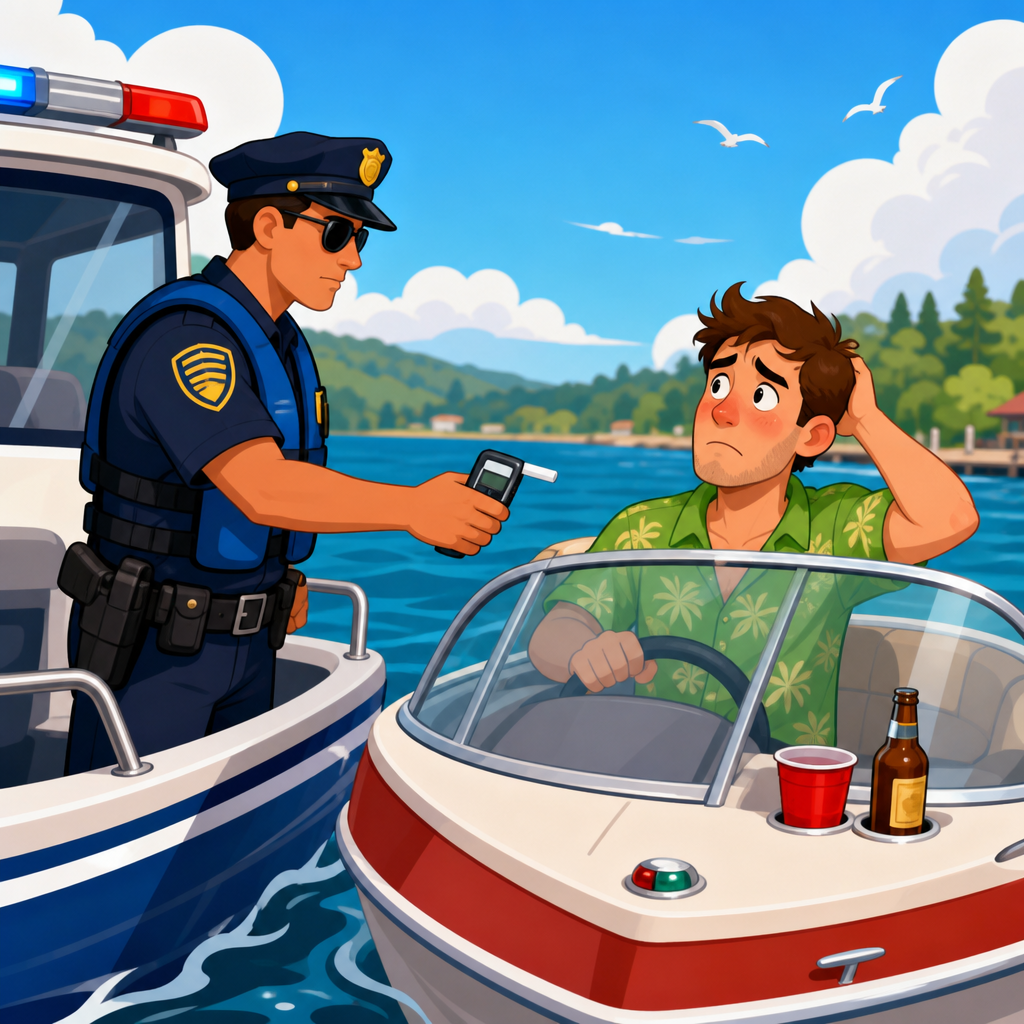
BUI laws generally prohibit operating or being in actual physical control of a vessel while impaired by alcohol, drugs, or a combination of substances. In most states, the legal standard closely mirrors drunk driving law, including a blood alcohol concentration threshold of 0.08 percent for adults. However, boating law has important differences. Enforcement may involve state marine patrol, county sheriffs, harbor police, or the U.S. Coast Guard. Officers may stop vessels for safety inspections, investigate wake violations or negligent operation, and then expand the encounter if signs of impairment appear. Passengers may lawfully drink in many jurisdictions, but the operator cannot do so to the point of impairment.
This topic matters for every boat owner, renter, angler, and vacationer because penalties can be severe and the consequences reach beyond criminal court. A BUI arrest can trigger fines, jail exposure, vessel impoundment, loss of boating privileges, higher insurance costs, and evidence that strengthens a personal injury lawsuit after a crash. It also raises practical questions that people ask constantly: Is it illegal to have open containers on a boat? Does the Coast Guard enforce alcohol laws? Can you get a BUI on a kayak, jet ski, or sailboat? This hub answers those questions directly and provides a foundation for more detailed articles across the boating under the influence laws subtopic.
What BUI Laws Prohibit and How They Work
Boating under the influence laws prohibit operating a vessel while impaired by alcohol, controlled substances, prescription medication, cannabis where applicable, or any combination that affects safe operation. The exact wording varies by state, but the core rule is consistent: if your normal faculties are impaired, you can be cited or arrested. In many states, prosecutors can prove a BUI either by showing actual impairment or by showing that the operator exceeded the per se blood alcohol limit, usually 0.08 percent. That means a boater may face charges even without weaving dramatically if chemical testing shows a prohibited concentration.
Actual physical control is a critical concept. Officers and courts may treat a person at the helm, steering, managing throttle, or otherwise controlling the vessel as the operator, even if the boat is drifting or idling. Personal watercraft such as Jet Skis are covered. So are sailboats, pontoons, fishing boats, cabin cruisers, and often non-motorized craft depending on state definitions of vessel. Federal law also matters. The U.S. Coast Guard can enforce intoxicated boating rules on federal waters and has authority under 33 CFR 95, which addresses intoxication standards for vessel operators.
Why is enforcement strict on the water? Alcohol affects balance, reaction time, judgment, depth perception, and coordination. Those effects are magnified by sun, wind, vibration, wave motion, heat, and dehydration, a phenomenon boating safety experts often call stressors of the marine environment. The result is that a level of intoxication that seems manageable on land may produce dangerous impairment much faster on a boat. That is one reason the National Association of State Boating Law Administrators and state agencies consistently warn that boating and alcohol do not mix.
Is It Ever Legal to Drink Alcohol While Driving a Boat?
The short answer is that drinking while operating a boat may be legal until it causes impairment or pushes the operator over the applicable blood alcohol limit, but that does not make it safe or wise. Unlike motor vehicle law, many states do not ban open containers for passengers or even for operators outright. Instead, they punish impaired operation. That distinction is where confusion starts. A person can technically hold a drink on a boat in some places and still commit no offense at that moment, yet become criminally liable minutes later if impaired signs emerge or a test shows a prohibited BAC.
There are also jurisdiction-specific restrictions that tighten the rule. Some states impose zero-tolerance standards for underage operators, enhanced penalties when a minor is on board, or lower BAC thresholds for commercial operators. Rental agreements, marinas, and organized regattas may ban alcohol regardless of state law. Certain waterways also have intense patrol activity on holiday weekends, and operators who drink at all are far more likely to be scrutinized after speeding, creating excessive wake, failing to display lights, or violating navigation rules. Legality therefore depends on the operator’s condition, the vessel type, the waterway, and state-specific statutes.
From a risk-management perspective, the best answer is simple: designate a sober operator before leaving the dock. I advise clients and boaters to treat the helm like a driver’s seat. Even where one drink may not be illegal by itself, there is no practical advantage to testing the line on open water. Wind, glare, unexpected traffic, submerged hazards, and weather shifts demand fast, accurate decision-making, and alcohol directly weakens those skills.
How Officers Detect and Prove Boating Under the Influence
Enforcement usually begins with observation. Officers look for classic signs such as erratic speed, delayed response to navigation markers, near-collisions, improper lookout, mishandling during docking, or failure to follow right-of-way rules. They also note physical indicators: slurred speech, bloodshot eyes, poor balance, odor of alcohol, confusion about location, and difficulty producing registration or safety equipment. Because boats move with waves, field sobriety testing on water is different from roadside DUI work. Many agencies use seated or marine-adapted assessments developed for boating environments.
Chemical testing may involve breath, blood, or urine depending on state law and circumstances. Most states have implied consent rules for vessel operators, meaning that by operating a boat on public waters, the person is deemed to have consented to lawful testing. Refusal can carry separate penalties, including fines, evidentiary consequences, or suspension of boating privileges. After a serious crash involving injury or death, blood testing is often pursued aggressively and warrants may be obtained quickly. Officers document not only the BAC result but also weather, traffic density, wave conditions, and the operator’s statements.
| Enforcement Issue | Typical Rule | Why It Matters |
|---|---|---|
| Adult BAC limit | Usually 0.08% | A per se violation may exist even without dramatic bad driving |
| Underage operators | Often zero tolerance or very low BAC | Young boaters can face penalties for minimal alcohol use |
| Refusal to test | Separate sanction under implied consent laws | Refusing rarely avoids consequences and may strengthen the case |
| Drug impairment | Illegal even without alcohol | Prescription drugs and cannabis can support a BUI charge |
| Federal waters | Coast Guard may enforce intoxication rules | Operators are not insulated by moving offshore |
State-by-State Differences Every Boater Should Expect
No single national code answers every BUI question. States define vessel, operation, testing procedures, penalties, and administrative consequences differently. Florida, for example, treats boating under the influence under detailed statutory provisions and increases penalties for high BAC levels or minors on board. Texas, California, New York, and Michigan all enforce BUI, but they differ in sentencing structure, diversion availability, and how prior DUI convictions affect later boating cases. Some states permit officers to conduct safety inspections without the same threshold required for traffic stops, which increases the chance that impairment indicators will be noticed.
These differences matter especially for travelers and renters. A person who legally keeps alcohol on a pontoon in one state may still violate local rules by becoming impaired while navigating a crowded marina channel. On interstate waters, multiple agencies may have authority. If the trip involves a rented fishing boat, the rental company may report incidents and cooperate with investigators. Insurance policies can also require compliance with all applicable laws, so a violation may create coverage disputes after a loss. That is why this BUI laws hub should be paired with state-specific guidance before any boating trip.
Operators should also expect special rules for commercial activity and for accidents involving injury. Charter captains, ferry crew, and other licensed personnel may be held to professional standards beyond those applied to casual recreational boaters. After a collision, prosecutors examine whether alcohol contributed to excessive speed, poor lookout, failure to assist, or reckless operation. In serious cases, a BUI charge can escalate from a misdemeanor to a felony.
Penalties, Collateral Consequences, and Civil Liability
The penalties for boating under the influence can be harsher than many first-time offenders expect. Common sanctions include fines, probation, mandatory alcohol education, community service, jail, vessel impoundment, and suspension or revocation of boating privileges. Some jurisdictions enhance penalties for repeat offenses, high BAC results, minors on board, excessive speed, or crashes causing injury or death. A second or third offense may carry mandatory minimum jail terms. Courts can also impose conditions that restrict future vessel operation and require substance abuse treatment.
Collateral consequences are equally important. A BUI conviction may affect employment, especially for commercial mariners, military personnel, law enforcement applicants, and drivers subject to company safety policies. Marine and umbrella insurance premiums may rise or claims may be contested. In civil litigation, evidence of alcohol use can be devastating. If a boater strikes a swimmer, damages another vessel, or injures passengers during a sharp maneuver, the injured party may use the BUI evidence to establish negligence or support punitive damages arguments. In plain terms, one bad decision on a holiday weekend can become a criminal case, an insurance fight, and a personal injury lawsuit at the same time.
Families should understand that fatal boating cases often involve alcohol and familiar patterns: afternoon heat, long sun exposure, little food, and a casual belief that short runs back to the dock are easy. They are not. The final half mile is where docking errors, groundings, and channel collisions often occur.
Common Questions About Open Containers, Passengers, and Vessel Types
Many boaters ask whether open container laws apply on the water. Often, no broad open container ban applies to passengers on recreational vessels, but state and local rules vary. The safer and more precise answer is this: passengers may frequently drink legally, while the operator may not be impaired. Another common question is whether a person can get a BUI on a kayak, canoe, paddleboard, or sailboat. In some states, yes, because the statutory definition of vessel is broad. In others, enforcement focuses on motorized craft. Never assume a non-motorized craft is exempt without checking state law.
People also ask whether anchoring the boat avoids liability. Usually not if the person remains in control of the vessel or resumes operation while impaired. If the engine is running, the keys are in use, or the vessel is still being maneuvered, an officer may reasonably conclude the person is operating. Questions about prescription medication are increasingly common as well. Anti-anxiety drugs, sleep aids, opioid pain medication, and even some antihistamines can impair reaction time and judgment. A lawful prescription is not a defense if the medication makes operation unsafe.
Finally, many wonder whether the Coast Guard can stop a boat without suspicion. For safety inspections and regulatory checks, the answer is often yes. Once an officer lawfully boards or interacts with the vessel, signs of impairment can lead to a BUI investigation quickly.
Prevention, Best Practices, and Where This BUI Hub Leads Next
The best way to avoid a boating under the influence case is to plan for sobriety before launch. Designate a sober operator, bring extra water, eat regularly, monitor medication warnings, and end the day early if weather or fatigue increases workload at the helm. Boat owners should brief guests that passenger drinking does not pressure the operator to join in. Keep life jackets accessible, follow navigation rules, and treat return-to-dock maneuvers with the same seriousness as open-water operation. Those habits reduce both accident risk and enforcement exposure.
As the hub for boating under the influence laws, this page connects naturally to deeper guides on state-by-state BUI statutes, Coast Guard enforcement authority, implied consent and chemical testing, BUI penalties, open container rules on boats, BUI on kayaks and personal watercraft, boating accident liability involving alcohol, and defenses commonly raised after an arrest. Together, those topics answer the practical questions boaters, renters, and families face before a trip and after an incident. The central takeaway is straightforward: drinking alcohol while driving a boat may sometimes appear technically permissible until impairment occurs, but the legal and safety margin is far narrower than most people think.
If you operate any vessel, use this rule every time: keep the person at the helm alcohol-free. That single decision protects passengers, reduces legal exposure, and makes every boating trip safer. Review your state boating laws and regulations before your next outing, and build your trip plan around a sober operator.
Frequently Asked Questions
Is it legal to drink alcohol while driving a boat?
It depends on who is drinking and what they are doing on the boat. In many places, passengers may legally consume alcohol on a recreational boat, but the person operating the vessel can still be violating the law if alcohol affects their ability to operate safely. Boating under the influence, often called BUI, generally makes it illegal to operate a boat while impaired by alcohol or drugs. That means the legal issue is not just whether alcohol is physically present on board, but whether the operator is intoxicated, impaired, or over the applicable blood alcohol concentration limit. State laws vary, and some jurisdictions impose strict rules based on age, vessel type, location, and whether the boat is underway or anchored. Even where limited drinking on board is technically legal, operating a boat after drinking carries significant legal and safety risks.
What is considered boating under the influence?
Boating under the influence usually means operating or being in actual physical control of a vessel while impaired by alcohol, illegal drugs, prescription medication, cannabis, or a combination of substances. Many states use a blood alcohol concentration threshold similar to drunk driving laws, often 0.08% for adults, but officers may still make an arrest based on visible impairment even without a chemical test result at the scene. Signs of impairment can include poor judgment, delayed reaction time, weaving, excessive speed, trouble docking, failing to follow navigation rules, or creating a danger to passengers and other boaters. BUI laws exist because alcohol affects balance, coordination, awareness, and decision-making, all of which are essential on the water. Conditions like sun, wind, dehydration, heat, and wave motion can intensify alcohol’s effects, which is one reason boating impairment can become dangerous faster than many people expect.
Can passengers drink alcohol on a boat if the operator stays sober?
In many recreational boating situations, yes, passengers may be allowed to drink as long as the operator remains sober and the vessel is otherwise being used lawfully. However, that does not mean there are no legal concerns. Open container rules on boats are often different from road vehicle laws, but local regulations, marine patrol policies, and specific waterway restrictions can still apply. For example, charter boats, rented vessels, personal watercraft, and certain public waters may be subject to additional rules. There is also a practical issue: if the designated operator starts out sober but later consumes alcohol, they may quickly cross the line into impairment without realizing it. Responsible boating means planning ahead, choosing a sober operator for the full trip, monitoring everyone’s behavior, and recognizing that alcohol on board can still contribute to falls, overboard incidents, reckless behavior, and delayed emergency response even when only passengers are drinking.
What are the penalties for operating a boat under the influence?
Penalties for BUI can be serious and often look a lot like DUI consequences, although the exact punishment depends on state law and the facts of the incident. A person convicted of boating under the influence may face fines, jail time, probation, mandatory boating safety courses, community service, loss or suspension of boating privileges, and sometimes consequences affecting a driver’s license as well. Penalties are often enhanced when there are aggravating factors such as a high blood alcohol level, a child on board, reckless operation, property damage, serious injury, or a fatal crash. A BUI arrest can also trigger expensive collateral consequences, including higher insurance costs, civil liability if someone is hurt, vessel impoundment, and a criminal record. Because alcohol is a major contributing factor in fatal recreational boating accidents, law enforcement agencies and courts tend to treat these cases seriously.
How can boaters stay legal and safe if alcohol is on board?
The safest approach is simple: the person operating the boat should not drink at all. If alcohol will be present, choose a sober operator before leaving the dock and keep that plan in place for the entire outing. Make sure everyone understands who is driving, bring plenty of water and food, and remember that heat, sun exposure, fatigue, and motion can magnify impairment. Follow all boating laws and regulations, carry required safety equipment, and avoid risky behavior like speeding, overcrowding, or night operation after drinking. It is also smart to review the specific BUI rules for the state and waterway where you will be boating, because legal standards and enforcement practices can differ. In short, while the legality of alcohol on a boat can vary by circumstance, there is very little ambiguity about the safest choice: a sober operator protects passengers, avoids legal trouble, and greatly reduces the risk of a preventable accident.