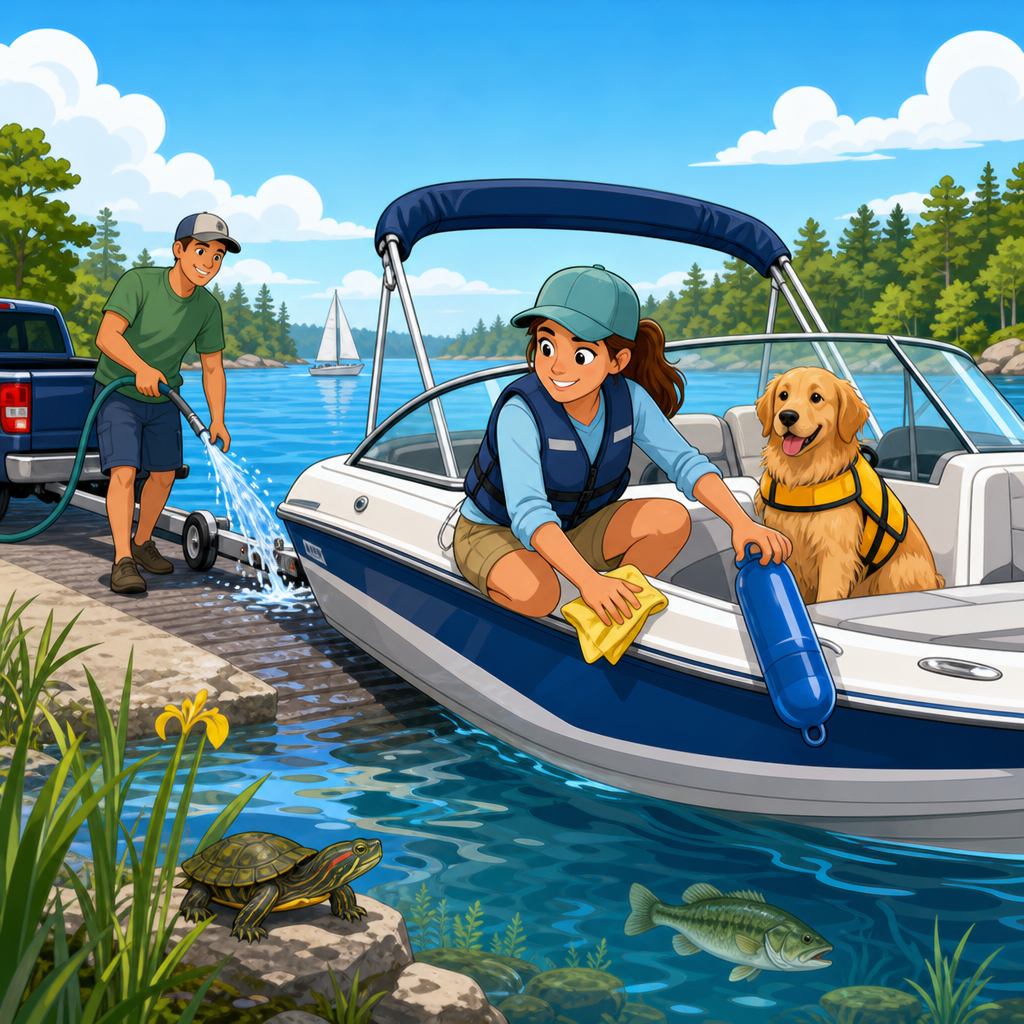
How to comply with the Clean Water Act as a boater starts with understanding a simple principle: every discharge from your vessel can affect the water you use, fish, swim, and travel on. The Clean Water Act is the primary federal law governing water pollution in the United States, and for recreational and commercial boaters it shapes what can be released overboard, what must be contained, and how waste, fuel, sewage, and runoff should be managed. In practice, compliance means following federal discharge rules, using marine sanitation equipment correctly, preventing spills, and meeting any stricter state or local requirements that apply where you boat.
I have worked with marina operators, boating safety instructors, and vessel owners on compliance checklists, and the biggest misconception I see is that the law only targets large ships or industrial polluters. It does not. Small recreational boats can create recurring water quality problems through sewage releases, oily bilge discharge, detergents, fuel overflows, bottom paint debris, and trash that washes into waterways. A single avoidable mistake at the dock can spread sheen across a basin, trigger a reporting obligation, and expose the operator to penalties. Clean boating is therefore both a legal responsibility and a practical seamanship skill.
For boaters, the most important terms are straightforward. A discharge is any addition of a pollutant to waters of the United States from a point source, which can include a vessel. Sewage includes human body wastes and wastes from toilets. Graywater generally refers to wastewater from sinks, showers, and galleys, though rules vary by vessel type. Bilge water is water that collects in the lowest compartment of a boat and may become contaminated with oil or fuel. A no discharge zone is an area where even treated sewage may not be released. These definitions matter because compliance depends on exactly what is leaving the boat and where.
This topic matters because enforcement and environmental impact are both real. The Environmental Protection Agency sets core federal pollution rules, while the U.S. Coast Guard often handles vessel inspections and operational enforcement. States add boating-specific water quality laws, marina rules, pumpout requirements, and local no discharge restrictions. Boaters who learn the system once can avoid fines, protect sensitive habitats, and make every trip easier. This hub article explains the legal framework, the major pollution sources, the equipment and operating practices that support compliance, and the related topics every boater should explore next under environmental laws and clean boating.
Understand the Clean Water Act rules that apply to boats
The Clean Water Act does not regulate every vessel the same way, but it creates the foundation for nearly all clean boating requirements. Section 301 broadly prohibits the discharge of pollutants except as allowed by law. For boaters, the practical takeaway is clear: you should assume that nothing goes overboard unless a rule specifically allows it. Oil, fuel, garbage, hazardous liquids, untreated sewage, and many maintenance residues are never acceptable discharges. Even when a discharge is technically allowed under federal law, state law or a no discharge zone may still prohibit it.
Vessel sewage is governed through a combination of the Clean Water Act and vessel sanitation rules. Recreational boats with installed toilets must use an approved marine sanitation device, commonly called an MSD. Type I and Type II devices treat sewage to specified standards, while Type III devices store sewage for later pumpout or shore-side disposal. On most recreational boats, a Type III holding tank is the most common setup. If you have a Y-valve that can route sewage overboard, it must be secured in waters where discharge is prohibited, typically by padlock, non-releasable wire tie, or removal of the handle, depending on local enforcement expectations.
Another important part of the legal landscape involves incidental vessel discharges, such as deck runoff, cooling water, and bilgewater. Federal rules have changed over time, and larger commercial vessels may have permit obligations that recreational boaters do not. However, no boater should interpret this as permission to discharge contaminated water. If bilgewater contains oil, it is not a lawful discharge. If soap from deck washing enters the water, local rules may treat that as a pollutant. The safest compliance approach is operational: contain pollutants on board, use pumpout and shore-side facilities, and prevent anything but clean water from reaching the lake, river, or harbor.
Manage sewage, holding tanks, and pumpout use correctly
The most visible Clean Water Act issue for many boaters is sewage management. Untreated sewage introduces bacteria, viruses, nutrients, and oxygen-demanding material into the water. In enclosed marinas and coves, even small releases can increase pathogen levels and contribute to algal growth. That is why proper use of onboard toilets, holding tanks, and pumpout stations is central to legal compliance. If your boat has a head, every person on board should know whether waste goes to a holding tank or another MSD, how full the tank is, and where the nearest pumpout is located before departure.
No discharge zones deserve special attention because many boaters mistakenly assume treated sewage is always legal offshore or inland. In a federally approved no discharge zone, the discharge of sewage from vessels is prohibited whether it is treated or untreated. States can seek these designations for sensitive waters, drinking water sources, shellfish areas, or heavily used recreational waters. I advise boaters to check state boating guides and marina notices every season because zone boundaries and local implementation details can change. If you cruise across state lines, one weekend route can cross several regulatory regimes without obvious markers on the water.
Pumpout compliance is not just about using the station occasionally. It means maintaining hoses, deck fittings, vents, and level indicators so the system works under normal use. A cracked vent line can release odor and indicate leakage. A stuck tank gauge can cause accidental overfill and backflow. Best practice is to inspect the entire sanitation system at commissioning and again midseason. Use shore-side restrooms when practical, choose rapid-dissolving toilet tissue approved for marine systems, and never flush wipes, feminine hygiene products, paper towels, or plastics. Those items clog lines, damage pumps, and create situations where operators are tempted to bypass the system illegally.
Prevent oil, fuel, and bilge discharges before they happen
Oil pollution rules are among the easiest to trigger and the hardest to excuse. Federal law prohibits the discharge of oil or oily mixtures that cause a sheen, discoloration, sludge, or emulsion on the water. In real terms, if fuel drips from a vent during refueling or oily bilgewater is pumped overboard and leaves a rainbow sheen, you may already have a violation. The solution is disciplined prevention. Keep bilges clean and dry, repair engine leaks promptly, and treat any unexplained oily residue as a maintenance defect rather than a cosmetic issue.
Refueling is where many preventable incidents occur. Before fueling, secure the boat, shut off engines, extinguish smoking materials, close hatches and ports where vapors could enter, and place absorbent pads around the fill if the deck layout allows. Fill slowly, listen for changes in tank tone, and do not top off. Modern fuel expands, and overfilling often sends product directly out the vent into the water. After fueling, sniff the bilge and engine compartment before restart. I have seen operators avoid major fires and pollution reports simply by pausing long enough to detect vapor or leakage at the dock.
Bilge pumps should never be a substitute for bilge cleaning. If you run a pump on oily water, you transfer the problem from your hull to the harbor. Use absorbent socks or pads designed for hydrocarbons, store them properly after use, and dispose of saturated materials as required by local hazardous waste rules or marina procedures. Detergent should not be poured into the bilge to hide a sheen; that can make the violation worse by emulsifying oil and expanding contamination. Fix the source, collect the waste, and use shore-side disposal. That sequence is both environmentally sound and legally defensible.
Handle trash, graywater, cleaning chemicals, and maintenance waste responsibly
Many clean boating problems arise from routine housekeeping rather than dramatic spills. Food scraps, plastic packaging, cigarette butts, bait containers, solvent rags, paint chips, and dirty wash water all have pathways to the water. While garbage discharge is also governed by other federal laws, the Clean Water Act framework reinforces the same operational rule: keep waste out of the water and use proper disposal facilities ashore. On a practical level, that means covered onboard trash containers, separate storage for recyclables, and a clear rule that nothing goes overboard unless it is legally allowed and environmentally harmless.
Graywater is often misunderstood on recreational vessels. On many small boats, sink or shower drainage may discharge directly overboard, and federal rules may not treat every graywater release the same way as sewage. Even so, releasing greasy galley water, harsh soaps, bleach, or degreasers into a marina basin is poor practice and may violate state or marina rules. Choose phosphate-free, biodegradable marine cleaners, but do not assume biodegradable means harmless in concentrated form. The best operators minimize product use, wipe surfaces before washing, and complete heavy cleaning at upland wash areas that capture runoff instead of sending it directly into surface waters.
Maintenance waste demands the same discipline. Scraping bottom paint over open water, sanding fiberglass without containment, and leaving used oil filters in dockside bins are common mistakes. Antifouling paints may contain copper or other biocides, and sanding dust can enter the water or storm drains if not controlled. Use tarps, vacuum sanders, and designated work areas. Store paints, solvents, batteries, and waste oil in labeled containers, then take them to approved collection sites. Marinas that follow Clean Marina standards often provide these services, and choosing those facilities makes compliance much easier for boat owners who do seasonal maintenance.
Build a simple compliance system for every trip and every season
The easiest way to comply with the Clean Water Act as a boater is to turn environmental protection into a repeatable routine. I recommend a three-part system: pre-departure checks, underway habits, and post-trip disposal. Before leaving the dock, confirm holding tank capacity, inspect bilge condition, verify absorbents and spill gear are aboard, and check that Y-valves and seacocks are in the correct position. Underway, monitor fuel systems, use onboard trash storage, and address leaks immediately. After the trip, pump out if needed, dispose of waste properly, and log any defects while they are still fresh in memory.
| Boating task | Compliance action | Why it matters |
|---|---|---|
| Before departure | Inspect bilge, tank level, Y-valve, absorbents, and trash storage | Prevents illegal discharge caused by avoidable equipment or handling failures |
| Refueling | Fuel slowly, use pads, avoid topping off, check for fumes and leaks | Reduces spill risk and prevents sheen-forming fuel releases |
| Toilet use | Route sewage to approved MSD or holding tank and pump out ashore | Protects water quality and meets sewage discharge restrictions |
| Cleaning | Use minimal marine-safe products and contain runoff when possible | Limits chemical input to marinas, rivers, and lakes |
| Maintenance | Capture paint dust, store oils and solvents, use approved disposal sites | Prevents toxic residues from entering water or storm drains |
Documentation also helps. Keep receipts for pumpout use, maintenance records for sanitation devices, and notes on spill response training or marina environmental briefings. Recreational boaters are not usually buried in paperwork the way commercial operators are, but records show a pattern of responsible operation if a question arises. They also help you track recurring issues such as a fuel vent that spits during fill or a holding tank sensor that reads inaccurately. Good compliance is not only about knowing the law; it is about building habits and evidence that support consistent performance on the water.
Know state rules, marina policies, and related clean boating topics
Federal law is only the baseline. States can impose stricter vessel discharge standards, prohibit certain detergents, regulate invasive species cleaning, expand pumpout expectations, and enforce no discharge zones aggressively. Marinas may go further by banning in-slip hull scraping, requiring spill kits, controlling mobile fueling, or directing how hazardous waste is stored before pickup. Boaters who rely only on a general federal summary often miss the rules that matter most on the specific waters they use every week. The safest approach is to check three sources before each season: the state boating agency, the marina or harbor master, and current Coast Guard or environmental notices.
As a hub within boating laws and regulations, this article connects to several related environmental laws and clean boating subjects that every owner should understand in detail. Those include marine sanitation device requirements, no discharge zone maps, oil spill reporting obligations, garbage disposal rules under federal maritime law, invasive species decontamination procedures, hazardous material storage on boats, and clean marina certification programs. Another useful companion topic is stormwater management at boatyards, especially for owners who do their own sanding, painting, or engine work. Together, these subjects form the practical framework for lawful and environmentally responsible vessel operation.
The core lesson is simple: complying with the Clean Water Act as a boater means preventing pollution before it reaches the water, using onboard systems exactly as designed, and following the stricter rule whenever multiple authorities overlap. Start with sewage, bilge, fuel, cleaning products, and maintenance waste, because those are the areas where most violations begin. Then verify local discharge restrictions and pumpout access wherever you operate. If you build those checks into your normal boating routine, compliance becomes manageable, your boat stays in better condition, and the waterways you depend on remain cleaner for everyone. Review your current setup today and fix one preventable discharge risk before your next trip.
Frequently Asked Questions
What does the Clean Water Act require boaters to do?
The Clean Water Act requires boaters to prevent pollutants from entering U.S. waters and to manage vessel operations in a way that protects water quality. For recreational and commercial boaters, that usually means understanding that discharges such as sewage, oily bilge water, fuel, trash, detergents, paint residue, and certain runoff from deck washing or maintenance activities may be restricted or prohibited. Compliance is not just about avoiding obvious spills. It also involves using approved marine sanitation devices where required, storing waste properly, disposing of trash and hazardous materials at authorized facilities, and taking reasonable steps to prevent leaks, drips, and accidental releases.
In practical terms, a boater should treat every overboard discharge as a compliance issue unless it is clearly allowed. Federal rules may apply nationwide, but state and local requirements can be stricter, especially in marinas, sensitive habitats, drinking water areas, and designated no-discharge zones. That means compliance often includes checking the rules for the waters where you operate, maintaining onboard systems so they function correctly, and documenting inspections, pump-outs, and maintenance when appropriate. The safest approach is simple: keep pollutants onboard, use pump-out and disposal services regularly, and assume that proper containment and prevention are part of responsible seamanship as well as legal compliance.
Can I discharge sewage from my boat, or do I always need to use a pump-out station?
Sewage is one of the most tightly regulated discharges under the Clean Water Act framework and related marine sanitation rules. Whether you can discharge depends on the type of vessel, the sanitation system installed, where you are operating, and whether the area is a no-discharge zone. Many boats with installed heads must have an approved marine sanitation device, and in many locations untreated sewage may not be discharged at all. Even where some forms of treated discharge may be allowed under federal law, state and local restrictions can be stricter, and no-discharge zones prohibit sewage discharges entirely, even from approved treatment systems.
For most boaters, using a pump-out station is the clearest and most reliable compliance strategy. Pump-outs reduce the risk of accidental illegal discharge, protect shellfish beds and swimming areas, and help you avoid confusion about whether a given waterway allows overboard release. Good compliance habits include keeping Y-valves secured where required, inspecting hoses and fittings for leaks, maintaining the sanitation device according to manufacturer instructions, and keeping records if your operation requires them. If you boat across different jurisdictions, assume the stricter rule may apply and verify local requirements before departure. When in doubt, hold sewage onboard and use a pump-out facility.
What kinds of discharges from a boat are commonly prohibited or restricted?
Several common vessel-related discharges can create Clean Water Act problems. The biggest categories include sewage, oily bilge water, fuel and oil spills, garbage, cleaning chemicals, paint chips, solvents, and maintenance debris. Even small releases matter. A thin fuel sheen, a few drops of oil in bilge discharge, or residue from aggressive deck cleaning can all trigger environmental concerns and potential penalties. Boat owners sometimes focus only on major spills, but enforcement often begins with routine operational issues such as pumping contaminated bilge, washing the deck with harsh soap that drains directly into the water, or allowing sanding dust and bottom paint scrapings to blow overboard during maintenance.
Stormwater and runoff associated with vessel upkeep can also be an issue, especially at marinas and boatyards. If you are cleaning, painting, fueling, changing oil, or working on engines, the expectation is that you will contain waste and prevent it from reaching the water. Use absorbent pads in bilges, avoid detergents unless they are clearly appropriate and permitted for marine use, capture debris during sanding and scraping, and never toss trash, fishing line, batteries, or chemical containers overboard. A good rule is that if a substance would be considered waste on land, it should never be entering the water from your vessel.
How can I stay compliant while fueling, maintaining, and cleaning my boat?
Compliance during routine operations comes down to prevention, preparation, and proper disposal. When fueling, avoid topping off the tank, use absorbent pads around the fill, keep the nozzle under control, and watch the vent to prevent blowback. Clean up drips immediately and report spills when required rather than trying to hide them. During maintenance, collect used oil, filters, antifreeze, batteries, solvents, and rags for disposal through approved recycling or hazardous waste programs. If you work on paint or fiberglass, use tarps, vacuums, and dust controls so particles do not enter the water. These are not just best practices; they are the kinds of steps regulators expect responsible boaters to take.
Cleaning also deserves special attention. Washing a boat in the water can send soaps, waxes, oxidation residue, and grime directly into the surrounding waterbody. The better approach is to use the least harmful products possible, minimize runoff, and do heavier cleaning where wastewater can be contained and managed. Inspect bilges frequently so contaminated water is not pumped overboard, repair engine leaks promptly, and keep spill kits, absorbents, and trash containers onboard. If you operate from a marina, ask about its environmental rules because marina policies often reflect local legal requirements. Staying compliant is much easier when your fueling, cleaning, and maintenance routine is built around containment from the start.
What happens if a boater violates the Clean Water Act, and how can I reduce my risk?
Violations can lead to civil penalties, cleanup costs, reporting obligations, marina enforcement actions, and in serious cases even criminal exposure, particularly where there is knowing misconduct or a significant pollution event. The exact outcome depends on the nature of the discharge, whether it was accidental or deliberate, the amount released, the sensitivity of the affected water, and whether the boater responded appropriately. A minor first-time issue may result in warnings or local enforcement action, while repeated violations, untreated sewage discharges, or unreported fuel spills can become much more serious. Commercial operators may also face permit-related consequences, recordkeeping scrutiny, and operational disruptions.
The best way to reduce risk is to make compliance part of normal boat management. Know the rules for your vessel type and operating area, inspect sanitation and bilge systems regularly, train anyone using the boat on fueling and waste procedures, and keep essential equipment such as absorbents, containers, and maintenance logs onboard. Use pump-out stations, dispose of hazardous waste correctly, and fix leaks before they become discharge events. If a spill or accidental release occurs, act quickly to stop the source, contain it if you can do so safely, notify the proper authorities when required, and document what happened. Regulators tend to look more favorably on boaters who prepare, respond promptly, and show a clear pattern of responsible environmental practices.