Getting a boating license is usually simpler than new boaters expect, but the exact steps depend on where you live, what type of vessel you operate, and your age. In everyday conversation, people say “boating license” to describe any legal requirement that allows someone to run a recreational boat, yet the official term may be boater education card, boating safety certificate, operator permit, or personal watercraft endorsement. That distinction matters because many jurisdictions do not issue a traditional license at all; instead, they require proof that you completed an approved safety course. I have helped first-time boat owners, rental customers, and family crews work through these rules, and the same confusion appears every season: people assume a driver’s license covers boating, or they think registration is the same as operator authorization. It is not. A vessel registration identifies the boat. A boating license or certificate qualifies the operator. In some places, you need both, plus extra permits for towing skiers, using marine radios, or entering protected waterways.
Understanding boating licenses and permits matters for three practical reasons. First, compliance reduces legal risk. Marine patrol officers regularly check safety equipment, registration numbers, and operator credentials at ramps, marinas, and on open water. Second, education reduces accidents. Programs approved by agencies such as the National Association of State Boating Law Administrators in the United States are built around collision avoidance, navigation markers, emergency procedures, and life jacket rules because operator error remains a leading cause of recreational boating incidents. Third, proper licensing can affect insurance, rentals, and travel. Insurers may ask whether the operator completed a recognized safety course. Rental companies often require proof before handing over keys. If you boat across state or national borders, reciprocal recognition rules may apply, but only if your home credential meets local standards. A step-by-step process helps you avoid gaps, save money, and get on the water legally and confidently.
Know what kind of boating credential you actually need
The first step is identifying the precise credential required for your situation. Start with four variables: your location, your age, your vessel type, and how the boat will be used. In the United States, boating law is primarily state based, so Florida, California, New York, and Texas can all set different age thresholds, course requirements, and personal watercraft rules. In Canada, recreational operators generally need a Pleasure Craft Operator Card under federal rules. In parts of Europe and Australia, licensing often depends on engine power, coastal distance, or inland versus offshore operation. Because of these differences, the correct question is not “Do I need a boating license?” but “What operator credential applies to me where I plan to boat?”
Then separate operator licensing from other legal documents. If you buy a used runabout, you may need vessel registration, title transfer paperwork, invasive species permits, launch permits, and a boater education card. If you rent a jet ski, the rental company may verify your age, safety certificate, and temporary operating permit. If you use a VHF marine radio internationally or in regulated waters, an operator certificate may be required under communications rules. I advise new boaters to make a simple checklist before spending money on courses or applications because many people complete the wrong class first. State wildlife agencies, departments of natural resources, coast guards, and transport ministries usually publish requirement charts by age and vessel class, and those charts should be your starting point.
Research your state or country rules before you enroll
Once you know the type of credential, verify the governing rules from primary sources. Do not rely only on blog summaries or marina gossip. Go directly to the official boating authority for your state, province, or country and confirm minimum age, education mandates, approved course providers, exam rules, reciprocity, replacement card procedures, and exemptions. Common exemptions include non-motorized craft, small electric trolling motors, visiting boaters with out-of-state credentials, commercial captains operating under different licensing systems, and older operators grandfathered under prior law. These details change often. Several states in the U.S. have phased in mandatory education by birth year, meaning a person who did not need certification five years ago may need it now.
Official sources also clarify whether online completion is accepted. Many jurisdictions approve web-based courses from providers such as Boat-Ed, Aceboater, or local conservation agencies, while others require an in-person exam, proctored test, or practical component. In my experience, the biggest avoidable delay happens when boaters take a course that is educationally sound but not formally approved where they boat. Another common issue is assuming reciprocity is universal. It is not. A temporary visitor may be allowed to operate for a limited period with a home-state certificate, yet a new resident may need a local credential after relocation. If you plan to cruise in multiple regions, read the reciprocity section carefully and print or save the language you may need to show an officer or rental desk.
Choose the right boating safety course and prepare properly
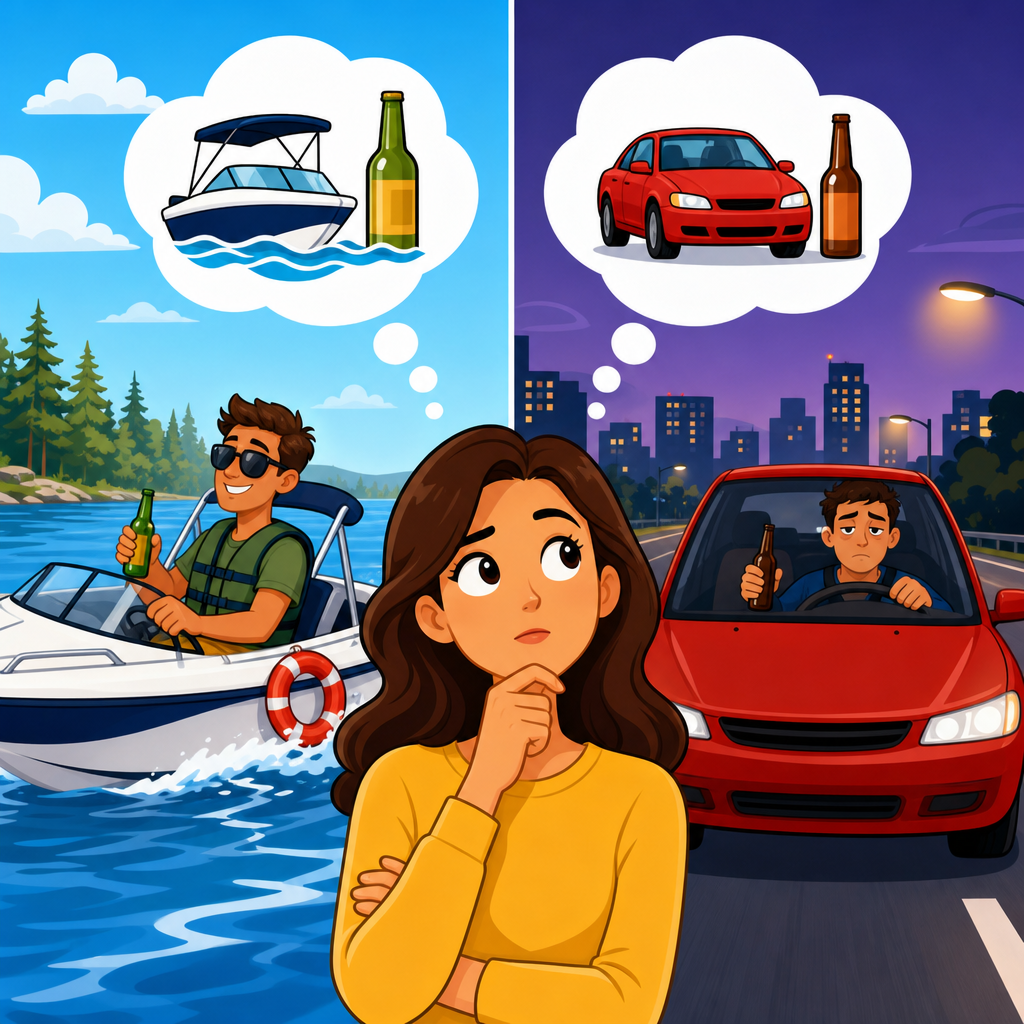
Most recreational licensing pathways require a boating safety course, and choosing the right one saves time. Look for a provider explicitly listed as approved by the relevant authority. A strong course covers navigation rules, sound signals, aids to navigation, lookout responsibilities, safe speed, risk of collision, alcohol restrictions, emergency engine cutoff switch rules, weather awareness, trailering basics, fueling safety, carbon monoxide hazards, and required onboard equipment. If you will operate a personal watercraft, verify that the course includes PWC-specific rules such as lanyard use, wake jumping restrictions, observer requirements for towing, and no-wake-zone compliance.
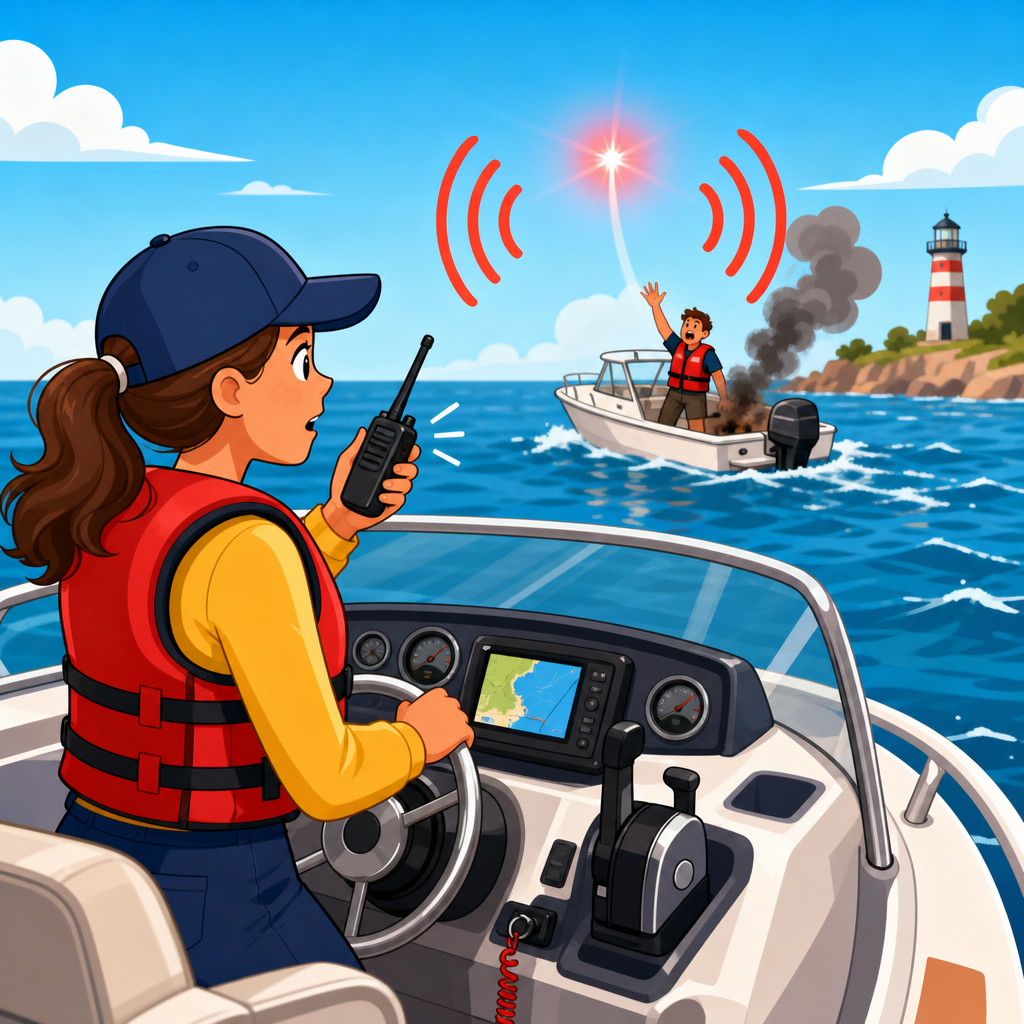
Preparation should be practical, not just academic. I tell students to study with their future boating environment in mind. Inland lake boaters should pay close attention to no-wake buffers, local permit stickers, and ramp procedures. Coastal operators need stronger familiarity with tide, current, chart symbols, and VHF distress protocols. Parents teaching teenagers should review age restrictions and supervision requirements carefully because these are enforced strictly in many jurisdictions. Good courses include practice quizzes and chapter reviews; use them. Even when the final exam is open book, the real goal is not to pass a test but to make correct decisions quickly when visibility drops, another boat crosses your bow, or a passenger falls overboard. That mindset turns a compliance task into a genuine safety advantage.
Follow the application process step by step
After selecting an approved course, move through the administrative process in order. The sequence below reflects the pathway I have seen work smoothly for first-time applicants in most recreational systems.
| Step | What to do | Why it matters |
|---|---|---|
| 1 | Confirm eligibility by age, residency, and vessel type | Prevents paying for a course or permit you cannot use |
| 2 | Enroll with an approved provider | Ensures the certificate will be legally recognized |
| 3 | Complete study modules and practice tests | Improves exam performance and real-world safety decisions |
| 4 | Pass the exam or practical assessment | Generates the completion record needed for issuance |
| 5 | Submit identification and any application details | Matches the credential to the legal operator record |
| 6 | Pay required fees | Finalizes processing for the card, permit, or endorsement |
| 7 | Download or print temporary proof if available | Lets you boat legally while waiting for the permanent card |
| 8 | Store the credential and backup copies safely | Avoids problems during inspections, rentals, or travel |
Most people can complete these steps in a day or two if online processing is allowed, but mailed cards may take several weeks. Watch for name mismatches between your application and identification, especially after marriage or legal name changes. For minors, parental consent may be required. Some agencies issue a temporary certificate immediately after the exam; others send results to the government for final validation. Keep screenshots, confirmation emails, and payment receipts until the permanent credential arrives. If you are preparing for a vacation rental, do not assume same-day issuance. Apply early enough that any technical issue, identity verification problem, or rejected payment does not disrupt your trip.
Understand exams, costs, validity periods, and renewals
Boating license requirements are rarely expensive compared with the cost of owning or renting a boat, but fees and validity periods vary widely. Many online safety courses in the U.S. cost between about $20 and $50, with additional state fees in some jurisdictions. Canadian operator card programs commonly bundle study access and testing into a modest one-time price. Some credentials do not expire, while others require renewal, reissue, or periodic updates when laws change. Temporary permits for visitors or renters may last only days. Specialized endorsements, such as for towing activities or local harbor operation, can have separate terms and fees.
The exam itself is usually straightforward if you studied the approved material. Expect multiple-choice questions on right-of-way, marker colors and shapes, sound signals, emergency response, required equipment, and legal operating limits. Passing scores are often around 70 to 80 percent, though the exact threshold depends on the authority. If you fail, most providers allow a retake after review. What matters more than the score is what the questions reveal about operational judgment. For example, if you repeatedly miss questions about crossing situations, that signals a real collision-avoidance weakness. Treat the exam as a diagnostic tool. Also verify how replacements work. Lost cards are common, and knowing how to access a digital copy or replacement portal can save a day on the water.
Avoid the common mistakes that delay or invalidate your boating license
The most common mistake is taking an unapproved course. Close behind are using the wrong state portal, assuming a hunting or fishing license includes boating privileges, forgetting to carry proof on board, and overlooking age-based restrictions for younger operators. I also see people confuse title and registration documents with operator credentials, especially after buying a used boat in a private sale. Another frequent issue is failing to update the address on file, which can complicate replacement cards or enforcement questions later.
There are also operational mistakes that can make a valid credential less useful. Completing the course but never learning local waterway rules is one example. A boater may legally hold a card yet still violate zebra mussel inspection requirements, manatee slow-speed zones, reservoir permits, or no-discharge regulations. International travel adds another layer. Your home credential may satisfy operator education rules, but customs reporting, cruising permits, or local insurance requirements can still apply. The safest approach is to treat the boating license as one part of a broader compliance package. Before every season, review the rules for where you actually launch, not just where you live. That habit prevents fines and demonstrates the competence that boating laws are designed to encourage.
Use this page as your hub for boating licenses and permits
A boating license is best understood as the center of a larger system of boating permits and legal responsibilities. Once you earn the required operator credential, the next questions usually involve vessel registration, title transfer after purchase, temporary permits for visitors, personal watercraft rules, youth operator restrictions, insurance documentation, local launch permits, and the paperwork needed to boat across state or national lines. That is why this topic works best as a hub. The licensing step opens the door, but confident and legal boating depends on connecting it to the rest of the regulatory framework.
The essential process is consistent almost everywhere: determine the exact credential required, verify the rules from the official authority, choose an approved boating safety course, complete the training, pass the exam, submit any required application details, and keep proof available when you operate. If you remember only one principle, make it this one: match your course and credential to the waters you plan to use, not to generic advice online. That one decision prevents most licensing problems. Review your local requirements today, complete the right course, and use this boating licenses and permits hub as your starting point for every next step in boating law compliance.
Frequently Asked Questions
What is a boating license, and do I actually need one?
In many places, the phrase “boating license” is used casually, but it does not always mean a traditional government-issued license like a driver’s license. Depending on your state, province, or country, the legal requirement may instead be a boater education card, boating safety certificate, operator permit, or a special endorsement for personal watercraft such as a Jet Ski. That is why the first step is always to check the exact rules where you plan to boat. The name of the credential matters because some jurisdictions require proof that you completed an approved boating safety course, while others may require age-based restrictions, temporary permits, or no formal certificate at all for certain boat types.
Whether you need one depends on several factors: your age, the type and size of the vessel, engine horsepower, whether the boat is motorized or non-motorized, and where you will operate it. For example, some areas require all operators of motorboats to carry a boater education card, while others only require it for younger boaters or for anyone operating a personal watercraft. If you are renting a boat, there may be separate temporary operator rules. If you plan to boat across state lines or while traveling, the laws of the place where you are operating generally control what is required. The safest approach is to assume you need to verify the rules before going out on the water, even if a friend told you that “no license is needed.”
How do I find the exact boating license requirements in my area?
The most reliable way to find your local requirements is to go directly to the official boating authority for your jurisdiction. In the United States, that is often the state agency responsible for natural resources, parks and wildlife, marine patrol, or boating law administration. In Canada, Australia, the UK, and other countries, the responsible authority may be a transport, maritime, or licensing agency. Look for official pages that explain recreational boating education requirements, age restrictions, approved course providers, and rules for personal watercraft. Avoid relying only on blogs, forums, or rental companies, because boating laws can change and may vary from one region to another.
As you review the rules, focus on the details that apply specifically to you. Check the minimum operator age, whether online courses are accepted, whether an in-person exam is required, whether there are separate rules for tidal waters or inland lakes, and whether your boat type changes the requirement. It is also smart to confirm what documents you must carry on board after completion. Some areas issue a plastic card, while others allow a digital certificate or temporary proof. If anything is unclear, contact the agency directly. A quick phone call or email can save you from taking the wrong course or showing up at the launch ramp without the proper paperwork.
What are the usual steps to get a boating license or boater education certificate?
Although the process differs by location, it usually follows a simple pattern. First, confirm whether you need a credential and identify the correct one for your situation. Second, choose an approved boating safety course from the list provided by your local authority. Third, complete the course, which may be online, in a classroom, or a combination of both. Fourth, pass any required exam or knowledge test. Finally, submit any necessary application information and keep your completion certificate or card available for inspection. In many jurisdictions, the education course itself is the main requirement, and once you pass, your certificate or education card becomes your legal proof to operate.
The course content typically covers navigation rules, right-of-way, buoys and markers, life jacket requirements, emergency procedures, weather awareness, fueling safety, and basic responsibilities of operating a boat. Some courses include local law sections and special rules for towing, night operation, or personal watercraft. If there is an exam, it is generally designed to confirm practical understanding rather than trick you. Most new boaters find the process manageable, especially when they study at a steady pace. After passing, be sure to print or download your proof of completion if immediate access is available, because the permanent card may arrive later by mail or through an online account.
Can I take the boating course online, and how long does it take?
In many jurisdictions, yes. Online boating safety courses are widely accepted and often the most convenient option for first-time boaters. They let you work at your own pace, review difficult sections, and complete the training from home. However, online availability depends on local law. Some places accept only courses from specific approved providers, and others may require an in-person proctored exam or a classroom component for certain age groups or vessel categories. Before you enroll, make sure the course is officially recognized by the authority where you will operate the boat.
The time required varies, but most basic recreational boating courses can be completed in a few hours to a full day, depending on the provider and local curriculum. Some online systems let you log in and out as needed, which is helpful if you want to spread the material over multiple sessions. Classroom courses may run on a single day, over a weekend, or in shorter evening sessions. If you are in a hurry because of an upcoming trip, check whether the provider issues instant temporary proof after passing. Also remember to leave time for any final exam, identity verification, application processing, or card delivery if a physical certificate is mailed later.
What happens after I pass, and do I need to renew my boating license?
After you pass the required course or exam, the next step is to secure your proof of qualification and understand any ongoing obligations. In many places, once you earn a boater education card or safety certificate, it remains valid for life and does not need regular renewal. In others, there may be renewal periods, updated testing, or separate endorsements for certain activities such as operating a personal watercraft. You may receive a permanent card, a printable certificate, a digital wallet version, or a temporary document until the official credential arrives. Read the instructions carefully so you know what counts as valid proof on the water.
You should also keep in mind that passing the course does not replace other boating responsibilities. You may still need to register the vessel, title it, carry required safety equipment, follow local navigation laws, and comply with alcohol, speed, and no-wake regulations. If you move to a new state or start boating in another country, check whether your current credential is recognized there. Many jurisdictions honor approved out-of-state or internationally recognized boater education certificates, but not all do. As a practical habit, keep your credential accessible whenever you operate, and review local rules each season so you stay current, legal, and safe.