Protected marine areas shape where boaters can travel, fish, anchor, discharge waste, and interact with wildlife, making them one of the most important parts of boating laws and regulations. In practical terms, a protected marine area is a defined ocean, coastal, estuarine, or Great Lakes zone managed under special rules to conserve habitats, species, cultural resources, or water quality. I have worked with boaters planning coastal routes, marina compliance checklists, and local clean boating programs, and the same pattern appears everywhere: people rarely intend to violate environmental laws, but they often do not understand how overlapping federal, state, tribal, and local protections apply on the water. That matters because penalties can be expensive, ecological damage can last for years, and a single careless decision can harm seagrass beds, coral reefs, nesting birds, or marine mammals.
For boaters, “protected marine areas” is an umbrella term rather than one legal category. It can include national marine sanctuaries, marine protected areas, no-discharge zones, critical habitat under the Endangered Species Act, state marine parks, aquatic preserves, and specially managed fishing closures. Some protected waters focus on biodiversity, others on historic shipwrecks, shoreline resilience, or shellfish sanitation. The rules also vary. One area may allow transit at no-wake speed, another may ban anchoring on sensitive bottom habitat, while another may limit fishing gear, personal watercraft, or discharge of sewage even from vessels with approved sanitation devices. Understanding the category is the first step; understanding the exact operating restriction is what keeps a voyage lawful and environmentally responsible.
This hub article explains how protected marine areas fit into environmental laws and clean boating, what regulations boaters are most likely to face, how to check boundaries and restrictions before departure, and what best practices reduce legal risk. It also serves as the central guide for related subjects such as sewage discharge rules, trash disposal, fueling pollution prevention, invasive species control, wildlife approach distances, anchoring impacts, and local seasonal closures. If you operate a sailboat, center console, trawler, charter vessel, kayak, or personal watercraft, the core principle is the same: protected waters require more planning, more precision, and a stronger understanding of your responsibilities than ordinary open water.
What protected marine areas include and why they exist
Protected marine areas exist because ordinary navigation rules do not adequately protect sensitive marine ecosystems. In the United States, the National Oceanic and Atmospheric Administration defines marine protected areas broadly as places in oceans, coasts, and Great Lakes with lasting protection for natural or cultural resources. That definition matters because many boaters assume only fully closed reserves count. In reality, most protected marine areas are multiple-use zones with carefully tailored restrictions. A national marine sanctuary may support boating, diving, and regulated fishing while prohibiting seabed disturbance around archaeological sites. A state seagrass preserve may permit transit but prohibit prop dredging and anchor damage. A no-discharge zone targets sewage pollution specifically, not boating access generally.
The ecological reasons are straightforward. Coastal habitats are productive but fragile. Seagrasses stabilize sediment, improve water clarity, and serve as nursery grounds for fish and crustaceans. Coral reefs provide habitat structure and shoreline protection yet can be broken by a single improperly set anchor. Salt marshes and mangroves buffer storms, store carbon, and shelter juvenile species. Protected areas can also safeguard migration corridors and breeding grounds. For example, seasonal speed restrictions and approach limits reduce the risk of vessel strikes on manatees and whales. In bird nesting islands, buffer zones prevent repeated disturbance that causes adults to abandon nests. These are not symbolic rules; they address specific, documented impacts from noise, wake, collision, trampling, discharge, and habitat scarring.
Protected designations also support fisheries and local economies. Well-managed nursery habitat can improve recruitment for commercially and recreationally important species outside reserve boundaries. Cleaner water benefits marinas, charter operators, waterfront tourism, and shellfish harvesters. I have seen harbormasters and marina managers become strong advocates for protected area compliance once they understand that water quality closures, eelgrass loss, and wildlife conflicts can directly reduce slip demand, charter bookings, and local business revenue. Environmental protection is not separate from boating access over the long term; it is often what keeps boating destinations usable and attractive.
The main laws and agencies boaters need to understand
Boaters should expect environmental regulation in protected waters to come from several sources at once. At the federal level, the Clean Water Act governs pollutant discharges and authorizes no-discharge zones for vessel sewage in certain waters. The Marine Protection, Research, and Sanctuaries Act supports the designation and protection of national marine sanctuaries. The Endangered Species Act affects vessel operations where protected species or critical habitat are present. The Marine Mammal Protection Act restricts harassment and harmful interactions with marine mammals. The National Park Service, U.S. Fish and Wildlife Service, NOAA, U.S. Coast Guard, Environmental Protection Agency, and state natural resource agencies all play roles, depending on location and activity.
State law often has the most immediate effect on recreational boaters. States designate aquatic preserves, submerged land conservation areas, marine parks, no-motor zones, shellfish sanitation closures, and boating speed restrictions for habitat protection. Counties, harbor districts, and municipalities may add anchoring limits, mooring field rules, pumpout requirements, and wake ordinances. Tribal governments may also manage culturally and ecologically important waters under treaty rights and local authority. Because these layers overlap, the safest assumption is that charts alone are not enough. A legal route plan should include agency notices, sanctuary maps, boating guides, marina advisories, and seasonal wildlife bulletins.
The table below summarizes the types of restrictions most often encountered in protected marine areas and what they mean operationally.
| Restriction type | Typical purpose | What boaters must do |
|---|---|---|
| No-discharge zone | Protect water quality and shellfish beds | Do not release sewage, even from approved marine sanitation devices; use pumpout facilities |
| Anchoring prohibition | Prevent damage to coral, seagrass, cables, or cultural sites | Use mooring buoys where provided or anchor only in designated substrate |
| Wildlife buffer or speed zone | Reduce strikes and disturbance to whales, manatees, birds, or seals | Slow down, maintain required distances, and avoid sudden course changes near animals |
| Fishing closure or gear limit | Protect breeding stocks, habitats, or research areas | Follow species, season, and gear rules that may differ inside the boundary |
| No-entry or seasonal closure | Protect nesting, spawning, restoration, or safety zones | Stay outside marked boundaries during closure periods, even if waters appear open |
How protected marine areas change everyday boating decisions
The legal significance of a protected area shows up in ordinary actions that many boaters barely think about elsewhere. Anchoring is a good example. In unprotected sandy bottom, anchoring may be routine. In a seagrass meadow or coral habitat, the same act can uproot vegetation, scar habitat for years, or crush living reef structure. Propeller use in shallow grass beds can create trenches that alter currents and sediment transport. Even a vessel drifting too close to a rookery can trigger repeated flushing of birds during breeding season. Protected area rules translate ecological concerns into practical boating instructions: use marked channels, trim up in shallow zones, avoid pole-and-push shortcuts through grass flats, take moorings instead of dropping anchor, and maintain stand-off distances from wildlife.
Waste handling is another area where routine assumptions fail. Many owners know that trash overboard is illegal, but fewer understand that sewage rules can become stricter inside designated waters. A Type I or Type II marine sanitation device may be lawful in some coastal waters yet unusable in a no-discharge zone, where holding tanks and pumpout use are mandatory. Gray water from sinks and showers is regulated differently depending on vessel type and location, and oily bilge discharge remains prohibited regardless of whether you are inside a sanctuary or ordinary harbor. Clean boating in protected waters means treating every discharge pathway as a compliance issue: sewage, bilge, fuel sheen, detergents, fish waste, and even paint particles during maintenance.
Route planning also changes. In whale migration corridors or manatee habitat, a direct line on the chart may be legally possible but operationally inappropriate if it crosses a slow-speed zone or a temporary management area. During my work with seasonal boating advisories, the most effective operators were not the most experienced in rough weather; they were the ones who checked local notices before every trip and adjusted timing, approach, and anchorage based on current conditions. Protected waters reward that mindset. Seamanship includes environmental awareness, not just collision avoidance and weather judgment.
Clean boating practices that reduce violations and environmental harm
Clean boating is the operating discipline that makes protected area compliance manageable. Start with sewage management. Keep holding tanks functional, know your deck fitting location, carry the right pumpout adapters, and verify pumpout availability before extended trips. If your boat has a Y-valve, secure it as required where discharge is prohibited. Next, control oil and fuel. Use absorbent pads in bilges, fix chronic drips, never bypass oily water controls, and stop fueling before tanks are topped off to allow for thermal expansion. Most marina fuel sheen incidents are not dramatic spills; they are small overfills and vent burps that are completely preventable.
Bottom protection comes next. Study charted depths and habitat maps, especially in clear shallow systems such as Florida Bay, the Florida Keys, Texas seagrass flats, or Pacific island reef environments. If you are uncertain about substrate, do not anchor until you confirm that the area is permitted and suitable. A properly used mooring buoy is often the lowest-impact option. If no mooring exists, choose bare sand when allowed, set the anchor carefully, and make sure the rode will not sweep across sensitive bottom during wind shifts. For paddlers and skiff operators, the equivalent rule is to avoid dragging hulls across vegetation or intertidal flats.
Wildlife protection requires discipline with speed, sound, and curiosity. Federal guidance for whales commonly emphasizes staying at least 100 yards away, with greater distances required in some situations and places; local rules may be stricter. Manatee zones often require idle or slow speed, where the legal issue is not just collision but wake and operator reaction time. Feeding wildlife, chasing dolphins for photos, or circling birds to get closer can become harassment even if no contact occurs. The safest standard is simple: observe briefly, keep your distance, and let the animal control the encounter by maintaining a predictable course.
How to research boundaries, permits, and local restrictions before launching
The best way to avoid violations is to treat protected area research as part of the pre-departure checklist. Start with official sources. NOAA sanctuary pages, state fish and wildlife agencies, park service units, and local harbor authorities publish maps, superintendent’s compendiums, boating guides, and temporary closure notices. Electronic charts help, but they are not comprehensive legal references. I advise boaters to compare at least three sources: the chartplotter or app they navigate with, the managing agency’s official map, and a recent local notice from a marina, harbor office, or launch operator. Differences between them are common, especially where seasonal closures move or marker buoys are repositioned.
Permits matter more than many recreational users expect. Some mooring fields require advance reservations. Certain marine parks require day-use fees, dive flags, or commercial activity permits. Research areas may prohibit landing on islands or collecting any natural material, including shells, coral, and archaeological artifacts. Commercial operators face another layer involving passenger safety plans, waste handling records, and activity-specific authorizations. If you run a charter boat, documenting your environmental compliance process is prudent because it shows due diligence if a question arises after an incident or inspection.
Finally, build local knowledge into your planning. Marina staff, marine patrol officers, harbor masters, and authorized rangers often know where visitors make mistakes: an unmarked bird closure near a spoil island, a shallow grass flat that scars easily at low tide, or a sanctuary mooring that fills early on weekends. Regulations are written in formal language, but compliance usually improves when you ask a practical question: “Where do transient boaters most commonly get this wrong?” That answer is often more useful than a long legal citation.
Common mistakes, penalties, and the long-term value of compliance
Most violations in protected marine areas come from preventable errors: assuming all legal sanitation devices may discharge everywhere, anchoring outside markers without checking bottom sensitivity, entering seasonal closures because no ranger boat is visible, or approaching wildlife too closely for photography. Penalties vary widely. Some offenses bring warnings, while others trigger civil fines, resource damage assessments, permit consequences, or criminal enforcement when conduct is knowing or egregious. Damage to coral, seagrass, archaeological resources, or protected species can increase liability because agencies may pursue restoration costs in addition to citations.
The broader point is that compliance protects access. Areas with chronic damage often respond with tighter rules, more closures, and more enforcement presence. Areas with strong voluntary compliance are easier for agencies to manage as shared spaces. For boaters, that means every careful choice helps preserve future anchorage options, fishing opportunities, wildlife viewing, and marina water quality. Protected marine areas are not obstacles to boating; they are the legal framework that keeps valuable waters healthy enough to enjoy. Learn the designation, verify the exact restrictions, operate cleanly, and ask local authorities when anything is unclear. That approach will keep you lawful, reduce environmental harm, and make every trip under the boating laws and regulations umbrella more confident and responsible.
Frequently Asked Questions
1. What is a protected marine area, and why does it matter to boaters?
A protected marine area is a clearly defined section of ocean, coastline, estuary, bay, inlet, reef system, or Great Lakes water that is managed under special conservation rules. These areas are created to protect sensitive habitats, fish populations, marine mammals, seabirds, water quality, underwater cultural resources, and in some cases Indigenous or historic sites. Depending on the location, you may see terms such as marine protected area, sanctuary, reserve, no-take zone, habitat protection area, or special management area. While the exact legal meaning varies by agency and jurisdiction, the practical result for boaters is the same: normal boating activity may be limited, modified, or prohibited in certain ways.
For boaters, protected marine areas matter because they directly affect route planning, anchoring decisions, fishing activity, wildlife viewing, waste handling, and even speed or engine use. A boater may be allowed to transit through one zone but not fish there, anchor in one cove but not another, or use a mooring buoy instead of dropping anchor on a seagrass bed or coral habitat. In some places, discharge rules are stricter than surrounding waters, and interactions with wildlife may be tightly controlled. These rules are not minor technicalities. They are a core part of boating laws and regulations, and failing to follow them can lead to citations, fines, vessel inspections, and environmental damage that can take years to repair. Understanding where protected marine areas are and how their rules apply is part of responsible seamanship.
2. What boating activities are commonly restricted in protected marine areas?
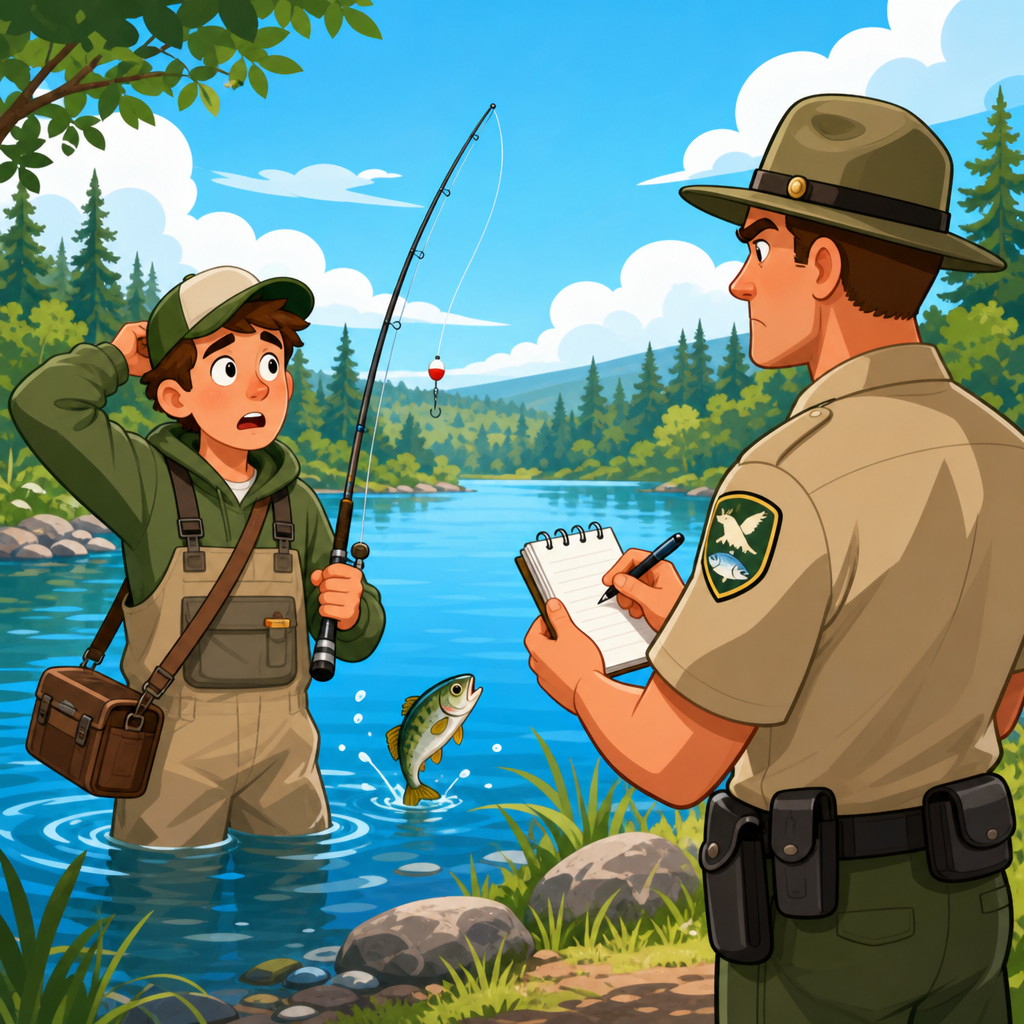
The most common restrictions involve fishing, anchoring, discharging waste, wildlife interaction, and access to sensitive habitat. In many protected marine areas, recreational or commercial fishing may be limited by species, season, gear type, catch method, or complete closure. A no-take zone, for example, usually prohibits removing marine life altogether, including fish, shellfish, coral, plants, or other natural materials. Even where fishing is allowed, there may be specific boundaries, permit requirements, or gear restrictions designed to reduce habitat damage and bycatch.
Anchoring is another major area of regulation. In shallow grass flats, coral systems, shellfish beds, and eelgrass habitat, dropping anchor can scar the bottom and destroy critical nursery grounds. As a result, some protected areas prohibit anchoring entirely, limit it to designated spots, or require boaters to use approved mooring buoys. Waste discharge is also closely regulated. Sewage, graywater, oily bilge discharge, trash disposal, and fish-cleaning waste may be restricted more strictly inside a protected area than in adjacent waters. In addition, many protected marine areas prohibit disturbing marine mammals, birds, turtles, or nesting areas, which can include minimum approach distances, speed restrictions, no-wake zones, seasonal closures, and rules against feeding or chasing wildlife. The exact mix of restrictions varies, but boaters should assume that if an area is protected, at least one core activity is being managed more carefully than usual.
3. How can I tell whether I am entering a protected marine area and what rules apply there?
The safest approach is to assume that route planning should include regulatory review, not just navigation review. Before heading out, check updated nautical charts, state and federal marine resource maps, local harbor guidance, marina notices, and agency websites for marine sanctuaries, fisheries management zones, wildlife refuges, no-discharge areas, and local conservation boundaries. Many protected marine areas are shown on electronic chart systems or referenced in boating guides, but boaters should not rely on one source alone. Some zones are seasonal, some are marked by coordinates rather than obvious shoreline features, and some have overlapping rules from multiple agencies.
On the water, signage, marker buoys, information kiosks at ramps and marinas, and notices from harbor patrol or marine law enforcement can provide additional direction. Still, visible markers are not guaranteed everywhere, especially in offshore or large estuarine settings. That is why experienced boaters verify rules before departure and keep a current understanding of the waters they plan to use. It is also wise to contact the local marina, harbormaster, sanctuary office, or marine patrol if anything is unclear. A simple call can confirm whether anchoring is allowed, whether fishing boundaries have changed, whether a no-discharge rule applies, or whether seasonal wildlife closures are in effect. From a compliance standpoint, “I didn’t see a sign” is rarely a strong defense. Knowing the protected status of the area you are entering is part of normal trip preparation.
4. Are protected marine areas always completely off-limits to recreational boating?
No. One of the most common misunderstandings is that every protected marine area is automatically closed to boating. In reality, many are open to recreational use, but under carefully defined conditions. Some allow transit but prohibit fishing. Others allow fishing but ban anchoring on sensitive bottom habitat. Some permit anchoring only in designated zones or at installed moorings. Certain areas remain open for wildlife viewing, paddling, sailing, and general navigation while restricting high-speed operation, personal watercraft use, discharge, or collection of marine life. The goal is usually not to eliminate all public use, but to balance access with resource protection.
That said, the level of protection can vary widely. A highly sensitive habitat restoration zone may be much more restrictive than a broad coastal management area with a narrow set of discharge or gear rules. This is why boaters should avoid assumptions based on the general label alone. “Protected” does not tell you enough by itself. What matters is the specific management plan for that location. In practical terms, many boaters can still enjoy protected marine areas responsibly by following route guidance, observing speed and wake limits, using pump-out facilities, keeping clear of wildlife, securing to legal moorings, and respecting fishing closures. Protected access is often still access, just with higher expectations for care and compliance.
5. What are the best practices for staying compliant and boating responsibly in protected marine areas?
Start with preparation. Review charts, local regulations, and any area-specific management rules before departure. Build your route around legal access points, approved anchorages, no-wake zones, and pump-out availability. If you are planning to fish, confirm whether harvest is allowed, which species are restricted, and whether permits, size limits, gear limitations, or seasonal closures apply. If anchoring is part of the plan, identify whether the bottom habitat is sensitive and whether mooring buoys are provided or required. Good compliance begins long before the vessel leaves the dock.
Once underway, operate conservatively. Stay within marked channels where required, avoid shallow habitat, keep wakes down near marsh edges and nesting shoreline, and give wildlife generous space even if the law states only a minimum distance. Never dump trash, sewage, oily water, or fish waste where prohibited, and use marina pump-out and waste disposal facilities whenever available. If your boat carries cleaning chemicals, fuel containers, or maintenance supplies, store and handle them carefully to prevent spills. It also helps to brief everyone on board so guests understand that collecting shells, approaching seals, feeding birds, or dropping anchor “just for a minute” may violate local rules. Finally, when in doubt, choose the lower-impact option and ask local authorities for clarification. Responsible boating in protected marine areas is not just about avoiding penalties; it is about preserving the habitats and waterways that make boating possible and enjoyable in the first place.