Boating lawsuits can escalate from a routine accident report to a high-stakes legal dispute faster than most owners expect, especially when injuries, property damage, alcohol use, or alleged negligence are involved. For boat owners, understanding how to handle a boating lawsuit starts with knowing the legal responsibilities attached to ownership, operation, maintenance, and passenger safety. In practical terms, a boating lawsuit is a civil claim seeking money damages or other relief after an incident on the water, while liability means legal responsibility for harm caused by your actions, your omissions, or in some cases the conduct of someone using your vessel with permission. I have worked with vessel owners gathering maintenance records, incident timelines, marina contracts, and insurance files after collisions and drownings, and the same pattern appears repeatedly: the owner who treats boating law like an afterthought is usually the one left exposed. This matters because boats exist in a dense legal environment that mixes state statutes, federal navigation rules, insurance policy language, marina regulations, Coast Guard requirements, and ordinary negligence principles. A single event can trigger several issues at once, including personal injury claims, wrongful death allegations, pollution penalties, salvage disputes, and fights over whether insurance coverage applies. Owners also underestimate how evidence develops after an incident. Photos disappear, electronic chart data is overwritten, witness memories shift, and social media posts become exhibits. A strong legal response begins long before a complaint is filed. It begins with safe operation, proper documentation, and a clear understanding that ownership carries ongoing duties, not just recreational privileges.
Understand the legal duties that come with boat ownership
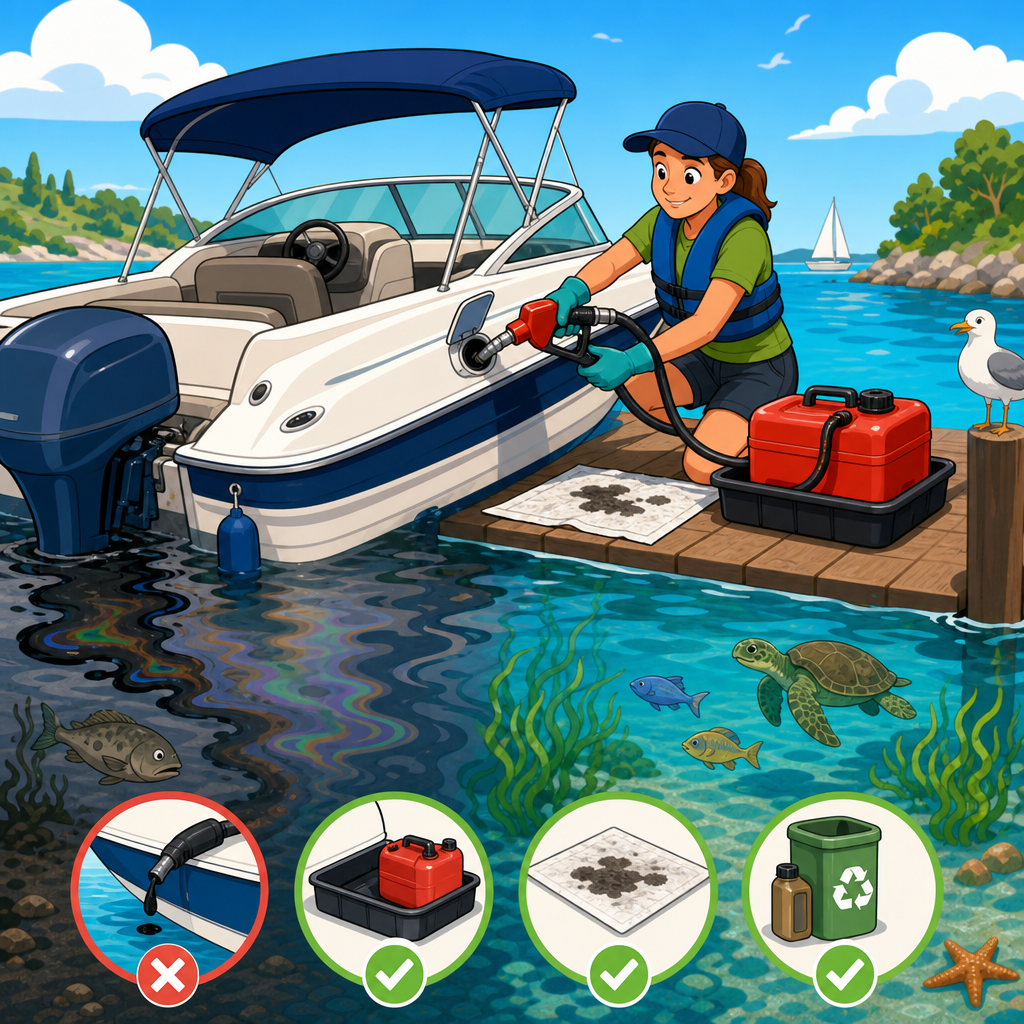
Boat owners have a basic duty to operate and maintain a vessel with reasonable care under the circumstances. That standard sounds broad, but courts and insurers evaluate it through concrete facts: Was the boat seaworthy, was safety gear onboard and functional, was the operator competent, were weather and no-wake zones respected, and were passengers warned about known risks? Ownership alone can create exposure even if someone else was at the helm. If you lend your boat to an inexperienced friend, ignore a faulty bilge pump, or let required fire extinguishers expire, a plaintiff can argue that your negligence helped cause the loss. In some states, negligent entrustment claims are common when an owner allows an unfit operator to use the vessel. Federal law may also apply, especially on navigable waters, bringing maritime principles into the case. That can affect venue, available defenses, limitation periods, and how fault is allocated. Owners should also know that responsibilities extend beyond navigation. Fueling practices, waste discharge, docking conduct, wake damage, trailer transport, and compliance with registration and titling rules all matter. The hub topic of legal responsibilities of boat owners includes accident reporting, passenger safety, equipment compliance, operator education, maintenance duties, insurance obligations, and record retention because each of those can become central in litigation.
What to do immediately after a boating accident or injury claim
The first hours after a boating incident often determine the strength of your legal position. Start with emergency response: help injured people, call 911 or local marine patrol if needed, and prevent additional harm such as fire, sinking, or drifting into traffic. Then report the accident when required. The U.S. Coast Guard requires a Recreational Boating Accident Report in certain situations, including death, disappearance, injury needing treatment beyond first aid, significant property damage, or complete vessel loss. Many states have parallel reporting rules with short deadlines. Failing to report can damage credibility and create separate penalties. After safety and reporting, preserve evidence methodically. Photograph hull damage, deck conditions, navigation lights, safety equipment, weather conditions, GPS screens, fuel levels, and any visible injuries. Identify every passenger and witness. Save text messages, chartplotter tracks, VHF logs, marina camera requests, tow invoices, and repair estimates. Do not speculate about fault at the scene. In my experience, owners who apologize reflexively or guess about mechanical failures give opposing counsel language that later appears in demand letters. Provide factual information only. Notify your insurer promptly and follow policy reporting terms exactly. Late notice is a frequent basis for coverage disputes. If law enforcement boards the vessel, cooperate, but understand that civil exposure and potential criminal issues can overlap, especially where alcohol, reckless operation, or fatalities are alleged.
How liability is decided in a boating lawsuit
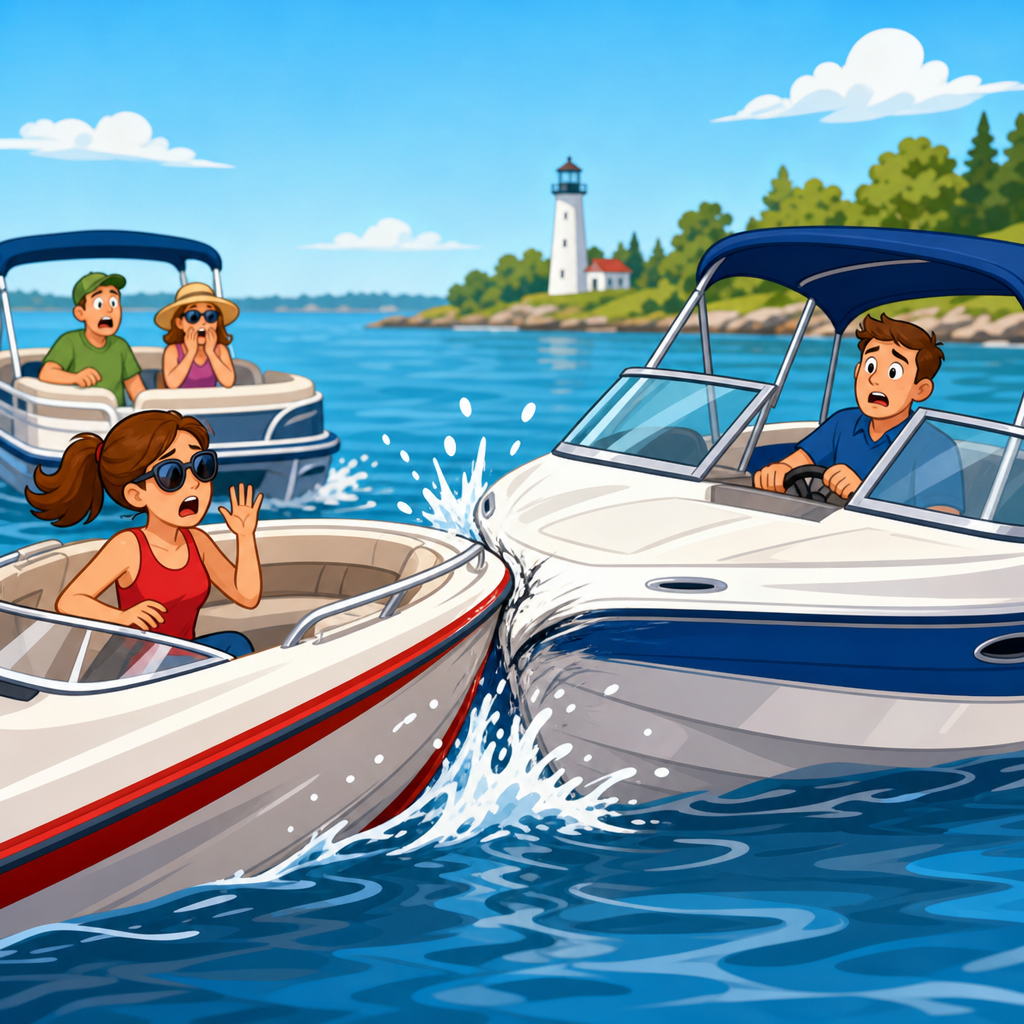
A boating lawsuit usually turns on negligence, meaning the plaintiff must show a duty, a breach of that duty, causation, and damages. On the water, breach often involves excessive speed, failure to keep a proper lookout, unsafe passing, ignoring weather, overloading, defective equipment, or violation of navigation rules. The Inland Navigation Rules and International Regulations for Preventing Collisions at Sea are not abstract guidelines; they are concrete operating standards that judges, lawyers, and experts use to evaluate conduct. If an owner or operator violates a safety statute, that violation can strongly influence a court’s view of fault. Causation is often contested. A plaintiff may claim your wake caused a fall, your unlit vessel caused a collision, or your maintenance failures caused an engine fire. Your defense may focus on comparative fault, arguing the injured person ignored instructions, stood in an unsafe place, refused a life jacket, boarded while intoxicated, or operated another vessel carelessly. Damages can include medical costs, lost income, pain and suffering, property repair, environmental cleanup, and in death cases, wrongful death damages. Expert witnesses commonly address accident reconstruction, marine engineering, weather, human factors, and standards of seamanship. Because boating claims are fact-intensive, documentation often decides which narrative survives. A clean maintenance log and dated photos of required equipment can be more persuasive than broad statements about being a careful owner.
Key evidence and records every boat owner should preserve
If you own a boat, treat recordkeeping as a legal safety system, not an administrative chore. The most useful records in boating litigation are the ones created before an accident, because they look less self-serving and show routine compliance. Maintenance invoices, engine service logs, winterization records, haul-out inspections, propeller repairs, battery replacements, and manufacturer recall notices all help establish seaworthiness and diligence. Training records matter too. If the operator completed a NASBLA-approved boating safety course, that fact may support competence, though it never guarantees immunity. Keep registration, title documents, loan papers, marina slip agreements, launch permits, and towing memberships in one accessible file. Retain copies of your insurance declarations page, endorsements, navigation limits, lay-up warranties, and pollution coverage terms. Electronics can be critical. Many modern chartplotters, multifunction displays, engine control modules, and mobile navigation apps store track history, speed data, and time stamps. Preserve that data before software updates or battery loss erase it. The same goes for onboard cameras and dock surveillance. Social evidence matters as well; opposing counsel may review public posts showing speed runs, alcohol use, overloaded outings, or prior equipment problems. The best practice is to create a post-incident preservation checklist and use it immediately.
| Record Type | Why It Matters in a Lawsuit | Best Practice |
|---|---|---|
| Maintenance logs | Shows the vessel was inspected and repaired responsibly | Keep dated invoices and note engine hours |
| Safety equipment records | Helps prove compliance with carriage requirements | Photograph gear at the start of each season |
| Operator training certificates | Supports competence and responsible entrustment | Store digital and printed copies |
| GPS and chart data | Can confirm speed, route, and location | Export data immediately after an incident |
| Insurance policy documents | Defines coverage, exclusions, and notice duties | Review annually and after every renewal |
Insurance, defense strategy, and working with counsel
Most boat owners first encounter the legal system through their insurer, and that makes policy literacy essential. A marine insurance policy may cover bodily injury, property damage, legal defense, medical payments, uninsured boater losses, wreck removal, and fuel spill liability, but coverage depends on exact terms. Navigation limits are a classic trap. If the policy covers inland lakes and bays but the loss occurred offshore beyond permitted boundaries, the insurer may reserve rights or deny the claim. Other disputes arise from named operator restrictions, lay-up periods, commercial use exclusions, or failure to maintain the vessel in seaworthy condition. Once a claim is reported, the insurer may appoint defense counsel. Cooperate fully, but read every reservation-of-rights letter carefully, because it signals a possible coverage conflict. In significant injury or death cases, owners should consider separate personal counsel to protect interests that diverge from the insurer’s priorities. Defense strategy usually starts with evidence preservation, witness interviews, inspection of all involved vessels, and analysis of applicable navigation and state boating statutes. In some federal maritime cases, an owner may explore limitation proceedings under the Limitation of Liability Act, which can cap liability under specific conditions, though that remedy is technical and heavily fact dependent. Settlement decisions should be driven by provable exposure, not emotion. Early mediated resolution can control costs, but only after the owner understands medical damages, comparative fault evidence, and policy limits.
Common lawsuit scenarios and how owners reduce risk before they happen
Boat owners are sued over more than dramatic collisions. Frequent claims involve passengers slipping on wet decks, swimmers struck near ladders, carbon monoxide poisoning around stern platforms, propeller injuries, tow-sports accidents, dock line failures, rental or shared-use disputes, and sinkings caused by neglected through-hulls or failed pumps. The legal thread running through these cases is preventability. Risk reduction begins with a written operating routine. Before departure, check weather, navigation lights, bilge, blower, fuel system, battery charge, throwable flotation, life jackets by size, horn, fire extinguishers, and passenger briefing points. Explain seating rules, no-go zones near the propeller, reboarding procedures, and what to do if someone falls overboard. Verify operator sobriety. The National Association of State Boating Law Administrators and state agencies consistently emphasize that impairment, inattention, and excessive speed are leading contributors to serious accidents. Maintenance discipline is equally important. Replace cracked fuel lines, address steering play, inspect bellows on sterndrives, test carbon monoxide detectors where installed, and follow manufacturer service intervals. If you charter, share, or lend the boat, screen operators carefully and document expectations. A ten-minute conversation about local hazards, no-wake areas, and kill switch use can prevent a six-figure claim. Owners should also review marina contracts, because indemnity clauses, storage terms, and storm procedures affect liability when damage occurs ashore or at the dock.
Conclusion
Handling a boating lawsuit well starts with understanding that legal responsibilities of boat owners are continuous, not occasional. Your obligations cover safe operation, competent entrustment, proper equipment, routine maintenance, lawful reporting, careful documentation, and immediate action when something goes wrong. When a claim arises, the smartest steps are consistent: protect lives first, report the incident as required, preserve every piece of evidence, notify your insurer promptly, and involve qualified maritime or boating counsel early. Owners who follow those steps put themselves in the best position to defend the facts, challenge weak allegations, and resolve valid claims efficiently. Just as important, the same habits that strengthen a legal defense also reduce the chance of being sued in the first place. A well-maintained vessel, trained operator, complete paper trail, and clear passenger safety routine are not bureaucratic extras; they are your frontline protection on and off the water. Use this hub as your starting point for every issue tied to boating laws and regulations, then audit your own ownership practices today so you are prepared before the next outing, not after the next accident.
Frequently Asked Questions
What should a boat owner do immediately after an accident if they think a lawsuit may follow?
If you believe a boating accident could lead to a lawsuit, your first priority is safety, followed closely by documentation and legal protection. Get everyone to safety, call emergency responders if anyone is injured, and comply with any reporting obligations required by state or federal law. Many owners make the mistake of treating a crash, collision, wake incident, or onboard injury as a simple insurance matter, only to learn later that statements made in the heat of the moment can become evidence in a negligence claim. That is why it is important to be careful, factual, and calm from the start.
Once the immediate danger has passed, document everything you can. Take photographs and video of the vessel, surrounding water conditions, weather, visible injuries, property damage, safety equipment, and anything else that may help explain what happened. Get names and contact information for passengers, other operators, marina personnel, law enforcement officers, and any independent witnesses. Preserve GPS records, chartplotter data, onboard camera footage, maintenance logs, rental or docking paperwork, and communication records. If alcohol is alleged to be involved, or if someone claims the boat was overloaded, operating recklessly, or missing required safety equipment, those details can quickly become central to the case.
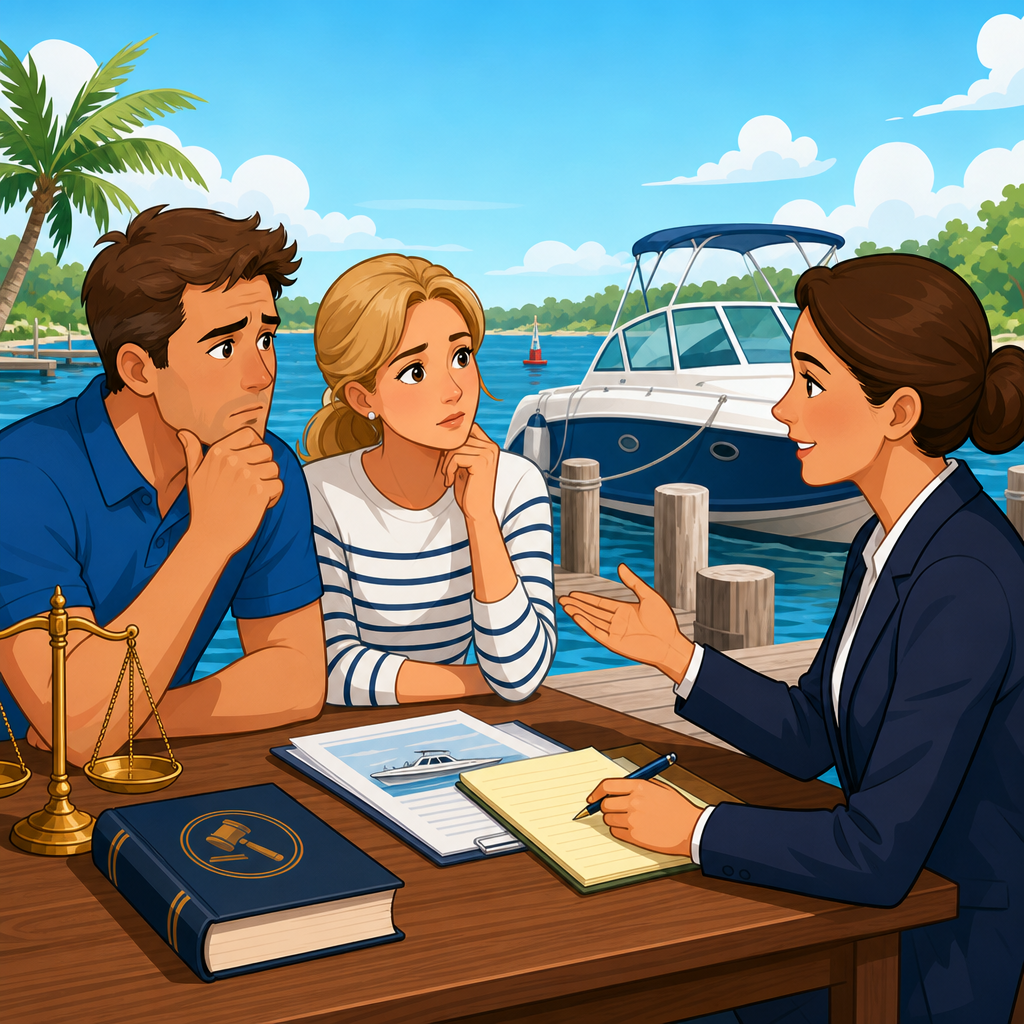
You should also notify your marine insurer promptly, but avoid giving recorded statements to the other side or signing documents before speaking with counsel. An experienced boating accident attorney can help you understand whether the matter involves ordinary negligence, gross negligence, wrongful death exposure, property damage claims, passenger injury claims, or even federal maritime issues. The earlier a lawyer is involved, the better your chances of preserving evidence, avoiding damaging admissions, and building a defense before the case escalates into formal litigation.
Who can be held responsible in a boating lawsuit besides the person operating the boat?
One of the most important things owners need to understand is that a boating lawsuit does not always stop with the operator. Depending on the facts, multiple parties may be named in the claim, including the boat owner, a co-owner, the person at the helm, an employer, a rental company, a marina, a maintenance provider, or even a manufacturer. Plaintiffs often look broadly for every party who may have contributed to the accident or who may have insurance coverage or assets available to satisfy a judgment.
For owners, liability can arise even if they were not physically driving the boat at the moment of the incident. An owner may be accused of negligent entrustment for allowing an inexperienced, intoxicated, reckless, or unqualified person to operate the vessel. They may also face claims based on poor maintenance, defective safety equipment, lack of proper lighting, inadequate passenger supervision, failure to provide life jackets, or failure to warn guests about dangerous conditions onboard. If the accident happened during a charter, work activity, or business-related outing, the legal analysis may become even more complex because commercial regulations and employment issues can come into play.
There are also situations where third parties share responsibility. A repair shop may have performed faulty work on steering or fuel systems. A manufacturer may be blamed for a design or product defect. Another vessel operator may have caused or contributed to the collision. In many cases, the lawsuit turns into a comparative fault dispute, where each side argues over percentages of responsibility. That matters because even if you are not fully at fault, partial liability can still lead to substantial financial exposure. A careful legal review is essential to identify all potentially responsible parties, applicable defenses, and available insurance policies.
How is negligence proven in a boating lawsuit, and what evidence matters most?
Most boating lawsuits are built around negligence, which generally means someone failed to act with reasonable care under the circumstances and that failure caused injury or damage. In practical terms, the person bringing the claim usually has to show that the owner or operator owed a duty of care, breached that duty, and caused measurable harm as a result. On the water, that breach might involve speeding, inattention, operating under the influence, violating navigation rules, failing to maintain a proper lookout, ignoring weather conditions, overloading the vessel, or not maintaining equipment in a safe condition.
The strongest cases usually rise or fall on evidence collected early. Accident reports, law enforcement findings, Coast Guard documentation, witness statements, photographs, surveillance footage, cell phone records, GPS tracking, electronic navigation data, maintenance records, alcohol or drug test results, and repair histories can all become critical. If a passenger says they fell because of an unsafe deck condition, maintenance and cleaning records may matter. If another boater claims you failed to yield, route data, speed information, and witness testimony may be decisive. When serious injuries are involved, medical records and expert opinions often shape the value and direction of the case.
Experts are frequently used in boating litigation. Marine accident reconstruction specialists, naval architects, mechanical experts, toxicologists, and medical professionals may all be brought in to explain causation, vessel handling, equipment failure, or the long-term consequences of an injury. This is one reason boating lawsuits can become expensive and high-stakes very quickly. For owners, the key takeaway is that facts matter, records matter, and early preservation matters. Even something as simple as repairing the boat too soon, deleting messages, or failing to save onboard data can weaken your defense and create avoidable problems in court.
Will boat insurance cover a boating lawsuit, or can the owner still be personally exposed?
Boat insurance can provide important protection in a lawsuit, but owners should never assume it eliminates all personal risk. Coverage depends on the specific policy language, the type of vessel, the use of the boat, where the accident happened, who was operating the boat, and what exclusions apply. In many cases, liability coverage may help pay for legal defense costs, settlements, and judgments up to the policy limits. However, if the claimed damages exceed those limits, the owner may still face personal exposure for the difference.
Policy exclusions are especially important in boating cases. Coverage disputes can arise if the operator was intoxicated, if the boat was being used for an undisclosed commercial purpose, if an unapproved operator was at the helm, if required safety standards were ignored, or if the owner failed to maintain the vessel as required under the policy. There may also be issues involving geographic restrictions, racing exclusions, pollution claims, passenger injury limitations, or disputes over whether the vessel was seaworthy. In serious accidents involving catastrophic injury or death, even a solid policy may not fully cover the total value of the claims being asserted.
That is why owners should tender the claim to their insurer immediately and have counsel review both the lawsuit and the insurance policy. Sometimes the insurer will provide a defense under a reservation of rights, meaning it may later dispute coverage. In other situations, separate counsel may be needed to protect the owner’s interests if the insurer’s position conflicts with the defense strategy. The bottom line is that insurance is a major part of the response, but it is not the entire response. Owners need to understand their policy limits, exclusions, defense obligations, and potential out-of-pocket exposure as early as possible.
How can a boat owner defend against a boating lawsuit and reduce the risk of future claims?
Defending a boating lawsuit starts with a clear, disciplined strategy. That usually means hiring a lawyer with experience in boating accident and maritime-related litigation, preserving all relevant evidence, coordinating with the insurer, and developing a fact-based defense before memories fade and records disappear. Depending on the circumstances, defenses may include arguing that the other party caused the accident, that the injured person assumed known risks, that weather or water conditions were a major factor, that alleged injuries are exaggerated, or that a product defect or third party was truly to blame. In some cases, the issue is not whether an accident happened, but whether the claimed damages are reasonable, supported, and legally connected to the event.
Owners should also be prepared for the litigation process itself. A boating lawsuit can involve pleadings, written discovery, requests for documents, depositions, expert analysis, settlement discussions, mediation, and possibly trial. Cases involving severe injuries, minors, fatalities, or alcohol allegations often receive more aggressive scrutiny. The way you respond during this process matters. Inconsistent statements, social media posts, informal texts, poorly handled repairs, or gaps in maintenance records can all undermine a defense. A good legal team will help you stay organized, protect privileged communications, and respond strategically rather than emotionally.
To reduce future risk, owners should treat legal preparedness as part of responsible boat ownership. That means maintaining the vessel carefully, keeping written maintenance logs, following all registration and safety requirements, carrying appropriate insurance, training anyone who may operate the boat, enforcing passenger safety rules, monitoring weather and navigation conditions, and never tolerating intoxicated operation. Clear onboarding instructions for guests, properly fitted life jackets, functioning lights and radios, and routine equipment checks may seem basic, but they can make a major difference both in preventing accidents and in defending claims. The strongest position for any owner is to combine safe boating practices with prompt, informed legal action if something goes wrong.