Properly disposing of boat waste is not just a courtesy to other boaters; it is a legal obligation, an environmental safeguard, and a practical part of responsible seamanship. In marinas, anchorages, inland lakes, and coastal waters, waste from boats can introduce pathogens, excess nutrients, plastics, oil residues, and hazardous chemicals into places where people swim, fish, and draw drinking water. Regulators treat these discharges seriously because even a single vessel can contaminate a confined waterway, and repeated violations across a busy boating area quickly degrade water quality. For owners, captains, and crews, understanding boat waste disposal rules is one of the easiest ways to avoid fines while protecting the waters that make boating possible.
Boat waste includes more than sewage. It usually falls into five categories: blackwater from toilets, graywater from sinks and showers, oily bilge water, solid trash such as plastics and food packaging, and hazardous waste such as paint, solvents, batteries, fuel filters, and used oil. Environmental laws and clean boating practices address each category differently. In the United States, the Clean Water Act, the Marine Plastic Pollution Research and Control Act, state no-discharge rules, and U.S. Coast Guard requirements all shape what a recreational boater can and cannot release. Local marina rules may be stricter than federal minimums, and many inland waters impose tighter controls because they are shallow, enclosed, or used for public water supply.
I have worked with boat owners who assumed the rules applied only to large commercial vessels, then discovered that a small weekend cruiser can still draw citations for a locked-open Y-valve, visible oil sheen, or garbage bag left on a dock. The fines vary by state and offense, but they can range from modest local penalties to thousands of dollars for pollution violations. The bigger cost often comes from cleanup, delays, insurance complications, and reputational damage at a marina. This hub article explains how to properly dispose of boat waste, what the law generally requires, where the common mistakes happen, and which habits keep you compliant every time you leave the slip.
If you want a simple definition, proper boat waste disposal means retaining, separating, storing, and delivering each waste stream to an approved facility or legal discharge area. It also means keeping the equipment on board in working order, documenting pump-outs and maintenance when needed, and teaching everyone aboard what goes where. Clean boating is not about complicated paperwork for its own sake. It is a system that prevents direct discharge, accidental spills, and cumulative pollution. Once that system is in place, compliance becomes routine, and avoiding fines becomes far easier than dealing with violations after the fact.
Understand the boat waste categories and the laws that govern them
The first step is knowing which rules apply to which waste. Blackwater is sewage from marine toilets and holding tanks. On most recreational vessels with installed toilets, blackwater must be stored in a marine sanitation device or holding tank and discharged only where legal. Many boaters know the basic offshore discharge distance rules, but they miss the stricter reality: in no-discharge zones, treated or untreated sewage discharge is prohibited, and pump-out use is mandatory. The U.S. Environmental Protection Agency approves these zones, and states request them to protect sensitive waters. If you boat on a lake, river, harbor, or estuary, assume restrictions are tighter until you verify otherwise.
Graywater rules depend on vessel type and jurisdiction, but discharging soap, grease, food particles, and detergents is increasingly scrutinized because it contributes nutrients and chemicals. On smaller recreational boats, graywater may not be regulated exactly like sewage everywhere, yet it still creates environmental problems and marina complaints. Solid trash is straightforward: plastics cannot be dumped into the water, period, and other garbage discharge is heavily restricted under federal law and international standards. Oily bilge water is also tightly controlled. If a sheen reaches the water, enforcement officers generally treat it as a prohibited discharge, even when the source was accidental maintenance neglect rather than intentional dumping.
Hazardous waste includes materials many owners handle during routine upkeep: used motor oil, oil absorbent pads, antifreeze, lead-acid batteries, aerosol cans, solvent-soaked rags, epoxy containers, bottom paint scrapings, and fluorescent bulbs. These cannot go into regular marina dumpsters unless the facility specifically accepts them under local waste rules. States and counties often classify them under household hazardous waste or universal waste programs. A boater who tosses old batteries beside a trash enclosure may think the problem is solved, but that action can trigger disposal fines and marina penalties because the waste stream has become contaminated.
Because this page is a hub for environmental laws and clean boating, it helps to think in one practical sentence: sewage goes to pump-out systems or approved legal discharge areas, oil and chemicals go to designated collection points, and trash goes ashore into the correct bins without anything entering the water. That framework supports every related topic, from marine sanitation devices to spill prevention and marina best practices.
Use marine sanitation devices and pump-out systems correctly
Most fines involving sewage happen because equipment is installed incorrectly, maintained poorly, or operated carelessly. Recreational boats with toilets commonly use Type III marine sanitation devices, meaning a holding tank system that retains waste until pump-out. The system usually includes a toilet, hoses, tank, deck pump-out fitting, vent, and often a Y-valve that directs flow either to the tank or, where legal offshore, overboard discharge. In restricted waters, that Y-valve must be secured in the holding-tank position. Enforcement officers often check this point first because an unsecured valve suggests the capacity for illegal discharge even if the tank is empty.
Proper use starts before leaving the dock. Confirm the tank level, inspect hoses for odor or seepage, verify the vent is clear, and make sure the deck fitting cap seals tightly. During pump-out, follow marina instructions exactly. Turn off freshwater flush systems if required, align the nozzle firmly, create a good vacuum seal, and rinse the tank if the facility offers a rinse connection. I always recommend keeping disposable gloves aboard and carrying spare deck O-rings because small fitting leaks create odor, mess, and dockside complaints that invite scrutiny from marina staff.
Pump-out planning matters more than many new owners expect. A six-person holiday weekend on a 25-gallon holding tank can fill it quickly, especially if guests flush excess toilet paper or use freshwater heads freely. Waiting until the tank is full increases the chance of vent overflow or emergency shortcuts. Instead, know your tank capacity and estimate use conservatively. Many marinas, yacht clubs, and harbormasters publish pump-out locations and hours online. Some states also fund mobile pump-out boats, particularly in crowded harbors. Building your route around these services is one of the simplest compliance habits a captain can adopt.
| Waste type | Correct disposal method | Common violation that leads to fines |
|---|---|---|
| Blackwater | Pump out at marina or approved mobile service; discharge only where expressly legal | Unlocked Y-valve, overboard discharge in restricted waters, overflowing holding tank |
| Graywater | Minimize discharge, use low-toxicity soaps, follow local restrictions | Dumping food waste, grease, or harsh cleaners in marinas |
| Bilge water | Remove oil with absorbent pads; dispose of pads at hazardous waste collection | Pumping oily bilge overboard, creating visible sheen |
| Trash and plastics | Bag securely and place in shore-side bins or recycling | Throwing plastics, cans, or fishing line into the water |
| Hazardous materials | Take oil, batteries, paint, solvents, and antifreeze to approved collection sites | Using marina dumpsters for chemical waste or leaving items on the dock |
If your boat has no installed toilet, do not assume every portable setup is exempt from best practice. Portable toilets still need proper shoreside emptying at approved dump stations or pump-out adapters, never into a restroom sink, storm drain, or marina parking lot grate. Those shortcuts create both sanitation and environmental violations. The cleanest approach is to treat every onboard toilet system, portable or fixed, as a contained waste stream that must end at an approved receiving facility.
Prevent illegal discharge of bilge water, fuel, and maintenance waste
Bilge pollution is one of the most common avoidable problems on recreational boats. Bilges collect more than water. They often hold fuel drips, engine oil, transmission fluid, coolant residue, and dirty wash water. If you activate the bilge pump and a sheen appears behind the boat, you may already be in violation. The legal standard is practical and unforgiving: do not discharge oil into the water. The best way to comply is prevention. Fix leaks promptly, place oil-absorbent pads in the bilge, keep engines properly serviced, and never use emulsifying cleaners that hide oil by dispersing it. Dispersed oil is still pollution, and using soap to push contamination overboard can worsen enforcement consequences.
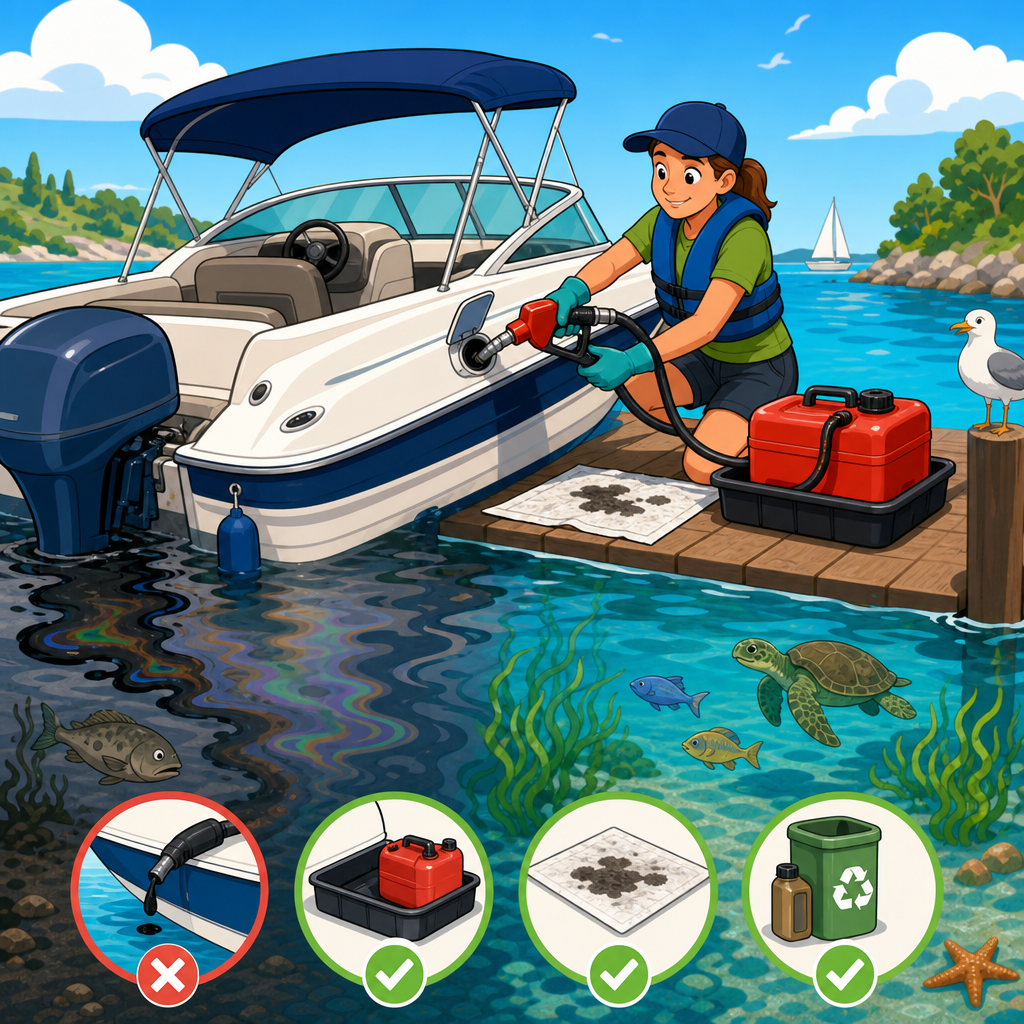
Fueling is another high-risk moment. Top off slowly, listen for changes in tank sound, use an absorbent collar around the fuel vent, and stop before the tank is completely full to allow for expansion. I have seen more marina incidents from overfilling on hot afternoons than from dramatic hose failures. A few ounces of gasoline or diesel on the water creates a visible sheen, a sharp odor, and immediate attention from staff. If a spill occurs, report it according to local requirements and use absorbents as directed. Never apply dish soap to break up the sheen. That old dock myth turns a manageable spill into a more serious violation.
Maintenance waste needs equal discipline. Changing oil aboard is fine only if you have the right containers, pads, and transfer pump. Store used oil in sealed jugs labeled clearly and deliver it to a recycling point. Used oil filters should be drained according to local guidance and taken to approved collection. Paint dust and bottom-scraping debris are especially important because many bottom paints contain copper or other biocides. On land, use tarps, vacuum sanders, and marina-approved work areas. In water, in-slip hull scraping may be restricted or banned. These details are not minor; they are exactly where environmental compliance is won or lost.
Manage trash, plastics, and hazardous waste without contaminating the marina
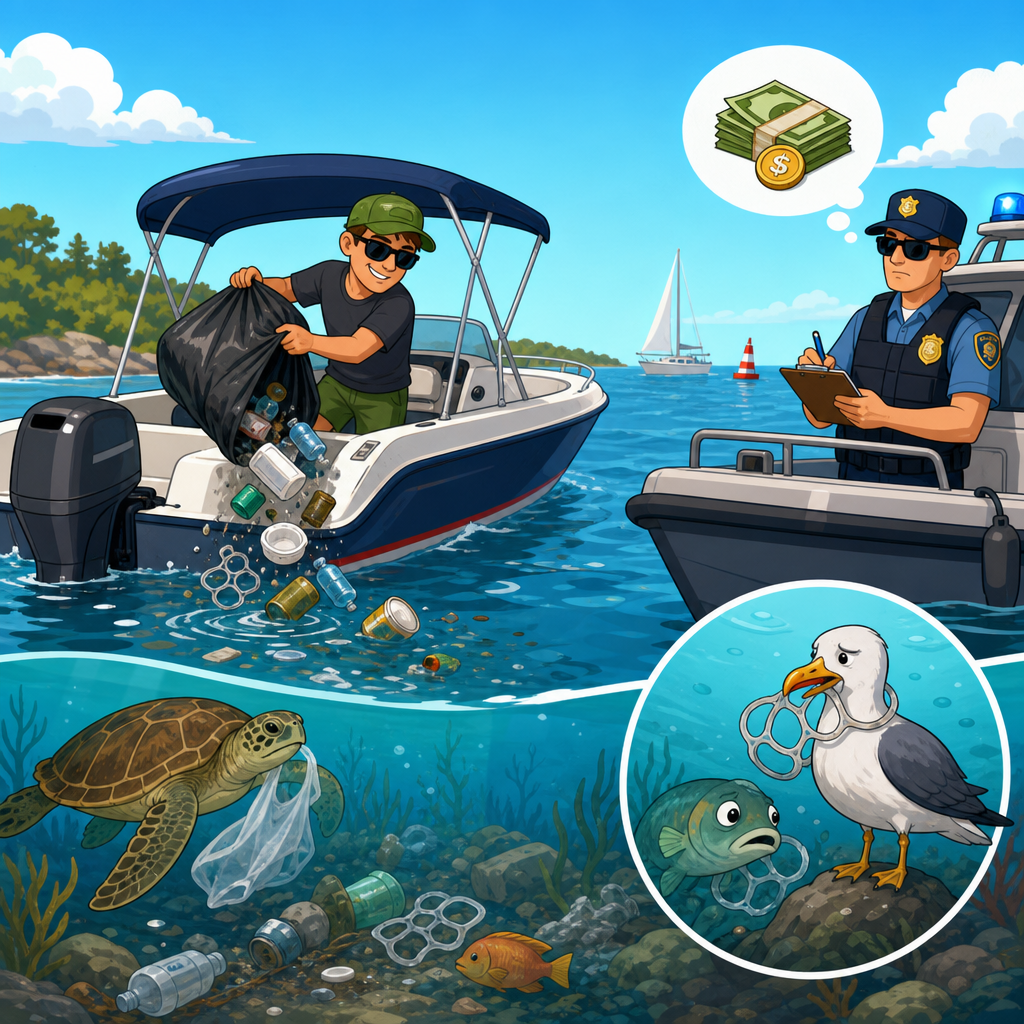
Solid waste compliance sounds easy until wind, motion, and convenience start working against you. Every item on deck should have a storage plan before departure. Use covered bins or latching bags so wrappers, cans, and bait packaging cannot blow overboard. Fishing line deserves special attention because it entangles wildlife and fouls propellers. Keep a dedicated container for line, hooks, and soft-plastic lures, then dispose of them ashore through tackle recycling or secure trash. Food waste can also create problems in enclosed waters and marinas by attracting pests and adding nutrients. Unless local offshore rules clearly allow discharge where you are operating, keep it onboard and bag it.
Recycling is useful, but only when it matches local collection rules. Marinas often provide separate containers for glass, aluminum, cardboard, shrink wrap, and used oil. Mixing contaminated rags or bait-soiled packaging into recycling can cause entire loads to be rejected. Hazardous items require even more care. Batteries should remain upright and protected from short-circuiting. Solvents, paint cans, and aerosol products should be kept in ventilated lockers until they reach a household hazardous waste facility or marine service yard that accepts them. Flares are a special category; expired flares may be regulated as explosives, so follow the disposal instructions from local fire authorities or the manufacturer rather than improvising.
One clean-boating habit I recommend to every crew is a two-bag system: one bag for landfill waste and one for recyclables, both secured before lines are cast off. Add a small rigid container for sharps, line, and batteries. That setup costs little, keeps the cockpit organized, and prevents the casual overboard tosses that often happen when guests cannot find the right place to put something.
Build a compliance routine that prevents fines before boarding officers arrive
The most reliable way to avoid fines is to make waste compliance part of your departure and return checklist. Before leaving, confirm the Y-valve is secured, the holding tank has capacity, the bilge is clean, absorbent pads are in place, trash bins are secured, and spill supplies are onboard. After returning, pump out if needed, remove trash the same day, and transfer hazardous materials to shore storage promptly. If you use a marina, learn its environmental rules as carefully as its docking rules. Many facilities enforce zero-tolerance standards because one tenant’s bad habits can jeopardize permits and water quality certifications for everyone.
Documentation also helps. Keep pump-out receipts, maintenance logs for sanitation hoses and bilge systems, and notes on waste drop-off locations. Recreational boaters are not usually buried in paperwork, but a simple folder or phone file can resolve disputes quickly if questions arise. Crew briefing matters too. Guests often cause accidental violations because they do not know which toilet paper to use, what not to flush, or where oily rags belong. A thirty-second explanation at departure prevents expensive mistakes later.
Properly disposing of boat waste protects water quality, keeps marinas cleaner, and saves money by preventing citations, cleanup costs, and equipment damage. The central rule is simple: nothing leaves the boat unless the law clearly allows it or a designated facility is ready to receive it. Store sewage in approved systems, pump out regularly, keep oil out of the bilge discharge stream, separate trash and hazardous materials, and follow local marina and state requirements every trip. If you operate that way consistently, environmental compliance stops feeling like a legal burden and becomes what it should be: normal seamanship. Review your boat’s waste systems today, update your checklist, and make clean boating part of every departure.
Frequently Asked Questions
What types of boat waste are regulated, and why can improper disposal lead to fines?
Boat waste includes far more than just sewage from a marine toilet. In most jurisdictions, regulated waste can include blackwater, graywater, bilge water contaminated with oil or fuel, trash, food waste, fishing line, plastics, batteries, used oil, solvents, paints, cleaning chemicals, and other hazardous materials. These substances are regulated because they can spread bacteria and viruses, increase algae growth, damage marine habitats, injure wildlife, and contaminate waters used for swimming, fishing, and even drinking water. Authorities take enforcement seriously because a single illegal discharge in a marina, harbor, inland lake, or protected coastal area can have immediate local impacts.
Fines often result when boaters discharge sewage in prohibited waters, bypass holding tank requirements, dump trash overboard, release oily bilge water with a visible sheen, or dispose of hazardous waste in ordinary dumpsters or onshore drains. Depending on where you operate, penalties may come from federal, state, provincial, or local agencies, as well as marina operators enforcing their own rules. The safest approach is to assume every waste stream from your vessel must be handled intentionally and legally. If you know what counts as regulated waste and where each type is supposed to go, you dramatically reduce the risk of citations while protecting the waterway.
How should I legally dispose of sewage and toilet waste from my boat?
The proper way to dispose of sewage depends on your boat’s sanitation setup and the waters where you are operating, but the core rule is simple: use approved containment and disposal systems rather than discharging overboard where it is prohibited. Most recreational boats with installed heads use a holding tank, portable toilet, or a marine sanitation device. Holding tanks should be emptied only at authorized pump-out stations or pump-out boats. Portable toilets should be emptied at designated dump stations or approved restroom facilities that allow that type of disposal. If your vessel has a Y-valve, many regulations require it to be secured to prevent illegal overboard discharge in restricted waters.
Before heading out, confirm whether you will be boating in a no-discharge zone, inland waterbody, marina basin, river system, or coastal area with special restrictions. Many areas prohibit any sewage discharge, treated or untreated, and enforcement officers may inspect sanitation equipment for compliance. Keep pump-out receipts when possible, maintain your hoses and tank to prevent leaks, and never wait until the tank is overflowing to figure out a disposal plan. Good practice is to identify pump-out locations in advance, use shore-side facilities whenever available to reduce tank load, and train everyone onboard on proper toilet use so clogs and accidental releases are less likely. Following these steps helps you stay compliant and avoids both fines and unpleasant onboard sanitation problems.
Can I throw trash, food scraps, or recyclables overboard if I am far from shore?
As a practical and legal matter, you should plan on keeping all trash onboard until you can dispose of it properly ashore, unless a very specific rule expressly allows a certain type of discharge in a certain location. Plastics, fishing line, packaging, cans, glass, and most household garbage should never be thrown overboard. These materials persist in the environment, entangle wildlife, damage propellers, and create obvious violations that can lead to substantial penalties. Even food waste, which some boaters assume is harmless, may be restricted based on distance from shore, local rules, and the type of water you are in. On inland lakes, rivers, marinas, and many nearshore areas, tossing any kind of garbage is especially risky and often clearly prohibited.
The best system is to separate waste onboard into clearly labeled containers for trash, recyclables, and hazardous items. Use secure bins with lids so wind and wake do not scatter debris. If you generate food scraps, bag them and dispose of them ashore unless you are absolutely certain discharge is lawful where you are boating. Never put batteries, aerosol cans, oily rags, paint containers, or chemical products into regular trash unless the disposal site specifically accepts them. Responsible onboard waste storage not only keeps you in compliance, it also keeps the vessel cleaner, reduces odors, and makes it easier to leave no trace at docks, anchorages, and launch ramps.
What is the correct way to handle oily bilge water, used oil, fuel residue, and other hazardous boat waste?
Oily bilge water and hazardous maintenance waste are among the most common sources of preventable violations. If your bilge contains oil, fuel, solvents, detergents, or other contaminants, it should not be pumped overboard. Discharging water that leaves a visible sheen can trigger immediate enforcement action, and in many places the prohibition applies whether the spill was intentional or caused by poor maintenance. The right approach is to prevent contamination in the first place by fixing engine leaks, using drip pans, avoiding unnecessary spills during fueling, and placing absorbent pads in the bilge to capture small amounts of oil before they spread.
Used oil, oil filters, transmission fluid, coolant, solvent containers, paint waste, batteries, fluorescent bulbs, and certain cleaning chemicals should be taken to approved recycling centers, marina collection points, household hazardous waste facilities, or service yards that accept marine waste. Never dump these materials into the water, onto the ground, into storm drains, or into general dumpsters unless the facility specifically permits it. Store hazardous waste in sealed, labeled containers and keep incompatible substances separated. It is also wise to carry spill kits and absorbents onboard so you can respond quickly if a leak occurs. By treating bilge and maintenance waste as regulated material rather than ordinary garbage, you avoid fines, reduce fire and pollution risks, and show the level of care expected of a responsible boat owner.
What are the best ways to avoid fines for boat waste disposal before and during a trip?
Avoiding fines starts well before you leave the dock. Check the rules for the exact waterbody and route you plan to use, because waste disposal laws can vary widely between inland lakes, rivers, coastal waters, marinas, and protected zones. Confirm whether your destination has pump-out access, dump stations, recycling areas, and hazardous waste collection. Inspect your sanitation equipment, verify the holding tank has capacity, secure any Y-valves as required, and make sure your trash and hazardous waste containers are onboard and in good condition. It also helps to review local marina rules, because many facilities impose requirements that go beyond baseline legal standards.
During the trip, use restrooms ashore when available, monitor tank levels, keep all trash contained, and never discharge anything unless you are completely certain it is lawful. If you fuel or perform minor maintenance, take extra care to prevent spills and capture residues. Keep records when appropriate, such as pump-out receipts, maintenance logs, or hazardous waste drop-off documentation, especially if you operate frequently or commercially. Finally, educate everyone onboard. Many violations happen because a guest flushes the wrong item, tosses something overboard, or operates equipment incorrectly. A short safety and environmental briefing can prevent expensive mistakes. Consistent preparation, clear onboard procedures, and a zero-dumping mindset are the most effective ways to stay compliant and protect the water.