Boating and the environment are tied together by law, because every vessel affects water quality, wildlife, shorelines, and public access the moment it leaves the dock. Environmental boating laws are the rules that govern pollution prevention, waste handling, fuel management, habitat protection, invasive species control, and safe operation in sensitive waters. Clean boating is the practical side of those rules: the habits that keep a boater compliant while reducing damage to lakes, rivers, bays, wetlands, and coastal ecosystems. This matters because most environmental harm from recreational boating is preventable, yet the legal consequences are real, ranging from civil fines and cleanup liability to criminal penalties for deliberate dumping or fuel discharge. In practice, I have seen many violations happen not through malice, but through routine mistakes such as overfilling a tank, discharging untreated sewage, washing decks with harsh detergents, or anchoring in a protected grass bed. The law does not always excuse ignorance. If you operate a boat, own one, rent one, or manage a marina, you need to understand the baseline legal duties before you launch.
At the federal level in the United States, the core framework comes from the Clean Water Act, the Oil Pollution Act, the Marine Plastic Pollution Research and Control Act, the Rivers and Harbors Act, the Act to Prevent Pollution from Ships, and wildlife protection laws enforced by agencies such as the U.S. Coast Guard, Environmental Protection Agency, National Oceanic and Atmospheric Administration, and U.S. Fish and Wildlife Service. States add their own requirements for pumpout use, aquatic invasive species inspections, no-wake habitat zones, bottom paint restrictions, and hazardous waste disposal. Local harbor rules, marina policies, and park regulations may go further. Because this article is a hub for environmental laws and clean boating, it covers the main legal categories every recreational boater must know, explains what compliance looks like on the water, and highlights where boaters often get into trouble. If you treat environmental compliance as part of seamanship rather than an afterthought, you protect the resource, avoid penalties, and make every trip easier to justify to regulators and waterfront communities.
Sewage discharge, marine sanitation devices, and pumpout requirements
One of the most important legal duties for boaters is proper sewage control. Federal law generally prohibits the discharge of untreated sewage from vessels into U.S. waters. Boats with installed toilets must use an approved marine sanitation device, commonly called an MSD. Type I and Type II devices treat waste to specified standards, while Type III systems store sewage in a holding tank for shore-side pumpout or approved offshore discharge where lawful. On most recreational boats, a Type III holding tank is the system owners deal with daily. The practical rule is simple: if your boat has a toilet, know exactly where the waste goes, how the Y-valve is set, whether the discharge seacock must be secured, and where pumpout facilities are located before leaving the marina.
No Discharge Zones create stricter obligations. In these waters, even treated sewage from an approved device may not be discharged. Many inland lakes, reservoirs, estuaries, and heavily used harbors have this designation. Enforcement officers often check whether valves are locked or otherwise secured to prevent illegal release. I have found that many boaters wrongly assume that being outside a marina automatically makes discharge legal. It does not. Distance-from-shore rules, state restrictions, and special zones all matter. Gray water from sinks and showers is regulated differently depending on vessel type and location, but oily bilge water mixed with detergents or fuel residue can trigger separate violations. The safe habit is to use pumpout stations regularly, keep sanitation hoses in good condition, carry spare caps and seals, and maintain records if operating a larger vessel where documentation is expected. If your toilet, tank, or fittings smell, leak, or backflow, that is not just a maintenance issue; it can quickly become an environmental compliance problem.
Oil, fuel, bilge water, and hazardous substance rules
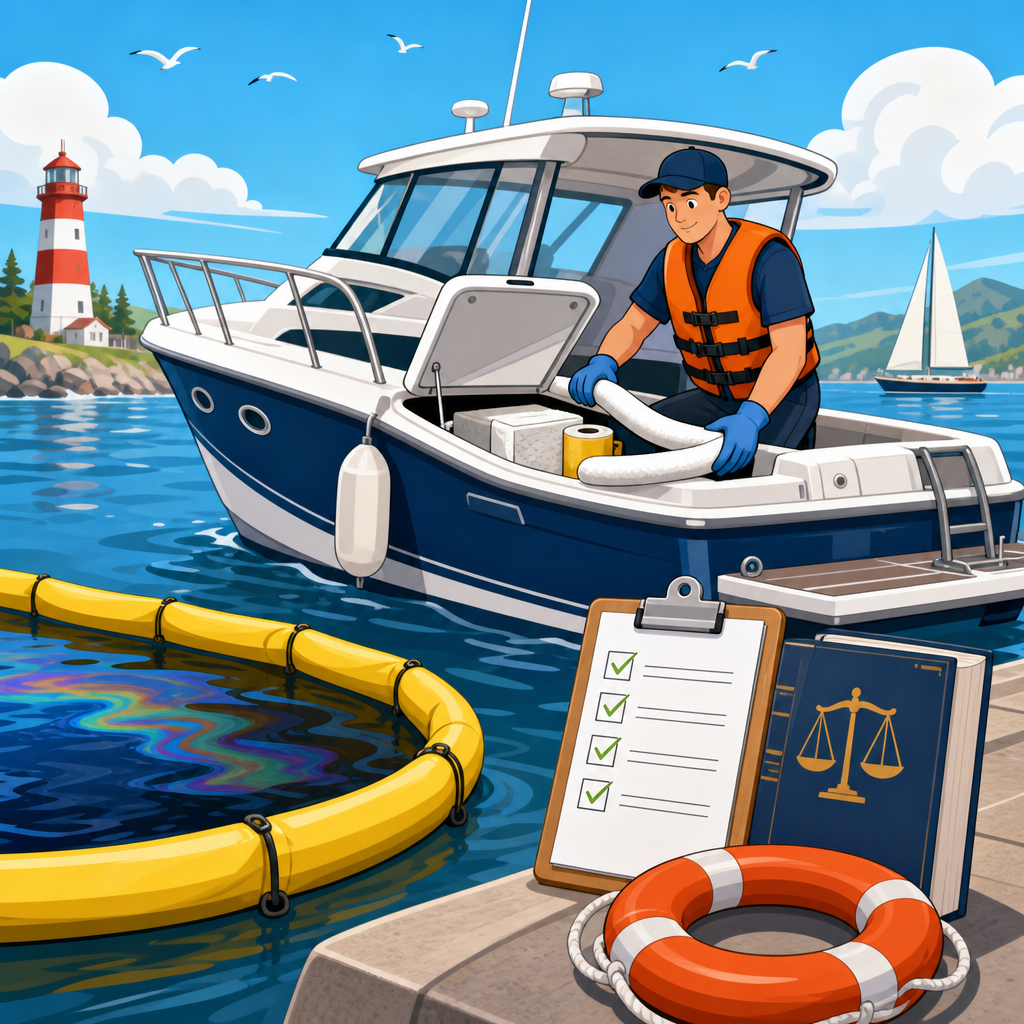
Fuel and oil pollution laws apply to every boat, including small runabouts and trailered fishing boats. The legal standard is stricter than many owners realize: any discharge that causes a visible sheen on the water can be a reportable oil pollution incident. That includes diesel, gasoline, motor oil, hydraulic fluid, and oily bilge mixtures. You may not pump oily bilge water overboard. You also may not use soap or emulsifying cleaners to hide a sheen; that can make the violation worse because it disperses pollutants instead of removing them. Good compliance starts with prevention. Fill tanks slowly, use an absorbent collar or pad at the fuel vent, stop before the tank is topped off, and account for fuel expansion on hot days. I advise boaters to keep spill pads, bilge socks, and a small spill kit on board, because minor drips at the dock are common and easy to control if you are prepared.
Hazardous substances extend beyond fuel. Used oil, oil filters, solvent-soaked rags, antifreeze, batteries, fluorescent bulbs, and some cleaning products must be disposed of through approved collection channels rather than thrown in marina dumpsters or overboard. Bottom line: the boat is not an isolated machine; it is a mobile source of pollutants, and the law treats it that way. If a spill reaches the water, the operator may have reporting duties to the National Response Center and state agencies depending on the substance and quantity. Cleanup costs can exceed the value of the boat. Routine engine-room checks, replacing weeping fuel lines, fixing carburetor leaks, and keeping bilges dry are among the most effective legal risk controls a boater can adopt.
Trash, plastics, and waste disposal requirements
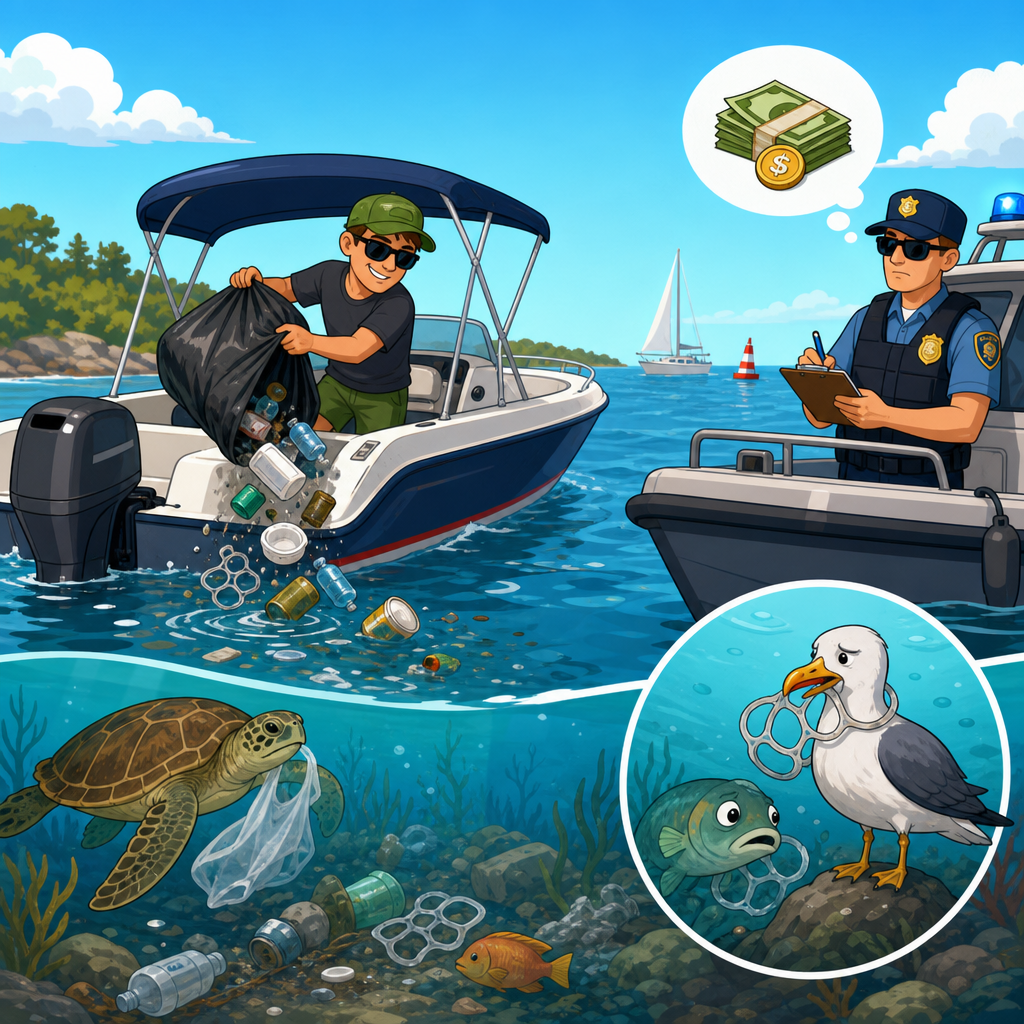
Garbage disposal rules on the water are clearer than boaters sometimes think: plastics may not be dumped into the water anywhere, and other garbage discharges are tightly restricted by location and material. The federal ban on overboard discharge of plastics covers items such as bags, fishing line, food wrappers, six-pack rings, and synthetic ropes. These materials persist for decades, injure wildlife, foul propellers, and create costly marina cleanup problems. On larger vessels and certain ocean-going boats, placards and garbage management plans may be required. Even when those formal requirements do not apply to a small recreational craft, the practical expectation is identical: retain trash on board and dispose of it ashore in proper receptacles.
The mistakes I see most often are small ones that operators do not classify as littering: tossing orange peels in a sheltered cove, cutting loose bait packaging, sweeping cigarette butts overboard, or leaving monofilament at a launch ramp. Those actions can still violate law or local ordinance and certainly violate clean boating standards. Fishing line is especially problematic because birds, turtles, and marine mammals become entangled in it. Keep a dedicated line recycling tube if your marina offers one. Separate recyclable containers from food waste, secure bins so wind cannot lift contents out, and never assume biodegradable means legally dischargeable. In many managed waters, local rules are stricter than offshore federal distance allowances. If you use disposable absorbent pads or spill materials, treat them as potentially contaminated waste and dispose of them according to marina or county hazardous waste guidance.
Invasive species, hull fouling, and equipment decontamination
Aquatic invasive species laws are now a major part of environmental boating compliance, especially for trailered boats that move between water bodies. Zebra mussels, quagga mussels, Eurasian watermilfoil, hydrilla, spiny water flea, and New Zealand mudsnails spread easily on hulls, trailers, anchors, live wells, ballast tanks, and wet gear. Many states require boaters to stop at inspection stations, submit to decontamination orders, drain water from bilges and live wells before transport, and remove visible plants from boats and trailers. Failing to comply can lead to citations, mandatory quarantines, or denied launch access. The legal obligation is simple to remember: clean, drain, and dry every time you leave the water, and follow any inspection order without argument.
Hull fouling also raises compliance issues in coastal regions. Excessive marine growth increases fuel burn and can transport nonnative organisms to new harbors. Some states regulate in-water hull cleaning because scraping can release toxic paint particles and invasive fragments. Copper-based antifouling paints remain common, but restrictions on certain biocides have increased, and marinas may set rules on where sanding, painting, and pressure washing can occur. Use tarps for maintenance, capture debris, and verify whether wash water must be filtered or contained. If you boat in multiple states, do not assume the same procedures apply everywhere. Western states with mussel programs can be particularly strict, while island and estuarine regions may focus more on hull growth and bait release rules. The environmentally safe habit is also the legally safest one: remove biology from the boat before moving it.
Wildlife protection, habitat zones, and sensitive area restrictions
Environmental boating law is not limited to pollution. It also protects wildlife and habitat from disturbance, collision, wake damage, and physical destruction. Manatee zones in Florida, whale protection speed rules in some coastal areas, seasonal bird nesting closures, and seagrass protection areas are all examples of boating restrictions backed by law. Anchoring on coral, running through submerged vegetation, approaching marine mammals too closely, landing on closed islands, or entering marked restoration zones can bring citations even if no pollution occurred. The legal principle is that habitat damage and wildlife harassment are environmental offenses in their own right.
Boaters need to read charts, local notices, and marker signs carefully. A no-wake zone may exist not only for shoreline erosion control or congestion, but to protect nesting habitat or reduce strike risk for protected species. Personal watercraft users often face heightened scrutiny because rapid turns, shallow operation, and close approaches to wildlife create obvious disturbance. Anglers should know bait collection rules, shellfish bed closures, and protected species release requirements. Divers and paddlers are affected too when operating from support boats in sanctuaries or managed preserves. The best compliance approach is to build conservative distance into your navigation. Slow down early, use marked channels, pole or troll instead of powering across flats, and choose anchoring spots with sand rather than grass, reef, or shell habitat.
How clean boating compliance works in daily practice
Environmental compliance becomes manageable when boaters turn legal duties into repeatable routines. Before launch, inspect the bilge for oil, confirm the drain plug is in, verify sewage valves are secured correctly, remove plant material from trailer bunks, and stock absorbent pads, trash bags, and biodegradable soap intended for shore-side use only. During fueling, close hatches, shut off engines, and monitor the vent continuously. Underway, avoid creating wake in marsh creeks, respect marked habitat closures, and never discharge anything unless you know it is lawful in that exact location. Back at the dock or ramp, pump out if needed, dispose of waste through marina systems, rinse gear where permitted, and drain live wells and ballast as required before transport.
| Issue | What the law generally requires | Best clean boating practice |
|---|---|---|
| Sewage | No illegal discharge; use approved MSD and pumpout where required | Lock Y-valves and schedule pumpouts before tanks are full |
| Fuel and oil | No sheen-producing discharge; report spills when required | Use vent pads, keep bilge dry, carry spill absorbents |
| Trash | No plastic discharge; follow garbage restrictions | Secure onboard bins and recycle line, cans, and bottles ashore |
| Invasive species | Obey inspections, decontamination, and drain rules | Clean, drain, dry boat, trailer, anchors, and gear after every trip |
| Habitat and wildlife | Honor closures, speed zones, and approach limits | Navigate marked channels and anchor only on durable bottom |
Marinas, yacht clubs, and rental fleets increasingly reinforce these standards through lease terms, rules packets, and training checklists. Programs such as Clean Marina certifications often mirror legal requirements while adding practical standards for stormwater control, maintenance areas, and waste collection. That makes them useful even when they are voluntary. If you manage a boat for family or guests, post a short environmental checklist near the helm. Compliance improves when instructions are visible and specific.
Penalties, enforcement, and how boaters stay ahead of violations
Enforcement can come from state marine patrol officers, park rangers, harbor masters, Coast Guard personnel, fisheries officers, or environmental inspectors. Some violations are observed directly, such as a sheen behind a bilge discharge or a boat speeding through a manatee zone. Others are discovered during dockside inspection, launch-ramp screening, marina reporting, or after a complaint with photos. Penalties vary by statute and state, but they can include warnings, citations, civil fines, cleanup orders, restitution for habitat damage, loss of access permits, and in serious cases criminal charges. The most expensive cases usually involve spills, intentional dumping, or repeated noncompliance after notice.
The smartest legal strategy is documentation and prevention. Keep maintenance logs showing pumpouts, repairs to sanitation systems, and fuel system service. Save receipts for hazardous waste disposal and decontamination where relevant. Review state boating guides every season because invasive species and local habitat rules change regularly. If you travel, research destination-specific restrictions before towing or cruising there. This hub connects to deeper topics across boating laws and regulations, including sewage rules, oil spill duties, invasive species transport laws, no-wake enforcement, and protected wildlife zones. Start by auditing your boat, your gear, and your normal operating habits against the categories above. Clean boating is not extra work once it becomes routine; it is the legal baseline for responsible boating.
Frequently Asked Questions
What environmental laws do boaters usually have to follow?
Most boaters must follow a combination of federal, state, and local environmental rules that are designed to protect water quality, marine life, shorelines, and public waterways. In practical terms, that usually means you cannot discharge oil, fuel, sewage, garbage, plastics, or hazardous substances into the water. Many jurisdictions also regulate where and how boats can be operated, especially in no-wake zones, protected habitats, wetlands, shellfish beds, drinking water areas, and wildlife sanctuaries. If your boat has a marine sanitation device, there may be strict rules about where sewage can be treated, stored, or pumped out, and some waters are designated as no-discharge zones where overboard sewage release is prohibited entirely.
Boaters may also be legally required to manage bilge water properly, prevent fuel spills during refueling, store chemicals safely, and dispose of waste at approved marinas or facilities. Depending on the area, there can be additional requirements related to invasive species inspections, drain-plug rules, cleaning vegetation from trailers and hulls, and restrictions on anchoring near seagrass, coral, or other sensitive bottom habitats. The exact rules vary by location, but the legal principle is consistent: if a boating activity could pollute the water or harm ecosystems, it is likely regulated. The safest approach is to check federal boating regulations, state natural resource or environmental agency rules, and any local marina, harbor, or waterway restrictions before launching.
Is it illegal to dump waste, sewage, or trash from a boat into the water?
Yes, in most cases it is clearly illegal to dump waste, sewage, or trash from a boat into the water, and the restrictions are often broader than many boaters realize. Plastics are generally prohibited from being discharged anywhere, because they persist in the environment and create serious hazards for fish, birds, and marine mammals. Food waste, packaging, fishing line, cans, glass, and other garbage are also heavily regulated or banned depending on the type of material and the location of the vessel. Sewage is one of the most tightly controlled categories. Untreated sewage discharge is illegal in many areas, and even treated sewage may be restricted or completely prohibited in designated waters such as marinas, inland lakes, certain rivers, and federally or state-protected no-discharge zones.
From a compliance standpoint, clean boating means planning ahead so that waste never becomes an overboard problem. Use pump-out stations for sewage tanks, keep trash containers secured onboard, and store used oil, oily rags, solvents, batteries, and cleaning products for disposal at approved facilities. Never rely on the assumption that small amounts do not matter; even minor discharges can trigger fines and can cause measurable harm to water quality. Law enforcement officers, harbor patrols, and environmental agencies can cite boaters for unlawful discharge, and penalties can include substantial fines, cleanup liability, and in serious cases additional civil or criminal consequences. If it came from your boat and does not belong naturally in the water, the legal answer is usually to keep it onboard and dispose of it properly on shore.
What are the legal rules for fuel spills, oil leaks, and bilge discharge?
Fuel spills, oil leaks, and contaminated bilge discharge are major enforcement issues because petroleum pollution spreads quickly and can damage fish habitat, birds, shorelines, and drinking water sources. Legally, boaters are expected to prevent spills during fueling, maintain engines and fuel systems so they do not leak, and avoid discharging oily water from the bilge. If there is a visible sheen on the water, that is a serious warning sign and often a direct indicator of a prohibited oil discharge. Even a small spill at the fuel dock can lead to reporting obligations, cleanup costs, and penalties, especially if the spill reaches the water or creates an observable surface film.
To stay compliant, fill tanks carefully, do not top off aggressively, use absorbent pads around fuel vents when refueling, and inspect hoses, clamps, and tanks regularly. Bilges should be kept clean and dry as much as possible, because once oil and fuel mix with bilge water, pumping that water overboard may become illegal. Detergents should not be used to hide or break up an oil sheen, because that can make the pollution problem worse and may itself violate environmental rules. If a spill occurs, the proper legal response is to stop the source, contain it if it is safe to do so, notify the appropriate marina or authorities when required, and use approved cleanup methods. Responsible maintenance is not just a best practice; it is often the difference between normal operation and an environmental violation.
How do boating laws protect wildlife, habitats, and sensitive shorelines?
Environmental boating laws protect wildlife and habitats by limiting the kinds of activity that can disturb animals, damage vegetation, erode banks, or destroy underwater ecosystems. This often includes no-wake zones, seasonal closures, speed restrictions, setbacks from nesting areas, and rules against approaching marine mammals, birds, or other protected species too closely. In shallow waters, seagrass beds, marsh edges, and spawning areas, boat propellers and hulls can cause long-lasting damage, so boaters may be required to use marked channels, idle speed, pole or paddle access, or avoid entry entirely. Anchoring may also be restricted in coral areas, shellfish grounds, or places where anchors can scar fragile bottom habitat.
These rules matter legally because habitat damage does not have to be intentional to result in liability. A boater who runs through a restricted grass flat, creates damaging wake near an eroding shoreline, or disturbs protected wildlife can face citations even if the harm was accidental. Good compliance habits include reading waterway markers carefully, respecting buffer distances around wildlife, reducing wake in narrow channels and near shore, and checking charts for protected areas before departure. If an area is marked as environmentally sensitive, assume that operation there is subject to stricter control. Following those restrictions is not merely courteous seamanship; it is often a direct legal obligation tied to conservation law and public resource protection.
Are boaters required to prevent the spread of invasive species?
In many states and regions, yes. Boaters are increasingly subject to laws aimed at preventing the spread of invasive species such as zebra mussels, aquatic plants, and other non-native organisms that can move from one waterbody to another on hulls, trailers, propellers, anchors, bait containers, ballast areas, live wells, and gear. These species can disrupt fisheries, clog infrastructure, alter ecosystems, and create long-term environmental and economic damage, so prevention rules have become much stricter. Depending on where you boat, the law may require inspections, decontamination, draining water from onboard compartments, removing visible vegetation, or installing and using drain plugs in specific ways during transport.
The standard legal expectation is simple: clean, drain, and dry your boat and equipment before moving between lakes, rivers, bays, or launch sites. That means removing plant fragments and mud, draining bilges and live wells where required, emptying bait water appropriately, and allowing equipment to dry thoroughly when possible. Some areas impose immediate penalties for transporting a boat with standing water or attached vegetation, even if no invasive species are visible. Because these rules vary widely, boaters should review launch-site signage and state agency guidance every time they travel to a new waterbody. Preventing invasive species is now a core part of environmentally compliant boating, and agencies treat it as a legal duty, not just a voluntary conservation practice.