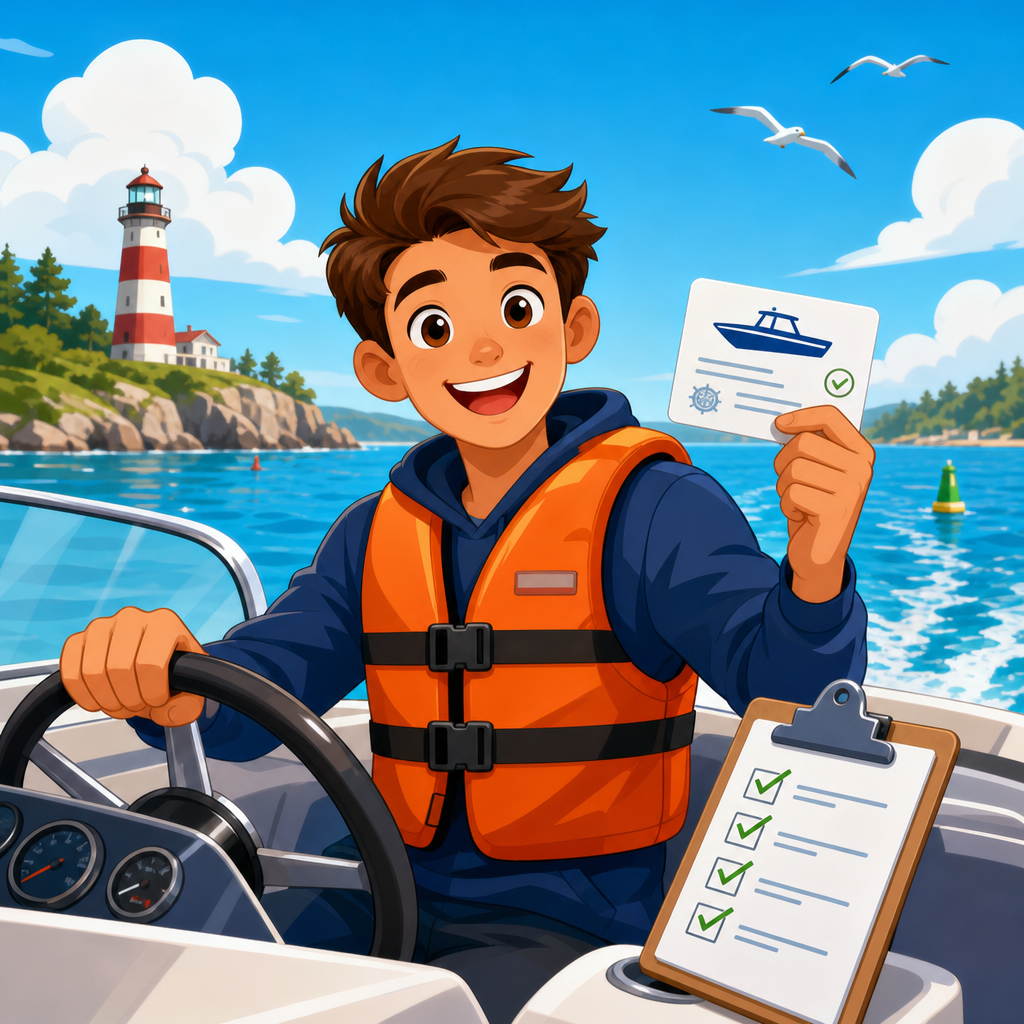
Passing your boating license test on the first try is less about memorization and more about understanding how boating licenses, permits, and operator rules work in the real world. A boating license test usually measures whether you can operate a vessel safely, follow navigation rules, recognize required safety equipment, and comply with state or provincial regulations. In many places, the credential is not technically called a license at all. You may receive a boater education card, safety certificate, operator card, or completion certificate, while some jurisdictions still use the broader term boating license because it is familiar to the public. Knowing that distinction matters because the legal requirement often depends on your age, engine horsepower, vessel type, and where you plan to boat.
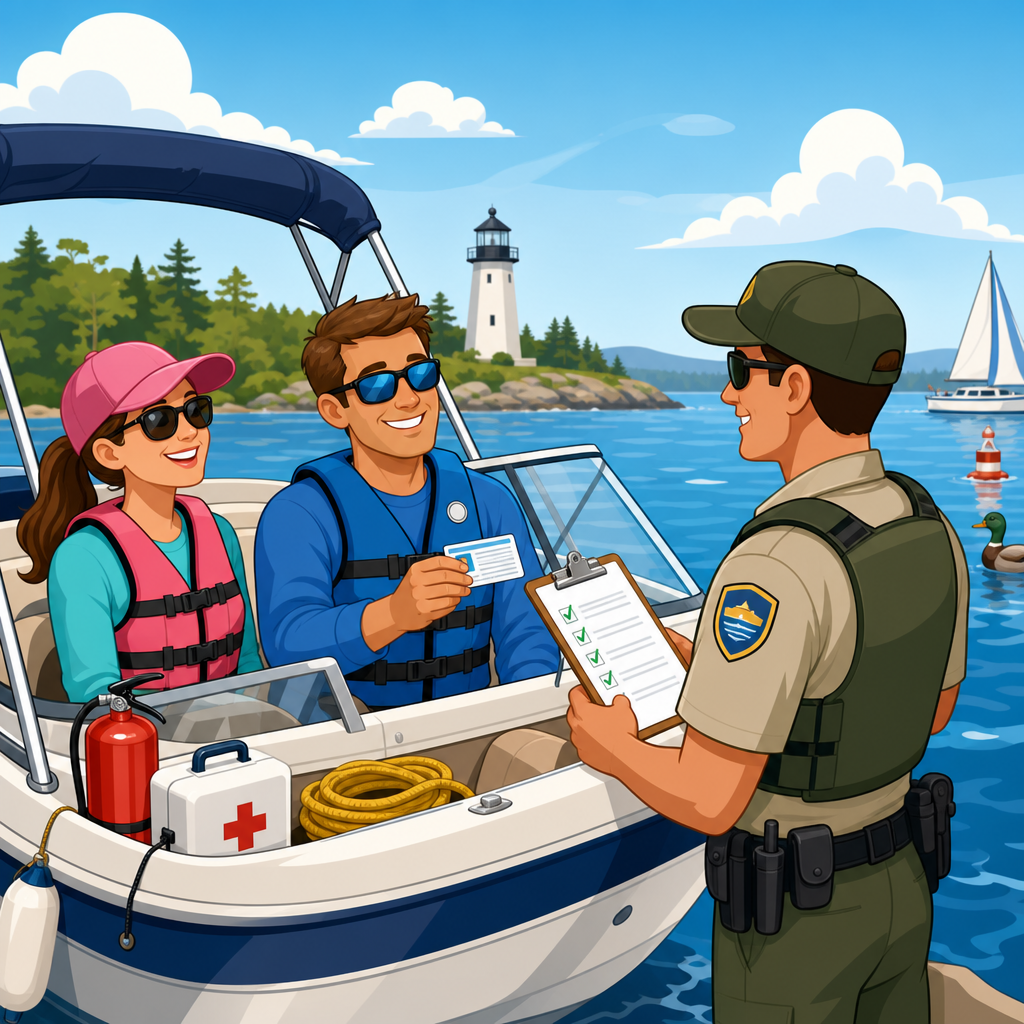
This topic matters because boating law is enforced on the water, not only in classrooms. Marine patrol officers, coast guards, and local enforcement agencies regularly stop operators for life jacket violations, registration issues, reckless operation, or missing safety gear. I have worked with new boaters who assumed the test would be common sense, then struggled because they had never learned lateral markers, right-of-way hierarchy, sound signaling, or blood alcohol limits for vessel operation. Others studied only practice questions and missed scenario-based items about emergencies, no-wake zones, and who is legally responsible when passengers behave unsafely. The first-try pass rate improves sharply when boaters prepare around concepts instead of isolated answers.
As a hub for boating licenses and permits, this guide explains what the test covers, how licensing rules differ by jurisdiction, what study methods produce the best results, and what to do after you pass. It also helps you connect this subject to related topics under boating laws and regulations, including vessel registration, required onboard equipment, accident reporting, and operating under the influence rules. If your goal is to pass your boating license test on the first try, you need a plan that combines legal knowledge, practical seamanship, and test discipline. That combination is what turns a course completion into safe, lawful operation on the water.
Understand What the Boating License Test Really Measures
The boating license test is designed to confirm minimum competency, not advanced captaining skill. Most exams cover five core areas: navigation rules, legal requirements, vessel operation, emergency response, and environmental stewardship. Navigation rules include crossing, meeting, and overtaking situations, along with marker systems such as red-right-returning in the IALA B system used in the United States. Legal requirements usually include age restrictions, operator responsibility, registration numbers, documentation basics, and safety equipment standards set by the U.S. Coast Guard or the relevant authority in your country. Vessel operation covers speed management, steering behavior, anchoring, fueling, loading, and weather awareness.
Emergency response questions are where many first-time test takers lose points. They know what a fire extinguisher looks like but not where it should be mounted, when to use a Type B extinguisher, or how to handle an engine compartment fire. They recognize a life jacket but cannot identify which wearable devices satisfy carriage requirements for a child under a certain age. They understand that alcohol is dangerous but do not realize that sun, wind, vibration, and dehydration intensify impairment on the water. Examiners are looking for judgment. If a question asks what to do when a passenger falls overboard, the best answer usually follows a sequence: maintain visual contact, reduce risk to the victim, maneuver carefully, use flotation, and reboard safely.
Tests also evaluate whether you can apply rules to realistic scenarios. For example, if a sailboat under sail meets a powerboat in open water, the powerboat generally gives way, but there are exceptions involving overtaking, narrow channels, and vessels restricted in their ability to maneuver. That nuance is why casual guessing fails. I tell students to read every boating law question as if they are already underway, because context controls the answer.
Know the Different Types of Boating Licenses and Permits
Before you study, identify the exact credential you need. In the United States, many states require a boater education certificate for operators born after a specified date, for younger operators, or for anyone running a motorized vessel above a certain horsepower. Some states require separate personal watercraft education. Others recognize National Association of State Boating Law Administrators approved courses completed online or in person. In Canada, the Pleasure Craft Operator Card is the standard proof of competency for recreational motorized boats. In Australia and many European countries, licensing can vary by vessel length, speed, engine power, and whether you operate inland or coastal waters.
Permits can also be separate from the operator credential. You may need vessel registration, invasive species permits, launch permits, fishing permits, mooring permits, or temporary nonresident permits depending on where and how you boat. This is why a boating licenses and permits hub must address more than the exam itself. Passing the test does not make your vessel legal if your registration stickers are expired, your numbers are not displayed correctly, or your state requires a temporary permit for towing sports on certain lakes.
The most common first mistake is studying a general boating course without confirming jurisdiction-specific rules. A Florida boater, a California boater, and a New York boater may all learn the Inland Navigation Rules, but age thresholds, approved course providers, and local carriage requirements can differ. Always start with the official boating agency website for your state, province, or country, then verify whether there are accepted reciprocal credentials for visitors.
Build a Study Plan That Matches the Exam Blueprint
The fastest way to pass your boating license test on the first try is to study by category, not by random quiz. Begin with the official course outline or handbook. Most quality programs, including state-approved online providers and classroom courses, group content into predictable modules. Use that structure. I recommend dividing your study plan into short sessions over several days instead of one cram session. Retention improves when you revisit navigation aids, operator duties, and emergency procedures after sleeping on them, because recognition turns into recall.
Make a simple three-pass system. On the first pass, read for familiarity and note unfamiliar terms such as stern drive, capacity plate, visual distress signals, and no-discharge zone. On the second pass, convert rules into scenarios. Ask yourself who gives way, what equipment is mandatory on a 16-foot powerboat, or how to report a collision with injuries. On the third pass, use timed practice tests and review every wrong answer until you can explain the rule in plain language. If you cannot teach it, you do not know it well enough for an exam.
| Study Area | What to Master | Common Mistake | Best Practice |
|---|---|---|---|
| Navigation rules | Meeting, crossing, overtaking, markers, sound signals | Memorizing only terms without situational context | Draw boat positions and say who is stand-on or give-way |
| Safety equipment | Life jackets, extinguishers, lights, signals, sound devices | Confusing what is required with what is recommended | Match equipment to vessel length and operating conditions |
| Legal requirements | Age limits, registration, reporting, reckless operation, alcohol laws | Assuming all states follow identical rules | Use your jurisdiction handbook first, national rules second |
| Emergency response | Falls overboard, fire, flooding, grounding, carbon monoxide | Choosing the fastest action instead of the safest sequence | Learn step-by-step response order for each emergency |
| Environmental laws | Wake damage, fueling spills, sewage, invasive species | Skipping “easy” sections that still appear on tests | Review examples from marinas, ramps, and protected waters |
If your course provider offers chapter quizzes, use them diagnostically. Scores alone are not enough. Look for patterns. If you keep missing questions on aids to navigation, your problem may be visual recognition rather than legal knowledge. If you miss accident-reporting questions, you may need to memorize thresholds involving death, disappearance, injury requiring treatment beyond first aid, or property damage above the state threshold.
Focus on the Questions Most Likely to Appear
Most boating license exams return to a small set of high-value concepts because they are directly tied to accident prevention. Expect multiple questions on life jacket requirements, especially child wear rules and wearable versus throwable devices. Expect navigation light questions, because operating at night causes confusion for inexperienced operators. Expect right-of-way questions, because collision avoidance depends on immediate recognition. Expect alcohol and reckless operation questions, because impaired boating remains a major enforcement priority. The U.S. Coast Guard’s Recreational Boating Statistics report repeatedly identifies operator inattention, improper lookout, operator inexperience, excessive speed, and alcohol use as leading contributing factors in accidents, so education programs naturally test those areas.
You should also prepare for trickier but common topics: capacity plates, engine cutoff switch rules, fueling procedures, carbon monoxide hazards near swim platforms, propeller strike prevention, and what to do in sudden weather changes. A typical example asks what to check before fueling. The correct answer is not simply “turn off the engine.” It often includes extinguishing open flames, closing hatches when appropriate, having passengers disembark depending on the setup, avoiding overfilling, ventilating after fueling, and sniff-testing for fumes before restart. Questions like that reward complete understanding.
When I coach new operators, I have them list ten rules they expect to see and then explain why each rule exists. The reason matters. No-wake zones are not only about courtesy; they protect docks, anchored boats, shorelines, and people in confined areas. Registration numbers are not decorative; they allow identification and enforcement. Visual distress signals are not box-checking gear; they are your communication system when electronics fail.
Use Test-Day Tactics That Prevent Avoidable Errors
Good preparation fails if your test habits are sloppy. Read every question fully, especially words like always, except, first, and most appropriate. Boating exams often include one answer that sounds generally safe and another that is legally correct for that exact situation. Choose the legally correct, context-specific answer. If the exam is online, take it in a quiet place, on a stable connection, and on a device with a clear screen. Marker colors, navigation lights, and diagram questions are harder on a phone than on a laptop.
Use elimination aggressively. If two answers both sound right, ask which one addresses immediate safety and legal duty. For example, after an accident involving injuries, rendering aid and contacting emergency services take priority over arguing fault. If a question involves risk of collision, the give-way vessel must take early and substantial action, not small unpredictable turns. If you are uncertain, return to the core principle: avoid collision, protect life, and comply with operator responsibility.
Manage pace. Most boating license tests allow enough time, so speed should never force guessing. Flag questions that rely on precise recall, such as signal requirements or age restrictions, and answer scenario questions first if they are easier for you. A calm test taker performs better than someone trying to finish early. I have seen students improve simply by slowing down and treating each item as an on-water decision instead of a trivia question.
What to Do After You Pass
Passing the exam is the beginning of compliance, not the end. Save digital and printed proof of your credential, because many jurisdictions require you to carry it while operating. Confirm whether your certificate needs to be linked to a state account, exchanged for a permanent card, or renewed after a certain period. Then review the other permits and documents that make your boating legal: registration certificate, validation decals, identification, insurance documents if required, and any local launch or access permits. This is also the right time to read related boating laws and regulations content on registration, life jacket rules, navigation lights, accident reporting, and towing laws so your knowledge stays connected rather than fragmented.
Next, translate the exam into practice. Conduct a safety check before every trip. Verify life jackets by size and condition, test navigation lights, inspect the fire extinguisher gauge, confirm the sound-producing device works, and review weather and float plans. If you boat with family or guests, brief them on boarding, seating, emergency shutoff location, and man-overboard basics. New operators who build these habits immediately are much less likely to face citations or dangerous surprises.
The simplest way to pass your boating license test on the first try is to study the official rules, understand the reason behind them, and practice applying them to real situations. Learn the credential your jurisdiction requires, use an organized study plan, focus on the safety concepts that appear most often, and approach the test carefully. Do that, and you will not just earn a boating license or permit. You will become the kind of operator every waterway needs: informed, predictable, and prepared. Start with your local boating authority handbook, then schedule your course and test with confidence today.
Frequently Asked Questions
1. What should I study first if I want to pass my boating license test on the first try?
The best place to start is with the core concepts that appear on nearly every boating license test: navigation rules, safety equipment requirements, emergency procedures, operator responsibilities, and local regulations for your state or province. Many first-time test takers make the mistake of trying to memorize answers without understanding how those rules apply on the water. A much better strategy is to study the “why” behind each rule. For example, do not just memorize which side to pass on in a meeting situation; understand how right-of-way rules reduce collision risk and how they apply to powerboats, sailboats, and human-powered vessels.
You should also review the exact terminology used in your boating course materials. In many jurisdictions, the credential is not officially called a boating license. It may be a boater education card, boating safety certificate, operator card, or vessel operator permit. That matters because the test often includes questions about who must carry proof of education, age-based restrictions, horsepower thresholds, and whether supervision is required for younger operators. If you study only general boating advice and ignore your area’s official handbook, you can miss easy points on regulation-based questions.
A smart study plan is to break the material into sections. Start with required onboard equipment such as life jackets, sound-signaling devices, fire extinguishers, navigation lights, and visual distress signals. Then move to safe operation topics like lookout responsibilities, safe speed, weather awareness, alcohol restrictions, and towing rules. After that, spend time on navigation markers, right-of-way situations, and emergency response, including what to do if someone falls overboard or if your vessel capsizes. Once you understand the basics, take practice quizzes to identify weak spots. This combination of understanding, repetition, and test-specific review gives you the strongest chance of passing on your first attempt.
2. Is the boating license test mostly memorization, or do I need to understand real-world boating situations?
In most cases, you need both, but real understanding is what usually makes the difference between barely passing and passing confidently on the first try. A boating license test often includes straightforward fact-based questions, such as minimum safety equipment requirements or what a specific buoy means. However, many questions are really testing whether you can make safe decisions in realistic situations. You may be asked what to do when approaching another boat head-on, how to respond to changing weather, when to reduce speed, or how to handle a wake near swimmers, docks, or smaller vessels.
That is why practical understanding matters more than pure memorization. If you understand the principles of safe boating, you can reason your way through unfamiliar questions. For example, if a question asks whether it is acceptable to travel quickly through a crowded area, you do not need to remember a sentence word for word. If you understand operator responsibility, safe speed, and collision avoidance, you will know that the safest and legally correct answer is to slow down and maintain control. The same logic applies to questions about operating at night, limited visibility, or around restricted zones.
Another reason real-world understanding matters is that boating laws are designed around risk prevention. They are not random facts. Navigation rules help avoid collisions. Equipment rules make emergencies survivable. Age and supervision rules reduce preventable accidents. If you approach the course material as a set of safety systems rather than disconnected rules, the test becomes much easier. You are not just trying to remember the correct option on a multiple-choice exam; you are learning how to think like a responsible vessel operator. That mindset improves retention, lowers test anxiety, and helps you answer scenario-based questions more accurately.
3. What topics do people most often get wrong on a boating license test?
Some of the most commonly missed topics are navigation rules, marker and buoy systems, required safety equipment, and jurisdiction-specific regulations. Right-of-way questions are especially tricky because they often involve subtle differences between overtaking, crossing, and meeting situations. Test takers may remember one rule but confuse it when the vessel types change, such as when a sailboat and a powerboat are involved or when one vessel’s maneuverability is limited. The best way to improve in this area is to practice diagrams and ask yourself who must give way, who must stand on, and what action is safest and earliest to avoid confusion or collision.
Markers and buoys are another common problem because students try to memorize colors and shapes without understanding what the system is communicating. Learn what lateral markers indicate, how return directions are defined in your area, and how regulatory markers communicate hazards, restrictions, controlled areas, or exclusion zones. Similarly, safety equipment questions can be easy to miss if you do not pay attention to vessel length, time of operation, and local requirements. A fire extinguisher may be required in one setup and not another. Navigation lights may differ depending on the type and size of vessel. Life jacket rules may vary by age and activity, especially for personal watercraft or towing sports.
People also lose points on questions about alcohol, emergency action, and legal definitions. For example, they may underestimate how strictly boating under the influence is treated, misunderstand what counts as reckless operation, or confuse registration rules with operator education requirements. They may also miss questions about what to do after an accident, whom to assist, and when reporting is required. To avoid these mistakes, spend extra time reviewing your official state or provincial handbook and not just generic online summaries. The closer your preparation matches the actual rules used by your testing authority, the fewer surprises you will face on exam day.
4. How can I prepare efficiently if I do not have much time before taking the test?
If your test date is close, focus on high-value study areas and active review rather than passively rereading the entire manual. Begin by identifying the subjects most likely to appear: basic boating laws, required equipment, navigation rules, buoys and markers, emergency procedures, and safe operation practices. Read those sections carefully once, then switch quickly to practice questions. Practice tests help you learn the style of questioning and show where you are making errors. They are particularly useful because boating exams often use scenario-based wording that can feel harder than the underlying material.
A good short-term approach is to study in focused blocks. For example, spend one session on navigation signs and right-of-way, one on equipment and legal requirements, and one on emergencies and environmental safety. After each session, quiz yourself without looking at notes. If you miss a question, do not just memorize the right answer. Go back and understand the rule behind it. That extra step helps you remember more with less total study time. If you are using an approved online boating course, take advantage of end-of-chapter quizzes and any review mode the course offers. These tools usually reflect the actual test objectives very closely.
It also helps to be strategic on test day. Read every question slowly, especially if it includes words like “always,” “except,” “required,” or “best.” Eliminate clearly wrong choices first. Watch for answers that sound technically possible but are not the safest or most lawful option. In boating education, the correct answer is often the one that reflects caution, control, visibility, preparedness, and respect for other boaters. Get enough rest beforehand and avoid cramming right up to the exam if it increases stress. Even with limited time, a focused plan built around understanding and practice can be enough to pass on your first try.
5. What happens after I pass, and does passing the test mean I can legally operate any boat anywhere?
Passing the test usually means you have met the education requirement for your jurisdiction, but it does not automatically mean you can operate any vessel under any conditions everywhere. In many places, passing the exam leads to a boater education card, safety certificate, or operator card rather than a traditional “license.” You may need to carry that credential while operating a vessel, and there may still be separate requirements related to age, engine size, personal watercraft use, rental operations, or commercial activity. Some jurisdictions also recognize out-of-state or out-of-province boating education credentials, while others have specific reciprocity rules you should confirm before boating elsewhere.
It is also important to understand that the test is a legal starting point, not proof of full boating competence. Real-world operation involves judgment, situational awareness, weather interpretation, docking skills, fueling safety, trailering knowledge, and familiarity with the specific waterway you are using. For example, operating a small fishing boat on a quiet inland lake is very different from navigating a larger vessel in a crowded coastal channel or on a fast-moving river. Even after passing, you should take time to learn your boat’s controls, handling characteristics, stopping distance, blind spots, and equipment layout before heading into busy conditions.
Finally, passing the test does not remove your responsibility to keep learning and stay current with local laws. Boating regulations can change, and special rules may apply on certain lakes, reservoirs, harbors, or protected environmental areas. Wake restrictions, invasive species requirements, no-discharge zones, and local speed limits are common examples. The most successful boaters treat the exam as the foundation of safe boating, not the finish line. If you combine your education credential with ongoing practice, careful preparation, and respect for the rules of the water, you will not only pass on the first try but also become a safer and more confident operator afterward