
Slow-speed zones are one of the most practical boating regulations for protecting marine life, reducing collisions, and making crowded waterways safer for everyone. In boating law, a slow-speed zone is an area where vessels must travel at a reduced speed, often just above idle, to limit wake, increase stopping distance, and give operators time to avoid wildlife, swimmers, docks, and other boats. These rules usually appear alongside speed limits, no-wake zones, and restricted areas, forming a connected system of waterway management. I have worked with marina operators, boating safety materials, and local rule summaries long enough to see the pattern clearly: when operators understand why these zones exist, compliance improves, conflicts drop, and habitat damage decreases. That matters because many sensitive coastal and inland areas serve several uses at once. A single channel may be a manatee corridor, a kayak route, a fishing spot, a marina entrance, and an erosion-prone shoreline. Without speed controls, the same stretch of water becomes riskier for animals and people within minutes.
Marine life protection is the clearest environmental reason for slow-speed rules. Fast boats strike manatees, sea turtles, dolphins, and seabirds resting or feeding near the surface. Even when there is no collision, propeller wash and wake can disturb seagrass beds, uproot vegetation in shallow flats, and erode nesting or marsh habitat. Speed also changes the operator’s field of awareness. At planing speed, reaction time shrinks, visibility of underwater hazards drops, and course corrections create larger wakes. By contrast, slow-speed operation gives boaters more control and reduces the energy transferred into the water and shoreline. For a hub article under boating laws and regulations, the key idea is simple: speed limits, no-wake zones, and restricted areas are not isolated rules. They work together to protect habitat, preserve infrastructure, and organize traffic in places where ecological sensitivity and heavy recreation overlap.
This page covers the full subtopic so readers can understand how the rules differ, where they are commonly used, and what compliance looks like in practice. Speed limits set a maximum pace for a waterway or defined zone. No-wake zones go further by requiring operation at idle speed or the minimum speed needed to maintain steerage, so the vessel does not produce a damaging wake. Restricted areas may prohibit entry entirely, limit access by season, vessel type, or activity, or impose tighter controls around dams, bridges, swim beaches, restoration sites, military facilities, and wildlife sanctuaries. The legal wording varies by state and managing authority, but the operating principle stays consistent: the more vulnerable the area, the tighter the control. Understanding those distinctions helps boaters navigate safely, avoid citations, and support conservation goals that keep waterways usable over the long term.
How Speed Limits, No-Wake Zones, and Restricted Areas Work Together
These three categories are best understood as layers of control. A posted speed limit might allow 25 mph in open water, 10 mph in a narrow creek, and slower transit near developed shorelines. A no-wake zone usually applies in marina basins, launch ramps, channels with moored boats, swim areas, and habitat corridors where wake itself is the hazard. Restricted areas are used when even careful slow transit is too disruptive or dangerous. For example, an inlet may allow transit only within marked channels, while adjacent grass flats are closed to motorized entry to prevent prop scarring. In many jurisdictions, agencies combine these tools by season, time of day, tide stage, or species presence, especially where manatees migrate or seabirds nest.
From an enforcement standpoint, this layered approach is efficient. Officers do not need to prove an operator intended harm; they evaluate speed, wake, location, and compliance with posted markers. The U.S. Coast Guard, state wildlife agencies, county marine patrols, and harbor authorities all play roles depending on the waterbody. The Uniform State Waterway Marking System and the federal Aids to Navigation framework guide signage and marker expectations, though local ordinances control many details. In practice, boaters should never assume one state’s definitions apply everywhere. “Slow speed,” “minimum wake,” and “idle speed” can have distinct legal meanings. Reading local boating guides before launching is one of the simplest ways to prevent violations.
The environmental logic is equally strong. In shallow estuaries, wake energy reflects off bulkheads and natural banks, increasing turbidity and accelerating erosion. In marsh-lined rivers, repeated wake action undercuts vegetation that stabilizes sediment. In seagrass habitat, high-speed operation raises the odds of propeller scarring, which can take years to recover. These impacts are cumulative, not isolated. One boat may seem insignificant, but hundreds of daily passes through a sensitive corridor create measurable habitat loss. That is why well-designed boating regulations often focus on predictable pressure points: marina entrances, narrows, manatee aggregation areas, shellfish beds, and shorelines already stressed by development or storms.
Why Slow-Speed Zones Matter for Marine Life Protection
Slow-speed zones reduce direct vessel strikes, chronic disturbance, and habitat degradation. Manatees are the best-known example in the United States because scar patterns and mortality investigations have long shown how dangerous high-speed boating can be in warm-water refuges, rivers, and coastal channels. Sea turtles also face strike risk near inlets and feeding areas, while dolphins can be harmed when boats cut through groups at speed. Birds are affected differently but no less seriously. Repeated fast passes near nesting islands can flush adults off nests, exposing eggs and chicks to heat, predators, or flooding. In each case, slowing boats increases the margin for avoidance and lowers the force of any contact.
Habitat effects are often less visible than strike injuries, which is why they are undervalued by some operators. Yet wake and propeller impacts shape ecosystem health over time. Seagrass meadows support juvenile fish, stabilize sediment, and improve water clarity. Marsh edges buffer storm surge and provide nursery habitat for crabs, shrimp, and baitfish. Oyster beds filter water and create structure for marine communities. When repeated speeding damages these systems, the result is not only environmental decline but also poorer fishing, dirtier water, and higher shoreline protection costs. In that sense, slow-speed zones protect the recreational quality boaters value as much as they protect wildlife itself.
There is also a safety-benefit overlap that regulators rely on. Areas rich in marine life are often shallow, narrow, congested, or visually complex. Those same conditions increase the chance of grounding, collision, and passenger injury. A boater who slows for manatee protection is also less likely to swamp a skiff at a dock, hit a paddleboarder in a bend, or throw passengers off balance in chop. Good regulations align ecological and operational realities. The best rules do not ask operators to choose between safety and conservation; they recognize that the two are usually the same decision on the water.
Where These Rules Commonly Apply
Boaters most often encounter speed-regulated areas in places where vessel traffic intersects with habitat, infrastructure, or public recreation. Typical examples include canals and residential waterways, marina approaches, launch ramps, bridge openings, ferry crossings, narrow channels, swim beaches, shellfish harvest areas, refuge boundaries, and river bends with limited sight distance. Coastal states frequently post seasonal zones in manatee habitat, while lake and river authorities may create no-wake buffers near docks, anchored boats, and shoreline stabilization projects. Reservoirs sometimes add restricted areas around dams and water intake structures for obvious safety reasons, but those closures can also shield fish habitat from heavy turbulence and trespass.
Because this page serves as a hub for the subtopic, it helps to compare the rule types directly.
| Rule type | Typical requirement | Common locations | Main protection goal |
|---|---|---|---|
| Speed limit zone | Do not exceed posted maximum speed | Open channels, rivers, developed shorelines | Manage traffic and reduce collision risk |
| No-wake zone | Operate at idle or minimum speed for steerage with no damaging wake | Marinas, ramps, docks, swim areas, habitat corridors | Protect boats, shorelines, people, and wildlife |
| Restricted area | Entry limited, conditional, or prohibited | Dams, bridges, restoration sites, sanctuaries, military zones | Prevent severe safety or environmental harm |
Real-world application varies. Florida is widely associated with manatee speed zones, where signs distinguish idle speed, slow speed, and seasonal protection areas. In Texas, no-wake buffers around marinas and docks are common on busy lakes. In the Northeast, harbor authorities may enforce speed controls in mooring fields and around shellfish waters. On western reservoirs, restricted zones near dams and intakes are heavily marked and strictly enforced. The common thread is not geography but risk concentration. Rules tighten where consequences of speed rise quickly.
How Boaters Should Interpret and Follow Posted Zones
The most common compliance mistake is assuming a number on the GPS settles everything. It does not. Legal compliance often depends on wake, vessel handling, and the operator’s ability to maintain control, not just a speed readout. A heavy wake at low numeric speed can still violate a no-wake rule, especially with larger cruisers, wake boats, or loaded pontoons. Conversely, a light skiff may make little wake at the same speed, but the posted requirement still governs. Operators should watch the stern wave, reduce throttle early, and stay off plane before entering regulated water. Waiting until the last marker to slow down often sends a wake into the zone after the boat itself has crossed the line.
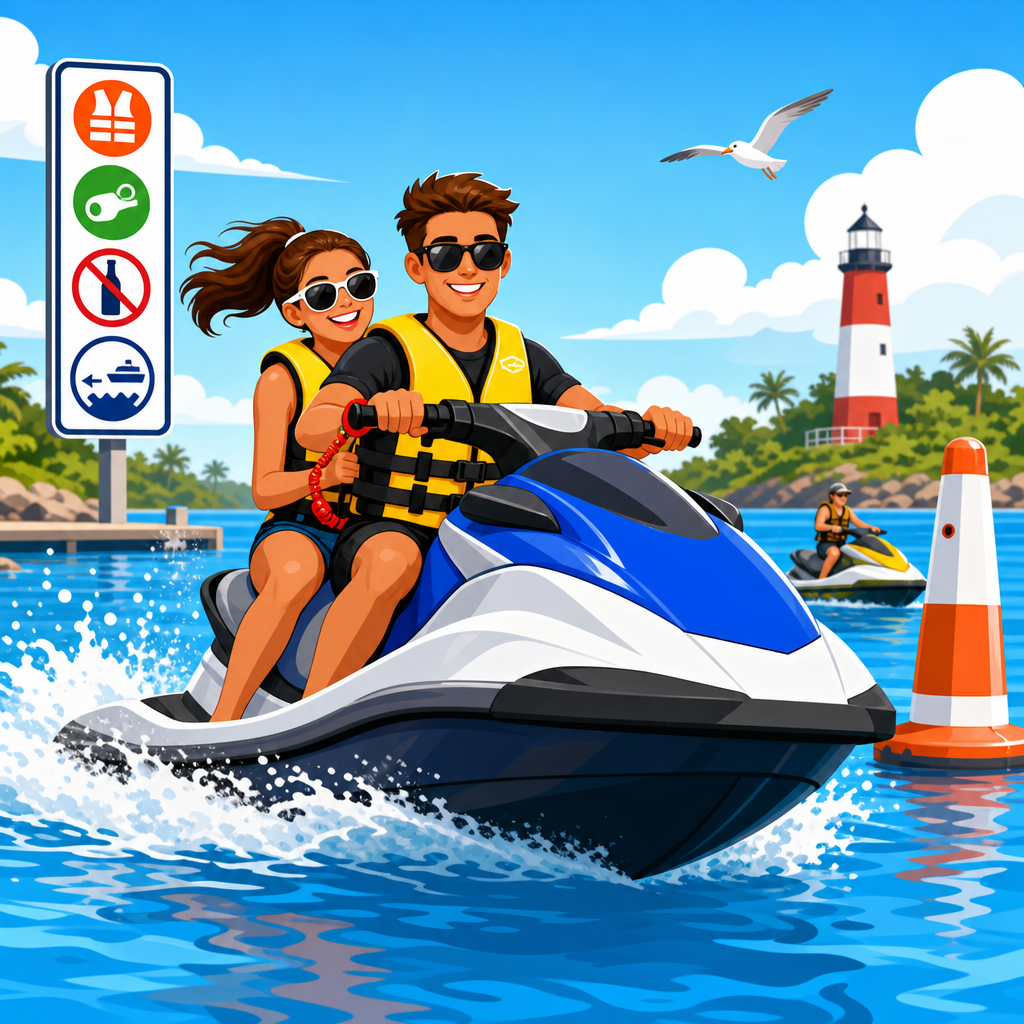
Marker recognition matters too. Regulatory buoys typically use orange symbols on white backgrounds, but local fixed signs, shoreline placards, and electronic notices may supplement them. Boaters should review state boating handbooks, marina notices, and chart updates before a trip. Navigation apps and chartplotters help, but they are not substitutes for posted markers or local emergency orders. Temporary restrictions may be added for dredging, storm damage, fish spawning, fireworks safety perimeters, or search and rescue operations. When in doubt, the prudent standard is clear: slow down, create no wake, and maintain a wide berth.
Experienced operators also adjust technique to the boat’s hull and loading. Deep-V hulls, personal watercraft, center consoles, bass boats, and trawlers all transition differently at low speeds. In some boats, the largest wake appears just before the vessel settles fully off plane. That is exactly why smooth, early deceleration is critical. Good seamanship means planning speed changes well in advance, communicating with passengers, and anticipating cross traffic, paddlers, anglers, and shoreline users who may not be visible at first glance.
Enforcement, Penalties, and the Long-Term Value of Compliance
Speed and wake rules are enforced because voluntary caution alone is not enough in crowded or sensitive waters. Penalties vary by jurisdiction but can include fines, mandatory court appearances, points against boating privileges, civil liability for damage, and enhanced consequences when violations cause injury, wildlife harm, or property loss. In some cases, repeated noncompliance prompts agencies to adopt stricter seasonal closures or broader restricted areas. I have seen that progression play out around marinas and habitat corridors: when too many operators ignore minimum-wake standards, regulators respond with tougher controls that affect everyone, including responsible boaters.
Compliance has measurable long-term benefits. Shoreline erosion repair, dock damage, and habitat restoration are expensive. Seagrass recovery can take years, and wildlife strikes can trigger public pressure for more restrictive access rules. By respecting existing zones, boaters help preserve the freedom to use those waterways with fewer closures and conflicts. Marinas benefit from calmer basins, paddlers and anglers gain safer shared access, waterfront owners face less wake damage, and wildlife managers can target protection where it is most needed instead of expanding blanket restrictions.
The practical takeaway is straightforward. Learn local speed limits before launching, treat no-wake zones as true minimum-wake requirements, and assume restricted areas are there for a serious reason unless posted otherwise. Slow-speed zones are not minor inconveniences; they are a proven management tool that protects marine life, reduces accidents, and keeps boating areas functional under heavy use. If you operate regularly in coastal waters, rivers, or busy lakes, make this page your starting point, then review the related articles on specific speed limits, no-wake rules, marker meanings, and restricted-area enforcement before your next trip.
Frequently Asked Questions
What is a slow-speed zone, and how does it help protect marine life?
A slow-speed zone is a designated area where boaters are legally required to operate at a reduced speed, often at idle speed or just fast enough to maintain steerage. These zones are commonly established in places where wildlife is especially vulnerable, such as manatee habitats, seagrass beds, estuaries, channels used by migrating species, and heavily trafficked coastal or inland waterways. By forcing vessels to slow down, the law reduces the likelihood of high-impact collisions with animals that may be resting, feeding, surfacing, or traveling through the area.
From a marine life protection standpoint, slower speeds matter because they give both the operator and the animal more time to react. Large species such as manatees, sea turtles, and dolphins may not move quickly enough to avoid a fast-moving boat, especially in shallow or murky water. A vessel traveling slowly has a shorter stopping distance, produces less propeller force, and creates a smaller wake, all of which reduce the chance of injury or habitat disruption. In practical terms, slow-speed zones are one of the simplest and most effective tools regulators use to balance boating access with wildlife conservation.
Why are slow-speed zones considered so important in crowded or sensitive waterways?
Slow-speed zones play a major role in making busy waterways safer and more manageable, especially in areas where wildlife, recreational boaters, paddlers, swimmers, anglers, docks, and shoreline property all share limited space. In these environments, high speeds leave very little room for error. Operators need time to identify hazards, interpret channel conditions, account for other vessels, and respond to sudden movement from people or animals in the water. Requiring reduced speed lowers the risk of crashes and helps everyone operate more predictably.
They are also important because the harm caused by speed is not limited to direct collisions. Fast-moving boats generate stronger wakes that can erode shorelines, damage nesting or feeding habitat, disturb shallow grass beds, and create dangerous conditions for smaller craft. In narrow channels or marina approaches, excessive speed can cause boats to surge against docks, interfere with anglers or divers, and trigger chain-reaction safety issues. Slow-speed zones address all of these concerns at once by reducing wake, improving visibility and control, and reinforcing more cautious navigation where conditions demand it most.
How are slow-speed zones different from no-wake zones and standard boating speed limits?
Although these rules are closely related, they are not exactly the same. A standard boating speed limit generally sets a maximum lawful speed for a particular waterway, much like a road speed limit. A no-wake zone is typically more restrictive, requiring a vessel to travel slowly enough that it creates little or no wake. A slow-speed zone usually falls in between as a practical operational rule: the boat must proceed at a reduced speed, often just above idle, in a way that minimizes wake and allows safe maneuvering.
In real-world enforcement, the exact definition can vary by jurisdiction, which is why boaters should always check local statutes, posted signage, and agency guidance. Some areas use terms like “slow speed,” “minimum wake,” or “idle speed/no wake,” and each can carry a slightly different legal meaning. What they have in common is the expectation that operators reduce speed enough to maintain control, avoid creating hazardous wake, and navigate responsibly around wildlife and other water users. Understanding the distinction matters because a boater may technically be below a posted speed limit and still be violating a slow-speed or no-wake rule if their operation endangers marine life or creates excessive wake.
What kinds of marine animals and habitats benefit the most from slow-speed zone regulations?
Slow-speed zones are especially beneficial for species that spend time near the surface, move slowly, or live in waterways with regular vessel traffic. Manatees are one of the most widely cited examples because they often inhabit shallow coastal areas, rivers, and warm-water habitats where boats are common, and they may not be able to avoid approaching vessels quickly enough. Sea turtles, dolphins, and juvenile fish in nursery areas can also benefit when boats move more slowly and carefully through sensitive habitat. In migratory corridors and feeding zones, reduced speed can lessen disturbance and improve survival outcomes.
Habitat protection is just as important as direct animal protection. Seagrass beds, marsh edges, mangroves, oyster areas, and shallow-bottom ecosystems can all be damaged by excessive wake, propeller wash, and abrupt maneuvering at higher speeds. Strong wakes can increase shoreline erosion and disturb sediments, which affects water quality and the health of the broader ecosystem. By calming vessel traffic, slow-speed zones help preserve the conditions marine life depends on, making them valuable not only for individual animals but for the long-term resilience of entire aquatic habitats.
What should boaters do to comply with slow-speed zones and navigate responsibly?
Compliance starts with attention and preparation. Boaters should watch for posted markers, channel signs, marina notices, maps, and local regulatory updates before and during every trip. Once in a slow-speed zone, the operator should reduce speed early rather than waiting until the last moment, maintain a pace that allows full control of the vessel, and keep wake to a minimum. That usually means running just above idle speed, staying alert for surfacing wildlife, and avoiding sudden throttle changes that can create unnecessary wash or reduce reaction time.
Responsible navigation also means understanding that compliance is about more than simply matching a number on a speedometer. Operators should scan continuously for animals, swimmers, paddlecraft, fishing gear, docks, and other boats, particularly in narrow channels, low-visibility conditions, or shallow water. Giving wildlife a wide berth, trimming up only when appropriate, following marked routes, and remaining patient in congested areas are all part of safe operation. Boaters who treat slow-speed zones as active protection measures rather than minor inconveniences help reduce injuries, protect fragile ecosystems, and make waterways safer for everyone who depends on them.