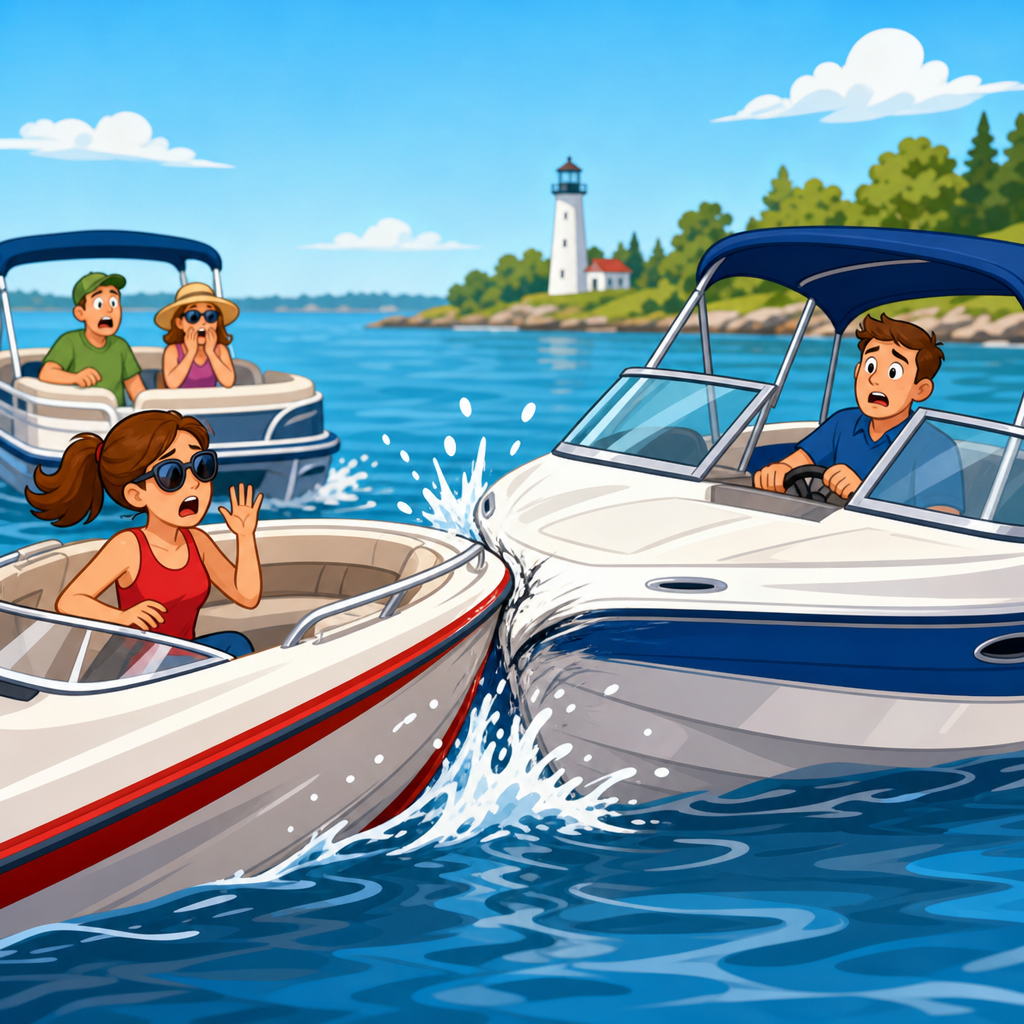
What happens if your boat causes an accident? The short answer is that the owner and operator can face immediate safety duties, civil liability, regulatory penalties, insurance disputes, and, in serious cases, criminal exposure. In boating law, an “accident” usually means a collision, allision with a fixed object, wake damage, fire, capsizing, flooding, propeller strike, or any incident causing injury, death, disappearance, or significant property damage. “Boat owner” and “operator” are not always the same person, and that distinction matters because liability often turns on who controlled the vessel, who maintained it, and whether the owner entrusted it to a competent person.
This topic matters because boating incidents unfold fast and the legal consequences last for months or years. I have seen owners assume a crash on the water is handled like a minor fender bender on land, only to learn that maritime rules, state boating statutes, federal reporting requirements, and insurance conditions create a much more demanding framework. The owner of a recreational vessel may owe duties before the trip begins, during navigation, and after the accident itself. Those duties can include carrying required safety gear, following navigation rules, supervising passengers, reporting the incident, preserving evidence, and cooperating with investigators without making damaging admissions.
As a hub topic under boating laws and regulations, legal responsibilities of boat owners include more than fault after a collision. They also include registration, titling, operator education, maintenance, safe loading, alcohol compliance, environmental rules, and the obligation to prevent foreseeable harm. When a boat causes an accident, authorities, insurers, injured passengers, and other vessel owners will ask the same core questions: Who was operating? Was the boat seaworthy? Were the navigation rules followed? Was speed reasonable for conditions? Was proper lookout maintained? Was alcohol involved? Was the owner careless in lending the boat? Clear answers to those questions usually determine who pays and what penalties follow.
For readers trying to understand liability after a boating accident, this guide explains the owner’s legal responsibilities in plain terms. It covers immediate duties at the scene, how fault is determined, when an owner is responsible for another person’s operation, what insurance typically covers, what agencies may investigate, and what practical steps protect your legal position. It also serves as a central resource for related issues such as negligent entrustment, passenger injuries, property damage claims, boating under the influence, required accident reporting, and recordkeeping. If your boat causes an accident, the facts from the first hour often shape the entire legal outcome.
Immediate legal duties after a boating accident
The first responsibility is safety. Under federal law and most state statutes, the operator must stop, render assistance to anyone affected so far as practical without seriously endangering their own vessel or passengers, and exchange identifying information. Assistance can mean retrieving a person from the water, calling the Coast Guard or local marine patrol on VHF channel 16 or 911 where available, providing flotation, and staying on scene until responders arrive. Leaving the scene can turn a civil problem into a criminal one, especially if someone is injured or missing.
Accident reporting is the next critical duty. The U.S. Coast Guard’s Boating Accident Report framework, implemented through state reporting systems for most recreational incidents, generally requires a formal report when there is a death, disappearance, injury needing more than first aid, property damage above a reporting threshold, or a complete loss of the vessel. Deadlines vary depending on severity and state law, but waiting is a mistake. Owners should also notify their insurer promptly because many policies require immediate or timely notice as a condition of coverage.
Evidence preservation starts at the scene. Take photographs of hull damage, electronics displays, weather, markers, and injuries if possible. Save chartplotter tracks, engine data, text messages about the trip, maintenance records, fuel receipts, rental or lending communications, and passenger lists. I advise owners not to repair the vessel, erase electronics, or post about the incident online before the insurer or counsel reviews the facts. Casual statements like “I never saw them” or “the brakes failed,” even though boats do not have brakes, are often quoted later as admissions of poor lookout or mechanical neglect.
How fault is determined on the water
Fault in a boating accident is usually based on negligence: failing to use reasonable care under the circumstances. On the water, reasonable care is measured against navigation rules, local speed and wake restrictions, weather and visibility, traffic density, and the condition of the vessel. The Inland Navigation Rules and International Regulations for Preventing Collisions at Sea set baseline duties such as maintaining a proper lookout, proceeding at a safe speed, taking early action to avoid collision, understanding crossing and overtaking situations, and using lights and sound signals correctly.
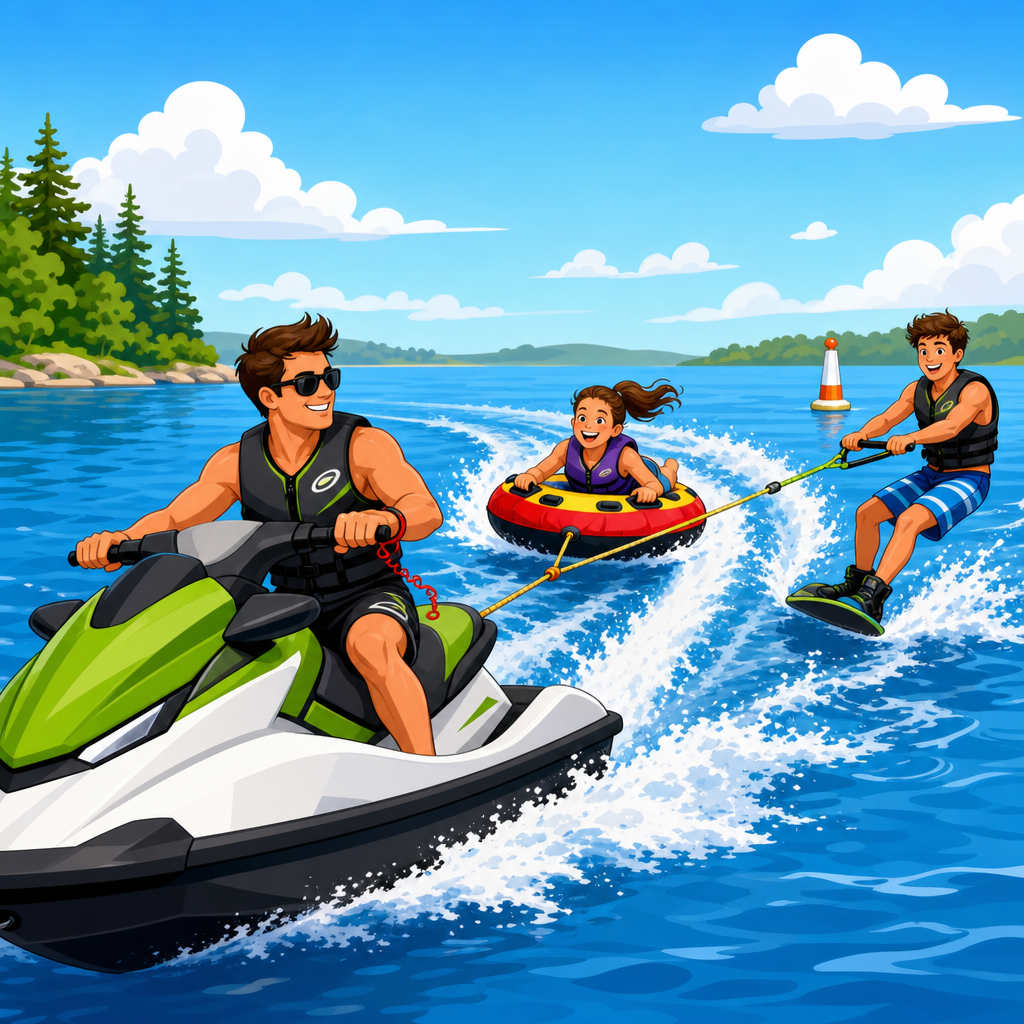
A common misconception is that the larger boat automatically has the right of way. In reality, right of way depends on the encounter. In a crossing situation, the give-way vessel must take early and substantial action, while the stand-on vessel must maintain course and speed until collision risk becomes immediate. In narrow channels, traffic patterns differ. Near swimmers, docks, and no-wake zones, speed that is legal in open water may still be negligent. I have seen claims turn on a single detail, such as whether the operator posted a lookout while towing a skier or relied only on a mirror where state law required an observer.
Comparative fault often applies. If one operator was speeding but the other was unlit at dusk, both may share responsibility. Passengers can also bear some fault if they ignored safety instructions, sat in prohibited areas, or distracted the operator. Mechanical failures raise a separate question: was the failure truly sudden, or did poor maintenance cause it? A seized steering cable, dead navigation lights, or a fuel leak that should have been discovered during inspection can make the owner liable even if another person was holding the helm.
When the boat owner is liable even if someone else was operating
Owners are often surprised to learn they can be liable when they were not aboard. The most important theory is negligent entrustment. If you allow an inexperienced, intoxicated, reckless, or unlicensed person to use your boat when you knew or should have known they posed a risk, you may be responsible for the harm that follows. Lending a high-horsepower center console to a friend who has never handled current, docking, or emergency shutoff procedures is a classic example. So is allowing a teenager to operate at night without training.
Owner liability can also arise from maintenance and equipment failures. If the bilge pump does not work, the engine cut-off lanyard is missing, required life jackets are absent, fire extinguishers are expired, or steering components are worn, the owner may be directly negligent. The same is true for overloading the vessel, installing unsafe aftermarket equipment, or ignoring manufacturer recalls. In some states and factual settings, family-purpose doctrines, permissive-use statutes, or agency principles can expand the owner’s exposure beyond straightforward negligence.
Commercial and rental contexts create added layers. Marina operators, tour companies, fishing charters, and peer-to-peer boat rental hosts may face claims for inadequate training, poor inspection, defective safety briefings, or employing unqualified captains. Written waivers help only in limited ways and generally do not protect against gross negligence, statutory violations, or claims involving minors where state law restricts releases. Ownership through an LLC can reduce some business risk, but it does not erase personal liability for your own negligent operation or maintenance decisions.
Common claims, penalties, and financial consequences
If your boat causes an accident, the legal fallout usually arrives through insurance claims, demand letters, and sometimes lawsuits. The most common civil claims are for medical bills, lost income, pain and suffering, vessel repair or total loss, towing and salvage charges, dock or seawall damage, and wrongful death. Propeller strikes, ejections, and drowning cases often involve large damages because injuries are catastrophic and lifelong. Environmental cleanup costs can also be substantial if fuel or oil is released.
Regulatory and criminal penalties depend on what happened. Operating under the influence, reckless operation, excessive wake in restricted areas, lack of required safety equipment, hit and run, and failure to report can lead to fines, suspension of boating privileges, and jail in severe cases. Fatality cases may trigger charges such as vessel homicide or manslaughter under state law if intoxication or extreme negligence is proven. Investigations may involve state wildlife officers, sheriffs, harbor patrol, the Coast Guard, or the National Transportation Safety Board in unusual major incidents.
| Issue | Typical consequence | Example |
|---|---|---|
| Injury to passenger | Medical claim and possible lawsuit | Passenger falls during high-speed turn and fractures spine |
| Collision with another boat | Shared or sole property damage liability | Improper crossing maneuver crushes bow rail and electronics |
| Alcohol involvement | Criminal charges and coverage disputes | Operator fails field sobriety testing after nighttime crash |
| Failure to report | Fines and credibility damage | Owner reports days late despite hospitalization |
| Poor maintenance | Direct owner negligence claim | Steering failure traced to neglected cable corrosion |
Financial exposure can exceed the boat’s value quickly. A modest runabout worth $25,000 can generate six-figure claims if a passenger suffers traumatic brain injury. Legal defense costs alone are significant, which is why policy limits matter. Owners should understand the difference between liability coverage, hull coverage, medical payments, uninsured boater coverage, and pollution or wreck-removal provisions. Umbrella policies sometimes help, but many personal umbrellas exclude watercraft above certain lengths or horsepower unless specifically endorsed.
Insurance, investigations, and smart post-accident steps
Boat insurance is a contract, not a guarantee, so compliance matters. Most policies require prompt notice, cooperation, protection of the damaged property from further loss, and avoidance of voluntary payments or admissions. Some policies cover temporary wreck removal, salvage, or towing; others impose narrow sublimits. Insurers will examine operator qualifications, navigational territory, commercial use exclusions, racing exclusions, and whether the named insured disclosed the boat’s horsepower, modifications, and storage location accurately. A coverage denial often begins with a technical inconsistency rather than the accident itself.
Investigations focus on documents and data. Expect requests for registration, titles, proof of insurance, operator education certificates, maintenance logs, repair invoices, GPS tracks, marine radio logs, and witness information. If law enforcement suspects impairment, they may seek breath, blood, or urine testing under state implied-consent rules for boating. In serious injury or fatality matters, owners should speak with counsel early because statements made in an effort to be helpful can unintentionally establish fault, prior knowledge of defects, or negligent entrustment.
Practical steps after any accident are consistent: secure medical care, notify authorities, document the scene, notify the insurer, preserve electronics and records, identify witnesses, and avoid speculative statements. For long-term risk reduction, owners should treat compliance as routine seamanship. Keep a float plan, maintain logs, complete recognized training such as NASBLA-approved courses, follow manufacturer service intervals, test safety gear, and create written lending rules for anyone who uses the boat. Those habits do more than prevent accidents; they create the evidence that protects you if an accident occurs.
Prevention and long-term owner responsibility
The strongest legal defense is disciplined prevention. Owners should inspect the vessel before every trip, confirm weather and local notices, verify fuel and battery condition, test bilge pumps and navigation lights, and account for life jackets by size and number. The operator should brief passengers on seating, emergency shutoff use, reboarding methods, fire extinguishers, radio procedures, and the dangers of bow riding or swimming near a running propeller. On towing trips, assign a dedicated observer where required and use clear hand signals. On crowded holiday weekends, reduce speed well before conditions force you to.
Documentation deserves equal attention. Keep registration current, store receipts for repairs and annual service, record winterization and de-winterization, and photograph safety equipment at the start of the season. If you lend the boat, note who used it, when, and whether they completed orientation. I encourage owners to create a checklist covering drain plugs, kill switch lanyard, throwable flotation, horn, flares where required, anchor, and VHF function. A written checklist may seem simple, but in litigation it can demonstrate a consistent culture of care rather than after-the-fact excuses.
Ultimately, if your boat causes an accident, the law asks whether you acted like a careful owner before, during, and after the event. That means choosing competent operators, maintaining a seaworthy vessel, following navigation rules, assisting others, reporting promptly, and preserving evidence. The benefit of understanding these responsibilities is not merely avoiding penalties; it is reducing the chance that a day on the water becomes a preventable tragedy and a costly legal battle. Review your insurance, update your safety procedures, and use this hub as your starting point for every boat owner responsibility that follows.
Frequently Asked Questions
What should you do immediately if your boat causes an accident?
If your boat is involved in an accident, your first legal and practical duty is to protect human life. That means stopping the vessel, checking for injuries, helping anyone in danger if you can do so safely, and contacting emergency responders or the Coast Guard when appropriate. In many jurisdictions, leaving the scene of a boating accident can create serious legal problems, especially if someone is injured, missing, or killed. After immediate rescue and safety concerns are addressed, you should exchange identification and vessel information with the other parties, much like after a car accident, and document what happened. Photos of vessel damage, the water conditions, weather, visibility, navigation markers, and any injuries can become important later.
You should also report the incident when the law requires it. Boating accidents often must be reported to a state agency, marine patrol, or the U.S. Coast Guard depending on where the accident occurred and how serious it was. Incidents involving death, disappearance, injury requiring more than basic first aid, substantial property damage, total vessel loss, or certain other qualifying events typically trigger mandatory reporting rules. Even if you are upset or convinced the other party caused the event, avoid guessing, blaming, or admitting fault at the scene. Statements made in the immediate aftermath can later affect insurance claims, civil lawsuits, or enforcement actions. Once everyone is safe, notify your insurer promptly and consider speaking with a boating accident attorney if there are injuries, major losses, or questions about responsibility.
Who can be held responsible if your boat causes an accident?
Responsibility in a boating accident does not always fall on just one person. The boat operator is often the first person examined because operators control speed, lookout, navigation, passing, anchoring, and compliance with boating rules. If the operator was inattentive, impaired, inexperienced, speeding, violating no-wake restrictions, or operating recklessly, that person may face direct liability. But the owner can also be exposed, even if someone else was driving. For example, an owner may be responsible for negligent entrustment if they allowed an intoxicated, untrained, underage, or otherwise unsafe person to operate the vessel. An owner may also face claims for poor maintenance if equipment failure, steering problems, lighting defects, or lack of safety gear contributed to the accident.
In some cases, responsibility extends beyond the owner and operator. A rental company, marina, mechanic, manufacturer, or another vessel may share fault depending on the facts. A defective fuel system, failed throttle, hidden design flaw, improper repairs, or dangerous dock conditions can all shift part of the liability to a third party. Maritime and state negligence principles often allow fault to be divided among multiple people or entities. That means even if your boat started the chain of events, another party’s conduct may still matter. Because boating accidents often involve layered facts, the legal answer depends on who owned the vessel, who was operating it, what safety rules applied, whether alcohol or weather played a role, and whether any equipment or maintenance issue contributed to the harm.
Can you be sued if your boat causes injury, death, or property damage?
Yes. If your boat causes an accident, you may face a civil claim or lawsuit for medical bills, lost income, pain and suffering, property damage, rescue costs, and other losses. If someone dies, surviving family members may bring a wrongful death claim. If a passenger is hurt, another boater is injured, a swimmer is struck, or a dock or seawall is damaged, the financial consequences can be substantial. Boating cases can involve both state law and maritime law, depending on where the accident occurred and how the vessel was being used. The legal theories may include negligence, negligent entrustment, failure to maintain the vessel, failure to provide proper safety equipment, or violation of navigation rules.
Being sued does not automatically mean you will be found fully at fault. Liability may be shared, and the amount of damages can depend on evidence such as witness statements, GPS data, chartplotter records, onboard electronics, toxicology results, maintenance logs, weather records, and accident reconstruction. In some situations, an owner may try to limit financial exposure through insurance or by invoking legal defenses. However, those protections are not automatic, and they can become complicated if the operator was unauthorized, intoxicated, acting recklessly, or using the vessel for an excluded purpose. The more serious the injuries and property damage, the more important it becomes to preserve evidence early and get legal advice before making detailed statements to insurers or investigators.
Will boat insurance cover an accident caused by your vessel?
Boat insurance may help cover an accident, but coverage depends heavily on the policy language and the facts of the incident. Many policies provide liability coverage for bodily injury and property damage caused by the insured vessel, and some also include medical payments, wreck removal, fuel spill response, towing, or uninsured boater coverage. But boat insurance is not standardized in the same way many people assume car insurance is. Coverage limits, named operator restrictions, navigation territory limits, lay-up periods, business-use exclusions, racing exclusions, and alcohol-related exclusions can all affect whether the insurer pays. If someone not listed on the policy was operating the boat, or if the vessel was used outside the allowed area or season, the insurer may investigate closely and potentially deny part or all of the claim.
Insurance disputes are common after serious boating accidents because the damages can be high and the factual issues are often contested. An insurer may question who was actually operating the boat, whether the vessel was properly maintained, whether the owner misrepresented anything on the application, or whether the accident involved intentional or criminal conduct. Even when coverage applies, policy limits may not be enough to cover major injuries or fatalities. In that situation, the owner or operator could still face personal financial exposure. For that reason, it is important to report the claim promptly, cooperate carefully, preserve records, and avoid casual statements that could be interpreted as admissions. If the insurer reserves rights, delays payment, or denies coverage, legal review is often necessary.
Could a boating accident lead to fines, license problems, or criminal charges?
Yes. A boating accident can lead to more than a private insurance claim or lawsuit. Regulatory agencies may investigate whether the operator violated boating safety laws, navigation rules, equipment requirements, registration rules, reporting obligations, or environmental regulations. Depending on the circumstances, the operator could receive citations, fines, mandatory safety education requirements, or suspension or revocation of boating privileges. Failing to render aid, failing to report a qualifying accident, operating without required safety equipment, and violating no-wake or navigation rules are all issues that can trigger enforcement consequences.
Criminal exposure becomes more likely when the accident involves intoxication, reckless operation, excessive speed, hit-and-run behavior on the water, serious bodily injury, or death. Boating under the influence is treated very seriously and can result in arrest, fines, jail time, probation, and long-term consequences beyond the boating case itself. In fatal cases, prosecutors may look at homicide-related charges depending on the evidence and the applicable law. Investigators often review blood alcohol testing, witness accounts, surveillance, vessel damage patterns, electronic data, and emergency communications to decide whether criminal conduct occurred. Because civil liability, insurance coverage, and criminal defense issues can overlap, anyone involved in a serious boating accident should take the matter seriously from the start and get qualified legal guidance as early as possible.