Liability laws for boat owners determine when a vessel owner is legally responsible for injuries, property damage, pollution, or financial loss connected to the operation and condition of a boat. In practice, these rules affect far more than dramatic collision cases. They shape everyday decisions about maintenance, passenger safety, insurance, alcohol use, storage, lending a boat to friends, hiring crew, and responding after an accident. If you own a fishing skiff, pontoon, wake boat, sailboat, personal watercraft, or offshore cruiser, understanding liability is as important as understanding navigation lights or right-of-way rules.
Boat owner liability combines state boating statutes, federal maritime principles, insurance contract terms, and general negligence law. Negligence usually means failing to use reasonable care under the circumstances. For boat owners, that can include operating at unsafe speed, allowing an unqualified person to take the helm, ignoring weather warnings, failing to maintain steering or fuel systems, overloading passengers, or not carrying legally required safety equipment. Liability can also arise even when the owner is not physically onboard. I have seen owners assume that handing over the keys shifts all risk to the operator. It does not. Ownership creates ongoing duties that courts and insurers take seriously.
This matters because boating accidents can produce expensive claims quickly. A propeller injury, marina fire, carbon monoxide exposure, tow-sports accident, or grounding that spills fuel can trigger medical bills, lost wages, salvage costs, environmental penalties, and lawsuits from multiple parties. The U.S. Coast Guard consistently reports thousands of recreational boating incidents each year, with operator inattention, improper lookout, excessive speed, and alcohol among the leading contributing factors. Those facts make liability law a practical issue, not a niche legal topic. A clear grasp of legal responsibilities helps owners prevent accidents, protect passengers, preserve insurance coverage, and make better decisions before something goes wrong.
What legal responsibilities does a boat owner have?
A boat owner has a basic duty to keep the vessel reasonably safe, comply with boating laws, and avoid conduct that creates foreseeable harm. That duty starts before launch. Owners must register and title the vessel where required, display identification properly, carry mandated safety gear, and follow age, education, and equipment rules that vary by state. Federal rules apply on navigable waters, especially regarding navigation, lighting, discharge, accident reporting, and operator conduct. The owner is also responsible for maintaining hull integrity, fuel lines, bilge pumps, electrical systems, navigation lights, life jackets, fire extinguishers, ventilation, and carbon monoxide safeguards where applicable.
Reasonable care is judged by circumstances. A 14-foot aluminum boat on an inland lake and a 42-foot cruiser in coastal waters present different risks, but the standard is the same: what would a prudent owner do? That often includes documenting maintenance, correcting known defects quickly, and providing clear instructions to anyone using the boat. If a throttle sticks, the ladder is broken, the blower fails, or navigation lights do not work, an owner who launches anyway may be creating evidence of negligence. If an owner knows a guest cannot swim, lacks a life jacket that fits, and is riding on the bow while underway, the exposure increases further.
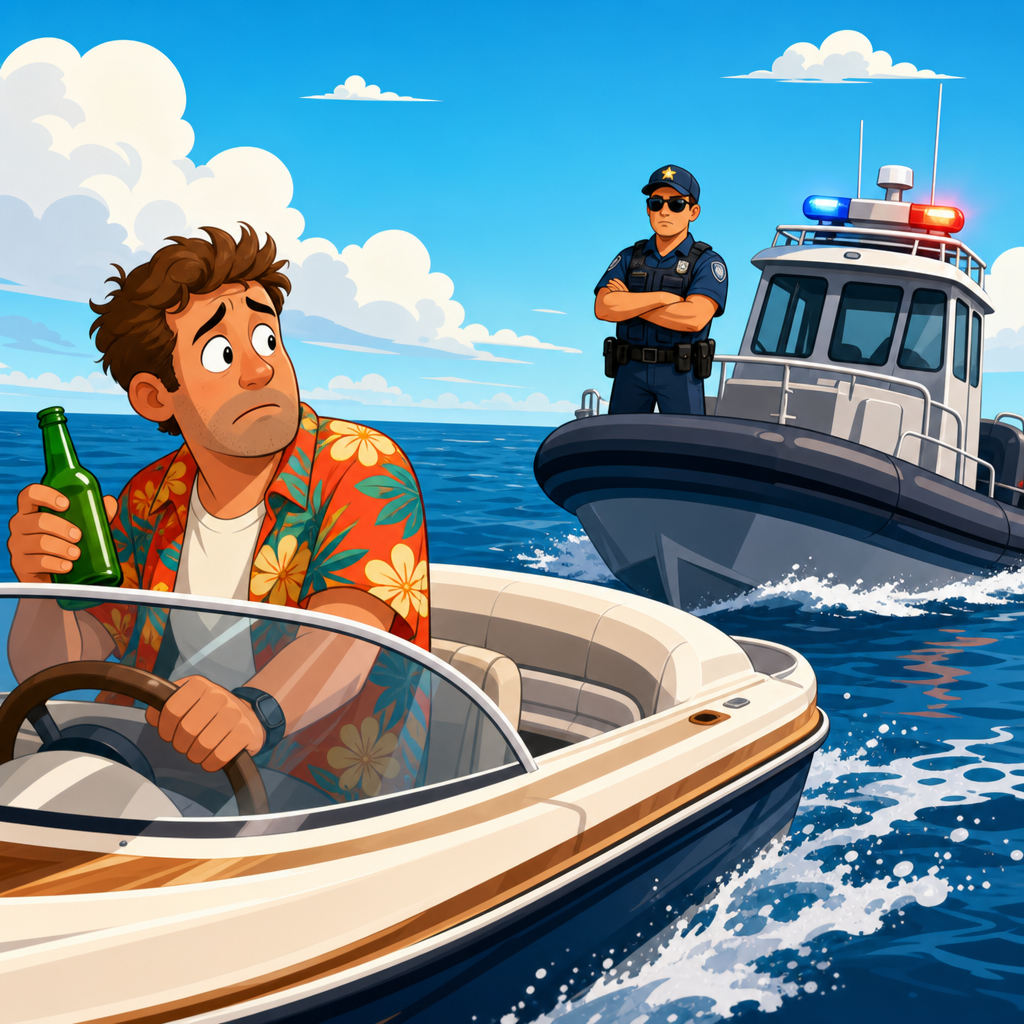
One overlooked duty is supervision of permitted operators. Owners are often liable for negligent entrustment, meaning they allowed someone unfit to operate the boat. Examples include lending a wake boat to a teenager without required boater education, allowing an intoxicated friend to drive, or giving control to someone unfamiliar with local channels, tides, or high-horsepower handling. Courts look at what the owner knew or should have known. A casual handoff can become a serious legal problem when prior reckless behavior, obvious intoxication, or lack of experience was visible before departure.
How negligence, maritime law, and state law interact
Most liability claims against boat owners are built around negligence, but boating adds layers. On navigable waters, federal maritime law may apply, especially when the incident has a substantial relationship to traditional maritime activity. Maritime law affects jurisdiction, available remedies, comparative fault, and sometimes limitation of liability arguments. State law still matters for registration, education requirements, intoxication standards, and many personal injury or property damage issues. The exact mix depends on where the event happened, the type of vessel, and whether the waterway is considered navigable for admiralty purposes.
Comparative fault is especially important. Liability is not always all or nothing. If a passenger ignored safety instructions, another operator violated right-of-way rules, or a marina contributed through poor dock maintenance, fault may be divided among parties. That does not eliminate the owner’s exposure, but it can reduce damages attributed to the owner. In real claims, evidence such as GPS tracks, chartplotter data, witness statements, surveillance footage, Coast Guard or marine patrol reports, and maintenance logs often determines how fault is allocated. Owners who understand this preserve evidence early instead of relying on memory after the fact.
Some owners ask whether maritime limitation statutes can cap their liability. In certain cases, vessel owners may petition to limit liability to the value of the vessel after the casualty, but this is narrow, technical, and far from automatic. If the owner had privity or knowledge of the negligent condition or conduct, limitation may fail. A corroded fuel line, ignored engine-room hazard, or knowingly unqualified operator can defeat that protection. For recreational owners, the safer assumption is that ordinary negligence rules, insurance limits, and asset exposure matter far more than rare statutory defenses.
Common situations that trigger boat owner liability
Boat owner liability usually grows out of recurring fact patterns. Collisions are the most obvious, often caused by speed, poor lookout, wake misuse, restricted visibility, or misunderstanding navigation rules. Passenger injury claims are also common. People fall overboard, slip on wet decks, suffer propeller strikes during boarding, or are hurt while tubing, wakesurfing, or diving from an anchored vessel. Mechanical failures create another category, especially fires from fuel vapor ignition, steering loss, battery and shore-power faults, and carbon monoxide buildup around enclosed swim platforms or generators.
Marina and dock incidents also produce claims that surprise owners. A poorly secured boat can break loose in a storm and damage neighboring vessels. Faulty wiring can start a fire that spreads through a marina. Fuel spills during fueling or maintenance can lead to cleanup costs and regulatory scrutiny. Towing and assistance situations are another source of disputes. Owners may be accused of unsafe towing practices, inadequate observer use, improper tow rope setup, or operating too close to swimmers and shorelines. In each example, investigators ask the same question: did the owner act as a reasonably careful person would under those conditions?
| Scenario | Typical legal issue | Example of owner exposure |
|---|---|---|
| Friend operates owner’s boat after drinking | Negligent entrustment | Owner knew operator was impaired but allowed departure |
| Passenger injured by missing handrail | Unsafe condition and poor maintenance | Known defect was not repaired before outing |
| Fuel spill at marina | Pollution liability | Cleanup costs, fines, and third-party damage claims |
| Collision in no-wake zone | Operational negligence | Excessive speed and rule violation support fault finding |
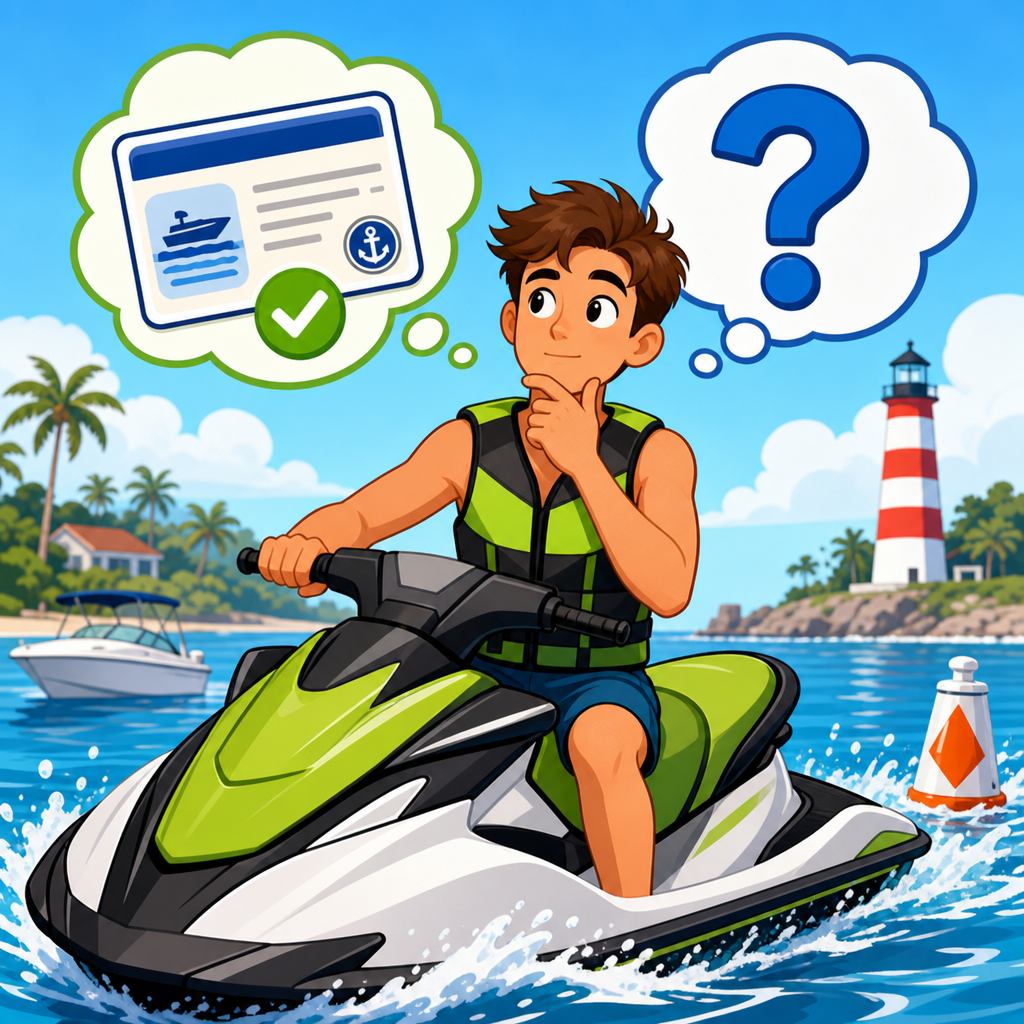
| Untrained teen driving personal watercraft | Statutory violation and entrustment | Owner failed to verify age and education compliance |
Passengers, guests, renters, and borrowed boats
Owners owe duties not only to other boaters but also to passengers, invited guests, and sometimes people using the boat with permission. The precise standard can vary, yet the practical rule is simple: if people are onboard because the owner allowed it, the owner must take reasonable steps to protect them from preventable harm. That includes boarding safely, briefing basic rules, matching life jackets to passengers, monitoring alcohol use, and stopping dangerous behavior such as sitting on gunwales underway or swimming near a running engine. These measures are not formalities. In injury litigation, small omissions become central facts.
Rental and sharing arrangements add complexity. If an owner charters the vessel, lists it through a peer-to-peer platform, or lends it informally, liability may expand through contract obligations, commercial-use exclusions, and screening failures. Many recreational policies exclude coverage when the boat is rented for a fee or used outside declared purposes. I have seen owners discover too late that a friendly cost-sharing arrangement looked like an unauthorized charter to the insurer. Written agreements, operator qualification checks, and insurer approval matter before any exchange of money or long-term lending arrangement.
Borrowed boat situations raise another common question: who is liable, the owner or the operator? Often both can be. The operator may be directly negligent for navigation mistakes, while the owner may face claims for entrustment, maintenance failures, or statutory owner responsibility. If the operator was expressly prohibited from taking passengers, towing riders, or going offshore but did so anyway, those facts may shift some responsibility. Still, owners should not assume private instructions automatically shield them. Courts examine whether restrictions were clear, realistic, and enforced, and whether the owner should have foreseen misuse.
Insurance, documentation, and post-accident duties
Boat insurance does not replace liability law, but it heavily influences outcomes. A strong marine policy can provide defense costs, indemnity for bodily injury and property damage, medical payments, wreck removal, fuel spill coverage, and sometimes uninsured boater protection. Policies differ sharply. Agreed value and actual cash value terms affect hull claims, while navigation limits, named operator warranties, lay-up periods, and commercial-use exclusions affect liability coverage. Owners should read the policy language, not just the declarations page. The wrong assumption about who may operate the vessel or where it may travel can trigger a denial at the worst possible time.
Documentation is one of the best defenses an owner controls. Keep maintenance invoices, engine service records, winterization logs, safety equipment checklists, boater education certificates, and written operating rules for family members or approved users. If a claim arises, those records help prove the boat was maintained and the owner acted responsibly. Electronic evidence is equally important. Many modern vessels store engine hours, fault codes, route history, and sometimes camera footage. Preserving that data immediately after an event can make the difference between a manageable claim and a credibility problem.
After an accident, owners have immediate legal responsibilities. First, render aid as required if it can be done safely. Second, notify marine law enforcement or the Coast Guard when reporting thresholds are met, such as death, disappearance, serious injury, or significant property damage. Third, exchange identifying information, document the scene, and notify the insurer promptly. Do not admit fault casually at the dock; facts are rarely complete in the first hour. At the same time, do not hide evidence or delay required reporting. Honest, prompt, documented action protects both safety and legal position.
How to reduce liability risk as a boat owner
The most effective way to reduce boat owner liability is to build a repeatable safety and compliance system. Start with the vessel itself: follow manufacturer maintenance schedules, inspect fuel and electrical systems before each season, replace expired flares and fire extinguishers, test navigation lights, verify ventilation, and confirm every passenger has access to a properly sized life jacket. Next, control who operates the boat. Require boater education where available even if the law does not, set written family rules, prohibit alcohol at the helm, and refuse requests from anyone who lacks experience for the conditions.
Then manage the trip like a professional captain would. Check weather, tides, water levels, local hazards, and no-wake zones. File a float plan for longer runs. Give a short safety briefing before departure covering seating, handholds, life jackets, emergency shutoff devices, swimming rules, and what to do if someone falls overboard. For tow sports, use an observer when required, maintain clear separation from docks and swimmers, and follow state-specific distance rules. If children are onboard, assign adult supervision explicitly rather than assuming someone is watching. Preventable accidents usually begin with assumptions, not bad luck.
Finally, review your legal and insurance posture once a year. Confirm registration, title, taxes, and state numbering are current. Revisit policy limits to match real exposure, especially if you boat in crowded areas, own a high-horsepower vessel, or regularly carry guests. Update any co-owner, spouse, or marina contract information. If you charter, join a club, or place the vessel in shared use, clear that structure with your insurer and maritime attorney first. Liability laws for boat owners are manageable when treated as part of routine seamanship. Audit your practices now, fix weak points, and make safety documentation a habit before the next launch.
Frequently Asked Questions
When is a boat owner legally liable for an accident or injury?
A boat owner can be legally liable when their negligence, carelessness, or failure to meet basic legal duties contributes to an accident, injury, death, or property damage. In simple terms, liability often turns on whether the owner acted reasonably under the circumstances. That can include operating too fast for conditions, failing to keep proper lookout, ignoring navigation rules, allowing an inexperienced person to operate the vessel, operating while under the influence, or failing to maintain essential equipment such as lights, steering, bilge pumps, life jackets, fire extinguishers, or navigation systems. Owners may also face liability even if they were not physically driving the boat at the time, especially if they knowingly allowed an unqualified, reckless, or intoxicated person to use it.
Boat owner liability is not limited to collisions with other vessels. It can also arise from slips and falls on wet decks, propeller injuries, wake damage, dock impacts, carbon monoxide exposure, towing accidents involving skiers or tubers, and injuries caused by defective or poorly maintained onboard equipment. In some cases, liability may extend to passengers, swimmers, marina operators, nearby property owners, or even environmental agencies if fuel spills or other pollution occurs. The exact outcome depends on state law, federal maritime law, where the accident happened, and the facts of the incident, but the core principle is consistent: if the owner’s decisions or the vessel’s unsafe condition played a meaningful role in the harm, legal responsibility may follow.
Does boat ownership alone make someone responsible if another person was operating the vessel?
Not automatically, but ownership alone does not shield someone from responsibility either. Whether a boat owner is liable when another person was at the helm depends on several legal theories. One of the most common is negligent entrustment, which means an owner may be responsible for lending the boat to someone they knew, or should have known, was inexperienced, reckless, intoxicated, unlicensed where licensing is required, or otherwise unfit to operate safely. For example, handing over a wake boat to a friend with little boating experience, or allowing someone to take a pontoon out after drinking, can create serious legal exposure for the owner if an accident occurs.
Owners may also be liable if the boat itself was unsafe before it left the dock. If faulty steering, missing safety gear, bad lights, engine problems, or overcrowding contributed to the incident, the owner may still be responsible regardless of who was driving. In addition, if the operator was an employee, hired captain, deckhand, or someone acting on the owner’s behalf, different rules may apply that increase the owner’s exposure. The practical takeaway is that lending a boat should be treated as a serious legal decision. Owners should confirm that the operator is competent, sober, familiar with the vessel, aware of local laws and water conditions, and covered under the applicable insurance policy.
What kinds of damages can a boat owner be required to pay after an incident?
A boat owner’s financial exposure can be much broader than many people expect. If the owner is found liable, they may be required to pay medical expenses, emergency transport costs, rehabilitation expenses, lost wages, diminished earning capacity, property repair or replacement costs, pain and suffering, and, in fatal accidents, wrongful death damages. If another boat, dock, seawall, marina structure, or waterfront property is damaged, repair costs can be substantial. Cases involving severe injury, permanent disability, or multiple victims can quickly exceed the value of the boat itself, which is why liability insurance is so important.
In addition to personal injury and property claims, owners can face costs tied to environmental damage and statutory penalties. Fuel leaks, oil discharge, sewage violations, or sinking incidents can trigger cleanup obligations and government fines. There may also be towing, salvage, wreck removal, and storage charges. In some situations, courts may award punitive damages if the conduct was especially reckless, such as intoxicated operation or knowingly ignoring major safety defects. Legal defense costs alone can be significant even before fault is fully determined. Because boating incidents can involve overlapping state and federal rules, the amount and type of damages available often depend on where the event occurred, who was involved, and whether maritime law applies.
How do maintenance, safety equipment, and alcohol use affect a boat owner’s liability?
They affect it enormously. A major part of a boat owner’s legal duty is keeping the vessel in a reasonably safe condition and operating it responsibly. That means performing routine maintenance, fixing known hazards, checking steering and throttle response, ensuring electrical and fuel systems are safe, maintaining lights and communications equipment, and making sure required safety gear is onboard and accessible. If an accident happens because the owner ignored a worn ladder, failed bilge pump, broken navigation light, defective kill switch, bad trailer tie-down practice, or expired fire extinguisher, that neglect can become the foundation of a liability claim. Courts and insurers often look closely at maintenance records, inspection history, repair receipts, and whether the owner complied with manufacturer recommendations and boating regulations.
Alcohol is another major factor because boating under the influence is both dangerous and legally damaging. If an owner or operator consumes alcohol and an accident follows, that fact can strongly support claims of negligence or recklessness. It may also affect insurance coverage, trigger criminal charges, and increase the likelihood of large civil damages. Even when the owner was not drinking personally, allowing intoxicated passengers to create unsafe conditions or permitting a drunk friend to take the helm can create liability problems. Good risk management is straightforward but important: maintain the vessel carefully, document repairs, carry required and recommended safety equipment, brief passengers, avoid overloading, monitor weather and water conditions, and treat alcohol around boating as a legal and safety issue, not just a social choice.
What should boat owners do after an accident to protect themselves legally and financially?
After a boating accident, the first priority is safety: stop the vessel if possible, assist anyone who is injured, call emergency services or the Coast Guard when needed, and take reasonable steps to prevent further harm. Boat owners should exchange identifying information, report the incident to the proper authorities if required, and notify their insurer promptly. Many jurisdictions require formal reporting when there is injury, death, disappearance, significant property damage, or total vessel loss. Failing to make a required report can create separate legal problems and may also make defending a later claim more difficult.
It is also wise to preserve evidence immediately. Take photos and video of the boats, damage, location, weather, water conditions, safety equipment, and any visible hazards. Get names and contact information for passengers, witnesses, marina staff, and responding officers. Do not repair, discard, or alter potentially important equipment until the insurer or attorney advises it is appropriate. Owners should be careful about making statements that sound like admissions of fault before all the facts are known. A calm, factual description is usually best. Because boating claims can involve personal injury law, insurance disputes, and maritime law issues, consulting an attorney early is often smart, especially if anyone was seriously injured, alcohol may have been involved, pollution occurred, or there is a dispute over who was operating the vessel. Quick, organized action after an incident can materially improve both legal protection and insurance outcomes.