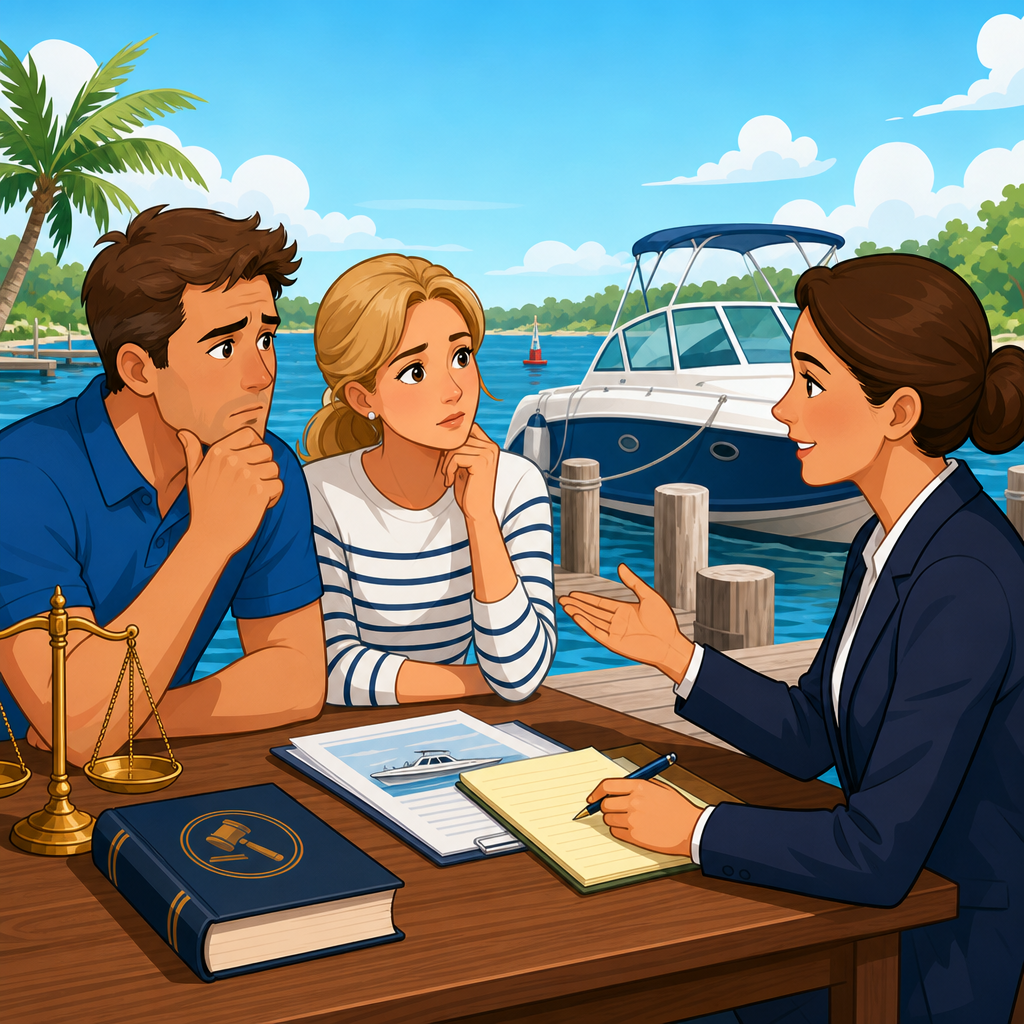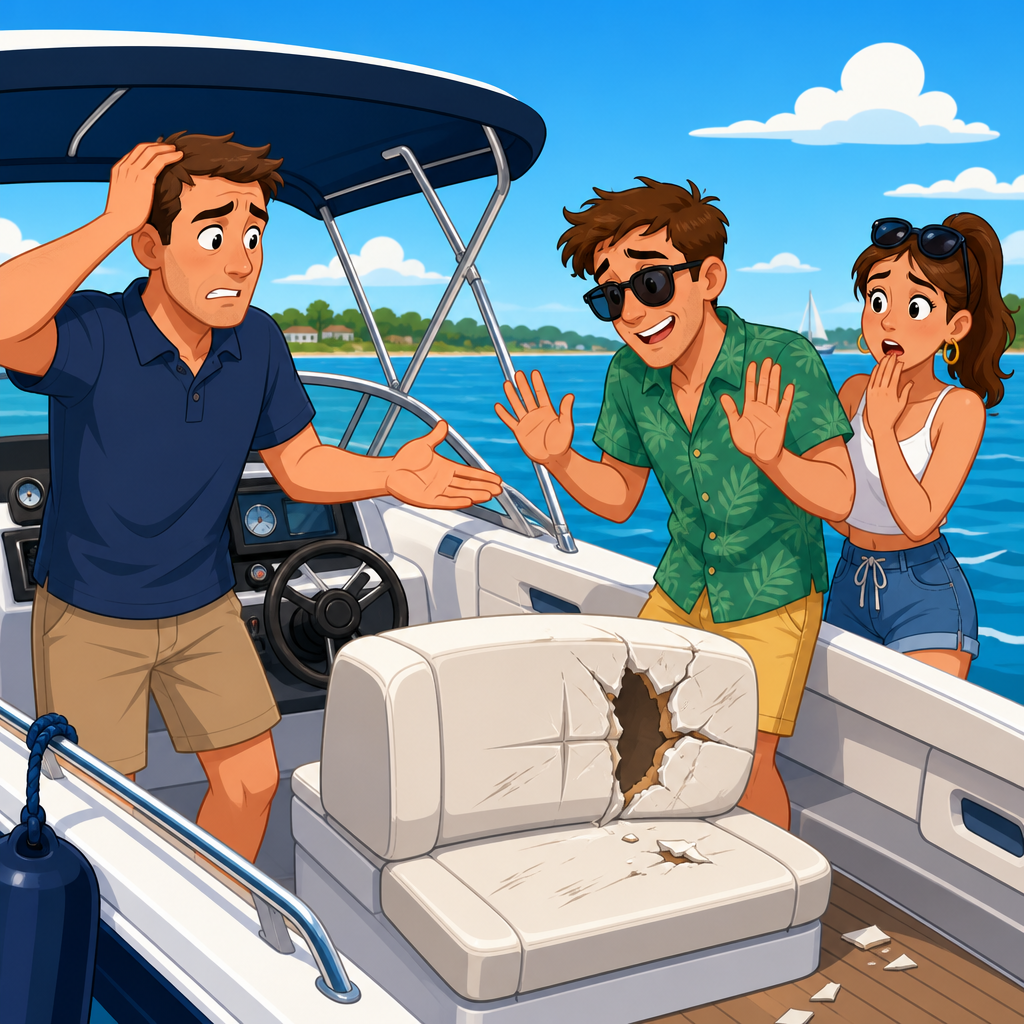
When a guest damages your boat, liability usually starts with the boat owner, but the final answer depends on negligence, permission, insurance language, state law, and whether the guest’s conduct was accidental, reckless, or intentional. Boat owners often assume the person who caused the damage must automatically pay. In practice, I have seen marina disputes, insurance claims, and owner-guest conflicts turn on finer points: who was operating the vessel, whether alcohol was involved, whether the owner failed to supervise, and what the policy says about permissive users. That is why understanding legal responsibilities of boat owners matters long before an incident happens.
In boating law, liability means legal responsibility for loss, damage, or injury. A boat owner may face first-party costs for repairs to the vessel and third-party liability if the event harms another boat, dock, or person. A guest can also be liable, especially if the guest operated the boat carelessly or intentionally caused damage. But ownership creates a baseline duty. Owners are expected to maintain a seaworthy vessel, follow navigation rules, control who uses the boat, provide necessary safety equipment, and avoid entrusting the boat to someone incompetent or impaired. Those duties make this topic central within boating laws and regulations.
This article serves as a hub for the legal responsibilities of boat owners because guest-caused damage rarely stays a simple private disagreement. It can trigger insurance coverage questions, contract disputes with marinas, personal injury exposure, and even criminal implications where intoxication or reckless operation is involved. Federal maritime principles may overlap with state negligence law, while lenders, yacht clubs, and harbor authorities may impose additional obligations through contracts. For owners, the practical issue is not only who is morally at fault, but who will be expected to pay first, defend a claim, preserve evidence, and report the incident.
Owners who understand the rules are better positioned to prevent losses and handle claims correctly. The key questions are straightforward: Was the guest using the boat with permission? Was the owner on board and supervising? Did the owner know the guest lacked experience? Did the damage affect only the owner’s boat, or did it extend to others? Was there a written agreement about use, reimbursement, or operation? The answers shape legal exposure. Below, I break down the main rules, the insurance realities, and the practical steps every owner should take when a guest causes damage on a boat.
How liability is usually assigned when a guest damages a boat
The starting point is simple: the boat owner generally bears primary responsibility for the vessel itself, while the guest may bear personal responsibility for wrongful conduct. If a guest accidentally drops an anchor through a hatch, misjudges a docking maneuver, or runs the boat aground while operating with permission, the owner often turns first to the owner’s hull insurance. That does not erase the guest’s fault. It reflects how marine insurance and property law work. The insurer may pay for covered repairs, subject to deductible, then decide whether to pursue recovery from the guest through subrogation if facts justify it.
Negligence is the most common legal standard. A guest is negligent when failing to use reasonable care under the circumstances. A boat owner is negligent when allowing preventable risk, such as handing the helm to an untrained friend in crowded waters. I have seen owners weaken their own position by admitting they “knew he was not great at docking” or “let her try after a few drinks.” Those statements support negligent entrustment claims. Under that theory, liability shifts back toward the owner because the owner created the risk by allowing an unsafe operator to control the vessel.
Intentional misconduct is different. If a guest punches electronics, slashes upholstery, or steals and crashes the boat, the guest can face direct civil liability and possibly criminal charges. Insurance may cover some resulting physical loss, but many policies exclude intentional acts by the person seeking coverage. If the owner is innocent, coverage may still exist for the owner’s loss, yet the insurer may pursue the guest afterward. Recklessness falls between accident and intent. High-speed operation in a no-wake zone, wake jumping near other boats, or boating while intoxicated can support stronger liability claims and broader damages.
Permission also matters. A permissive user is someone the owner allowed to use the boat. Many marine policies extend some liability protection to permissive operators, but not all do, and some limit coverage to named operators or exclude racing, charters, or certain horsepower. If a guest takes the boat without consent, coverage becomes harder. The guest may be treated as an unauthorized user, and the owner may need to prove lack of permission quickly. For that reason, owners should document who may operate the boat, under what conditions, and whether overnight or solo use is allowed.
Boat owner duties that shape legal responsibility
Boat owners are not insurers against every bad outcome, but they do carry defined duties. The first is seaworthiness in the ordinary recreational sense: the boat should be reasonably fit for safe use. That means working navigation lights, maintained steering, compliant life jackets, fire extinguishers, ventilation where required, and fuel systems without known leaks. If a guest damages the boat after a steering failure the owner ignored, the owner cannot fairly shift all blame to the guest. The owner’s maintenance lapse becomes part of the causation analysis and may reduce any recovery from the guest.
The second duty is competent supervision and operator selection. Most states require education certificates for certain operators, and insurers often ask about experience, boating history, and navigation area. If an owner lets a novice handle a twin-engine cruiser in a narrow fairway without instruction, that decision can be negligent even if the guest physically caused the collision. The duty becomes stricter when conditions are difficult, such as strong current, heavy traffic, or night operation. Reasonable care includes matching the operator’s skill to the boat’s complexity and the conditions on the water.
The third duty is compliance with navigation and safety rules. The Inland Navigation Rules and COLREGS establish right-of-way, lookout, safe speed, sound signals, and lighting standards. Violations can strongly influence fault. If a guest collides with a piling while the owner failed to post a proper lookout or insisted on speeding in reduced visibility, owner responsibility grows. Courts and insurers examine whether the owner contributed to the loss through statutory violations. They also review alcohol use, passenger loading, weather decisions, and local no-wake or exclusion-zone restrictions enforced by harbor authorities or state boating agencies.
Finally, owners have duties after the incident. Most states require operators to stop, render aid where applicable, exchange information, and report accidents meeting damage or injury thresholds. Insurance policies also require prompt notice, cooperation, and protection of the vessel from further loss. Delayed reporting can damage coverage. So can moving the boat, deleting messages, or making speculative admissions. A disciplined owner documents the scene, photographs damage, identifies witnesses, notifies the marina if relevant, and reports facts without guessing. That post-incident conduct often determines whether a manageable claim becomes an expensive legal problem.
Insurance, indemnity, and who pays first
Insurance determines who pays first, not necessarily who is ultimately at fault. Hull coverage usually pays for physical damage to the insured boat from covered perils, including collisions and accidental impact, subject to exclusions and deductibles. Protection and indemnity coverage, often called P&I in marine policies, addresses liability to others for bodily injury or property damage. Medical payments coverage may address smaller injury claims regardless of fault. Because policy forms vary widely between carriers, owners should read definitions of insured, permissive operator, excluded operator, navigation limits, and breach-of-warranty provisions carefully.
In real claims, the owner usually files under the owner’s own policy because the owner has the insurable interest in the boat. If the guest was negligent, the carrier may later seek reimbursement from that guest. This process, subrogation, is common but not guaranteed. Some insurers do not pursue smaller losses once repair costs, deductible disputes, and collection risk are weighed. Others aggressively pursue obvious negligence, especially where the guest has homeowners or umbrella liability coverage. Owners should not assume a friendship will prevent a recovery action. Once a claim is paid, the insurer controls many decisions.
| Issue | Owner’s Policy Role | Guest’s Possible Exposure |
|---|---|---|
| Accidental docking damage | Hull coverage may pay repairs after deductible | Insurer may seek subrogation if guest was negligent |
| Damage to another boat or dock | P&I may defend and indemnify covered claim | Guest may be named personally in a lawsuit |
| Unauthorized use | Coverage depends on policy wording and facts | Direct personal liability increases sharply |
| Intentional vandalism | Owner may have limited first-party coverage | Guest may face civil and criminal consequences |
Indemnity agreements can shift some financial responsibility, but many recreational owners rely on informal permission rather than written contracts. If you lend a boat frequently, a simple written use agreement can help by stating who may operate, prohibited conduct, fuel and docking rules, geographic limits, and responsibility for uninsured damage. It will not erase statutory duties or bind an insurer to cover excluded risks, but it can clarify expectations and support later recovery. Owners should also review marina contracts, dry-stack agreements, and charter-style arrangements, because those documents often allocate responsibility for guest conduct and property damage.
One practical point matters more than many owners realize: liability policies defend covered claims, and defense costs can exceed repair costs. If a guest’s maneuver injures someone on a dock, the legal bill may dwarf the fiberglass work. That is why adequate liability limits and umbrella coverage deserve attention. A low-limit policy may handle a bent rail but fail badly when surgery, lost wages, and long-term impairment are alleged. For owners under the legal responsibilities of boat owners umbrella, insurance planning is not optional administration. It is a core risk-management decision.
Common scenarios, disputes, and prevention steps for owners
Some fact patterns appear repeatedly. A guest is invited to “take her in” at the dock, misjudges wind, and scrapes pilings and gelcoat. A friend borrows the boat for the weekend, allows an unapproved third person to operate, and returns with prop damage. A passenger opens a hatch carelessly, breaks hardware, or spills red wine across interior fabric and electronics. In each case, the answer to who is liable depends on permission, supervision, competence, and insurance terms. Minor damage may be handled privately, but larger losses require disciplined claims handling and, sometimes, counsel familiar with marine law.
Disputes also arise over wear and tear versus sudden accidental loss. Marine insurers generally cover fortuitous damage, not gradual deterioration. If a guest overheats an engine by running aground and ingesting sand, coverage may exist. If the engine later fails because deferred maintenance was the real cause, the insurer may deny all or part of the claim. Owners should preserve service records, pre-trip checklists, and haul-out reports. Those documents help distinguish guest-caused damage from preexisting issues. They also matter if a marina, storage operator, or repair yard may share blame for the loss or worsening damage.
Prevention is far cheaper than arguing fault after an incident. Give a safety briefing before departure. Explain location of life jackets, fire extinguishers, radio, kill switch, bilge controls, and no-go areas on deck. Set clear rules on alcohol, swimming near propellers, and who may touch helm controls. If a guest will operate the boat, assess experience honestly and start in open water, not during docking. Use checklists for departure and return. Many losses I have reviewed were avoidable with ten minutes of instruction and a firm rule that only approved operators handle close-quarters maneuvering.
If damage occurs, act in sequence. Secure people first, then prevent further loss, then document. Photograph every affected area, note time, location, weather, tide, and witnesses, and report to the insurer promptly. Do not authorize major repairs until the carrier or surveyor approves, except emergency measures to protect the boat. Get written estimates from qualified marine repair facilities, not generic auto-body shops. If the guest may reimburse you privately, put terms in writing. The best next step for any owner is to review your policy, operator rules, and reporting duties today before the next guest ever leaves the dock.
Conclusion
Liability when a guest causes damage on your boat is rarely answered by a single rule. The owner often pays first through insurance because the owner owns the vessel and carries the policy, but legal fault may still rest partly or entirely with the guest. Negligence, negligent entrustment, permission, supervision, maintenance, and policy wording all shape the result. If another person or another boat is harmed, the issue expands from repair costs to third-party liability, defense obligations, and possible regulatory reporting. That is why this subject sits at the center of legal responsibilities of boat owners.
The practical lesson is clear. Owners should maintain the boat properly, control who operates it, document permission, understand coverage, and respond methodically after an incident. Guests can absolutely be liable, especially for reckless or intentional conduct, but owners cannot ignore their own duties and expect the law or an insurer to clean up every problem. Boating is social, and many losses happen among friends, which makes clear rules even more important. Review your insurance, create a written operator policy, and treat every guest outing as an activity that deserves real risk management.
If you are building a complete understanding of boating laws and regulations, use this hub as your starting point for every issue tied to ownership duties, operator selection, accident reporting, and marine insurance. Then apply the guidance before the next trip, because the best time to solve a guest-damage dispute is before the boat ever leaves the slip.
Frequently Asked Questions
Who is usually liable if a guest causes damage to your boat?
In most situations, the boat owner is the first person financially exposed when a guest causes damage to the vessel. That surprises many owners, but it reflects how property ownership, insurance contracts, and third-party claims usually work. If your boat is damaged, your insurer may expect you to file under your own policy first, even if a guest was the one who broke equipment, hit the dock, damaged the propeller, or caused harm to the interior. The question then becomes whether the insurer, the owner, or another injured party can pursue the guest afterward for reimbursement.
That said, the guest is not automatically off the hook. Liability often depends on what the guest was doing and whether that conduct was negligent, reckless, or intentional. A guest who accidentally drops an anchor incorrectly or mishandles a line may create a very different legal situation than a guest who operates the boat while intoxicated, ignores safety instructions, or intentionally damages property during an argument. If the guest was acting carelessly and that carelessness directly caused the damage, the guest may be personally liable, even if the owner initially bears the practical burden of dealing with repairs, insurance deductibles, and marina issues.
Another major factor is whether the guest had permission to operate or control the boat. If the owner allowed the guest to drive, navigate, or dock the vessel, that can complicate the analysis because the owner may be seen as having entrusted the boat to that person. If the guest took control without permission, however, the guest may bear a larger share of responsibility. In short, liability usually starts with the owner because the owner owns the property and carries the insurance, but the final answer often depends on negligence, permission, policy language, and the specific facts of what happened on the water or at the dock.
Does it matter whether the guest was operating the boat or was just a passenger?
Yes, it matters a great deal. A guest who is simply a passenger and accidentally causes minor damage, such as spilling something on upholstery or mishandling gear after being told where to place it, is generally analyzed differently from a guest who was actually operating the vessel. When a guest is driving, docking, towing, or otherwise controlling the boat, that person’s conduct becomes central to the liability question. The operator has a duty to use reasonable care, and if the damage happened because the guest failed to act as a reasonably careful boater would have acted, the guest may be directly responsible.
From the owner’s perspective, letting a guest operate the boat can also create its own layer of legal risk. If the owner knew or should have known that the guest was inexperienced, impaired, reckless, or unfamiliar with the specific vessel, the owner may face claims for negligent entrustment. That means the issue is not just whether the guest drove badly, but also whether the owner made a poor decision by handing over control in the first place. For example, allowing an unlicensed or visibly intoxicated guest to helm the boat can significantly increase the owner’s exposure, even if the guest was the one physically steering when the damage occurred.
By contrast, if the guest remained a passenger and caused damage through isolated misconduct, the analysis tends to focus more narrowly on that individual act. Did the passenger ignore clear instructions? Did the passenger act intentionally? Did the passenger interfere with the operator? Those details matter. So while both passengers and operators can be liable, operation of the vessel usually raises the stakes because it ties into navigation duties, owner permission, safety rules, and insurance coverage questions.
Will boat insurance cover damage caused by a guest?
Often yes, but not always, and the details of the policy matter more than many owners realize. Some boat insurance policies cover accidental damage caused by permissive users, meaning people the owner allowed to be on or operate the boat. Other policies draw distinctions based on who was operating, whether that operator was listed, whether the use was within policy terms, and whether the damage resulted from ordinary negligence versus excluded conduct. A guest causing accidental damage while helping dock the vessel may be treated very differently from a guest who takes the boat out without permission or causes damage while under the influence of alcohol.
Even when a policy covers the loss, that does not necessarily end the matter. The owner may still be responsible for deductibles, premium increases, coverage disputes, and reporting requirements. After paying a claim, an insurer may also investigate whether it has the right to seek reimbursement from the guest who caused the damage. This is one reason owner-guest disputes often become more complicated than expected. The owner may assume insurance will “take care of it,” only to discover that the carrier questions coverage based on unauthorized use, excluded conduct, or inconsistent statements about who was operating the boat when the incident happened.
Policy wording is especially important when alcohol, racing, commercial use, or intentional acts are involved. Intentional damage is commonly excluded. Damage arising from criminal conduct or unauthorized operators may also create major coverage problems. In practical terms, owners should review the policy’s definitions of insured persons, permissive operators, exclusions, and duties after a loss. If there is significant damage, it is wise to report the incident promptly, preserve photos and witness statements, and avoid making assumptions about coverage before the policy is carefully reviewed.
What if alcohol, recklessness, or intentional behavior played a role in the damage?
Those facts can dramatically change both legal liability and insurance outcomes. If a guest was intoxicated, behaving recklessly, or intentionally causing damage, the chances increase that the guest will be personally liable and that insurance coverage may become contested. Alcohol is especially important because it can affect not only the guest’s fault, but also the owner’s. If the owner allowed an obviously impaired person to operate the boat, a claim may expand beyond simple property damage into allegations that the owner acted negligently by permitting unsafe operation.
Reckless conduct usually carries more serious consequences than a simple mistake. There is a meaningful difference between a guest making an ordinary docking error and a guest speeding through a marina, ignoring no-wake restrictions, jumping into operation without instruction, or interfering with navigation after repeated warnings. Recklessness suggests a conscious disregard of known risks, which can strengthen a claim against the guest and weaken any argument that the event was merely an accident. It may also influence how a marina, insurer, or court evaluates credibility and responsibility.
Intentional conduct is even more serious. If a guest deliberately smashes equipment, cuts lines, sabotages systems, or damages the boat during a confrontation, that can trigger direct personal liability and possibly criminal consequences. Insurance policies often exclude intentional acts, which means the owner may face immediate repair costs and then need to pursue the guest directly. In these situations, documentation becomes critical. Photos, text messages, witness accounts, security footage, marina reports, and police reports can all matter. Where alcohol, recklessness, or intentional behavior is involved, the case is far less likely to be treated as a routine accident and far more likely to turn on evidence of misconduct.
Can a boat owner recover repair costs from the guest who caused the damage?
Yes, in many cases a boat owner can try to recover repair costs from the guest, but success depends on proof, policy issues, and the nature of the relationship between the parties. If the guest’s negligence, recklessness, or intentional act directly caused the damage, the owner may have a legal basis to demand reimbursement for repair bills, haul-out costs, lost use, towing, deductible amounts, and sometimes related marina charges. Whether that recovery happens informally, through insurance subrogation, or through a lawsuit depends on the amount of damage and how cooperative the guest is.
In practice, these disputes often turn on evidence rather than assumptions. The owner should be prepared to show what happened, who was involved, whether the guest had permission to act, what instructions were given, and how the conduct led to the damage. Repair estimates, invoices, incident reports, photographs, GPS or onboard data, and witness statements can all become important. If the guest denies responsibility, claims the owner told them to act, or argues that the boat had a preexisting problem, the dispute can become much more fact-intensive than expected.
It is also important to think strategically. If insurance covers the loss, the insurer may pursue the guest on the owner’s behalf through subrogation, which can simplify the process for the owner. If insurance does not fully cover the damage, or if the owner suffers uninsured losses like a deductible or loss of charter income, the owner may need to pursue those amounts separately. State law matters here as well, especially on comparative fault, permissive use, and property damage claims. The bottom line is that a guest who causes damage does not automatically write the repair check on the spot, but recovery is often possible when the facts clearly show that the guest’s wrongful conduct caused the loss.