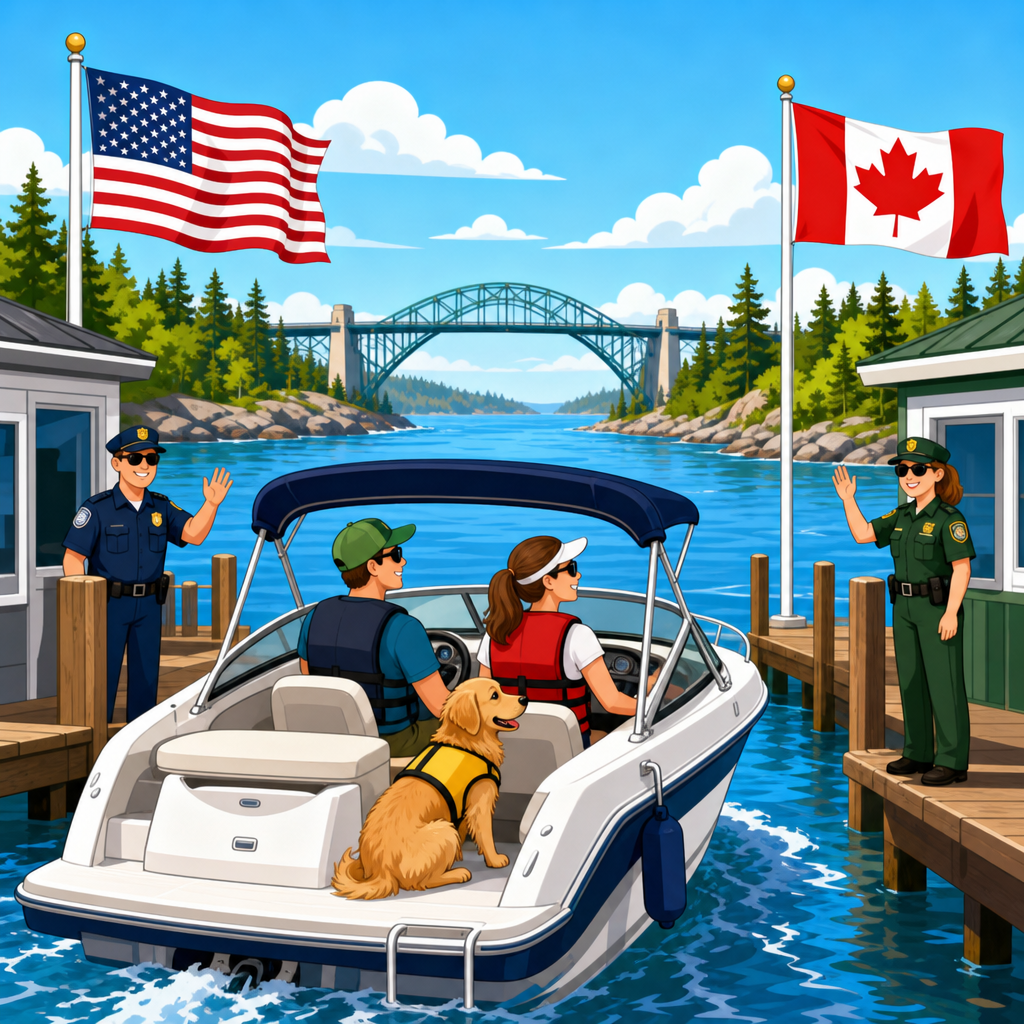
Boating between the United States and Canada is one of the most rewarding forms of cross-border travel, but it is also governed by a dense mix of customs rules, immigration requirements, safety standards, environmental laws, and operator responsibilities. International boating laws and travel requirements refer to the legal steps boaters must follow when crossing a national border by water, including reporting arrival, carrying accepted identification, complying with vessel equipment rules, and understanding where federal, provincial, state, and local authorities overlap. I have helped owners prepare for Great Lakes passages, Pacific Northwest cruising, and short recreational hops across boundary waters, and the same lesson comes up every time: a trip that feels casual on the chart can trigger formal legal obligations the moment your bow crosses the line. That matters because mistakes can lead to fines, vessel seizure, boarding delays, denied entry, and even criminal exposure if officers view a failure to report as smuggling or unlawful entry.
For most recreational operators, the core legal question is simple: what must you do before departure, while in transit, and immediately after arrival to stay compliant in both countries? The answer starts with reporting. In both the U.S. and Canada, arriving boaters generally must report to border authorities without delay unless a narrow exception applies. In practice, that means planning your route around designated reporting sites, marina telephones, customs docks, or approved remote reporting systems such as the CBP ROAM app in the United States or the Canada Border Services Agency reporting process for marine arrivals. It also means every person onboard needs proper identity documents, and certain travelers need visas, electronic travel authorizations, or additional immigration clearance depending on citizenship and travel history.
This topic matters beyond paperwork because boating law is operational law. A legal oversight can disrupt fuel planning, weather windows, marina reservations, fishing access, and insurance coverage. Cross-border boaters also face different alcohol rules, discharge restrictions, firearms prohibitions, invasive species requirements, and operator competency expectations. As a hub page under boating laws and regulations, this guide explains the major legal categories that govern international boating between the U.S. and Canada, answers the most common compliance questions directly, and gives you a practical framework for preparing lawful crossings on inland lakes, coastal routes, and shared waterways.
Border Reporting, Customs, and Immigration Rules
The first rule of boating between the U.S. and Canada is that crossing the border by water is still an international arrival, even if you never leave your boat except to tie up at a customs dock. You must report your arrival to the destination country’s border agency as directed. In Canada, recreational boaters typically report to the Canada Border Services Agency at a marine telephone reporting site or other approved location and wait for instructions before anyone leaves the vessel unless officers authorize otherwise. In the United States, arriving pleasure boaters often report through CBP ROAM, a designated port of entry, or another Customs and Border Protection process specific to the region. Local practice varies, but the legal duty to report does not.
Accepted identity documents usually include passports, passport cards in some contexts, NEXUS cards for approved members, and other Western Hemisphere Travel Initiative compliant documents where recognized. Children may have different documentary rules, but relying on age-based assumptions is risky because border officers can require additional proof of identity or parental consent. Lawful permanent residents, visa holders, and third-country nationals may face extra requirements on either side of the border. If a crew member is inadmissible because of a criminal record, prior immigration violation, or unresolved customs issue, the vessel may be delayed or denied clearance.
Timing also matters. The reporting obligation attaches upon arrival, not when it becomes convenient after fueling or lunch. If weather forces an unscheduled landing, document the circumstances carefully and contact authorities as soon as safety permits. On shared waters such as the Great Lakes, the St. Lawrence River, the San Juan Islands area, or boundary lakes in the Northeast, boaters sometimes assume brief anchoring or sightseeing without landing does not count as entry. That assumption can be wrong. Whether a stop triggers reporting can depend on acts such as making landfall, exchanging goods, embarking people, anchoring, or contacting another vessel. When in doubt, report.
Documents, Operator Credentials, and Vessel Papers
Every cross-border trip should begin with a document packet that can survive a boarding. At minimum, carry original or officially accepted travel documents for each person, vessel registration or state title papers, proof of ownership if the operator is not the owner, insurance information, radio license information where applicable, and any required fishing licenses or park permits. If the boat is financed, recently purchased, or borrowed, carry written authorization because officers may ask why the operator’s name does not match the registration. I also advise carrying a typed crew list with dates of birth, document numbers, citizenship, home addresses, and emergency contacts to speed inspections.
Operator licensing is another frequent source of confusion. The United States does not require a universal recreational boating license at the federal level, but many states require boater education certificates for certain operators or age groups. Canada has its own competency framework for pleasure craft, most commonly the Pleasure Craft Operator Card for operators of motorized recreational vessels. Visitors are often recognized under residency-based exceptions for limited periods, but you should verify whether your home-state certificate, NASBLA-approved course card, rental paperwork, or foreign credential satisfies the rule in the waters you will use.
Radio compliance can matter more than many boaters realize. A fixed VHF radio is standard safety equipment on larger cruising boats, and international operations may implicate ship station licensing or operator permits depending on the vessel, equipment, and country of registration. Recreational boaters often qualify for exemptions in purely domestic use, but those assumptions can change in international voyages. If you carry AIS, EPIRB registration, satellite communications equipment, or radar, make sure the associated identification numbers, MMSI registration, and emergency contact data are accurate. During a border or Coast Guard boarding, inconsistent vessel information raises avoidable questions.
Safety Equipment, Navigation Rules, and Enforcement
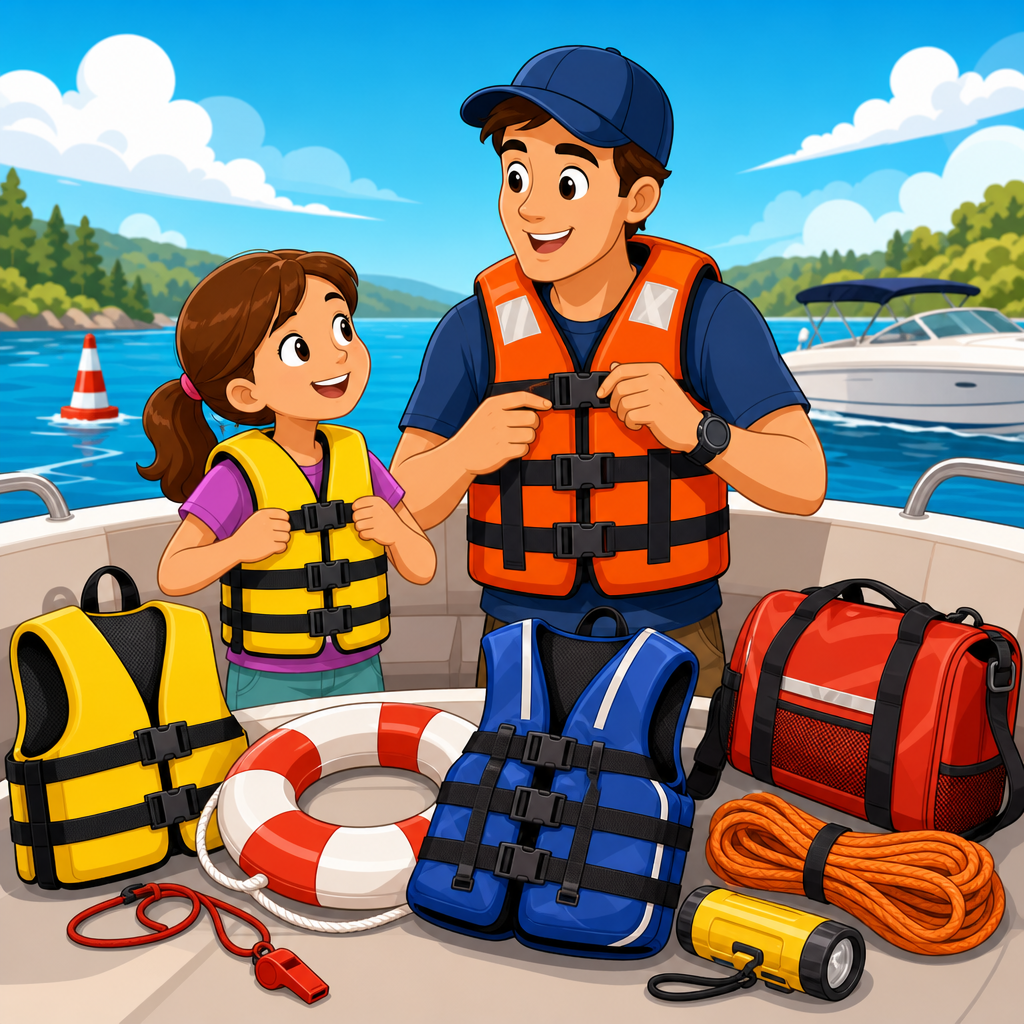
When boating between the U.S. and Canada, the safest legal strategy is to meet or exceed the stricter applicable equipment rule rather than trying to optimize for the bare minimum. Both countries require core safety gear such as properly sized life jackets or personal flotation devices, sound signaling devices, navigation lights, and fire extinguishers where applicable. Canada’s carriage requirements are structured under the Small Vessel Regulations and related Transport Canada guidance. The United States relies on Coast Guard carriage rules and state-level additions. Exact equipment depends on vessel length, propulsion type, waters operated, and whether the boat carries specific machinery or fuel systems.
The navigation rules themselves are broadly harmonized because both countries apply the Collision Regulations framework, commonly called the Rules of the Road. That means crossing, overtaking, safe speed, proper lookout, and restricted visibility principles are largely consistent. Enforcement, however, is practical and immediate. The U.S. Coast Guard, Customs and Border Protection, state marine police, county sheriffs, the Royal Canadian Mounted Police, provincial agencies, and local harbor authorities may all have boarding authority in particular contexts. Officers can inspect safety gear, registration, sobriety, and customs compliance during a single stop.
| Compliance Area | United States Focus | Canada Focus | Best Practice for Cross-Border Boaters |
|---|---|---|---|
| Arrival reporting | CBP ROAM, port of entry, local CBP procedures | CBSA marine reporting site or approved reporting process | Plan first stop around an authorized reporting option before departure |
| Operator competency | State education rules vary | Pleasure Craft Operator Card commonly required | Carry your course certificate and verify visitor recognition rules |
| Safety gear | USCG federal carriage rules plus state additions | Transport Canada equipment requirements | Equip to the stricter standard and inspect gear before every crossing |
| Alcohol enforcement | BUI laws vary by state; federal rules apply | Criminal and provincial boating impairment enforcement | Treat the boat like a vehicle and use a zero-alcohol helm policy |
| Restricted items | Firearms, cannabis, certain foods tightly regulated | Firearms, cannabis, plant and animal products tightly regulated | Declare everything and avoid carrying prohibited items |
Boaters should also expect equipment checks tied to actual seamanship. Expired flares, nonserviceable extinguishers, missing throwable devices, and unreadable registration numbers are common deficiencies. On cold-water routes in the Great Lakes or Inside Passage approaches, enforcement officers may not legally require every recommended item, but they will absolutely notice if your voyage planning is weak. A compliant boat on paper can still be unsafe in fact if it lacks working bilge pumps, updated charts, or communications redundancy.
Restricted Items, Environmental Laws, and Local Operating Limits
Some of the most serious cross-border problems involve items boaters forget are on board. Firearms are the clearest example. Canada has strict import and declaration rules for firearms, with many handguns and certain other weapons prohibited or heavily restricted. The United States also regulates importation and possession, and undeclared weapons can create immediate enforcement consequences. The same caution applies to pepper spray designed for use against people, large quantities of alcohol, tobacco, commercial goods, and certain medications. Cannabis is especially important: even though it is legal in Canada under federal law and legal in many U.S. states, transporting cannabis across the international border remains illegal.
Food, pets, and biologic materials raise quieter but still important issues. Fresh produce, meats, eggs, bait, firewood, and live organisms may be restricted because of agricultural and invasive species controls. Pet entry generally requires current rabies documentation, and additional animal health conditions can apply. If you trailer a boat to launch near the border, you may also encounter inspection rules for aquatic invasive species, bilge drainage, and decontamination. Western states and provinces are particularly aggressive about mussel prevention because zebra and quagga mussels impose major ecological and infrastructure costs.
Environmental law also governs discharge, fueling, waste storage, and protected waters. U.S. no-discharge zones, Canadian sewage discharge restrictions, garbage disposal rules under MARPOL-aligned standards, and local marine park regulations can all affect a trip. In practice, this means holding tanks must function, pump-out planning should happen before long passages, and oily waste cannot be casually managed overboard. Add fishing laws to the picture and the complexity increases. Licenses, catch limits, invasive species decontamination, and closed areas can change as soon as you cross into another jurisdiction, even on the same body of water.
Finally, remember that local operating limits still apply after you clear customs. Speed zones, wake restrictions, age limits for personal watercraft, mandatory boater education areas, and anchoring restrictions are often state, provincial, or municipal rules rather than federal border rules. A cruiser who reports properly but violates a harbor no-wake zone or marine sanctuary closure is still breaking the law.
Trip Planning, Insurance, and Practical Compliance Steps
The best way to comply with international boating laws and travel requirements is to build legal checks into voyage planning instead of treating them as an afterthought. Before departure, confirm that every traveler is admissible, every document is current, and your intended first landing point supports lawful reporting. Check official notices from CBP, CBSA, the U.S. Coast Guard, Transport Canada, state boating agencies, and provincial authorities because reporting procedures can change seasonally or by port. Save screenshots only as backup; rely on current government pages and marina confirmations for final decisions.
Insurance deserves special attention. Many recreational policies cover navigation in both U.S. and Canadian waters, but some impose geographic limits, lay-up periods, storm exclusions, or requirements to notify the carrier before extended cruising. I have seen claims slowed because the insured route exceeded the named cruising territory or because a paid captain was used without approval. Carry proof of insurance on board and verify that towing coverage, pollution liability, and wreck removal terms are adequate for remote waters. Marinas and yacht clubs may ask for this documentation before assigning dockage.
A practical compliance checklist is straightforward. Verify passports and any trusted traveler cards. Confirm reporting procedures for your arrival port. Review admissibility issues for every person aboard. Inspect life jackets, extinguishers, lights, flares, sound devices, and radios. Update charts and electronic navigation. Remove or declare restricted items. Check weather, float plans, and communication backups. Keep all receipts for fuel, repairs, and purchases if customs valuation questions arise. Most importantly, train the crew on what to do upon arrival: no one steps off, unloads gear, or visits another dock until clearance is complete.
Common Mistakes and How to Avoid Them
The most common legal mistake is assuming a short recreational crossing is informal because the waters are familiar. Border agencies do not care that your destination is only twenty minutes away. The second mistake is relying on marina rumor instead of official guidance. Procedures that worked last season may have changed, and local exceptions are often misunderstood. Another frequent problem is failing to account for passengers with different citizenship, criminal history, custody arrangements, or visa status. One inadmissible guest can alter the trip completely.
Boaters also underestimate how often small compliance details trigger larger scrutiny. An expired flare kit may lead to a fuller safety inspection. Incomplete registration paperwork can raise ownership questions. Undeclared alcohol, forgotten cannabis, or a handgun left in a locker can transform a routine check into a major enforcement matter. Avoidance is simple: prepare a written compliance file, inspect the boat as if an officer will board, and report immediately whenever the law requires it. If your next trip includes a border crossing, use this hub as your planning baseline and then confirm the latest rules with the relevant agencies before you cast off.
Frequently Asked Questions
What do boaters legally need to do when crossing the border between the U.S. and Canada by water?
When you cross the border by boat, you are not simply taking a recreational trip—you are making an international entry and must follow the same basic legal principles that apply at land and air borders. In practical terms, that means you must report your arrival to the destination country’s border authorities, carry acceptable identification for everyone on board, and be prepared to answer questions about citizenship, itinerary, vessel ownership, and anything you are bringing with you. In Canada, arriving boaters typically report to the Canada Border Services Agency, often through designated marine reporting procedures or reporting sites. In the United States, returning or arriving boaters may need to report to U.S. Customs and Border Protection through the applicable local or electronic reporting process. The specific reporting method can vary by location, port, and program enrollment, so checking the current rules before departure is essential.
Just as important, boaters should understand that you generally cannot skip formal reporting simply because you do not leave the boat, anchor briefly, or enter a familiar waterway that crosses the border. Border laws apply based on entry into the country’s jurisdiction, not on whether the trip feels informal. Authorities may also require advance notice, immediate reporting upon arrival, or use of designated ports or marinas. Failure to follow these procedures can lead to fines, vessel seizure issues, delays, or more serious enforcement consequences. A smart approach is to plan the crossing as a legal customs event: verify reporting locations, confirm communication methods, keep documents organized and accessible, and make sure everyone on board understands that they may be subject to inspection and questioning.
What identification and travel documents are usually required for passengers and operators on a cross-border boating trip?
In most cases, every person on board should carry a valid, government-issued travel document accepted for entry into the destination country. For many adult travelers, a valid passport is the safest and most universally accepted choice. Depending on citizenship, age, mode of travel rules, and current border policy, some travelers may also be able to use other approved documents, but boaters should not assume flexibility without confirming it directly with the appropriate authorities. The vessel operator should also be ready to provide registration or documentation for the boat, proof of ownership or authorization to operate it, and in some cases evidence of insurance. If the boat is financed, borrowed, chartered, or owned by a business, additional paperwork may be helpful to show lawful possession and permission to cross internationally.
Travelers should also pay close attention to special situations. Children traveling without both parents may need consent documentation. Non-citizens, permanent residents, and visa holders may have additional entry requirements. People with prior immigration or criminal issues may face heightened scrutiny or even inadmissibility concerns, which should be addressed before travel rather than discovered at the dock. It is also wise to keep all documents dry, current, and easy to retrieve during inspection. Even if an officer ultimately asks for only a few items, having complete paperwork helps establish credibility and speeds the process. Because border documentation rules can change, especially with security updates or public health measures, the best practice is to verify the current entry requirements for both the United States and Canada shortly before the trip.
Do boating safety and equipment laws change when traveling between the U.S. and Canada?
Yes. While U.S. and Canadian boating rules overlap in many areas, they are not identical, and a vessel crossing the border should be prepared to comply with the safety and equipment requirements of the waters it enters. That can include life jackets or personal flotation devices in the proper quantity and size, sound-signaling devices, navigation lights, fire extinguishers, visual distress signals where required, and other legally mandated safety gear. There may also be rules tied to vessel length, propulsion type, operating area, and whether the boat is used recreationally or commercially. In some waters, local or regional regulations may add further obligations beyond the general national standards.
Operator qualifications can matter as well. Certain provinces, states, or federal authorities may require proof of boater competency, safe operation certification, or compliance with age-based operating restrictions. Even where one country recognizes the other’s boating education credentials for practical purposes, operators should not assume all documents are interchangeable in every enforcement setting. In addition, navigation and right-of-way rules may be internationally familiar, but local speed zones, wake restrictions, protected areas, and environmental operating limits can differ from one side of the border to the other. Before departure, it is wise to review not only customs rules, but also the destination country’s boating safety regulations, equipment checklist, and local navigation requirements. That preparation helps avoid the common mistake of being legally admitted into the country but still found in violation of marine safety law.
Are there customs, prohibited items, and environmental rules boaters need to watch for?
Absolutely. Crossing by water does not reduce customs obligations. Boaters must accurately declare goods, alcohol, tobacco, firearms, currency when required, commercial items, and other regulated property. Both the United States and Canada maintain strict rules on what can be brought across the border, in what quantity, and under what conditions. Firearms and certain weapons are especially sensitive and can trigger major legal consequences if not properly declared and handled according to national law. Food, plants, bait, live animals, and agricultural products can also be restricted due to disease control, invasive species prevention, and environmental protection laws. Even ordinary onboard items, such as coolers, fishing gear, or packaged goods, may become legally significant if they include restricted contents.
Environmental compliance is another major issue for cross-border boaters. Many waterways between the U.S. and Canada are ecologically sensitive and subject to pollution controls, sewage discharge rules, no-discharge zones, fuel handling laws, and invasive species regulations. Some jurisdictions require preventive steps such as cleaning, draining, or drying equipment to reduce the spread of aquatic invasive organisms. There may also be rules affecting anchoring, waste disposal, graywater or blackwater management, and operation near protected habitats or marine parks. Because these laws are enforced by a mix of border, marine, environmental, and local authorities, violations can be expensive even when they are unintentional. The safest approach is to treat customs and environmental declarations seriously, disclose questionable items before being asked, and research the specific waterway, marina, and protected-area rules that apply to your route.
What happens if a boater fails to report properly or violates cross-border boating laws?
The consequences can range from inconvenient to severe, depending on what happened and whether authorities believe the violation was accidental, negligent, or intentional. At a minimum, failing to report arrival, carrying incomplete identification, or ignoring the designated entry procedure can result in delays, secondary inspection, monetary penalties, and orders to return or remain in place while the matter is reviewed. More serious cases can lead to seizure of goods, seizure or detention of the vessel, denial of entry, cancellation of trusted traveler or expedited reporting privileges, and potential criminal investigation. If undeclared firearms, contraband, false statements, or inadmissible passengers are involved, the stakes become much higher very quickly.
There are also indirect consequences that many boaters overlook. A past reporting violation can affect future border crossings, trigger additional scrutiny on later trips, and complicate insurance, charter, or marina relationships. If the violation also involved unsafe operation, pollution, or fisheries rules, multiple agencies may become involved at once. The best protection is prevention: know your route, know when the border is crossed, identify the proper reporting method in advance, keep your crew informed, and maintain organized records of documents, declarations, and communications. If a mistake happens, honesty and immediate cooperation usually put you in a better position than trying to minimize or hide the issue. Because cross-border marine rules are technical and change over time, careful pre-trip verification is often the difference between a smooth international cruise and a very expensive lesson.