
How to legally store and dock your boat starts with understanding a simple truth: ownership does not end when the engine shuts off. The legal responsibilities of boat owners continue at the marina, on a trailer, in a driveway, at a mooring field, and during winter layup. Storage and docking rules exist to protect navigation, neighboring property, public waters, environmental quality, and your own financial interests. If you violate them, the consequences can include fines, removal fees, insurance claim disputes, civil liability, and in serious cases, criminal penalties.
In boating law, storage means keeping a vessel on land, on a lift, at a marina slip, on a mooring, or in dry stack when it is not actively underway. Docking means securing a boat temporarily or long term at a pier, wharf, slip, bulkhead, or similar structure. Legal compliance in both situations usually involves several overlapping obligations: registration and titling, marina or harbor rules, local zoning and nuisance ordinances, environmental laws, safety equipment standards, insurance requirements, and contract terms. In practice, I have seen owners focus on seamanship while overlooking paperwork, and that mismatch causes expensive problems faster than most mechanical failures.
This matters because a stored or docked boat can still cause damage. A poorly secured vessel can break loose in a storm, strike another craft, spill fuel, block navigation, sink at the slip, or trigger a salvage claim. A boat kept at home can violate setback rules, homeowners association restrictions, stormwater requirements, or fire codes. Even simple issues such as expired registration decals, missing pump out records where required, or unauthorized liveaboard use can escalate when a marina, harbor master, insurer, or enforcement officer reviews your file. The safest approach is to treat storage and docking as regulated activities, not casual conveniences.
This hub article explains the legal responsibilities of boat owners across the full storage and docking lifecycle. It covers core documents, dockage contracts, mooring permits, environmental duties, neighborhood restrictions, liability exposure, and the practical recordkeeping that helps prevent disputes. If you want to store and dock your boat legally, start here and use each section as a checklist for the more detailed pages in this subtopic.
Know the documents and permissions your boat must have
The first legal responsibility is proving that the vessel is lawful to possess and place where you intend to keep it. In most states, that means current registration, required numbering or decals, and title documentation if the vessel class requires titling. Coast Guard documented vessels have different federal documentation rules, but they still must comply with many state use, tax, and local harbor requirements. A marina will often ask for copies before assigning a slip, and a harbormaster may request them during inspections or after a complaint.
Storage location determines what additional permissions apply. A private marina may require a signed berth agreement, proof of insurance, emergency contact details, and confirmation that the boat meets size, beam, and draft limits for the assigned slip. A public harbor may add municipal permits, waitlist rules, discharge compliance certifications, and restrictions on commercial activity. A private mooring often requires a permit from the local authority and an approved tackle inspection schedule. Dry stack facilities typically impose battery, fuel, maintenance, and access rules because the operator controls launching and retrieval.
If you keep a boat at home, legal storage shifts from maritime paperwork to property regulation. Cities and counties commonly regulate where a trailerable boat may sit, how long it may remain in a driveway or street, whether it can project into a sidewalk, and whether tarps or shrink wrap are allowed. Homeowners associations may be stricter than municipal codes. I have seen owners fully compliant with state boat registration receive violation notices because neighborhood covenants prohibited visible boat storage for more than forty eight hours. Local rules can matter more than boating rules once the boat is off the water.
Taxes also belong in this document review. Some jurisdictions assess personal property tax, use tax, or marina occupancy tax. Moving a boat across state lines for seasonal storage can create registration, tax, or use reporting obligations. Owners often assume that where they launch controls the law, but where they principally store the boat can be just as important. Before signing for a slip or winter yard space, confirm the governing state, county, and municipal requirements in writing.
Understand slip agreements, mooring rules, and docking authority
Docking legally means docking with permission and within the terms of that permission. Many disputes arise because owners think an empty slip, bulkhead, or dock is available for public use when it is not. Trespass, unauthorized mooring, and abandonment rules vary by jurisdiction, but the principle is consistent: a boat owner must have legal authority to occupy the space. In marinas, that authority comes from a written agreement. At municipal docks, it may come from posted rules, permit systems, time limits, or harbor master direction.
A slip agreement is more than a parking pass. It allocates risk. Standard contracts address term length, fees, late charges, lien rights, liveaboard prohibitions, maintenance expectations, storm procedures, access hours, and the marina’s right to move your boat in an emergency. Read indemnity clauses carefully. Some contracts require the owner to indemnify the marina for damage caused by the vessel, even when weather contributes. Others disclaim liability for theft, fire, freezing, or negligent security. Those clauses do not always control every dispute, but they shape the starting position.
Mooring fields create another layer of legal responsibility. In many harbors, you cannot simply drop an anchor long term and treat it as a private mooring. Permanent or seasonal moorings usually require permits, assigned locations, tackle specifications, and periodic inspection by approved contractors. Harbor authorities often regulate pennant size, float markings, swing radius, and vessel dimensions. If your boat breaks free because the tackle was undersized or overdue for inspection, liability can be direct and severe because the compliance standard was already defined.
Transient docking also carries rules. Time limited courtesy docks may prohibit overnight stays, fueling, unattended tie ups, or boarding activities. Commercial waterfronts may reserve spaces for loading only. Bridges, channel edges, and marked safety zones are frequently off limits. A legal tie up is not simply a matter of securing lines well; it depends on whether docking is authorized in that place, for that vessel, for that duration, and for that use.
Meet safety, environmental, and maintenance duties while stored
A stored boat still has legal safety obligations. Fire risk, electrical faults, fuel leaks, bilge discharge, and hurricane exposure do not disappear when the vessel is idle. Marinas commonly require shore power cords that meet American Boat and Yacht Council guidance, functional battery switches, and no unapproved space heaters or cooking appliances left running unattended. Fuel systems must remain leak free. Bilges cannot lawfully discharge oily waste. If a boat sinks because a through hull failed and releases pollutants, the owner may face cleanup costs regardless of whether the boat had moved in months.
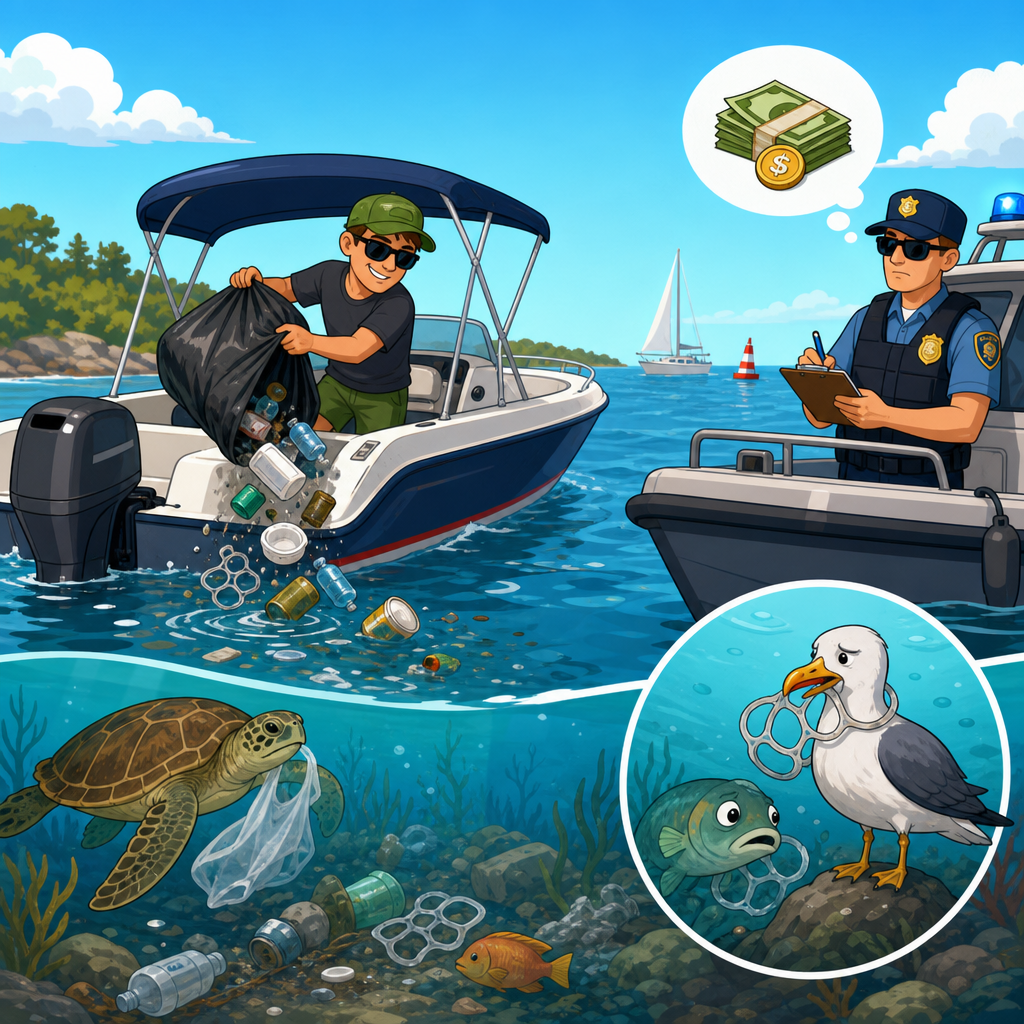
Federal and state environmental rules are especially important around sewage, oil, hazardous substances, and invasive species. In no discharge zones, overboard sewage discharge is prohibited, and marina operators may require pump out use. Used oil, solvent soaked rags, antifreeze, batteries, and old flares must be disposed of through approved channels, not left on docks or tossed in dumpsters. Hull cleaning and scraping can be regulated because paint residue may contain biocides or heavy metals. Winterizing work that seems routine can still violate local stormwater or hazardous waste rules if done carelessly.
Maintenance obligations often appear in contracts because neglected boats become legal hazards. A marina may declare a vessel unseaworthy if it is sinking, visibly deteriorated, structurally unsafe, or unable to move under its own power when required by the agreement. That can trigger default, removal, or impoundment procedures. Owners sometimes assume they can defer repairs indefinitely so long as fees are paid. In reality, paying dockage does not excuse maintaining the boat to minimum safety and appearance standards.
| Responsibility | What compliance usually requires | Common consequence of failure |
|---|---|---|
| Registration and title | Current state registration or federal documentation, visible numbers or decals, onboard copies | Fines, denial of slip assignment, enforcement action |
| Dockage or mooring authority | Signed contract, permit, assigned space, adherence to time and use limits | Trespass removal, fees, loss of berth privileges |
| Insurance | Liability coverage meeting marina limits, named additional insured when required | Breach of contract, uncovered losses, personal exposure |
| Pollution prevention | No illegal discharge, proper fuel handling, legal disposal of oil and waste | Cleanup liability, civil penalties, contract termination |
| Storm readiness | Proper lines, fenders, haul out compliance, emergency contact availability | Damage claims, negligence allegations, uninsured loss |
| Home storage zoning | Setbacks, screening, trailer placement, HOA compliance, no street obstruction | Code citations, fines, mandatory removal |
Storm preparation deserves special attention because it is where contract duties and negligence law often meet. Many hurricane prone marinas require written storm plans, extra lines, specified fendering, or mandatory haul out when watches are issued. If you ignore those rules and your boat damages neighboring vessels, the breach can become powerful evidence against you. I advise owners to photograph line setups, haul out orders, and pre storm condition because those records help resolve post event disputes quickly.
Store your boat at home without violating local property rules
Home storage is often cheaper than marina dockage, but it is regulated more than many owners expect. The legal issues usually come from zoning, parking, nuisance, drainage, and community association rules rather than boating statutes. A city may allow a boat in a side yard but not a front yard. It may limit trailer height behind a fence, prohibit long term street parking, or require that the trailer remain operable and licensed. Corner lots often face stricter sightline rules because large trailers can block driver visibility at intersections.
Drainage and pollution concerns are increasingly important. Washing a boat where soap, fuel residue, bottom paint dust, or oily water enters a storm drain can violate local ordinances because storm drains often discharge directly to surface waters. Some areas restrict in driveway engine flushing, sanding, or maintenance with chemical runoff. If you winterize at home, store fuels and propane according to fire code, and confirm whether detached garage or side yard storage is permitted. Municipal fire departments may regulate distance from structures and ignition sources.
Neighborhood associations can be even more restrictive. Covenants may ban visible boats, require enclosed storage, limit the size of trailers, or prohibit commercial signage on wrapped hulls. Enforcement often includes fines and attorney fee shifting provisions, which means ignoring notices can become expensive quickly. Before buying a boat with a tower, hardtop, or oversize beam, compare its stored dimensions to your property limits. The legal fit matters as much as the physical fit.
Protect yourself with insurance, records, and clear operational habits
Insurance is not merely a financial product; it is part of legal compliance because many marinas and lenders require it, and because liability after a docking or storage incident can exceed the boat’s value. Carry hull coverage appropriate to replacement economics, but pay special attention to protection and indemnity or watercraft liability limits. A common marina minimum is three hundred thousand dollars, while high value harbors may require one million. Review exclusions for named storms, freeze damage, unattended vessels, racing, commercial use, and long term out of water storage.
Good records reduce legal exposure. Keep digital and paper copies of registration, title, insurance declarations, slip or yard agreements, maintenance invoices, pump out receipts where relevant, storm preparation photos, and correspondence with marina staff or harbor authorities. If your boat is moved, cited, damaged, or accused of causing pollution, contemporaneous records carry more weight than memory. I have resolved disputes faster with date stamped images of mooring tackle inspections and signed work orders than with pages of later explanation.
Operational habits matter too. Label shore power and battery systems clearly. Post emergency contacts with the marina. Update keys, access codes, and alarm information when crew changes. Remove expired flares, failing batteries, and deteriorated lines before they create hazards. If you allow others to use the boat, document permission and verify that policy terms cover permissive operators. Legal responsibility follows ownership, so informal arrangements deserve formal attention.
What boat owners should do before, during, and after storage
The best way to store and dock your boat legally is to use a repeatable compliance process. Before storage, confirm registration status, insurance, contract terms, and local rules for the exact location. During storage, inspect lines, bilges, batteries, covers, and environmental controls on a schedule that matches the season and weather exposure. After any incident, notify the marina, insurer, and authorities promptly when required, preserve evidence, and document corrective action. Timeliness matters because many policies and contracts require immediate notice.
As the hub for legal responsibilities of boat owners, this page points to a consistent conclusion: compliance is practical, not abstract. Lawful storage and docking protect your vessel, your finances, nearby property, and public waterways. Owners who understand documents, secure proper authority, maintain environmental controls, respect property rules, and keep solid records avoid most preventable disputes. Review your current storage setup today, compare it against these duties, and fix the weak points before the next season, storm, or inspection exposes them.
Frequently Asked Questions
What laws and rules apply when storing or docking a boat?
The rules that apply depend on where and how the boat is being kept, but in most cases several layers of law can apply at the same time. A boat owner may need to comply with marina contracts, harbor or port authority rules, municipal ordinances, zoning restrictions, homeowners’ association rules, state boating laws, and environmental regulations. If the boat is on a trailer at home, local rules may control where it can be parked, how long it can remain visible from the street, whether it can block sidewalks, and whether it must be behind a fence or setback line. If the boat is in the water, docking assignments, mooring permits, liveaboard restrictions, navigation clearance requirements, discharge prohibitions, and storm-preparation rules may all come into play.
That is why legal storage and docking should never be treated as an informal arrangement. Even if a neighbor says it is “fine” to leave the boat somewhere, or a dock manager gives a casual verbal approval, you still need to verify the written rules. Start with the property owner or marina agreement, then check local government and boating authority requirements. Also review your insurance policy, because many insurers place conditions on where the vessel may be stored, whether hurricane plans are required, and whether theft-prevention or winterization steps must be followed. The safest approach is to assume that legal responsibility continues every day the boat is stored, not just when it is being operated.
Can I keep my boat in my driveway, yard, or on the street?
Sometimes yes, but only if local law allows it. Many cities and counties regulate recreational vehicle and boat storage on residential property. Common rules address whether the boat must be on a registered trailer, whether it can be parked in a front yard, how close it may sit to a property line, whether it can obstruct visibility for drivers, and whether it may remain on the street for more than a limited number of hours or days. Some communities ban long-term street parking entirely for boats and trailers, while others allow temporary loading and unloading only. If you live in a neighborhood governed by a homeowners’ association or condominium association, those private rules may be even stricter than local law.
Legality also involves practical compliance issues. The boat and trailer may need current registration, the trailer may need operable lights and tires, and the setup may not be allowed to leak fuel, oil, sewage, or other contaminants. Covers, tarps, and shrink-wrap also have to be secured so they do not create hazards or blow into neighboring property. Before storing at home, check zoning rules, parking ordinances, fire code restrictions, and any deed or community restrictions. Getting this right can save you from citations, towing, neighborhood disputes, and insurance complications if the boat is damaged while stored in an unapproved location.
What should I review before signing a marina slip or mooring agreement?
A marina slip or mooring agreement is a legal contract, and boat owners should read it just as carefully as any lease or service agreement. Focus first on what the contract actually gives you: a specific slip, a floating dock space, a mooring ball, or only temporary docking privileges. Then review the rules on vessel size, beam, draft, insurance minimums, proof of registration, emergency contact information, and required equipment such as dock lines, fenders, bilge pumps, and shore power connections. Many facilities also reserve the right to move your boat in emergencies or for operational reasons, and some prohibit repairs, fueling practices, overnight occupancy, or commercial activity.
You should also look closely at liability and fee provisions. The agreement may limit the marina’s responsibility for theft, storm damage, fire, or sinking, while making you responsible for damage your boat causes to docks, pilings, neighboring boats, or marina staff. It may include haul-out requirements before storms, abandoned vessel language, late payment penalties, lien rights, and removal charges if your registration or insurance lapses. Ask whether there are environmental rules regarding sewage discharge, bottom cleaning, fueling spills, or hazardous materials on board. A good contract review helps you understand not just where your boat will sit, but what happens if weather, mechanical failure, or a paperwork issue turns storage into a legal and financial problem.
Why are environmental and safety requirements such a major part of legal boat storage?
Because storing a boat improperly can affect far more than the boat itself. A vessel that leaks fuel, oil, antifreeze, graywater, sewage, or battery chemicals can create environmental violations, cleanup costs, and penalties. In the water, neglected boats can sink, break loose, obstruct navigation, or damage sensitive shorelines and marine habitats. On land, a poorly stored boat can become a fire hazard, attract pests, create stormwater runoff contamination, or cause physical injury if a trailer fails or the vessel is not properly supported. These are exactly the risks that storage and docking rules are designed to reduce.
Owners should think in terms of prevention and documentation. Use proper containment and maintenance practices, dispose of waste legally, maintain batteries and fuel systems, and ensure that covers, tie-downs, jack stands, and trailer supports are secure and appropriate for the boat’s size. At marinas and storage yards, follow all fueling, charging, and waste-disposal rules. During winter layup or hurricane season, follow haul-out and securing procedures carefully, because failure to prepare can lead to claims that the owner acted negligently. If a problem does occur, having inspection records, photographs, service invoices, and proof of compliance can make a major difference when dealing with authorities, insurers, or property owners.
What can happen if I violate boat storage or docking rules?
The consequences can be much more serious than a simple warning. Depending on the violation, a boat owner may face municipal fines, marina penalties, towing or impound charges, removal fees, permit revocation, loss of slip privileges, and repair costs for damage caused to docks, neighboring boats, or public infrastructure. If the boat creates a navigation hazard, environmental spill, or abandoned vessel problem, the owner can also be billed for cleanup, salvage, and enforcement expenses. In some situations, repeated violations can lead to lawsuits, contract termination, or difficulty obtaining future marina access.
Insurance problems are another major risk. If the vessel was stored in violation of policy terms, local law, or marina rules, an insurer may dispute coverage or scrutinize a claim more aggressively. That can leave the owner responsible for losses that might otherwise have been covered. The best protection is to be proactive: confirm the legality of the storage location, keep permits and registrations current, maintain insurance, follow written agreements, and document the condition and security of the boat. When in doubt, ask the marina, local harbor authority, zoning office, or a qualified maritime attorney before a minor storage decision turns into a costly legal issue.