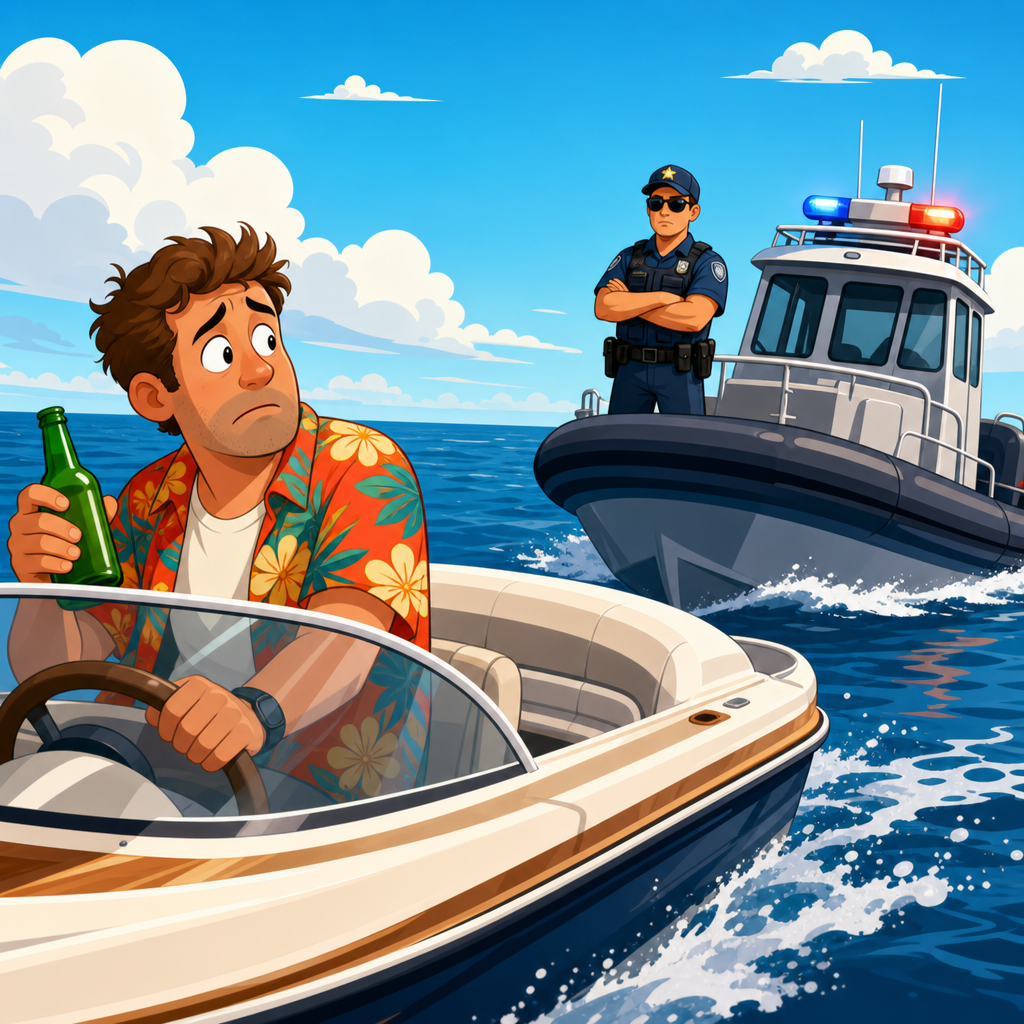
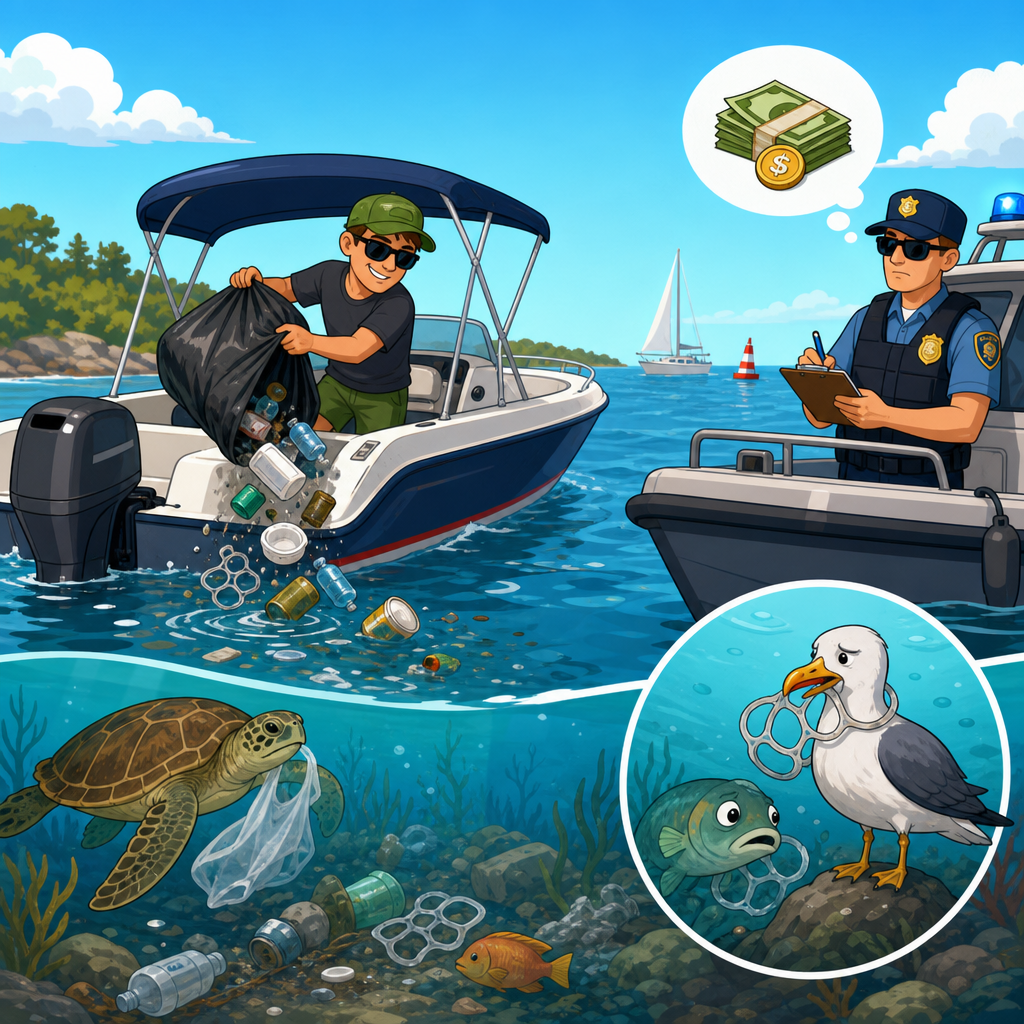
Illegal dumping from boats is one of the fastest ways to turn a day on the water into an environmental violation, a costly enforcement case, and lasting damage to fisheries, beaches, and public trust. In boating law, illegal dumping means discharging prohibited waste or pollutants from a vessel into navigable waters, coastal zones, marinas, lakes, rivers, or adjacent shore areas in violation of federal, state, or local rules. That waste can include sewage, oily bilge, trash, plastics, food waste in restricted waters, cleaning chemicals, paint residue, batteries, fuel, or hazardous liquids. The consequences and fines vary by jurisdiction and material, but the pattern is consistent: regulators treat vessel pollution seriously because even small releases accumulate across thousands of recreational and commercial trips.
As a hub within Boating Laws & Regulations, Environmental Laws & Clean Boating covers the practical rules every operator should know before leaving the dock. I have helped boat owners prepare for marina inspections, waste-handling audits, and post-spill reporting, and the same mistakes repeat: people assume a small boat is exempt, believe biodegradable products can go overboard, or think a quick discharge offshore erases liability. It does not. Clean boating law matters because waterways are shared infrastructure, wildlife habitat, and economic engines for tourism, charter fishing, and waterfront business. Understanding what counts as illegal dumping, what agencies enforce the rules, and what preventive steps actually work is the foundation of lawful vessel operation.
What counts as illegal dumping from a boat
Illegal dumping from boats includes any discharge that is prohibited where and when it occurs. The key categories are sewage, garbage, oil, hazardous substances, and contaminated runoff from maintenance activities. Under the Federal Water Pollution Control Act, commonly called the Clean Water Act, discharging pollutants to U.S. waters without authorization can trigger civil and criminal penalties. For vessel operators, that broad rule intersects with more specific requirements under the Marine Sanitation Device regulations, the Act to Prevent Pollution from Ships, U.S. Coast Guard garbage rules, and state anti-pollution statutes. A common misunderstanding is that only large commercial vessels face these requirements. Recreational boats can be cited too, especially for sewage, visible oil sheen, and trash disposal.
Sewage rules are especially strict. Boats with installed toilets typically must use an approved Marine Sanitation Device, often called an MSD. In many inland waters, rivers, and no discharge zones, untreated sewage cannot be released at all, and even treated discharges may be banned. Garbage rules are also more restrictive than many boaters realize. Plastics are prohibited from discharge everywhere into the water, full stop. Food waste, paper, rags, glass, metal, and crockery may have offshore disposal rules in some waters, but inland and nearshore areas often prohibit discharge entirely. Oil has its own bright-line standard: if a bilge discharge creates a visible sheen, sludge, or emulsion on the water, it is illegal and reportable. Paint chips from hull work, solvent wash water, and leftover degreaser dumped at a launch ramp can also count as unlawful discharges.
Which laws and agencies enforce clean boating rules
Federal enforcement usually involves the U.S. Coast Guard and the Environmental Protection Agency, with support from state environmental departments, marine patrol units, harbor authorities, and local health agencies. The Coast Guard commonly handles vessel inspections, garbage placard requirements, oil record issues on covered vessels, and immediate pollution response. The EPA oversees broad pollution standards, no discharge zone approvals, and enforcement under federal water quality laws. States add another layer. Florida, California, Washington, New York, and the Great Lakes states, for example, maintain detailed boating pollution rules, pumpout requirements, spill reporting obligations, and marina management standards that can be stricter than the federal baseline.
Enforcement is not limited to officers catching someone in the act. Marinas report repeated oily bilge issues. Citizens submit photos and video. Drone footage, harbor cameras, satellite data in major spill cases, and discharge pattern analysis all support investigations. I have seen cases begin with nothing more than a dockmaster noticing trash bags in a shoreline reed bed and tracing them to a vessel through receipts, packaging labels, and slip records. Once an agency opens a file, operators may face inspections, document requests, cleanup orders, and parallel criminal review if conduct appears knowing or intentional. That is why the clean boating framework works best when treated as operational compliance, not as a checklist after a citation.
Common violations, penalties, and real-world consequences
Penalties for illegal dumping from boats depend on the pollutant, water body, vessel type, and level of intent. Civil fines can range from hundreds of dollars for local littering or marina rule violations to thousands or tens of thousands per day under federal environmental statutes. Criminal penalties become possible when a person knowingly discharges prohibited waste, falsifies records, tampers with pollution control equipment, or ignores reporting duties after a spill. Beyond government fines, boaters can be billed for cleanup, remediation, wildlife response, marina damage, and disposal contractor costs. Insurance may not cover intentional acts or gross negligence, which can leave owners paying out of pocket.
| Violation type | Typical legal issue | Potential consequences |
|---|---|---|
| Sewage discharge in restricted waters | MSD and no discharge zone violations | Citations, state fines, pumpout orders, marina expulsion |
| Plastic or trash thrown overboard | Garbage discharge and littering laws | Fines, community service, evidence-based prosecution |
| Oily bilge causing sheen | Oil pollution prohibition and spill reporting duties | Cleanup liability, federal penalties, mandatory reporting |
| Fuel or chemical dumping | Hazardous substance and water pollution violations | High civil penalties, criminal exposure, remediation costs |
| Improper hull-cleaning residue disposal | Contaminated runoff and stormwater violations | Marina sanctions, state enforcement, contractor liability |
The nonfinancial consequences are often underestimated. A charter captain can lose bookings after a publicized dumping case. A marina tenant may lose slip privileges. A commercial operator can face permit consequences, contract defaults, and vessel downtime during investigation. Environmental harm is not abstract either. Nutrient-rich sewage contributes to algal blooms and low oxygen zones. Plastic fragments injure turtles and seabirds. Oil sheens damage marsh vegetation and coat fish eggs. In enclosed marinas and shallow coves, even one repeated bilge discharge can create a chronic sheen problem that affects neighboring boaters and triggers broader inspections.
Sewage disposal, marine sanitation devices, and no discharge zones
Sewage is one of the most regulated boat waste streams because it contains bacteria, viruses, nutrients, and oxygen-demanding material. Boats with toilets often must have a Coast Guard-certified Marine Sanitation Device. Type I and Type II systems treat waste to specified standards, while Type III systems store sewage for later pumpout. On many recreational boats, the practical compliance path is a holding tank with a secured Y-valve to prevent overboard discharge in restricted waters. States can designate no discharge zones where both treated and untreated sewage releases are prohibited. These areas are common in environmentally sensitive waters, shellfish beds, drinking water sources, and heavily used recreational regions.
The most reliable practice is simple: use pumpout stations and maintain records when available. Modern pumpout maps from state boating agencies, the Clean Vessel Act program, and marina networks make planning easier than it was a decade ago. I advise operators to inspect hoses, deck fittings, vent filters, and tank monitors at the start of each season because odor complaints often reveal leaks or unauthorized bypasses. Portable toilets have rules too; dumping them into the water, a storm drain, or shoreline restroom not connected for that waste can still be illegal. Proper disposal means using approved dump stations or sanitary sewer connections specifically allowed by local regulation.
Trash, plastics, fishing waste, and daily onboard practices
Garbage compliance depends on habit. The easiest way to avoid illegal dumping is to assume nothing goes overboard unless a rule clearly allows it and conditions are met. Plastics, including bags, packaging film, foam, strapping, synthetic line fragments, and many cigarette filters, should never enter the water. Food scraps are also a problem in inland waters and marinas, where they attract pests and degrade water quality. Fishing line is notorious because it persists for years and entangles birds, propellers, and marine mammals. Old bait containers, chum bags, zip ties, and cut lure packaging routinely appear in cleanup events because they are small enough to be ignored but persistent enough to accumulate.
Good operators design waste control into the trip. Keep lidded bins onboard, separate recyclables where facilities exist, secure loose packaging before departure, and bring back everything you launched with. On fishing boats, place a dedicated line tube or container near the tackle station. On family cruisers, use reusable food containers so wind cannot carry wrappers away. During onboard cleaning, sweep debris into a dustpan rather than rinsing it overboard. These practices sound basic, but they are exactly what inspectors and marina managers look for. Clean boating is rarely about one dramatic decision; it is usually the result of dozens of small, disciplined choices.
Oil, fuel, bilge water, and maintenance-related dumping
Most oil pollution cases involving recreational boats start in the bilge. A leaking engine seal, overfilled crankcase, failing fuel line, or careless filter change sends petroleum into the bilge, and then the automatic pump discharges it into the water. If that discharge leaves a sheen, it is illegal. The standard response is prevention: fix leaks promptly, use oil-absorbent pads in the bilge, never add detergent to disperse an oily sheen, and disable automatic discharge only in a way that remains safe and compliant while repairs are made. Detergent does not solve the problem; it can worsen liability by hiding evidence while still leaving pollutants in the water column.
Maintenance on land can create boat-related dumping violations too. Hull scraping releases copper paint dust and microplastics. Pressure washing can carry residues into storm drains that flow directly to surface waters. Fueling errors at the dock are another major source of reportable spills. The best controls are absorbent collars during fueling, slower fill rates, listening for tank vent changes, and stopping before topping off. For do-it-yourself maintenance, use tarps, vacuum sanders, contained wash areas, and marina-approved disposal points for solvents, batteries, antifreeze, and used oil. Many marinas now require contractors to follow Best Management Practices aligned with state clean marina programs for exactly this reason.
How to stay compliant and build a clean boating routine
A strong compliance routine starts before departure and continues through haul-out. Know your boat’s waste systems, local discharge rules, and nearest pumpout or hazardous waste facilities. Post a simple onboard checklist: toilet secured, waste bins emptied, bilge inspected, absorbents stocked, spill kit onboard, and overboard discharge valves set correctly for the waters you will enter. If you move between state waters, confirm local restrictions because no discharge zones, ramp disposal rules, and marina ordinances change by location. Keep manuals for sanitation devices and pumps, because an inspection often goes faster when equipment specifications are immediately available.
Training matters just as much as equipment. Family members, deckhands, and guests should know that nothing gets tossed overboard, not even fruit peels, paper towels, or cigarette butts. Assign one person to supervise fueling and one person to verify waste storage after meals or fishing activity. If a spill or accidental discharge happens, act fast: stop the source, contain it if safe, notify the marina, and report when required by law. Prompt reporting generally reduces environmental damage and demonstrates responsibility, while concealment makes enforcement much harsher. If you operate regularly, consider joining a clean marina or boater education program and review guidance from your state boating agency each season.
Illegal dumping from boats is preventable, enforceable, and far more expensive than proper waste handling. The core rules are straightforward: do not discharge sewage where prohibited, never throw plastics or trash overboard, prevent oily bilge and fuel releases, and dispose of maintenance waste through approved facilities. The benefit of following these environmental laws is immediate: cleaner water, safer habitat, fewer enforcement risks, and a better experience for everyone using the same marina, river, lake, or coastline. For a hub on Environmental Laws & Clean Boating, that is the central lesson connecting every subtopic, from pumpouts and bilge control to trash management and spill response.
If you own, rent, captain, or crew a boat, review your local boating regulations before your next trip and audit your onboard waste practices with the same seriousness you give life jackets and navigation lights. A compliant boat is easier to insure, easier to berth, and less likely to become the subject of a complaint, cleanup bill, or citation. Start with one action today: confirm where your next legal pumpout, recycling drop-off, and used-oil disposal point are located, and make that plan part of every departure routine.
Frequently Asked Questions
What counts as illegal dumping from a boat?
Illegal dumping from a boat generally means releasing any prohibited waste, pollutant, or debris from a vessel into waters or nearby shore areas where the discharge is restricted or banned by law. In practice, that can include raw or improperly treated sewage, oily bilge water, fuel, garbage, plastics, fishing line, cleaning chemicals, food waste, paint, solvents, and other hazardous substances. The rules can apply in navigable waters, marinas, harbors, rivers, lakes, coastal areas, and sometimes even while a vessel is docked or being cleaned near the water. What many boaters do not realize is that “dumping” is not limited to large spills or obvious acts of pollution. A bag of trash thrown overboard, a bilge discharge with oil sheen, or the release of sewage in a no-discharge zone can all lead to enforcement action.
The exact definition depends on the type of waste and the location of the boat. Federal law, state environmental rules, and local marina or harbor regulations may all apply at the same time. For example, some discharges that may be allowed offshore under narrow conditions can still be illegal in inland waters, nearshore zones, or protected habitats. Because enforcement agencies often look at both the substance discharged and the circumstances surrounding the release, boat owners and operators should treat any overboard disposal as potentially regulated unless they are certain it is lawful. The safest approach is to assume that anything other than clean water may require proper storage, treatment, or disposal on shore.
What are the consequences and fines for illegal dumping from boats?
The consequences can be much more serious than many people expect. Illegal dumping from boats can lead to civil fines, criminal charges in severe cases, cleanup liability, vessel detention, permit problems, and damage to a boater’s reputation. Depending on the substance involved, the amount discharged, whether the act was intentional, and whether environmental harm occurred, penalties may range from hundreds of dollars for minor violations to thousands, tens of thousands, or even more for major pollution events. If the dumping causes contamination, fish kills, beach closures, or damage to protected waters, agencies may pursue enhanced penalties and reimbursement for investigation and remediation costs.
In addition to direct fines, there are often secondary costs that make the situation far more expensive. A boat owner may have to pay for hazardous waste cleanup, towing, inspections, legal defense, repairs to pollution-control equipment, and marina-related penalties. Insurance may not cover all pollution-related losses, especially if the conduct was intentional or involved poor maintenance. Repeat violations can trigger steeper penalties, closer scrutiny from regulators, and more aggressive enforcement. In some situations, especially those involving deliberate dumping, false statements, or significant contamination, criminal prosecution is possible. That is why illegal dumping is not just a nuisance citation issue—it can quickly become a major legal and financial problem.
Why is illegal dumping from boats taken so seriously by regulators?
Regulators treat illegal dumping seriously because the environmental impacts can spread quickly and last a long time. Even small discharges can damage water quality, harm marine life, contaminate shellfish beds, affect spawning grounds, and create health risks for swimmers and coastal communities. Plastics and trash can injure birds, turtles, and fish through ingestion or entanglement. Sewage can introduce bacteria and nutrients that contribute to contamination and algal growth. Oily bilge discharge can create surface sheens, poison aquatic organisms, and foul shorelines. What seems minor from the deck of a boat can have cumulative effects across heavily used waterways and marinas.
There is also a strong public policy reason behind strict enforcement. Beaches, fisheries, lakes, and harbors are shared resources, and illegal dumping undermines public trust in safe and responsible boating. Enforcement agencies want to deter behavior that shifts disposal costs from the vessel operator to the public and the environment. When one operator dumps waste illegally, everyone else may bear the consequences through degraded water quality, cleanup expenses, restricted recreation, and loss of tourism or fishing activity. That is why authorities often combine education with enforcement and why visible penalties are used to send a message that pollution from boats is preventable and unacceptable.
How do authorities prove illegal dumping from a vessel?
Authorities can build a case using many types of evidence, and they do not always need to witness the act in real time. Common evidence includes officer observations, photographs, video footage, sheen trails on the water, samples from the discharge, marina surveillance, GPS or vessel tracking data, logbook records, pump-out history, maintenance records, and statements from crew members or witnesses. In some cases, investigators trace floating debris, oil residue, or discharged material back to a specific vessel. They may also inspect bilge systems, marine sanitation devices, holding tanks, hoses, valves, and discharge equipment to determine whether a release likely occurred or whether the vessel was capable of illegal discharge.
Cases often become stronger when there are signs of negligence or intentional conduct, such as bypass equipment, falsified records, obvious maintenance failures, or admissions made during an inspection. A captain’s or owner’s response after the incident can matter as well. Attempts to conceal the discharge, mislead investigators, or ignore reporting obligations can worsen the outcome. On the other hand, prompt reporting, cooperation, and proof of proper waste-management practices may help show that an incident was accidental rather than deliberate. Still, even accidental discharges can lead to penalties if the vessel was poorly maintained or operated in violation of applicable rules.
How can boat owners and operators avoid illegal dumping violations?
The best way to avoid violations is to treat waste management as a routine part of safe vessel operation. That means knowing what can and cannot be discharged, using pump-out facilities for sewage, keeping trash secured on board, properly storing used oil and hazardous liquids, maintaining bilge areas to prevent contamination, and ensuring that all pollution-control equipment works correctly. Operators should understand any no-discharge zones, marina rules, and state-specific restrictions before leaving the dock. It is also wise to train everyone on board so crew and passengers know that nothing should be thrown overboard unless it is clearly lawful. Many violations happen because someone assumes a small item, food scraps, or wash water “won’t matter,” when in fact it can trigger enforcement.
Good documentation and preventive maintenance also make a difference. Keep records of pump-outs, fuel handling, equipment inspections, and repairs to sanitation or bilge systems. Use absorbent pads where appropriate, fix leaks promptly, label waste containers, and dispose of regulated waste at approved shore facilities. If an accidental spill or discharge happens, respond immediately: stop the source if it is safe to do so, contain the release when possible, notify the proper authorities if reporting is required, and document the response. These steps not only reduce environmental harm but can also help demonstrate responsible conduct. In the end, compliance is far cheaper than fines, cleanup costs, and the lasting consequences of an illegal dumping case.