Jet ski night riding laws are stricter than many riders expect because a personal watercraft is treated differently from a standard motorboat under most boating regulations, and in many jurisdictions operating after sunset is either heavily restricted or flatly prohibited. Understanding the legal requirements for jet ski night riding matters for safety, insurance coverage, and liability, but it also matters because this topic sits at the center of broader personal watercraft regulations, including age limits, registration, equipment rules, no-wake zones, operator education, environmental restrictions, and accident reporting. In practice, when riders ask whether they can legally ride a jet ski at night, the answer usually begins with a key distinction: a jet ski is a type of personal watercraft, or PWC, meaning a small vessel powered by an inboard motor driving a water jet pump and designed to be operated by a person sitting, standing, or kneeling on the craft rather than inside it. That classification triggers special rules beyond the general boating laws that apply to larger vessels.
From years of reviewing state boating codes, rental policies, and marine patrol enforcement guidance, I have found that confusion comes from assuming navigation light rules for boats automatically make night jet ski use legal. They usually do not. A fishing boat may operate after dark if it carries required lights and safety gear, but many states prohibit PWC operation from sunset to sunrise regardless of installed lighting. The reason is practical: personal watercraft are low to the water, highly maneuverable, often used at speed, and harder to detect in darkness or rough conditions. Regulators therefore treat nighttime PWC use as a high-risk activity. This article explains the legal requirements for jet ski night riding while also serving as a hub for personal watercraft and jet ski regulations more broadly, so readers can connect nighttime restrictions to registration, licensing, equipment, and enforcement rules that shape lawful PWC operation overall.
What the law usually says about jet ski night riding
In the United States, the first rule to know is that state law controls day-to-day PWC operation on inland waters, while federal navigation rules and U.S. Coast Guard equipment requirements still matter. In most states, a personal watercraft may not be operated between sunset and sunrise, even if it has navigation lights. Florida, for example, prohibits PWC operation from one-half hour after sunset to one-half hour before sunrise. California bars operation between sunset and sunrise. New York generally prohibits PWC use from sunset to sunrise. Texas commonly frames the rule around sunrise and sunset as well. Exact wording varies, but the pattern is consistent: night riding is not treated like ordinary nighttime boating.
If your state allows some limited after-dark operation, expect conditions. Authorities may require proper navigation lights, an engine cutoff switch lanyard, wearable life jackets for every rider, and compliance with local speed and distance rules. Even where a state statute appears broad, local ordinances, reservoir rules, park regulations, or managed waterway restrictions may still ban nighttime PWC use. I have seen riders rely on a general boating handbook and miss a lake-specific rule issued by a city, water district, or state park agency. That mistake can lead to citations, towing, or removal from the water.
The legal takeaway is simple: never assume a jet ski can be ridden at night just because other vessels are on the water. Check the state boating agency, the local marine patrol, and the specific waterbody manager before launching.
Why personal watercraft face stricter rules than other boats
Personal watercraft regulations are built around risk characteristics that make PWCs different from runabouts, pontoons, or center consoles. A jet ski has low freeboard, quick acceleration, and immediate turning response, but many models cannot steer effectively without throttle. At night, that handling profile creates obvious enforcement concerns. Riders may misjudge distance, lose visual reference points, or become nearly invisible to larger vessels. Because many collisions happen at speed and close range, lawmakers impose rules that remove the hazard instead of trying to regulate it with lighting alone.
Another factor is use pattern. PWCs are commonly rented by tourists, used recreationally near shore, and operated by younger or less experienced boaters. State legislatures know this. That is why the same legal framework that limits night riding often also includes mandatory boater education, minimum operator age rules, passenger requirements, and reckless operation standards. In other words, night riding restrictions are part of a wider system of PWC safety law, not an isolated rule.
Manufacturers also influence expectations. Owner manuals for major brands such as Sea-Doo, Yamaha WaveRunner, and Kawasaki Jet Ski routinely warn against night operation. Those warnings do not create criminal law by themselves, but they matter in civil claims and insurance disputes. If a rider is injured at night while using the craft against manufacturer guidance and state restrictions, insurers and attorneys will examine both.
Core legal requirements every PWC operator should know
Even if your immediate concern is jet ski night riding, lawful operation depends on meeting baseline personal watercraft requirements first. Registration is mandatory in nearly every state, and the registration numbers plus validation decals must be properly displayed. Many states also require titling. Operators often need a boater education certificate if they were born after a certain date or fall below a specified age threshold. Rental operators may have to provide temporary safety instruction approved by state law.
Equipment rules are equally important. Federal law generally requires a U.S. Coast Guard approved wearable life jacket for each person aboard a PWC, and on a personal watercraft those life jackets must usually be worn, not just carried. An engine cutoff switch, often called a safety lanyard, is also typically required and in many states must be attached to the operator. Sound-producing devices, registration documents, and sometimes fire extinguisher requirements apply depending on design and jurisdiction. Reckless operation rules prohibit weaving through traffic, wake jumping too close to other vessels, operating within restricted distances of swimmers or docks, and exceeding no-wake limits in posted areas.
| Regulatory area | Common rule for PWCs | Why it matters at night |
|---|---|---|
| Hours of operation | Often prohibited from sunset to sunrise | Main legal barrier to night riding |
| Life jackets | Wearable U.S. Coast Guard approved PFDs must be worn | Reduced visibility increases man-overboard risk |
| Engine cutoff switch | Lanyard required on many models and by many states | Prevents runaway craft after a fall |
| Education certificate | Required for many operators by age or birth year | Training covers local operating restrictions |
| Registration and decals | Must be current and displayed | Enforcement checks often begin with visible compliance |
| Local waterway rules | May be stricter than state baseline | Reservoirs and parks may ban all after-dark use |
State law, local rules, and federal standards interact
A complete compliance review for personal watercraft always starts with the state code, but it cannot end there. Federal navigation rules cover right-of-way, lookout duties, safe speed, and lighting standards for vessels generally. The U.S. Coast Guard sets equipment approval standards for life jackets and other carriage items. Then states layer on PWC-specific restrictions. After that, counties, cities, harbormasters, lake authorities, and park agencies may impose additional rules on launch times, noise, protected habitat zones, or seasonal closures.
I advise riders to think in three levels. First, confirm whether state law allows any nighttime PWC operation. Second, verify whether the waterbody manager has stricter hours. Third, review temporary restrictions such as event closures, wildfire-related access limits, or manatee and wildlife protection zones. For example, a coastal area may allow general boating after dark but impose speed restrictions in marked manatee habitat, while the same state may still prohibit PWC use altogether at night. Missing any one layer can turn a legal outing into a violation.
This layered structure also explains why online forum advice is unreliable. A rider in Arizona may describe lawful evening use on a lake under a specific concession agreement, while a rider in Florida faces a statutory time buffer before sunrise and after sunset. Both can be telling the truth within different legal frameworks.
Enforcement, penalties, and liability after a violation
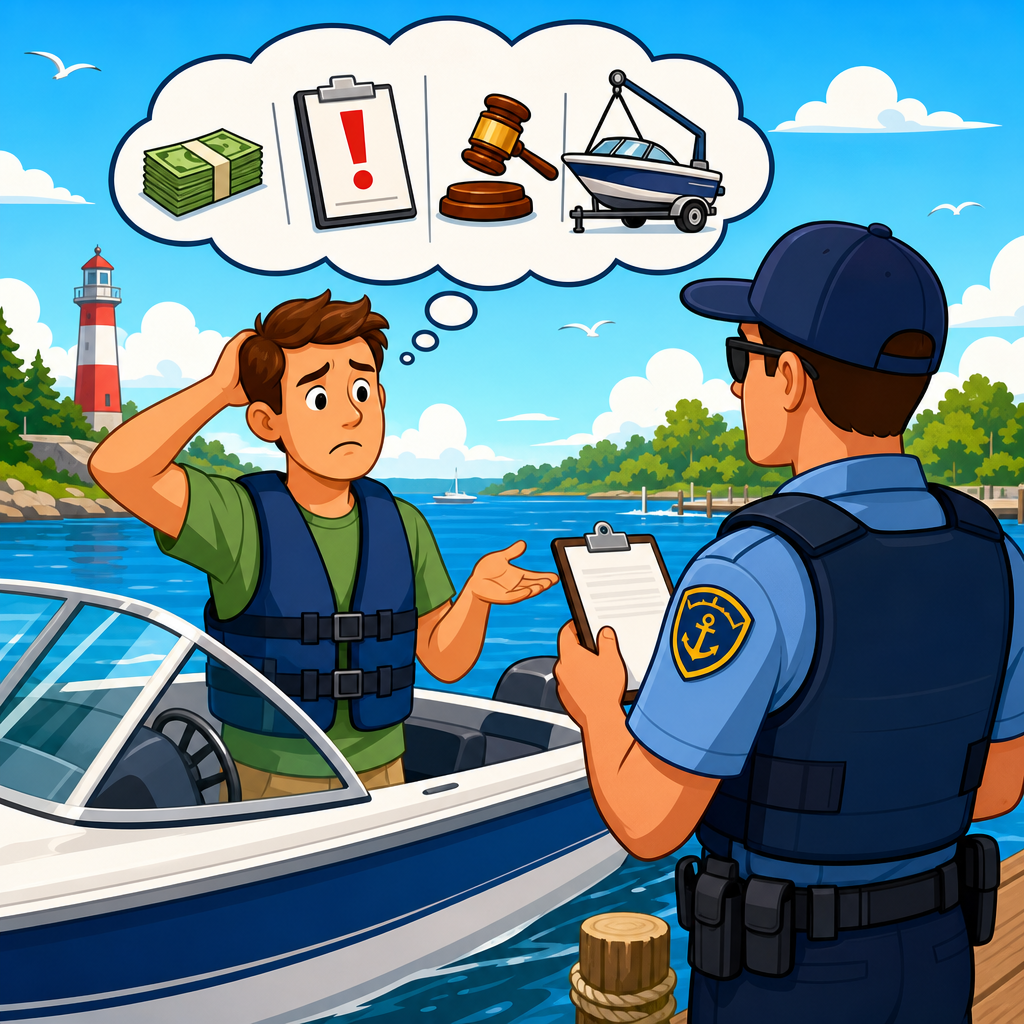
Marine patrol officers, sheriff units, state conservation police, and park rangers commonly enforce jet ski regulations. Night riding violations may start as civil citations, but consequences can expand quickly if alcohol, reckless operation, missing safety gear, or an accident is involved. Penalties vary by state and by whether the offense is first-time, repeat, or connected to injury or property damage. Typical outcomes include fines, mandatory court appearances, impoundment, loss of rental privileges, or boater education requirements.
Liability is often the more expensive problem. If an operator rides a jet ski at night in violation of state law and collides with another vessel, the illegal operation can be used as evidence of negligence. Insurers may deny coverage where policy terms exclude unlawful use or operation outside manufacturer recommendations. Rental agreements are even less forgiving. Most commercial PWC rental contracts strictly limit operation to daylight hours and designated riding zones, and violating those terms can make the renter responsible for the full value of the craft, tow costs, and third-party claims.
Accident reporting laws also matter. States generally require prompt reporting of serious boating accidents involving death, disappearance, injury requiring more than basic first aid, or property damage above a set threshold. Failing to report can create separate penalties beyond the original night riding violation.
How night riding connects to the wider PWC regulation hub
Because this page serves as a hub for personal watercraft and jet ski regulations, it helps to place night riding within the larger compliance map. The most searched PWC legal topics usually include operator age requirements, boater license or safety card rules, jet ski registration and title requirements, required safety equipment, life jacket laws for adults and children, distance-from-swimmer rules, towing skiers or tubers, no-wake zone enforcement, BUI penalties, and rental regulations. Night riding touches all of them because after-dark use intensifies risk and scrutiny.
For example, a minor who is old enough to ride under supervision during daylight may still be completely barred from nighttime operation. A rider towing a tube generally needs an observer or wide-angle mirror during legal daylight hours, but towing at night is commonly prohibited outright. A properly registered craft can still be unlawfully used if operated in a closed area, too close to shore, or outside lawful times. The compliance mindset should be holistic: legal PWC operation is never about one rule alone.
Best practices for staying legal and safe
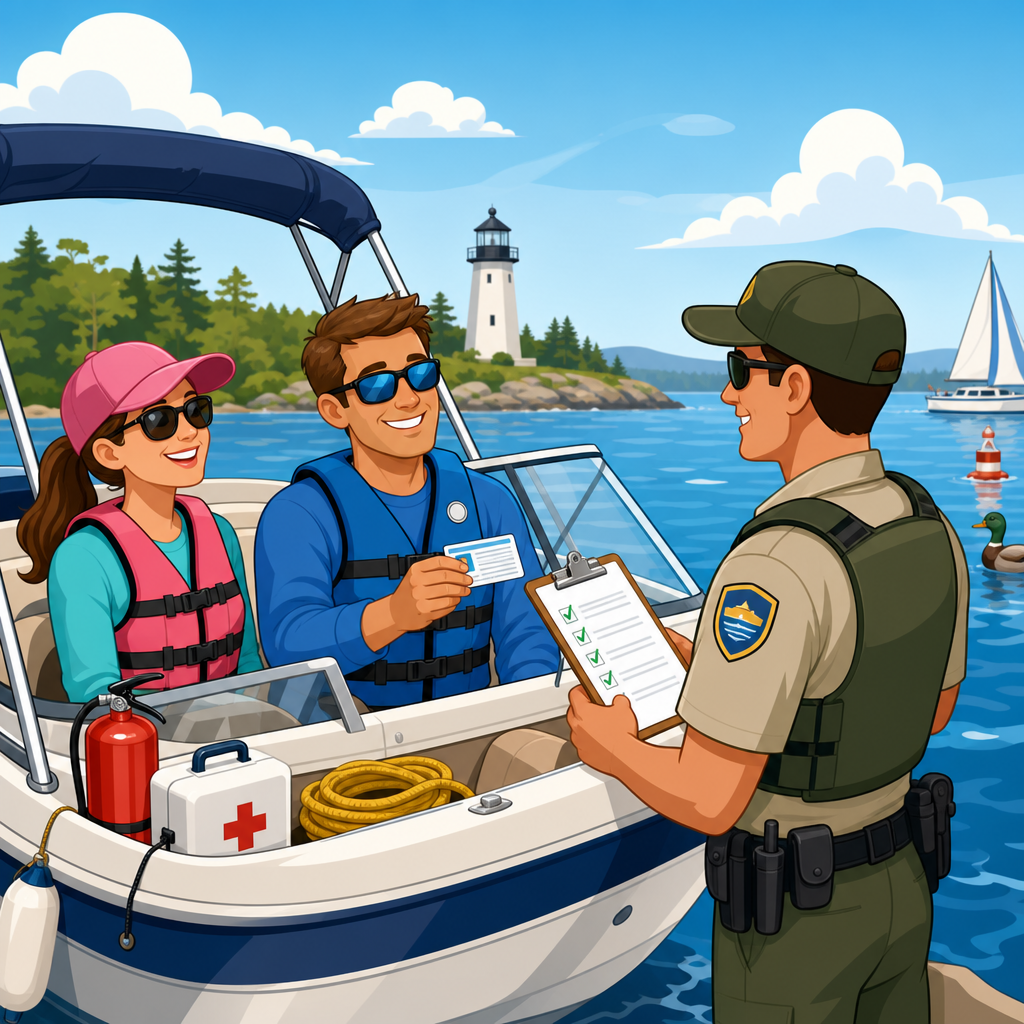
The best approach is to plan every ride as if an officer will inspect your compliance at the launch ramp and as if an insurer will review your decisions after any incident. Before riding, verify the state agency guidance, check local ordinances for the exact waterbody, and confirm posted launch and closure hours. Carry registration proof, wear a properly fitted U.S. Coast Guard approved life jacket, attach the engine cutoff lanyard, and make sure every passenger understands reboarding and emergency procedures.
If you want evening recreation, use a vessel that is legally permitted for nighttime operation and equipped accordingly rather than trying to adapt a jet ski to a use the law may forbid. In my experience, the safest and cheapest legal strategy is simple: end PWC rides well before sunset, leave margin for weather changes and no-wake return time, and treat late-day visibility loss as a signal to head in, not to stretch the ride.
The legal requirements for jet ski night riding are clear in principle even though details vary by jurisdiction: personal watercraft are regulated more strictly than standard boats, and night operation is commonly banned from sunset to sunrise or during defined buffers before sunrise and after sunset. That single rule sits inside a broader framework of personal watercraft regulations covering registration, operator education, required safety equipment, reckless operation, local waterway controls, and accident reporting. Riders who understand that framework make better decisions because they stop viewing compliance as a checklist and start viewing it as risk management grounded in law.
The central benefit of knowing these rules is not just avoiding a citation. It is protecting passengers, preserving insurance coverage, reducing civil liability, and choosing the right craft for the right conditions. As this sub-pillar hub for boating laws and regulations on personal watercraft and jet ski regulations, the key takeaway is straightforward: verify your state PWC hours, check local waterbody restrictions, and never assume ordinary boating night rules apply to a jet ski. Review the related topics in this section before your next launch, and make compliance part of every ride plan.
Frequently Asked Questions
Is it legal to ride a jet ski at night?
In many places, no. Unlike standard motorboats, personal watercraft such as jet skis are often subject to stricter operating rules, and night riding is commonly prohibited outright or limited to daylight hours only. The exact legal requirement depends on state, provincial, territorial, or local boating laws, but a very common rule is that a jet ski may only be operated from sunrise to sunset. Some jurisdictions define the cutoff differently, such as prohibiting use after sunset, before sunrise, or during periods of restricted visibility. This distinction matters because a rider may assume that adding lights or safety gear makes nighttime use legal, when the law may still ban operation entirely. Before riding, it is essential to review the rules for the specific body of water and the agency that regulates it, because local harbor, lake, and park authorities may impose additional restrictions beyond general boating statutes.
Why are jet skis treated differently from regular boats for night operation?
Jet skis are usually classified as personal watercraft, and that category is regulated differently from conventional vessels because of the way these machines are designed and operated. A jet ski is generally more maneuverable, more exposed to changing conditions, and more dependent on rider visibility and balance than a typical motorboat. At night, those characteristics create added risk for collisions, difficulty judging distance, reduced ability to spot hazards, and challenges seeing channel markers, floating debris, swimmers, docks, or unlit vessels. Lawmakers and boating agencies recognize that these risks are higher on personal watercraft, so many regulations reflect a policy choice to limit operation to daylight hours. In practical terms, this means a rule that might allow a boat to operate at night with proper navigation lights does not automatically apply to a jet ski. Riders should never assume personal watercraft are governed by the same nighttime standards as other recreational vessels.
Do navigation lights or extra equipment make night riding legal on a jet ski?
Usually not by themselves. One of the most common misunderstandings is that if a rider installs navigation lights, carries a flashlight, or uses reflective gear, the jet ski becomes legal for nighttime operation. In jurisdictions that prohibit jet ski use after sunset, no amount of added equipment overrides that ban unless the law specifically creates an exception. Safety equipment can still be important for low-light emergencies, delayed returns, or legal operation in marginal daylight, but it does not necessarily change the legal status of the ride. In places where limited night operation may be allowed, the rider may need to meet multiple requirements, such as proper vessel registration, required onboard equipment, approved lighting, life jackets, sound-producing devices, and compliance with all local navigation rules. Even then, riders should verify whether the equipment is approved for that specific personal watercraft and whether aftermarket modifications affect compliance, insurance, or manufacturer recommendations.
What happens if you ride a jet ski at night where it is prohibited?
The consequences can be more serious than many riders expect. At a minimum, a violation can lead to citations, fines, removal from the water, and possible impoundment in some areas. If the operator is involved in a collision, property damage incident, or injury event while riding illegally at night, the legal and financial exposure can increase significantly. Law enforcement, insurers, and courts may view the nighttime violation as evidence of negligence or reckless operation, especially if poor visibility contributed to the incident. Insurance coverage may also become a major issue. Some policies exclude losses that occur during unlawful use or outside permitted operating conditions, which means the rider could face denied claims or reduced coverage. In a civil liability case, operating a jet ski after hours in violation of local law can make it much harder to defend against allegations that the operator failed to use reasonable care.
How can you find the exact legal requirements for jet ski night riding in your area?
The safest approach is to verify the rule through official sources before launching. Start with the state or provincial boating authority, fish and wildlife agency, marine patrol, coast guard guidance, or department of natural resources responsible for personal watercraft regulation. Then check whether the specific lake, river, reservoir, coastal zone, marina, or park has its own operating hours or local ordinances, because site-specific rules often add restrictions that do not appear in general boating summaries. You should also review the current personal watercraft handbook, posted launch-ramp signs, and any temporary notices related to weather, visibility, wildlife zones, or special enforcement periods. If the wording is unclear, contact the local marine law enforcement office directly and ask whether personal watercraft may be operated after sunset, before sunrise, or during reduced visibility. Taking a few minutes to confirm the rule is the best way to avoid fines, insurance disputes, and preventable safety risks, and it ensures your ride stays compliant with the broader legal framework that governs personal watercraft operation.