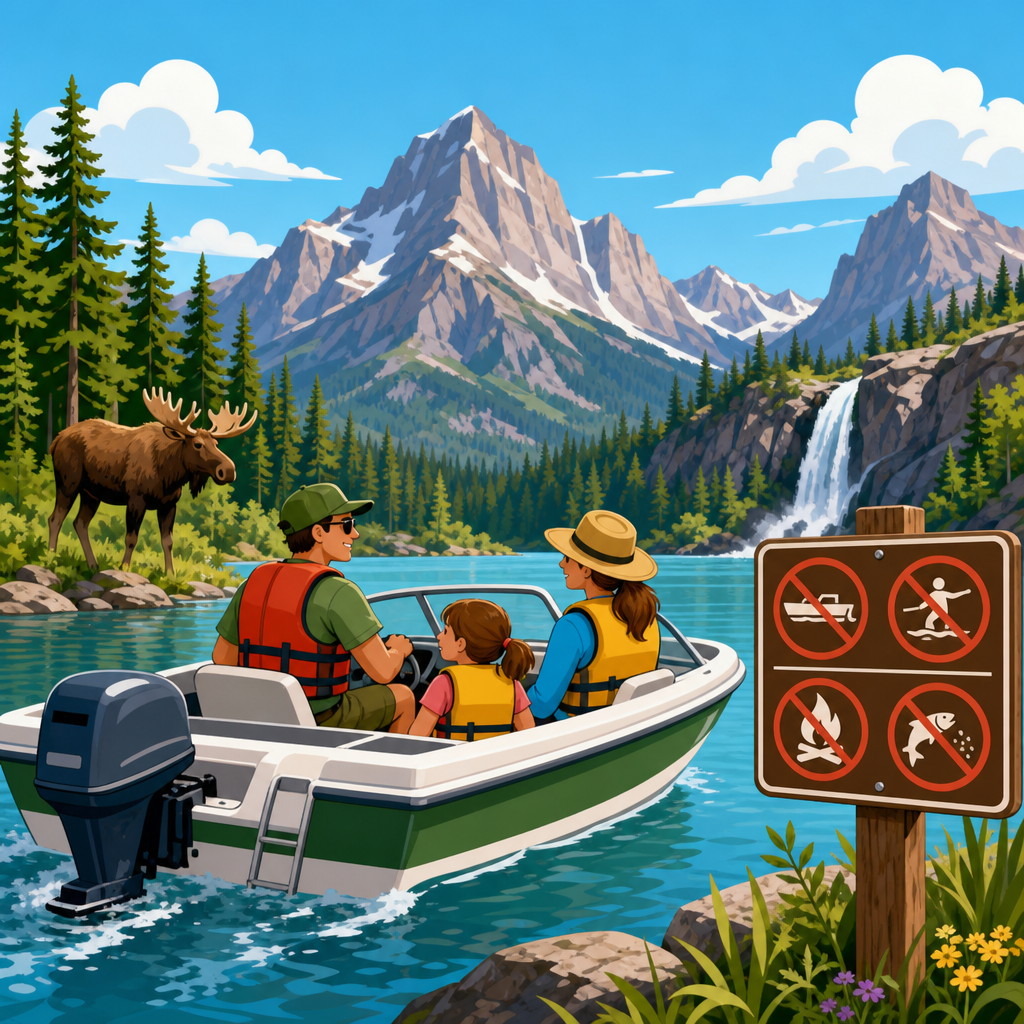
Boating in national parks combines recreation, access to remote landscapes, and strict environmental stewardship, which is why understanding boating laws and restrictions is essential before launching. In this context, national parks include units managed by the National Park Service, while boating laws cover federal regulations, park-specific superintendents’ compendiums, state vessel rules that still apply within park waters, and environmental protections tied to water quality, invasive species, and wildlife habitat. Clean boating refers to operating and maintaining a vessel in ways that prevent pollution, avoid ecological damage, and comply with rules on sewage, fuel, trash, noise, and wake. I have planned trips in reservoirs, seashores, and river corridors across multiple park units, and the pattern is consistent: the basic question is never just whether you may boat, but what type of vessel, where, when, at what speed, with what permits, and under what environmental safeguards. That matters because a legal mistake in a national park can lead to citations, launch denial, equipment seizure, or costly ecological harm. More importantly, these waters are protected for public enjoyment and long-term conservation, so every boating decision carries consequences beyond a single day on the water.
Environmental laws and clean boating practices form the core of national park boating restrictions because most limits are designed to protect water quality, wildlife, cultural resources, and visitor safety at the same time. A park may prohibit gas engines on one lake to reduce spills and noise, require decontamination to stop zebra mussels, restrict wake zones near nesting habitat, and ban beaching to protect shoreline vegetation. Some parks issue permits for private boaters in high-demand river systems, while others allow car-top craft with minimal paperwork but still enforce life jacket, fire extinguisher, and registration requirements. Searchers usually want direct answers: can you boat in a national park, do state boating laws still apply, are there clean water rules, and how do you avoid fines? The short answer is yes, boating is allowed in many national parks, but only under layered rules that often change by waterbody, season, and vessel type. This article serves as a hub for the environmental laws and clean boating side of boating laws and regulations, explaining the major legal categories, practical compliance steps, and common restrictions that boaters encounter across the National Park System.
How National Park Boating Rules Are Structured
The most important thing to understand is that boating in national parks is governed by overlapping authorities rather than one universal rulebook. The National Park Service enforces federal regulations in Title 36 of the Code of Federal Regulations, especially provisions on vessels, sanitation, closures, and resource protection. On top of that, each park superintendent can adopt local restrictions through a compendium that may address launch sites, speed limits, inspection protocols, quiet hours, anchoring, and seasonal closures. State boating laws usually continue to apply unless specifically preempted, so registration, numbering, operator age rules, and mandatory safety equipment remain relevant in park waters. For boaters, this means compliance starts before arrival: check the park website, the current superintendent’s compendium, and the relevant state boating agency.
In practice, the same vessel can be legal in one park and prohibited in another. A personal watercraft may be allowed only on designated waters in some recreation-focused units but barred in more sensitive park settings. An inflatable paddlecraft may launch freely on a mountain lake, yet the same type of craft could require inspection on a desert reservoir due to invasive species controls. I have seen visitors assume that a valid state registration answers everything, then get turned away because the park required a mussel inspection or a backcountry river permit. National park boating laws are therefore use-specific and place-specific. If you remember one principle, remember this: legal access depends on the park’s resource protection goals as much as ordinary boating safety law.
Water Quality Laws and Pollution Prevention Requirements
Clean boating in national parks begins with pollution prevention. Federal water quality protections, including the Clean Water Act, shape how parks regulate sewage discharge, fueling, bilge management, trash disposal, and graywater. Many park waters prohibit any overboard discharge of sewage, and vessels with installed toilets may be required to use marine sanitation devices and pump-out stations where available. Even where federal law allows certain equipment standards, a park may impose stricter practical restrictions if discharge risks threaten drinking water reservoirs, fisheries, or heavily visited shorelines. For example, on large reservoir parks and lake units, rangers often focus enforcement on leaking fuel systems, oily bilge discharge, and unsecured trash, because these are common sources of preventable contamination.
Pollution prevention also extends to routine maintenance. Cleaning solvents, paint chips, engine oil, and fuel additives should never enter park waters or launch ramps. A simple refueling mistake can spread a sheen across a marina basin, trigger reporting obligations, and create habitat damage that far exceeds the amount spilled. Good clean boating practice means fueling slowly, using absorbent pads, securing portable tanks upright, fixing vent leaks, and carrying spill response materials. Parks increasingly support these expectations with marina signage, concession rules, and inspection programs. If a boater asks what the law expects in plain terms, the answer is straightforward: nothing goes overboard except what regulations expressly allow, and prudent operators act as though every drop of fuel, sewage, trash, or detergent will reach protected habitat—because in a national park, it often will.
Invasive Species Controls and Mandatory Decontamination
Aquatic invasive species rules are now among the most significant boating restrictions in national parks. Zebra mussels, quagga mussels, Eurasian watermilfoil, New Zealand mudsnails, and other invasive organisms can travel on hulls, trailers, bilges, anchors, fishing gear, and ballast systems. Once established, they clog infrastructure, alter food webs, outcompete native species, and generate major control costs. To prevent this, many parks require inspection before launch, proof of a clean-drain-dry interval, hot-water decontamination, or temporary quarantine after visiting infested waters. Western reservoir parks, in particular, often operate mandatory inspection stations with seasonal hours and strict entry procedures. Missing those hours can mean losing your launch window entirely.
These programs are not administrative formalities; they are frontline environmental law in action. I have gone through inspections where staff checked drain plugs, live wells, anchor lockers, trailer bunks, and outboard intakes, and the process was thorough because small amounts of standing water can carry larvae invisible to the eye. Boaters should expect to remove all water, vegetation, and mud before transit, keep plugs out during transport where state law permits, and document prior launches if a park requests travel history. The legal standard is simple but uncompromising: if your vessel presents an invasive species risk, the park can delay, decontaminate, or deny launch. For clean boating compliance, invasive species prevention is no longer optional etiquette; it is a core operational requirement.
Wildlife Protection, Habitat Closures, and Wake Restrictions
Many boating laws in national parks are really wildlife protection measures expressed through navigation rules. Seasonal closures around nesting birds, no-entry zones in sensitive marshes, manatee slow-speed areas, seal or sea lion buffer distances, and quiet coves closed during spawning periods are all common examples. The legal basis may come from federal wildlife statutes, resource management authority, or park-specific closures, but the practical effect is the same: boaters must keep out, slow down, or alter course to prevent disturbance. In parks with protected shorebirds or marine mammals, even approaching too closely without landing can be treated as harassment if it changes animal behavior.
Wake restrictions matter for more than courtesy. Excessive wake erodes shorelines, undercuts archaeological sites, damages emergent vegetation, and disrupts paddlers and anglers in confined waters. That is why no-wake zones are often placed near marinas, launch ramps, narrow channels, and habitat areas rather than only where collision risk is high. Airboat, jet drive, and high-horsepower traffic may face additional limits in shallow ecosystems because propeller wash and noise can disturb sediment and stress wildlife. The clearest way to view these rules is that speed control in a national park is an environmental safeguard first and a convenience second. If the waterbody is small, heavily used, shallow, or ecologically sensitive, expect lower speed limits and broader no-wake enforcement.
Common Environmental Restrictions by Boating Activity
Because boating uses vary widely, environmental restrictions also vary by craft type and activity. The table below summarizes common patterns boaters encounter across national park units.
| Boating activity | Typical environmental restriction | Why parks impose it |
|---|---|---|
| Motorboating on lakes and reservoirs | Inspection, no-wake zones, fueling controls, engine limits | Prevent invasive species, spills, shoreline erosion, and noise impacts |
| Paddling and car-top boating | Seasonal closures, permit zones, landing restrictions | Protect nesting habitat, cultural sites, and overcrowded backcountry shores |
| Houseboating or overnight cruising | Marine sanitation rules, designated anchoring, trash retention | Reduce sewage discharge, litter, and damage to sensitive coves |
| Fishing from boats | Live bait limits, fish-cleaning rules, aquatic hitchhiker checks | Protect native fisheries and stop spread of invasive organisms |
| Personal watercraft use | Area designations, hour limits, wildlife buffers | Control noise, wake, and conflicts in narrow or sensitive waters |
This variation explains why a broad question like “Is boating allowed?” often produces the wrong answer. The legally useful question is “What restrictions apply to my exact vessel and activity in this exact park?” Once boaters frame it that way, compliance becomes much easier.
Permits, Inspections, and Documentation You May Need
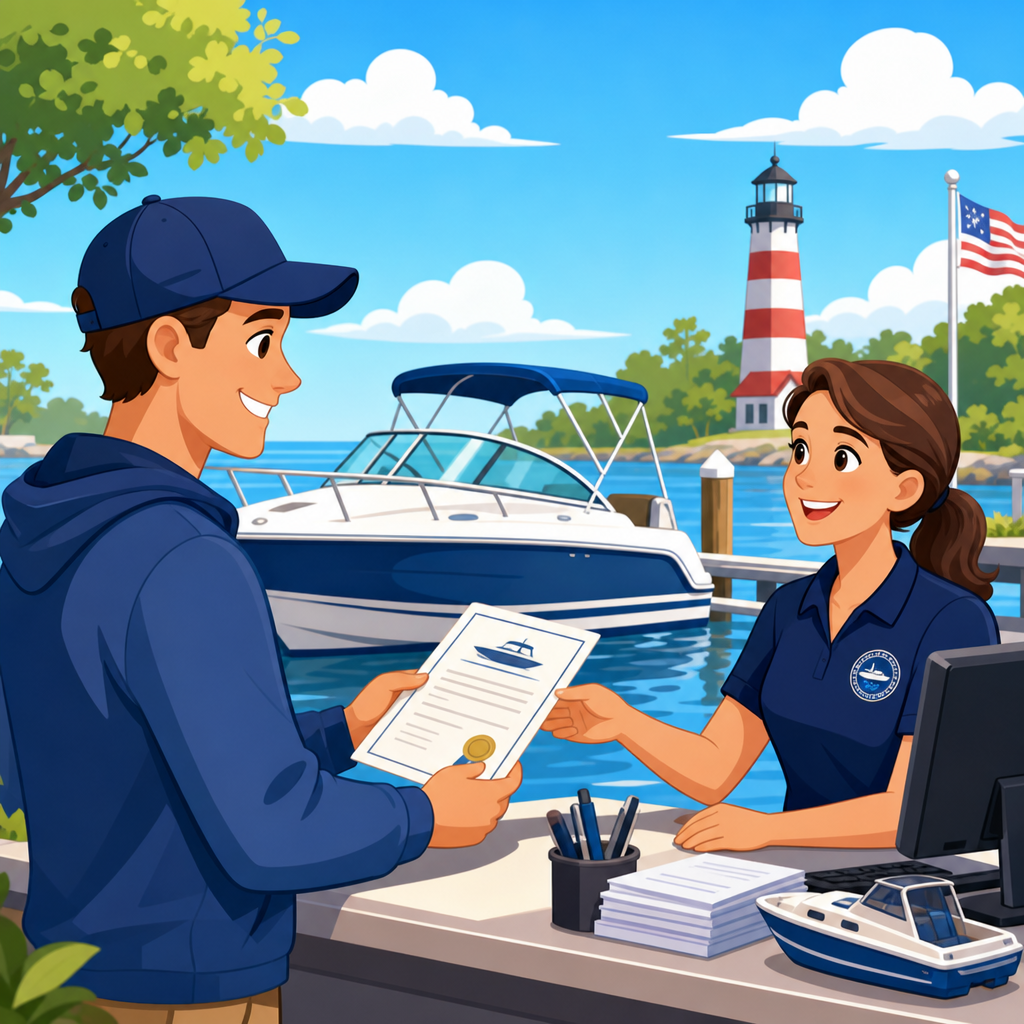
Not every park requires a boating permit, but many require some form of authorization, inspection tag, reservation, or acknowledgment of local rules. River trips in protected canyons may use lotteries or capped permits. Reservoir parks may issue annual vessel permits tied to quagga mussel screening. Some seashores and lakeshores require permits for beach launching, overnight anchoring, or backcountry camping associated with boating access. Documentation can also include state registration, proof of ownership, invasive species seals, boater education cards, and insurance for slip rentals or concession launches. The operational mistake I see most often is assuming that arriving with the boat and paying an entrance fee is enough. Often it is not.
The compliance habit that saves time is building a pre-launch checklist. Confirm launch hours, inspection station status, permit quotas, fire restrictions, and weather-related closures. Print or save the superintendent’s compendium because mobile service is unreliable in many park units. If the park uses tamper seals after inspection, do not break them before arrival. If your boat was recently in another watershed, disclose it. Rangers and inspection staff are usually trying to move prepared boaters through efficiently, but they have little discretion when environmental protocols are mandatory. Thorough documentation is not paperwork for its own sake; it is how parks verify that high-use waters can remain open without absorbing unnecessary ecological risk.
Best Clean Boating Practices That Keep You Legal
The most effective clean boating strategy is to treat legal compliance as part of routine seamanship. Before every trip, inspect fuel lines, clamps, and tanks for leaks; verify the bilge is clean and dry; empty trash; secure absorbent pads; and confirm that sewage systems, if installed, are functioning properly. After every trip, clean the hull and trailer, drain all compartments, remove plants and mud, and dry the vessel thoroughly before launching elsewhere. Use designated pump-out stations, restrooms, and fish-cleaning facilities rather than improvising at shorelines. Choose phosphate-free and biodegradable cleaners where permitted, but remember that “biodegradable” does not mean safe to discharge directly into the water. The right place for waste is a proper disposal facility, not the lake.
On the water, stay in marked channels where required, obey no-wake and habitat buffer zones, avoid prop scarring in shallow flats, and never feed wildlife. If you beach or anchor, use only allowed areas and check for submerged vegetation or archaeological sensitivity. Simple operational choices matter: idling instead of plowing through a no-wake area reduces erosion; carrying a portable trash container prevents windblown litter; and wiping up a few ounces of spilled gasoline avoids a reportable incident. Clean boating is often presented as a voluntary ethic, but in national parks it is better understood as the practical method for satisfying environmental laws every time you launch.
How to Research Park-Specific Rules Before You Go
The safest way to plan boating in a national park is to verify rules from primary sources in a fixed order. Start with the official park website page for boating or water activities. Then read the current superintendent’s compendium, which often contains the local restrictions not obvious from general visitor pages. Next, check the state boating agency for registration, life jacket, and operator requirements that still apply within the park. If the park has invasive species controls, review the inspection station page for hours, last-launch questions, and decontamination procedures. Finally, call the visitor center, marina, or permit office if your trip involves unusual equipment, overnight use, or multiple waterbodies.
This extra research pays off because boating restrictions in parks are dynamic. Drought can close ramps. High water can flood docks and alter speed zones. Wildfire can restrict access. Wildlife nesting activity can trigger temporary closures. Concession transitions can change fueling or pump-out availability. The legal and environmental lesson is simple: do not rely on old forum posts, mapping apps, or assumptions from a previous visit. Check the current rule set each time. If you are building out a broader boating laws and regulations library, this hub should connect you next to detailed resources on invasive species rules, sewage and discharge laws, no-wake regulations, permit systems, and state-federal rule interactions. For now, the key takeaway is clear: clean boating keeps national park waters open, protects fragile ecosystems, and keeps your trip on the right side of the law. Before your next launch, review the park’s current boating rules and prepare your vessel accordingly.
Frequently Asked Questions
What boating laws apply in national parks, and who enforces them?
Boating in national parks is governed by a layered set of rules, not a single nationwide standard. The National Park Service enforces federal regulations that apply across park units, but each park may also have its own boating restrictions published through the superintendent’s compendium or other park-specific regulations. On top of that, state boating laws often still apply within park waters, especially for vessel registration, operator age requirements, safety equipment, and intoxicated operation rules. In some locations, other agencies may also have authority, such as the U.S. Coast Guard on navigable waters or state wildlife agencies on shared reservoirs and rivers.
In practice, that means boaters need to check more than the general park website before launching. You should review the park’s official boating page, the current superintendent’s compendium, and any local alerts or seasonal closures. Rangers, marine patrols, and law enforcement officers can issue citations for violations such as operating in closed areas, lacking required safety gear, ignoring no-wake zones, or transporting invasive species. The safest approach is to assume that both federal and state requirements matter unless the park clearly states otherwise. Because rules can vary significantly from one park to another, verifying the exact requirements for your destination is one of the most important steps in trip planning.
Do I need to register my boat and carry specific safety equipment in a national park?
In most cases, yes. National parks generally do not waive state boat registration requirements simply because you are operating on federally managed water. If your state requires motorboats, personal watercraft, or certain non-motorized vessels to be registered, those rules will usually still apply within park boundaries. Some parks also require additional permits, inspections, or launch authorizations for particular types of watercraft. Before you arrive, confirm whether the park requires proof of registration, a park boating permit, inspection tags, or advance reservations for launches and marina access.
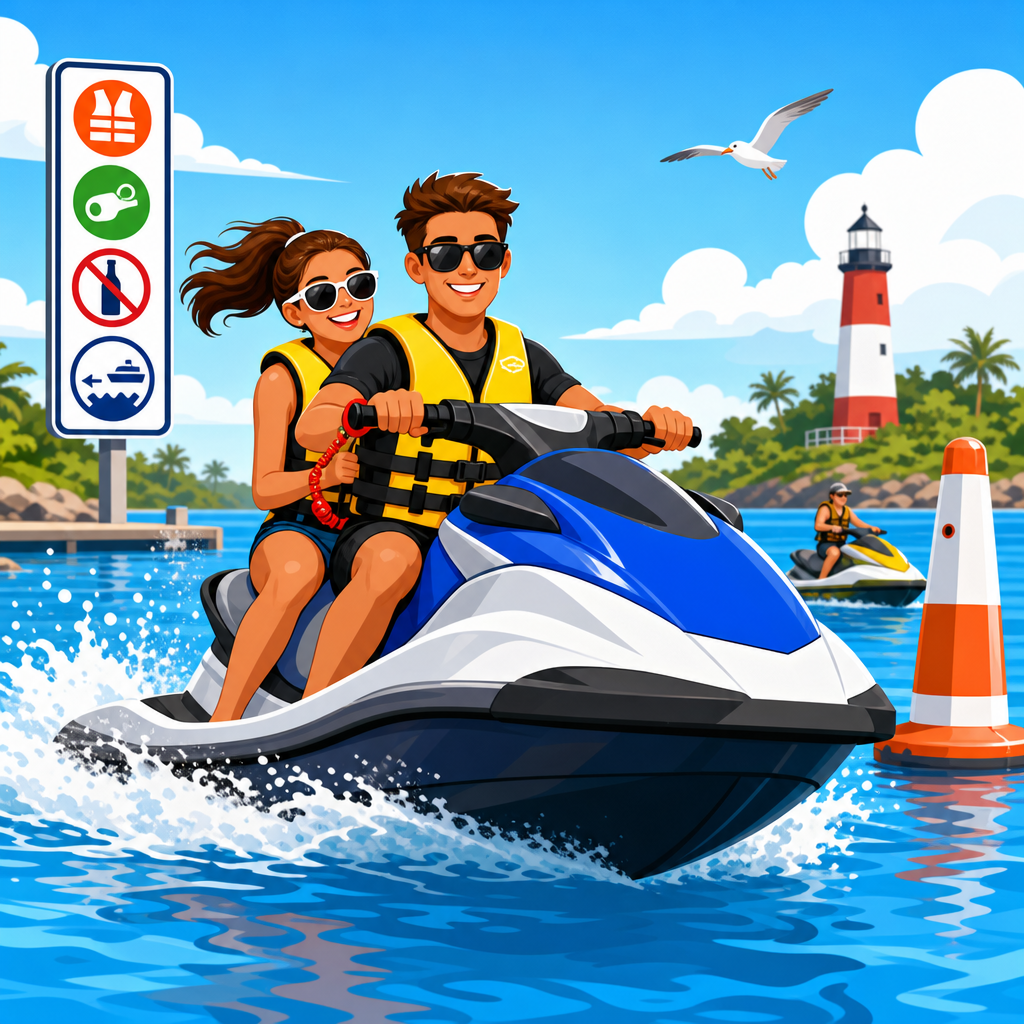
Required safety equipment typically includes U.S. Coast Guard-approved life jackets for each person on board, and many parks strongly enforce life jacket rules because of cold water, swift currents, sudden wind, and remote rescue conditions. Depending on the vessel type and length, you may also need a throwable flotation device, fire extinguisher, sound-producing device such as a whistle or horn, navigation lights, and visual distress signals. Children may be required to wear life jackets at all times under state law or park rules. Even when not legally required, extra safety gear is a smart idea in park waters, where weather can shift quickly and help may be far away. Carrying a first aid kit, marine radio where appropriate, extra fuel, map or chart, and emergency communication device can make a major difference if conditions deteriorate.
Are there restrictions on where, when, and how I can operate a boat in a national park?
Yes, and these restrictions are often among the most important rules boaters overlook. National parks may limit boating by location, season, speed, wake, horsepower, motor type, launch site, or time of day. Certain lakes, rivers, or shoreline zones may be closed entirely to protect wildlife habitat, cultural resources, spawning areas, drinking water supplies, or visitor safety. Other areas may permit only non-motorized boats, electric motors, or vessels below a certain size. Some parks impose no-wake zones near marinas, docks, swimming areas, campgrounds, narrow channels, or sensitive shorelines to reduce erosion and protect paddlers and anglers.
Seasonal restrictions are also common. Water levels, ice conditions, fire activity, wildlife nesting, and invasive species management can all affect whether a launch remains open. In river parks, flow rates and hazard conditions may trigger temporary closures or restrictions on specific craft. In heavily visited parks, boat ramps may require timed entry, reservations, or inspections before launch. Operators are also expected to boat responsibly under general safety standards, which means maintaining safe speed, yielding where required, avoiding reckless wake, and staying out of restricted zones even if markers are not obvious from a distance. Because park waters often serve multiple uses at once, from paddling and fishing to ferry traffic and wildlife viewing, careful operation is both a legal and practical necessity.
How do environmental protection rules affect boating in national parks?
Environmental stewardship is a core reason boating in national parks is regulated so carefully. Park waters may be protected not only for recreation, but also for habitat conservation, water quality, historic preservation, and long-term ecosystem health. As a result, boaters may face restrictions on fuel handling, sewage discharge, graywater, litter, anchoring, shoreline landing, fish cleaning, and the transport of invasive species. Many parks prohibit dumping any waste into the water, and some require marine sanitation devices to be secured in a way that prevents discharge. Fuel spills, even small ones, can lead to enforcement action because they threaten sensitive habitats and drinking water sources.
Invasive species prevention is another major issue. Parks may require inspection, decontamination, or mandatory clean-drain-dry procedures before launching, especially where zebra mussels, quagga mussels, or other aquatic hitchhikers are a concern. Some parks impose waiting periods after boating in other waters, while others require seals, tags, or inspection certificates. Boaters should also be careful not to disturb nesting birds, marine mammals, or other wildlife by approaching too closely, beaching in unauthorized areas, or creating excessive noise and wake. Following these rules is not just about avoiding fines; it helps preserve the very landscapes and waters people come to experience. In national parks, responsible boating is treated as part of conservation, not separate from it.
What should I check before launching a boat in a national park to avoid violations or delays?
Before launching, confirm the park’s current boating rules from official sources, not just general travel blogs or old forum posts. Start with the National Park Service page for the specific park, then review the superintendent’s compendium, boating and water safety pages, alerts, and any concessionaire or marina instructions if applicable. Verify whether your vessel is allowed on that body of water, whether inspections are required, and whether there are seasonal closures, invasive species protocols, permit requirements, or reservations for launch ramps and slips. Also check state boating laws that may still apply, including registration, operator education, minimum age rules, and life jacket requirements.
On the practical side, inspect your vessel and gear before you travel. Make sure registration documents are current, life jackets are accessible and correctly sized, lights and sound devices work, and required equipment is on board. Review weather, water temperatures, wind forecasts, and water level conditions, especially in mountain lakes, coastal parks, and river corridors where conditions can become dangerous quickly. Plan where you can legally land, anchor, or dock, and understand any no-wake or closed areas in advance. If the park requires inspection for invasive species, arrive early because lines and processing times can affect launch schedules. A few minutes of preparation can prevent citations, denied launches, and unsafe conditions, and it helps ensure your boating trip supports the park’s conservation goals as well as your own recreation plans.