Boating to the Bahamas requires more than a seaworthy vessel and a good weather window; it demands a clear understanding of entry laws, customs procedures, immigration rules, and safety requirements that apply the moment you cross into Bahamian waters. For U.S. and Canadian cruisers, the route can look deceptively simple because the islands sit so close to Florida, yet this is still an international voyage governed by border control, maritime reporting, and document verification. In practical terms, “entry laws and requirements” means the full set of legal obligations for the captain, crew, passengers, and vessel before departure, on arrival, during the stay, and when returning home. That includes passports, vessel registration, cruising permits, fishing rules, firearms declarations, pet paperwork, clearance fees, and re-entry reporting. I have helped skippers prepare these crossings and have seen the same problem repeatedly: people focus on navigation and underestimate paperwork. That mistake can delay entry, trigger fines, or create serious trouble on the return leg. A reliable plan starts with knowing which rules are fixed, which change seasonally, and which depend on your boat length, nationality, or intended activities. This hub explains the framework in plain language so boaters can approach the trip legally and confidently.
What documents you need before departing for the Bahamas
The minimum document set for boating to the Bahamas should be assembled before you cast off, not while drifting at a marina fuel dock. Every person on board needs a valid passport. Children also need passports, and relying on domestic boating habits is a mistake because this is an international border crossing. The vessel needs proof of ownership and nationality, usually state registration for smaller boats or federal documentation for documented vessels. If there is a lender on the title, many captains also carry a notarized letter authorizing foreign travel. Charter boats require extra scrutiny because customs officers may ask whether the voyage is private or commercial. If the operator is not the owner, bring written authorization.
Insurance is not always checked at first contact, but carrying a policy declaration page that shows Bahamian coverage is prudent. I strongly advise skippers to keep printed copies in a waterproof folder and digital copies offline on two devices. Passports, registration, radio license details if carried, pet health records, and any fishing permits should all be easy to present. If you plan to carry pets, the Bahamas requires an import permit and supporting veterinary documents. If you plan to carry firearms or ammunition, they must be declared immediately, and undeclared weapons can create severe penalties. Finally, verify your re-entry requirements for the United States or your home country before leaving, because customs compliance starts before departure, not after the trip.
How arrival, customs, and immigration clearance work
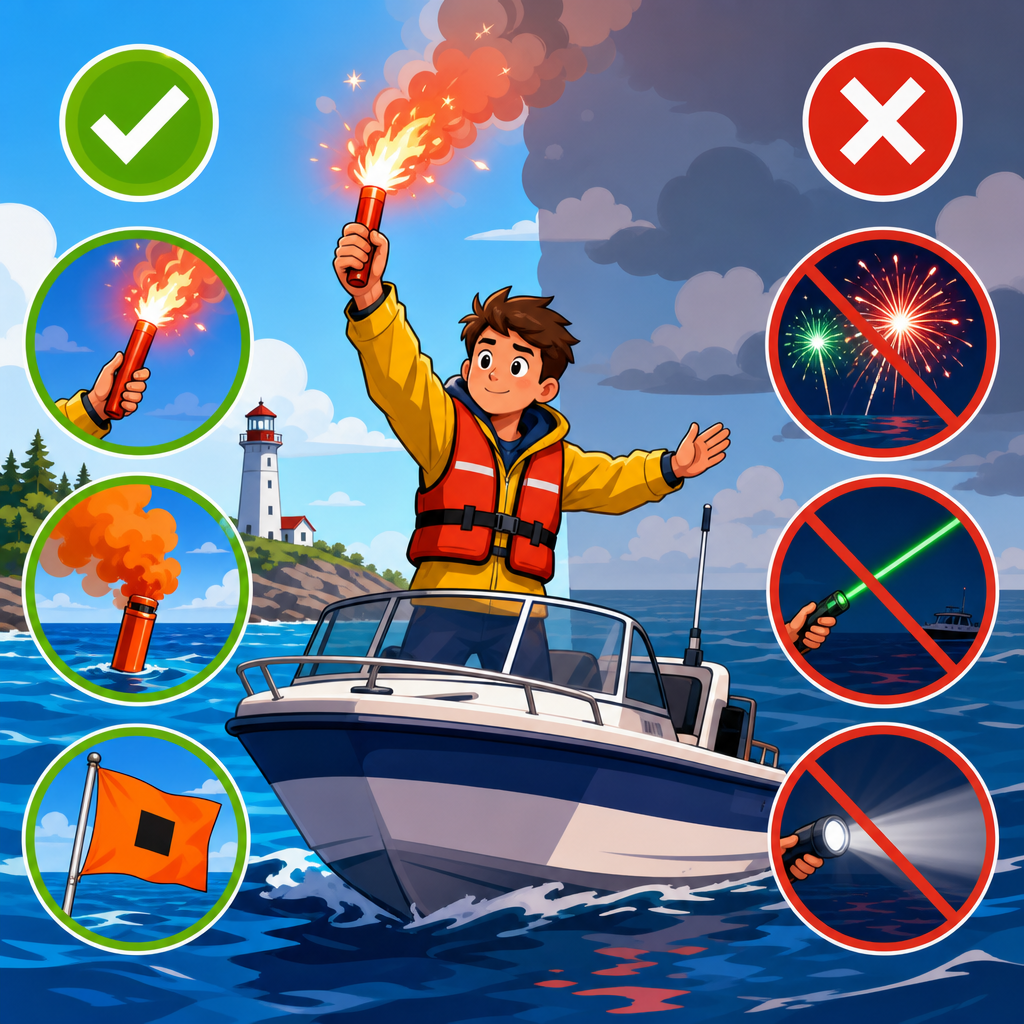
On arrival in the Bahamas, your first legal duty is to proceed to an official port of entry and complete clearance before normal cruising, fishing, or island touring begins. Do not let crew wander ashore casually. In standard practice, the captain takes the vessel to a marina or customs dock at an approved entry point such as Bimini, West End, Nassau, or another designated port. A yellow quarantine flag should be flown until clearance is complete. Only the captain should leave the boat unless officers direct otherwise. This is a basic international yachting rule, and following it signals competence and respect for procedure.
Bahamas Customs and Immigration will typically ask for passports for all persons on board, vessel documentation, an arrival form, and a declaration covering stores, pets, firearms, and the duration of stay. Fees are commonly bundled into a cruising permit structure that can include fishing privileges and a departure tax allowance, though the exact amount can change, especially by vessel size. Captains should always verify current charges through official Bahamian government sources or recognized cruising associations before departure. If a digital pre-clearance or online registration process is available at the time of travel, use it, but still carry paper backups. Systems fail, docks lose connectivity, and officers may request physical documents regardless of online submission.
Cruising permits, length of stay, and operating rules in Bahamian waters
After entry, the key legal instrument for most recreational boaters is the cruising permit. This permit authorizes the vessel to remain in Bahamian waters for a defined period and usually links to immigration status for passengers and crew. The exact duration can change, and extensions may be possible, but captains should never assume that a boat permit and a visitor stay are identical. In my experience, this is one of the most misunderstood parts of Bahamas cruising. A vessel may be legal while a person is nearing an immigration limit, or the reverse. Track both independently.
Operational rules matter after clearance. Boaters must obey marine park restrictions, fishing regulations, anchoring limitations, and local harbor directions. Spearfishing using scuba gear is generally prohibited, and certain species have closed seasons or size limits. Conch, lobster, and reef fish rules are actively enforced because these resources support local communities and tourism. Waste disposal is another overlooked compliance issue. Discharging garbage or sewage irresponsibly can violate local law and damage sensitive reefs and flats. Safe operation also includes carrying functioning navigation lights, life jackets, fire extinguishers, and communications gear appropriate to offshore travel. The law may not list every best practice, but if an incident occurs, inadequate equipment quickly becomes a legal as well as a safety problem.
Key compliance areas for international boating laws and travel requirements
International boating laws and travel requirements cover more than customs stamps. They include immigration status, vessel nationality, radio use, biosecurity, taxation, and re-entry obligations. This hub matters because each subtopic can become a trip-ending issue if ignored. The table below highlights the main areas that every Bahamas-bound boater should review before departure.
| Compliance area | What it means in practice | Common mistake |
|---|---|---|
| Passports and identity | Valid passport for every person, including minors | Assuming a driver license or birth certificate is enough |
| Vessel papers | Registration or federal documentation, ownership proof, travel authorization if needed | Bringing expired registration or no lender consent |
| Customs arrival | Clear only at an official port of entry before general shore access | Letting crew disembark before clearance |
| Immigration stay | Track permitted stay for each passenger separately from vessel status | Assuming the boat permit covers everyone indefinitely |
| Pets and firearms | Declare and document them immediately on arrival | Failing to disclose restricted items |
| Fishing and protected areas | Follow species limits, seasons, and marine park rules | Keeping prohibited catch or anchoring illegally |
| Return reporting | Comply with home-country customs and small vessel reporting systems | Thinking the trip ends once back in domestic waters |
Special issues: pets, firearms, fishing, and charter operations
Several categories trigger extra scrutiny. Pets need advance preparation because the Bahamas generally requires an import permit, proof of rabies vaccination, and a recent health certificate issued by a licensed veterinarian. Airlines and ferries have their own rules, but private boaters still need the government permit. Firearms are even more sensitive. If you carry one for offshore security, declare it on entry and expect officers to control how it may be stored or whether ammunition quantities are allowed. Never assume that U.S. carriage norms apply abroad. The same conservative approach should be taken with drones, large cash declarations, and commercial quantities of supplies.
Fishing regulations deserve close attention because many visiting skippers assume a cruising permit gives unrestricted fishing rights. It does not. Bag limits, species restrictions, method restrictions, and marine reserve boundaries still apply. The Bahamas National Trust manages protected parks where taking marine life may be barred entirely. Charter operations raise another line between private and commercial activity. A private pleasure craft taking friends across is treated differently from a vessel carrying paying passengers, and commercial use can trigger licensing, tax, and crewing obligations. If money changes hands, even informally, get formal guidance before departure.
Returning home: U.S. and other re-entry requirements
The legal process is not over when you point the bow back toward Florida. Returning boaters must satisfy re-entry rules for their home country, and U.S. boaters should be especially careful because Customs and Border Protection reporting rules are enforced independently of what happened in the Bahamas. Depending on the vessel, passengers, and enrollment status, captains may report through systems such as the Small Vessel Reporting System legacy procedures, the CBP ROAM app, or direct phone instructions from the relevant port of entry. The exact process can change, so verify it before the outbound leg. Trusted traveler programs can speed parts of the process, but they do not replace required reporting.
Bring back the same discipline you used on departure: passports ready, receipts available, declared goods separated, and arrival details logged. If you purchased parts, alcohol, or high-value goods, be prepared to declare them. If you carried fish or conch, know whether import restrictions apply. Re-entry violations can lead to inspections, civil penalties, and future travel complications. For that reason, I tell captains to treat the homecoming as another border crossing, not the end of one. This hub should serve as the starting point for deeper guides on customs reporting apps, passport rules for minors, pet transport, weapons declarations, and fishing compliance, because successful Bahamas cruising depends on mastering the entire chain of international boating laws and travel requirements.
Boating to the Bahamas is entirely achievable for prepared captains, but the trip rewards discipline as much as seamanship. The core lessons are straightforward. First, every person needs proper identity documents, and every vessel needs current proof of ownership or registration. Second, arrival must happen through an official port of entry, with customs and immigration completed before routine shore access. Third, the cruising permit is only one part of the legal picture; immigration limits, fishing restrictions, pet permits, firearms declarations, and marine park rules each create separate obligations. Fourth, the return trip requires the same level of compliance, especially for U.S. customs reporting. When boaters run into trouble, it is usually because they assumed a nearby destination would be administratively simple. It is close, but it is not casual.
Use this article as your hub for planning every future cross-border voyage under boating laws and regulations. Build a checklist, confirm current government guidance, print backups, and brief everyone on board before departure. When your paperwork is in order, you clear faster, cruise with confidence, and spend your time enjoying the banks, cays, and harbors instead of solving preventable legal problems. Start your preparation early and review each requirement before your next Bahamas crossing.
Frequently Asked Questions
What documents do I need to legally enter the Bahamas by private boat?
At a minimum, every person on board should carry a valid passport, and the vessel operator should have the boat’s registration or documentation papers readily available for inspection. If the boat is financed, borrowed, or owned by a company or trust, it is also wise to carry written authorization showing you have the legal right to take the vessel into Bahamian waters. Customs and immigration officers may also ask for a crew list, proof of citizenship, return or onward travel plans, and contact information for the owner and captain. If pets are on board, you generally need the proper import permit and veterinary records before arrival.
In practice, document problems are one of the fastest ways to create delays at clearance. Names should match exactly across passports, vessel papers, and any pre-filed arrival information. Keep both printed and digital copies of all key documents in a waterproof folder. Even experienced cruisers should remember that the Bahamas treats this as a formal international arrival, not a casual island hop. Having complete, organized paperwork helps you move through the entry process more smoothly and reduces the risk of fines, denial of entry, or extended questioning at the port of entry.
How do customs and immigration clearance work when I arrive in the Bahamas?
When you first arrive, you are expected to proceed directly to an authorized port of entry and complete clearance with Bahamian Customs and Immigration before most normal shore activities take place. Typically, only the captain should go ashore initially unless officers instruct otherwise. The boat should fly the yellow quarantine flag until it has been officially cleared. During clearance, authorities may review passports, vessel registration, a passenger manifest, cruising details, and declarations for firearms, pets, restricted goods, and other regulated items. Fees may apply, and those fees can vary depending on vessel size, duration of stay, and current government rules.
It is important not to treat arrival casually. Stopping to fish, dive, visit another island, or let passengers go ashore before formal entry can create legal trouble. Border procedures are tied to both customs control and immigration status, so the boat and everyone aboard remain subject to inspection until cleared. Because procedures can be updated, captains should verify current reporting requirements before departure and again shortly before landfall. A smooth arrival usually comes down to three things: entering at the correct port, reporting promptly, and presenting complete and truthful information to officers.
Do all passengers and crew have to report, or can the captain clear in for everyone?
In many cases, the captain handles the initial in-person reporting and submits the information for everyone on board, but that does not mean the rest of the passengers and crew are exempt from immigration control. Bahamian officials may require all persons on board to be listed accurately and may request that specific passengers appear for inspection, especially if there are citizenship questions, visa concerns, prior immigration issues, or inconsistencies in the paperwork. The captain is responsible for making sure every person aboard is properly declared and that no one disembarks without authorization.
This matters because immigration compliance is individual, even when customs reporting is handled centrally by the skipper. Each traveler must meet the Bahamas’ entry rules based on nationality, passport validity, and any visa requirements that may apply. For U.S. and Canadian cruisers, entry is often straightforward, but straightforward does not mean informal. If one passenger lacks proper documents, it can affect the entire vessel’s clearance. A good best practice is to collect and verify every traveler’s paperwork before departure from the United States or Canada, rather than discovering a problem at the dock in the Bahamas.
Are there specific safety equipment or boating compliance rules I should meet before crossing to the Bahamas?
Yes. While entry laws focus on customs and immigration, a safe and compliant crossing also depends on carrying appropriate boating safety equipment and being prepared for offshore conditions. Your vessel should have current registration, legally required life jackets, navigation lights, fire extinguishers, sound-signaling devices, and other equipment required by your flag state or country of registration. Because the route includes open water and fast-changing weather, prudent operators also carry an EPIRB or PLB, a VHF radio, updated charts, GPS navigation, emergency medical supplies, spare fuel filters, tools, and reliable communications for weather and routing updates.
Authorities may not inspect every item on every arrival, but compliance still matters. If you are involved in an incident, boarded for inspection, or questioned after a distress call, inadequate equipment can become a legal and safety issue very quickly. Seamanship expectations also extend to vessel readiness: engines should be reliable, bilge pumps operational, batteries in good condition, and fuel planning conservative enough for weather or route deviations. Crossing from Florida to the Bahamas may look short on a map, but Gulf Stream conditions, squalls, and mechanical failures can turn a routine trip into an emergency. Meeting legal entry requirements is only part of being properly prepared.
What happens if I fail to follow Bahamian entry rules or return to the United States without proper reporting?
Failure to follow the rules on either side of the trip can lead to serious consequences. In the Bahamas, skipping official clearance, making false declarations, carrying prohibited items without disclosure, or allowing people to go ashore before approval can result in fines, vessel detention, confiscation issues, or immigration penalties. Even an honest mistake, such as arriving at the wrong location or misunderstanding reporting timelines, can create delays and added scrutiny. Officers have broad authority to inspect vessels and verify whether the boat entered legally and whether all persons aboard were properly documented.
On the return to the United States, boaters also have legal reporting obligations with U.S. Customs and Border Protection. Returning cruisers generally must report their arrival promptly and comply with current CBP procedures, which may involve designated reporting methods, apps, local offices, or participation in trusted traveler or small vessel programs where applicable. The key point is that clearing out of one country and clearing back into another are separate legal steps. Boaters should never assume that a short trip or familiar route reduces those obligations. The safest approach is to plan the round-trip paperwork before departure, verify the latest rules with official government sources, and treat both entry and reentry as formal border crossings.