Personal watercraft safety laws every rider must follow exist to prevent collisions, serious injuries, drownings, and costly property damage on crowded waterways. A personal watercraft, often called a PWC or Jet Ski, is a small vessel powered by an inboard jet drive and designed to be ridden sitting, standing, or kneeling. Although many riders think of PWCs as recreational machines closer to motorcycles than boats, the law treats them as vessels, which means boating statutes, navigation rules, registration requirements, and operator responsibility standards generally apply. That legal classification matters because a rider can face citations, civil liability, or even criminal penalties for reckless operation, intoxicated riding, failing to carry required equipment, or violating age and education rules.
In practice, PWC laws are a mix of federal navigation requirements, state boating codes, local waterway restrictions, and manufacturer safety instructions. The U.S. Coast Guard sets baseline equipment and navigation standards, while states control registration, titling, boater education, minimum operator age, towing rules, and accident reporting. Some counties, park agencies, and marine patrol units add local speed zones, no-wake areas, launch restrictions, and environmental protections. I have seen riders assume that a valid driver’s license covers them on the water, only to learn at the ramp that their state requires a boater education card, temporary certificate, or adult supervision. That gap between assumption and law is where most preventable violations happen.
This hub explains the core personal watercraft safety laws every rider must follow, with a focus on rules that apply in most jurisdictions and the points where state laws differ. It covers registration, mandatory gear, age limits, safe operation, right-of-way, towing, fueling, accident reporting, and penalties. Use it as the starting point for deeper articles within the broader boating laws and regulations topic, especially if you are buying your first PWC, renting one on vacation, or returning to riding after several years away.
Registration, titling, and boater education requirements
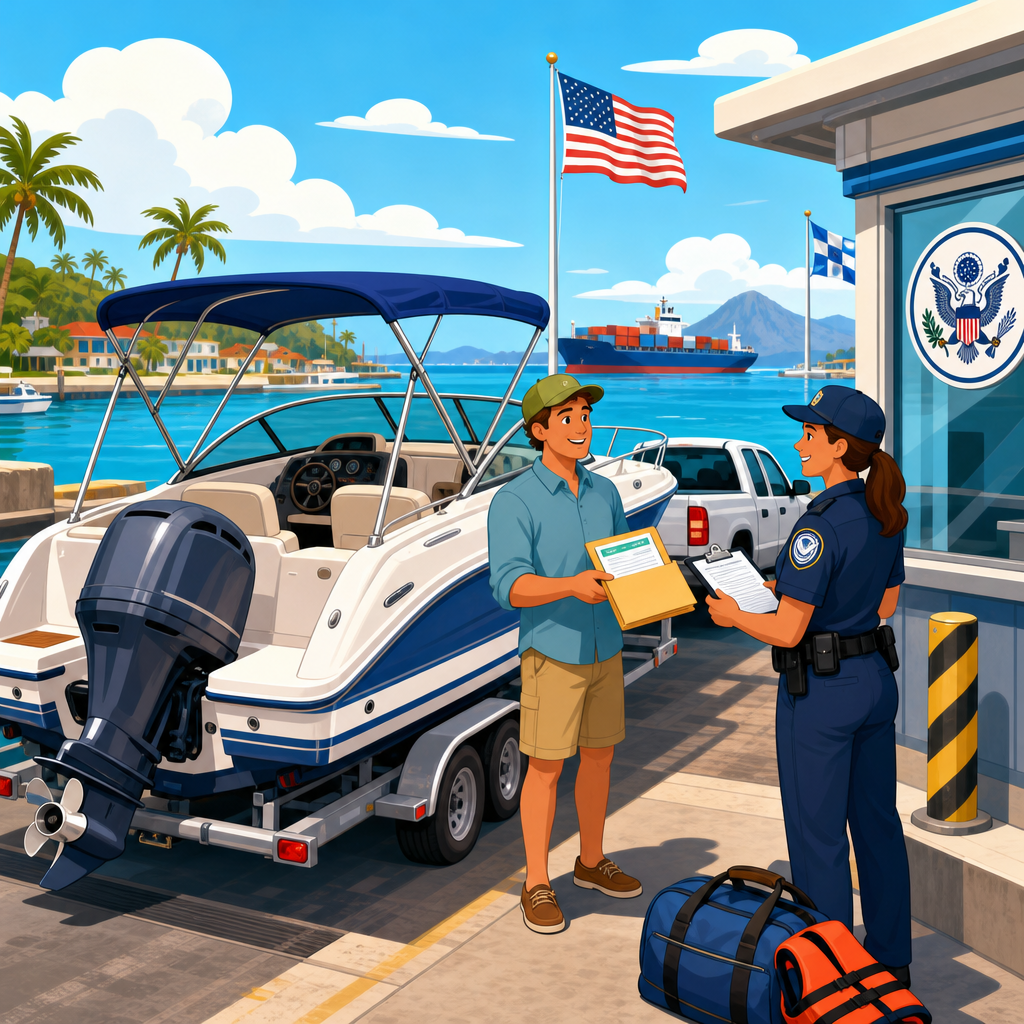
Most states require every motorized personal watercraft to be registered before it is operated on public water. Registration usually means displaying state-issued numbers on both sides of the bow and carrying a registration certificate on board or in a waterproof container. Many states also require a title, particularly for newer or higher-value PWCs, and lenders almost always require a clear title record before financing. If you buy a used machine from a private seller, you typically need a signed title, bill of sale, hull identification number verification, and proof that registration fees or taxes are paid. Operating before transfer is completed is a common violation.
Boater education laws are equally important. A growing majority of states require operators born after a certain date to complete an approved boating safety course. The course may be delivered by the state agency, NASBLA-approved providers, or the Coast Guard Auxiliary. Completion often results in a boater education card rather than a temporary permit, and many states require the card to be carried while riding. Rental operators may offer a temporary safety checklist or test, but that does not override state law unless the state specifically authorizes it. Riders should verify whether age-based exemptions, resident exceptions, or supervised-operation allowances apply where they launch.
Because this page serves as a sub-pillar hub for PWC and Jet Ski regulations, the registration and education issue links directly to related compliance topics: how to title a used watercraft, whether out-of-state registrations are honored, what renters must show at check-in, and which online boater courses are accepted by enforcement officers. The legal principle is simple: if you cannot prove the machine is lawfully registered and the operator is legally qualified, the ride can end before it begins.
Required safety equipment on a PWC
Personal watercraft carry less gear than larger boats, but the safety equipment rules are stricter than many riders expect. Federal law generally requires one U.S. Coast Guard-approved wearable life jacket for each person on board, and on a PWC that usually means every rider must actually wear it, not just store it. Most states prohibit inflatable life jackets for PWC use because they are not approved for high-impact situations. The lanyard-type engine cut-off switch, often called a kill switch, is also mandatory in practical terms and increasingly mandatory by statute; the operator must attach it to their person so the engine stops if they fall off. A sound-producing device such as a whistle is commonly required, and state law may also require fire extinguishers depending on the model year and enclosed compartments.
When I inspect a PWC before launch, I check the life jackets’ labels, buckles, and fit, then verify the cut-off switch clips securely and restarts properly. I also look for registration documents, check fuel system vents, and make sure the reverse gate and steering nozzle move freely. Riders often overlook the reboarding step, boarding handle, and tow point condition, yet those can become safety issues after a fall or during towing. Factory decals matter too. Manufacturers place warning labels about capacity, towing limits, and carbon monoxide exposure near boarding platforms and helm areas, and ignoring them can support a negligence claim after an incident.
| Requirement | What the law usually expects | Common rider mistake |
|---|---|---|
| Life jacket | USCG-approved wearable device for each person, typically worn at all times on a PWC | Using an inflatable vest or carrying one without wearing it |
| Engine cut-off switch | Lanyard attached to operator so engine stops after ejection | Clipping it to the craft instead of the rider |
| Registration proof | Valid certificate available during operation | Leaving paperwork in the tow vehicle |
| Sound device | Whistle or other approved signaling device | Assuming the horn is installed when it is not |
| Fire extinguisher | Required on many models under federal carriage rules | Carrying an expired or inaccessible extinguisher |
Age limits, passengers, and rental rules
Minimum age rules for PWC operation vary by state, but they are often stricter than the rules for general boating. Some states set a flat minimum age such as 12, 14, or 16. Others allow younger operators only if they have completed a state-approved boating course and are supervised by an adult on board or nearby. A few jurisdictions prohibit anyone under a specified age from operating a rented PWC even if they may operate a family-owned machine. Rental companies also impose their own contract standards, often requiring the primary renter to be 18 or 21, present identification, sign liability documents, and complete a pre-ride safety briefing.
Passenger rules matter because a PWC may not be operated beyond its rated capacity. The capacity plate tells you how many persons or how much total weight the craft may safely carry. On many three-seat models, towing a skier legally requires enough seating for the operator, the observer if one is required, and the person being towed to reboard later. Riding with a child in front of the operator, standing passengers on unsupported surfaces, or extra riders on the swim platform can violate both safety law and manufacturer instructions. Rental fleets are especially strict because overloading affects steering response, stopping distance, and stability at low speed.
These age and passenger rules connect closely with insurance coverage and liability. If a prohibited minor causes a crash, or a renter carries more people than allowed, insurers may dispute coverage and injured parties may use the violation as evidence of negligence. In other words, the capacity plate and the age statute are not technicalities; they shape who may ride, who may supervise, and who pays after a loss.
Safe operation, speed zones, and right-of-way laws
The most important personal watercraft safety laws govern how a rider behaves around other vessels, swimmers, docks, and shorelines. Reckless operation is illegal everywhere, and it usually includes weaving through traffic, jumping wakes within unsafe distances, following another vessel too closely, operating at unreasonable speed for conditions, and creating hazardous wash in no-wake areas. Many states specifically prohibit “wake jumping” within 100 feet or another stated distance of a boat because the rider temporarily loses visibility and control. You must also obey posted speed zones, manatee zones where applicable, swim areas, and local restrictions around marinas, bridges, and boat ramps.
Right-of-way rules on a PWC are not optional courtesy rules; they are enforceable navigation laws derived from the Inland Navigation Rules and state boating codes. In crossing situations, the vessel with the other on its starboard side generally gives way. Overtaking vessels must keep clear. Head-on situations require both operators to alter course to starboard. A PWC cannot claim agility as a legal excuse to cut across a sailboat’s bow, crowd a fishing skiff, or force a paddler outside a marked channel. The practical challenge is that many PWC crashes happen in daylight and calm weather because riders overestimate maneuverability and forget that jet-propelled steering works poorly without throttle.
Distance rules deserve special attention. States often require riders to stay a minimum distance from docks, swimmers, anchored boats, and shorelines when above idle speed. Even where the exact number differs, the legal expectation is consistent: slow down early, keep a broad buffer, and never assume others can predict your line. If there is one operational habit that prevents the most citations and injuries, it is treating every congested area as a low-speed, high-attention zone.
Towing, night operation, alcohol, and environmental restrictions
Towing skiers, wakeboarders, or tubes with a personal watercraft is legal in many states, but only when specific conditions are met. The PWC must be rated and equipped for towing, have adequate seating, and comply with observer or mirror requirements. Some states allow a wide-angle rearview mirror instead of a second person acting as observer; others still require an observer in addition to the operator. The tow rope must be managed so it cannot foul the impeller, and riders must stay within legal hours for towing activity, usually daylight only. Hand signals, spotter communication, and a clear pickup procedure are not just best practices; they are part of what enforcement officers evaluate after an incident.
Night operation is another area where PWC laws are notably strict. Many states prohibit personal watercraft use from sunset to sunrise, even if the craft displays navigation lights. This rule reflects the vessel’s speed, low profile, and limited night visibility. Riders who trailer to vacation areas often miss this because larger recreational boats may lawfully operate after dark. If your state or local authority bars PWC night riding, a functioning light kit does not create an exception.
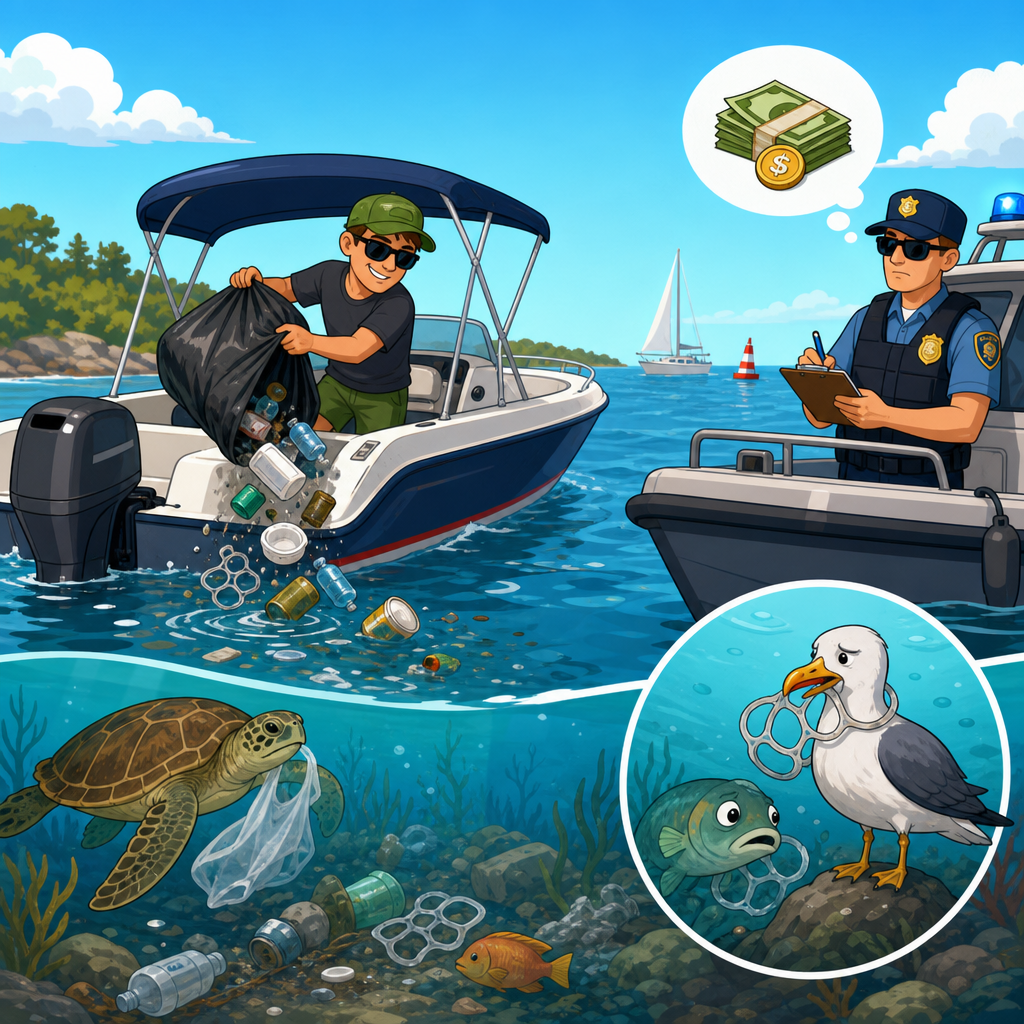
Alcohol and drug laws on the water largely mirror impaired driving laws on roads. Boating under the influence is a serious offense, commonly enforced at a blood alcohol concentration of 0.08 percent for adults, with lower tolerance in some contexts. Penalties can include fines, jail exposure, course requirements, impoundment, and loss of boating privileges. Environmental rules also matter. Fuel spills at the ramp, riding through seagrass beds, entering closed wildlife zones, or discharging trash can trigger separate citations. Responsible PWC operation means managing the machine, the wake, and the surrounding habitat with equal care.
Accident reporting, enforcement, and penalties for violations
After a crash, injury, disappearance, death, or significant property damage, most states require a boating accident report within a defined time frame. The deadline may be immediate for fatalities and disappearances, 48 hours for serious injuries, or several days for substantial damage. The operator’s duty does not end with calling for help. You may be required to stop, assist anyone affected so far as practical without serious danger to your own vessel, exchange identification, and notify marine patrol, sheriffs, or wildlife officers. Leaving the scene of a serious boating accident can carry severe penalties.
Enforcement is handled by state marine patrols, conservation police, county sheriffs, harbor patrol units, park rangers, and in some waters the U.S. Coast Guard. Officers can conduct safety inspections, verify education cards, inspect registration decals, and cite observed reckless behavior. In my experience, officers pay particular attention at launch ramps, holiday weekends, and popular cove areas where speed, alcohol, and inexperience combine. A warning is possible for minor first-time issues, but expired registration, intoxicated operation, and dangerous riding near swimmers are the kinds of violations that regularly produce formal citations or arrests.
Penalties vary, yet the pattern is consistent: fines increase when a violation creates risk, repeated offenses bring harsher consequences, and any injury can transform a boating citation into a civil lawsuit. The smartest approach is preventive compliance. Review your state code before each season, carry current documents, inspect required equipment, and make conservative decisions around traffic, weather, and passengers. For anyone using this hub to navigate personal watercraft and Jet Ski regulations, the main takeaway is clear: treat a PWC like the legally regulated vessel it is, and you will protect your passengers, your finances, and your freedom to ride. Before your next launch, verify your state’s age, education, and operating-hour rules and make them part of your normal checklist.
Frequently Asked Questions
Are personal watercraft legally treated like boats, or do different rules apply?
In most states, a personal watercraft, or PWC, is legally treated as a vessel, which means the same core boating laws and navigation rules apply even if the machine feels more like a motorcycle on water. That classification matters because riders must follow right-of-way rules, obey local speed and no-wake restrictions, carry required safety equipment, and operate responsibly around swimmers, docks, ramps, and other boats. Many accidents happen because inexperienced riders assume PWCs are exempt from standard boating rules due to their size, maneuverability, or recreational use. In reality, law enforcement and courts generally view PWC violations the same way they would treat unsafe operation of any other vessel. Riders should expect legal duties involving registration, age restrictions, education requirements, reckless operation laws, and possible liability for injuries or property damage. The safest approach is to treat every ride as a boating activity governed by state law, local ordinances, and on-water navigation rules, not as a casual free-form recreation with no formal legal standards.
What safety equipment is usually required on a personal watercraft?
Required equipment varies by state, but several items are commonly mandated almost everywhere. A properly fitted, Coast Guard-approved life jacket is one of the most important legal and practical requirements, and on many waterways it must be worn at all times while operating or riding on a PWC. Riders are also often required to use an engine cut-off switch, sometimes called a lanyard, which shuts the engine off if the operator falls away from the craft. Other common legal requirements may include a fire extinguisher, sound-producing device such as a whistle, registration numbers, validation decals, and proper onboard capacity and warning labels. Some states also require navigation lights if operation is allowed during low-light periods, though many jurisdictions prohibit PWC use after sunset entirely. Even when not specifically required by law, protective eyewear, wetsuit bottoms or impact-protective clothing, and a communication device can significantly reduce injury risk. Before launching, riders should confirm both statewide boating regulations and any local lake, river, or coastal rules, because missing equipment can lead to citations, removal from the water, or much worse if an emergency occurs.
Do I need a boating license or safety course to operate a Jet Ski or other PWC?
In many jurisdictions, yes. States frequently require PWC operators, especially younger riders or anyone born after a certain date, to complete an approved boater education course before operating legally. Some states refer to this as a boating license, while others issue a safety certificate, education card, or operator credential rather than a traditional license. The exact requirement depends on state law, the rider’s age, and sometimes whether an adult is supervising. These courses usually cover navigation rules, legal responsibilities, emergency procedures, environmental protection, and the unique handling characteristics of personal watercraft, including stopping distance and throttle-steering issues. That training is important because PWCs can accelerate quickly but may not turn effectively without throttle, a fact many new riders do not understand until it is too late. Failing to complete a required course can result in fines, restrictions on operation, and stronger liability arguments after a crash. Riders should check the current rules in the state where they plan to operate, because education requirements often apply to visitors as well as residents, and reciprocal recognition is not always automatic.
What kinds of riding behavior are illegal or considered reckless on a personal watercraft?
Reckless or unlawful PWC operation generally includes any conduct that creates an unreasonable risk to people, property, or the waterway itself. Common examples include excessive speed in congested areas, weaving through traffic, jumping wakes too closely behind other vessels, operating near swimmers or shorelines at unsafe speeds, following another boat too closely, and making sharp turns to spray or intimidate others. Many states specifically prohibit operating in a careless manner that endangers life, limb, or property, even if no collision actually occurs. Riding while under the influence of alcohol or drugs is also illegal and often punished similarly to impaired driving offenses on the road. Additional restrictions frequently apply to nighttime use, towing without proper observers or equipment, and allowing underage or unqualified riders to operate. Because PWCs are highly maneuverable and fast, riders sometimes overestimate what they can safely do in crowded waterways, especially near marinas, launch ramps, and narrow channels. Law enforcement officers look closely at operator judgment, not just speed. If a rider ignores posted markers, no-wake zones, weather conditions, visibility limits, or traffic patterns, that conduct can support citations, civil liability, or even criminal penalties after an incident.
What happens if a rider violates personal watercraft safety laws and causes an accident?
When a rider breaks PWC safety laws and causes a crash, the consequences can extend well beyond a simple ticket. The operator may face fines, loss of operating privileges, mandatory education, or criminal charges in serious cases involving intoxication, reckless conduct, major injury, or death. Just as important, a legal violation can become powerful evidence in an injury or property damage claim. If the rider failed to wear required safety gear, ignored navigation rules, exceeded no-wake limits, or let an unqualified person operate the craft, those facts may be used to show negligence. Liability may include medical expenses, lost income, pain and suffering, repair or replacement costs, and in severe cases long-term disability damages or wrongful death claims. There can also be disputes involving rental companies, owners who entrusted the craft to unsafe operators, or manufacturers if equipment failure played a role. Insurance coverage may help, but insurers often investigate whether the operator violated the law or policy terms. For that reason, compliance with safety statutes is not just about avoiding citations. It is one of the most effective ways to reduce the risk of devastating financial exposure, prevent injuries, and protect everyone sharing the water.