Boat ownership laws define the legal duties that come with buying, registering, operating, maintaining, and sometimes lending a vessel, and those duties are broader than many first-time owners expect. In practice, “legal responsibilities of boat owners” means more than obeying speed limits on the water. It includes titling and registration, carrying required safety equipment, preventing pollution, maintaining insurance where applicable, supervising permitted operators, reporting accidents, and responding correctly to law enforcement or marine patrol inspections. I have worked with owners who assumed a boat was no different from a car with a dock slip, then discovered that federal rules, state statutes, marina contracts, and local waterway restrictions all apply at once. That overlap is why this topic matters.
Boat ownership in the United States is regulated through a mix of federal law, state boating codes, and local ordinances. The U.S. Coast Guard sets many baseline safety requirements for recreational vessels, including carriage requirements for life jackets, navigation lights, fire extinguishers, visual distress signals in certain waters, and ventilation or backfire flame control on gasoline-powered boats. States add registration rules, age restrictions, boater education requirements, numbering display standards, and accident reporting thresholds. Local authorities may impose no-wake zones, invasive species inspection rules, noise restrictions, anchoring limitations, and discharge controls. If you boat across state lines or into coastal waters, your compliance obligations can change quickly.
Understanding boat ownership laws protects more than your wallet. It reduces injury risk, limits civil liability, preserves insurance coverage, and helps avoid fines, vessel impoundment, or criminal exposure after a serious incident. It also protects passengers and other waterway users who depend on owners to keep vessels seaworthy and properly equipped. This hub article explains the core legal responsibilities of boat owners, the rules that most often create problems, and the practical steps owners should take to stay compliant year-round.
Registration, Titling, and Proof of Ownership
Most recreational boats with mechanical propulsion must be registered in the state where they are principally used. Registration typically requires an application, proof of ownership, payment of fees, and display of assigned registration numbers and validation decals. Titling rules vary by state, but many states require titles for motorized vessels and larger sailboats, while exempting smaller non-motorized craft such as canoes or kayaks. Documented vessels enrolled with the U.S. Coast Guard follow a separate federal system, usually used for larger boats, commercial operations, or owners who prefer federal documentation for financing or travel.
Owners are legally responsible for accurate paperwork. That includes reporting ownership transfers, address changes, hull identification number discrepancies, lien releases, and destruction or theft of the vessel. A common compliance problem arises when buyers rely on a handwritten bill of sale without confirming the seller’s title status or registration record. If the title is branded, a lien remains open, or the hull identification number does not match, the new owner can face delays, penalties, or an inability to register the boat. Before purchase, verify the HIN on the transom against title documents and ask the state agency about outstanding encumbrances.
Registration also affects enforcement. Marine officers routinely request registration certificates onboard, and failure to produce them can result in citations even if the vessel is otherwise legal. Owners who trailer boats between states should understand reciprocity periods. Many states honor out-of-state registrations for a limited time, often 60 to 90 days, but require local registration once the boat becomes principally used or stored there.
Operator Responsibility, Boater Education, and Owner Liability
Owning a boat does not always mean personally operating it, but the owner still carries legal risk. Many states require operators born after a certain date to complete an approved boater safety course, often aligned with National Association of State Boating Law Administrators standards. Some states require education for all operators of motorized vessels, while others focus on younger operators or personal watercraft users. An owner who allows an unqualified or underage person to operate can face direct penalties, especially if that person causes injury or property damage.
From experience, one of the biggest misunderstandings is the belief that “I was not driving” ends the owner’s exposure. It does not. Civil claims frequently allege negligent entrustment, meaning the owner knowingly let an incompetent, intoxicated, reckless, or unlicensed operator use the boat. If you hand the keys to someone with no boating experience on a crowded holiday weekend, a plaintiff’s lawyer will focus on that decision. Courts and insurers look at what the owner knew, what precautions were taken, and whether the boat was suitable for the operator’s skill level.
Owners should also understand the standard of care on the water. Operators must maintain a proper lookout, proceed at a safe speed, follow navigation rules, avoid careless or reckless operation, and account for weather, visibility, traffic density, and wake effects. Because ownership creates a chain of responsibility, prudent owners document training, establish operating rules for family members, and restrict use when conditions exceed the least experienced operator’s ability.
Required Safety Equipment and Seaworthiness Duties
Boat owners must equip and maintain vessels to meet federal and state safety requirements. Carriage rules depend on vessel length, type, propulsion, and where the boat is used, but several items are common. Wearable U.S. Coast Guard-approved life jackets are required for each person onboard. Most states also require children under a specified age to wear them while underway. Boats of certain sizes and configurations must carry Type IV throwable devices, fire extinguishers, sound-producing devices such as whistles or horns, properly functioning navigation lights, and visual distress signals for coastal waters and the Great Lakes.
The legal duty goes beyond owning the equipment. It must be accessible, in serviceable condition, and appropriate for the vessel. I have seen owners cited because life jackets were sealed in original packaging under gear, fire extinguishers had expired or lost pressure, and navigation lights failed during dusk return trips. A boat that technically has equipment onboard can still be noncompliant if passengers cannot reach it quickly or if the equipment is defective. Seaworthiness matters too. Bilge pumps, blowers, fuel lines, steering systems, batteries, and emergency engine shutoff devices should be inspected regularly. On many newer recreational boats, use of an engine cut-off switch is mandatory when operating on plane or above displacement speed.
| Responsibility Area | What the Owner Must Do | Common Mistake |
|---|---|---|
| Life jackets | Carry approved, correctly sized devices for all passengers | Storing children’s sizes improperly or carrying damaged vests |
| Fire safety | Maintain required extinguishers and inspect charge status | Keeping expired or inaccessible extinguishers |
| Navigation lights | Ensure lights work from sunset to sunrise and in restricted visibility | Discovering failures after departure |
| Documentation | Keep registration, title copies, and education proof as required | Leaving paperwork in the tow vehicle |
| Mechanical condition | Maintain steering, fuel, electrical, and bilge systems | Ignoring minor defects until they cause an emergency |
Insurance, Financial Liability, and Marina Contract Obligations
Boat insurance is not mandated by federal law in the same universal way auto insurance is, but that does not mean it is optional in practical terms. Many marinas, lenders, and storage facilities require liability coverage, and some states effectively impose insurance requirements for certain commercial uses or for boats moored in particular facilities. Even where not required, liability insurance is one of the most important protections an owner can carry because boating accidents often involve bodily injury, salvage, environmental cleanup, or expensive waterfront property damage.
Owners should read policy terms closely. Marine insurance is highly specific. Navigation limits, named operator clauses, lay-up periods, hurricane plans, and survey requirements can all affect coverage. A claim may be denied if the owner breaches a warranty, uses the vessel outside covered territory, carries passengers for hire without endorsement, or allows an excluded operator to run the boat. Fuel spill response costs and wreck removal can also exceed basic liability limits quickly. Pollution liability is especially important for larger powerboats and boats with inboard fuel systems.
Marina and dockage agreements create additional legal responsibilities. These contracts commonly require proof of insurance, compliance with fire codes, pump-out rules, electrical standards, and storm preparation procedures. They may prohibit liveaboard use, subleasing, fueling at the slip, or hazardous onboard repairs. Owners sometimes focus on boating statutes and ignore contract obligations, but a marina can terminate docking privileges or seek indemnity if a boat causes damage because the owner failed to comply with the agreement.
Environmental Compliance, Waste Disposal, and Waterway Protection
Environmental rules are a major part of boat ownership laws, and they are enforced more aggressively than many owners realize. Federal law prohibits discharging oil or oily waste into navigable waters, and even a visible sheen can trigger reporting duties, cleanup costs, and penalties. Sewage discharge is also heavily regulated. Installed marine sanitation devices must meet applicable standards, and in no-discharge zones, overboard discharge is prohibited even if a device would otherwise be lawful. Pump-out compliance is not just best practice; in many waters it is a legal obligation.
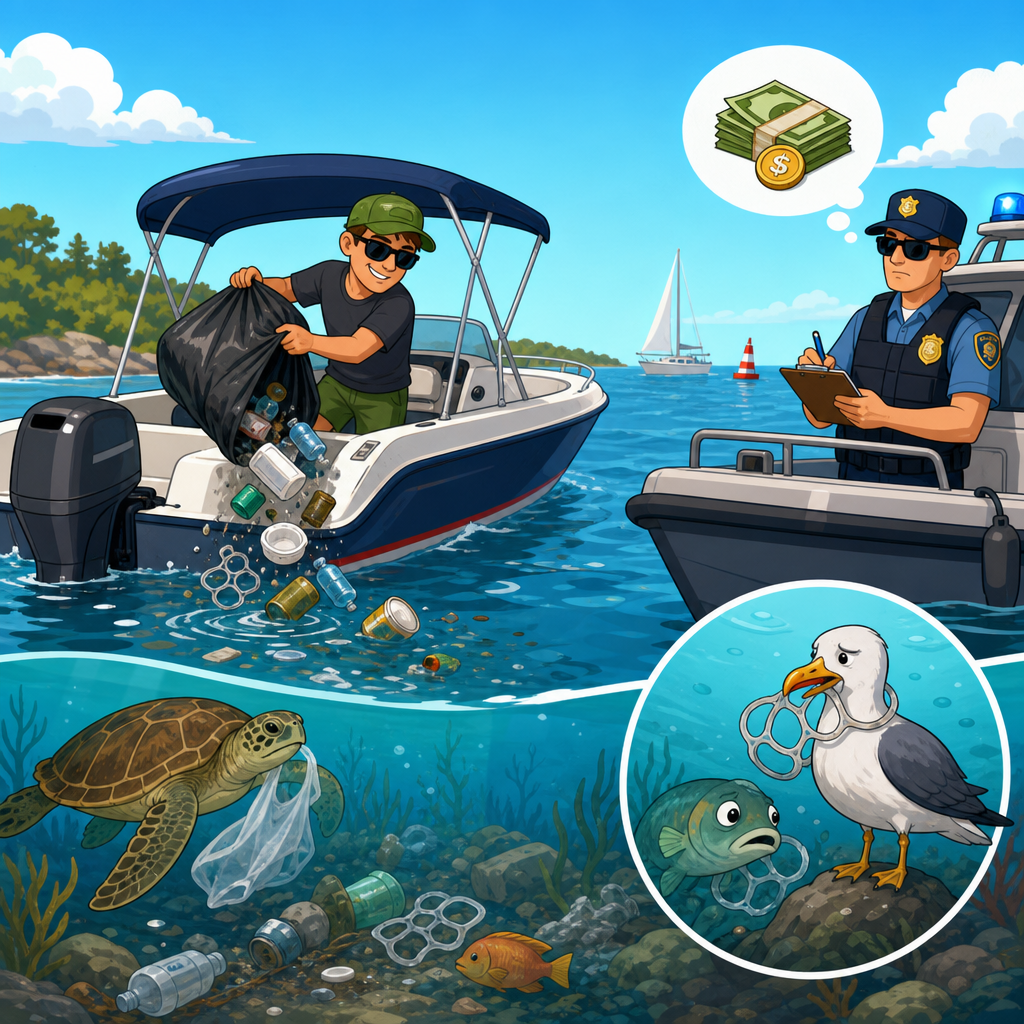
Trash disposal rules are straightforward but important. Plastics may not be discharged into U.S. waters, and garbage restrictions become more stringent offshore depending on distance from shore and material type. Owners should also watch state-specific rules involving aquatic invasive species. Western and upper Midwestern states, for example, often require draining bilges, removing drain plugs during transport, and submitting to inspection or decontamination to prevent spread of zebra mussels or other invasive organisms. Failing an inspection can mean fines or denied launch access.
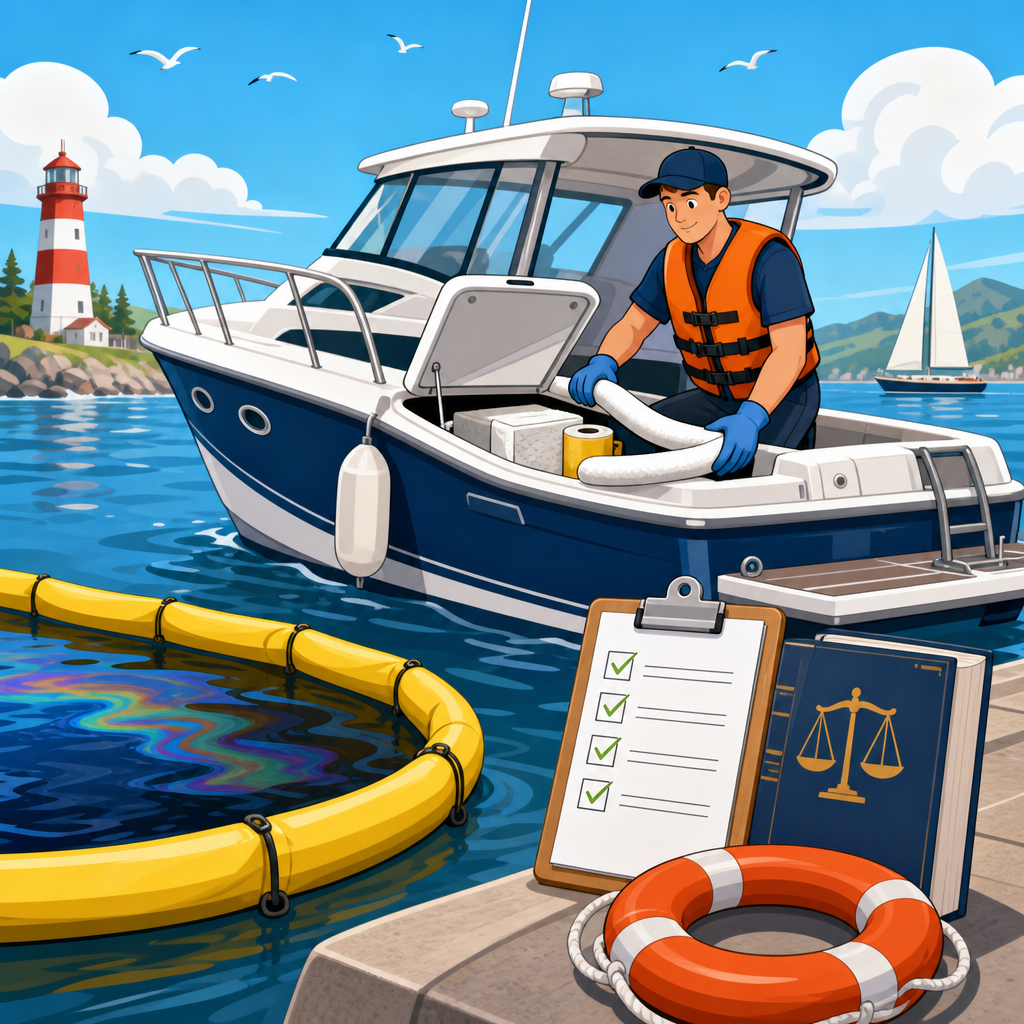
Routine maintenance creates compliance issues too. Sanding antifouling paint, washing engines, changing oil at the dock, or cleaning bilges with detergents can release pollutants. Responsible owners use absorbent pads, capture waste fluids, follow marina work rules, and dispose of hazardous materials at approved facilities. These actions reduce legal risk and demonstrate the standard of care expected from vessel owners.
Accidents, Reporting Duties, and Law Enforcement Encounters
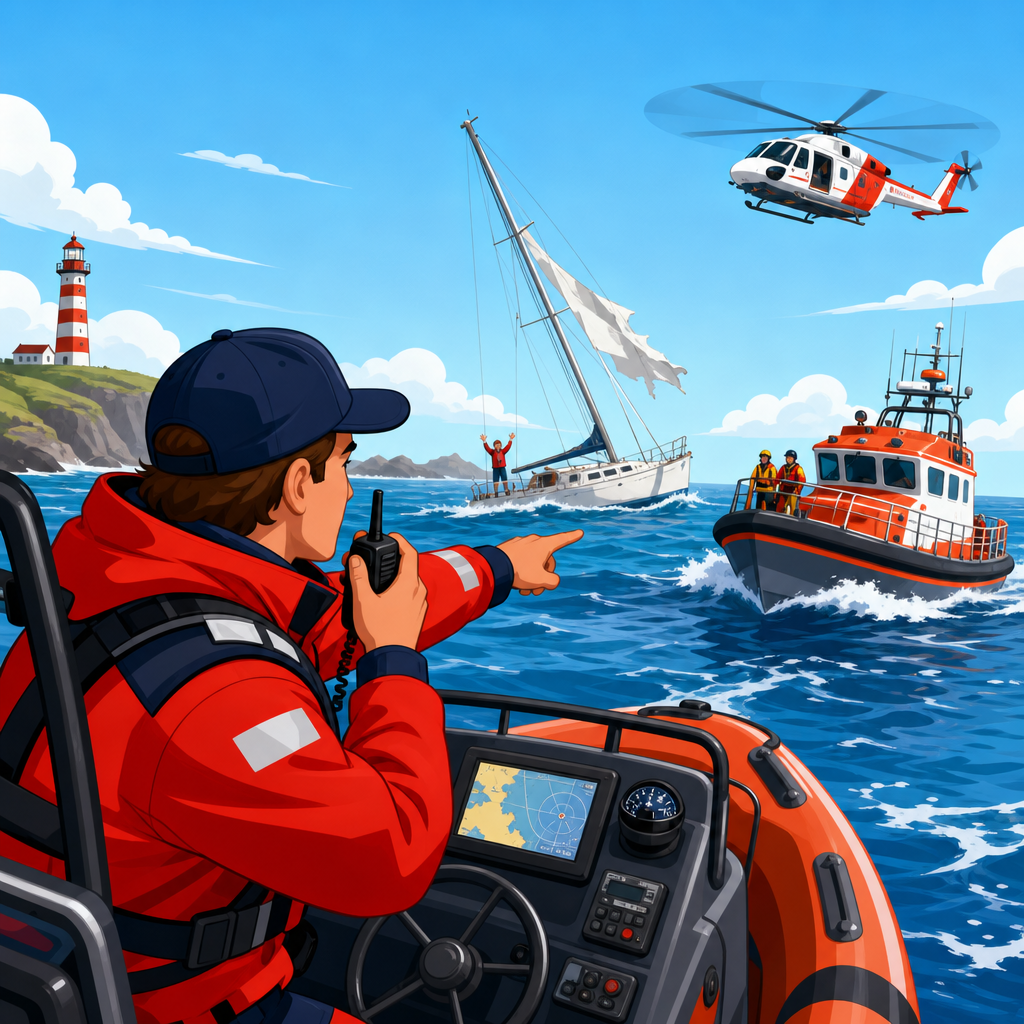
When a boating accident occurs, owners and operators have immediate legal responsibilities. First, render aid to anyone affected so far as it can be done without serious danger to your own vessel or passengers. Second, exchange identification information. Third, report the accident when required by federal or state thresholds, which usually include death, disappearance, injury requiring more than first aid, or property damage above a stated amount. Many states use reporting timelines such as immediate notice for fatalities and a written report within a set number of days for qualifying incidents.
Alcohol and drug laws apply on the water just as seriously as on the road, though enforcement conditions differ. Boating under the influence is illegal in every state, and implied consent rules may permit testing after a stop or accident. Owners should know that they can face consequences not only for operating impaired but also for allowing an obviously impaired person to operate their vessel. Marine patrol officers also conduct safety inspections and routine stops to check compliance with registration, equipment, and navigation rules. Unlike a roadside traffic stop, a vessel safety inspection may occur on the water without the same assumptions owners have from automobile contexts.
After an incident, preserve evidence. Photograph damage, note weather and water conditions, identify witnesses, and report promptly to your insurer. Delayed reporting, incomplete statements, or unauthorized repairs can complicate both legal defense and coverage.
Special Situations: Renting, Lending, Commercial Use, and Crossing Jurisdictions
Legal responsibilities expand when a boat is rented out, loaned casually, used for instruction, or involved in any for-hire activity. Carrying passengers for compensation can trigger commercial licensing, inspection, and insurance requirements that do not apply to ordinary recreational use. Owners who list boats on peer-to-peer rental platforms should verify whether state law, insurance exclusions, and marina rules permit that activity. In several cases I have reviewed, owners assumed platform protection replaced marine insurance; it did not fully cover liability, pollution, or hull damage.
Crossing into another state or coastal jurisdiction can also change the legal landscape. Fishing endorsements, invasive species rules, personal watercraft restrictions, mandatory education cards, and local speed or wake limits may differ. On federally navigable waters, Inland Navigation Rules generally apply, while International Regulations for Preventing Collisions at Sea govern certain coastal and offshore areas. Owners navigating boundary waters, such as the Great Lakes or shared river systems, should check both state and federal requirements before departure.
The safest approach is to treat ownership as an active compliance role, not a passive asset purchase. Keep current records, review state boating agency updates each season, inspect the vessel before every launch, and make sure every operator understands the rules. That discipline prevents the most common legal problems.
Boat ownership laws are manageable when owners understand that responsibility starts long before leaving the dock and continues after the boat is stored. The core duties are consistent across jurisdictions: prove lawful ownership, register and title correctly, equip the vessel to required standards, maintain seaworthiness, supervise operators responsibly, carry suitable insurance, prevent pollution, and report accidents properly. Owners who treat these duties as routine operating procedures protect themselves from citations, uninsured losses, and avoidable liability.
The main benefit of understanding legal responsibilities as a boat owner is control. You reduce uncertainty, make better decisions when lending or operating the vessel, and create a defensible record if something goes wrong. You also make boating safer for passengers, neighboring property owners, swimmers, paddlers, and other boaters who share the water with you. Compliance is not paperwork for its own sake; it is the framework that keeps recreation from turning into preventable harm or expensive legal exposure.
Use this article as your starting point for the broader Boating Laws & Regulations topic, then review the specific rules that apply in your state, your vessel class, and the waters where you operate most often. Before your next outing, inspect your boat, verify your documents, and confirm that every operator onboard meets the legal standard expected of an owner.
Frequently Asked Questions
What legal responsibilities come with owning a boat?
Owning a boat comes with a wide range of legal duties, and many of them begin before the vessel ever leaves the dock. In most places, owners are responsible for properly titling and registering the boat, displaying registration numbers and validation decals as required, and keeping ownership documents current when the vessel is sold, moved, or modified. Those requirements may also extend to trailers, outboard motors, and liens, depending on state law. If a boat is financed, there may be additional legal obligations tied to lender interests and proof of ownership.
Beyond paperwork, boat owners are generally responsible for ensuring the vessel is equipped and operated lawfully. That usually means carrying required safety equipment such as life jackets, fire extinguishers, sound-producing devices, navigation lights, and visual distress signals where applicable. Owners may also be legally responsible for maintaining the boat in safe working condition, preventing hazardous defects, and making sure any person operating the vessel is legally permitted to do so. In many jurisdictions, the owner can face penalties not only for their own conduct, but also for allowing an unqualified, intoxicated, or underage person to use the boat.
Environmental compliance is another major area of responsibility. Boat owners are often required to avoid fuel spills, unlawful sewage discharge, improper disposal of oil or waste, and other pollution violations. On top of that, many states require accident reporting after certain injuries, deaths, disappearances, or property damage thresholds are met. Some jurisdictions also impose insurance requirements, while others strongly encourage coverage even if it is not mandatory by statute. In short, boat ownership laws cover registration, safety, supervision, environmental protection, and post-incident reporting, not just how fast you can drive on the water.
Do I have to register and title my boat, and what happens if I do not?
In most states, yes. Boats with motors, and often many sailboats or larger non-motorized vessels, must be registered with the appropriate state agency, usually the department responsible for natural resources, wildlife, or motor vehicles. Titling requirements vary by state, but many boats must also have a formal title proving legal ownership. Registration typically has to be renewed periodically, and the owner must display the assigned registration numbers and decals in the correct format and location. If you move to another state, purchase a used vessel, or change ownership status, new filing deadlines may apply quickly.
Failing to register or title a boat can create both immediate and long-term problems. In the short term, it may lead to citations, fines, refusal of marina access, or enforcement action during routine safety inspections or water patrol stops. In more serious cases, an unregistered vessel may be barred from lawful operation until the paperwork is corrected. If ownership is unclear because the title was never transferred properly, disputes can arise over liens, taxes, stolen property claims, or the legal right to sell the boat later. Insurance carriers may also ask for valid documentation before issuing or honoring coverage.
It is also important to understand that “registration” and “title” are not always the same thing. Registration usually authorizes the vessel to operate legally on public waters, while title establishes ownership. Some boat owners mistakenly assume that a bill of sale alone is enough, but state law may require more. The safest approach is to check the exact rules where the boat is principally used, meet all deadlines after purchase, and keep copies of registration cards, title documents, tax receipts, and sale records on hand. Staying current protects your right to use, insure, transfer, and defend ownership of the vessel.
Am I legally responsible if someone else operates my boat?
Very often, yes. Boat owners are commonly responsible for who they allow to operate their vessel, and that responsibility can extend well beyond simple permission. If you lend your boat to a friend, family member, or guest, you may still be exposed to legal consequences if that person is underage, lacks required boater education, is intoxicated, or operates the vessel recklessly. Some states recognize forms of owner liability when the operator was using the boat with the owner’s consent, especially if the owner failed to act reasonably in deciding who could use it.
That responsibility becomes even more serious when the owner knew, or should have known, that the operator was unfit. For example, letting someone take the boat despite obvious intoxication, inexperience, or a history of unsafe behavior can strengthen claims of negligent entrustment. Under that legal theory, the owner may be held responsible for injuries or property damage because the boat was entrusted to a person who was not capable of using it safely. Separate from civil liability, the owner may also face fines or other penalties under state boating laws if the vessel was operated unlawfully with the owner’s permission.
As a practical matter, owners should verify that any operator meets age and licensing or boater-safety requirements, understands local navigation rules, knows the vessel’s controls and safety gear, and is physically and mentally able to operate safely. It is also wise to set clear limits on where the boat can go, who can be onboard, and whether towing, night operation, or alcohol use is allowed. Even when the law does not impose automatic owner liability in every situation, careful supervision and responsible lending reduce the risk of accidents, citations, and lawsuits.
What safety and environmental laws do boat owners have to follow?
Boat owners are typically required to keep certain safety equipment onboard and in usable condition at all times. The exact list depends on the vessel’s size, type, and where it operates, but common legal requirements include wearable life jackets, throwable flotation devices on certain boats, fire extinguishers, navigation lights, ventilation systems, backfire flame control devices, sound signals such as horns or whistles, and visual distress signals for coastal or federally regulated waters. Some waters may also require marine sanitation devices, carbon monoxide warning measures, or other specialized equipment. It is not enough for these items to be present; they usually must be readily accessible, not expired, and appropriate for the number of people onboard.
Environmental rules are just as important. Boat owners are generally prohibited from discharging oil, fuel, garbage, plastics, sewage, and other pollutants into the water. Fueling spills, oily bilge discharge, and improper waste disposal can trigger civil penalties and cleanup liability. If a vessel has installed sanitation equipment, owners may be required to use designated pump-out facilities and comply with no-discharge zones. Maintenance activities such as painting, cleaning, and engine repair can also raise legal issues if they release contaminants into the water or onto marina property. In some locations, invasive species laws require draining water, cleaning hulls, or following transport restrictions before moving the boat between waterways.
Owners should also remember that safety compliance is ongoing, not a one-time checklist. A burned-out navigation light, expired flare, empty fire extinguisher, or missing life jacket can result in citations even if no accident occurs. The best approach is to inspect the boat regularly, review both state and federal equipment rules, and follow marina and local waterway regulations in addition to general boating law. A legally compliant boat is not just safer for passengers and other boaters; it also reduces exposure to fines, enforcement actions, and liability after an incident.
What should a boat owner do after an accident, and is insurance required?
After a boating accident, the owner’s immediate legal priority is safety. That usually means stopping the vessel if possible, assisting anyone injured or in danger, and contacting emergency responders when needed. In many jurisdictions, leaving the scene of a serious boating accident can carry significant penalties. Owners and operators are also commonly required to exchange identifying information and report the incident to the proper agency when it involves death, disappearance, injury requiring medical treatment beyond first aid, or property damage above a specified amount. Reporting deadlines can be short, so waiting too long may create separate legal trouble even if the accident itself was unavoidable.
Accurate documentation matters. Boat owners should gather names, contact information, registration details, photographs, weather and water conditions, and a factual account of what happened. They should avoid speculation but preserve as much evidence as possible, especially if there was damage, injury, or possible enforcement action. If law enforcement or marine patrol investigates, owners generally must cooperate and provide requested documentation such as registration, proof of ownership, and operator credentials where applicable. Depending on the circumstances, there may also be duties to notify the marina, lender, or insurer promptly.
As for insurance, requirements vary. Some states do not require general boat liability insurance for every privately owned vessel, but marinas, lenders, and storage facilities often do. Certain types of boats, personal watercraft, or commercial uses may face stricter rules. Even where insurance is not legally mandatory, it is often one of the most important protections an owner can have because boating accidents can lead to expensive injury claims, pollution cleanup costs, salvage bills, property damage disputes, and legal defense expenses. Owners should review whether their policy covers permissive operators, towing, environmental damage, storm loss, uninsured boaters, and navigation in the waters where the vessel will actually be used. The legal minimum, if one exists, may not be enough to protect against real-world risk.