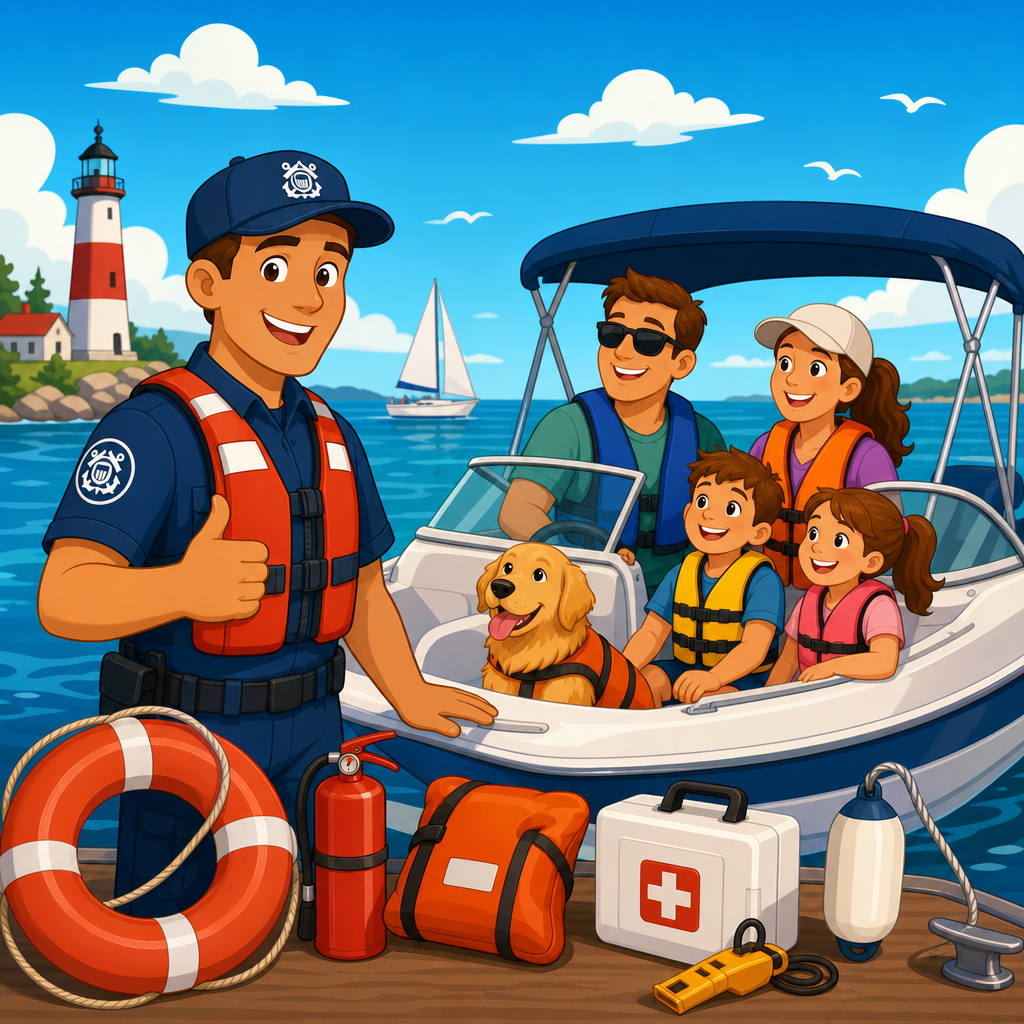
Anchoring seems simple: drop the hook, secure the vessel, and enjoy the water. In practice, the laws around anchoring and protecting marine life are far more complex because every anchoring decision can affect habitats, water quality, navigation safety, and protected species. For boaters, “environmental laws and clean boating” includes the rules that govern where you may anchor, what equipment you may use, how you handle sewage and trash, and how you avoid harming seagrass, coral, shellfish beds, mangroves, marine mammals, and nesting birds. This matters because a single anchor drag can scar a seagrass meadow for years, a discharge violation can trigger heavy civil penalties, and a careless approach in a sanctuary or no-discharge zone can put both wildlife and your boating privileges at risk.
I have worked with marina operators, captains, and local compliance officers long enough to know that most violations are not malicious. They usually come from assumptions: that federal waters mean no local rules apply, that an anchor is always legal if charts show enough depth, or that “biodegradable” soap can go overboard anywhere. Those assumptions fail quickly. In the United States, anchoring and marine protection laws sit across several layers: federal statutes such as the Clean Water Act, the Act to Prevent Pollution from Ships, the Endangered Species Act, the Marine Mammal Protection Act, and the National Marine Sanctuaries Act; state boating and environmental codes; county mooring ordinances; and site-specific rules posted by parks, refuges, ports, and harbor masters. A useful working definition is this: clean boating means operating, anchoring, maintaining, and provisioning a vessel in ways that prevent habitat damage, pollution, and wildlife disturbance while complying with all applicable regulations.
As a hub topic, this page explains the legal landscape boaters need before drilling into specific articles on sewage discharge, invasive species, fueling rules, sanctuary regulations, and protected wildlife distances. The core principle is straightforward. You are responsible not only for controlling your vessel, but also for understanding the environmental footprint of where and how you secure it. Good seamanship and legal compliance now overlap. Choosing a mooring instead of dropping anchor on eelgrass, using a pump-out instead of releasing sewage, stowing garbage so nothing enters the water, and slowing near manatees or whales are no longer best practices alone; in many places, they are enforceable duties backed by inspections, citations, and restoration claims.
How anchoring laws are structured and who enforces them
Anchoring laws are shaped by overlapping jurisdictions, so the first question is never “Can I anchor here?” in the abstract. The real question is “Which authority controls this water, shoreline, or habitat?” Federal agencies often set the broad environmental floor. The U.S. Coast Guard enforces vessel pollution rules, marine sanitation device requirements, and parts of the Act to Prevent Pollution from Ships. The Environmental Protection Agency oversees clean water programs and no-discharge zone approvals. NOAA manages national marine sanctuaries and many protected species rules. The U.S. Fish and Wildlife Service and National Park Service regulate anchoring and access within refuges and park waters. States then add boating, submerged lands, and habitat protection rules, and local governments may regulate anchoring duration, mooring fields, and setbacks where state law allows.
In practice, enforcement is highly localized. A harbor master may move you for blocking a fairway, a marine patrol officer may cite you for anchoring in a prohibited grass flat, and sanctuary staff may document coral damage for a separate restoration claim. I have seen boaters assume that if no one is immediately present, the risk is low. That is outdated thinking. Officers now rely on AIS tracks, marina reports, drone footage, and habitat maps. In sensitive areas, fines can be paired with costs for resource damage assessment, especially when coral heads, oyster reefs, or marked seagrass beds are harmed. The safest habit is to treat every anchorage as regulated until verified otherwise through official charts, notices, and local guidance.
Protected habitats: seagrass, coral reefs, shellfish beds, and wetlands
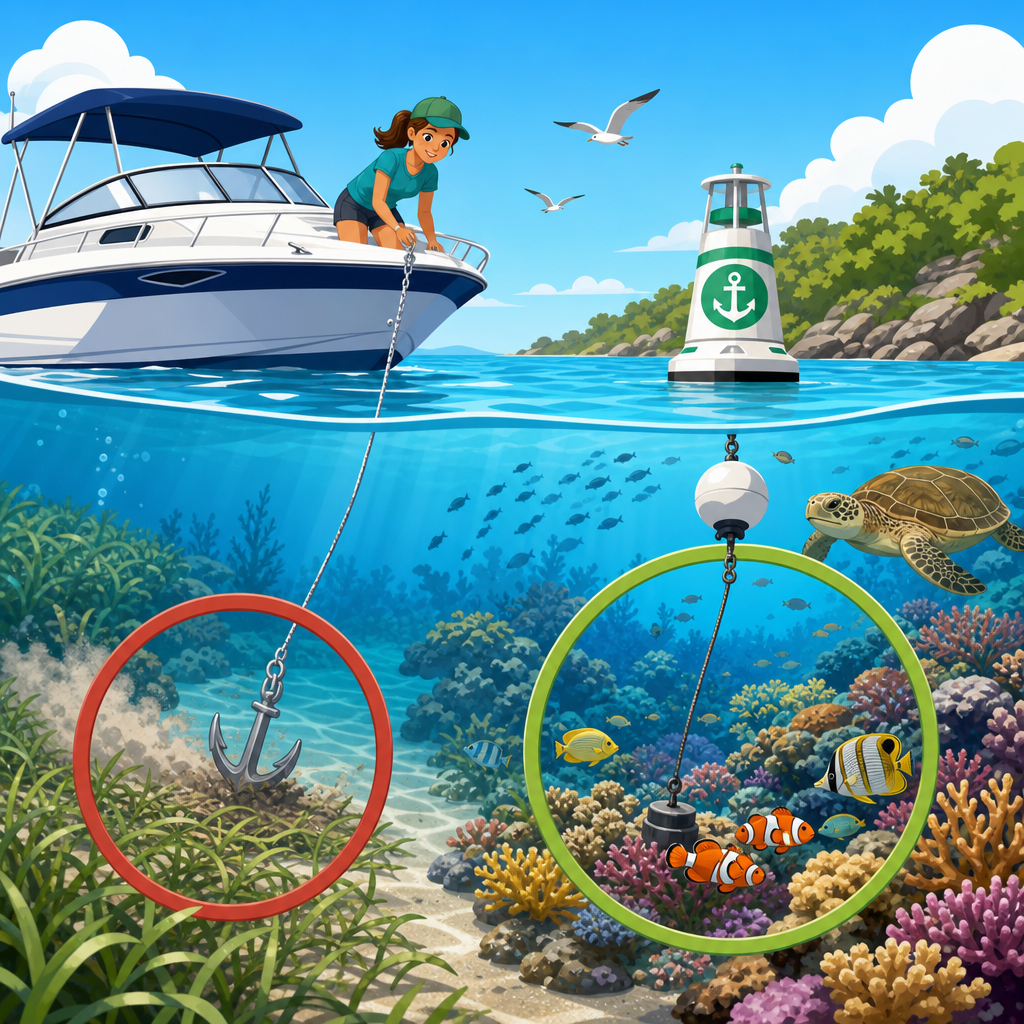
The most important environmental anchoring rules focus on habitats that are easily damaged and slow to recover. Seagrass meadows stabilize sediment, improve water clarity, and serve as nursery grounds for fish, crabs, and scallops. Yet prop scarring and anchor damage can fragment these beds quickly. States such as Florida have adopted protections in certain managed areas, and local agencies may mark poles, exclusion zones, or no-motor corridors around vulnerable flats. Coral reefs are even more strictly protected in many locations because an anchor or chain can crush living coral that took decades to grow. In sanctuary waters, reef damage can lead to substantial penalties and restoration liability.
Shellfish beds and aquaculture leases add another layer. Anchoring on leased oyster or clam grounds may interfere with private rights, contaminate harvest areas, or damage gear. Wetlands and mangroves are similarly protected because they buffer shorelines, store carbon, and support juvenile marine life. Tying off to mangroves, cutting vegetation for access, or grounding repeatedly in marsh edges can violate state habitat laws and shoreline protection rules. The legal standard is usually simple even when the statutes are technical: if an area is mapped, marked, leased, restored, or designated as sensitive habitat, assume restrictions apply until official sources confirm otherwise.
| Habitat or Area | Common Restriction | Typical Boater Requirement | Example Consequence |
|---|---|---|---|
| Seagrass beds | No anchoring or no-motor access in marked zones | Use channels, pole or drift, or take a mooring | Citation and habitat damage claim |
| Coral reefs | Anchoring prohibited on or near reef structure | Use mooring buoys where provided | Federal penalty and restoration costs |
| Shellfish beds | Anchoring limits over leases or harvest waters | Avoid mapped lease sites and gear markers | Interference, damage, or pollution violation |
| Mangroves and marsh edges | No tying, cutting, or repeated grounding | Anchor off habitat and control swing radius | State habitat enforcement action |
Mooring buoys, anchoring setbacks, and time limits
Many clean boating conflicts are solved by using mooring systems instead of anchors. Public mooring fields are common in busy harbors, sanctuaries, and reef areas because they reduce bottom disturbance and better organize vessel spacing. Where moorings are installed, local rules may require their use or prohibit anchoring nearby. Some jurisdictions also impose setbacks from channels, docks, swim areas, bridges, underwater cables, intake structures, or environmentally sensitive shorelines. These rules are not just about navigation; they often protect eelgrass, restoration plots, and bird nesting habitat by controlling where a vessel can swing.
Time limits matter as much as location. Cities and counties increasingly regulate how long a vessel may remain anchored in one place, often to prevent abandoned boats, chronic discharges, and long-term shading of habitats. Florida’s anchoring framework, for example, has evolved through state legislation and local pilot programs to balance navigation rights with public safety and environmental protection. Similar tensions appear in the Pacific Northwest, California bays, and New England harbors. If you anchor overnight or for multiple days, check harbor ordinances, not just boating charts. I routinely advise boaters to document their compliance by saving the ordinance, marina bulletin, or sanctuary notice on their phone before arriving.
Pollution laws every anchored boat must follow
Environmental compliance does not stop once the anchor is set. The Clean Water Act and related state laws prohibit discharges of oil, fuel, sewage, garbage, and many other pollutants into navigable waters. For recreational vessels, the most common violations involve marine sanitation devices, oily bilge discharge, graywater assumptions, and accidental trash loss. If your boat has an installed toilet, federal law generally requires an approved marine sanitation device. In a no-discharge zone, even treated sewage cannot be released; it must be retained and pumped out ashore. The Coast Guard and state officers do inspect Y-valves, holding tanks, and placarding.
Oil pollution rules are equally strict. Bilge water with a visible sheen cannot be pumped overboard. Used oil, oil filters, solvent-soaked rags, paint dust, and battery acid must be managed as waste streams, not casually stored until something leaks. Under MARPOL Annex V and U.S. implementing law, garbage discharge is tightly restricted, and plastics may not be discharged anywhere into the water. That includes fishing line, zip ties, food wrappers, and foam fragments that blow from the deck while you are at anchor. Clean boating is therefore operational discipline: secure waste, use absorbent pads, maintain fuel systems, and treat every overboard release as a legal event, not a housekeeping issue.
Wildlife protection rules near anchorage areas
Marine life protection laws often regulate vessel behavior before and after anchoring. The Marine Mammal Protection Act prohibits harassment of marine mammals, and the Endangered Species Act adds safeguards for listed species such as certain whales, sea turtles, smalltooth sawfish, and some coral species. “Harassment” is broader than many boaters realize. Approaching too closely, blocking a travel path, causing repeated flushing or diving responses, or operating in a way that separates animals from calves can trigger enforcement. Local guidance may establish minimum approach distances, no-entry closures, or seasonal speed zones around rookeries, manatee habitats, seal haul-outs, and whale feeding areas.
Anchoring can also affect shorebirds and turtles. On barrier islands, boats set too close to nesting beaches may encourage foot traffic through protected dunes or disturb posted bird colonies. Bright deck lights can disorient hatchling sea turtles in some coastal zones. In estuaries, swinging chains may scrape bottom habitats used by horseshoe crabs and juvenile fish. The legal takeaway is that wildlife protection is not only about direct contact. Disturbance, noise, lighting, wake, and repeated presence all matter. Before anchoring near a beach, marsh, or haul-out site, check seasonal closures, refuge maps, and any posted buffer distances.
How to choose a legal, low-impact anchorage
The best method is a three-part check: chart review, habitat review, and local rule review. Start with official NOAA charts or approved electronic charting and identify depth, channels, cables, obstructions, and marked mooring areas. Then review habitat layers where available. Many states and sanctuary programs publish seagrass maps, coral protection zones, shellfish lease viewers, and restoration area shapefiles. Finally, check the controlling local authority: harbor master, state park, county marine unit, refuge office, or sanctuary superintendent. If the area is popular, call ahead and ask the exact question officers hear most: “Where should a recreational boat anchor here without harming habitat or violating a local rule?”
Once on scene, evaluate bottom type, swing radius, and weather. Sand or mud away from vegetation is usually preferable. Avoid dropping where your chain will sweep across grass, reef, or private gear. In crowded anchorages, calculate not just your own scope but the likely arc of nearby vessels. If there are public moorings, use one sized for your vessel and inspect the pickup line visually before committing. I tell skippers that clean anchoring is mostly decision quality made early. By the time your anchor is dragging through a resource area, the legal and environmental problem has already happened.
Records, penalties, and practical compliance habits
Penalties range from warnings to major civil fines, removal orders, and liability for restoration. The amount depends on the statute, the sensitivity of the area, whether damage occurred, and whether the conduct was negligent or repeated. Sanctuary coral damage, illegal sewage discharge, or intentional dumping can become expensive quickly. Even when fines are moderate, towing, cleanup, lost use, and insurance complications add real cost. Some jurisdictions can also pursue derelict vessel actions if an anchored boat is abandoned or becomes a pollution threat.
The most effective compliance habits are mundane and reliable: keep pump-out receipts, maintain your sanitation system, carry oil absorbents, secure all trash, update charts, save local anchoring ordinances, and train everyone aboard on wildlife distances and discharge rules. If you accidentally damage habitat or witness a spill, report it promptly to the relevant authority. Early reporting often limits harm and demonstrates good faith. As the central guide within boating laws and regulations, this hub should point you toward deeper topics, but the governing lesson is immediate: legal anchoring and marine life protection depend on preparation, not guesswork. Before your next trip, review your destination’s habitat maps, discharge rules, and mooring requirements, and make clean boating part of your standard operating routine every time you leave the dock.
Frequently Asked Questions
What laws control where a boat can anchor, especially near sensitive marine habitats?
Anchoring laws are usually a mix of federal, state, and local rules, which is why boaters cannot assume that a spot that looks open is automatically legal to use. In many coastal and inland waters, anchoring may be restricted or prohibited in marked channels, navigation fairways, around bridges, near dams, inside mooring fields, and in designated swimming or restoration areas. Environmental protections add another layer. Seagrass beds, coral reefs, shellfish beds, marine preserves, manatee zones, and habitat restoration sites may be protected by specific regulations that prohibit anchoring altogether or limit how and where ground tackle can be deployed.
Protected areas are often managed by agencies such as the U.S. Coast Guard, state fish and wildlife departments, marine sanctuary programs, park services, or local harbor authorities. In practice, that means a boater should look for posted signs, chart markings, marine sanctuary notices, and local ordinances before dropping anchor. Some locations require the use of public mooring buoys instead of anchors to prevent habitat damage. Others allow anchoring only in sand or mud bottoms and not in vegetation or reef zones. Violations can lead to civil fines, removal orders, liability for habitat restoration costs, and in severe cases criminal penalties if protected resources are knowingly damaged. The safest approach is to check charts, review local anchoring rules, and avoid any area where the bottom habitat is uncertain or visibly sensitive.
Why is anchoring on seagrass, coral, or shellfish beds treated so seriously under environmental law?
Anchoring in these areas is heavily regulated because the physical damage can be immediate and long-lasting. A single anchor drop can crush coral, uproot seagrass, scar the bottom, or disturb shellfish habitat, but the greater damage often comes from anchor drag and chain sweep as the boat swings with wind and tide. Seagrass meadows serve as nursery habitat for fish and crustaceans, help stabilize sediments, and improve water quality. Coral reefs support biodiversity and coastal protection. Shellfish beds contribute to filtration and are often tied to commercial and ecological restoration goals. Because these habitats are foundational to the health of the marine environment, lawmakers and regulators often treat damage to them as more than a simple boating mistake.
In many jurisdictions, damaging protected marine habitat can trigger penalties even if the boater did not intend to cause harm. Agencies may evaluate whether the operator acted reasonably, whether the area was marked, whether charts identified sensitive habitat, and whether less damaging alternatives were available. In some places, habitat injury may also create financial responsibility for restoration, monitoring, or administrative enforcement costs. That is why prudent boaters use updated charts, polarized lenses when visibility allows, shallow-water awareness, and mooring buoys where provided. If there is any doubt about the bottom, choosing a sandy patch or another legal location is often the best way to comply with environmental laws and avoid costly mistakes.
Are boaters required to use certain anchoring practices or equipment to reduce harm to marine life?
Yes, in some locations the law does not just regulate where you anchor, but also how you anchor. While there is no single nationwide rule that prescribes one anchoring system for every vessel, many protected areas and harbors require or strongly favor practices designed to reduce seabed damage. For example, some marine parks prohibit anchoring and require visiting vessels to tie to approved moorings. Other areas may restrict anchoring methods that are likely to drag across reefs or vegetation. Even where the law is less specific, general boating rules still expect operators to act with reasonable care, and poor anchoring technique that harms habitat can still lead to enforcement.
Good compliance usually means selecting an appropriate anchor for the bottom type, using enough scope to set properly without repeated dragging, avoiding oversized chain sweep in sensitive shallows, and confirming that the boat’s swing radius will stay clear of reefs, grasses, oyster beds, and neighboring vessels. Boat operators should also consider weather, currents, tidal change, and overnight swing before setting the hook. If public moorings are available, they are often the preferred low-impact option. A boater who ignores local guidance, drops anchor in a fragile area, and damages habitat may face the same legal consequences as someone who anchored in a plainly prohibited zone. In short, proper equipment and seamanship are not just best practices; they can be part of meeting your legal duty to protect marine resources.
How do sewage, trash, and clean boating rules relate to anchoring and protecting marine life?
Anchoring decisions often trigger broader environmental obligations because once a vessel is stationary, all onboard waste handling becomes more important. Federal and state clean boating laws regulate sewage discharge, garbage disposal, oil pollution, and hazardous substances whether a vessel is underway or at anchor. Many waters are designated as No Discharge Zones, where even treated sewage cannot be lawfully released. In those areas, marine sanitation devices must be secured to prevent discharge, and waste must be held for pump-out facilities. Discharging trash, plastics, fishing line, food waste in restricted waters, oily bilge mixtures, or hazardous liquids can lead to significant penalties and can harm birds, fish, turtles, shellfish, and water quality.
These rules matter especially in coves, estuaries, near shellfish waters, and around swimming or recreation areas, where limited flushing can cause pollution to accumulate. Anchoring near sensitive habitat while allowing sewage leaks, fuel spills, or litter to enter the water can create both environmental and public health problems. Responsible boaters should confirm the status of onboard sanitation equipment, use pump-out services, store trash securely, prevent bilge contamination, and respond immediately to spills. Environmental compliance is not limited to the anchor itself. The law views boating activity as a whole, and protecting marine life includes preventing pollution that can degrade habitat long after the vessel leaves the anchorage.
What should a boater do to stay compliant if local anchoring laws and habitat protections seem unclear?
When the rules are unclear, the best legal strategy is caution, verification, and choosing the least damaging option. Start with current nautical charts, notices to mariners, state boating guides, marine sanctuary maps, and local harbor or municipal regulations. If the area is managed by a park, refuge, or sanctuary, review that agency’s site or contact the office directly. Harbormasters, marina staff, and local law enforcement marine units can often explain whether anchoring is allowed, whether moorings are required, and whether the area contains protected bottom habitat. On the water, posted signs, marker buoys, and chartplotter overlays should never be ignored, but they should also be backed up by pre-trip research because not every protected area is obvious from the surface.
If uncertainty remains, do not anchor over visible vegetation, reef structure, shellfish beds, or unusually clear patchy bottom that may indicate sensitive habitat. Use a lawful mooring if one is available, or move to a clearly permitted anchorage with a sand or mud bottom. Keep records of your research when cruising unfamiliar waters, especially in highly regulated coastal zones. That kind of preparation can help show good-faith compliance if questions arise later. Most importantly, remember that “I didn’t know” is rarely a strong defense when environmental damage occurs. A conservative anchoring decision protects marine life, reduces legal risk, and reflects the standard of care expected from responsible boaters.