Boat engine problems rarely appear without warning, but many owners miss the early signs because they do not know what normal sounds, temperatures, fuel behavior, and starting patterns should look like. In practical terms, boat engine troubleshooting means identifying symptoms, tracing them back to fuel, air, spark, cooling, lubrication, electrical supply, or mechanical wear, and then confirming the cause before replacing parts. That process matters because a minor issue such as a weak battery cable, clogged fuel filter, or stuck thermostat can escalate into a no-start condition, overheating event, or complete power loss offshore. I have worked through these failures on outboards, sterndrives, and small inboard gasoline engines, and the pattern is consistent: systematic diagnosis saves money and prevents secondary damage. This guide serves as the central resource for engine care and troubleshooting within boat maintenance and repairs, helping you recognize common problems, understand likely causes, and know when a dockside fix is reasonable versus when a certified marine technician should take over.
Start with Safe, Systematic Marine Engine Diagnosis
The first rule of boat engine troubleshooting is to diagnose safely and in sequence. Marine engines operate in a high-risk environment where fuel vapors, confined engine compartments, corrosion, and water intrusion create hazards that do not exist in the same way on cars. Before touching anything, ventilate the bilge, switch off battery banks if you are inspecting wiring, and confirm there is no fuel odor. On gasoline inboards and sterndrives, running the bilge blower for at least four minutes before startup is standard practice recommended by engine and boat manufacturers because vapors can settle in low spaces and ignite. Keep a fire extinguisher rated for marine use nearby, and never crank repeatedly if you smell raw fuel.
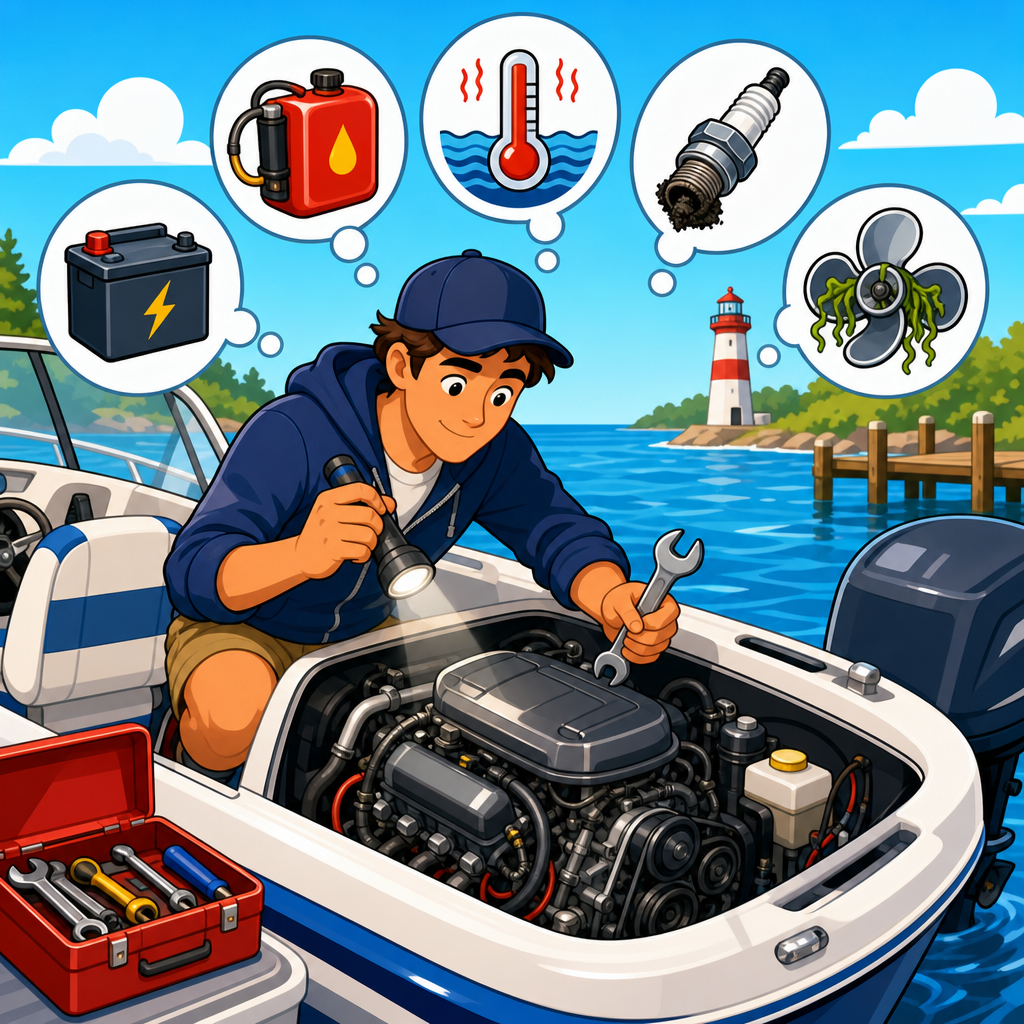
A disciplined process prevents guesswork. I begin every engine check by asking four direct questions: does the engine crank, does it start, does it idle normally, and does it make full power under load. Those questions immediately narrow the fault tree. An engine that will not crank points toward batteries, cables, fuses, switches, neutral safety interlocks, or starter issues. An engine that cranks but will not start usually lacks fuel, ignition, or sufficient compression. An engine that starts but stalls may have contaminated fuel, idle air problems, low fuel pressure, or sensor faults. An engine that runs but loses power often has restricted fuel flow, cooling issues, propeller load problems, or internal damage. This framework works across carbureted and fuel-injected marine engines.
Baseline information matters. Check the owner’s manual for normal operating RPM, thermostat range, oil capacity, and alarm meanings. Modern outboards from Yamaha, Mercury, Suzuki, Honda, and Evinrude systems often store fault codes that can be read with dealer software or compatible scan tools. Even without software, smart gauges and warning lights provide clues. Record battery voltage, engine hours, last service date, recent fuel purchases, and what changed before the problem started. In my experience, many “sudden” boat engine problems follow maintenance mistakes, stale ethanol fuel, long storage periods, or corrosion at a single overlooked connection.
Why a Boat Engine Will Not Start or Crank
A boat engine that will not start is the most common complaint, and the first distinction is simple: no crank versus cranks but does not fire. If nothing happens when you turn the key, inspect the battery switch position, battery state of charge, terminal cleanliness, main fuse, and engine harness connections. A fully charged 12-volt battery at rest should read about 12.6 to 12.8 volts. Anything near 12.2 volts is already significantly discharged, and voltage can collapse further under starter load. Marine starting circuits are sensitive to resistance, so green or white corrosion on battery posts, ground lugs, or cable ends can prevent cranking even when the battery seems acceptable. Also verify the engine is truly in neutral, because many boats have a neutral safety switch that blocks starting.
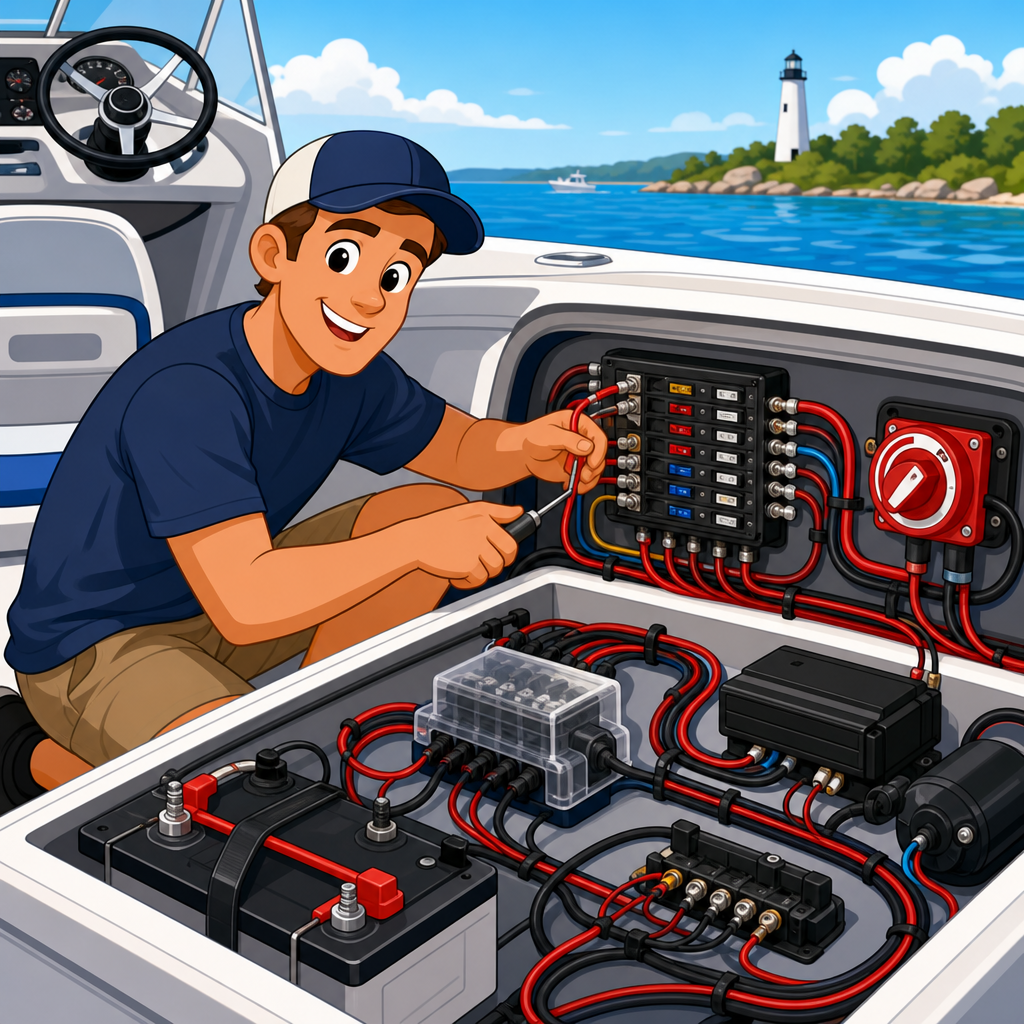
If the starter clicks once or chatters, suspect low voltage, poor cable connections, or a failing starter solenoid. Voltage drop testing is more useful than guessing. While cranking, measure between the positive battery terminal and the starter input stud; then measure between the negative battery terminal and the engine block. Excessive drop indicates resistance in the cables or connections. Marine cable ends often corrode internally under insulation, especially in saltwater environments, so a cable can look clean outside and still fail electrically.
If the engine cranks but does not start, move to fuel and ignition. For portable-tank outboards, confirm the tank vent is open, the primer bulb is firm, and the fuel quick-connect fittings are fully seated. A collapsed primer bulb, air leak on the suction side, or anti-siphon valve restriction can starve the engine. On gasoline engines, inspect spark plugs for fouling and check for spark with a proper tester, not by grounding a loose plug casually. If spark is present, verify fuel delivery. Carbureted engines may suffer from varnish in idle jets after storage, while electronic fuel injection engines may have weak fuel pumps, clogged filters, or water in the fuel separator. Water contamination is especially common after heavy rain, poor deck fill sealing, or neglected fuel systems.
Common Symptoms, Likely Causes, and First Checks
Most owners troubleshoot faster when symptoms are matched to the most probable causes. The table below summarizes the first checks I use before deeper testing. It does not replace model-specific procedures, but it covers the failures seen most often during seasonal service and on-water callouts.
| Symptom | Likely Causes | First Checks |
|---|---|---|
| Engine will not crank | Low battery, corroded terminals, bad solenoid, neutral switch fault | Measure battery voltage, inspect cables, verify neutral, check fuses |
| Cranks but will not start | No spark, stale fuel, blocked fuel supply, flooded engine | Test spark, inspect plugs, squeeze primer bulb, check fuel separator |
| Starts then stalls | Idle circuit clog, water in fuel, low fuel pressure, sensor issue | Drain separator, inspect filters, verify venting, scan for fault codes |
| Loss of power at speed | Fuel restriction, overheating, prop damage, ignition misfire | Check RPM, inspect propeller, monitor temperature, replace filters |
| Overheating alarm | Failed impeller, blocked intake, stuck thermostat, scale buildup | Inspect telltale, check water intakes, service water pump, test thermostat |
| Rough idle or misfire | Fouled plugs, vacuum leak, injector issue, low compression | Read plugs, inspect hoses, perform compression test, clean injectors |
| Excessive smoke | Rich fuel mix, oil burning, wrong oil, overfilled crankcase | Check oil level, note smoke color, inspect plugs, review service history |
Fuel System Problems: Bad Gas, Water, Filters, and Air Leaks
Fuel system faults account for a large share of common boat engine problems, especially after storage or inconsistent maintenance. Ethanol-blended gasoline absorbs moisture, can phase separate under the wrong conditions, and loosens debris inside older tanks and hoses. Diesel systems bring different issues, mainly microbial contamination, water accumulation, clogged primary filters, and air leaks that interrupt injection. In both cases, the engine may start hard, surge, stall, lose top-end power, or run lean enough to overheat. One reason fuel diagnosis goes wrong is that owners replace spark plugs first when the real issue is upstream restriction or contamination.
Start with what you can inspect directly. Check the water-separating fuel filter and drain any collected water into a clear container. Water will bead or settle separately from fuel. Replace spin-on filters annually at minimum, and more often if the engine is heavily used or fuel quality is uncertain. Inspect primer bulbs, fuel hoses, and fittings for cracks, softness, swelling, or date codes that suggest they predate modern alcohol-resistant standards. Older hoses can delaminate internally and create intermittent fuel starvation. On built-in tanks, a clogged vent can create vacuum and mimic a pump failure. I have confirmed this more than once by loosening the fill cap and hearing the tank inhale air.
Fuel pumps should be tested, not assumed. Mechanical pumps may leak, while electric pumps can produce noise without delivering proper pressure or volume. On fuel-injected engines, compare rail pressure to manufacturer specification. On carbureted engines, inspect bowls, floats, and needle valves if flooding or starvation is suspected. If the boat sat for months with untreated gasoline, carburetor cleaning may be unavoidable because varnish blocks the small passages that control idle and transition circuits. That is why routine fuel stabilization before winter layup remains one of the cheapest preventive steps in engine care.
Cooling System Failures and Marine Engine Overheating
Marine engine overheating should never be dismissed, because a brief alarm can become a warped cylinder head, scored piston, damaged exhaust manifold, or ruined impeller fragments lodged deep in the cooling circuit. Raw-water-cooled systems depend on unobstructed intake flow and a healthy impeller to move water through the engine. Closed-cooled engines still rely on raw water on the heat-exchanger side, so they are not immune. Typical overheating causes include blocked intake grates, plastic bags around lower-unit pickups, worn impeller vanes, stuck thermostats, collapsed hoses, mineral scale, and debris in heat exchangers or oil coolers.
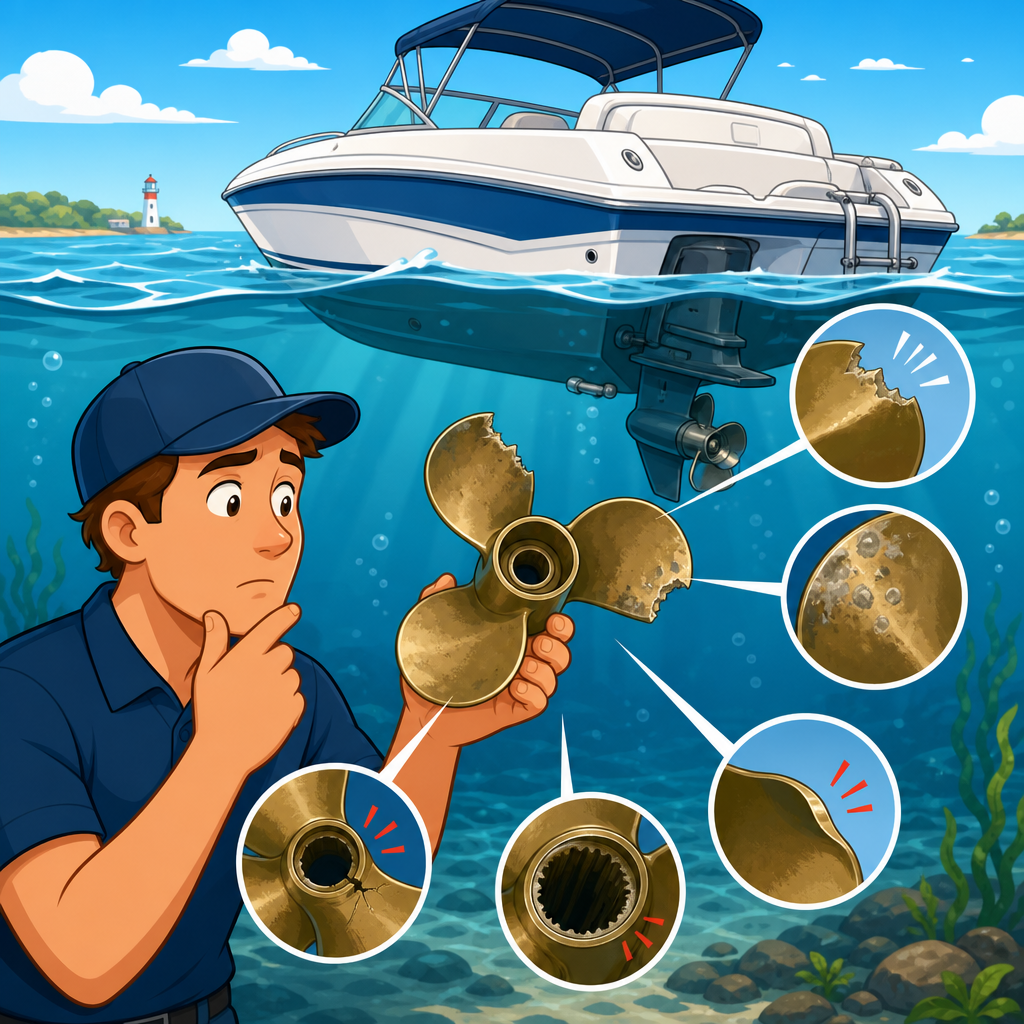
On outboards, the telltale stream is only a partial indicator. A weak or intermittent stream suggests restriction, but a strong stream does not prove the entire system is healthy because thermostats and internal passages can still be compromised. If the overheat alarm sounds, reduce throttle immediately and shut down if temperature does not normalize. Do not continue running at speed hoping it clears. Inspect the intake screens, look for mud or weeds, and consider the age of the water pump impeller. Many manufacturers recommend replacement every one to three years depending on hours and conditions. In sandy or silty water, annual inspection is prudent.
Sterndrives and inboards add more potential failure points: sea strainers, transom pickup restrictions, belts driving circulation pumps, heat exchangers, risers, and manifolds. Corrosion inside manifolds can reduce flow and introduce water where it does not belong. Infrared thermometers are useful for comparing hose and housing temperatures, but interpret readings carefully because surface temperature is not the same as coolant temperature. If an impeller has shed blades, find every piece. Leaving fragments in the cooling passages often causes repeat overheating even after a new impeller is installed.
Ignition, Electrical, and Sensor Issues Behind Rough Running
When a boat engine starts but runs poorly, electrical and ignition faults deserve close attention. Marine electrical systems live in vibration, humidity, and salt exposure, so resistance-related problems are common. Spark plug condition tells a detailed story. Dry black soot usually indicates rich running or weak ignition. Wet plugs suggest flooding or no spark on that cylinder. White blistered insulators can point to overheating or a lean condition. Replace plugs with the exact heat range and gap specified by the manufacturer; marine engines are less tolerant of improvisation than many owners assume.
Ignition coils, plug wires, stators, trigger assemblies, crankshaft position sensors, and engine control modules can all cause intermittent misfire or no-start events. Heat-related failures are especially deceptive because components may test normally when cool and fail once the engine reaches operating temperature. I have seen outboards that restarted perfectly at the dock but died repeatedly after twenty minutes because a sensor drifted out of range hot. That is why symptom timing matters. Note whether the issue appears only cold, only hot, only at idle, or only under load.
Charging system faults also create drivability complaints. A weak alternator or regulator can leave voltage too low for fuel injection and engine management systems. Check charging voltage after startup; many 12-volt systems should show roughly 13.5 to 14.5 volts depending on design. Grounds deserve equal scrutiny. A loose engine ground can cause erratic gauges, false alarms, hard starting, and misfire. Use dielectric protection where appropriate, but do not treat it as a fix for poor mechanical connection. Clean metal-to-metal contact comes first. If your engine uses onboard diagnostics, pull the codes before disconnecting batteries or clearing alarms, because stored data often shortens the repair dramatically.
Preventive Engine Care That Reduces Breakdowns
The best way to troubleshoot common boat engine problems is to prevent most of them from developing. Preventive engine care is not glamorous, but it is cheaper than emergency towing, injector replacement, or cylinder-head work. Follow the manufacturer service schedule for oil and filter changes, gearcase lubricant, spark plugs, impeller service, valve adjustments where required, and corrosion inspection. For many recreational boats, annual service is the minimum baseline even if hours are low, because age, moisture, and stale fuel damage components while the boat sits.
Use a checklist. Before each trip, inspect engine oil, coolant level if applicable, battery switch position, belt condition, fuel level, bilge condition, and any sign of leaks. Start the engine early enough to observe idle quality and cooling water discharge before leaving the dock. After each trip, flush outboards and applicable sterndrives with fresh water, especially after saltwater use. Corrosion prevention products on external components help, but they do not replace rinsing and periodic detailed inspection.
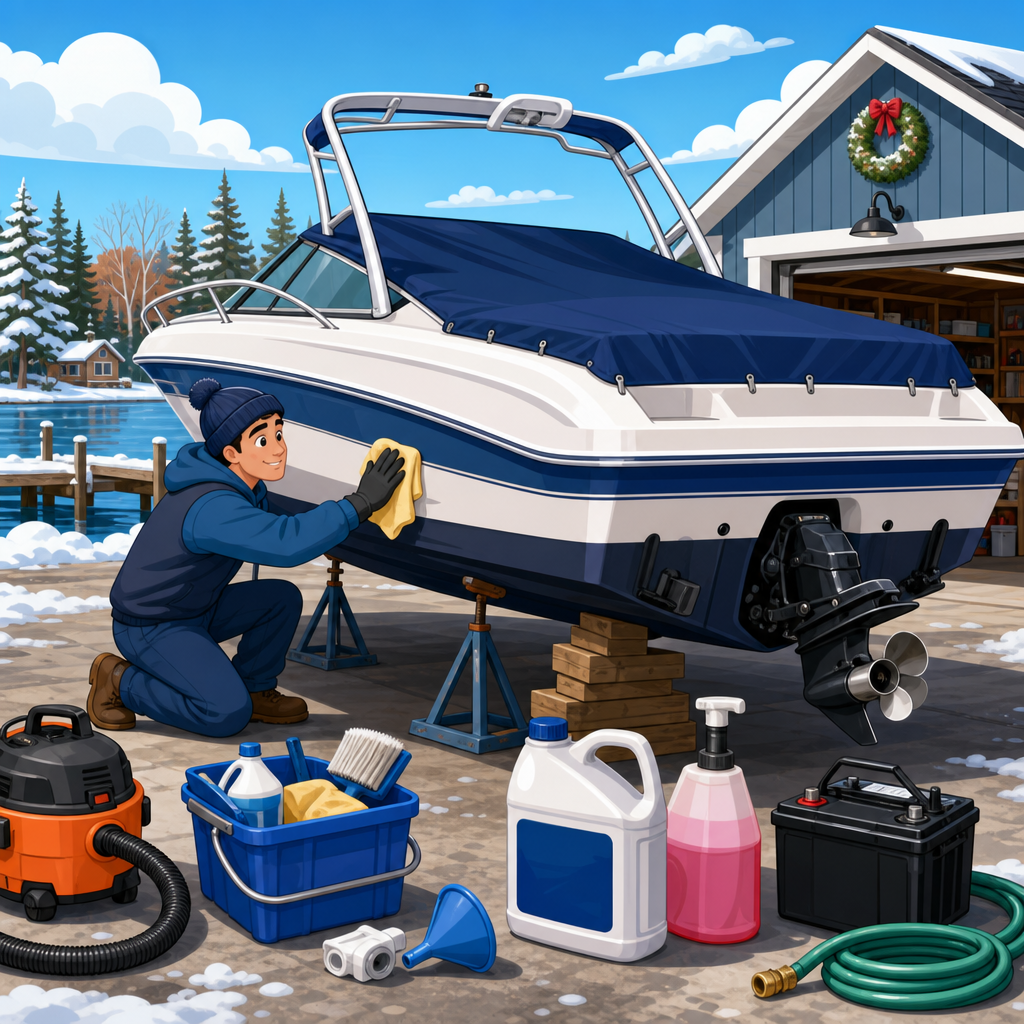
Storage habits matter as much as service intervals. Stabilize fuel before layup, keep tanks appropriately filled based on manufacturer guidance and storage duration, and fog engines if recommended. Charge and maintain batteries with a quality marine smart charger. Label service dates directly on filters and note engine hours in a log. That log becomes invaluable when diagnosing repeat issues because patterns emerge quickly. If you want this hub to guide your next steps, build out your maintenance plan with dedicated checks for fuel system care, marine cooling system service, ignition inspection, and seasonal commissioning. Then, when a symptom appears, you are troubleshooting from a known baseline instead of guessing. Consistent records, timely replacement of wear items, and disciplined inspections turn boat engine care from reactive repair into reliable ownership. Review your engine this week and address one overdue maintenance task before it becomes your next on-water breakdown.
Frequently Asked Questions
What are the most common warning signs that a boat engine problem is developing?
Most boat engine problems give off small warnings before they turn into a breakdown on the water. Common early signs include hard starting, longer cranking times, rough idle, loss of power under load, unusual vibration, inconsistent RPM, excess smoke, fuel smells, overheating alarms, and changes in exhaust water flow. You may also notice that the engine stalls unexpectedly, hesitates when accelerating, or sounds different than normal. These symptoms matter because they usually point to one of a few core systems: fuel delivery, air intake, ignition, cooling, lubrication, electrical supply, or internal mechanical wear.
A weak battery, for example, may first show up as slow cranking or electronics dimming during startup. A clogged fuel filter may cause surging, sputtering, or power loss at higher throttle. Fouled spark plugs can create misfires and rough running. Restricted cooling water flow may lead to rising temperatures, steam, or reduced water from the telltale or exhaust outlet. The key is to compare current behavior to what your engine normally sounds, smells, and feels like. Boat owners who pay attention to normal operating temperature, starting patterns, and running quality are much more likely to catch problems early and avoid replacing good parts unnecessarily.
How do I troubleshoot a boat engine that will not start?
Start with the basics and work through the system in a logical order instead of guessing. First, confirm that the battery is fully charged, the terminals are clean and tight, and the main electrical connections are not corroded. Many no-start conditions come down to voltage drop, weak cranking power, or poor cable connections rather than a failed engine component. Next, check that the safety lanyard, neutral switch, battery switch, and ignition switch are all in the correct position. It is surprisingly common for a simple safety interlock or switch issue to prevent startup.
After electrical checks, move to fuel. Make sure there is fresh fuel in the tank, the fuel shutoff valve is open, the primer bulb is firm if applicable, and the fuel line is not cracked, pinched, or sucking air. Inspect the fuel-water separator and fuel filter for contamination, especially if the boat has been sitting. Old fuel, water in the system, or a restricted filter can keep the engine from firing. If fuel supply seems normal, check for spark using the correct procedure and proper safety precautions. No spark may point to ignition coils, plugs, wiring, sensors, or a kill switch issue. If spark is present, inspect the spark plugs for fouling, wear, fuel saturation, or carbon buildup. Finally, consider air and mechanical condition. A blocked air intake, poor compression, or timing-related issue can also prevent starting. The most efficient troubleshooting method is to verify battery power, fuel delivery, and spark before assuming a major failure.
Why does my boat engine run rough, stall, or lose power while underway?
Rough running, stalling, and power loss usually happen when the engine is not getting the right balance of fuel, air, spark, cooling, or lubrication under load. Fuel issues are among the most common causes. A partially clogged fuel filter, water-contaminated fuel, collapsing fuel hose, blocked tank vent, or failing fuel pump may allow the engine to idle but cause hesitation or starvation when you accelerate. That is why a boat can seem fine at the dock yet struggle once throttle demand increases.
Ignition problems are another major category. Worn or fouled spark plugs, weak ignition coils, damaged plug wires, or intermittent electrical connections can lead to misfires that become more noticeable as RPM rises. Airflow restrictions, such as a dirty flame arrestor or intake obstruction, can also affect combustion quality. Beyond that, overheating can force an engine into reduced-power mode or create performance issues that feel like fuel starvation. Marine engines may also lose power because of propeller damage, fouled hulls, mechanical drag, low compression, or sensor faults in electronically controlled systems. The best approach is to observe when the problem appears: only at idle, only under acceleration, only after warming up, or only at high RPM. That pattern helps narrow the cause quickly and keeps you from replacing filters, plugs, pumps, and sensors at random.
What should I check if my boat engine is overheating?
When a boat engine overheats, treat it as a serious warning and reduce load immediately. Begin by checking whether cooling water is flowing normally from the exhaust or indicator outlet. Weak or absent water flow often means a restriction in the raw water system, such as a blocked intake, clogged strainer, damaged impeller, collapsed hose, or obstruction in the cooling passages. On outboards and sterndrives, a worn water pump impeller is one of the first things to suspect, especially if the boat has been run in sandy, silty, or debris-filled water or if the impeller has not been replaced on schedule.
You should also inspect the thermostat, because a thermostat stuck closed can prevent proper circulation and raise engine temperature quickly. On closed-cooling systems, check coolant level, heat exchanger condition, and circulation through the freshwater side of the system. Marine growth, scale buildup, and corrosion can reduce cooling efficiency over time even when no single part has completely failed. Oil level and condition also matter, since poor lubrication increases friction and heat. If overheating is accompanied by alarms, steam, burning smells, or reduced engine power, do not continue running the engine until the cause is identified. Repeated overheating can damage head gaskets, warp components, and shorten engine life. The safest troubleshooting process is to confirm water supply, inspect the pump and impeller, verify thermostat operation, and then check for internal restrictions or coolant-side problems.
How can I prevent common boat engine problems before they lead to expensive repairs?
The best prevention strategy is consistent inspection and maintenance combined with paying attention to changes in how the engine behaves. Before every outing, check battery charge, cable condition, engine oil, coolant level if applicable, fuel level, and visible hoses and clamps. Look for leaks, corrosion, cracked fuel lines, loose wiring, and anything that appears wet, burned, or out of place. Start the engine and listen for changes in cranking speed, idle quality, and exhaust note. If something sounds different, investigate before heading out. Small changes are often the first clue that a battery is weakening, a filter is clogging, or a cooling issue is beginning.
Long-term prevention comes from sticking to the manufacturer’s service intervals for oil changes, fuel filters, spark plugs, gear lube, belts, impellers, and cooling system service. Use fresh fuel, add stabilizer when storing the boat, and drain water-separating filters as recommended. Keep the battery maintained and fully charged, especially during the off-season. If the boat sits for long periods, periodic inspection matters even more because stale fuel, corrosion, and moisture-related electrical problems become more likely. Just as important, avoid the common mistake of replacing parts without testing. Effective boat engine troubleshooting is not about guessing; it is about matching symptoms to systems, confirming the root cause, and fixing the actual fault. That mindset saves money, reduces downtime, and helps prevent minor issues from becoming major mechanical failures.